-
Hana Hawaii Vintage Retro Premium Crewneck Sweatshirt - Black Logo
Regular price $48.00 USDRegular price -
Hana Hawaii Vintage Retro Premium Crewneck Sweatshirt - White Logo
Regular price $48.00 USDRegular price -
Hana Hawaii Vintage Retro Womens Fitted Ringspun Cotton Tee - Black Logo
Regular price $28.00 USDRegular price -
-
Hana Hawaii Vintage Retro Embroidered Cotton Cap - Black Logo
Regular price $32.00 USDRegular price -
Hana Hawaii Vintage Retro Embroidered Cotton Cap - White Logo
Regular price $32.00 USDRegular price -
Hana Hawaii Vintage Retro Vinyl Sticker - Black Logo
Regular price From $6.00 USDRegular price -
Hana Hawaii Vintage Retro Unisex Heavy Cotton Hoodie - White Logo
Regular price $56.00 USDRegular price -
Hana Hawaii Vintage Retro Unisex Heavy Cotton Hoodie - Black Logo
Regular price $56.00 USDRegular price -
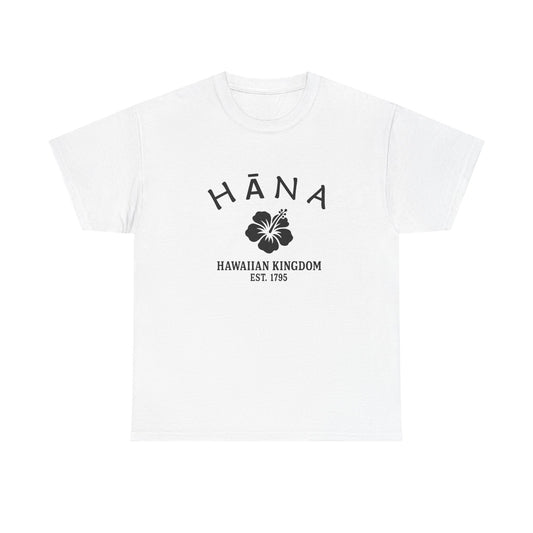
Hana Hawaii Vintage Retro Unisex Heavy Cotton Tee - White Logo
Regular price $22.00 USDRegular price -
Hana Hawaii Vintage Retro Unisex Heavy Cotton Tee - Black Logo
Regular price $22.00 USDRegular price -
Hana Hawaii Vintage Retro Giclée Print Art Series Poster
Regular price From $38.00 USDRegular price -
Hana Hawaii Vintage Retro Back Printed Art Series Cotton Tee - Black Logo
Regular price $32.00 USDRegular price -
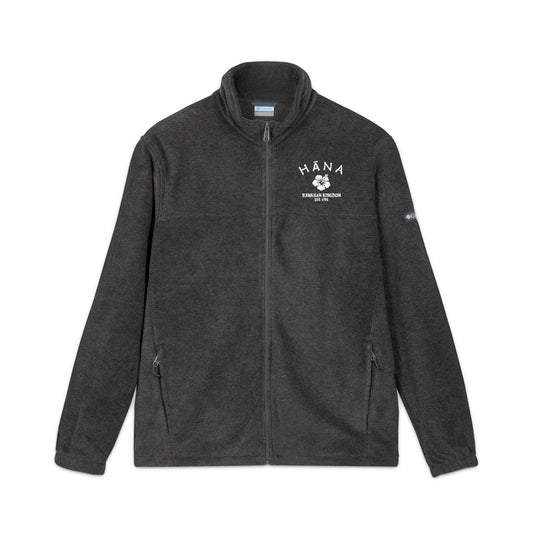
Hana Hawaii Vintage Retro Unisex Embroidered Fleece Jacket - White Logo
Regular price $98.00 USDRegular price -
Hana Hawaii Vintage Retro Ceramic Mug - Black Logo
Regular price From $16.00 USDRegular price -
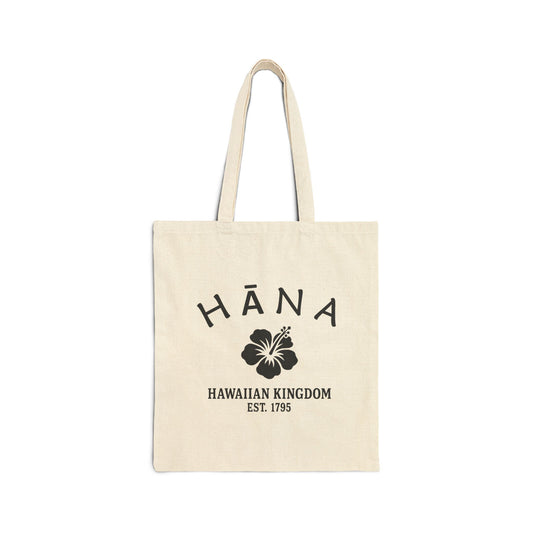
Hana Hawaii Vintage Retro Cotton Canvas Tote Bag - White Logo
Regular price $25.00 USDRegular price -
Hana Hawaii Vintage Retro Cotton Canvas Tote Bag - Black Logo
Regular price $25.00 USDRegular price -
Hana Hawaii Vintage Retro Thank You Card Set - Black Logo
Regular price From $25.00 USDRegular price -
Hana Hawaii Vintage Retro Cotton Jersey Baby Bodysuit - Black Logo
Regular price $26.00 USDRegular price -
Hana Hawaii Vintage Retro Unisex Cotton Jersey Tank Top - White Logo
Regular price $28.00 USDRegular price -
Hana Hawaii Vintage Retro Unisex Cotton Jersey Tank Top - Black Logo
Regular price $28.00 USDRegular price -
Hana Hawaii Vintage Retro Unisex Heavy Crewneck Sweatshirt - Black Logo
Regular price $44.00 USDRegular price -
Hana Hawaii Vintage Retro Unisex Heavy Crewneck Sweatshirt - White Logo
Regular price $44.00 USDRegular price -
Hana Hawaii Vintage Retro Unisex Embroidered Cotton Polo - Black Logo
Regular price $48.00 USDRegular price






















Hāna Hawaii — Retro Vintage History
Whatʻs with the Road to Hāna? To reach Hāna you drive one of the most famous roads on earth: some sixty miles of the Hāna Highway along Mauiʻs windward coast, about 620 curves and 59 bridges — 46 of them just one lane wide — carved into sea cliffs and threaded through dripping rainforest. It opened in 1926, was not fully paved until the 1960s, and is now on the National Register of Historic Places. The drive is the point. You go slowly, pull over for the cars behind you, stop for waterfalls and banana bread, and let the island slow you down. After two or three hours of green walls and one-lane bridges, the road delivers you to Hāna — and the place feels, as the saying goes, heavenly.
Wear the HistoryJust past town the surf breaks on a beach of jet-black sand at Waiʻānapanapa State Park — sand made not of coral but of lava, ground fine by the sea. The coast here is volcanic and dramatic: a black-pebble cove, sea caves, lava arches, blowholes, and freshwater pools, with a trail running along the cliffs. It is one of the most striking shorelines in the islands, and so sought-after it now runs on timed reservations. Black sand, green cliffs, blue water: that is the Hāna coast in three colors.
Hāna sits on the wet, windward side of Maui, where the trade winds wring rain from the slopes of Haleakalā and the whole coast runs deep green. South of town, in the Kīpahulu district of Haleakalā National Park, the ʻOheʻo Gulch pools step down to the sea, and the Pīpīwai Trail climbs through a bamboo forest to the tall Waimoku Falls. The name Hāna is often read as ʻrainy land,ʻ and the rain is the reason for the waterfalls, the taro, and the green.

Long before the road, Hāna was one of the great places of old Hawaiʻi, and it remains one of the most traditional Native Hawaiian communities in the islands. For centuries Hawaiians have farmed kalo (taro) in its valleys and fished its bays, and Hāna was a seat of power and a contested prize among the chiefs of Maui and Hawaiʻi Island. In the 1500s the Maui ruler Piʻilani united the island and built the Alaloa, the ʻlong roadʻ that once encircled Maui — the ancient ancestor of todayʻs highway. Hāna is also the birthplace of Queen Kaʻahumanu, born here around 1768. These are living, sacred places, and they are treated here with respect: the great heiau at Piʻilanihale and the cliffs of Kaʻuiki are honored from a distance, not as souvenirs.
The modern town took shape more quietly than most of Hawaiʻi. A sugar mill opened in 1849 and plantations worked the coast for a century, until the last mill closed in the 1940s. When sugar failed, a San Francisco businessman named Paul Fagan bought up land, started the Hāna Ranch with Hereford cattle, and in 1946 opened the hotel that became the Hotel Hāna-Maui — turning Hāna into a small, slow, deliberately undeveloped retreat. It has stayed that way: a working ranch town and a handful of cottages at the end of the long road.
That is the bargain Hāna offers. There are no big resorts, no traffic lights, barely a town center — just Hāna Bay beneath Kaʻuiki Head, a few churches and food trucks, the black-sand coast, and the waterfalls. People come the length of the highway for exactly this: a pocket of old Hawaiʻi the island never quite caught up to, where the reward for the long drive is the quiet at the end of it.
Our Hāna logo carries Hawaiʻiʻs hibiscus over ʻHawaiian Kingdom · Est. 1795,ʻ the year Kamehameha I united the islands and founded the Kingdom of Hawaiʻi — the shared emblem of every Merlin Classics Hawaiʻi place. Printed in clean retro black-and-white with the worn look of an old travel decal, the hibiscus reads as the islands in shorthand: warm, oceanic, aloha. What makes this one Hāna is everything behind it — the winding road, the black-sand coast, the waterfalls, and the green windward quiet.
Today Hāna is the lush reward at the end of Mauiʻs long and winding road — black sand, waterfalls, and a slower way of life kept close. Our Hāna designs gather that identity — the hibiscus emblem, the Road to Hāna, the windward coast — into wearable form. Hāna — the lush reward at the end of Mauiʻs long and winding road.
Wear the History
Hāna, Hawaiʻi — Travel Guide
Visiting Hāna Today
Hāna sits at the end of the Road to Hāna on the lush, rainy windward coast of Maui. It rewards unhurried days: a black-sand coast, waterfall-fed pools, a crescent beach, and a small, traditional town where the drive itself is half the experience.
The Road, the Black Sand & the Waterfalls
For visitors looking for things to do in Hāna, Maui:
- Drive the Road to Hāna slowly — some 620 curves, 59 bridges, and waterfalls the whole way.
- Walk the black-sand beach and coastal trail at Waiʻānapanapa State Park (reservation required).
- Hike the Pīpīwai Trail through the bamboo forest to Waimoku Falls in Kīpahulu.
- Cool off at the ʻOheʻo Gulch pools in Haleakalā National Park.
- Relax on the crescent of Hāmoa Beach.
- Stop at Hāna Bay beneath Kaʻuiki Head.
- Learn local history at the Hāna Cultural Center and Museum.
- Start the drive in Pāʻia, the gateway town, and fill up before you go.
Why People Visit Hāna
People come the length of the highway for the quiet at the end of it: a pocket of old Hawaiʻi with black-sand beaches, waterfalls, and a slow, traditional pace. The drive is the point, and Hāna is the reward — so take it slowly, and travel with respect for a place that has kept old Hawaiʻi close.
Wear the History
Kindred Cities
Greetings to visitors from Madeira, Portugal (bem-vindos) and Tofino, Canada — fellow end-of-the-road places, lush, remote and reached the hard way.
What binds these three is distance and rain-fed green. Madeira is the Portuguese island of cliffs and laurel forest out in the Atlantic — old country to many Hawaiian families, who carried the braguinha that became the ukulele. Tofino sits at the end of a long road on Vancouver Island, rainforest meeting surf. Hāna lies at the far end of Mauiʻs famous winding road, a pocket of old Hawaiʻi the island never quite caught up to.
The reward for the long drive is Hāna itself: black-sand beaches, waterfalls and taro patches, and the slow grace of a community that has kept old Hawaiʻi close. Take the drive slowly; that is the point. Come and visit us soon.
When you plan the trip, the Hawaiʻi Visitors and Convention Bureau and Mauiʻs visitor pages are the place to start.
Wear the History

For deeper reading on the Hāna history described here — the deep Native Hawaiian heritage of windward Maui, kalo farming and fishing, the aliʻi and sacred sites referenced here with respect, the 1849 sugar era, the 1926 Hāna Highway, and Paul Faganʻs Hāna Ranch and 1946 hotel — it may be useful to consult (1) the Hawaiʻi State Archives and the Hawaiian Historical Society, (2) the Bishop Museum, (3) the Hāna Cultural Center and Museum, (4) Maui County records and the Hawaiʻi State Historic Preservation Division, and (5) Kahanu Garden (National Tropical Botanical Garden). For travel and visitor information, it may be useful to contact (1) the Hawaiʻi Tourism Authority / Go Hawaiʻi, (2) Mauiʻs visitor pages, (3) Hawaiʻi State Parks for Waiʻānapanapa, (4) Haleakalā National Park for the Kīpahulu district, and (5) the Hāna Airport and regional visitor desks.
- Choosing a selection results in a full page refresh.
- Opens in a new window.