Every design is set in hand-lettered vintage type for that old-school, crate-label look. One sample color shown — black and white logo options on every piece. Recently in the national press. Enjoy!
-
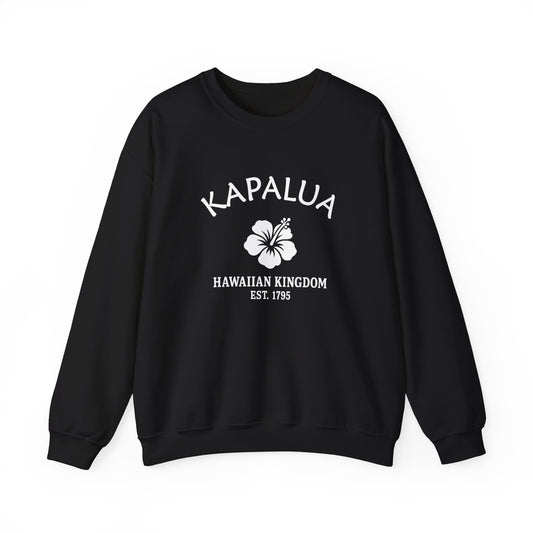
Kapalua Hawaii Vintage Retro Premium Crewneck Sweatshirt - Black Logo
Regular price $48.00 USDRegular price -
Kapalua Hawaii Vintage Retro Premium Crewneck Sweatshirt - White Logo
Regular price $48.00 USDRegular price -
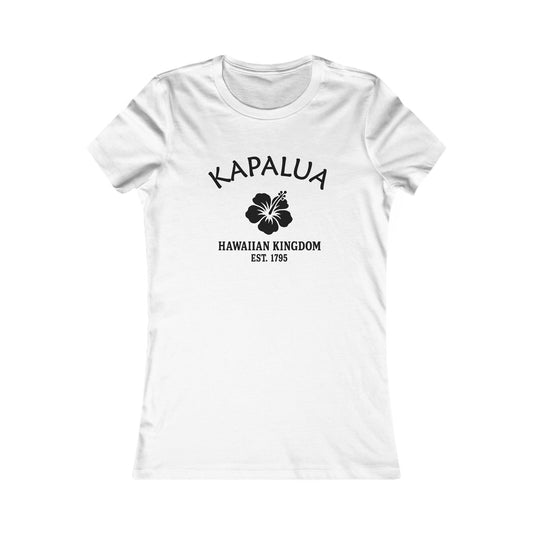
Kapalua Hawaii Vintage Retro Womens Fitted Ringspun Cotton Tee - Black Logo
Regular price $28.00 USDRegular price -
-
Kapalua Hawaii Vintage Retro Embroidered Cotton Cap - Black Logo
Regular price $32.00 USDRegular price -
Kapalua Hawaii Vintage Retro Embroidered Cotton Cap - White Logo
Regular price $32.00 USDRegular price -
Kapalua Hawaii Vintage Retro Unisex Heavy Cotton Hoodie - Black Logo
Regular price $56.00 USDRegular price -
Kapalua Hawaii Vintage Retro Unisex Heavy Cotton Hoodie - White Logo
Regular price $56.00 USDRegular price -
Kapalua Hawaii Vintage Retro Vinyl Sticker - Black Logo
Regular price From $6.00 USDRegular price -
Kapalua Hawaii Vintage Retro Unisex Heavy Cotton Tee - Black Logo
Regular price $22.00 USDRegular price -
Kapalua Hawaii Vintage Retro Unisex Embroidered Fleece Jacket - White Logo
Regular price $98.00 USDRegular price -
Kapalua Hawaii Vintage Retro Back Printed Art Series Cotton Tee - Black Logo
Regular price $32.00 USDRegular price -
Kapalua Hawaii Vintage Retro Giclée Print Art Series Poster
Regular price From $38.00 USDRegular price -
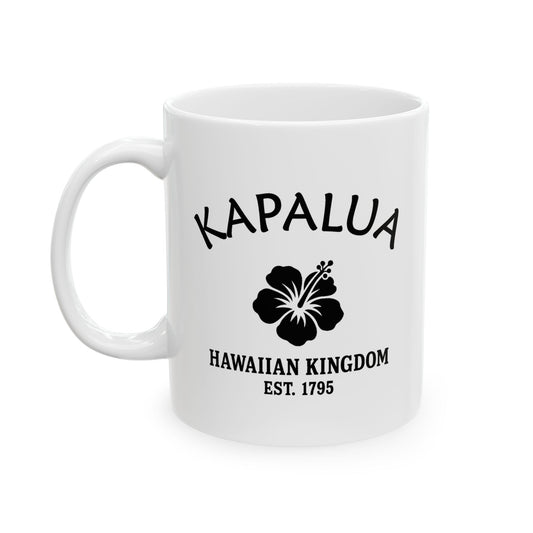
Kapalua Hawaii Vintage Retro Ceramic Mug - Black Logo
Regular price From $16.00 USDRegular price -
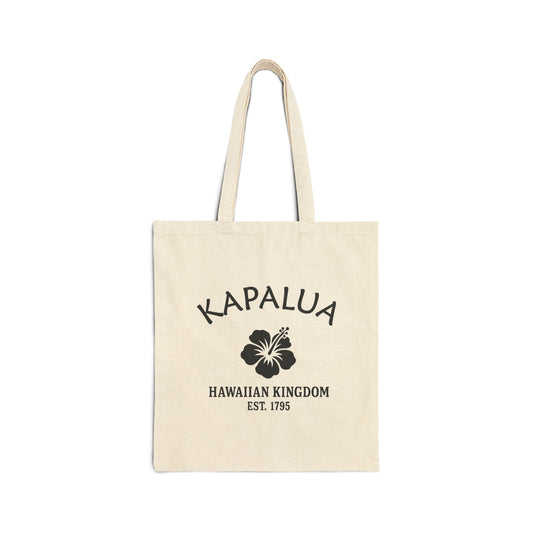
Kapalua Hawaii Vintage Retro Cotton Canvas Tote Bag - Black Logo
Regular price $25.00 USDRegular price -
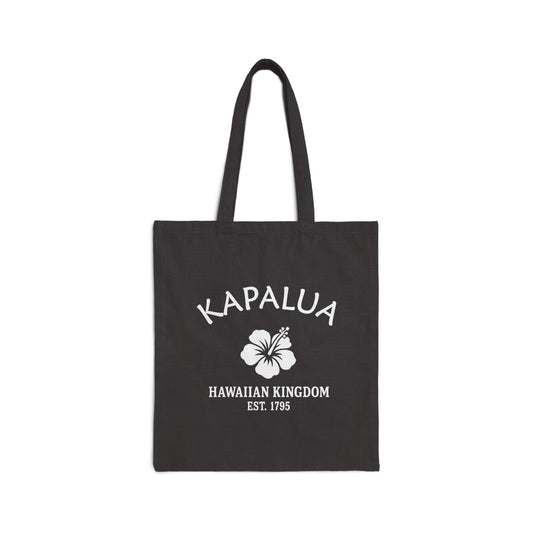
Kapalua Hawaii Vintage Retro Cotton Canvas Tote Bag - White Logo
Regular price $25.00 USDRegular price -
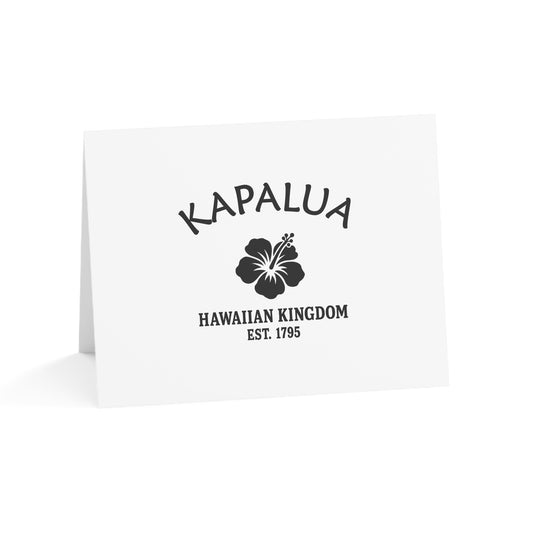
Kapalua Hawaii Vintage Retro Thank You Card Set - Black Logo
Regular price From $25.00 USDRegular price -
Kapalua Hawaii Vintage Retro Cotton Jersey Baby Bodysuit - Black Logo
Regular price $26.00 USDRegular price -
Kapalua Hawaii Vintage Retro Unisex Cotton Jersey Tank Top - Black Logo
Regular price $28.00 USDRegular price -
Kapalua Hawaii Vintage Retro Unisex Cotton Jersey Tank Top - White Logo
Regular price $28.00 USDRegular price -
Kapalua Hawaii Vintage Retro Unisex Heavy Crewneck Sweatshirt - Black Logo
Regular price $44.00 USDRegular price -
Kapalua Hawaii Vintage Retro Unisex Heavy Crewneck Sweatshirt - White Logo
Regular price $44.00 USDRegular price -
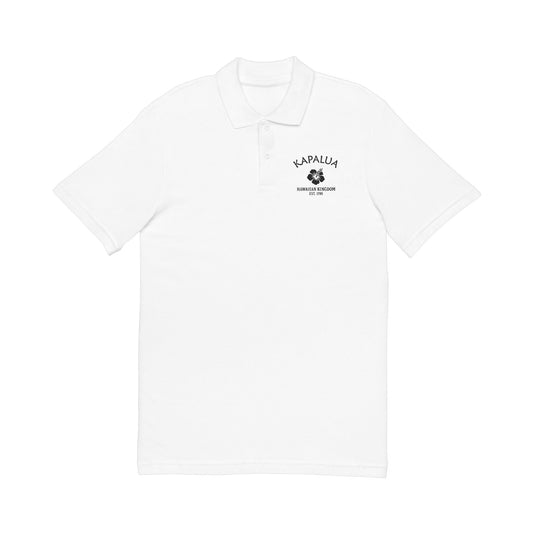
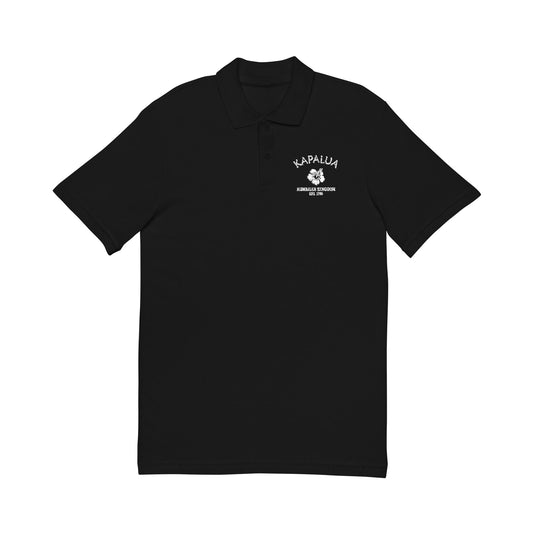
Kapalua Hawaii Vintage Retro Unisex Embroidered Cotton Polo - Black Logo
Regular price $48.00 USDRegular price





Kapalua Hawaii — Retro Vintage History
What's with America's best beach? For years, when travel writers and the coastal scientists who rank such things went looking for the finest beach in the United States, they kept landing in the same place: Kapalua Bay, a small crescent of gold sand on the northwest corner of Maui, cradled between two black lava points that reach into the water like a pair of arms. Those points knock down the swell, so the cove stays calm and clear over a living reef — easy swimming and snorkeling in postcard-blue water, with the islands of Molokai and Lanai floating on the horizon. The bay is the reason the name fits: Kapalua means "arms embracing the sea." One look at the cove and you stop wondering why.
Wear the HistoryThat name is older than any resort. Long before golf or hotels, this corner of West Maui was organized into ahupuaa — the traditional Hawaiian land divisions that ran from the mountain ridges down to the reef, so each community held a slice of upland, farmland, and shore. People here fished the bays and worked the lower slopes, and the place names that still dot the coast — Honolua, Mahinahina, Kahana — carry that older map forward. When you stand at Kapalua Bay, you are looking at the same sheltered water that made this a good place to live for centuries before it was ever a good place to vacation.
The modern story starts in 1836, when Dr. Dwight Baldwin, a missionary doctor, settled on Maui. In 1853 he received a royal grant of about 2,675 acres of the West Maui uplands, and that grant — expanded by later purchases until it reached some 24,000 acres — became Honolua Ranch. For its first decades the ranch ran cattle and raised mixed crops: coffee, taro, mango, aloe. Baldwin's son, Henry Perrine Baldwin, saw bigger possibilities in the rich volcanic soil, and with a Scottish ranch manager named David Thomas Fleming — an avid horticulturist who planted the tall Cook and Norfolk pines that still line Kapalua's roads — he began turning the ranch toward a single, transforming crop.

That crop was pineapple. In 1912 Fleming and Harry Baldwin planted the first twenty acres, and the sweet, sun-grown Kapalua fruit was so good that the family moved the whole operation toward it — building a cannery, a plantation railroad, a store, and villages for the workers who came to the fields. Honolua Ranch became Baldwin Packers, which grew into one of the largest producers of private-label pineapple and pineapple juice in the country. For most of the twentieth century, pineapple was West Maui: the green-and-gold fields climbed the slopes above the bays, and the work of the plantation set the rhythm of the coast. The pineapple mark that still stands for Kapalua comes straight off that era.
By the late 1960s the company had consolidated as Maui Land & Pineapple, and its leaders began imagining a second life for the land along the shore. In 1975 the first golf course opened above Kapalua Bay, and the first hotel followed soon after — the beginning of Kapalua Resort, a master-planned community built right on top of the working plantation. For a while the two coexisted: golfers and guests below, pineapple fields still climbing the hills above. Slowly the balance tipped, until the resort became the main event and the fields became the backdrop — a Hawaiian place remaking itself, as Hawaiian places had before, around whoever was arriving by sea.
The golf is part of why the name traveled. A second championship course, the Plantation Course, opened in 1991 on the high slopes with the ocean spread out below, and for more than twenty-five years it opened the professional golf season each January — putting Kapalua on television screens worldwide every New Year. The pineapple era, meanwhile, wound down: after nearly a century, the last Maui Pineapple operations closed in 2009, and the fields went quiet. What is left is the layered place you visit now — a resort coast with a plantation underneath it, and a reef-blue bay that was the draw all along.
Our Kapalua logo carries the Hawaiian hibiscus above "Hawaiian Kingdom — Est. 1795," the shared retro emblem of our Hawaii towns; the hibiscus stands for the islands themselves, and 1795 marks the year Kamehameha I brought most of the Hawaiian Islands together into a single kingdom. Rendered in worn black-and-white, like a vintage travel decal or a fruit-crate label, it ties Kapalua to every other Hawaii place we make. What makes this one Kapalua is the story behind the mark — the embracing bay, the pineapple plantation, and the golf coast that grew up where the fields once ran.
So Kapalua gathers a sheltered bay, a pineapple plantation, and a golf coast onto the northwest shoulder of West Maui. Our Kapalua designs gather that into wearable form. Wear the history. Arms embracing the sea — Kapalua, Maui.

Kapalua, Hawaii — Travel Guide
Visiting Kapalua Today
Kapalua sits on the northwest tip of West Maui, a compact resort area of bays, beaches, and former-pineapple uplands at the foot of the West Maui Mountains, with channel views across to Molokai and Lanai. The beaches, the coastal trail, and the golf are all a short distance apart.
Bays, Beaches & the Coastal Trail
For visitors looking for things to do in Kapalua, Hawaii:
- Swim and snorkel at Kapalua Bay, the sheltered crescent cove ranked among America's best beaches.
- Relax at D.T. Fleming Beach, a broad sandy beach named for the ranch manager who pioneered Kapalua pineapple.
- Walk the Kapalua Coastal Trail along the bluffs, with ocean views and sea breezes.
- See Dragon's Teeth at Makaluapuna Point, a jagged lava formation carved by wind and waves.
- Snorkel Honolua Bay, a marine life conservation district and well-known surf spot.
- Drive up the coast to the Nakalele Blowhole, where the surf shoots through a lava vent.
Why People Visit Kapalua
Visitors come to Kapalua for the bays — the calm, reef-fringed water that earns the best-beach lists — and stay for the layered scenery: a manicured golf coast, plantation uplands, and the channel islands on the horizon. It is quiet, walkable, and built to let West Maui's landscape take the lead. Equal parts beach, history, and big ocean views, Kapalua rewards anyone who wants the Hawaiian coast at its most embracing.
Wear the History
Kindred Cities
A warm welcome to visitors from Porto Cervo, Italy (benvenuti) and Whistler, Canada — fellow resorts where the setting is the luxury.
Kapalua belongs to the world's polished resort enclaves. Porto Cervo anchors Sardinia's Costa Smeralda, a harbour of superyachts and emerald water; Whistler draws the world to its slopes and championship fairways in the British Columbia mountains; Kapalua commands a corner of West Maui with its famous golf and its clear volcanic bays. Places designed for the good life, set against scenery that does half the work.
Kapalua is made for the resort traveller: championship golf along the cliffs, snorkeling in protected bays, and the quiet, manicured luxury that lets West Maui's scenery take the lead. Come and visit us soon.
When you plan the trip, the Maui Visitors Bureau is the place to start.
Wear the History

For deeper reading on the Kapalua history described here — the ahupuaa land origins and the name's meaning, the Baldwin family's Honolua Ranch and the 1853 royal grant, David Fleming and the rise of Baldwin Packers pineapple from 1912, the founding of Kapalua Resort in the 1970s, and the close of the plantation era in 2009 — it may be useful to consult (1) the Maui Historical Society (Hale Hoikeike at the Bailey House), (2) the Hawaii State Archives and the Hawaiian Historical Society, (3) the University of Hawaii at Manoa Hawaiian Collection, (4) the Maui County clerk's records office, and (5) the plantation-heritage resources of Kapalua Resort. For travel and visitor information, it may be useful to contact (1) the Maui Visitors and Convention Bureau, (2) Kapalua Resort, (3) Maui County Parks and Recreation, (4) the Hawaii state parks office, and (5) the Kapalua (JHM) and Kahului (OGG) airport information desks.