Every design is set in hand-lettered vintage type for that old-school, crate-label look. One sample color shown — black and white logo options on every piece. Recently in the national press. Enjoy!
-
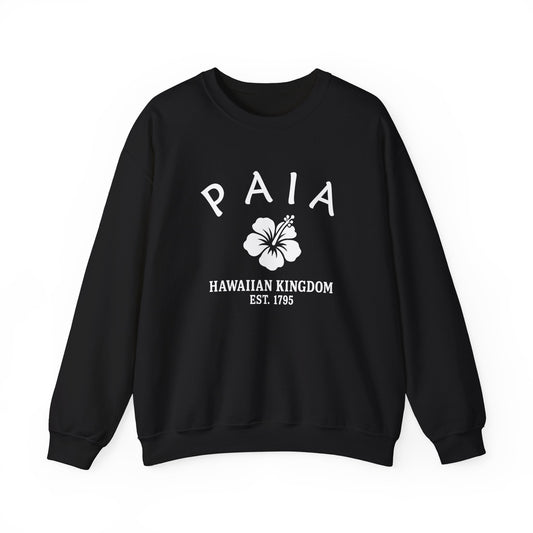
Paia Hawaii Vintage Retro Premium Crewneck Sweatshirt - Black Logo
Regular price $48.00 USDRegular price -
Paia Hawaii Vintage Retro Premium Crewneck Sweatshirt - White Logo
Regular price $48.00 USDRegular price -
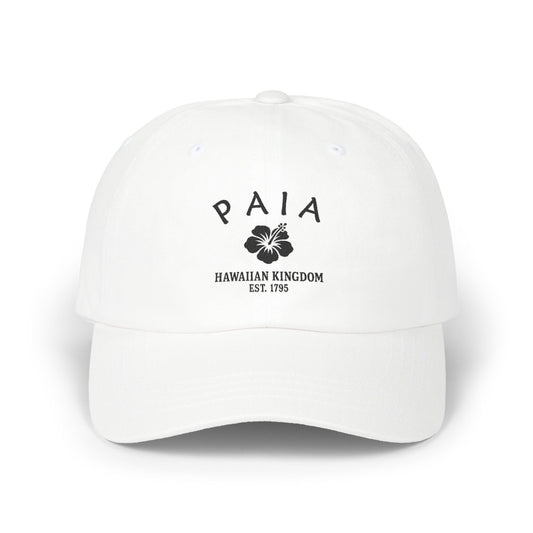
Paia Hawaii Vintage Retro Embroidered Cotton Cap - Black Logo
Regular price $32.00 USDRegular price -
Paia Hawaii Vintage Retro Embroidered Cotton Cap - White Logo
Regular price $32.00 USDRegular price -
Paia Hawaii Vintage Retro Giclée Print Art Series Poster
Regular price From $38.00 USDRegular price -
Paia Hawaii Vintage Retro Back Printed Art Series Cotton Tee - Black Logo
Regular price $32.00 USDRegular price -
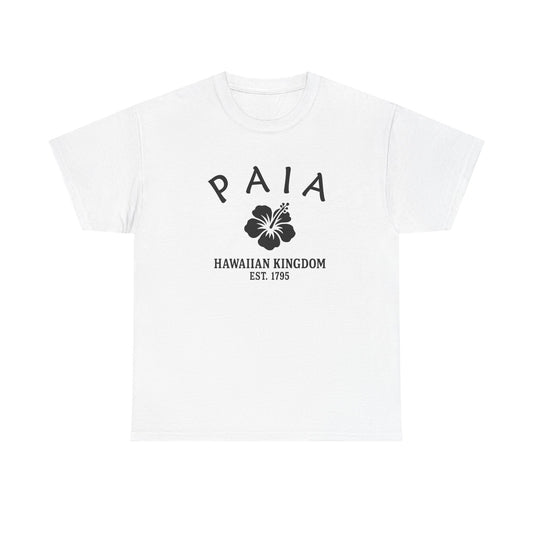
Paia Hawaii Vintage Retro Unisex Heavy Cotton Tee - White Logo
Regular price $22.00 USDRegular price -
Paia Hawaii Vintage Retro Unisex Heavy Cotton Tee - Black Logo
Regular price $22.00 USDRegular price -
-
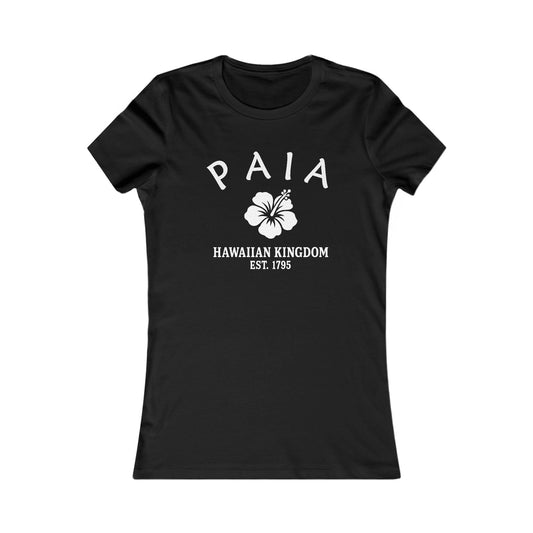
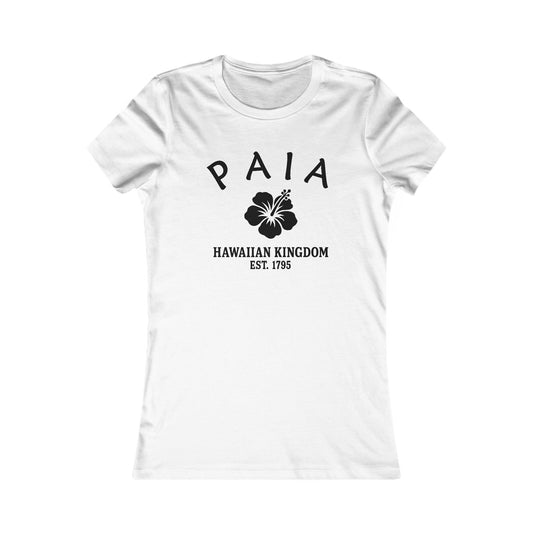
Paia Hawaii Vintage Retro Womens Fitted Ringspun Cotton Tee - Black Logo
Regular price $28.00 USDRegular price -
Paia Hawaii Vintage Retro Unisex Heavy Cotton Hoodie - White Logo
Regular price $56.00 USDRegular price -
Paia Hawaii Vintage Retro Unisex Heavy Cotton Hoodie - Black Logo
Regular price $56.00 USDRegular price -
Paia Hawaii Vintage Retro Unisex Embroidered Fleece Jacket - White Logo
Regular price $98.00 USDRegular price -
Paia Hawaii Vintage Retro Vinyl Sticker - Black Logo
Regular price From $6.00 USDRegular price -
Paia Hawaii Vintage Retro Ceramic Mug - Black Logo
Regular price From $16.00 USDRegular price -
Paia Hawaii Vintage Retro Cotton Canvas Tote Bag - White Logo
Regular price $25.00 USDRegular price -
Paia Hawaii Vintage Retro Thank You Card Set - Black Logo
Regular price From $25.00 USDRegular price -
Paia Hawaii Vintage Retro Cotton Canvas Tote Bag - Black Logo
Regular price $25.00 USDRegular price -
Paia Hawaii Vintage Retro Cotton Jersey Baby Bodysuit - Black Logo
Regular price $26.00 USDRegular price -
Paia Hawaii Vintage Retro Unisex Cotton Jersey Tank Top - White Logo
Regular price $28.00 USDRegular price -
Paia Hawaii Vintage Retro Unisex Cotton Jersey Tank Top - Black Logo
Regular price $28.00 USDRegular price -
Paia Hawaii Vintage Retro Unisex Heavy Crewneck Sweatshirt - Black Logo
Regular price $44.00 USDRegular price -
Paia Hawaii Vintage Retro Unisex Heavy Crewneck Sweatshirt - White Logo
Regular price $44.00 USDRegular price -
Paia Hawaii Vintage Retro Unisex Embroidered Cotton Polo - Black Logo
Regular price $48.00 USDRegular price




Pāʻia Hawaii — Retro Vintage History
What's with the hippest little town on Maui? Pāʻia is one stoplight where the Hāna Highway meets Baldwin Avenue, a half-mile of pastel, false-front plantation storefronts now full of galleries, surf shops and cafes. The name means "noisy" in Hawaiian, for the surf that pounds the reef just offshore. In barely a century this little North Shore town went from Maui's biggest sugar plantation to a 1960s hippie haven to the "Windsurfing Capital of the World," and somehow stayed entirely itself — the last real town, and the coolest one, before the Road to Hāna.
Wear the HistoryNative Hawaiians lived along this windward North Shore for centuries before the sugar came. Then in 1880 Samuel Alexander and Henry Baldwin opened the Pāʻia plantation and built the island's first great mill just outside town, channeling water down long flumes to carry the cut cane to the harvest. Immigrant workers arrived from Japan, China, Portugal and the Philippines to cut and haul it, housed in plantation camps that grew into a town. By the 1890s Pāʻia's was among the largest sugar operations in the world, and by the turn of the century the town was Maui's most important North Shore community — more than a fifth of the island's people, plus stores, schools, theaters, hotels and a hospital. The plantation built the town, and the town built a culture.

That culture was a blend. The plantation camps gathered families from across the Pacific, each adding its food, faith and festivals to the mix that still flavors Pāʻia today. In 1906 the community raised the seaside Mantokuji Soto Zen Mission, a Buddhist temple whose summer Bon Dance still lights the shore each year. Up and down Baldwin Avenue, the false-front wooden storefronts of the plantation era went up — the same buildings, weathered and repainted, that give the town its look a century later.
Pāʻia is a story of perseverance. A fire in the 1930s swept the town, and on April 1, 1946 one of the largest tsunamis in the islands' history struck Lower Pāʻia. Each time the town rebuilt. When the plantation began to wind down and central Maui grew, many families moved on to Kahului and Wailuku in the 1950s, and Pāʻia settled into a quieter era — smaller, weathered, and waiting for its next life.
It found that life in the counterculture. Through the 1960s and 1970s a wave of artists, surfers and free spirits drifted in and claimed the sleepy sugar town as their unofficial capital. The pastel storefronts filled with galleries, boutiques and a now-legendary natural-foods market on Baldwin Avenue; on the one main street, old-school hippies, professional surfers and new-age wanderers brushed shoulders. The vibe turned barefoot and bohemian, a slice of the Summer of Love frozen on a Hawaiian shore. Pāʻia became "the hippest little town on Maui," and the easygoing, salt-tousled feel from those years never left.

Then the wind found it. Just two miles east at Hoʻokipa, the relentless trade winds and reef break combine into some of the most consistent windsurfing conditions on earth, and through the 1980s and 1990s the pioneers of the sport set up shop in town and made Pāʻia known the world over as the "Windsurfing Capital of the World." The same winds now draw kitesurfers and foilers too. The giant winter wave at Jaws (Peʻahi) lies just beyond, and green sea turtles haul out to rest on the sand at Hoʻokipa — watched, by law, from a respectful distance. And all the while Pāʻia kept its oldest job: the last town to gas up, grab food and turn east onto the 64-mile Road to Hāna.
Our Pāʻia logo carries the Hawaiian hibiscus over "Hawaiian Kingdom · Est. 1795," the shared emblem of every Merlin Classics Hawaiʻi place, printed in clean retro black-and-white like an old travel decal. The hibiscus stands for the islands as a whole; what makes this one Pāʻia is everything around it — the pastel plantation storefronts, the wind at Hoʻokipa, the bohemian Baldwin Avenue soul, and the salt smell of the North Shore where the road to Hāna begins.
The Pāʻia Sugar Mill finally closed in 2000, ending the era that started it all — but the town it left behind, home to only a couple thousand residents, is thriving on its own terms: a beloved, low-key surf-and-art town where windward surf culture and upcountry ranching mingle and, rare on Maui, it all still feels like old Maui. Our Pāʻia designs gather that spirit into wearable form. Pāʻia — Maui's bohemian sugar town, where the trade winds blow and the road to Hāna begins.
Pāʻia, Maui — Travel Guide
Visiting Pāʻia Today
Pāʻia is a one-stoplight North Shore town built for wandering: a half-mile of plantation-era storefronts, world-class wind just down the road, and golden beaches a few steps from the cafes. It is also the practical launch point for the Road to Hāna, so most Maui days pass through it sooner or later.
Surf, Sand & Plantation Streets in Pāʻia
For visitors looking for things to do in Pāʻia, Maui:
- Watch the windsurfers and surfers at Hoʻokipa (two miles east) from the overlook — and the green sea turtles resting on the sand, viewed from a respectful, law-required distance.
- Stroll the pastel plantation main street where the Hāna Highway meets Baldwin Avenue — galleries, surf shops and cafes in old false-front storefronts.
- Swim or sun at Baldwin Beach, Pāʻia Bay, or the calm, reef-protected Baby Beach.
- Visit the seaside Mantokuji Soto Zen Mission (1906), a quiet plantation-era Buddhist temple by the water.
- Gas up, grab food and use the restrooms here — it is the last real town before the 64-mile Road to Hāna.
- Time a winter visit for the giant waves at Jaws (Peʻahi), just east of town.
Why People Visit Pāʻia
Pāʻia offers a whole mood in one small town: bohemian, barefoot charm, world-class wind and surf, and the romance of the open road to Hāna. It is the coolest little town on Maui — and for the artists, surfers and free spirits who live here, simply home, the place where old Maui still feels like itself.
Wear the History
Kindred Cities
Greetings to visitors from Byron Bay and Cornwall — fellow bohemian coasts where surf and art set the pace.
Pāʻia began as a Maui sugar town and reinvented itself as a haven for surfers, artists and free spirits, which is exactly the company Byron Bay and Cornwall keep. Byron Bay rides Australia's laid-back easternmost shore; Cornwall draws Britain's surfers to Fistral and its painters to St Ives; Pāʻia guards the windsurfing mecca of Hoʻokipa and the start of the road to Hāna, its plantation storefronts now galleries and juice bars. Three coasts where the counterculture put down roots by the sea.
Pāʻia delights the wanderer: world-class windsurfing off Hoʻokipa, a one-street town of surf shops and cafés, the first mile of the legendary Hāna highway, and the easy, salt-tousled feel of old Maui before the resorts. Come and visit us soon.
When you plan the trip, the Maui Visitors Bureau is the place to start.
Wear the History

For deeper reading on the Pāʻia history described here — the Alexander & Baldwin sugar plantation and mill, the multicultural plantation community and the Mantokuji Mission, the 1930s fire and 1946 tsunami, the bohemian reinvention, and the rise of Hoʻokipa as the windsurfing capital — it may be useful to consult (1) the Maui Historical Society and the Bailey House Museum, (2) the Alexander & Baldwin Sugar Museum in Puʻunēnē, (3) the Hawaiʻi State Archives, (4) the University of Hawaiʻi Maui College and Maui collections, and (5) the Mantokuji Mission for the Japanese-plantation heritage. For travel and visitor information, it may be useful to contact (1) the Maui Visitors Bureau and the wider Hawaiʻi Visitors and Convention Bureau, (2) the Hawaiʻi Tourism Authority, (3) Hawaiʻi State Parks and the Division of Aquatic Resources for Hoʻokipa, (4) Maui County Parks, and (5) the National Weather Service Honolulu surf and wind forecasts for the North Shore.