Every design is set in hand-lettered vintage type for that old-school, crate-label look. One sample color shown — black and white logo options on every piece. Recently in the national press. Enjoy!
-
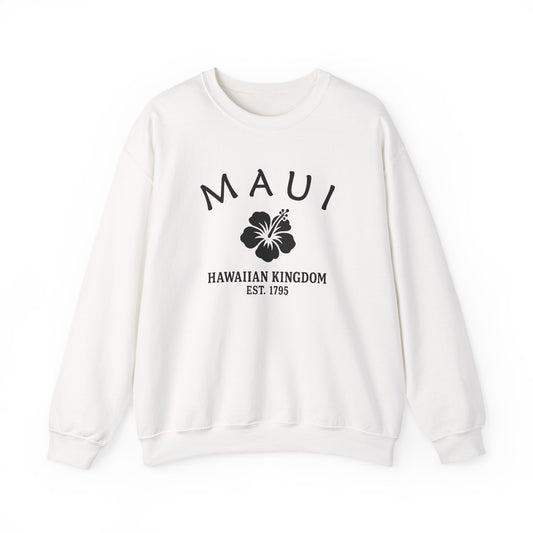
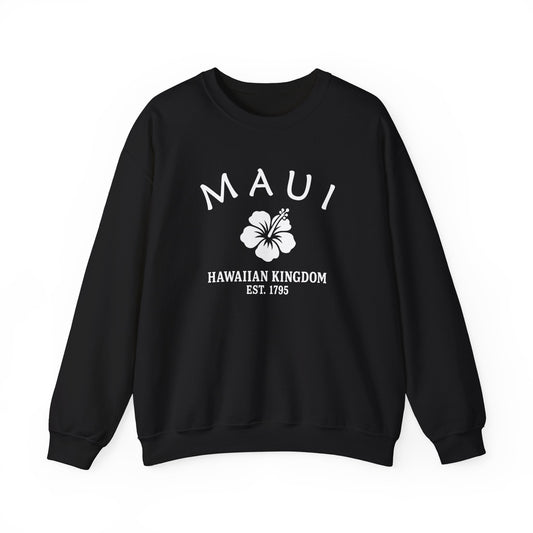
Maui Hawaii Vintage Retro Premium Crewneck Sweatshirt - Black Logo
Regular price $48.00 USDRegular price -
Maui Hawaii Vintage Retro Premium Crewneck Sweatshirt - White Logo
Regular price $48.00 USDRegular price -
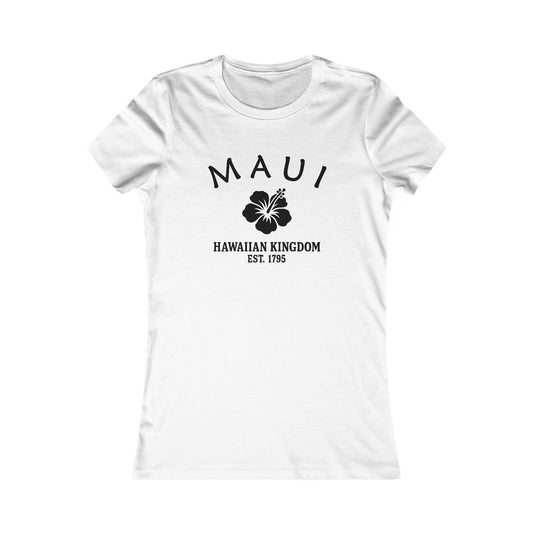
Maui Hawaii Vintage Retro Womens Fitted Ringspun Cotton Tee - Black Logo
Regular price $28.00 USDRegular price -
-
Maui Hawaii Vintage Retro Unisex Heavy Cotton Tee - Black Logo
Regular price $22.00 USDRegular price -
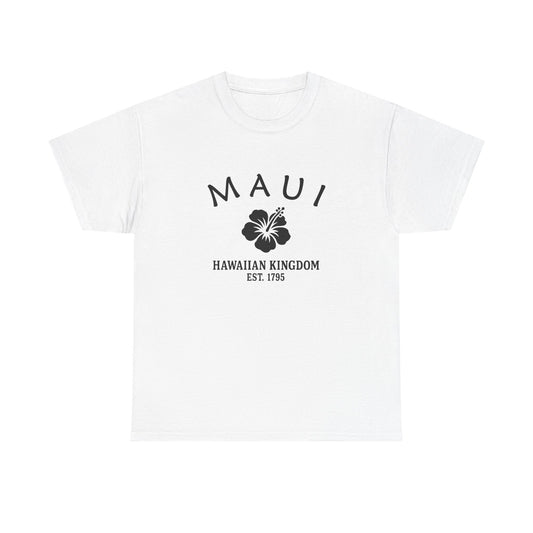
Maui Hawaii Vintage Retro Unisex Heavy Cotton Tee - White Logo
Regular price $22.00 USDRegular price -
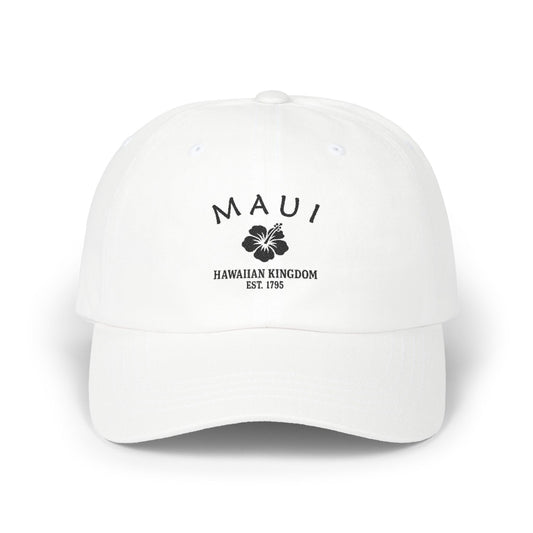
Maui Hawaii Vintage Retro Embroidered Cotton Cap - White Logo
Regular price $32.00 USDRegular price -
Maui Hawaii Vintage Retro Embroidered Cotton Cap - Black Logo
Regular price $32.00 USDRegular price -
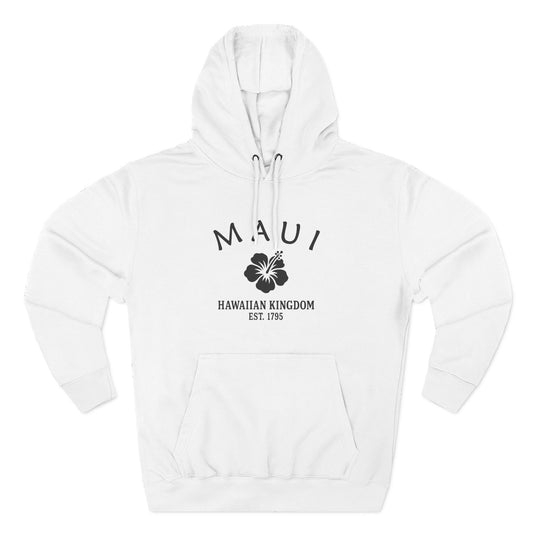
Maui Hawaii Vintage Retro Unisex Heavy Cotton Hoodie - Black Logo
Regular price $56.00 USDRegular price -
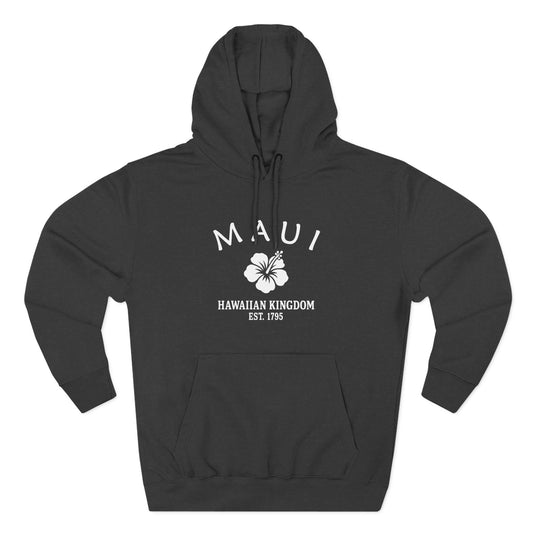
Maui Hawaii Vintage Retro Unisex Heavy Cotton Hoodie - White Logo
Regular price $56.00 USDRegular price -
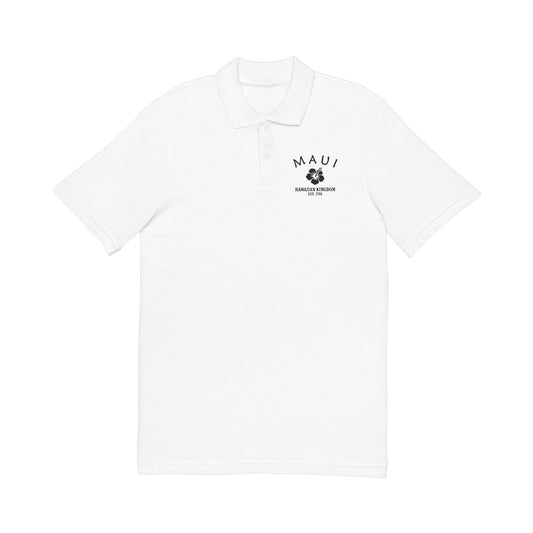
Maui Hawaii Vintage Retro Unisex Embroidered Cotton Polo - Black Logo
Regular price $48.00 USDRegular price -
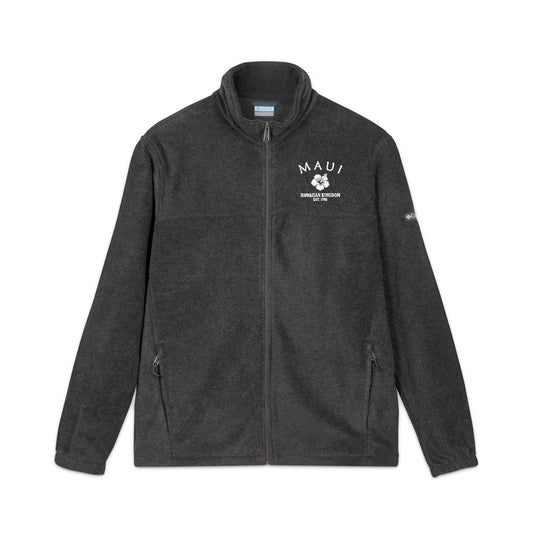
Maui Hawaii Vintage Retro Unisex Embroidered Fleece Jacket - White Logo
Regular price $98.00 USDRegular price -
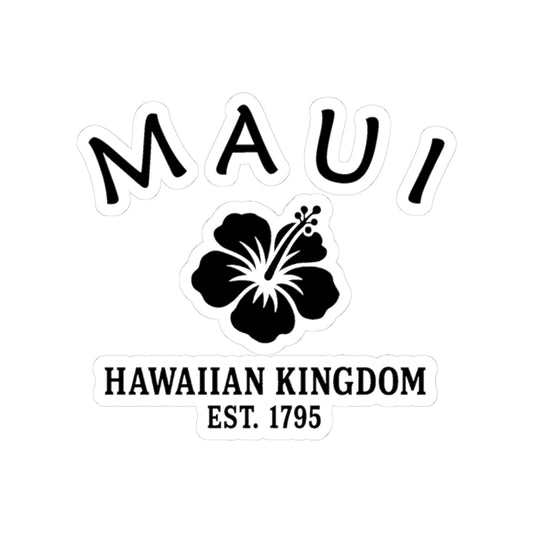
Maui Hawaii Vintage Retro Vinyl Sticker - Black Logo
Regular price From $6.00 USDRegular price -
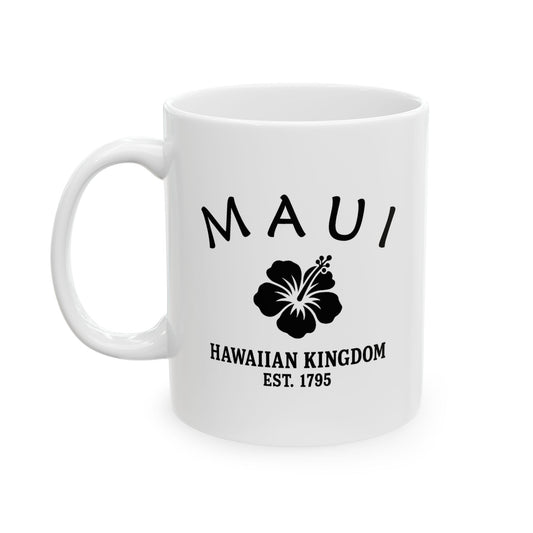
Maui Hawaii Vintage Retro Ceramic Mug - Black Logo
Regular price From $16.00 USDRegular price -
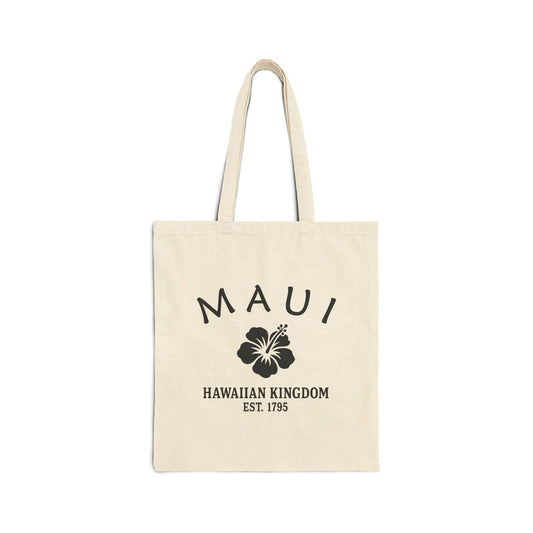
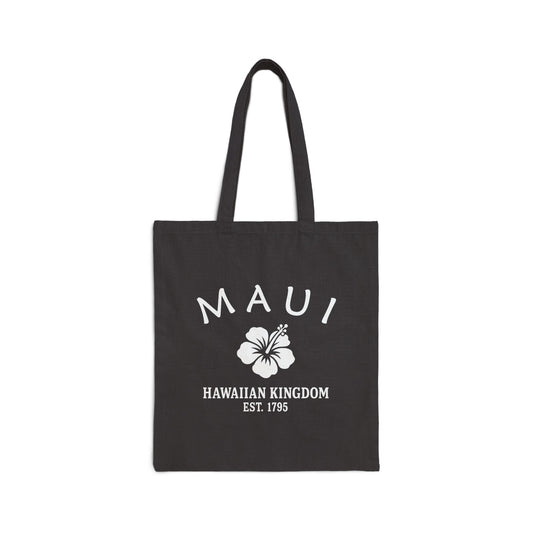
Maui Hawaii Vintage Retro Cotton Canvas Tote Bag - Black Logo
Regular price $25.00 USDRegular price -
Maui Hawaii Vintage Retro Cotton Canvas Tote Bag - White Logo
Regular price $25.00 USDRegular price -
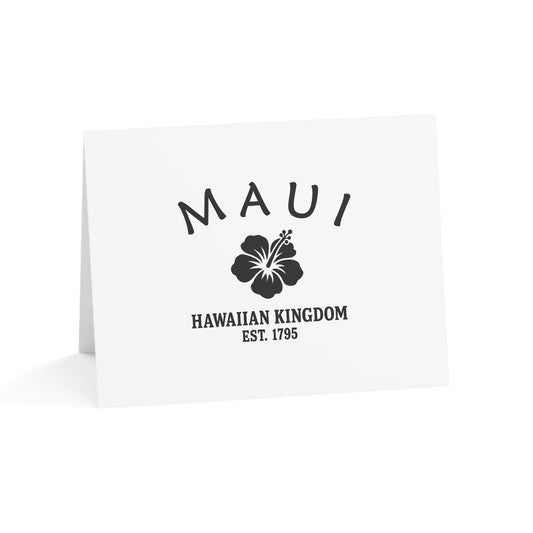
Maui Hawaii Vintage Retro Thank You Card Set - Black Logo
Regular price From $25.00 USDRegular price -
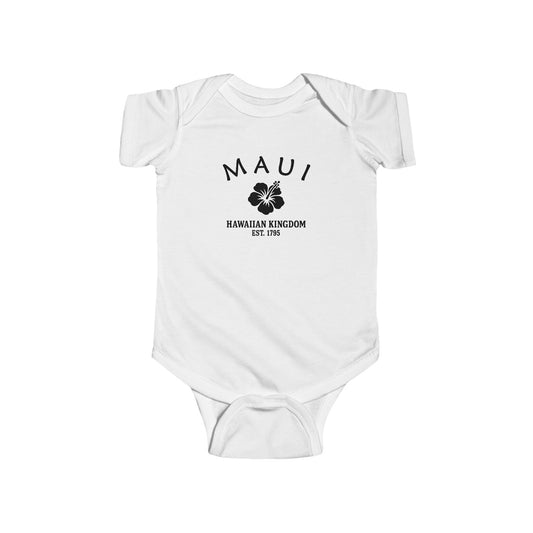
Maui Hawaii Vintage Retro Cotton Jersey Baby Bodysuit - Black Logo
Regular price $26.00 USDRegular price -
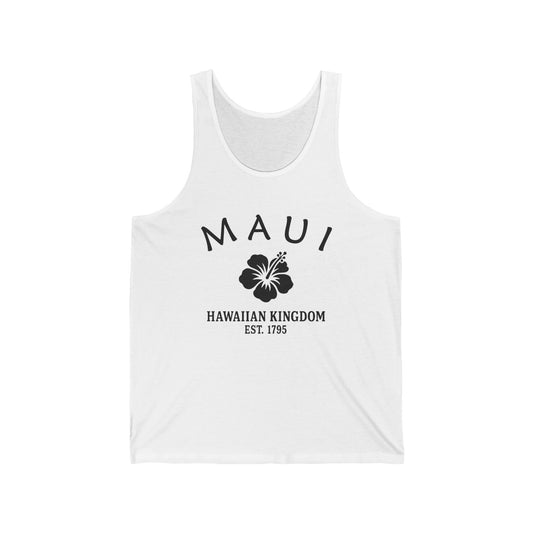
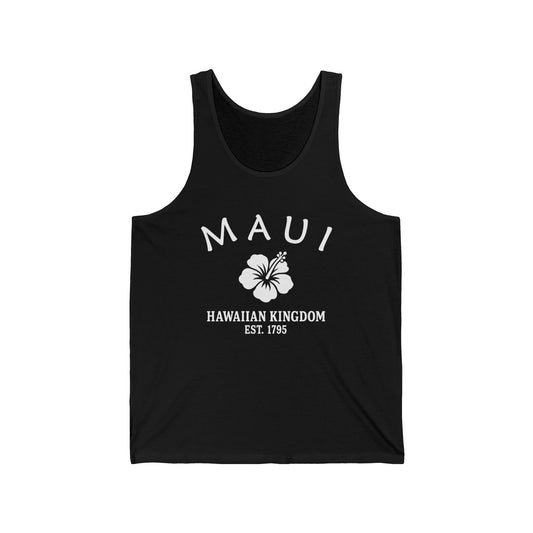
Maui Hawaii Vintage Retro Unisex Cotton Jersey Tank Top - Black Logo
Regular price $28.00 USDRegular price -
Maui Hawaii Vintage Retro Unisex Cotton Jersey Tank Top - White Logo
Regular price $28.00 USDRegular price -
Maui Hawaii Vintage Retro Unisex Heavy Crewneck Sweatshirt - Black Logo
Regular price $44.00 USDRegular price -
Maui Hawaii Vintage Retro Unisex Heavy Crewneck Sweatshirt - White Logo
Regular price $44.00 USDRegular price -
Maui Hawaii Vintage Retro Back Printed Art Series Cotton Tee - Black Logo
Regular price $32.00 USDRegular price -
Maui Hawaii Vintage Retro Giclée Print Art Series Poster
Regular price From $38.00 USDRegular price






Maui Hawaii — Retro Vintage History
What's with the House of the Sun? Maui's great summit, Haleakalā, means “House of the Sun,” and the name carries one of Hawaiʻi's best-known stories. In Hawaiian tradition the demigod Māui — for whom the island is named — climbed to the crater and lassoed the sun as it rose, slowing its passage across the sky so his mother would have light enough to dry her kapa and the people more hours to their day. Stand at the rim before dawn, more than 10,000 feet up, and it is easy to see why the mountain holds that story: the sun comes up out of the clouds below you. Haleakalā is a sacred place to Native Hawaiians, and the legend is part of why — the island, the summit, and the sunrise all tied to the same name.
Wear the HistoryWhere you’re from. Where you love. Where you explored. Where you belong.
What’s with women’s soccer? Every girl who laces up owes something to a kid from Pāʻia. Patsy Takemoto Mink was born on Maui’s north shore in 1927, became Maui High School’s first female student-body president, and graduated valedictorian in 1944 — in an era when girls were allowed only the half-court game in basketball. When every medical school rejected her because she was a woman, she went to law school instead, and in 1964 she became the first woman of color elected to the United States Congress. There she co-authored the thirty-seven words of Title IX in 1972 — the law that opened American education, and its playing fields, to girls and women. In 1971, about 700 girls played high school soccer nationwide; today nearly 400,000 do, with hundreds of college programs and a thriving professional game beyond them. The athletic field at Maui High School is named Patsy T. Mink Field in her honor, and in 2024 the nation honored her again: the United States Mint issued the Patsy Takemoto Mink quarter, the twelfth coin of the American Women Quarters Program, its reverse showing her holding the Title IX legislation with a lei at her shoulders for Hawaiʻi.

Maui is the Valley Isle, two volcanoes joined by a green central plain. The older West Maui Mountains rise on one side, cut by the deep cleft of ʻĪao Valley; the vast shield of Haleakalā climbs on the other. The first people to call it home were Polynesian voyagers who reached the islands more than a thousand years ago, navigating thousands of miles of open Pacific by the stars. They built a society organized around the ahupuaʻa — land divisions running from the mountains to the sea — fishing the reefs, growing taro and sweet potato, and keeping a rich oral tradition of chant and genealogy. Maui has been a Native Hawaiian homeland, continuously, ever since.
QUICK FACTS — MAUI, HI
Maui is the second-largest Hawaiian island, formed by two volcanoes joined by the green central valley that named it the Valley Isle.
Maui was first settled by Polynesian voyagers more than a thousand years ago and has been a Native Hawaiian homeland ever since.
In Hawaiian tradition the island's namesake, the demigod Māui, slowed the sun from the summit of Haleakalā to lengthen the day.
In 1790 Kamehameha I defeated Maui's defenders at the Battle of Kepaniwai in ʻĪao Valley, on the way to unifying the Hawaiian Islands.
Lahaina, on Maui's west shore, served as the royal capital of the Kingdom of Hawaiʻi from 1820 until 1845.
Sugar and pineapple plantations dominated Maui's central valley from the late 1800s into the mid-1900s, drawing workers from across the Pacific.
Humpback whales winter every year in the channel between Maui, Lānaʻi, and Molokaʻi, one of the world's principal humpback breeding grounds.
Maui County and Fukuyama, Japan have been formal sister cities since 2008, one of a family of sister-city ties reaching across Japan, Korea, and the wider Pacific.
In the late eighteenth century the island became a center of the wars that would unite the archipelago. In 1790, at the Battle of Kepaniwai in ʻĪao Valley, the forces of Kamehameha I defeated Maui's defenders in a battle so costly that its name remembers the dead. Kamehameha went on to unify the Hawaiian Islands under a single kingdom, and Maui sat near the heart of the new realm. It is a history Hawaiians tell with care: a story of their own rulers and their own land, not a footnote to someone else's arrival.

For a time Maui was the seat of that kingdom. Lahaina, on the island's west shore, served as the royal capital of the Kingdom of Hawaiʻi from 1820 until 1845, when the seat of government moved to Honolulu. In those decades it was also one of the busiest whaling ports in the Pacific, where hundreds of ships wintered and a missionary community took root. Much of that historic town has since been lost, and Maui remembers Lahaina's royal and maritime past as a tender part of the island's story — the place where, for a generation, the Hawaiian kingdom kept its court.
The nineteenth and twentieth centuries reshaped the land. Sugar and pineapple plantations spread across the central valley and the slopes, drawing workers from around the Pacific and diverting West Maui's streams to irrigate the cane — a transformation that brought new communities and lasting costs. The Kingdom of Hawaiʻi was overthrown in 1893 and the islands annexed by the United States in 1898; Hawaiʻi became the fiftieth state in 1959. Through all of it Native Hawaiian culture endured on Maui, carried in language, place names, and the steady work of keeping tradition alive.
Today Maui is known the world over for its landscape. The Road to Hāna threads the rainforest coast past waterfalls and sea cliffs; ʻĪao Valley rises green and sudden behind Wailuku; humpback whales fill the channel each winter; and Haleakalā stands over it all. It is a place that asks to be treated as more than scenery — a living Hawaiian home with a deep past — and that is how it rewards the people who come to it with respect: the Valley Isle, between two volcanoes, ringed by the Pacific.
Our Maui logo carries the Hawaiian hibiscus above “1795,” the era of the islands' unification under Kamehameha — the shared retro emblem of every Merlin Classics Hawaiʻi place. Printed in a worn black-and-white that recalls an old travel label, the hibiscus is the islands in shorthand: warm, rooted, and unmistakably Hawaiian. The hibiscus is the through-line that links Maui to every other Hawaiʻi place we make. What makes this one Maui is everything around it — Haleakalā and the West Maui Mountains, the Road to Hāna, ʻĪao Valley, and the whales in the channel.
Today Maui is the Valley Isle — two volcanoes, a green valley between them, and the House of the Sun rising over the Pacific. Its story runs from the Polynesian voyagers and the deep Native Hawaiian homeland, through Kamehameha's unification and the kingdom's old capital at Lahaina, to the plantation era and the island travelers know today. Our Maui designs gather that identity into wearable form, with cultural respect at the center — the hibiscus, the volcanoes, and the sea. Maui, Hawaiʻi: the Valley Isle, where Haleakalā meets the Pacific. Aloha ʻāina.

Maui, Hawaiʻi — Travel Guide
Visiting Maui Today
Maui, the Valley Isle, sits in the central Hawaiian Islands — two volcanoes joined by a green plain, ringed by the Pacific. Haleakalā's sacred summit rises on the east, the West Maui Mountains and ʻĪao Valley on the west, with the Road to Hāna, miles of beaches, and the winter whale grounds in between. It is a landscape best met with respect for the Hawaiian home it has always been.
Haleakalā, the Road to Hāna & ʻĪao Valley
For visitors looking for things to do on Maui, Hawaiʻi:
- See the sunrise or the vast summit crater at Haleakalā, the sacred “House of the Sun” at the heart of Haleakalā National Park.
- Drive the Road to Hāna along the rainforest coast, past waterfalls, sea cliffs, and the black sand of Waiʻānapanapa.
- Walk the paths of ʻĪao Valley beneath the green spire of the ʻĪao Needle, in the West Maui Mountains.
- Watch for humpback whales in the channel between Maui, Lānaʻi, and Molokaʻi during the winter season.
- Relax on the island's west and south shore beaches, from Kāʻanapali to Wailea.
- Visit the Maui Ocean Center to learn about the reef life and the whales of the surrounding Pacific.
Why People Visit Maui
Maui draws visitors for its landscape and its depth — a sacred volcanic summit, a rainforest coast road, a green valley behind the harbor towns, and the Pacific where humpbacks winter — all carried by a living Native Hawaiian culture. People come for Haleakalā, the Road to Hāna, and the beaches, and stay for the quiet of upcountry and the sense of a place with a long memory. It is scenic, storied, and unmistakably Hawaiian.
Wear the History
Where you’re from. Where you love. Where you explored. Where you belong.
Kindred Cities
Welcome, friends from Fukuyama, Japan (ようこそ) and Goyang, South Korea (환영합니다), from Albi, France (bienvenue), and from Maui County's other sister cities across Japan, Scotland and Spain.
Maui County reaches across the world, but most warmly toward Japan. Fukuyama, in Hiroshima Prefecture, is the City of a Million Roses — a town that planted its gardens to heal from war — while Hirara and Hachijō tie Maui to Okinawa and the islands south of Tokyo. Goyang answers from Korea, Albi from France, Embo from Scotland, Madrid from Spain — a roster as wide as Maui's own people.
Maui County and Fukuyama have been sisters since 2008. Visiting for the city's Rose Festival, Maui's mayor laid a wreath at Hiroshima's atomic cenotaph and played 'Haleakalā' on a ukulele — a friendship rooted in peace.
Come from Fukuyama or Goyang and Maui will feel like family ground: plantation towns your countrymen helped build, Buddhist temples and taiko among the cane, and an island that wove Japan and Korea into everyday life. Come and visit us soon.
When you plan the trip, the Maui Visitors Bureau is the place to start.
Wear the History
Where you’re from. Where you love. Where you explored. Where you belong.

For deeper reading on the Maui history described here — the Polynesian voyagers and the Native Hawaiian (Kanaka Maoli) homeland, the ahupuaʻa land system, the 1790 Battle of Kepaniwai at ʻĪao Valley and Kamehameha I's unification of the islands, Lahaina's years as the royal capital of the Kingdom of Hawaiʻi (1820–1845) and the whaling-and-missionary era, the sugar and pineapple plantation decades, and the overthrow, 1898 annexation, and 1959 statehood — it may be useful to consult (1) the Bishop Museum and the Hawaiʻi State Archives, (2) the Maui Historical Society and the Hawaiian Historical Society, (3) the University of Hawaiʻi Hawaiian and Pacific collections, (4) Native Hawaiian cultural organizations and the Office of Hawaiian Affairs, and (5) the National Park Service for Haleakalā cultural and natural history. For travel and visitor information, it may be useful to contact (1) the Hawaiʻi Visitors and Convention Bureau, (2) the Hawaiʻi Tourism Authority, (3) the National Park Service for Haleakalā, (4) Hawaiʻi State Parks, and (5) the National Weather Service for Pacific marine and surf forecasts.
- Choosing a selection results in a full page refresh.
- Opens in a new window.