Every design is set in hand-lettered vintage type for that old-school, crate-label look. One sample color shown — black and white logo options on every piece. Recently in the national press. Enjoy!
-
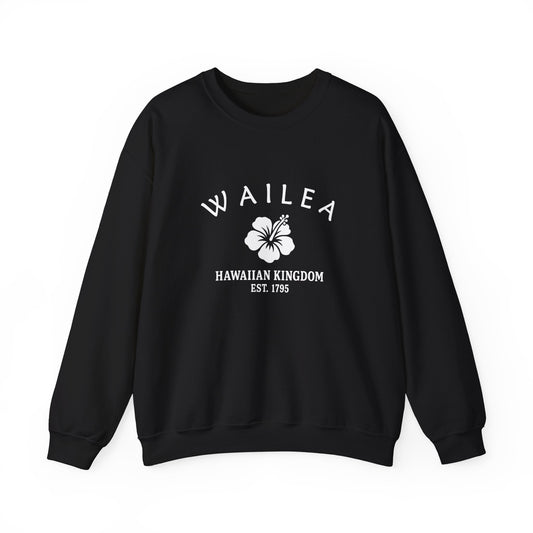
Wailea Hawaii Vintage Retro Premium Crewneck Sweatshirt - Black Logo
Regular price $48.00 USDRegular price -
Wailea Hawaii Vintage Retro Premium Crewneck Sweatshirt - White Logo
Regular price $48.00 USDRegular price -
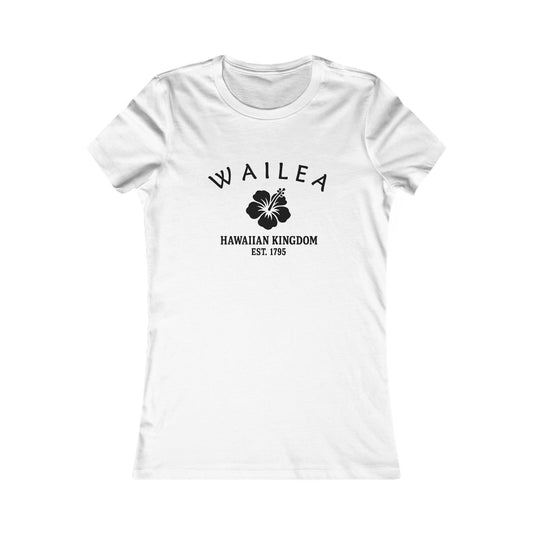
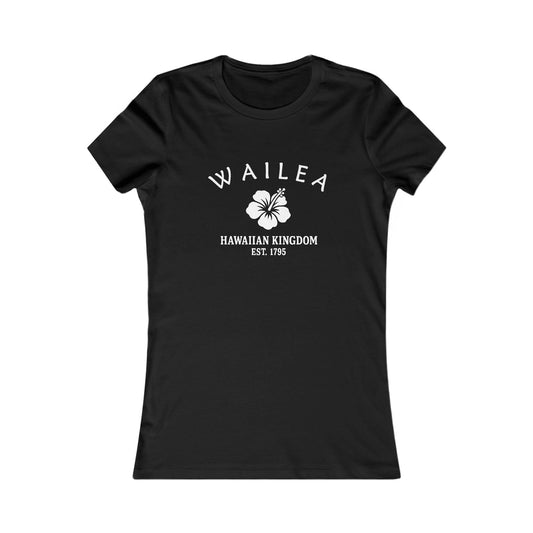
Wailea Hawaii Vintage Retro Womens Fitted Ringspun Cotton Tee - Black Logo
Regular price $28.00 USDRegular price -
-
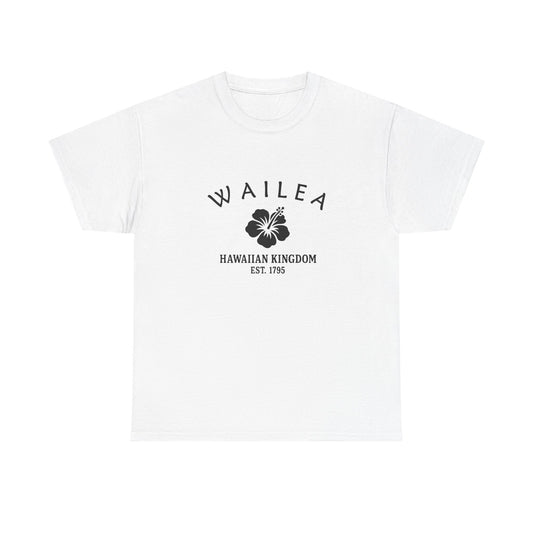
Wailea Hawaii Vintage Retro Unisex Heavy Cotton Tee - Black Logo
Regular price $22.00 USDRegular price -
Wailea Hawaii Vintage Retro Unisex Heavy Cotton Tee - White Logo
Regular price $22.00 USDRegular price -
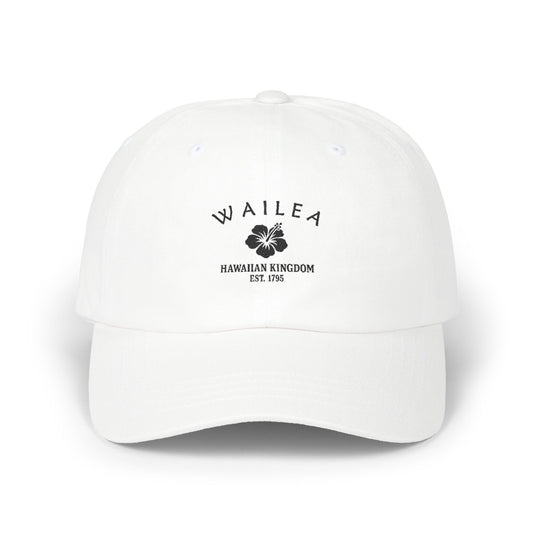
Wailea Hawaii Vintage Retro Embroidered Cotton Cap - Black Logo
Regular price $32.00 USDRegular price -
Wailea Hawaii Vintage Retro Embroidered Cotton Cap - White Logo
Regular price $32.00 USDRegular price -
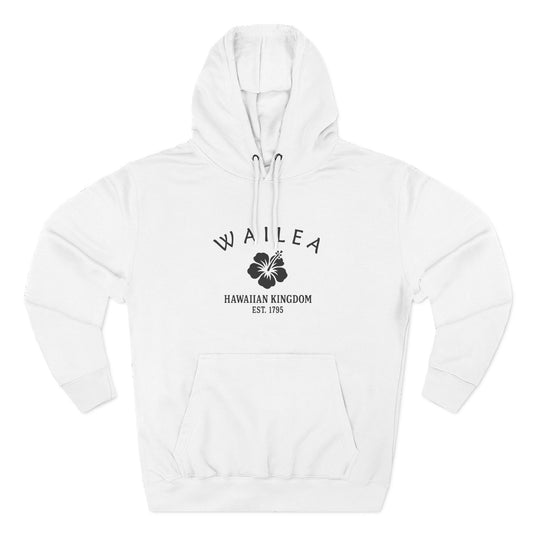
Wailea Hawaii Vintage Retro Unisex Heavy Cotton Hoodie - Black Logo
Regular price $56.00 USDRegular price -
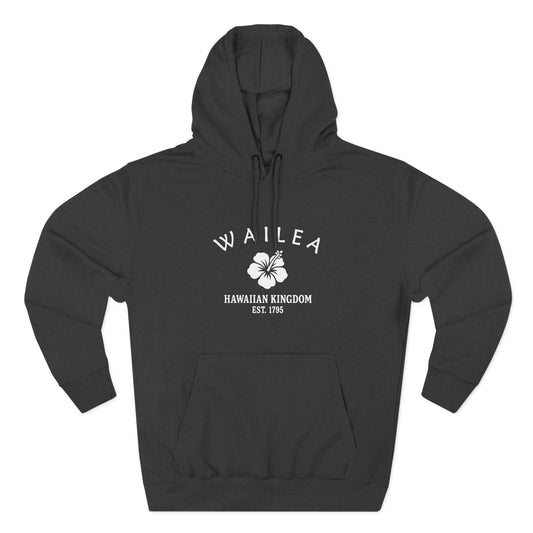
Wailea Hawaii Vintage Retro Unisex Heavy Cotton Hoodie - White Logo
Regular price $56.00 USDRegular price -
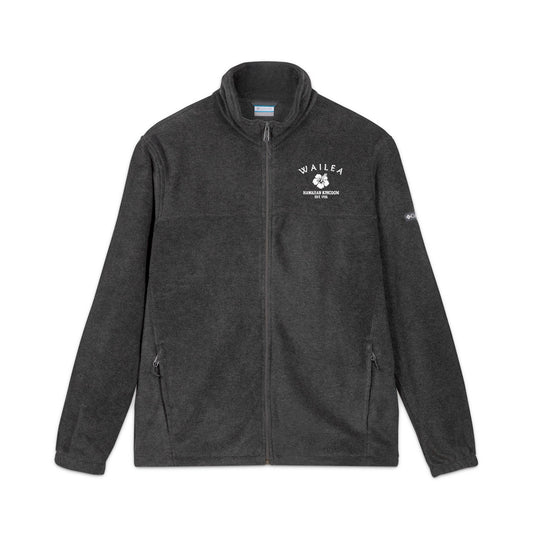
Wailea Hawaii Vintage Retro Unisex Embroidered Fleece Jacket - White Logo
Regular price $98.00 USDRegular price -
Wailea Hawaii Vintage Retro Giclée Print Art Series Poster
Regular price From $38.00 USDRegular price -
Wailea Hawaii Vintage Retro Back Printed Art Series Cotton Tee - Black Logo
Regular price $32.00 USDRegular price -
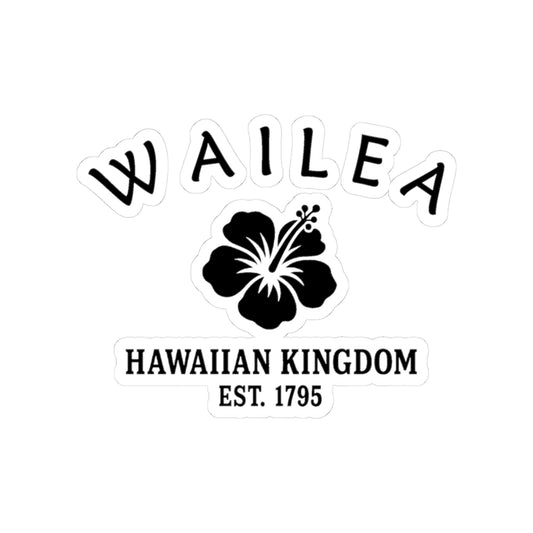
Wailea Hawaii Vintage Retro Vinyl Sticker - Black Logo
Regular price From $6.00 USDRegular price -
Wailea Hawaii Vintage Retro Ceramic Mug - Black Logo
Regular price From $16.00 USDRegular price -
Wailea Hawaii Vintage Retro Cotton Canvas Tote Bag - White Logo
Regular price $25.00 USDRegular price -
Wailea Hawaii Vintage Retro Cotton Canvas Tote Bag - Black Logo
Regular price $25.00 USDRegular price -
Wailea Hawaii Vintage Retro Thank You Card Set - Black Logo
Regular price From $25.00 USDRegular price -
Wailea Hawaii Vintage Retro Cotton Jersey Baby Bodysuit - Black Logo
Regular price $26.00 USDRegular price -
Wailea Hawaii Vintage Retro Unisex Cotton Jersey Tank Top - White Logo
Regular price $28.00 USDRegular price -
Wailea Hawaii Vintage Retro Unisex Cotton Jersey Tank Top - Black Logo
Regular price $28.00 USDRegular price -
Wailea Hawaii Vintage Retro Unisex Heavy Crewneck Sweatshirt - Black Logo
Regular price $44.00 USDRegular price -
Wailea Hawaii Vintage Retro Unisex Heavy Crewneck Sweatshirt - White Logo
Regular price $44.00 USDRegular price -
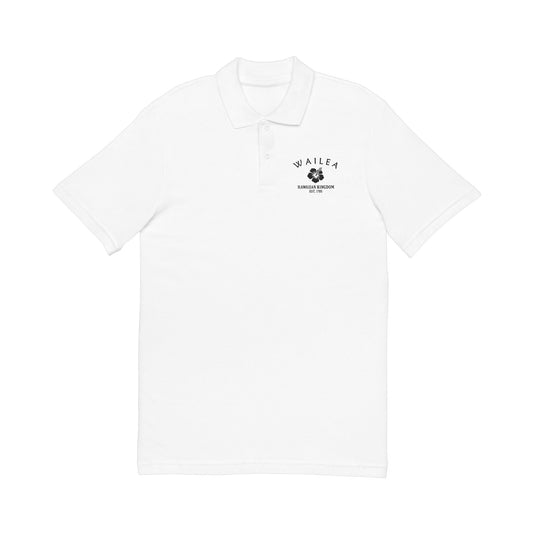
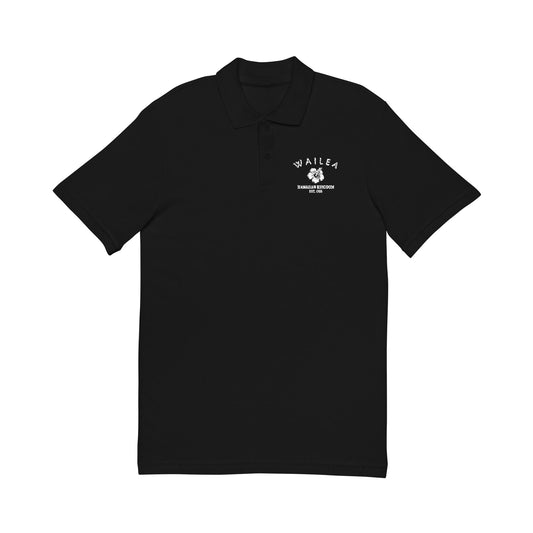
Wailea Hawaii Vintage Retro Unisex Embroidered Cotton Polo - Black Logo
Regular price $48.00 USDRegular price






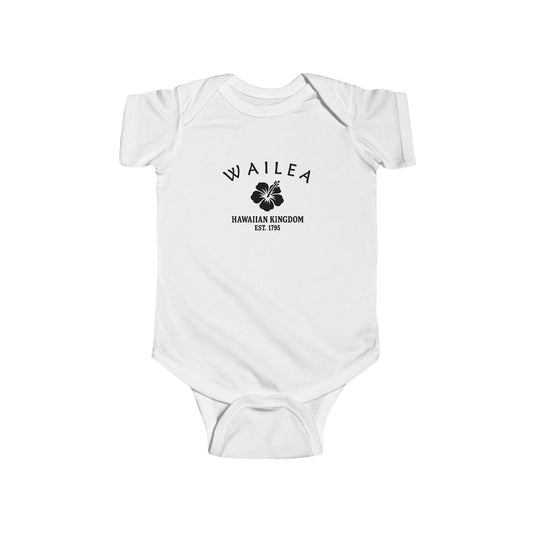
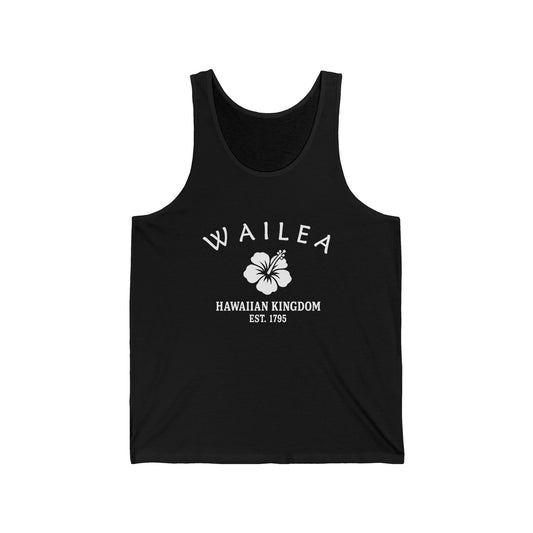
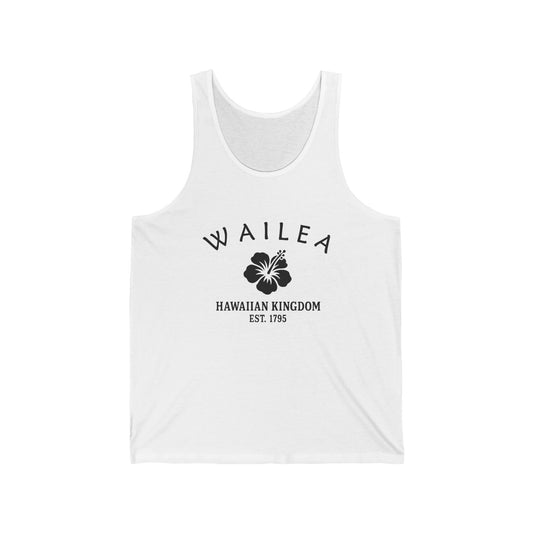
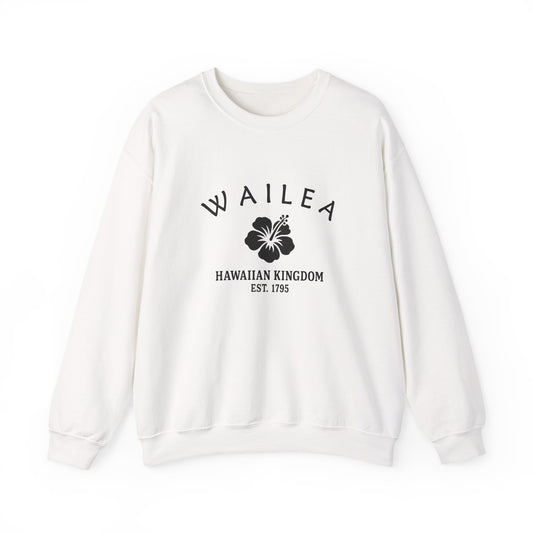
Wailea Hawaii — Retro Vintage History
What’s with the goddess of canoe-builders? Wailea’s name is, quite literally, her water — wai o Lea, the water of Lea, the goddess Hawaiian canoe-makers prayed to before they felled a koa tree and shaped its trunk into a hull. She is remembered too as a guardian of the hula, and one tradition says she turned this stretch of shore into a forest so lovely she would fly above it just to admire the birds. So when you stand on the warm leeward sand here, you are standing in a place named for the patron of master craftsmen — not a resort slogan, but an old prayer carried in three syllables.
Wear the HistoryWailea sits on the sunny, dry side of Maui, in the old land district of Honuaʻula — “red earth” — that runs from the high slopes of Haleakalā down to the sea. Hawaiians here lived mostly mauka, upslope, where they grew sweet potato and dryland taro in the cooler ground, and came makai, down to the coast, to fish. The ahupuaʻa, the wedge-shaped land divisions, stitched mountain to reef so that one community held forest, field, and fishing ground together — a whole working coast, not just a beach.

The shore itself was a fishing place first. What we now call Wailea Beach once carried the older name Kahamanini — “the place of the surgeonfish” — for the manini that schooled bright over its reef. Fishermen worked these waters with net, pole, and spear, and built simple shelters along the sand to camp between tides. The reef that draws snorkelers today is the same reef that fed families for centuries; the water that looks merely scenic now was, to the people who named it, a pantry, a calendar, and a livelihood all at once.
The outside world arrived from the south. In 1786 the French navigator La Pérouse became the first European known to set foot on Maui, stepping ashore at Keoneʻōʻio — the lava bay just below Wailea that still carries his name. Across the ʻAlalakeiki channel lay Kahoʻolawe, and behind it the dry Honuaʻula coast watched the first foreign sails pass. For a while little changed: the fishing shore stayed a fishing shore, and the goddess’s water kept running to the same reef.
The deeper change came by paper. The Great Māhele of 1848 redrew who could hold the land, and on Maui’s dry slopes the answer became cattle. Herds spread above Wailea, and the great ʻUlupalakua Ranch took shape across the uplands where sweet potato had once grown. The coast below stayed quiet and largely empty — scrub, lava, and a few fishing camps — a stretch of shoreline that the cattle era passed over and the twentieth century would rediscover. For decades the busiest traffic through Wailea was paniolo driving cattle down the dry slopes toward the landings, while the reef below kept its fish, its surgeonfish, and its quiet largely to itself.

Then, for a few years, the quiet coast became a drill ground. During the Second World War the Marines trained along this shore for the island campaigns of the Pacific, and they gave Ulua Beach a grim nickname: “Little Tarawa,” after the atoll where they would make one of the war’s bloodiest amphibious landings. Men who rehearsed in this gentle surf carried its lessons to the far side of the ocean. Today the beach is back to umbrellas and snorkels, the name remembered mostly by those who go looking for it.
Our Wailea design wears the hibiscus, Hawaiʻi’s flower, beneath the words “Hawaiian Kingdom · Est. 1795” — the kingdom-era mark Merlin carries across every island town, printed black-and-white like an old luggage decal or a crate stamp. It is less a claim about Wailea’s founding than a nod to the islands it belongs to: a small, durable emblem of place, stamped on a tee the way a stevedore once stamped a shipping case bound out of the harbor — retro in tone, and meant to last.
Today Wailea is five crescent beaches in a row — Keawakapu, Mokapu, Ulua, Wailea, and Polo — strung together by a mile and a half of shoreline path, with resorts, golf, and shops where scrubland once ran. Matson Navigation bought those fifteen hundred acres in 1957; Alexander & Baldwin and Northwestern Mutual built the planned coast in 1971. The crescents and the reef are older than any of it, and the goddess’s water still runs to the same shore. Wear the history, and carry a little of it home.
Wailea, Hawaiʻi — Travel Guide
Visiting Wailea, Hawaiʻi Today
Wailea spreads five golden crescents and a paved shoreline path along Maui’s sunny leeward coast. Calm reef-sheltered bays, easy snorkeling, and a level coastal walk make for unhurried, bright days end to end. The dry South Maui sun shines here nearly year round, and the beaches stay public, with parking, showers, and well-kept access for everyone.
Beaches, Reefs & Shoreline Walks in Wailea
For visitors looking for things to do in Wailea, Hawaiʻi:
- Walk the Wailea Beach Path, a paved shoreline trail of about a mile and a half linking the crescents and resorts.
- Swim or snorkel at Ulua Beach, a reef-sheltered cove — the same sand the Marines once called “Little Tarawa.”
- Spread out at Keawakapu, the long golden crescent at the north end with soft sand and open water.
- Snorkel Mokapu and Polo, quieter coves with easy reef access and mellow surf.
- Browse the Shops at Wailea, open-air promenades, galleries, and shaded courtyards.
- Drive south to Mākena’s Oneloa — “Big Beach” — for wide sand and sweeping channel views (mind the shore break).
Why People Visit Wailea, Hawaiʻi
Wailea offers a seamless beach-and-path experience: swimming, snorkeling, strolling, and light shopping between coves. It is sunny, refined, and family friendly, with year-round appeal in its beaches, walkways, and public access. Natural beauty and easy comfort sit side by side, and a deep Hawaiian past — the goddess Lea, the fishing shore of Kahamanini, the Marines’ “Little Tarawa” — runs quietly beneath the polish.
Wear the HistoryKindred Cities
Greetings to visitors from Porto Cervo (benvenuti) and Whistler — kindred resorts built for the good life.
Wailea is South Maui at its most polished, and Porto Cervo and Whistler keep the same refined company. Porto Cervo crowns Sardinia’s Costa Smeralda, a yacht-harbour playground built for the jet set; Whistler is the alpine luxury village of British Columbia’s mountains; Wailea lines its sunny Maui coast with manicured resorts, championship golf and crescent beaches. Three places designed, down to the last palm and fairway, for an easy and elegant escape.
Wailea repays anyone after a luxe escape: golden crescent beaches and warm calm water, oceanfront resorts and spas, golf along the coast, and the dry South Maui sun shining over it nearly every day. Come and visit us soon.
When you plan the trip, the Maui Visitors Bureau is the place to start.
Wear the History

For more in-depth history research in Wailea, Hawaiʻi, it may be useful to reach out to (1) the Maui Historical Society and its Bailey House archives, (2) the Hawaiian and Pacific collection or local-history room of the nearest Maui public library, (3) the Hawaiʻi State Archives and the State Historic Preservation Division, (4) the Maui County clerk’s office for older land and property records, and (5) a Maui or Honuaʻula preservation, cultural, or conservation commission, along with the Lahaina Restoration Foundation and the University of Hawaiʻi at Mānoa Hawaiian collection for wider regional context. For more travel information in Wailea, Hawaiʻi, it may be useful to contact (1) the Maui Chamber of Commerce, (2) the Maui Visitors and Convention Bureau or the Hawaiʻi Tourism Authority, (3) the Maui County Department of Parks and Recreation, (4) the Hawaiʻi State Parks office for Mākena State Park and nearby sites, and (5) the regional ground-transportation desk or the Kahului Airport visitor information counter.