Every design is set in hand-lettered vintage type for that old-school, crate-label look. One sample color shown — black and white logo options on every piece. Recently in the national press. Enjoy!
-
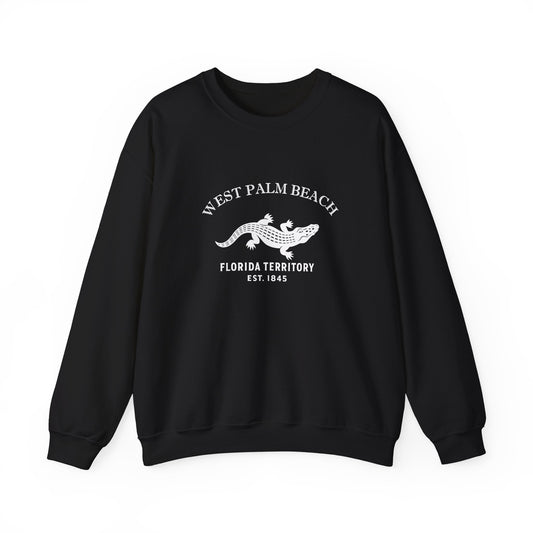
West Palm Beach Florida Vintage Retro Premium Crewneck Sweatshirt - Black Logo
Regular price $48.00 USDRegular price -
West Palm Beach Florida Vintage Retro Premium Crewneck Sweatshirt - White Logo
Regular price $48.00 USDRegular price -
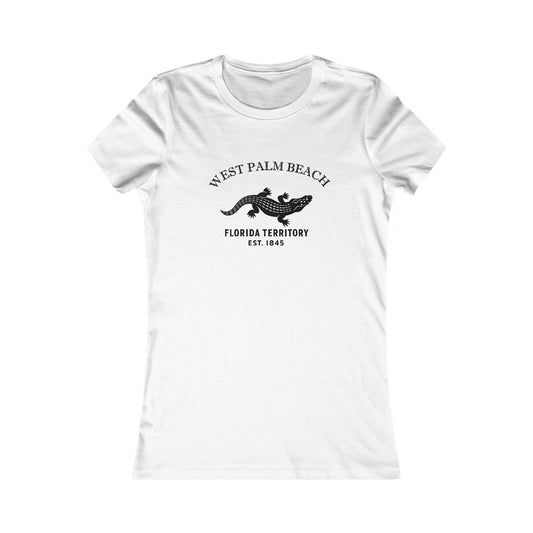
West Palm Beach Florida Vintage Retro Womens Fitted Ringspun Cotton Tee - Black Logo
Regular price $28.00 USDRegular price -
-
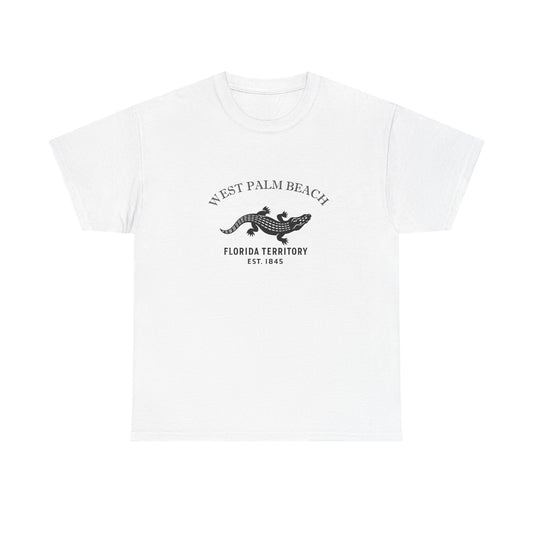
West Palm Beach Florida Vintage Retro Unisex Heavy Cotton Tee - Black Logo
Regular price $22.00 USDRegular price -
West Palm Beach Florida Vintage Retro Unisex Heavy Cotton Tee - White Logo
Regular price $22.00 USDRegular price -
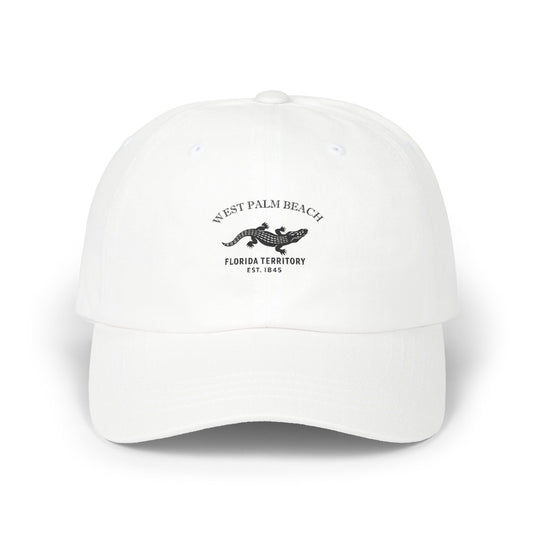
West Palm Beach Florida Vintage Retro Embroidered Cotton Cap - Black Logo
Regular price $32.00 USDRegular price -
West Palm Beach Florida Vintage Retro Embroidered Cotton Cap - White Logo
Regular price $32.00 USDRegular price -
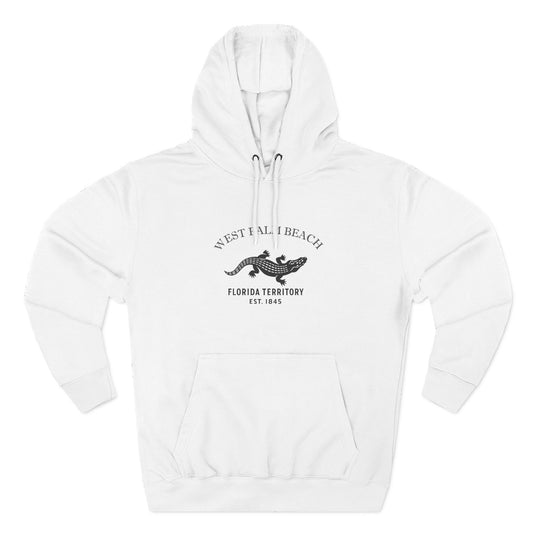
West Palm Beach Florida Vintage Retro Unisex Heavy Cotton Hoodie - Black Logo
Regular price $56.00 USDRegular price -
West Palm Beach Florida Vintage Retro Unisex Heavy Cotton Hoodie - White Logo
Regular price $56.00 USDRegular price -
West Palm Beach Florida Vintage Retro Unisex Embroidered Fleece Jacket - White Logo
Regular price $98.00 USDRegular price -
West Palm Beach Florida Vintage Retro Vinyl Sticker - Black Logo
Regular price From $6.00 USDRegular price -
West Palm Beach Florida Vintage Retro Ceramic Mug - Black Logo
Regular price From $16.00 USDRegular price -
West Palm Beach Florida Vintage Retro Cotton Canvas Tote Bag - White Logo
Regular price $25.00 USDRegular price -
West Palm Beach Florida Vintage Retro Cotton Canvas Tote Bag - Black Logo
Regular price $25.00 USDRegular price -
West Palm Beach Florida Vintage Retro Thank You Card Set - Black Logo
Regular price From $25.00 USDRegular price -
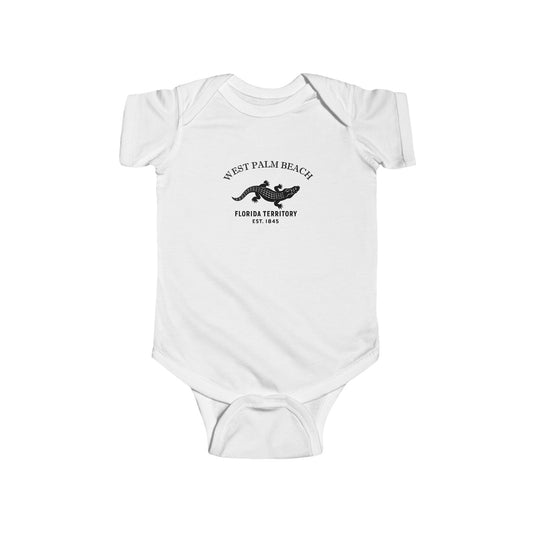
West Palm Beach Florida Vintage Retro Cotton Jersey Baby Bodysuit - Black Logo
Regular price $26.00 USDRegular price -
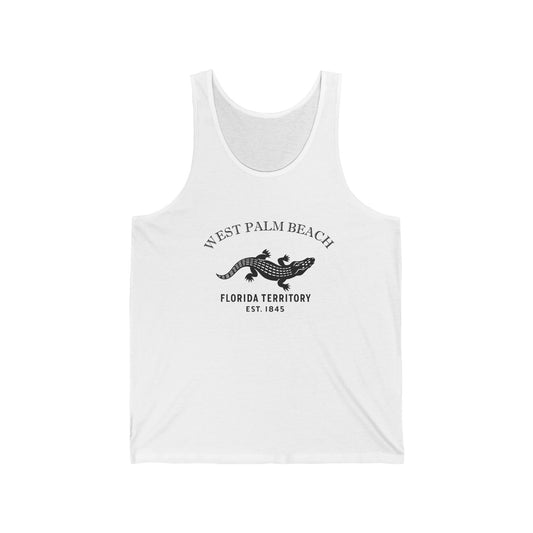
West Palm Beach Florida Vintage Retro Unisex Cotton Jersey Tank Top - Black Logo
Regular price $28.00 USDRegular price -
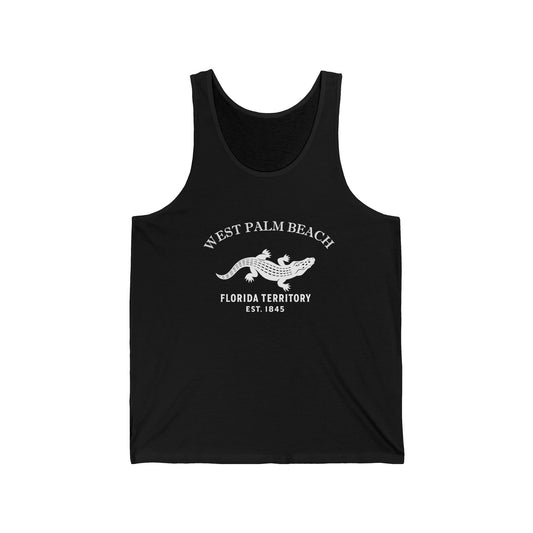
West Palm Beach Florida Vintage Retro Unisex Cotton Jersey Tank Top - White Logo
Regular price $28.00 USDRegular price -
West Palm Beach Florida Vintage Retro Back Printed Art Series Cotton Tee - Black Logo
Regular price $32.00 USDRegular price -
West Palm Beach Florida Vintage Retro Giclée Print Art Series Poster
Regular price From $38.00 USDRegular price -
West Palm Beach Florida Vintage Retro Unisex Heavy Crewneck Sweatshirt - Black Logo
Regular price $44.00 USDRegular price -
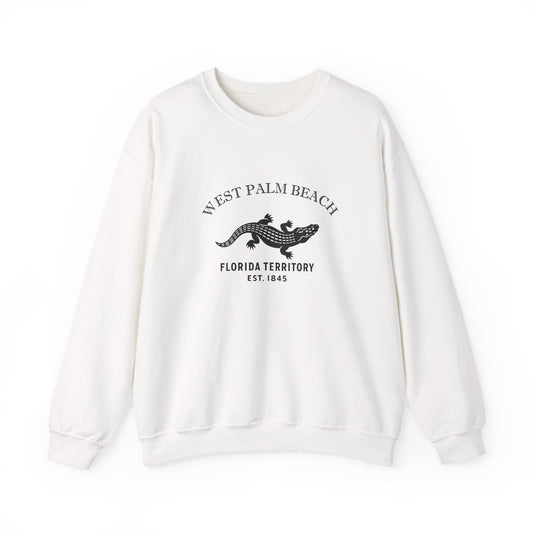
West Palm Beach Florida Vintage Retro Unisex Heavy Crewneck Sweatshirt - White Logo
Regular price $44.00 USDRegular price -
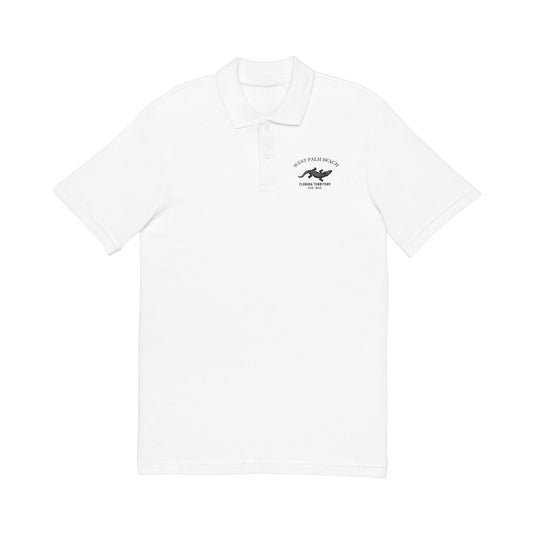
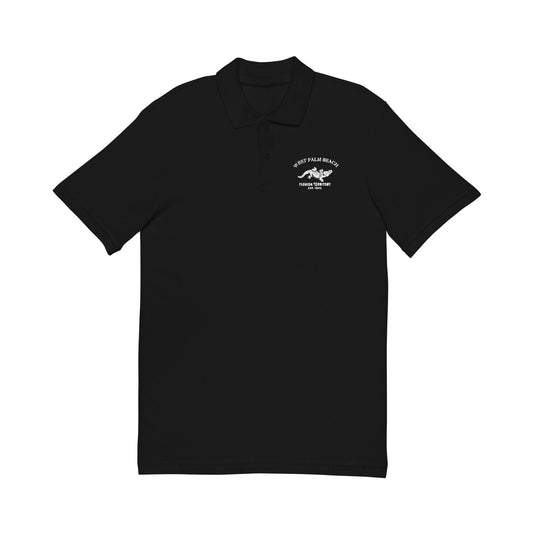
West Palm Beach Florida Vintage Retro Unisex Embroidered Cotton Polo - Black Logo
Regular price $48.00 USDRegular price









West Palm Beach Florida — Retro Vintage History
What’s with Flagler? Nearly everything in West Palm Beach traces back to one man. Henry Flagler — Standard Oil partner, railroad magnate — came down the Florida coast in the 1890s laying his Florida East Coast Railway, and decided the barrier island across the lagoon would make a glittering winter resort for wealthy Northerners. But a resort needs a workforce, a depot, a downtown. So in 1893 Flagler laid out a working town on the mainland to serve the island, paid two settlers $45,000 for the site, ran his rails in, and named it for exactly where it sat: West Palm Beach. The city has been Flagler’s ever since.
Wear the HistoryThe town came together fast. Flagler’s surveyor platted forty-eight blocks between Clear Lake and the Lake Worth Lagoon, the railroad reached the new settlement in the spring of 1894, and on November 5 that year seventy-eight residents crowded into the “Calaboose” — the little wooden jailhouse — and voted 77 to 1 to incorporate. That made West Palm Beach the oldest incorporated municipality in South Florida, on the books two full years before Miami. One early resident remembered it as nothing but white sand, two steel rails, a few acres of pineapples, and scrub on every side. From that, a city.
Here is the thing the name keeps half-hidden: West Palm Beach is the city; Palm Beach is the island. Across the Intracoastal sit the Gilded-Age hotels Flagler built — the Royal Poinciana, The Breakers — and the mansions of the very rich. West Palm Beach was the other side of that economy: the depot and the storefronts, the carpenters and railroad men, the place where the work got done and the workers lived. That split still defines the city. It is the down-to-earth, culturally rich mainland — the one with the downtown, the museums, and the nightlife — looking across the water at the glamour it helped build and supply.

Look at a downtown map and you’ll find the streets named, in alphabetical order, for native plants: Althea, Banyan, Clematis, Datura, Evernia, Fern. Flagler’s planners laid the grid that way in 1893, and Clematis became the main drag — storefronts and theaters — while a block over, Banyan Street filled with saloons so rowdy that the temperance crusader Carry Nation came to town in 1904 to set it straight. Clematis faded mid-century, then came roaring back in the 1990s as the city’s nightlife and festival heart. The plant names are still there, in order, if you know to look.
West Palm Beach grew in waves. Pineapple farms and winter vegetables gave way to a 1920s land boom that quadrupled the population and left whole neighborhoods of Mediterranean-Revival houses — red barrel-tile roofs, stucco walls, shady courtyards — in El Cid, Flamingo Park, and Old Northwood. Hurricanes and downtown fires knocked the young city down more than once, and it rebuilt each time in brick and stone. Out on the flat, early-paved streets, so many residents took to two wheels that West Palm Beach was once cheerfully called the “bicyclingest town in the U.S.A.”
The city’s story isn’t only Flagler’s. When the Black community living in the “Styx” on Palm Beach island was displaced in the 1890s, many resettled on the mainland in the Northwest neighborhood, building a community of churches, businesses, and Bahamian-influenced cottages that became the city’s first National Register historic district. The railroad workers, the carpenters, the families who kept the resort running — they are as much the founders of West Palm Beach as the magnate who drew the map. The arts followed: the Norton, the largest art museum in Florida, and the Kravis Center stage.
Our West Palm Beach logo carries the Florida alligator over “Florida Territory · Est. 1845,” the year Florida became a state — the shared emblem of every Merlin Classics Florida town. Printed in clean retro black-and-white that reads like an old crate label or woodcut, the alligator stands for Florida as a whole; what makes this one West Palm Beach is everything behind it — Flagler’s railroad, the plant-named streets, the Intracoastal and the island across it, and a working mainland city that grew up proud beside the glamour.
Today West Palm Beach is waterfront promenades and palm-lined avenues, the Norton and the Kravis, Clematis nightlife and the Intracoastal breeze. Our West Palm Beach designs gather that identity — the alligator emblem, Flagler’s railroad city, the mainland-and-island story — into wearable form. West Palm Beach, Florida — Flagler’s city on the Intracoastal, where the railroad came south and the palms never quit.
Wear the History
West Palm Beach, Florida — Travel Guide
Visiting West Palm Beach Today
West Palm Beach pairs an Intracoastal waterfront with a walkable, palm-lined downtown of museums, galleries, and nightlife. It is the down-to-earth, culturally rich mainland — sunshine and public art and the breeze off the lagoon — with the island beaches of Palm Beach just across the bridge.
The Waterfront, the Arts & Clematis Street
For visitors looking for things to do in West Palm Beach, Florida:
- Stroll Clematis Street, the plant-named main drag, for shops, fountains, and nightlife.
- Tour the Norton Museum of Art, the largest art museum in Florida.
- Catch a performance at the Kravis Center for the Performing Arts.
- Walk the Intracoastal waterfront and The Square (the former CityPlace).
- Wander the 1920s Mediterranean-Revival streets of El Cid and Old Northwood.
- Explore Mounts Botanical Garden and the Grassy Waters Preserve at the Everglades’ edge.
- Cross the bridge to Palm Beach island for the Flagler Museum (Whitehall), The Breakers, and Worth Avenue.
- Bring the kids to the South Florida Science Center, or time a visit for the downtown waterfront festivals.
Why People Visit West Palm Beach
West Palm Beach rewards visitors who want culture with their coastline: a serious arts scene, a lively downtown, historic neighborhoods under the palms, and the Intracoastal at the center of it all. Add the island just across the water and the year-round South Florida sun, and Flagler’s mainland city makes an easy case for itself.
Wear the History
Kindred Cities
A warm welcome to visitors from Cannes, France (bienvenue) and Victoria, Canada — fellow waterfront cities of culture and ease.
West Palm Beach is the lively, cultured mainland beside its glittering island, and Cannes and Victoria share that mix of waterfront and refinement. Cannes pairs Riviera glamour with its film festival and the arts; Victoria brings British gentility and famous gardens to Canada’s Pacific coast; West Palm gathers its galleries, its Kravis Center and Clematis Street nightlife along the Intracoastal, looking across the water to Palm Beach. Three waterfront cities where culture and the good life meet.
West Palm Beach calls to the city-and-sea visitor: a walkable waterfront and downtown, the Norton Museum and the Kravis arts center, palm-lined avenues and Intracoastal views, and the island beaches of Palm Beach just across the bridge. Come and visit us soon.
When you plan the trip, Discover The Palm Beaches is the place to start.
Wear the History

For deeper reading on the West Palm Beach history described here — Henry Flagler’s 1893–94 founding of the mainland railroad city, the plant-named street grid and Clematis Street, the November 5, 1894 incorporation at the Calaboose (the oldest in South Florida), the Northwest community and Bahamian heritage, the 1920s Mediterranean-Revival boom, and the Norton and Kravis arts institutions — it may be useful to consult (1) the Historical Society of Palm Beach County, (2) the Mandel Public Library of West Palm Beach’s local-history collection, (3) the State Library and Archives of Florida, (4) the City of West Palm Beach’s historic-preservation and city-clerk records offices, and (5) the Palm Beach County and city preservation boards. For travel and visitor information, it may be useful to contact (1) Discover The Palm Beaches, (2) the chamber of commerce, (3) the West Palm Beach parks and recreation department, (4) the Florida state-parks office, and (5) the Palm Beach International Airport visitor desk.
- Choosing a selection results in a full page refresh.
- Opens in a new window.