Every design is set in hand-lettered vintage type for that old-school, crate-label look. One sample color shown — black and white logo options on every piece. Recently in the national press. Enjoy!
-
Miami Beach Florida Vintage Retro Premium Crewneck Sweatshirt - Black Logo
Regular price $48.00 USDRegular price -
Miami Beach Florida Vintage Retro Premium Crewneck Sweatshirt - White Logo
Regular price $48.00 USDRegular price -
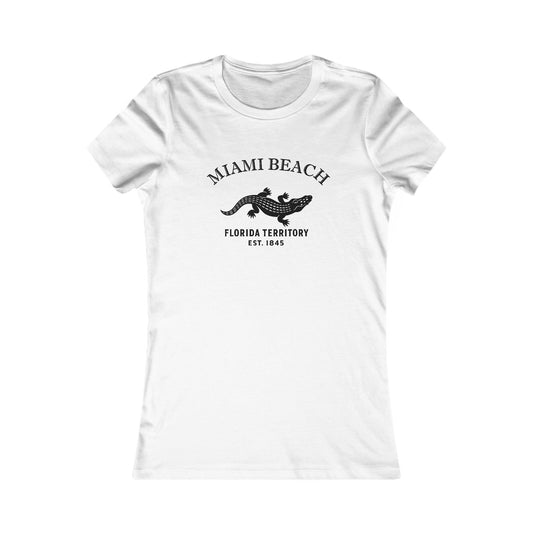
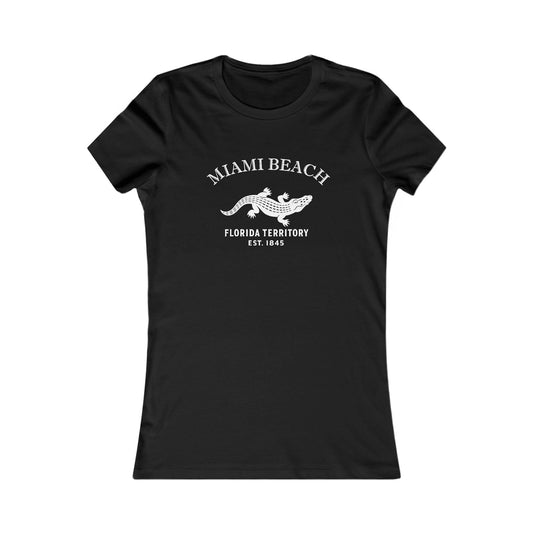
Miami Beach Florida Vintage Retro Womens Fitted Ringspun Cotton Tee - Black Logo
Regular price $28.00 USDRegular price -
-
Miami Beach Florida Vintage Retro Embroidered Cotton Cap - Black Logo
Regular price $32.00 USDRegular price -
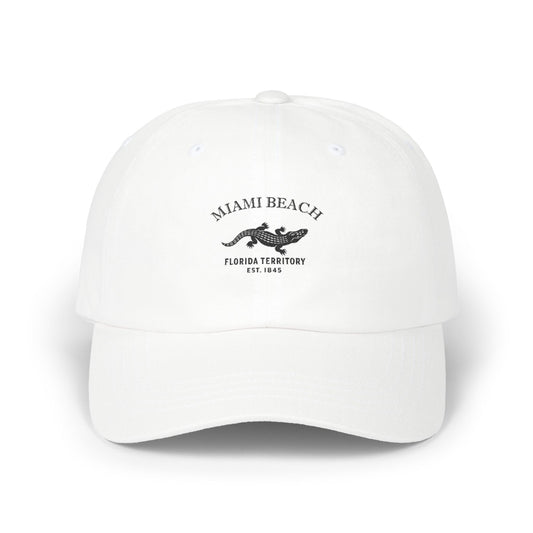
Miami Beach Florida Vintage Retro Embroidered Cotton Cap - White Logo
Regular price $32.00 USDRegular price -
Miami Beach Florida Vintage Retro Unisex Heavy Cotton Hoodie - Black Logo
Regular price $56.00 USDRegular price -
Miami Beach Florida Vintage Retro Unisex Heavy Cotton Hoodie - White Logo
Regular price $56.00 USDRegular price -
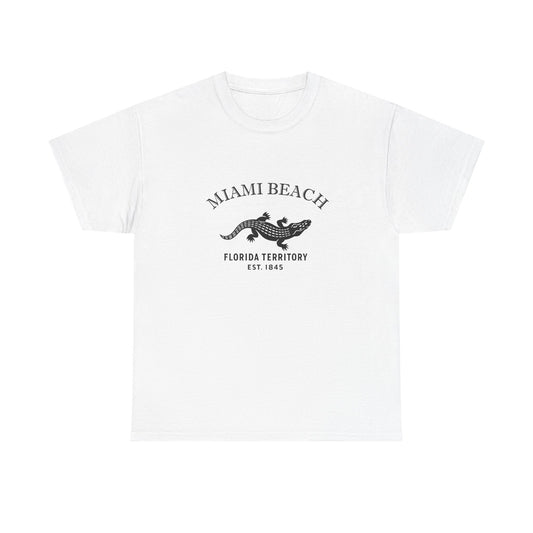
Miami Beach Florida Vintage Retro Unisex Heavy Cotton Tee - Black Logo
Regular price $22.00 USDRegular price -
Miami Beach Florida Vintage Retro Unisex Heavy Cotton Tee - White Logo
Regular price $22.00 USDRegular price -
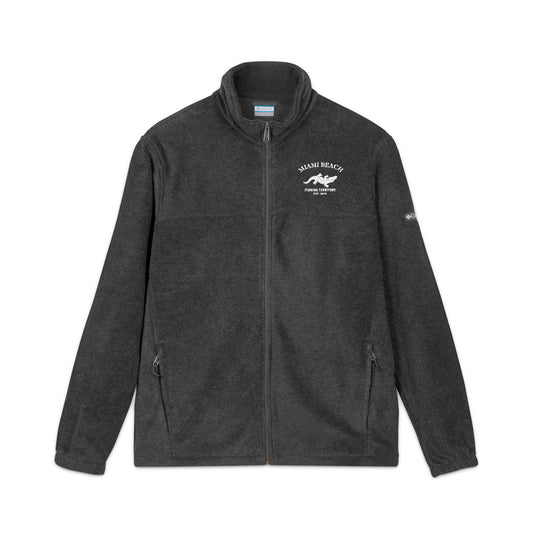
Miami Beach Florida Vintage Retro Unisex Embroidered Fleece Jacket - White Logo
Regular price $98.00 USDRegular price -
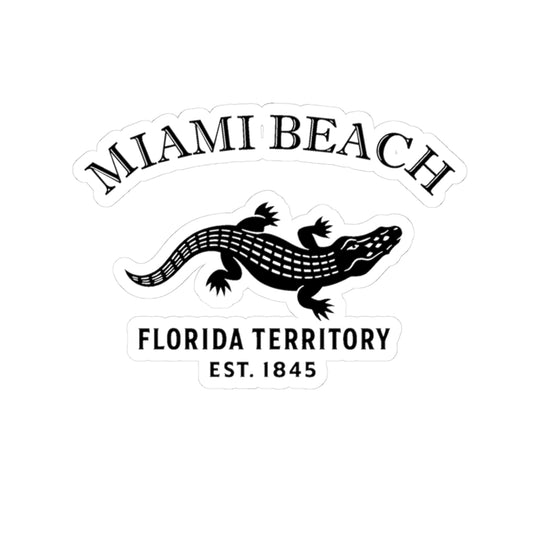
Miami Beach Florida Vintage Retro Vinyl Sticker - Black Logo
Regular price From $6.00 USDRegular price -
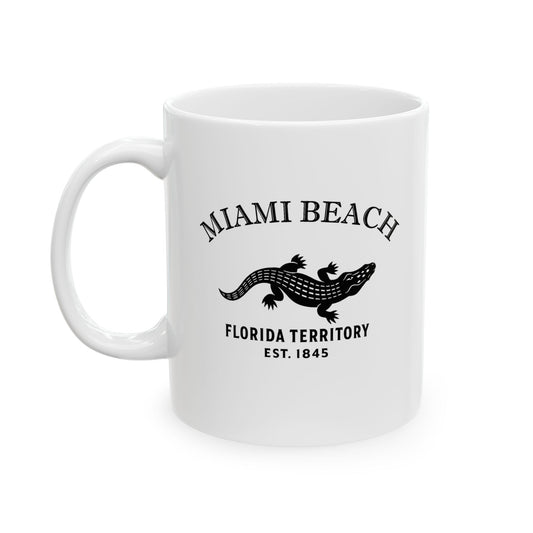
Miami Beach Florida Vintage Retro Ceramic Mug - Black Logo
Regular price From $16.00 USDRegular price -
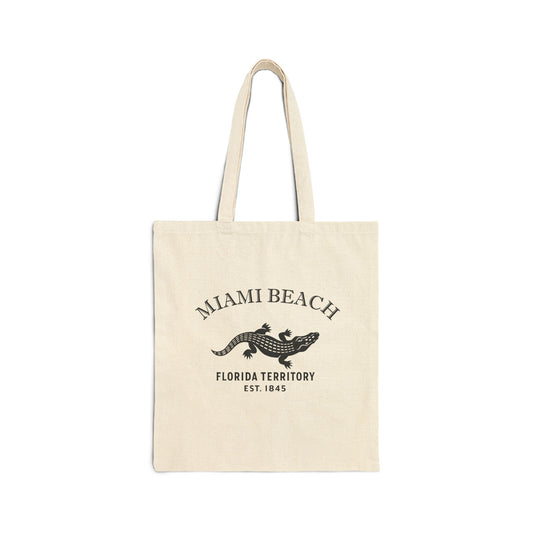
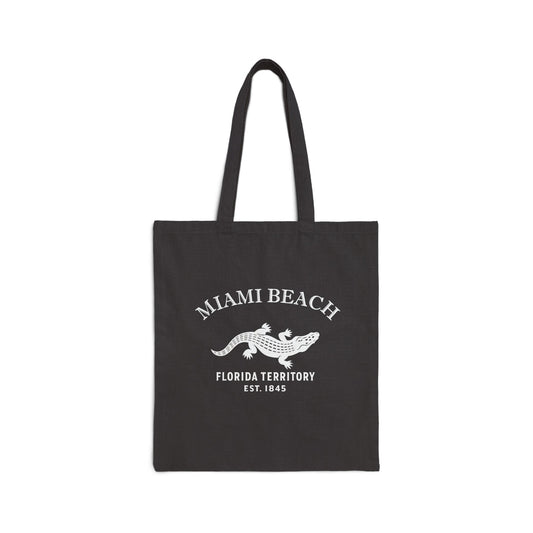
Miami Beach Florida Vintage Retro Cotton Canvas Tote Bag - Black Logo
Regular price $25.00 USDRegular price -
Miami Beach Florida Vintage Retro Cotton Canvas Tote Bag - White Logo
Regular price $25.00 USDRegular price -
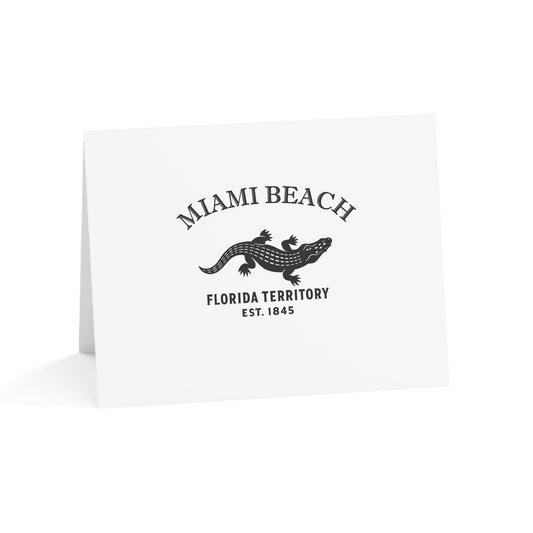
Miami Beach Florida Vintage Retro Thank You Card Set - Black Logo
Regular price From $25.00 USDRegular price -
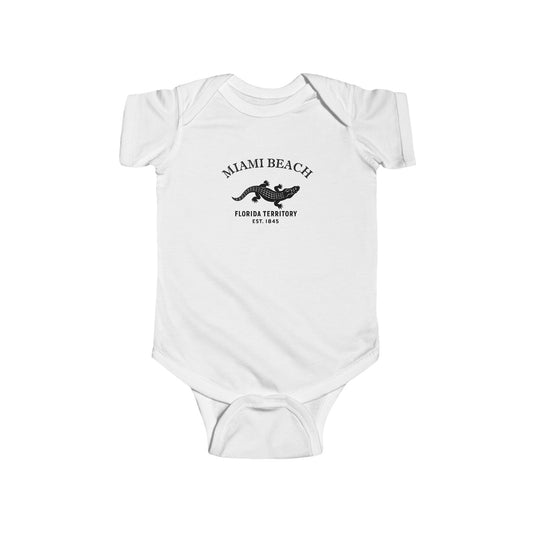
Miami Beach Florida Vintage Retro Cotton Jersey Baby Bodysuit - Black Logo
Regular price $26.00 USDRegular price -
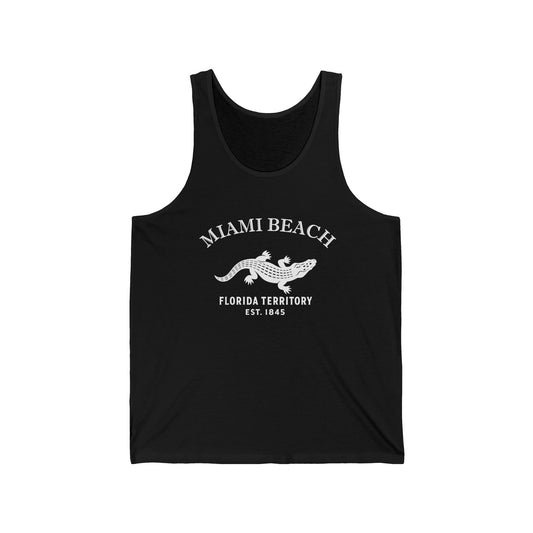
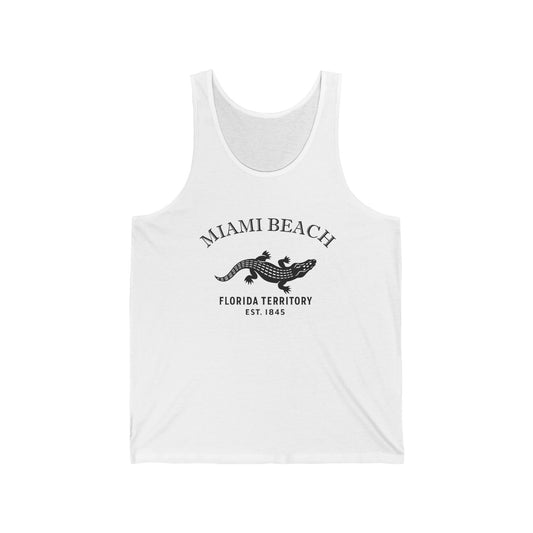
Miami Beach Florida Vintage Retro Unisex Cotton Jersey Tank Top - White Logo
Regular price $28.00 USDRegular price -
Miami Beach Florida Vintage Retro Unisex Cotton Jersey Tank Top - Black Logo
Regular price $28.00 USDRegular price -
Miami Beach Florida Vintage Retro Back Printed Art Series Cotton Tee - Black Logo
Regular price $32.00 USDRegular price -
Miami Beach Florida Vintage Retro Giclée Print Art Series Poster
Regular price From $38.00 USDRegular price -
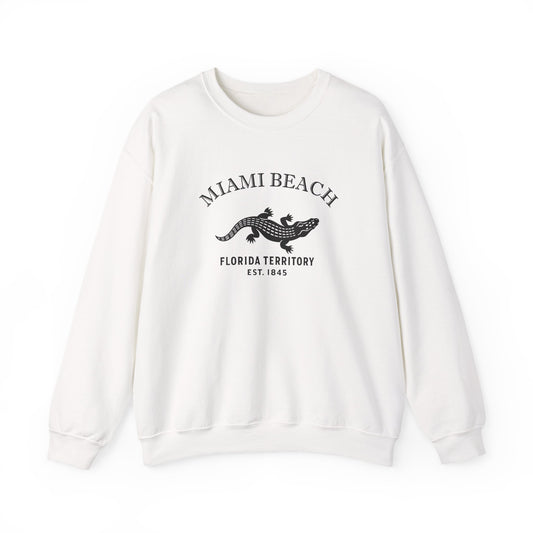
Miami Beach Florida Vintage Retro Unisex Heavy Crewneck Sweatshirt - Black Logo
Regular price $44.00 USDRegular price -
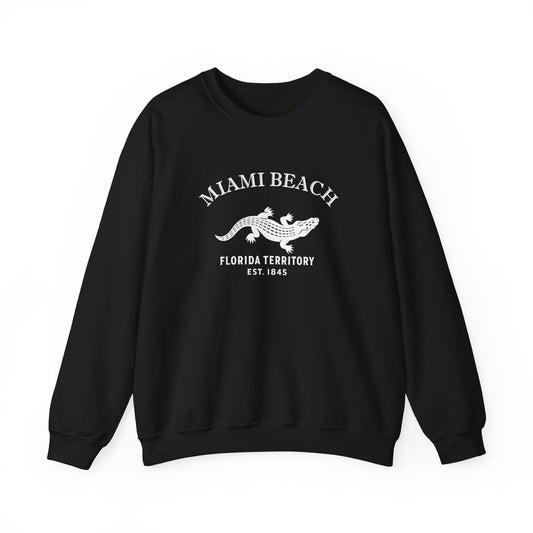
Miami Beach Florida Vintage Retro Unisex Heavy Crewneck Sweatshirt - White Logo
Regular price $44.00 USDRegular price -
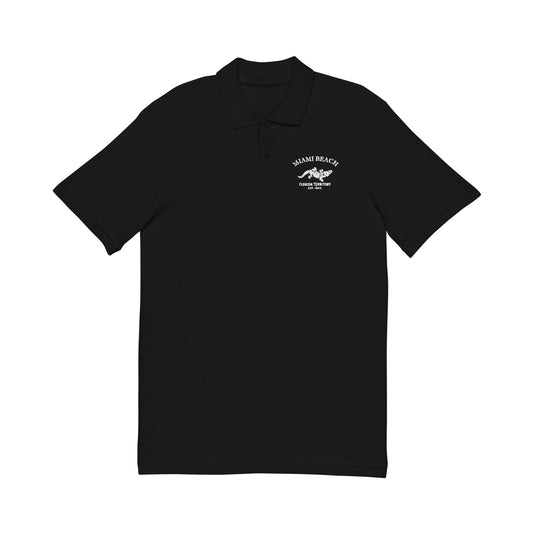
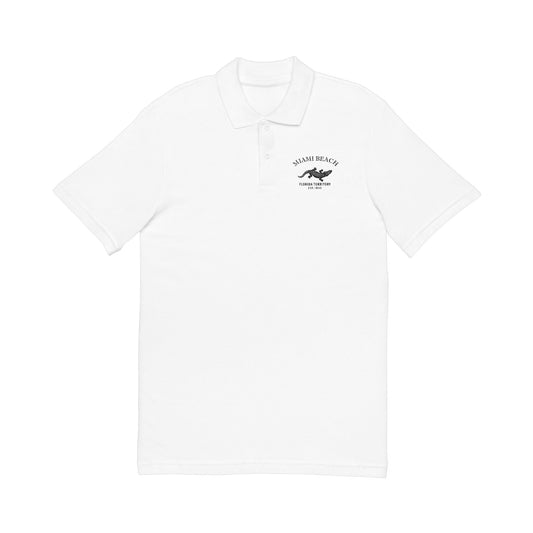
Miami Beach Florida Vintage Retro Unisex Embroidered Cotton Polo - Black Logo
Regular price $48.00 USDRegular price








Miami Beach Florida — Retro Vintage History
What’s with the Art Deco? Walk down Ocean Drive and the whole street looks like a 1930s daydream painted in sherbet — pastel hotels with rounded corners and racing stripes, porthole windows, and neon that comes alive at dusk. This is the Miami Beach Architectural District, the largest concentration of Art Deco buildings anywhere in the world: roughly eight hundred of them, packed into the blocks of South Beach. Most went up in the 1930s — small stucco hotels built cheap and optimistic during the Depression — in a local style so distinct it earned its own name: Tropical Deco, with nautical curves, shady “eyebrows” over the windows, and a palette borrowed from the sea and the sunset.
Wear the HistoryHere’s the strange part: almost none of this was supposed to exist. A century ago Miami Beach was a barrier island of mangrove swamp and sand, good for coconuts and not much else. Then a New Jersey farmer named John Collins planted avocado groves and dredged a canal to ship them, and an Indianapolis millionaire named Carl Fisher — the man behind the Indy 500 and the first bright automobile headlights — looked at the tangle of mangroves and saw a resort. Fisher cut down the jungle, dredged up the bay bottom, and literally built the island into shape. The city they incorporated in 1915 was, in large part, made by hand.
It started with a bridge. Collins ran short of money finishing a two-and-a-half-mile wooden span to the mainland — the longest in the world at the time — and Fisher loaned him the cash in exchange for land. On March 26, 1915, Collins, Fisher, and the Lummus brothers folded their separate beach companies together and chartered the Town of Miami Beach. Fisher then sold it to the world: grand hotels, polo fields, and a Times Square billboard that promised “It’s always June in Miami.” For one publicity stunt he posed a baby elephant as a golf caddie for a president-elect. America’s winter playground was open for business.

The 1920s land boom made Miami Beach famous, and the great 1926 hurricane nearly unmade it, ending the Florida boom in a single storm. But the rebuilding is what gave us the Beach we know. Through the 1930s, developers threw up hundreds of small, affordable Streamline-Moderne hotels along Ocean Drive and Collins Avenue, each one curved and finned and crowned with neon. Lincoln Road became the “Fifth Avenue of the South.” And when the war came, roughly half a million troops trained on these beaches — many of whom, unable to shake the sand from their shoes, came back to stay.
It’s worth being clear about the name, because two cities share it. Miami is the big mainland city across Biscayne Bay; Miami Beach is the barrier island linked to it by causeways — a separate city with its own government, its own history, and its own unmistakable look. When people picture “Miami” — the pastel hotels, the neon, the sand and the candy-colored lifeguard towers — they are usually picturing Miami Beach. The bay between the two is narrow; the difference is not.
By the 1970s the Deco district had faded into a stretch of peeling paint and aging retirees, and the bulldozers were circling. It was saved by an unlikely crusade: a preservationist named Barbara Capitman and the Miami Design Preservation League fought to protect the old hotels, and in 1979 the district became the first twentieth-century neighborhood listed on the National Register of Historic Places. The pastel was repainted, the neon relit, and South Beach — SoBe — reinvented itself as one of the most photographed places on earth.
Our Miami Beach logo carries the Florida alligator over “Florida Territory · Est. 1845,” the year Florida became a state — the shared emblem of every Merlin Classics Florida town. Printed in clean retro black-and-white that reads like an old crate label, the alligator stands for Florida as a whole; what makes this one Miami Beach is everything behind it — the Art Deco strip and its neon, the candy-colored lifeguard towers, the man-made island, and the winter playground where the sand meets South Beach.
Today Miami Beach is pastel facades and turquoise water, neon nights and morning light on the sand — the most stylish stretch of barrier island in America. Our Miami Beach designs gather that identity — the alligator emblem, the Art Deco strip, the South Beach glow — into wearable form. Miami Beach, Florida — pastel Art Deco, neon nights, and the candy-colored towers where the sand meets South Beach.
Wear the History
Miami Beach, Florida — Travel Guide
Visiting Miami Beach Today
Miami Beach is a barrier-island city famous for its Art Deco architecture, broad Atlantic beaches, and walkable, palm-lined streets. It blends vintage style, ocean, and easy pedestrian life — pastel by day, neon by night — with mainland Miami just across the bay.
The Art Deco Strip, the Sand & South Beach
For visitors looking for things to do in Miami Beach, Florida:
- Walk the Art Deco District along Ocean Drive — pastel facades, neon, and the candy-colored lifeguard towers.
- Start at the Art Deco Welcome Center (1001 Ocean Drive) for the Miami Design Preservation League walking tour.
- Lounge on the wide sand at Lummus Park and South Pointe Park.
- Stroll Lincoln Road, the pedestrian mall, for shops, cafes, and people-watching.
- See the Wolfsonian-FIU and The Bass for design and modern art.
- Wander Española Way’s Mediterranean lanes.
- Walk or bike the Miami Beach Boardwalk along the dunes.
- Cross a causeway to mainland Miami — a separate city — for even more to explore.
Why People Visit Miami Beach
Miami Beach rewards visitors who want style with their sand: the world’s great Art Deco strip, a wide Atlantic beach, walkable streets, and neon nights. Add the South Beach glow and the year-round Florida sun, and the man-made island makes an easy case for itself.
Wear the History
Kindred Cities
A warm welcome to friends from Fujisawa, Japan (ようこそ) — a Japanese beach town and our oldest friend abroad.
Miami Beach and Fujisawa are beach towns that found each other early. Fujisawa sits on Japan’s Shōnan coast near Tokyo, where Enoshima island and a long surf strand draw the city out to the water all summer — the Japanese answer to a sun-and-sand town. Miami Beach trades the same currency: ocean, sand and a shoreline built for pleasure, an Art Deco strip facing the Atlantic.
Fujisawa has been Miami Beach’s sister since 1959 — its oldest such tie, more than sixty years on — and the two still trade runners each year for a ten-mile race, with Fujisawa keeping a plaza named for Miami Beach.
Come from Fujisawa and Miami Beach will feel familiar in the best way: the same devotion to sand and surf, only wrapped in pastel Art Deco and warm Atlantic water that never asks for a wetsuit. Come and visit us soon.
When you plan the trip, the Greater Miami Convention & Visitors Bureau is the place to start.
Wear the History

For deeper reading on the Miami Beach history described here — the 1880s coconut and avocado farming, John Collins’s 1913 bridge, Carl Fisher’s dredging of the mangrove island, the March 26, 1915 incorporation, the 1920s land boom and “winter playground” promotion, the 1930s Tropical Deco hotel district, and the Barbara Capitman / Miami Design Preservation League rescue and 1979 National Register listing — it may be useful to consult (1) HistoryMiami Museum and the Historical Association of Southern Florida, (2) the Miami Beach Public Library and the Bass collections, (3) the State Library and Archives of Florida, (4) the Miami Design Preservation League and the Art Deco Welcome Center, and (5) the City of Miami Beach historic-preservation and city-clerk records offices. For travel and visitor information, it may be useful to contact (1) the Greater Miami Convention & Visitors Bureau, (2) the Miami Beach chamber of commerce, (3) the Miami Beach parks and recreation department, (4) the Florida state-parks office, and (5) the Miami International Airport visitor desk.
- Choosing a selection results in a full page refresh.
- Opens in a new window.