Every design is set in hand-lettered vintage type for that old-school, crate-label look. One sample color shown — black and white logo options on every piece. Recently in the national press. Enjoy!
-
Miami Florida Vintage Retro Premium Crewneck Sweatshirt - Black Logo
Regular price $48.00 USDRegular price -
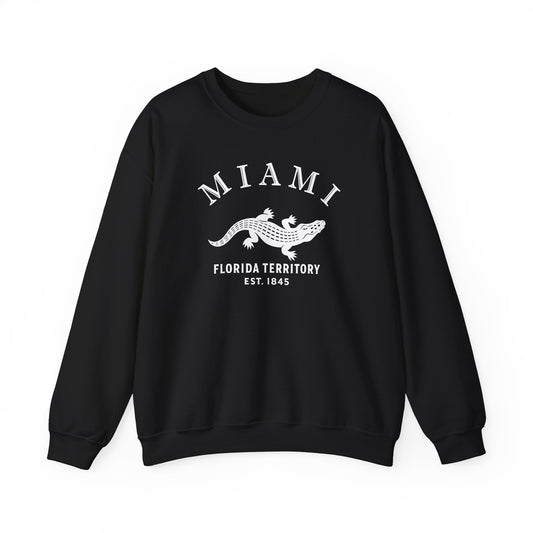
Miami Florida Vintage Retro Premium Crewneck Sweatshirt - White Logo
Regular price $48.00 USDRegular price -
-
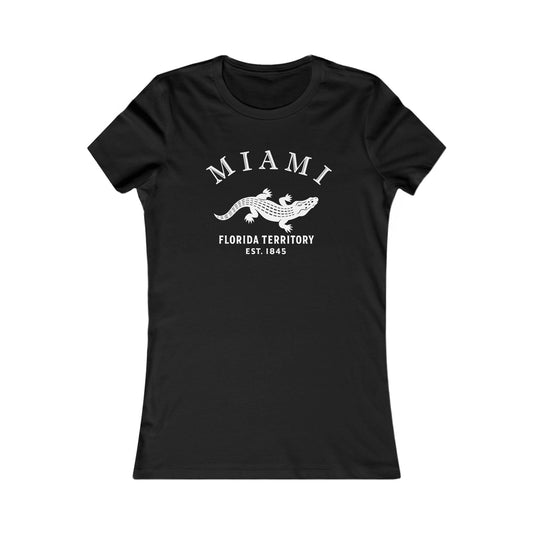
Miami Florida Vintage Retro Womens Fitted Ringspun Cotton Tee - Black Logo
Regular price $28.00 USDRegular price -
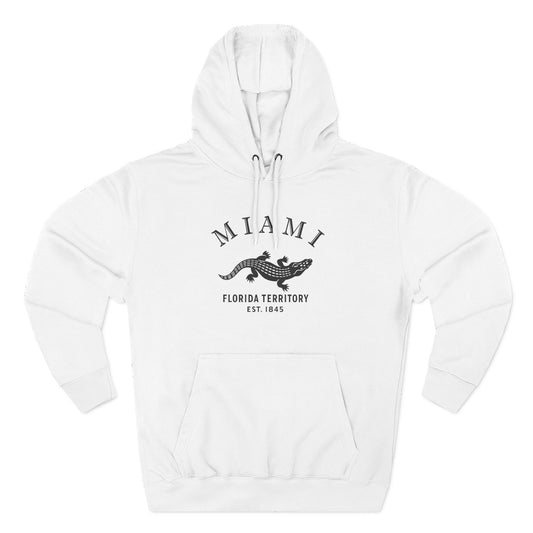
Miami Florida Vintage Retro Unisex Heavy Cotton Hoodie - Black Logo
Regular price $56.00 USDRegular price -
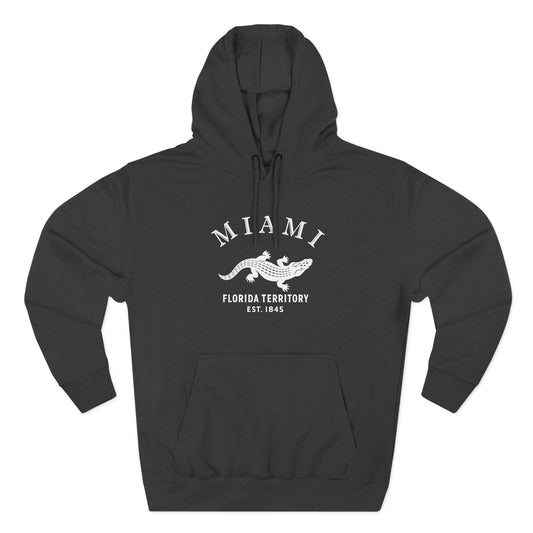
Miami Florida Vintage Retro Unisex Heavy Cotton Hoodie - White Logo
Regular price $56.00 USDRegular price -
Miami Florida Classic Embroidered Vintage Retro Cotton Cap - Black Logo
Regular price $32.00 USDRegular price -
Miami Florida Classic Embroidered Vintage Retro Cotton Cap - White Logo
Regular price $32.00 USDRegular price -
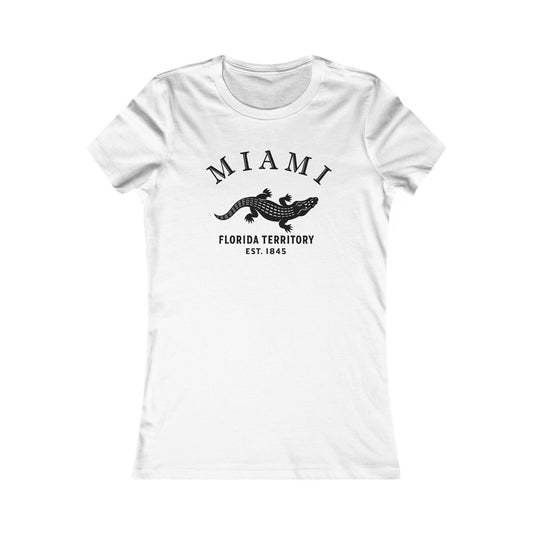
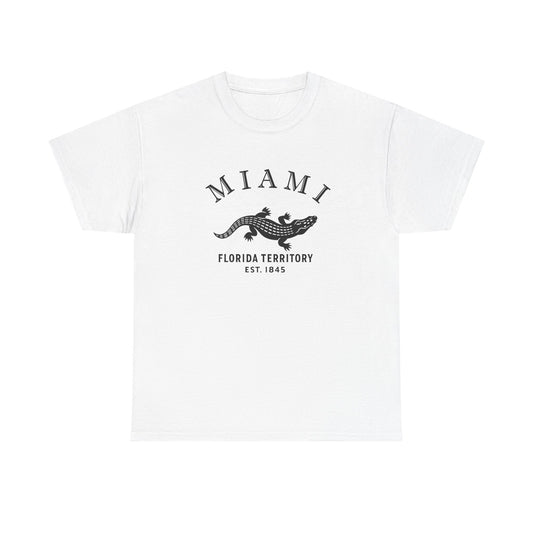
Miami Florida Vintage Retro Unisex Heavy Cotton Tee - Black Logo
Regular price $22.00 USDRegular price -
Miami Florida Vintage Retro Unisex Heavy Cotton Tee - White Logo
Regular price $22.00 USDRegular price -
Miami Florida Vintage Retro Vinyl Sticker - Black Logo
Regular price From $6.00 USDRegular price -
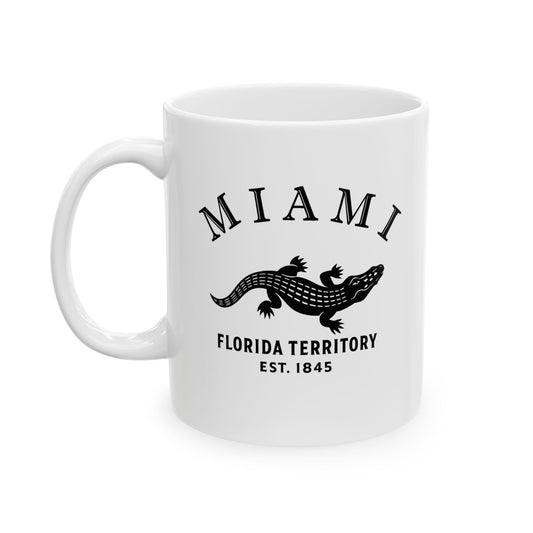
Miami Florida Vintage Retro Ceramic Mug - Black Logo
Regular price From $16.00 USDRegular price -
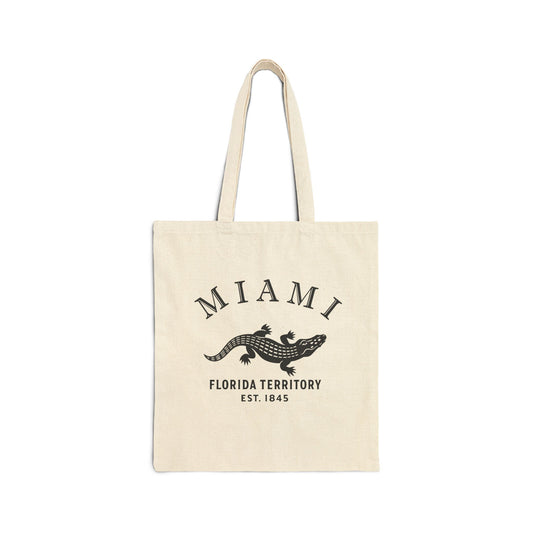
Miami Florida Vintage Retro Cotton Canvas Tote Bag - Black Logo
Regular price $25.00 USDRegular price -
Miami Florida Vintage Retro Cotton Canvas Tote Bag - White Logo
Regular price $25.00 USDRegular price -
Miami Florida Vintage Retro Thank You Card Set - Black Logo
Regular price From $25.00 USDRegular price -
Miami Florida Vintage Retro Cotton Jersey Baby Bodysuit - Black Logo
Regular price $26.00 USDRegular price -
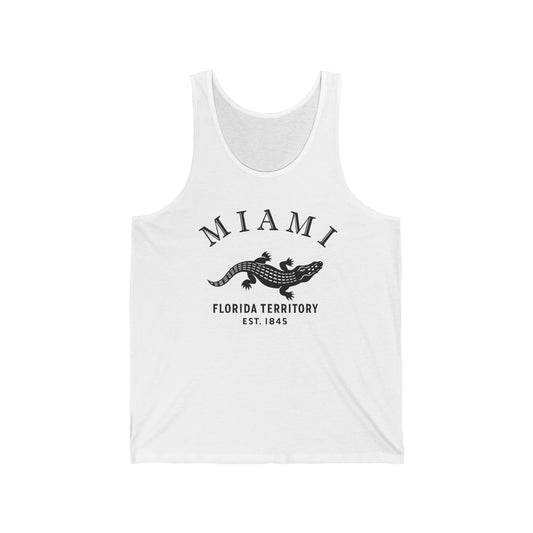
Miami Florida Vintage Retro Unisex Cotton Jersey Tank Top - White Logo
Regular price $28.00 USDRegular price -
Miami Florida Vintage Retro Unisex Cotton Jersey Tank Top - Black Logo
Regular price $28.00 USDRegular price -
Miami Florida Vintage Retro Back Printed Art Series Cotton Tee - Black Logo
Regular price $32.00 USDRegular price -
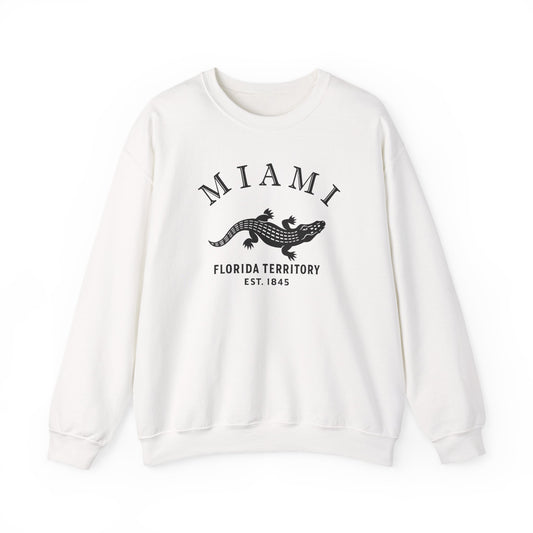
Miami Florida Vintage Retro Unisex Heavy Crewneck Sweatshirt - Black Logo
Regular price $44.00 USDRegular price -
Miami Florida Vintage Retro Unisex Heavy Crewneck Sweatshirt - White Logo
Regular price $44.00 USDRegular price -
Miami Florida Vintage Retro Giclée Print Art Series Poster
Regular price From $38.00 USDRegular price -
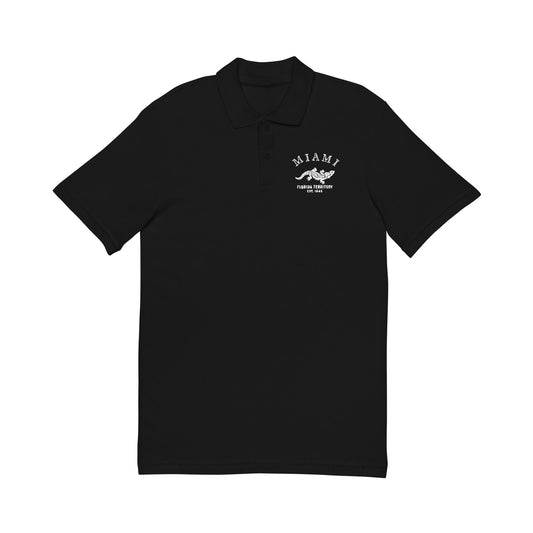
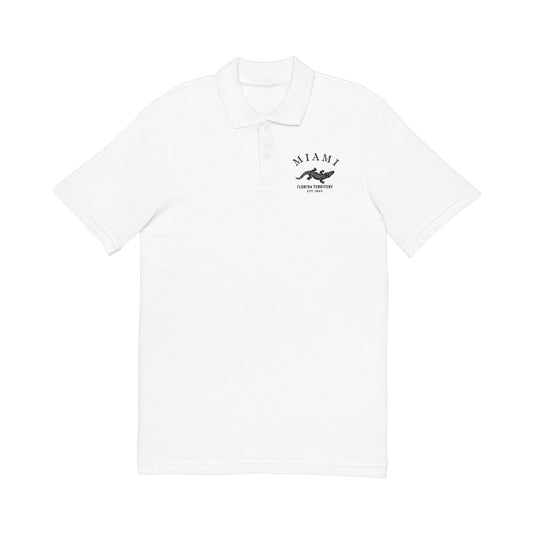
Miami Florida Vintage Retro Unisex Embroidered Cotton Polo - Black Logo
Regular price $48.00 USDRegular price -
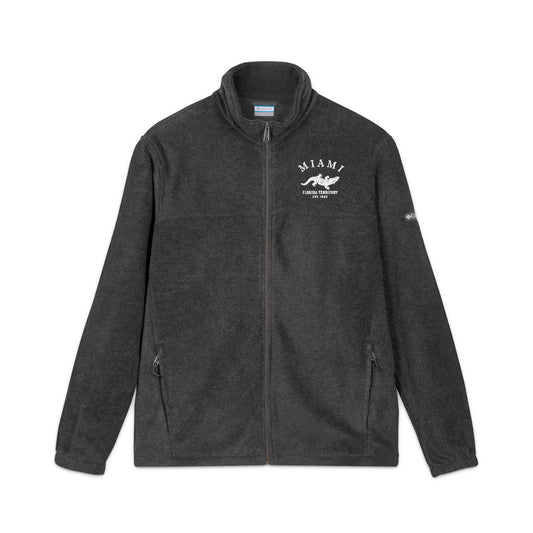
Miami Florida Vintage Retro Unisex Embroidered Fleece Jacket - White Logo
Regular price $98.00 USDRegular price







Miami Florida — Retro Vintage History
What’s with the Orange Blossom? In the winter of 1894-95 the Great Freeze killed the citrus belt across central and northern Florida — and spared the wilderness at the mouth of the Miami River. Julia Tuttle, a Cleveland widow who had bought 640 acres at the old Fort Dallas military site, had spent years trying to convince the railroad baron Henry Flagler to extend his Florida East Coast Railway south to the shore she could see from her porch. Now she made sure proof reached him: the man Flagler sent south to investigate carried back an orange blossom, fresh and unfrozen, from her side of the freeze line — along with her offer of half her land for the railroad. The order to extend the tracks came. On April 22, 1896, the first scheduled passenger train rolled in to the Miami River, and on July 28, 1896, 502 voters met in a downtown pool hall and incorporated the City of Miami — making Julia Tuttle the only woman ever to have founded a major American city, in an era when she could not cast a vote in that pool hall herself. Flagler’s Royal Palm Hotel opened at the river’s mouth the following January, and the town grew so fast that visitors said it rose like magic. The nickname stuck: the Magic City.
Wear the HistoryWhere you’re from. Where you love. Where you explored. Where you belong.
What’s with the Queen of Salsa? Celia Cruz was born in Havana in 1925 with a voice that could fill a carnival, and when she left Cuba on tour in 1960, after the revolution, she never went home again. Miami became her second island. On Calle Ocho in Little Havana — among the cafecito windows and the domino tables — she was simply Celia: the Queen of Salsa, the Afro-Cuban dance music she carried around the world for four decades, her trademark shout of ¡Azúcar! ringing from every stage. In March 1988 she led the Calle Ocho festival’s conga line into the record books — some 119,000 dancers behind her, the largest ever — and in 1994 the nation awarded her the National Medal of Arts. In 2024 the nation honored her again — the United States Mint issued the Celia Cruz quarter in the American Women Quarters Program, its reverse showing her mid-song in a rumba dress with ¡AZÚCAR! inscribed beside her, the first Afro-Latina ever to appear on United States currency.

Long before any of it, Biscayne Bay was home. The Tequesta people lived at the mouth of the Miami River for thousands of years before European contact, fishing the bay and the reef line from a village that stood where downtown towers stand now. The city’s name is older still — from Mayaimi, the old name of the great lake inland and of the people who lived beside it, carried down to the river and the bay. The Spanish arrived in 1513, the British held Florida from 1763 to 1783, and the territory passed to the United States in 1821, with Florida becoming the 27th state on March 3, 1845. Successive removals pushed the Tequesta and their successors from the river they had held longest — a loss the city’s history owes its first debt to. Miami remains the only major city in the mainland United States to sit in the tropical climate zone.
QUICK FACTS — MIAMI, FL
Miami was incorporated on July 28, 1896, by a vote of 502 residents in a downtown pool hall; Julia Tuttle is the only woman to have founded a major American city.
The Great Freeze of 1894-95 spared south Florida, and Julia Tuttle’s orange-blossom proof to Henry Flagler helped bring the Florida East Coast Railway to the Miami River in April 1896.
The Freedom Tower, opened in 1925 and modeled on Seville’s Giralda, served as the Cuban Refugee Center from 1962 to 1974 — "the Ellis Island of the South."
The Great Miami Hurricane of September 18, 1926 ended the 1920s land boom, and the city rebuilt through the 1930s in the pastel Tropical Deco style.
Miami is the only major city in the mainland United States located in the tropical climate zone.
Cuban coffee in Miami is ordered at a ventanita — a walk-up window — and the cafecito sets the rhythm of Calle Ocho in Little Havana.
Celia Cruz, the Havana-born Queen of Salsa dance music, led a world-record conga line at the 1988 Calle Ocho festival; her 2024 quarter made her the first Afro-Latina on U.S. currency.
Miami and Kagoshima, Japan have been formal sister cities since 1990 — one of a family of sister-city ties that runs from Madrid and Murcia to partners across the Spanish-speaking world.
The 1920s land boom built the city’s defining architecture in the space of a few years. James Deering’s Italian Renaissance winter estate rose on Biscayne Bay in Coconut Grove by 1916, ahead of the wave. The Freedom Tower opened on Biscayne Boulevard on July 26, 1925, modeled on the Giralda bell tower of Seville’s cathedral. And George Merrick laid out Coral Gables, the Mediterranean Revival planned city of 1925, with its coral-rock Venetian Pool of 1924 at the center. Boom Miami was building a fantasy of the Mediterranean on a tropical bay — and calling itself the Magic City with a straight face, because the growth really did look conjured.

Across the bay, on the barrier island, the same boom raised eight hundred buildings between 1923 and 1943 in a style all its own: Tropical Deco — pastel facades, eyebrow ledges, porthole windows, neon script — Art Deco adapted to a subtropical shore, and in 1979 that square mile became the nation’s first 20th-century urban historic district. The boom itself did not survive the decade. The Great Miami Hurricane of September 18, 1926 struck the young city head-on and ended the speculation overnight; greater Miami rebuilt through the Depression years in the same pastel vocabulary, which is why the era still reads on the skyline today.
The city’s second founding came by sea and by air. After the Cuban Revolution of 1959, waves of exiles remade Miami across the decades, and the Freedom Tower — the old newspaper tower of 1925 — served from 1962 to 1974 as the Cuban Refugee Center, the "Ellis Island of the South," where hundreds of thousands of arrivals were processed into new American lives. Little Havana grew around Calle Ocho: the ventanitas passing cafecito across the counter, croquetas and pastelitos in the bakery cases, guayaberas on Sunday, dominoes clacking at Máximo Gómez Park. Little Haiti added its own quarter to the north, and Hialeah, just beyond the city line, grew into the Cuban-American heartland of the metro. Overtown, the historic heart of Black Miami once called the Harlem of the South, kept its own stage lights burning at the Lyric Theater. Miami became a city that lives in Spanish and a dozen other languages at once — the gateway to Latin America, facing south and belonging to both hemispheres.
Modern Miami wears all of it. PortMiami is the busiest cruise port in the world; the banks of Brickell face Latin America; the murals of Wynwood draw the art crowd north of downtown; and every November the snowbirds arrive on schedule, as they have since Flagler’s railroad first carried them. West of the city the Everglades begin, and offshore lies Biscayne National Park — manatees in the river channels, pelicans working the bay — the tropical frame around the only major mainland American city in the tropics.
Our Miami retro logo uses the Florida alligator motif over "Florida - Est. 1845," emphasizing the state’s wild heart and its statehood year. Black-and-white styling mirrors citrus crate labels and old highway signage — rugged, timeless, retro in style — bridging Miami’s layered heritage: the Tequesta’s bay, Julia Tuttle’s orange blossom, the Deco boom, and Cuban Miami’s cafecito century. On merchandise it reads authentic and vintage — an emblem of Magic City pride.
So Miami gathers a founding mother, an orange blossom, a pool-hall vote, a refugee tower, a pastel skyline, and the Queen of Salsa dance music onto one bay — and our Miami designs gather that into wearable form. Whether Miami is your hometown, your winter, your Calle Ocho, or the city you still mean to reach, wear the history. Magic City since 1896.

Miami Florida — Travel Guide
Visiting Miami Florida Today
Miami sits on Biscayne Bay in southeast Florida, where the Miami River meets the Atlantic — the Magic City of 1896, the heart of Cuban America, and the gateway to Latin America. Winter is the season: November through April brings the driest weather and the snowbird rhythm, while summer runs hot, humid, and thunderstruck. The city’s neighborhoods each keep their own character — Little Havana, Coconut Grove, Wynwood, Brickell — a short causeway apart.
Little Havana, the Freedom Tower, and Biscayne Bay
For visitors searching for things to do in Miami Florida:
- Walk Calle Ocho in Little Havana — order a cafecito at a ventanita, watch the domino games at Máximo Gómez Park, and pick up pastelitos from a Cuban bakery.
- Stand before the Freedom Tower on Biscayne Boulevard, the 1925 landmark modeled on Seville’s Giralda that served as the Cuban Refugee Center from 1962 to 1974.
- Tour the 1916 Vizcaya estate and its gardens on Biscayne Bay in Coconut Grove — the boom era’s Italian Renaissance fantasy, now a museum.
- Drive the Mediterranean Revival streets of Coral Gables, George Merrick’s 1925 planned city, stroll Miracle Mile, and see the coral-rock Venetian Pool of 1924.
- See the murals of Wynwood, the warehouse district turned open-air gallery north of downtown.
- Take a boat tour of Biscayne Bay from Bayfront Park or the Miami River — the skyline from the water is the city’s best portrait.
- Cross the Rickenbacker Causeway to Key Biscayne for beaches, the Cape Florida lighthouse, and bay views back toward the city — with the stilt houses of Stiltsville standing offshore on the flats.
- Day-trip west to the Everglades or south toward Biscayne National Park — the wild tropical frame around the metropolis.
- Time a winter visit for the height of snowbird season, when the bay is at its bluest and the café windows never close.
Why People Visit Miami Florida
Miami offers a founding story with an orange blossom at its center, a refugee tower that welcomed the community that remade the city, cafecito through walk-up windows, boom-era Mediterranean fantasies, and tropical light on Biscayne Bay. Visitors come for Little Havana, the Deco-era heritage, the bay, the Everglades at the back door, and the winter that made the city famous. Magic City since 1896.
Wear the History
Where you’re from. Where you love. Where you explored. Where you belong.
Kindred Cities
Welcome, friends from Kagoshima (ようこそ), Madrid (bienvenidos) and Aix-Marseille-Provence (bienvenue), and from Miami's other partners across the Spanish-speaking world.
Miami faces south and across the Atlantic at once, and its sister ties read like its own streets. Four lie in Spain — Madrid, Ibiza, Murcia and Tenerife — kin to a city where Spanish is a first language; Margherita di Savoia adds Italy, Aix-Marseille-Provence the French Mediterranean. Across the Pacific, Kagoshima brings Japan, a seaside city under its own smoking volcano, much as Miami lives by its bay.
Kagoshima has been Miami's sister since 1990 — a city the Japanese call the Naples of the East, on the bay below the Sakurajima volcano — and Miami high-schoolers still trade places with Kagoshima students year after year.
Come from Madrid or Kagoshima and Miami will feel like home with a new soundtrack: a city that lives in Spanish and a dozen other tongues, where the cafecito and the music run all day. Come and visit us soon.
When you plan the trip, the Greater Miami Convention & Visitors Bureau is the place to start.
Wear the History
Where you’re from. Where you love. Where you explored. Where you belong.