



The city’s story isn’t only Flagler’s. When the Black community living in the “Styx” on Palm Beach island was displaced in the 1890s, many resettled on the mainland in the Northwest neighborhood, building a community of churches, businesses, and Bahamian-influenced cottages that became the city’s first National Register historic district. The railroad workers, the carpenters, the families who kept the resort running — they are as much the founders of West Palm Beach as the magnate who drew the map. The arts followed: the Norton, the largest art museum in Florida, and the Kravis Center stage.
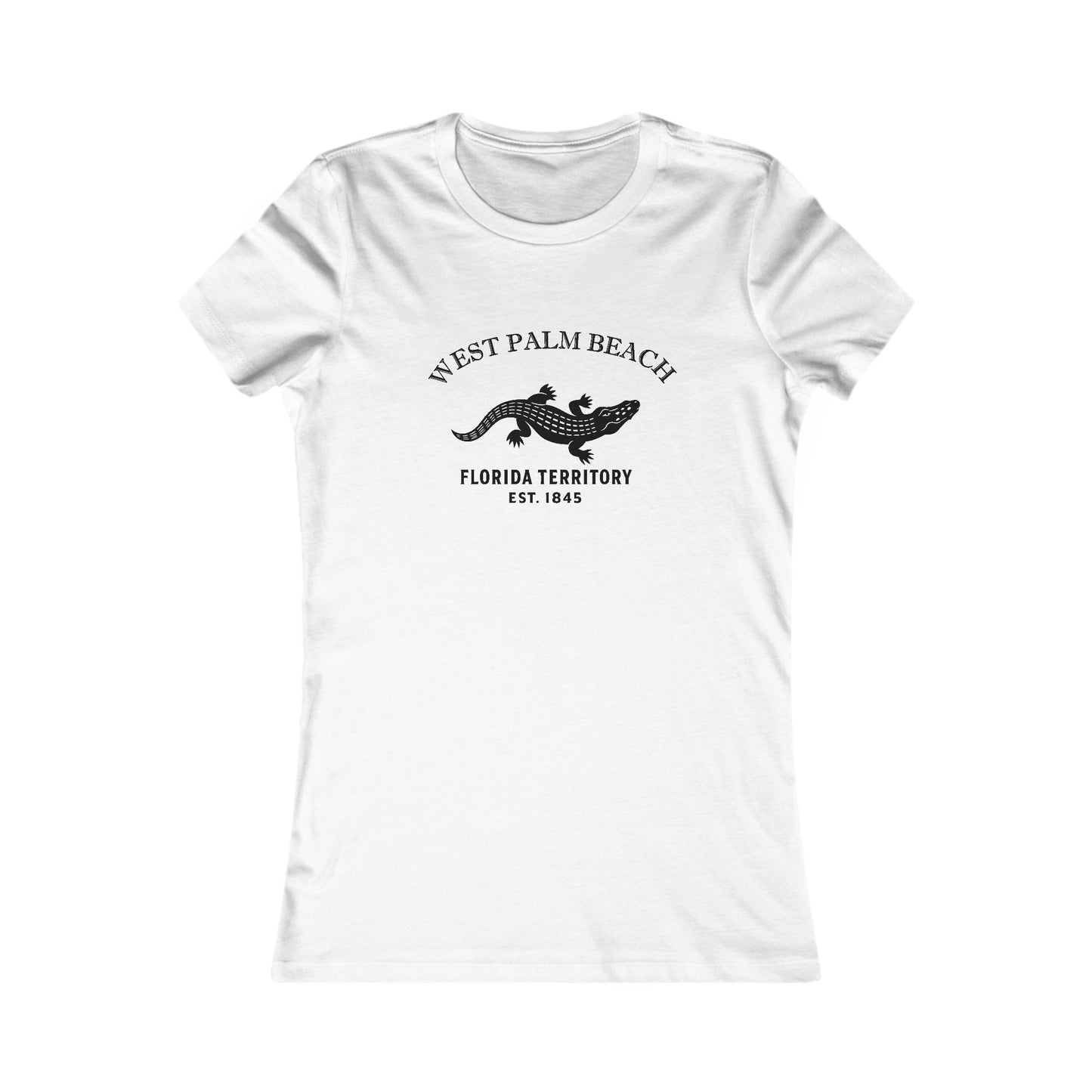
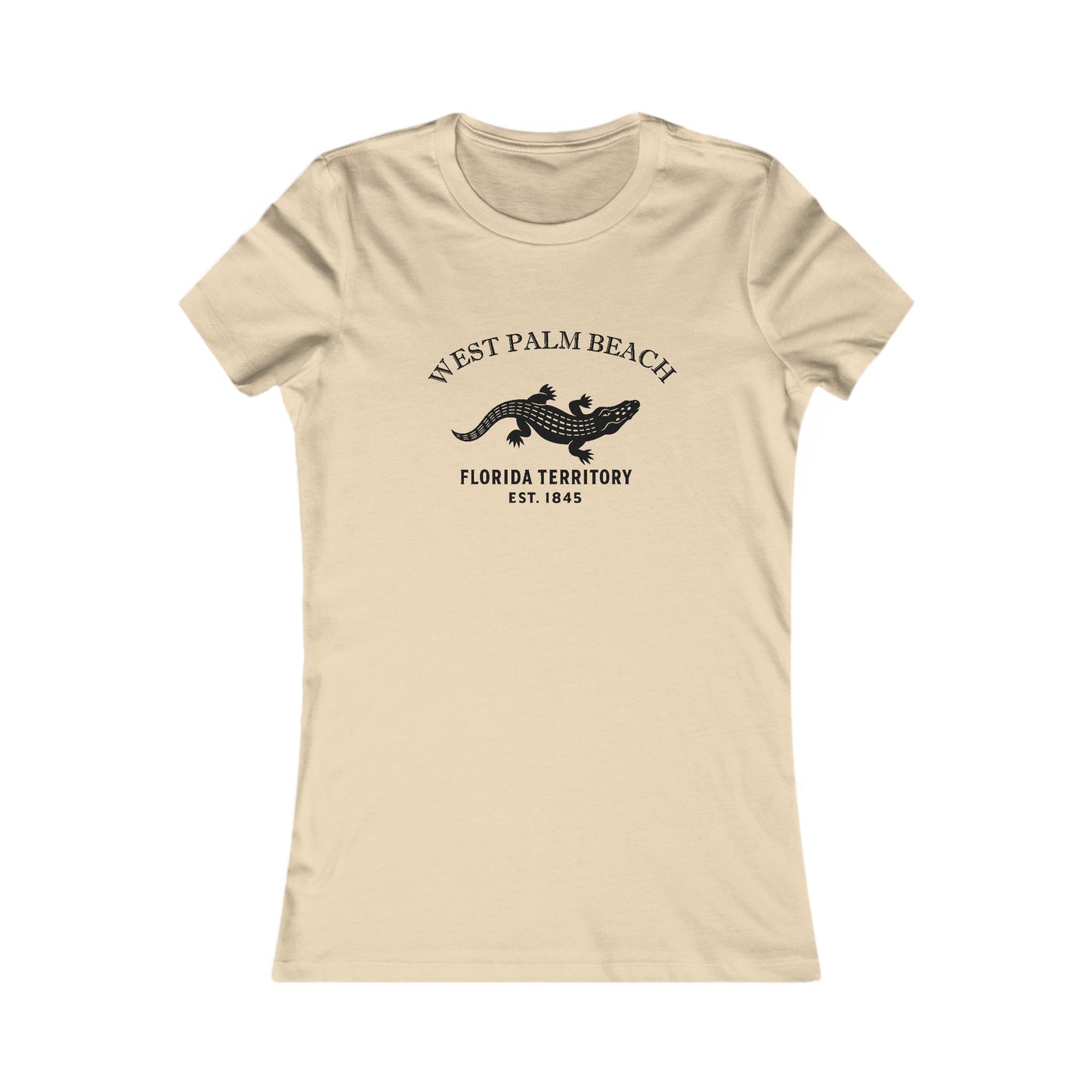
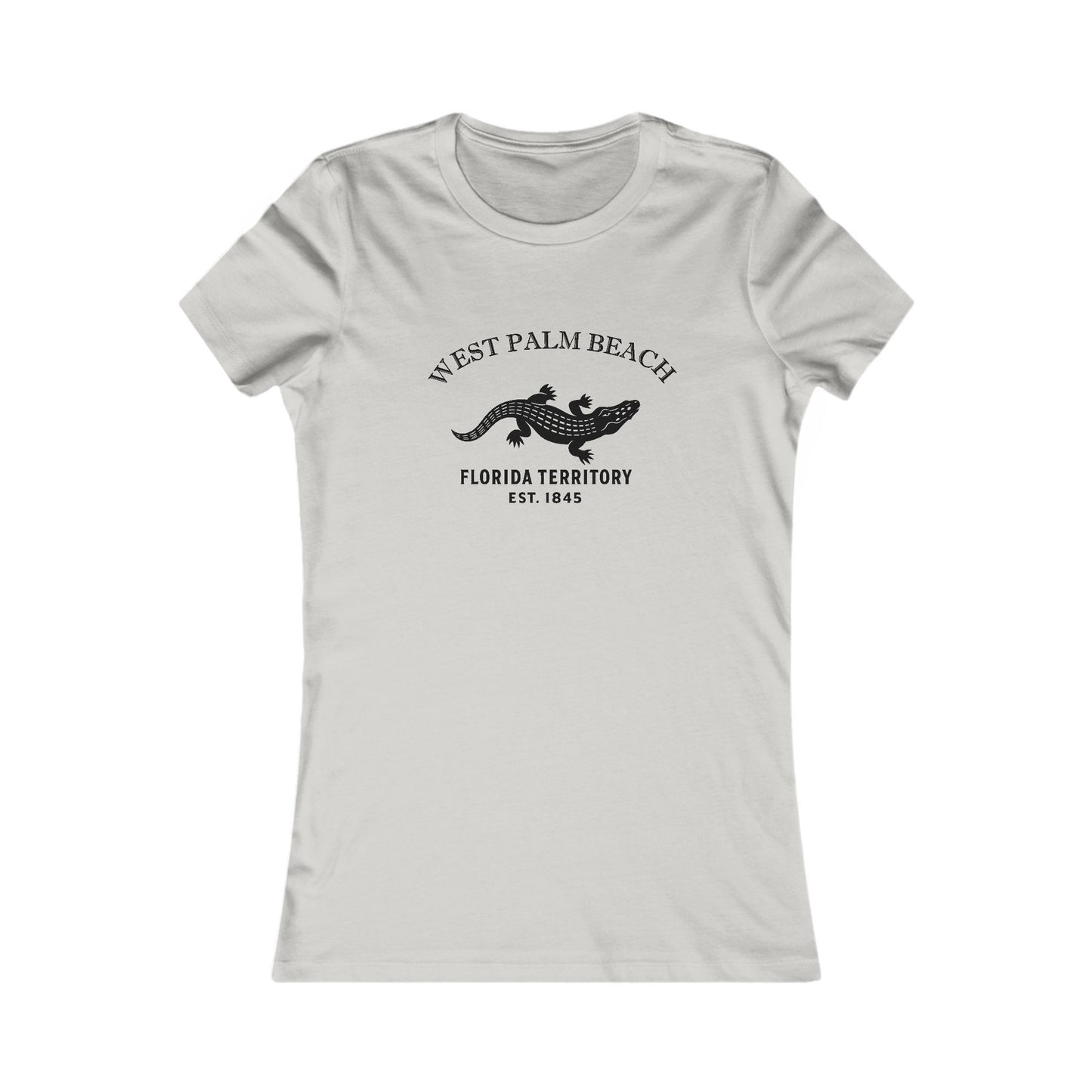
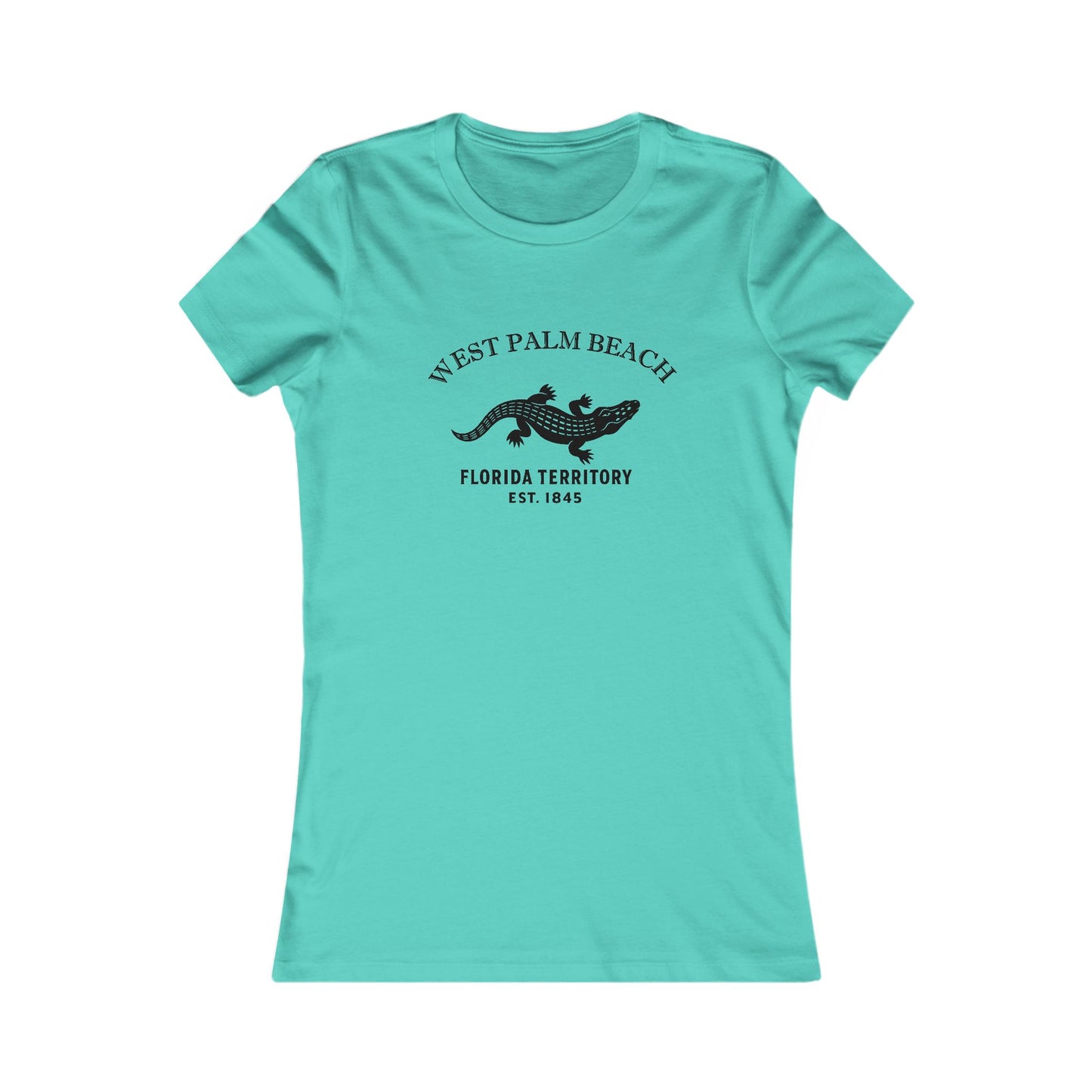
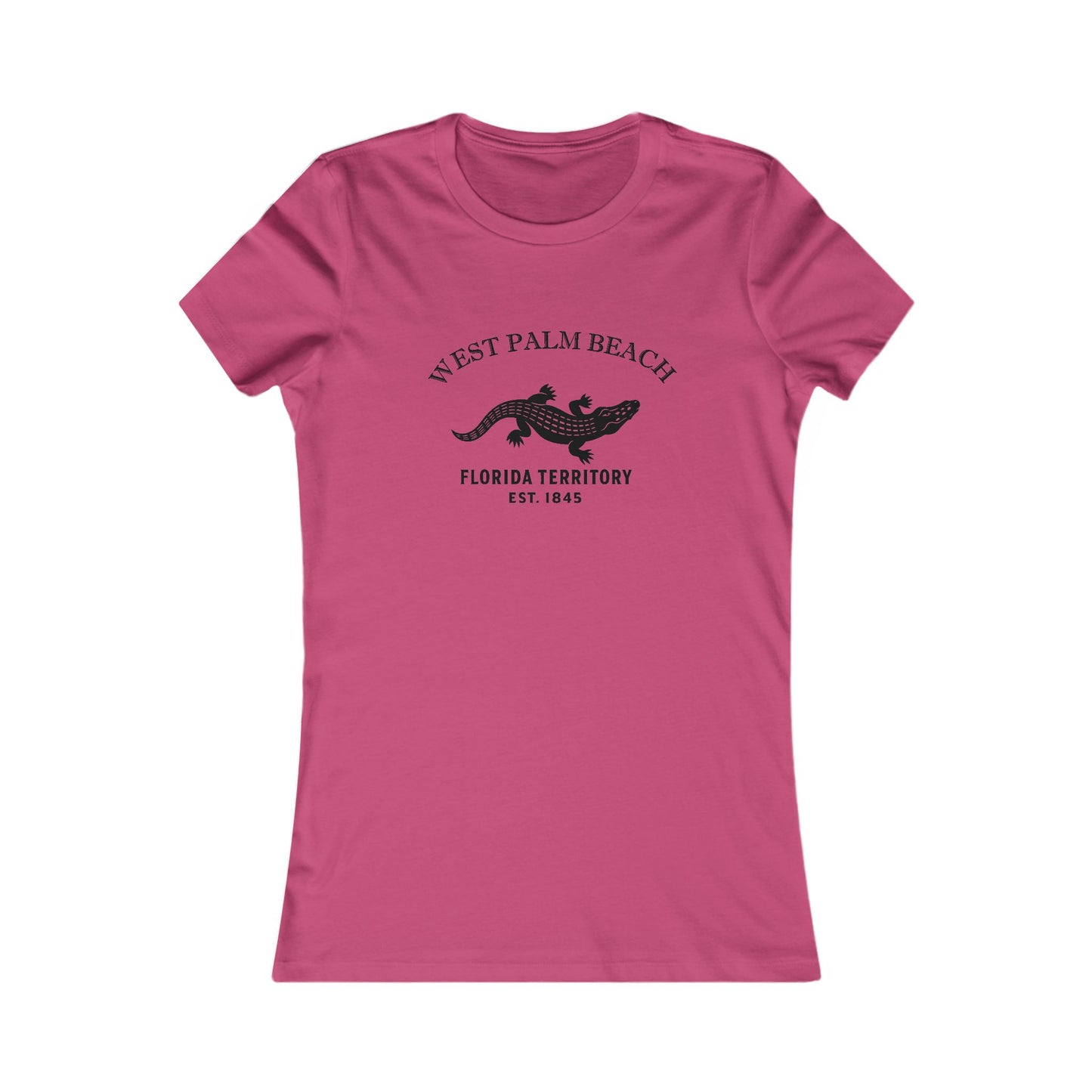
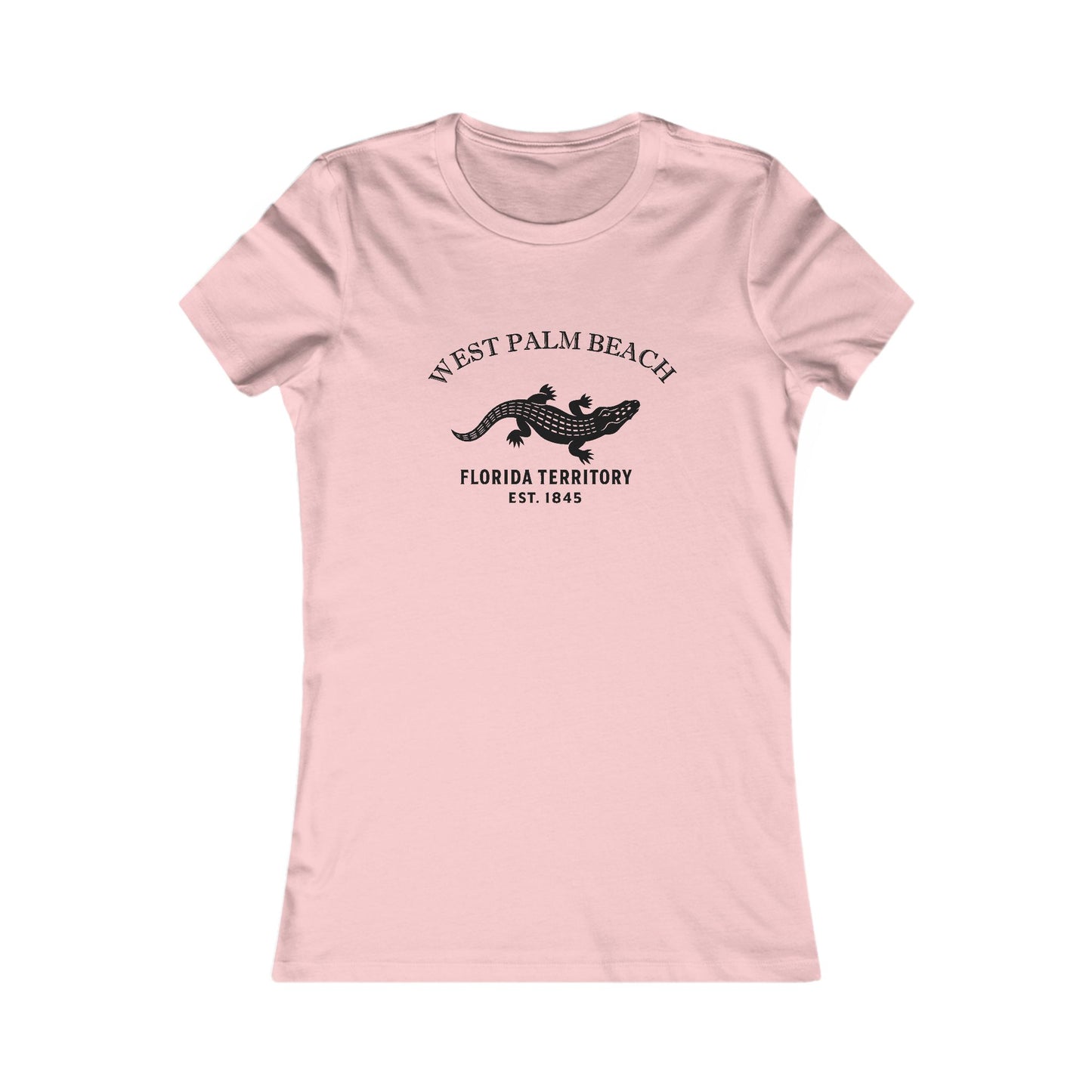
Our West Palm Beach logo carries the Florida alligator over “Florida Territory · Est. 1845,” the year Florida became a state — the shared emblem of every Merlin Classics Florida town. Printed in clean retro black-and-white that reads like an old crate label or woodcut, the alligator stands for Florida as a whole; what makes this one West Palm Beach is everything behind it — Flagler’s railroad, the plant-named streets, the Intracoastal and the island across it, and a working mainland city that grew up proud beside the glamour.
Why People Visit West Palm Beach
West Palm Beach rewards visitors who want culture with their coastline: a serious arts scene, a lively downtown, historic neighborhoods under the palms, and the Intracoastal at the center of it all. Add the island just across the water and the year-round South Florida sun, and Flagler’s mainland city makes an easy case for itself.
