


What’s with Flagler? Nearly everything in West Palm Beach traces back to one man. Henry Flagler — Standard Oil partner, railroad magnate — came down the Florida coast in the 1890s laying his Florida East Coast Railway, and decided the barrier island across the lagoon would make a glittering winter resort for wealthy Northerners. But a resort needs a workforce, a depot, a downtown. So in 1893 Flagler laid out a working town on the mainland to serve the island, paid two settlers $45,000 for the site, ran his rails in, and named it for exactly where it sat: West Palm Beach. The city has been Flagler’s ever since.
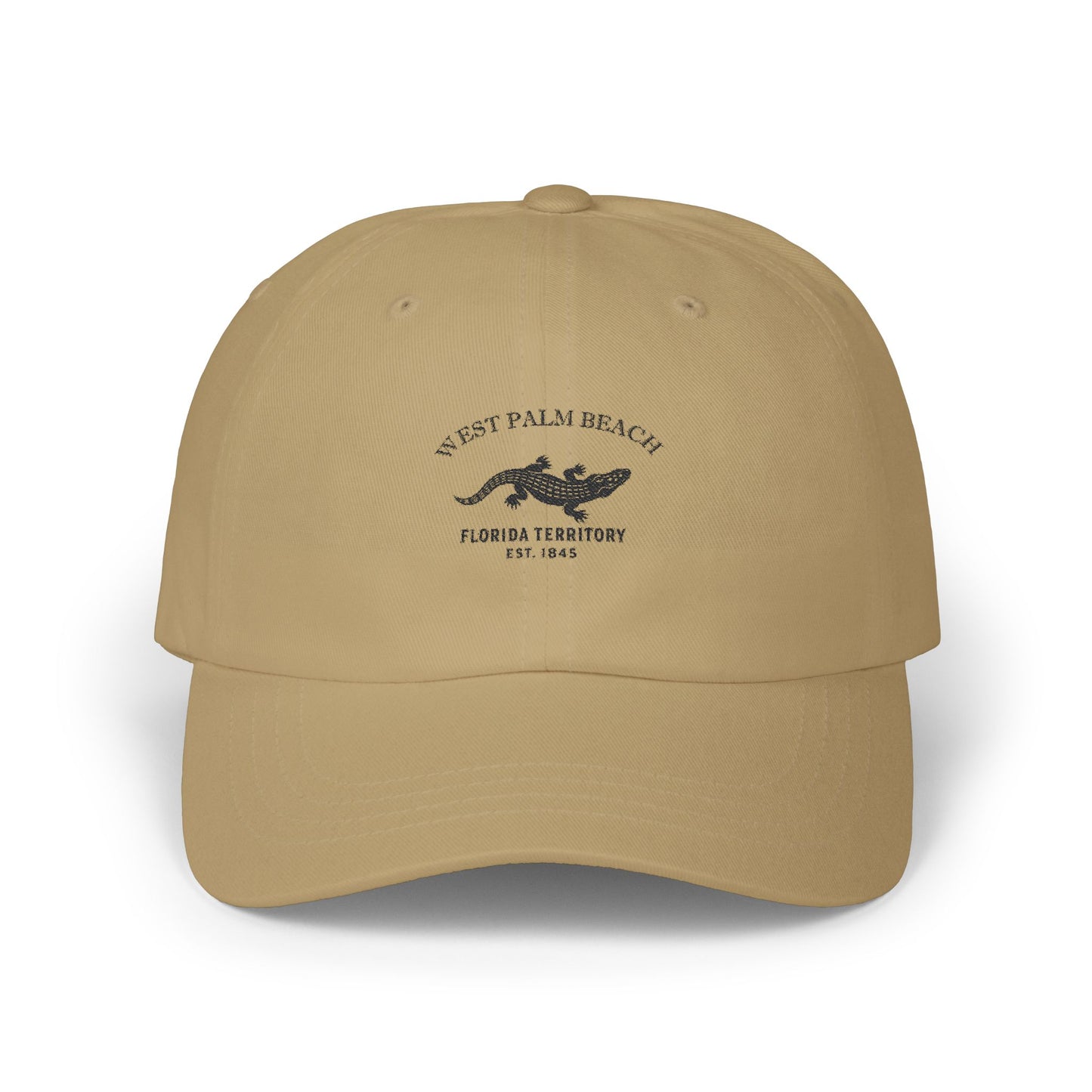
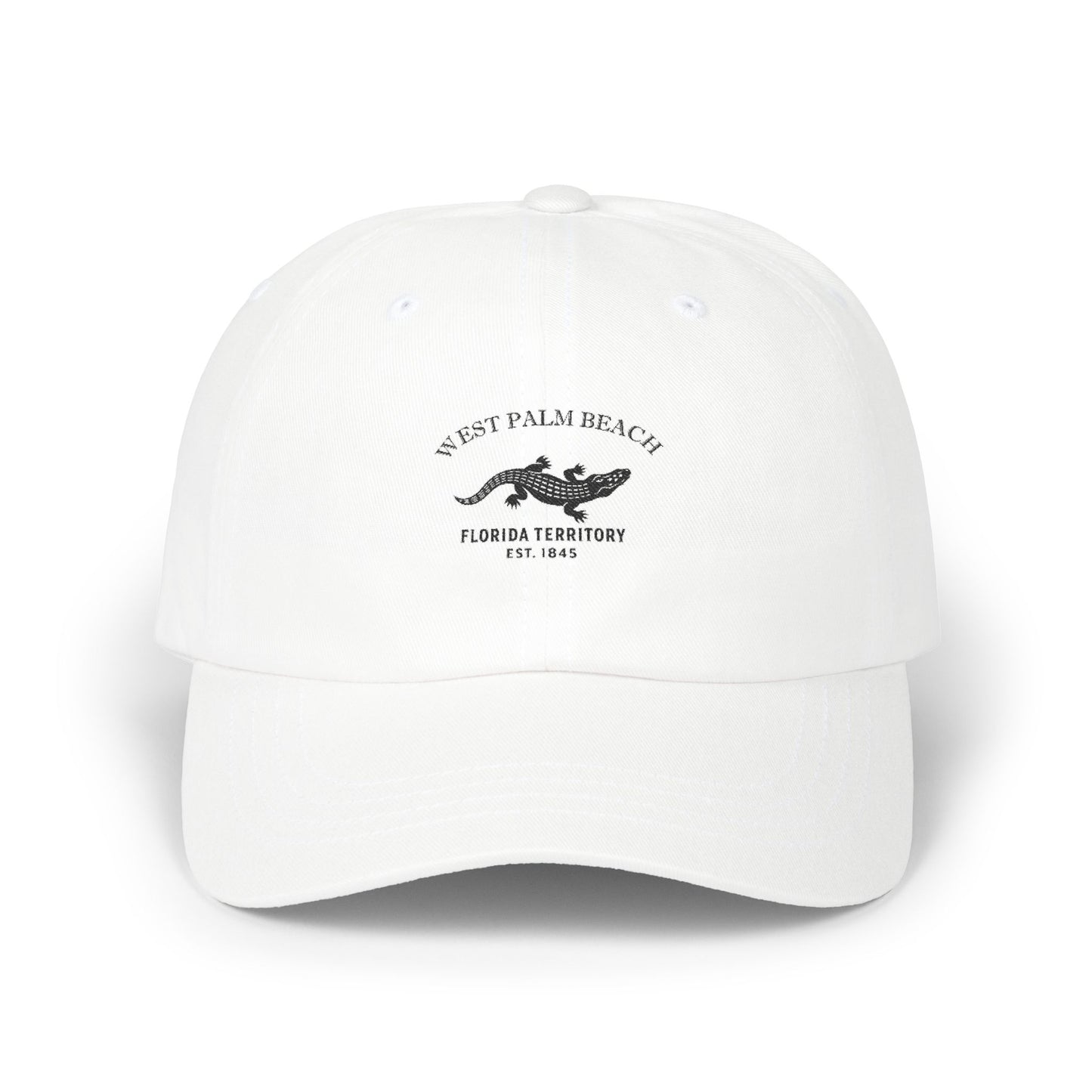
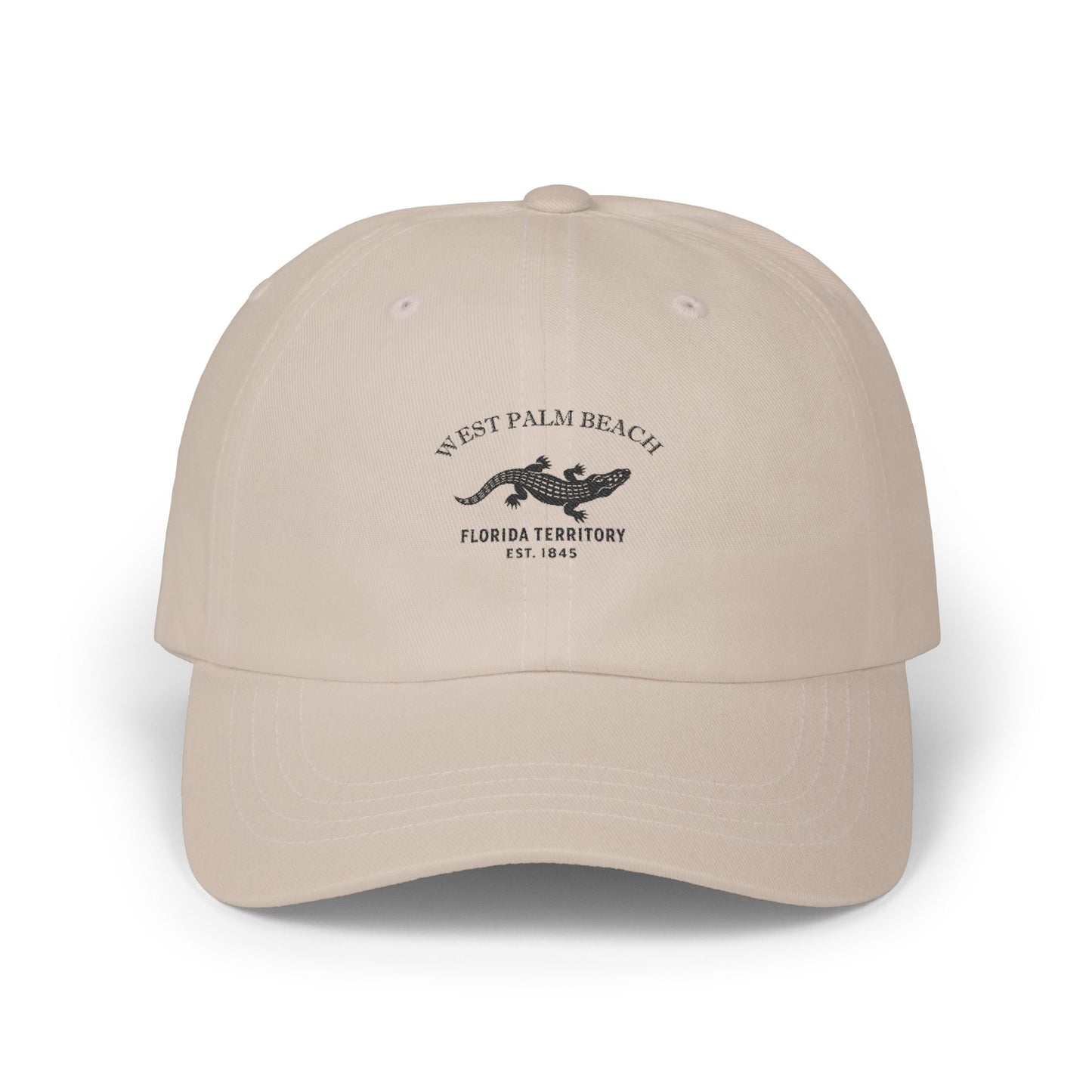
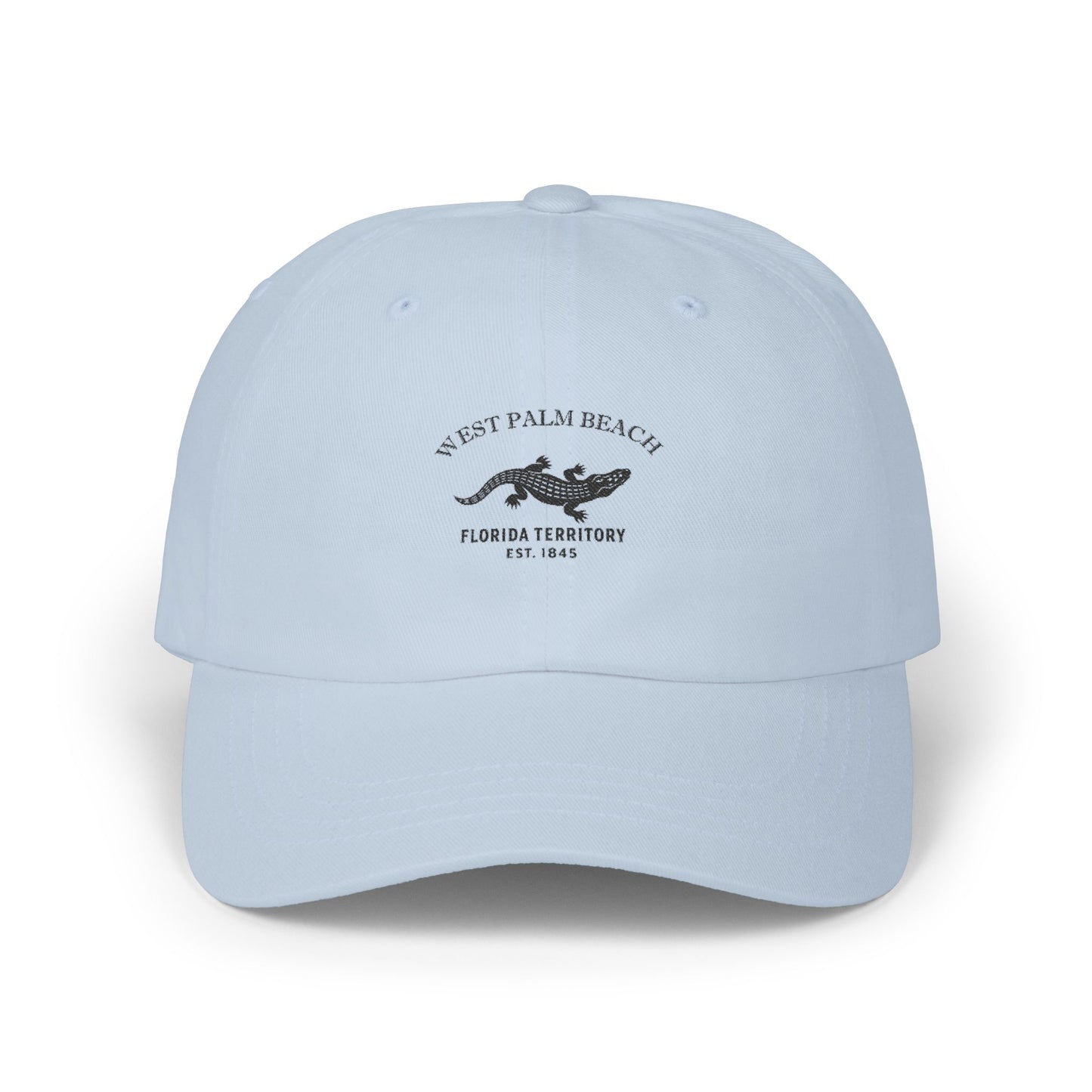
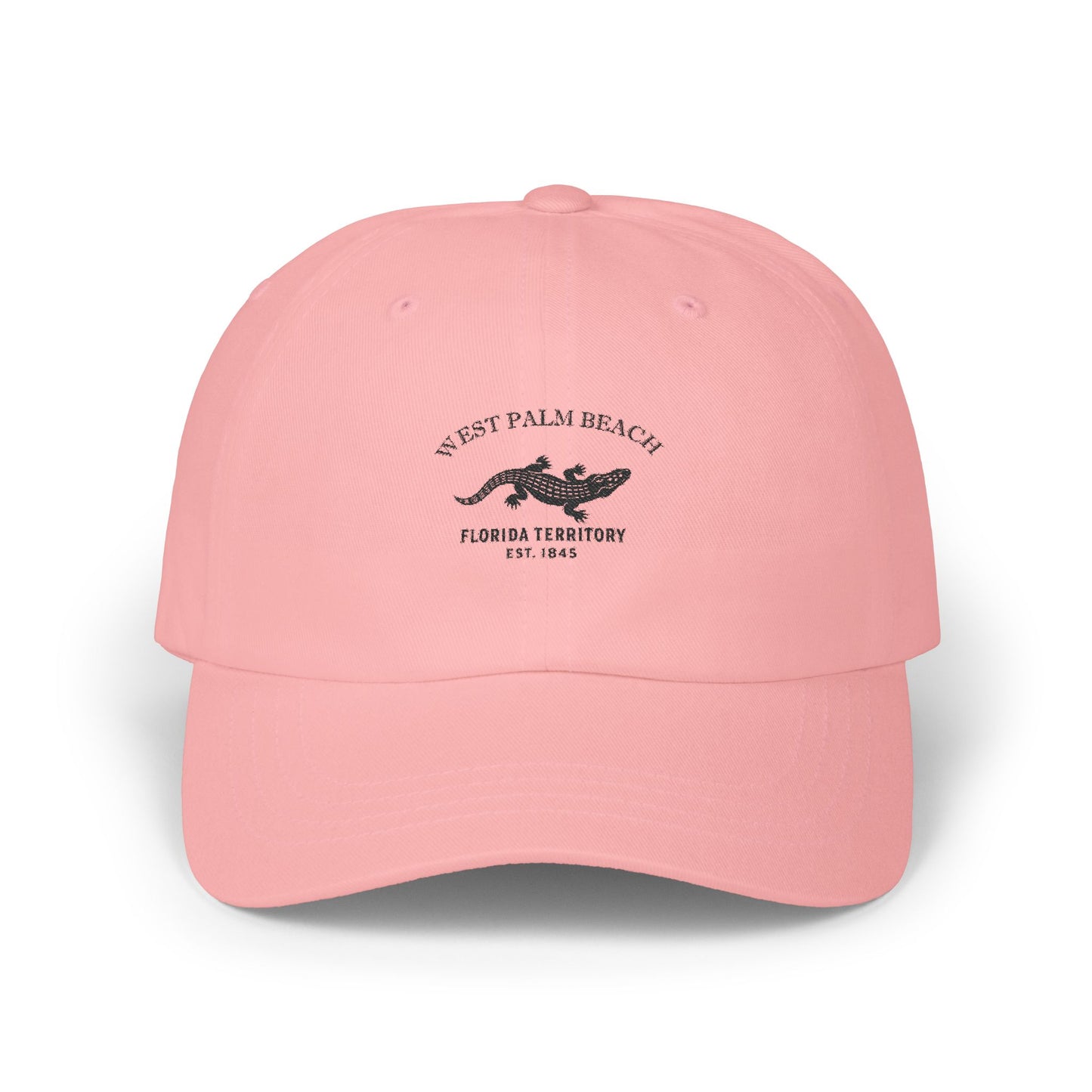
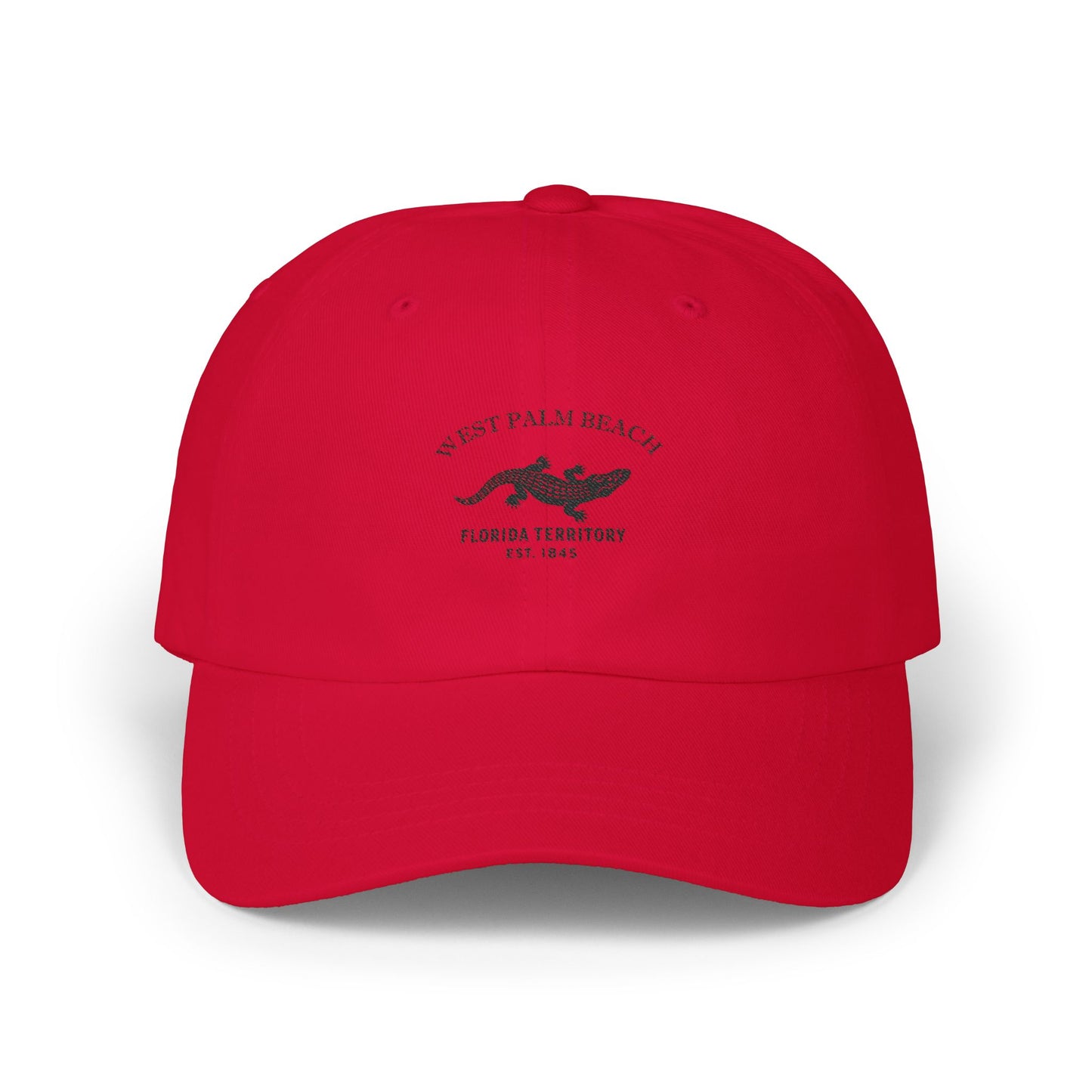
Our West Palm Beach logo carries the Florida alligator over “Florida Territory · Est. 1845,” the year Florida became a state — the shared emblem of every Merlin Classics Florida town. Printed in clean retro black-and-white that reads like an old crate label or woodcut, the alligator stands for Florida as a whole; what makes this one West Palm Beach is everything behind it — Flagler’s railroad, the plant-named streets, the Intracoastal and the island across it, and a working mainland city that grew up proud beside the glamour.
Why People Visit West Palm Beach
West Palm Beach rewards visitors who want culture with their coastline: a serious arts scene, a lively downtown, historic neighborhoods under the palms, and the Intracoastal at the center of it all. Add the island just across the water and the year-round South Florida sun, and Flagler’s mainland city makes an easy case for itself.
