-
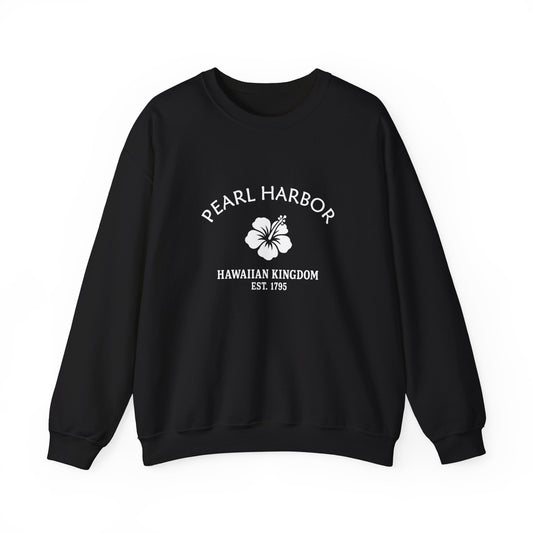
Pearl Harbor Hawaii Vintage Retro Premium Crewneck Sweatshirt - Black Logo
Regular price $48.00 USDRegular price -
Pearl Harbor Hawaii Vintage Retro Premium Crewneck Sweatshirt - White Logo
Regular price $48.00 USDRegular price -
Pearl Harbor Hawaii Vintage Retro Unisex Heavy Cotton Hoodie - White Logo
Regular price $56.00 USDRegular price -
Pearl Harbor Hawaii Vintage Retro Unisex Heavy Cotton Hoodie - Black Logo
Regular price $56.00 USDRegular price -
-
Pearl Harbor Hawaii Vintage Retro Womens Fitted Ringspun Cotton Tee - Black Logo
Regular price $28.00 USDRegular price -
Pearl Harbor Hawaii Vintage Retro Embroidered Cotton Cap - White Logo
Regular price $32.00 USDRegular price -
Pearl Harbor Hawaii Vintage Retro Embroidered Cotton Cap - Black Logo
Regular price $32.00 USDRegular price -
Pearl Harbor Hawaii Vintage Retro Unisex Heavy Cotton Tee - White Logo
Regular price $22.00 USDRegular price -
Pearl Harbor Hawaii Vintage Retro Unisex Heavy Cotton Tee - Black Logo
Regular price $22.00 USDRegular price -
Pearl Harbor Hawaii Vintage Retro Unisex Embroidered Fleece Jacket - White Logo
Regular price $98.00 USDRegular price -
Pearl Harbor Hawaii Vintage Retro Vinyl Sticker - Black Logo
Regular price From $6.00 USDRegular price -
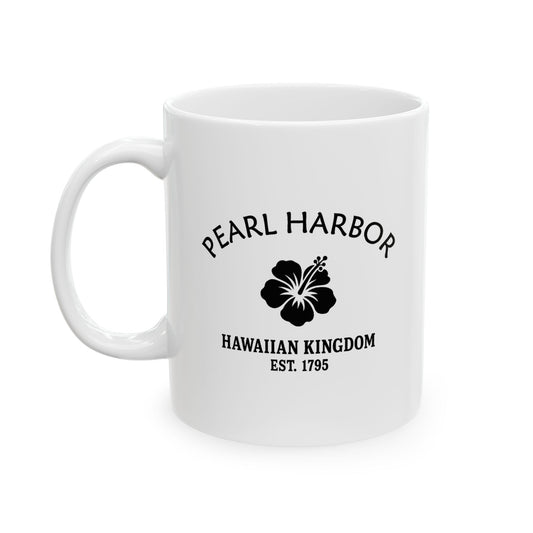
Pearl Harbor Hawaii Vintage Retro Ceramic Mug - Black Logo
Regular price From $16.00 USDRegular price -
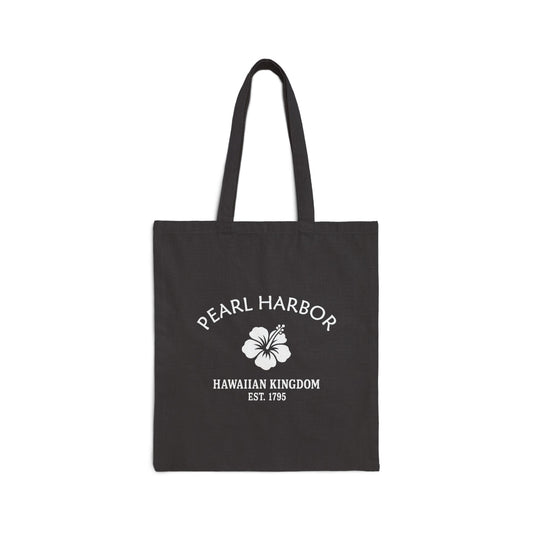
Pearl Harbor Hawaii Vintage Retro Cotton Canvas Tote Bag - White Logo
Regular price $25.00 USDRegular price -
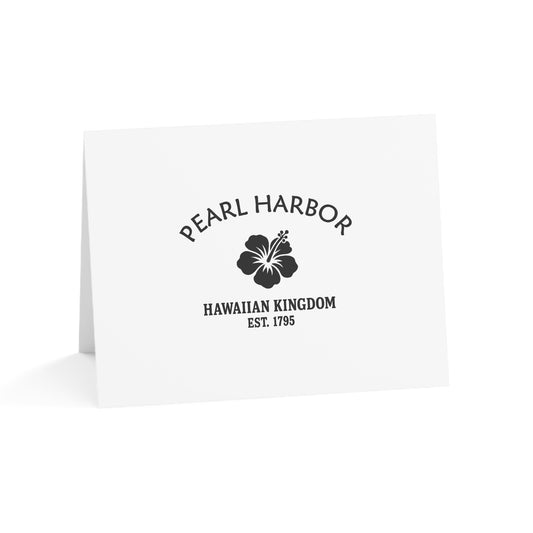
Pearl Harbor Hawaii Vintage Retro Thank You Card Set - Black Logo
Regular price From $25.00 USDRegular price -
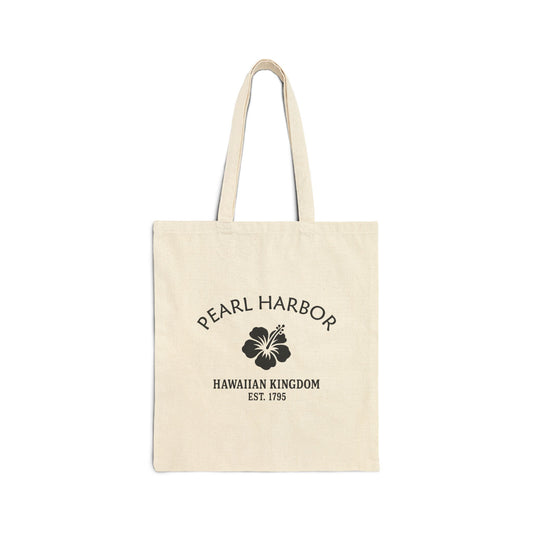
Pearl Harbor Hawaii Vintage Retro Cotton Canvas Tote Bag - Black Logo
Regular price $25.00 USDRegular price -
Pearl Harbor Hawaii Vintage Retro Cotton Jersey Baby Bodysuit - Black Logo
Regular price $26.00 USDRegular price -
Pearl Harbor Hawaii Vintage Retro Unisex Cotton Jersey Tank Top - Black Logo
Regular price $28.00 USDRegular price -
Pearl Harbor Hawaii Vintage Retro Unisex Cotton Jersey Tank Top - White Logo
Regular price $28.00 USDRegular price -
Pearl Harbor Hawaii Vintage Retro Unisex Heavy Crewneck Sweatshirt - Black Logo
Regular price $44.00 USDRegular price -
Pearl Harbor Hawaii Vintage Retro Unisex Heavy Crewneck Sweatshirt - White Logo
Regular price $44.00 USDRegular price -
Pearl Harbor Hawaii Vintage Retro Unisex Embroidered Cotton Polo - Black Logo
Regular price $48.00 USDRegular price -
Pearl Harbor Hawaii Vintage Retro Giclée Print Art Series Poster
Regular price From $38.00 USDRegular price -
Pearl Harbor Hawaii Vintage Retro Back Printed Art Series Cotton Tee - Black Logo
Regular price $32.00 USDRegular price






Pearl Harbor (Puʻuloa) Hawaii — Retro Vintage History
What's with the garland of harbors? Long before it was Pearl Harbor, Hawaiians called this place Ke Awa Lau o Puʻuloa — “the many-harbored sea of Puʻuloa” — and an older name, Awawa-lei, meant simply “garland of harbors.” Look down on it and the name explains itself: what reads on a map as a single harbor is really a cluster of lochs strung together like a lei, the West Loch, Middle Loch, and East Loch branching inland from Mamala Bay around the island of Mokuʻumeʻume, today called Ford Island. It is one of the great natural harbors of the Pacific, and its first identity was Hawaiian — a sheltered, many-armed water that fed the people of these shores for centuries.
Wear the HistoryThe harbor's other ancient name tells you what made it rich. Hawaiians called it Wai Momi, “the waters of pearl,” for the beds of pipi — native pearl oysters — that once carpeted its shallows. The momi (pearls) inside meant little to those who gathered them; it was the oyster itself, eaten fresh or dried, and the bright mother-of-pearl shell, carved into fishhooks and ornaments, that made Wai Momi a place of plenty. A third name, Puʻuloa, “long hill,” marked the low ridge of land that framed the water. Pearl, garland, long hill — three names for one place, each older than the harbor's later fame.

These shores were the heart of ʻEwa, a moku (district) counted among the political centers of Oʻahu before Kamehameha. Puʻuloa was its larder. Observers of old Hawaiʻi judged these bays the most favorable in all the islands for building loko iʻa, the walled coastal fishponds in which Hawaiians raised fish on a scale found almost nowhere else; people had tended them here since at least the mid-1400s. Shrimp, shellfish, and penned fish came out of Puʻuloa in steady abundance, and the families of ʻEwa built a settled, well-fed life around the harbor's quiet lochs.
Puʻuloa carried a deep weave of moʻolelo. Its beloved guardian was Kaʻahupahau, the shark goddess who, with her brother Kahiʻuka, was said to keep the harbor's waters safe for people; tradition holds that the two lived in caves beneath the lochs. Older stories credit the chief Keaunui of ʻEwa with opening the harbor mouth wider to the sea, and a moʻo (water spirit) named Kanekuaʻana with first bringing the pipi to Wai Momi. These were not idle tales but a community's map of its own waters — who watched over them, and how their abundance came to be.
Change came with contact. After Captain Cook reached the islands in 1778, foreign visitors learned the worth of the pearls the Hawaiians had set aside, and Kamehameha — who drew the islands together into one kingdom by 1795 — claimed the oyster beds as his own. Dredging and silt from the 1840s onward smothered the beds, and by about 1901 the pearl oysters of Wai Momi were effectively gone. The harbor's modern course was set by treaty: the Kingdom granted the United States use of the inlet under the Reciprocity Treaty of 1875, and exclusive use as a coaling and repair station in 1887, beginning the long naval era that would carry the place's name around the world.

That name carries one of the heaviest mornings in American memory. On December 7, 1941, Pearl Harbor was attacked, and the United States entered the Second World War. Today the Pearl Harbor National Memorial keeps the day with quiet care: the USS Arizona Memorial rests above the sunken battleship, where more than eleven hundred sailors and Marines remain, and the more than two thousand four hundred service members and civilians lost that morning are honored together. Nearby, the Battleship Missouri — where the war ended in 1945 — closes the arc from the conflict's beginning to its end. It is a place of reflection and remembrance, and of the peace that former enemies have since chosen to keep.
Our Pearl Harbor design wears the hibiscus, Hawaiʻi's flower, beneath the words “Hawaiian Kingdom — Est. 1795,” marking the year Kamehameha's victory on Oʻahu drew the islands into one realm. Rendered in clean black and white, like an old travel decal or crate label, it is a heritage mark — a nod to the islands' own story and to the deep Hawaiian identity of Puʻuloa, the waters of pearl. It is worn for the place and its people, not for any single chapter of its past.
Today the harbor anchors a living community. Pearl City and ʻAiea climb the slopes above the East Loch, the old ʻEwa lands still carry families who have called these shores home for generations, and the name Puʻuloa belongs first to a Hawaiian place — a garland of harbors, the waters of pearl — long before it belonged to history. Our designs carry that older, deeper name with pride.
Visiting Pearl Harbor Today
Visiting Puʻuloa & Pearl Harbor Today
Puʻuloa sits on the south shore of Oʻahu, a working harbor and a place of memory just west of Honolulu. A visit here moves between solemn remembrance and the easy rhythm of everyday island life, and a little planning goes a long way:
- Begin at the Pearl Harbor National Memorial Visitor Center (National Park Service)—free to enter, with timed tickets issued for the USS Arizona Memorial program; arrive early, as they go quickly.
- Cross by Navy boat to the USS Arizona Memorial, resting above the harbor; it asks to be visited with a quiet heart and an unhurried morning.
- Stand on the deck of the Battleship Missouri, where the war's surrender was signed in 1945—the closing bookend to December 7.
- Trace undersea history at the Pacific Fleet Submarine Museum and the USS Bowfin moored alongside the pier.
- Walk the restored hangars of the Pearl Harbor Aviation Museum on Ford Island (Mokuʻumeʻume).
- Look up to Pearl City and ʻAiea on the slopes above the East Loch—the living community of the old ʻEwa lands.
- Browse and gather at Pearlridge nearby, then take the long view west across the ʻEwa plain, sugar-and-railroad country a century ago.
- However you spend the day, the harbor's Hawaiian name—Wai Momi, the waters of pearl—came first, and it rewards a slow, respectful eye.
Remembrance & the Pearl Harbor National Memorial
The National Memorial (National Park Service) anchors any visit; treat the USS Arizona and the names of the lost with the quiet they ask for.
Why People Come to Puʻuloa
Few places hold so much in one harbour: a deep Hawaiian past at Wai Momi, a working Oʻahu community above the lochs, and a morning the world remembers. Visitors come to learn, to honour, and to look out across the garland of harbors.
Wear the History
Kindred Cities
Welcome to those who come from Hiroshima, Japan (ようこそ) and Portsmouth, England — to a harbour that remembers.
Long called Puʻuloa by Hawaiians, Pearl Harbor is bound to Hiroshima and Portsmouth by the sea and by memory. Portsmouth has been Britain's great naval harbour for centuries, a city shaped by its fleet; Hiroshima and Pearl Harbor each carry a date the world has not forgotten — the morning of December 7, 1941 here, and the morning of August 6, 1945 there. Both have since become places of remembrance and peace, where former enemies meet to honour the dead and choose a different future.
Pearl Harbor asks to be visited with a quiet heart: the USS Arizona Memorial resting above the water, the names of the lost, and the long view across a harbour where remembrance has outlasted war. Bring your respect and take time to reflect. Come and visit us soon.
When you plan the trip, the Pearl Harbor National Memorial (National Park Service) is the place to start.
Wear the History

For deeper history research on Pearl Harbor (Puʻuloa), Hawaiʻi, it may help to contact (1) the Pearl Harbor National Memorial and the National Park Service, (2) the Hawaiʻi State Archives in Honolulu, (3) the Bernice Pauahi Bishop Museum for Hawaiian moʻolelo and the records of ʻEwa and Puʻuloa, (4) the University of Hawaiʻi at Mānoa Hawaiian Collection, and (5) the Pearl City or ʻAiea public library local-history rooms (and the ʻEwa Historical Society), along with the Hawaiʻi State Historic Preservation Division. For travel planning it may help to reach (1) the Pearl Harbor National Memorial visitor services, (2) the Hawaiʻi Tourism Authority and the Oʻahu Visitors Bureau, (3) the City and County of Honolulu Department of Parks and Recreation, (4) TheBus Oʻahu transit information line, and (5) the Daniel K. Inouye International Airport information desk; the City and County of Honolulu records office can also help with land and community history.