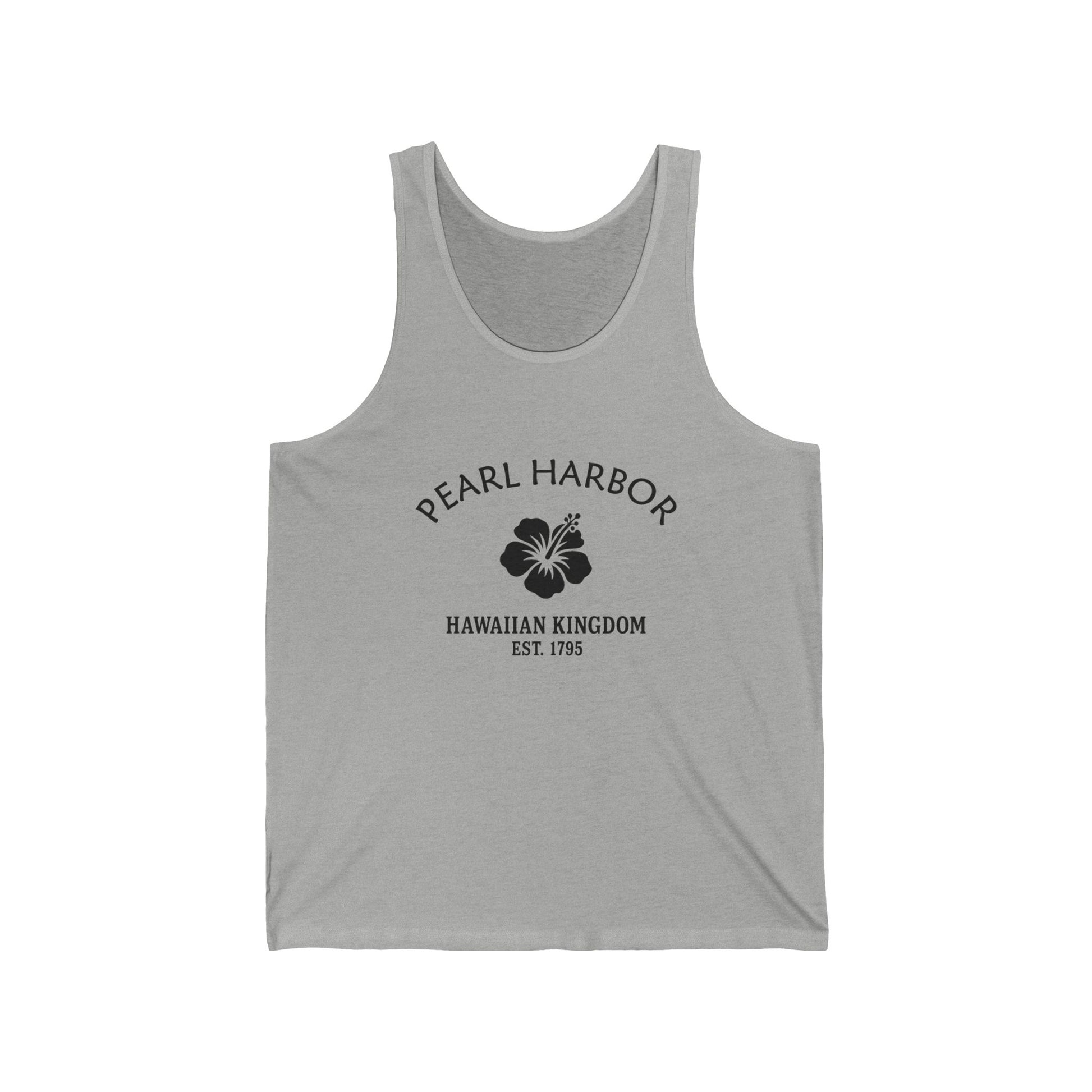
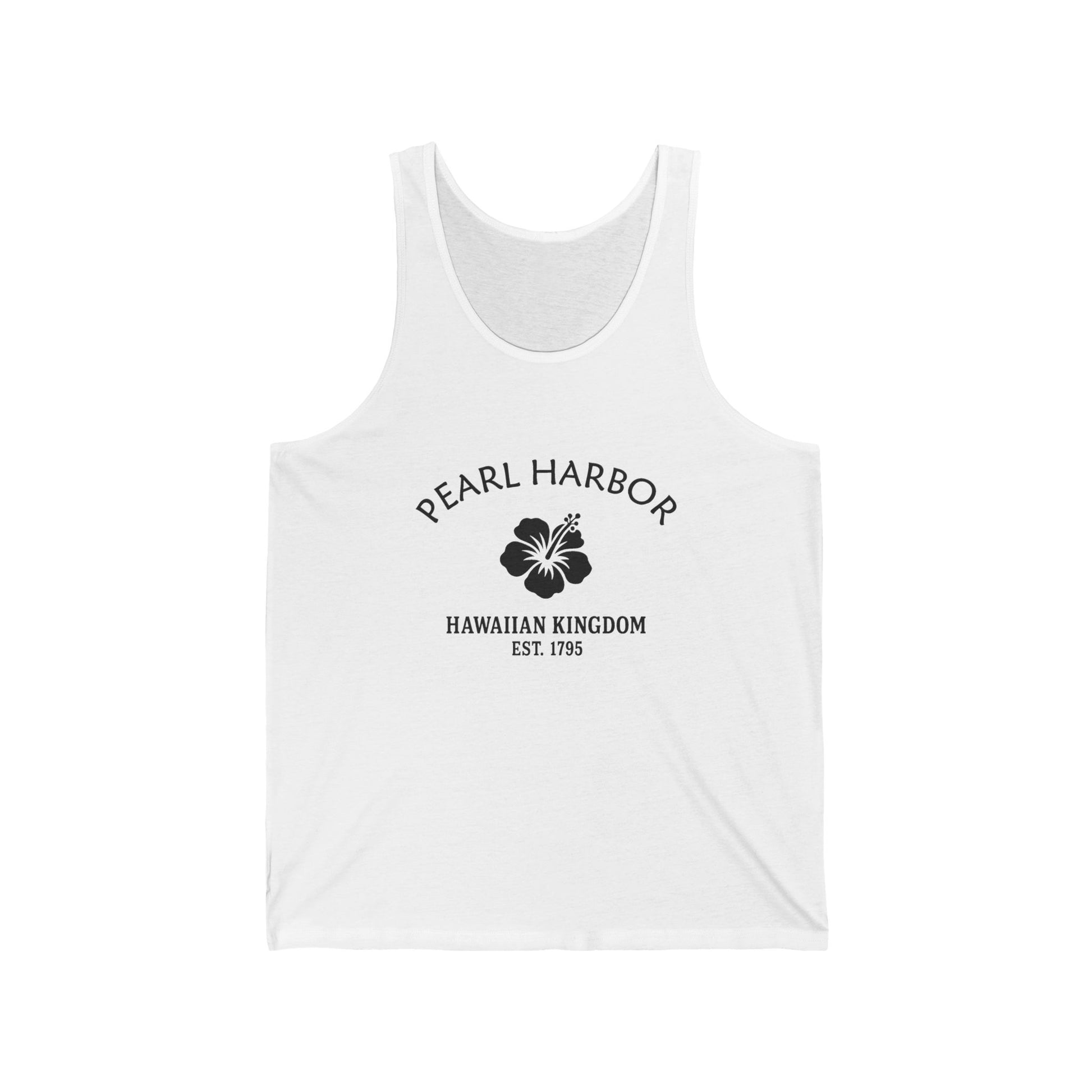
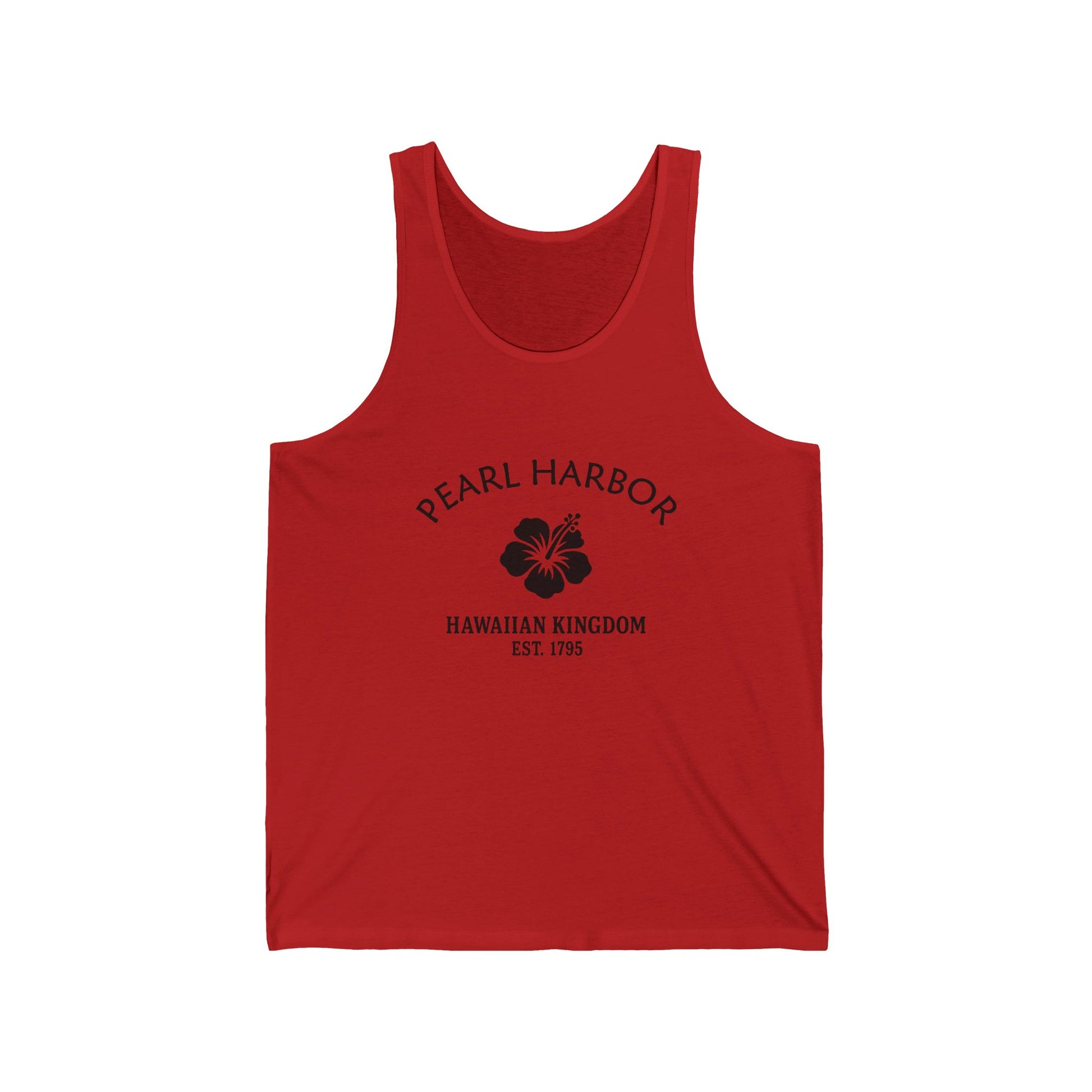
That name carries one of the heaviest mornings in American memory. On December 7, 1941, Pearl Harbor was attacked, and the United States entered the Second World War. Today the Pearl Harbor National Memorial keeps the day with quiet care: the USS Arizona Memorial rests above the sunken battleship, where more than eleven hundred sailors and Marines remain, and the more than two thousand four hundred service members and civilians lost that morning are honored together. Nearby, the Battleship Missouri — where the war ended in 1945 — closes the arc from the conflict's beginning to its end. It is a place of reflection and remembrance, and of the peace that former enemies have since chosen to keep.
Today the harbor anchors a living community. Pearl City and ʻAiea climb the slopes above the East Loch, the old ʻEwa lands still carry families who have called these shores home for generations, and the name Puʻuloa belongs first to a Hawaiian place — a garland of harbors, the waters of pearl — long before it belonged to history. Our designs carry that older, deeper name with pride.
