Every design is set in hand-lettered vintage type for that old-school, crate-label look. One sample color shown — black and white logo options on every piece. Recently in the national press. Enjoy!
-
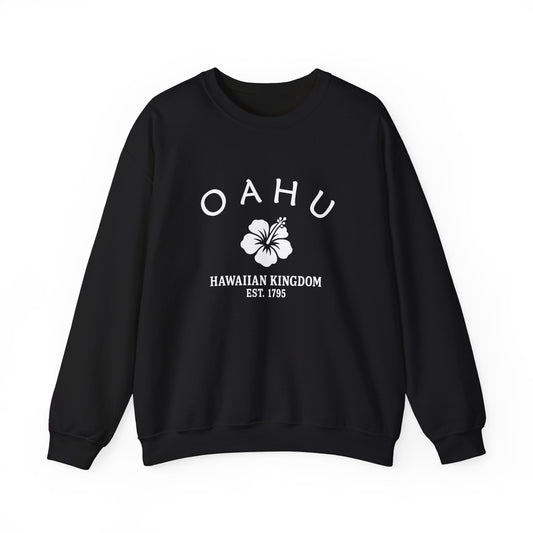
Oahu Hawaii Vintage Retro Premium Crewneck Sweatshirt - Black Logo
Regular price $48.00 USDRegular price -
Oahu Hawaii Vintage Retro Premium Crewneck Sweatshirt - White Logo
Regular price $48.00 USDRegular price -
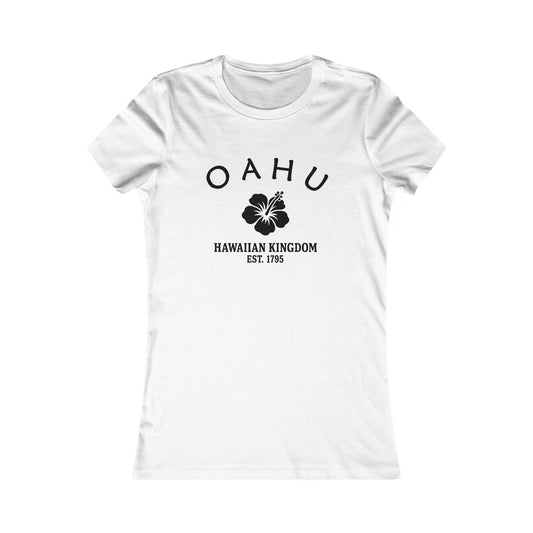
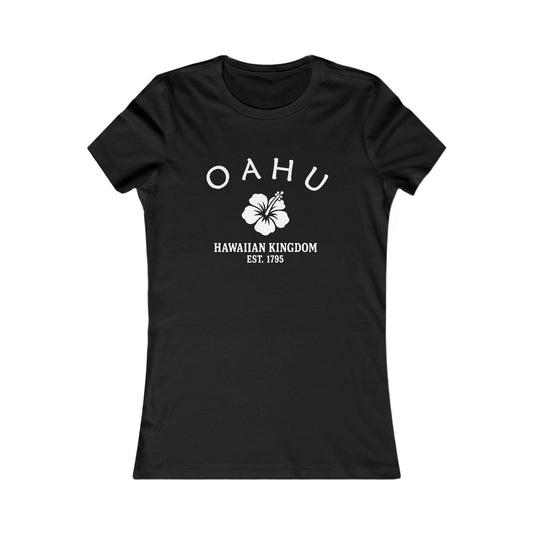
Oahu Hawaii Vintage Retro Womens Fitted Ringspun Cotton Tee - Black Logo
Regular price $28.00 USDRegular price -
-
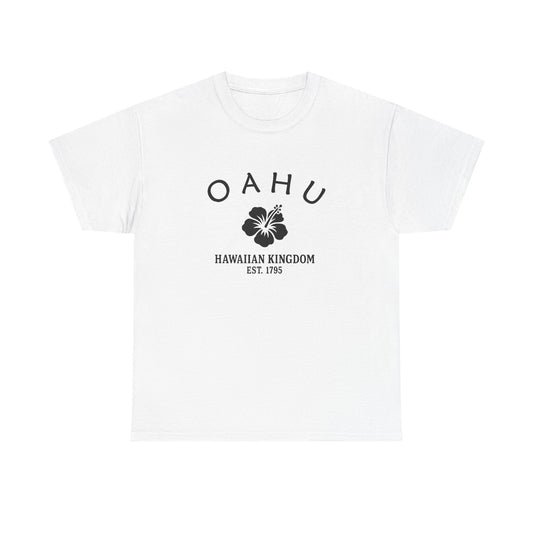
Oahu Hawaii Vintage Retro Unisex Heavy Cotton Tee - Black Logo
Regular price $22.00 USDRegular price -
Oahu Hawaii Vintage Retro Unisex Heavy Cotton Tee - White Logo
Regular price $22.00 USDRegular price -
Oahu Hawaii Vintage Retro Embroidered Cotton Cap - Black Logo
Regular price $32.00 USDRegular price -
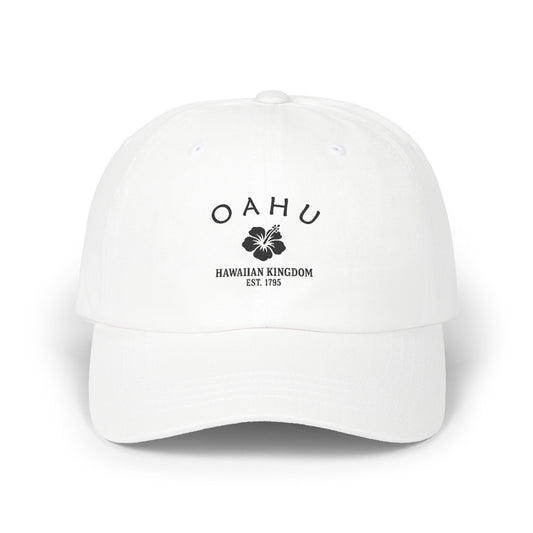
Oahu Hawaii Vintage Retro Embroidered Cotton Cap - White Logo
Regular price $32.00 USDRegular price -
Oahu Hawaii Vintage Retro Unisex Heavy Cotton Hoodie - Black Logo
Regular price $56.00 USDRegular price -
Oahu Hawaii Vintage Retro Unisex Heavy Cotton Hoodie - White Logo
Regular price $56.00 USDRegular price -
Oahu Hawaii Vintage Retro Unisex Embroidered Fleece Jacket - White Logo
Regular price $98.00 USDRegular price -
Oahu Hawaii Vintage Retro Vinyl Sticker - Black Logo
Regular price From $6.00 USDRegular price -
Oahu Hawaii Vintage Retro Back Printed Art Series Cotton Tee - Black Logo
Regular price $32.00 USDRegular price -
Oahu Hawaii Vintage Retro Giclée Print Art Series Poster
Regular price From $38.00 USDRegular price -
Oahu Hawaii Vintage Retro Ceramic Mug - Black Logo
Regular price From $16.00 USDRegular price -
Oahu Hawaii Vintage Retro Cotton Canvas Tote Bag - White Logo
Regular price $25.00 USDRegular price -
Oahu Hawaii Vintage Retro Thank You Card Set - Black Logo
Regular price From $25.00 USDRegular price -
Oahu Hawaii Vintage Retro Cotton Canvas Tote Bag - Black Logo
Regular price $25.00 USDRegular price -
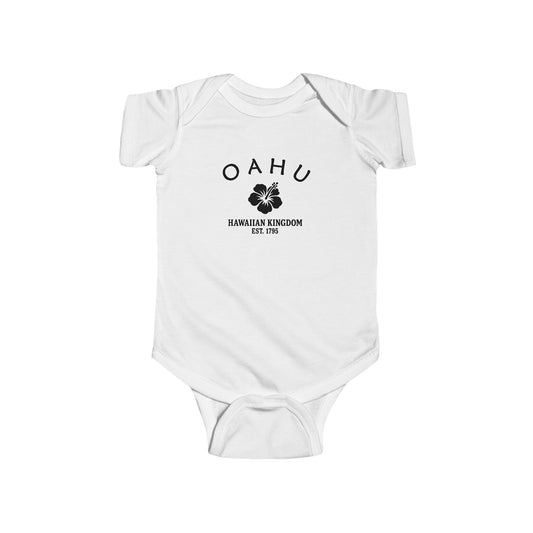
Oahu Hawaii Vintage Retro Cotton Jersey Baby Bodysuit - Black Logo
Regular price $26.00 USDRegular price -
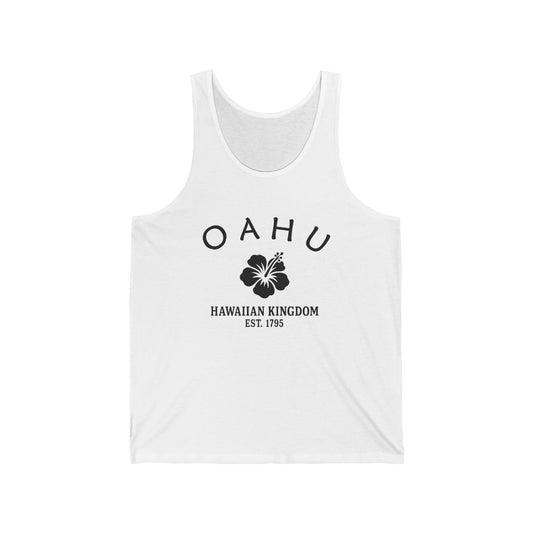
Oahu Hawaii Vintage Retro Unisex Cotton Jersey Tank Top - Black Logo
Regular price $28.00 USDRegular price -
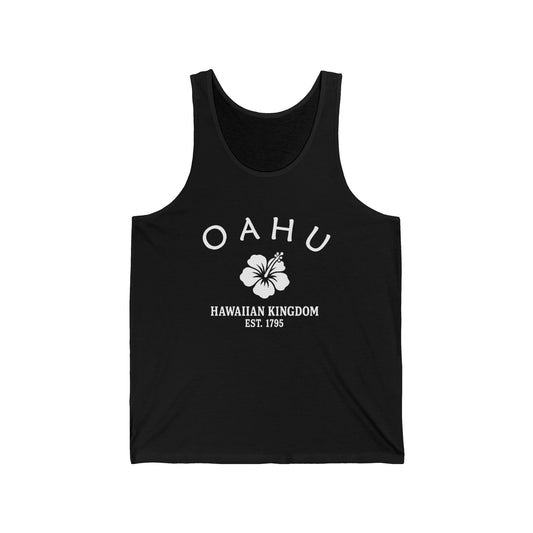
Oahu Hawaii Vintage Retro Unisex Cotton Jersey Tank Top - White Logo
Regular price $28.00 USDRegular price -
Oahu Hawaii Vintage Retro Unisex Heavy Crewneck Sweatshirt - Black Logo
Regular price $44.00 USDRegular price -
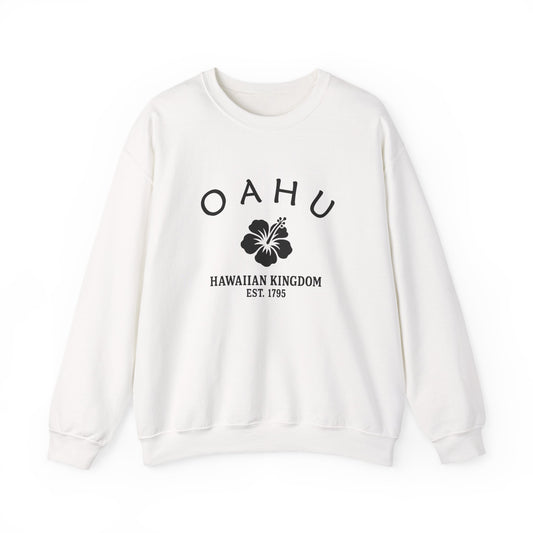
Oahu Hawaii Vintage Retro Unisex Heavy Crewneck Sweatshirt - White Logo
Regular price $44.00 USDRegular price -
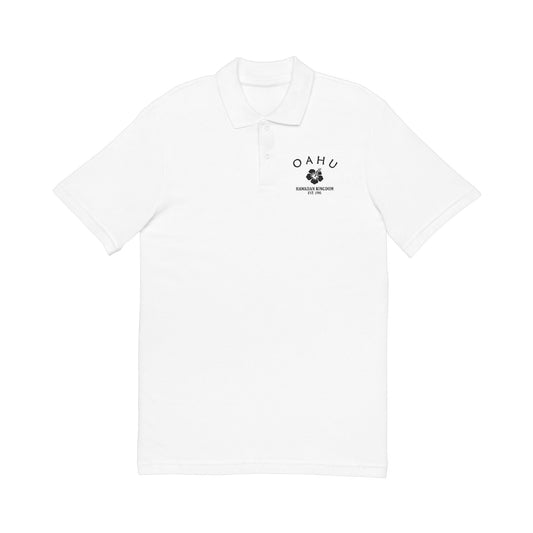
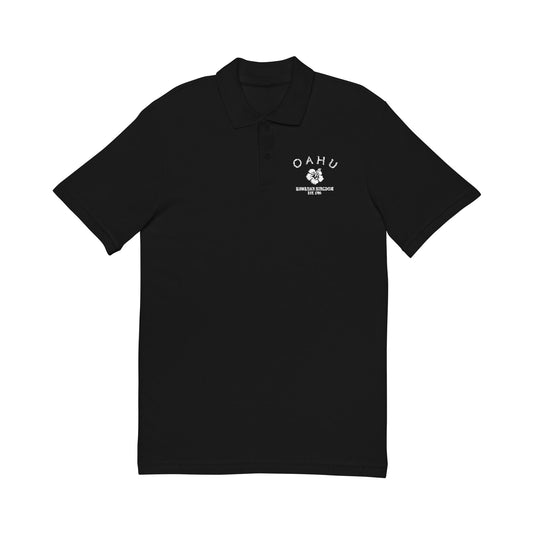
Oahu Hawaii Vintage Retro Unisex Embroidered Cotton Polo - Black Logo
Regular price $48.00 USDRegular price






Oʻahu Hawaii — Retro Vintage History
What's with the Gathering Place? Oʻahu is the third-largest Hawaiian island, yet about two-thirds of the whole state lives here, and the capital, Honolulu, sits on its south shore. More than any other island it has been the stage where Hawaiʻi gathers: the seat of the Kingdom, the place modern surfing was reborn, and the crossroads where Native Hawaiians and then immigrants from Japan, Okinawa, Portugal, China and the Philippines met on the plantations and stayed. The name fits the truth of the island. Beneath Diamond Head, Oʻahu is simply where Hawaiʻi comes together — its busiest, most blended, most history-laden ground.
Wear the HistoryPeople have gathered here for more than a thousand years. Polynesian voyagers settled Oʻahu from the south, raising taro in its valleys, walling fishponds along its reefs, and building heiau across the island — among them Puʻu o Mahuka above the North Shore, the largest temple site on Oʻahu. The island's defining moment came in 1795, when King Kamehameha I landed his war canoes on the south shore and met the forces of Kalanikūpule in the steep Nuʻuanu Valley. The fighting climbed the ridge to the cliffs of the Nuʻuanu Pali, where hundreds of defenders were driven over the precipice. With that victory Kamehameha took Oʻahu and all but completed the unification of the Hawaiian Islands — Kauaʻi would join by negotiation in 1810 — and the island stood at the center of the new kingdom.

From Oʻahu the Hawaiian Kingdom grew. Honolulu, with the only sheltered deep-water harbor for miles, became the capital around 1850 and the hub of the islands' trade — sandalwood, then whaling fleets, then sugar and pineapple — drawing missionaries and merchants and, to the plantations, waves of immigrant labor from Japan, Okinawa, Portugal, China and the Philippines. The monarchy raised ʻIolani Palace there in 1882 — the only royal palace on American soil, lit by electricity before the White House — and ruled from its halls. Around it stood the Kingdom's Honolulu: Kawaiahaʻo Church of 1842, the "Westminster Abbey of Hawaiʻi," and the gilded statue of Kamehameha that still faces the old courthouse. This was the heart of a sovereign Hawaiian nation.
That sovereignty was taken. On January 17, 1893, Queen Liliʻuokalani — the last reigning monarch, and the composer of "Aloha ʻOe" — was deposed in Honolulu by a group backed by American business interests, and the Hawaiian Kingdom came to an end; annexation followed. It is a history Oʻahu carries with care and remembers honestly, named here as fact rather than ornament.

The island also gave the world something joyful. At Waikākā, in the early twentieth century, the ancient Hawaiian art of heʻe nalu — wave-sliding — was carried into the modern age, above all by Duke Kahanamoku, Waikākā's Olympic swimmer and the father of modern surfing. Duke won Olympic gold in 1912 and 1920, and spent his life giving surfing demonstrations from California to Australia, becoming Hawaiʻi's great ambassador of aloha. On the North Shore, the open Pacific delivers the biggest rideable waves on earth along a famous seven-mile stretch, and winter names like Pipeline, Waimea and Sunset became the proving ground of big-wave surfing. From these shores the sport spread around the world — Oʻahu is where surfing, ancient and modern, belongs.
And on a Sunday morning the world changed here. On December 7, 1941, the attack on Pearl Harbor took the lives of 2,403 Americans — more than a thousand of them aboard the USS Arizona — and brought the United States into the Second World War. The USS Arizona Memorial rests above the sunken ship today, a place of quiet remembrance that Oʻahu keeps with reverence, never for sale.
Our Oʻahu logo carries the Hawaiian hibiscus over "Hawaiian Kingdom · Est. 1795," the shared emblem of every Merlin Classics Hawaiʻi place, marking the 1795 unification that began on this very island at Nuʻuanu. Printed in clean retro black-and-white like an old travel decal, the hibiscus stands for the islands as a whole; what makes this one Oʻahu is everything around it — Diamond Head over Waikākā, the surf of the North Shore, the green wall of the Koʻolau, and the gathering-place spirit of Hawaiʻi's busiest island.
Today Oʻahu is Hawaiʻi's gathering place in full: the capital and the crowds, the surf and the city, home to roughly a million people and to the most blended culture in the islands, where nearly everyone's grandparents came from somewhere else and the food, festivals and music to match are part of daily life. It became the heart of the fiftieth state in 1959, and it remains where Hawaiʻi meets the world. Our Oʻahu designs gather that spirit into wearable form. Oʻahu — the Gathering Place, where Diamond Head watches over Hawaiʻi's beating heart.
Oʻahu, Hawaiʻi — Travel Guide
Visiting Oʻahu Today
Oʻahu is most travelers' first taste of Hawaiʻi — the gateway island, and the one where city and coast sit side by side. In a single day you can stand in the old Kingdom capital, climb a crater, and watch the surf; the island packs Hawaiʻi's whole range into a short drive.
Crater, Coast & Kingdom on Oʻahu
For visitors looking for things to do on Oʻahu, Hawaiʻi:
- Climb Diamond Head (Lēʻahi) for the crater-rim view over Waikākā and the south shore.
- Stand at the Nuʻuanu Pali Lookout, where the trade winds tear over the cliff of the 1795 battle.
- Pay your respects at the Pearl Harbor memorials and the USS Arizona — a place of remembrance, visited quietly and with care.
- Watch the winter big-wave surf on the North Shore, or take a first lesson in the gentle rollers of Waikākā.
- Walk the Honolulu of the Kingdom — ʻIolani Palace, Kawaiahaʻo Church, and the King Kamehameha statue.
- Snorkel volcanic Hanauma Bay, or swim the calm windward water at Kailua and Lanikai.
Why People Visit Oʻahu
Oʻahu offers the whole of Hawaiʻi in one place: deep history and living culture, world-famous surf, a great multicultural city, and beaches for every mood. It is where most visitors begin — and, for the million people who live here, simply home, the island where Hawaiʻi gathers.
Wear the History
Kindred Cities
We're glad to welcome visitors from Okinawa, Japan (ようこそ) and Madeira, Portugal (bem-vindos) — the old homelands of so many who made Oʻahu home.
Oʻahu is the great gathering place of Hawaiʻi, and its people came from across the world to work its plantations and stay. Okinawa sent waves of families whose taiko, food and festivals are now woven into island life; Madeira sent the Portuguese who brought the braguinha that became the ukulele, and the sweet bread on every table. On Oʻahu those streams met and mingled — the most blended island in the chain, where everyone's grandparents came from somewhere else.
Come from Okinawa or Madeira and Oʻahu will feel like a family reunion: the plantation past your people built, their food and music part of daily life, and a Honolulu where half the world's grandparents seem to have met. Come and visit us soon.
When you plan the trip, the Oʻahu Visitors Bureau is the place to start.
Wear the History

For deeper reading on the Oʻahu history described here — the 1795 Battle of Nuʻuanu and the unification of the islands, the Hawaiian Kingdom and ʻIolani Palace, the 1893 overthrow, the rebirth of surfing at Waikākā and the North Shore under Duke Kahanamoku, and the Pearl Harbor memorial — it may be useful to consult (1) the Hawaiʻi State Archives, (2) the Bishop Museum, (3) ʻIolani Palace and the Hawaiian Historical Society, (4) the University of Hawaiʻi at Mānoa libraries and Hawaiian collections, and (5) the National Park Service (Pearl Harbor National Memorial), together with the digitized Hawaiian-language newspaper archives and the records of the City and County of Honolulu. For travel and visitor information, it may be useful to contact (1) the Oʻahu Visitors Bureau, (2) the Hawaiʻi Tourism Authority, (3) Hawaiʻi State Parks, (4) the National Park Service for the Pearl Harbor memorials, and (5) the National Weather Service Honolulu forecast office.