Every design is set in hand-lettered vintage type for that old-school, crate-label look. One sample color shown — black and white logo options on every piece. Recently in the national press. Enjoy!
-
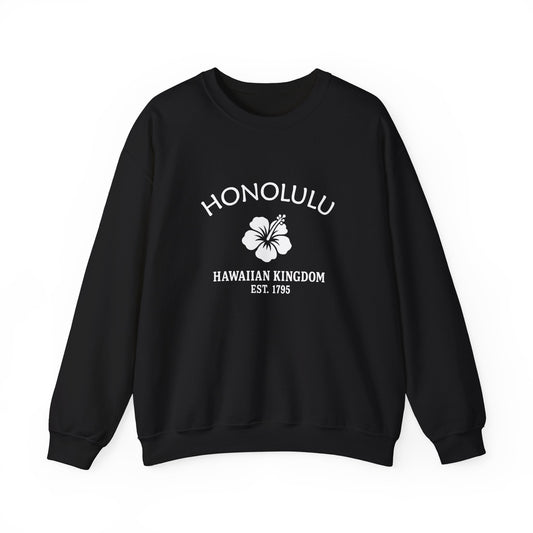
Honolulu Hawaii Vintage Retro Premium Crewneck Sweatshirt - Black Logo
Regular price $48.00 USDRegular price -
Honolulu Hawaii Vintage Retro Premium Crewneck Sweatshirt - White Logo
Regular price $48.00 USDRegular price -
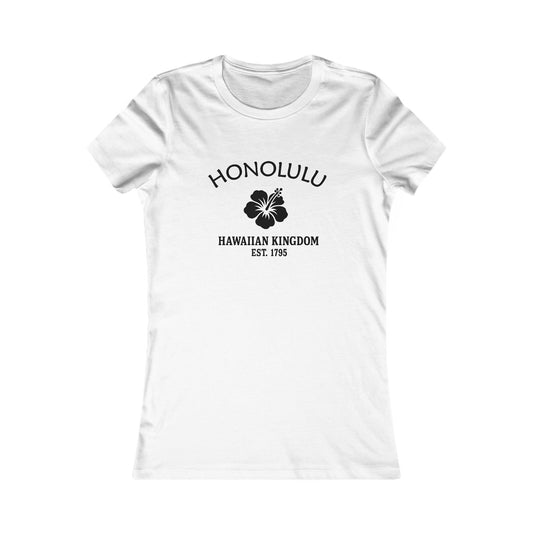
Honolulu Hawaii Vintage Retro Womens Fitted Ringspun Cotton Tee - Black Logo
Regular price $28.00 USDRegular price -
-
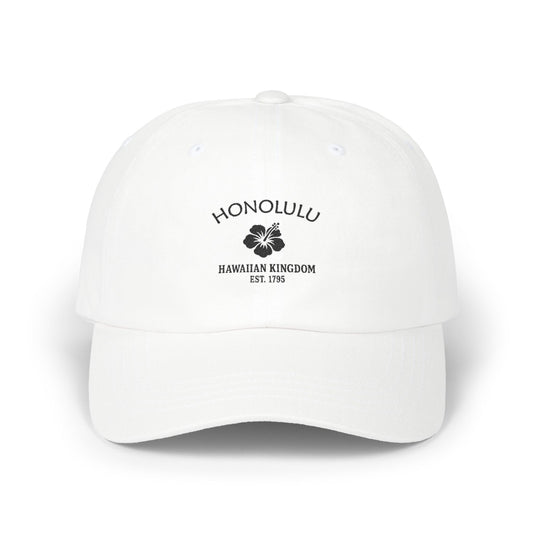
Honolulu Hawaii Vintage Retro Embroidered Cotton Cap - Black Logo
Regular price $32.00 USDRegular price -
Honolulu Hawaii Vintage Retro Embroidered Cotton Cap - White Logo
Regular price $32.00 USDRegular price -
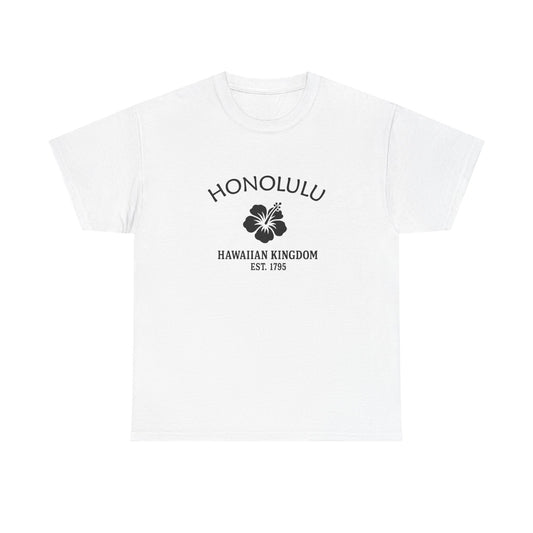
Honolulu Hawaii Vintage Retro Unisex Heavy Cotton Tee - Black Logo
Regular price $22.00 USDRegular price -
Honolulu Hawaii Vintage Retro Unisex Heavy Cotton Tee - White Logo
Regular price $22.00 USDRegular price -
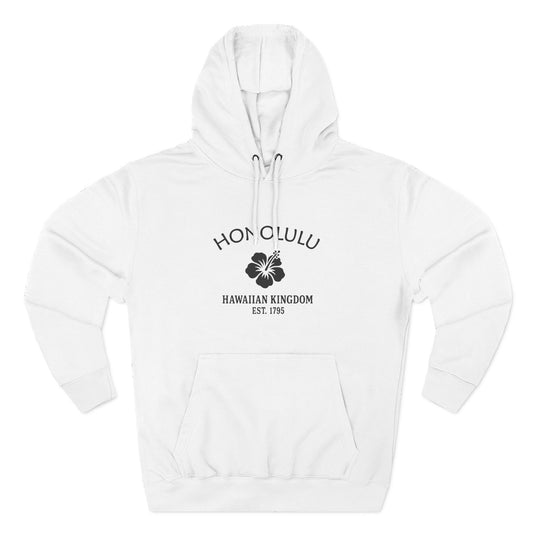
Honolulu Hawaii Vintage Retro Unisex Heavy Cotton Hoodie - Black Logo
Regular price $56.00 USDRegular price -
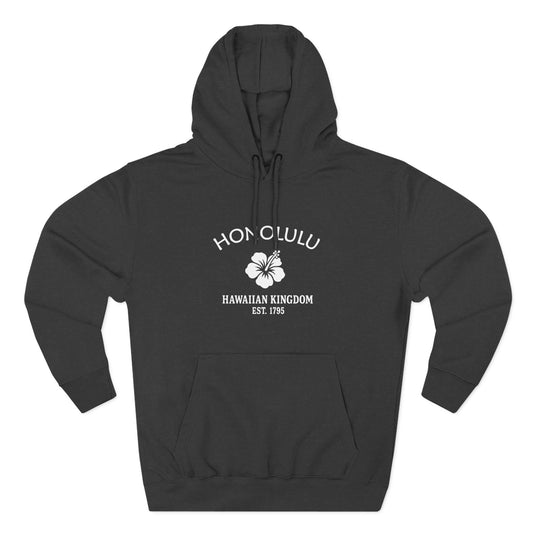
Honolulu Hawaii Vintage Retro Unisex Heavy Cotton Hoodie - White Logo
Regular price $56.00 USDRegular price -
Honolulu Hawaii Vintage Retro Back Printed Art Series Cotton Tee - Black Logo
Regular price $32.00 USDRegular price -
Honolulu Hawaii Vintage Retro Giclée Print Art Series Poster
Regular price From $38.00 USDRegular price -
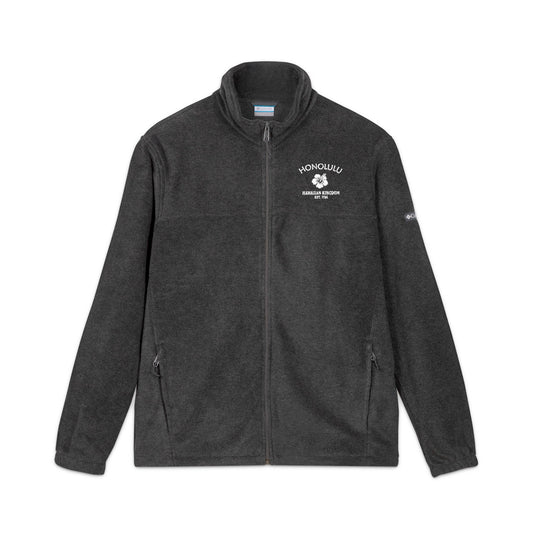
Honolulu Hawaii Vintage Retro Unisex Embroidered Fleece Jacket - White Logo
Regular price $98.00 USDRegular price -
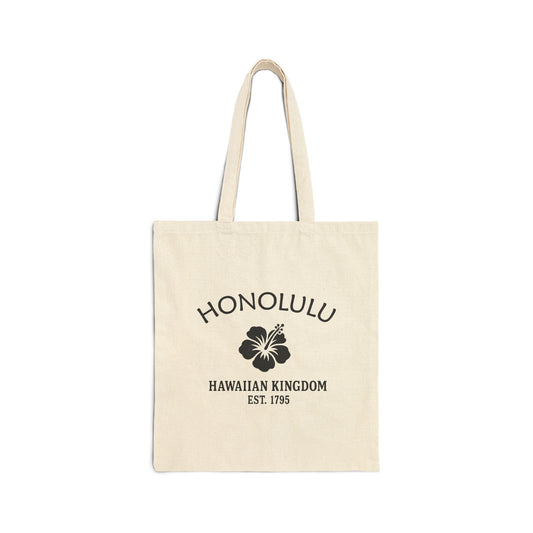
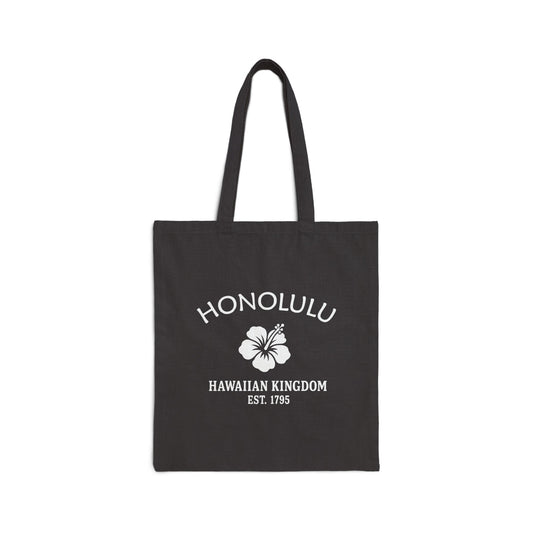
Honolulu Hawaii Vintage Retro Cotton Canvas Tote Bag - Black Logo
Regular price $25.00 USDRegular price -
Honolulu Hawaii Vintage Retro Cotton Canvas Tote Bag - White Logo
Regular price $25.00 USDRegular price -
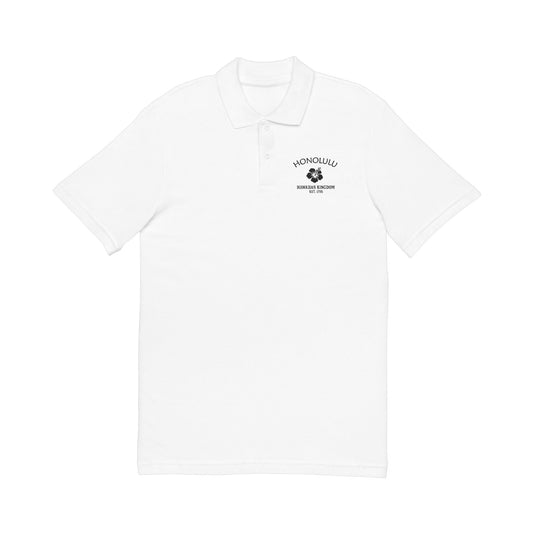
Honolulu Hawaii Vintage Retro Unisex Embroidered Cotton Polo - Black Logo
Regular price $48.00 USDRegular price -
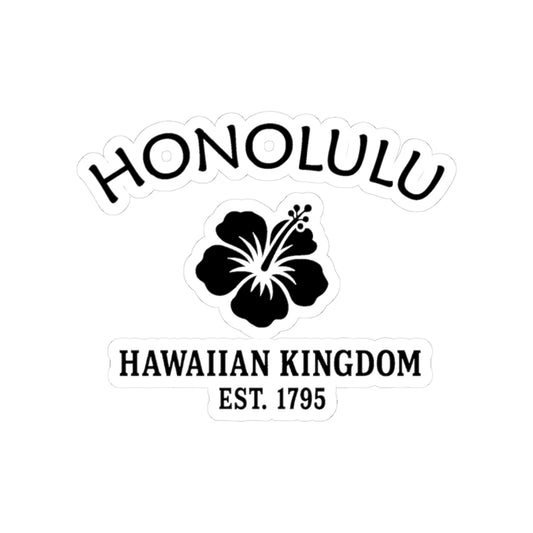
Honolulu Hawaii Vintage Retro Vinyl Sticker - Black Logo
Regular price From $6.00 USDRegular price -
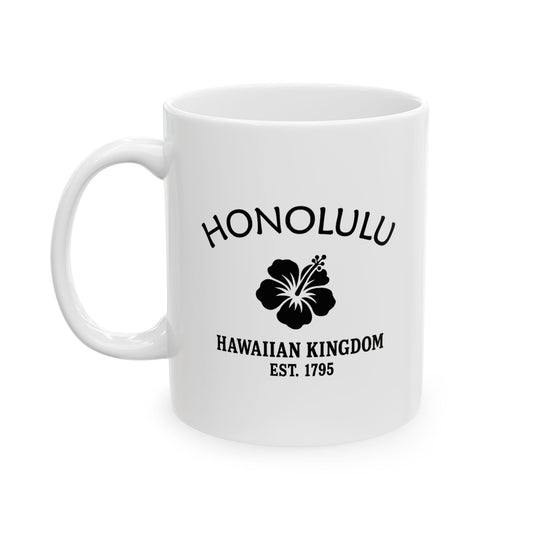
Honolulu Hawaii Vintage Retro Ceramic Mug - Black Logo
Regular price From $16.00 USDRegular price -
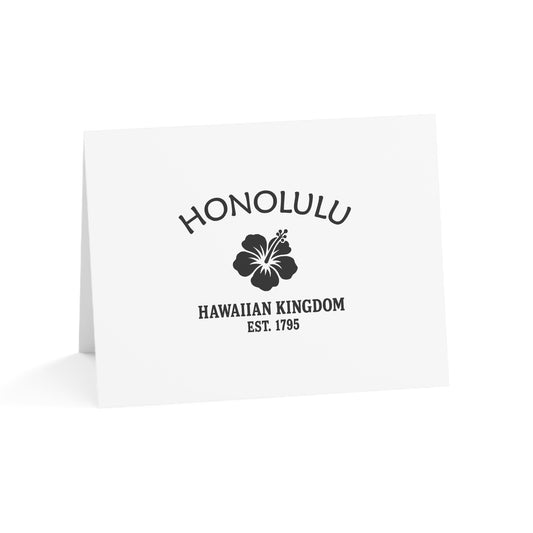
Honolulu Hawaii Vintage Retro Thank You Card Set - Black Logo
Regular price From $25.00 USDRegular price -
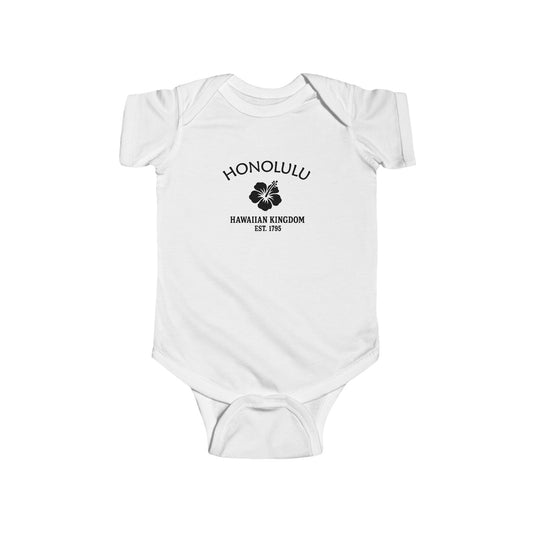
Honolulu Hawaii Vintage Retro Cotton Jersey Baby Bodysuit - Black Logo
Regular price $26.00 USDRegular price -
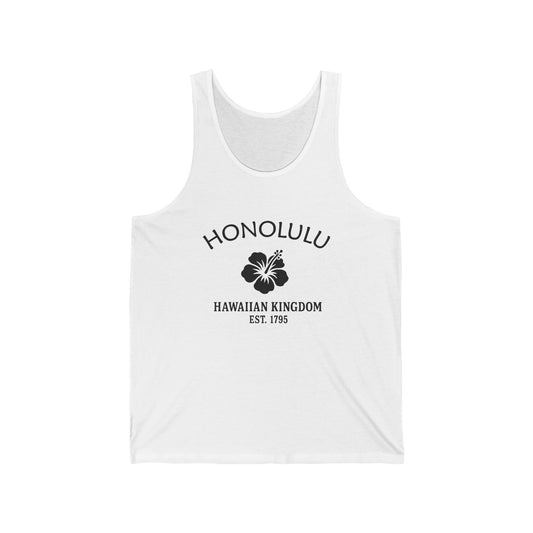
Honolulu Hawaii Vintage Retro Unisex Cotton Jersey Tank Top - White Logo
Regular price $28.00 USDRegular price -
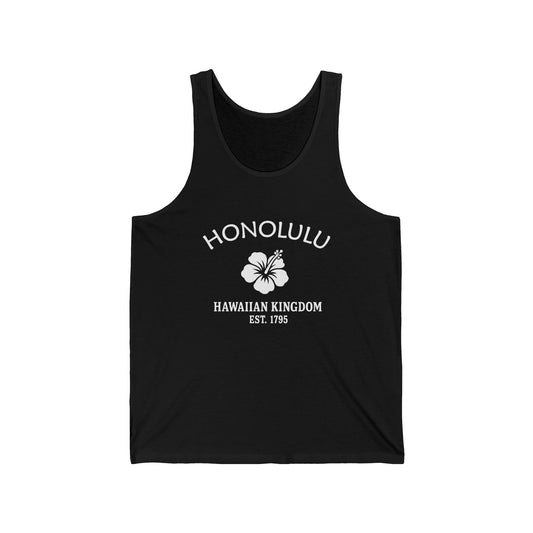
Honolulu Hawaii Vintage Retro Unisex Cotton Jersey Tank Top - Black Logo
Regular price $28.00 USDRegular price -
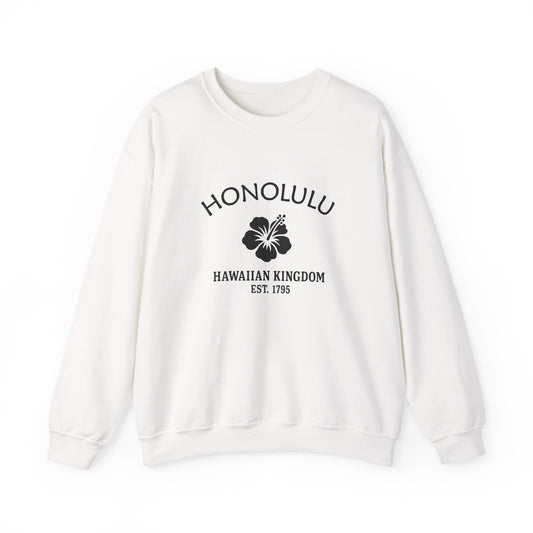
Honolulu Hawaii Vintage Retro Unisex Heavy Crewneck Sweatshirt - Black Logo
Regular price $44.00 USDRegular price -
Honolulu Hawaii Vintage Retro Unisex Heavy Crewneck Sweatshirt - White Logo
Regular price $44.00 USDRegular price






Honolulu Hawaii — Retro Vintage History
What's with Diamond Head? Rising at the edge of the south shore is a worn volcanic crater the whole world recognizes — Diamond Head. Hawaiians named it Lēʻahi, often read as "brow of the tuna" for the ridgeline's shape, but nineteenth-century British sailors thought the calcite crystals glinting on its slopes were diamonds, and the English name stuck. No diamonds, of course — but climb the old military trail to the rim and the payoff is real: the city, the reef, and the long curve of the shoreline laid out far below. It is the most familiar profile in all of Hawaiʻi, and the unmistakable backdrop to Honolulu.
Wear the HistoryHonolulu begins with its harbor. The name itself means roughly "sheltered bay" or "calm port," and that protected water is the reason a city grew here at all. Native Hawaiians settled the harbor and the green valleys behind it for centuries, building walled fishponds along the shore, farming kalo in the wet lowlands, and reading the trade winds that funnel down from the Koʻolau mountains. The land ran in ahupuaʻa — wedge-shaped divisions reaching from the mountains down to the reef — so a single community held everything from upland forest to fishing grounds. Long before any foreign sail appeared, this was a gathering place, a sheltered shore at the center of a well-settled island.
The harbor made Honolulu a Pacific crossroads. After Western contact in the 1790s, ships crowded the anchorage — traders, then whalers, then missionaries — and the little port grew into the busiest in the islands. As the Hawaiian Kingdom consolidated, Honolulu became its capital, and by the later nineteenth century the monarchy was seated downtown at ʻIolani Palace, the only royal palace on American soil. For a few decades the city was the working capital of an independent Pacific kingdom, with a king or queen in residence and the world's ships at its docks.

That kingdom did not survive the century. In 1893 the Hawaiian Kingdom was overthrown by a group of businessmen backed by U.S. forces; the monarchy was ended, and in 1898 the islands were annexed by the United States, becoming a territory in 1900. It is a hard and contested history, and Honolulu does not hide it — ʻIolani Palace stands restored at the center of downtown precisely as a place to remember the kingdom that was. The Hawaiian identity the monarchy embodied did not disappear; it remains, to this day, the deep current beneath the modern city.
The twentieth century made Honolulu strategic as well as central. Pearl Harbor, west of downtown, grew into a major naval base, and on December 7, 1941 the attack there brought the United States into World War II — a day of great loss that is remembered now at the Pearl Harbor National Memorial. After the war the city boomed, and in 1959 Hawaiʻi became the fiftieth state, with Honolulu as its capital. Through territory, war, and statehood, the harbor city remained the islands' unquestioned center of government, trade, and life.
And through all of it, Honolulu kept its place at the heart of island culture. Waikīkī, just down the shore beneath Diamond Head, grew into the birthplace of modern beach tourism — and the place where Hawaiian watermen carried surfing to the world, a heritage that spread the word "aloha" across the globe. Today's Honolulu layers all of this together: a Native Hawaiian homeland, a former royal capital, a great Pacific port, and a modern multicultural city, all gathered beneath the same crater on the same sheltered bay.
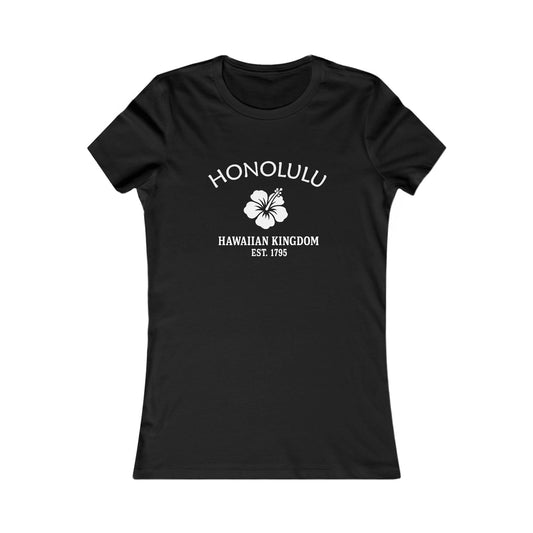
Our Honolulu logo carries the same emblem every Merlin Classics Hawaiʻi place wears — the hibiscus, above "Hawaiian Kingdom · Est. 1795," the year of unification under Kamehameha, printed in a worn, hand-pressed black and white. The hibiscus is the islands' mark, the through-line that ties Honolulu to every other Hawaiʻi place we make — a nod to the aloha that defines them. What makes this one Honolulu is everything around it: the harbor, the capital downtown, and Diamond Head standing over the shore.
Today Honolulu is the capital and beating heart of Hawaiʻi — a real city on a famous shore, where ʻIolani Palace and the Capitol district sit a short drive from the beaches, and Diamond Head watches over it all. Its story runs from a Native Hawaiian harbor through a royal kingdom and a great Pacific port to the modern island capital it is now. Our Honolulu designs gather that identity into wearable form — the hibiscus-and-1795 emblem, the harbor, and the crater. Honolulu, Hawaiʻi: the sheltered bay beneath Diamond Head.

Honolulu, Hawaiʻi — Travel Guide
Visiting Honolulu Today
Honolulu spreads along the south shore of Oʻahu, wrapped around its historic harbor with Diamond Head at one end and the green Koʻolau range behind. It is a real capital city — a downtown of royal and government landmarks, lively neighborhoods and markets, and a famous shoreline of beaches and parks, with the rest of the island an easy drive away.
ʻIolani Palace, Diamond Head & Honolulu's Shore
For visitors looking for things to do in Honolulu, Hawaiʻi:
- Tour ʻIolani Palace, the restored royal palace of the Hawaiian Kingdom, in the Capitol district.
- Hike the Diamond Head (Lēʻahi) crater trail for sweeping views over the city and coast.
- Explore the Bishop Museum for the islands' deepest collections of Hawaiian culture and history.
- Relax at Ala Moana Beach Park, with swimming lagoons and green lawns near downtown.
- Wander Chinatown and the historic downtown for markets, galleries, and old storefronts.
- Pay respects at the Pearl Harbor National Memorial west of the city.
Why People Visit Honolulu
Honolulu offers the full range of Hawaiʻi in one place — royal and wartime history, world-class museums, and a famous shoreline, all in a walkable, welcoming capital city. Visitors come for Diamond Head, the beaches, and the heritage downtown, and stay for the food, the culture, and the easy access to the rest of Oʻahu. From the palace to the crater to the harbor, it rewards both a quick visit and a long stay. It is historic, cosmopolitan, and unmistakably Hawaiian.
Wear the History

For deeper reading on the Honolulu history described here — the Native Hawaiian settlement of the harbor and valleys, the rise of the port and the Hawaiian Kingdom capital at ʻIolani Palace, the 1893 overthrow and 1898 annexation, Pearl Harbor and World War II, statehood in 1959, and the surf heritage of Waikīkī — it may be useful to consult (1) the Hawaiʻi State Archives and the Hawaiian Historical Society, (2) the Bishop Museum and ʻIolani Palace, (3) the University of Hawaiʻi at Mānoa and its Hawaiian and Pacific collections, (4) the National Park Service for the Pearl Harbor National Memorial, and (5) the City and County of Honolulu and the Hawaiʻi State Historic Preservation Division. For travel and visitor information, it may be useful to contact (1) the Hawaiʻi Tourism Authority and the Oʻahu Visitors Bureau, (2) the City and County of Honolulu Department of Parks and Recreation, (3) Hawaiʻi State Parks for the Diamond Head State Monument, (4) ʻIolani Palace and the Bishop Museum, and (5) the National Weather Service for Oʻahu coastal advisories.
- Choosing a selection results in a full page refresh.
- Opens in a new window.