Every design is set in hand-lettered vintage type for that old-school, crate-label look. One sample color shown — black and white logo options on every piece. Recently in the national press. Enjoy!
-
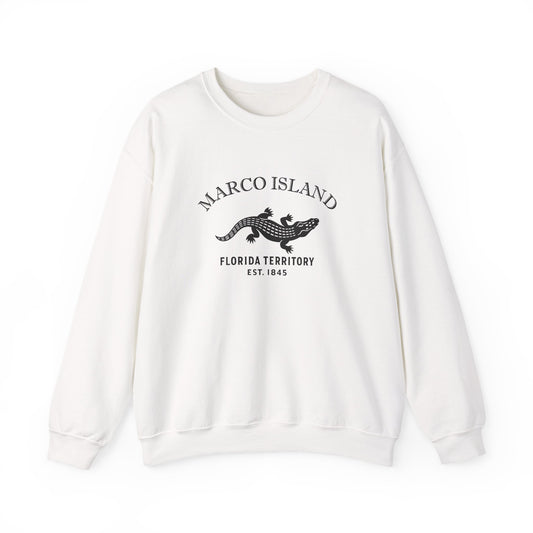
Marco Island Florida Vintage Retro Premium Crewneck Sweatshirt - Black Logo
Regular price $48.00 USDRegular price -
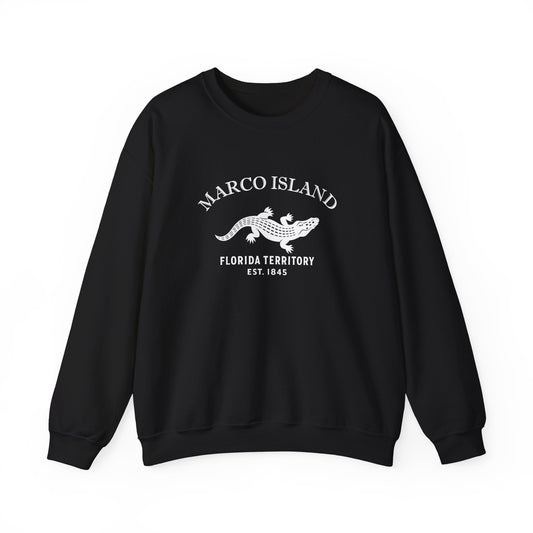
Marco Island Florida Vintage Retro Premium Crewneck Sweatshirt - White Logo
Regular price $48.00 USDRegular price -
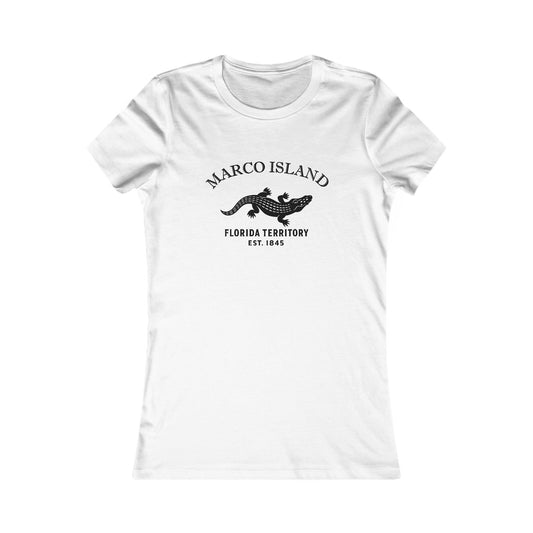
Marco Island Florida Vintage Retro Womens Fitted Ringspun Cotton Tee - Black Logo
Regular price $28.00 USDRegular price -
-
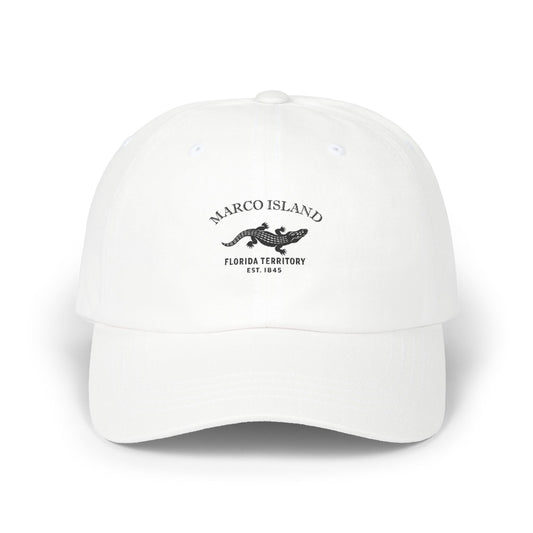
Marco Island Florida Vintage Retro Embroidered Cotton Cap - Black Logo
Regular price $32.00 USDRegular price -
Marco Island Florida Vintage Retro Embroidered Cotton Cap - White Logo
Regular price $32.00 USDRegular price -
Marco Island Florida Vintage Retro Unisex Heavy Cotton Hoodie - Black Logo
Regular price $56.00 USDRegular price -
Marco Island Florida Vintage Retro Unisex Heavy Cotton Hoodie - White Logo
Regular price $56.00 USDRegular price -
Marco Island Florida Vintage Retro Giclée Print Art Series Poster
Regular price From $38.00 USDRegular price -
Marco Island Florida Vintage Retro Back Printed Art Series Cotton Tee - Black Logo
Regular price $32.00 USDRegular price -
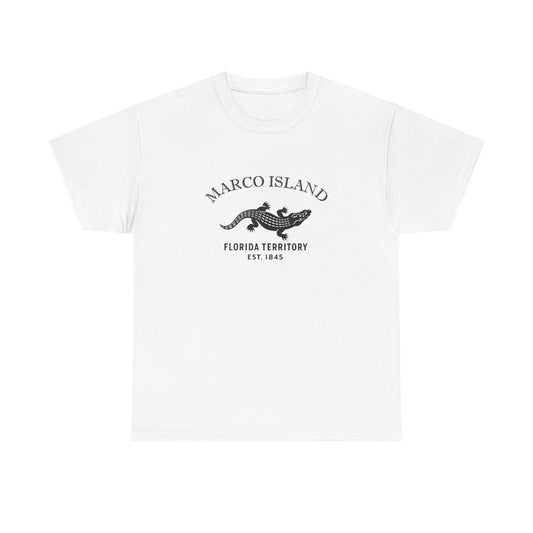
Marco Island Florida Vintage Retro Unisex Heavy Cotton Tee - Black Logo
Regular price $22.00 USDRegular price -
Marco Island Florida Vintage Retro Unisex Heavy Cotton Tee - White Logo
Regular price $22.00 USDRegular price -
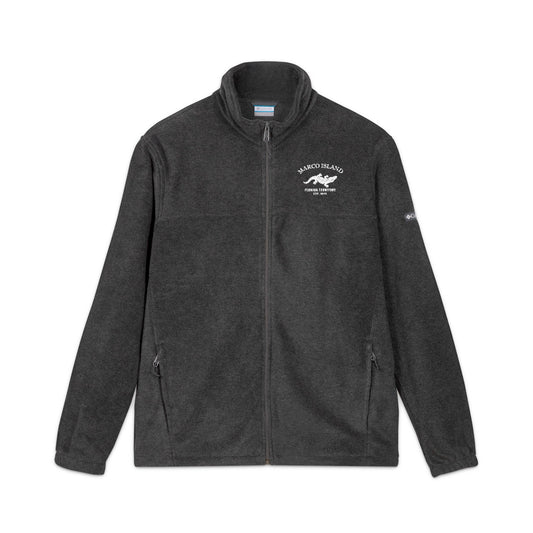
Marco Island Florida Vintage Retro Unisex Embroidered Fleece Jacket - White Logo
Regular price $98.00 USDRegular price -
Marco Island Florida Vintage Retro Vinyl Sticker - Black Logo
Regular price From $6.00 USDRegular price -
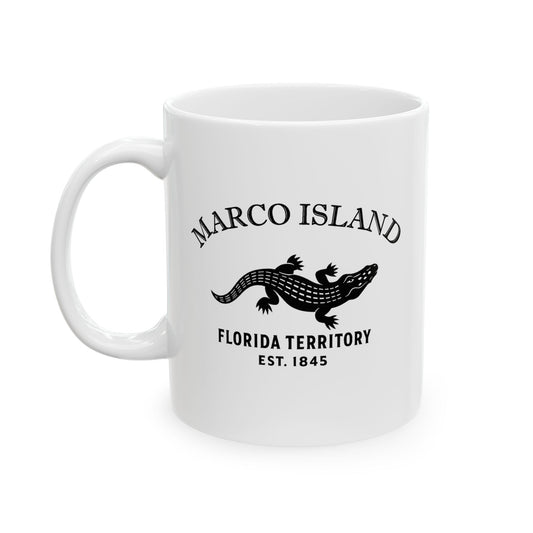
Marco Island Florida Vintage Retro Ceramic Mug - Black Logo
Regular price From $16.00 USDRegular price -
Marco Island Florida Vintage Retro Cotton Canvas Tote Bag - Black Logo
Regular price $25.00 USDRegular price -
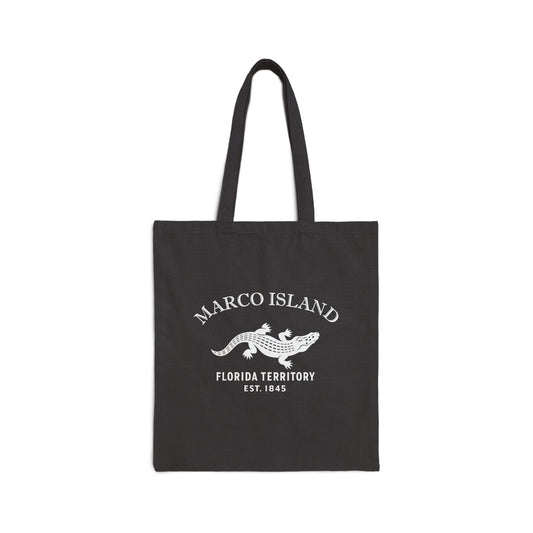
Marco Island Florida Vintage Retro Cotton Canvas Tote Bag - White Logo
Regular price $25.00 USDRegular price -
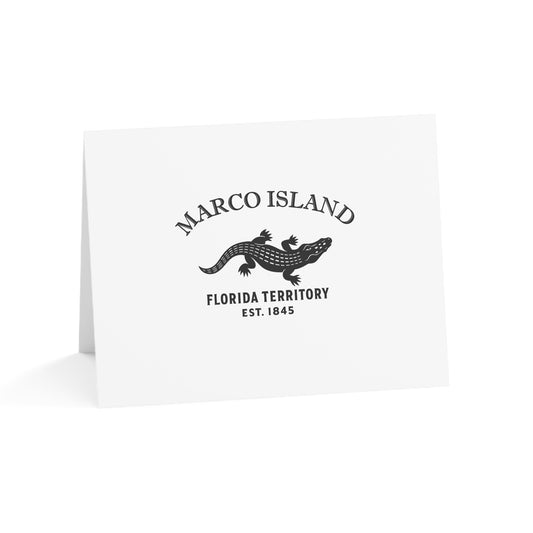
Marco Island Florida Vintage Retro Thank You Card Set - Black Logo
Regular price From $25.00 USDRegular price -
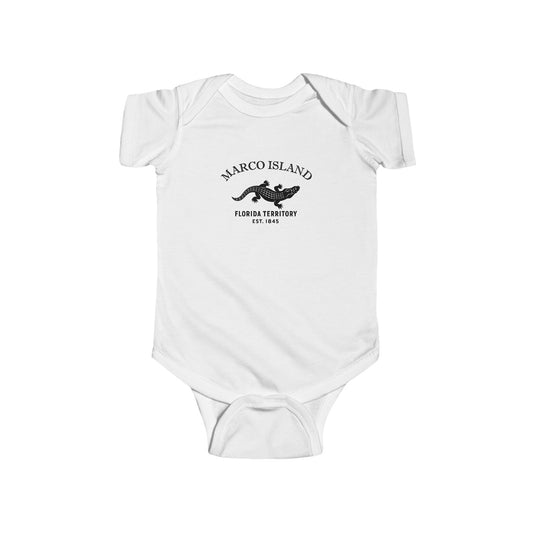
Marco Island Florida Vintage Retro Cotton Jersey Baby Bodysuit - Black Logo
Regular price $26.00 USDRegular price -
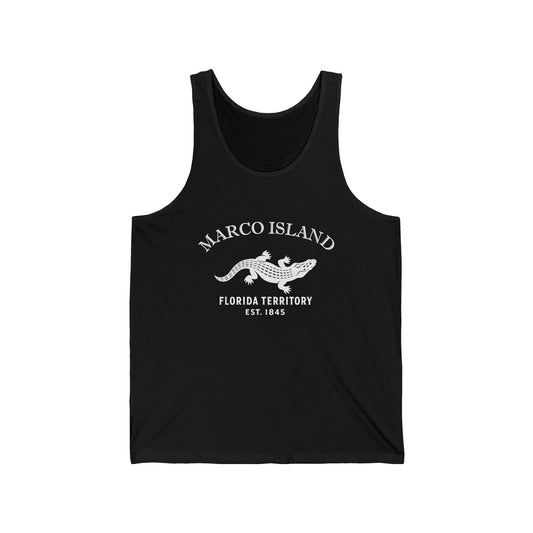
Marco Island Florida Vintage Retro Unisex Cotton Jersey Tank Top - White Logo
Regular price $28.00 USDRegular price -
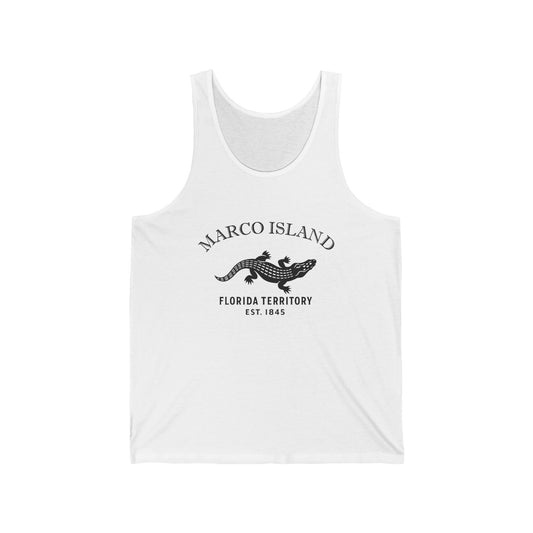
Marco Island Florida Vintage Retro Unisex Cotton Jersey Tank Top - Black Logo
Regular price $28.00 USDRegular price -
Marco Island Florida Vintage Retro Unisex Heavy Crewneck Sweatshirt - Black Logo
Regular price $44.00 USDRegular price -
Marco Island Florida Vintage Retro Unisex Heavy Crewneck Sweatshirt - White Logo
Regular price $44.00 USDRegular price -
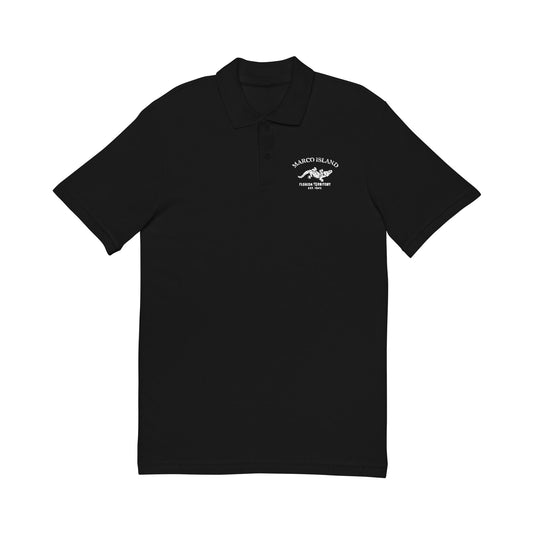
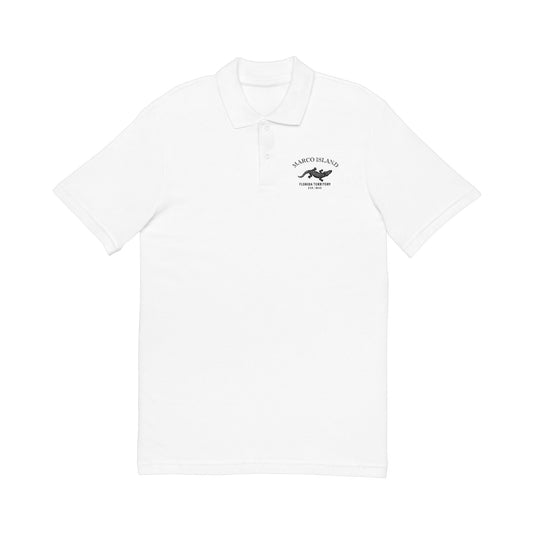
Marco Island Florida Vintage Retro Unisex Embroidered Cotton Polo - Black Logo
Regular price $48.00 USDRegular price









Marco Island Florida — Retro Vintage History
What’s with the Key Marco Cat? In 1896 an archaeologist named Frank Hamilton Cushing led a Smithsonian expedition into a muddy pond on the edge of this island and pulled out one of the great treasures of American archaeology. The waterlogged, airless muck had preserved what almost never survives: wood. More than a thousand carved wooden objects came up — masks, animal figureheads, tools a thousand years old — and among them a six-inch statuette of a kneeling, half-human, half-panther figure. Many of the other wooden objects, preserved only by the airless muck, dried out and fell apart soon after they reached the surface — which is part of why the surviving Cat is treasured as it is. The Key Marco Cat is now counted among the finest works of pre-Columbian art in North America. It sits today in the island’s history museum, on loan from the Smithsonian — a small wooden cat that has watched over Marco’s story for a thousand years.
Wear the HistoryThe Cat was made by the Calusa, the people who built this island as much as lived on it. The “Shell Indians” ruled the southwest Gulf coast for more than a thousand years — a fishing people so rich in the water that they never needed to farm. They piled their discarded shells into mounds, and those mounds became the island’s high ground: Indian Hill, built of shell, still stands fifty-one feet above the sea — the highest point in all of southwest Florida. To walk Marco’s older rises is to walk on a thousand years of oyster and whelk.
When Ponce de León’s Spanish reached this coast in the early 1500s, they named the island La Isla de San Marco and met the Calusa, who fought them off; by the 1700s, war and disease had emptied the chiefdom. Centuries later the pioneers came. William T. Collier founded the village of Marco in 1870, and his son, Capt. Bill Collier, opened the Olde Marco Inn in 1896 — still serving guests today. For decades the island ran on clams and oysters, canned at Caxambas Pass and shipped north.

Look at Marco from the air and you see a town laced with water — thousands of homes on navigable canals, a whole island engineered for boats. That is the work of three brothers. In the 1960s, Elliott, Robert, and Frank Mackle and their Deltona Corporation bought the island, dredged the mangroves into a grid of waterways and waterfront lots, and sold the dream of a planned island paradise to middle-class America. Marco opened to the public in 1965, drew tens of thousands to its grand opening, and a bridge soon linked it to the mainland. The quiet fishing island became one of Florida’s most sought-after addresses almost overnight.
What the brochures promised, the island delivered: a six-mile crescent of sugar-white sand, among the widest beaches in Florida, with shelling good enough to draw collectors from around the world. Marco is the largest of the Ten Thousand Islands — the maze of mangrove keys where the Gulf meets the Everglades — and the gateway to all of it: boat trips out through the islands, dolphins and roseate spoonbills, and the warm, shallow, almost-waveless water that makes the place feel like a long, lazy float.
That mix is the modern island: ancient shell mounds under quiet streets, a Calusa cat in the museum, a six-mile beach, and a working channel out to the wild Ten Thousand Islands. The development came with a cost the island still reckons with — the dredged mangroves, the lost wetland — but it also kept Marco’s deep history visible, in the preserves at Otter Mound and Caxambas and the museum that holds the Cat. Few beach towns can show you a thousand years and a planned grid in the same afternoon.
Our Marco Island logo carries the Florida alligator over “Florida Territory · Est. 1845,” the year Florida became a state — the shared emblem of every Merlin Classics Florida town. Printed in clean retro black-and-white that reads like an old crate label, the alligator stands for Florida as a whole; what makes this one Marco Island is everything behind it — the Calusa shell mounds and Indian Hill, the six-mile sugar-sand beach, the canal-laced planned island, and the Ten Thousand Islands at its back door.
Today Marco Island is white sand and warm water, shell mounds and shelling, a quietly upscale paradise at the edge of the Everglades. Our Marco Island designs gather that identity — the alligator emblem, the Calusa shell island, the wide Gulf beach — into wearable form. Marco Island — where Florida’s widest sugar-sand beach rises from a thousand years of shells.
Wear the History
Marco Island, Florida — Travel Guide
Visiting Marco Island Today
Marco Island is a barrier-island city famous for its wide Gulf beaches, world-class shelling, and its setting at the edge of the Ten Thousand Islands. It pairs easy beach days and boating with a thousand-year Calusa heritage, all within a short drive of Naples and the Everglades.
The Beach, the Shells & the Ten Thousand Islands
For visitors looking for things to do in Marco Island, Florida:
- Walk the six-mile crescent at Tigertail Beach — a birding lagoon, soft Gulf sand, and shelling.
- Spread out at South Beach or Residents’ Beach for wide shoreline and calm water.
- See the Key Marco Cat and Calusa artifacts at the Marco Island Historical Museum.
- Walk the Calusa shell mounds at Otter Mound Preserve under a gumbo-limbo canopy.
- Take a boat or kayak out into the Ten Thousand Islands for dolphins and birds.
- Stop at the Caxambas corner and boat ramp at the island’s south end.
- Stay or dine at the 1896 Olde Marco Inn.
- Cross the Jolley Bridge to Naples — the mainland sibling — for even more.
Why People Visit Marco Island
Marco Island rewards visitors who want wide white sand, warm shallow water, and shells underfoot, with a rare depth of history close by. Add the boat trips into the Ten Thousand Islands and the year-round Gulf sun, and the case makes itself.
Wear the History
Kindred Cities
Greetings to visitors from Sardinia, Italy (benvenuti) and Isla Mujeres, Mexico (bienvenidos) — like-minded sandy islands of warm, calm water.
Marco Island trades in sun, shell and shallow water, and Sardinia and Isla Mujeres know the appeal. Sardinia’s Costa Smeralda made a fortune from its powdery beaches; Isla Mujeres draws Caribbean day-trippers to the calm turquoise shallows off Cancún; Marco, largest of Florida’s Ten Thousand Islands, spreads wide white sand along the Gulf, famous for its shelling and its easy, low-rise resort life. Beach islands where the water barely makes a wave.
Marco Island is made for beach days: broad white sand on the Gulf, shells at the tide line, boat trips out through the mangrove islands, and warm calm water that suits a long, lazy float. Come and visit us soon.
When you plan the trip, the Naples, Marco Island & Everglades visitor bureau is the place to start.
Wear the History

For deeper reading on the Marco Island history described here — the Calusa “Shell Indians” and their shell-mound island, Indian Hill and the Caxambas and Otter Mound middens, Ponce de León’s La Isla de San Marco, the 1896 Smithsonian Pepper-Hearst Expedition and the Key Marco Cat, William T. Collier’s 1870 village and the 1896 Olde Marco Inn, the Burnham and Doxsee canneries, and the Mackle brothers’ Deltona planned island of the 1960s — it may be useful to consult (1) the Marco Island Historical Society and the Marco Island Historical Museum, (2) the Collier County Museums, (3) the State Library and Archives of Florida, (4) the Florida Museum of Natural History for the Calusa and Key Marco collections, and (5) the City of Marco Island clerk and records office. For travel and visitor information, it may be useful to contact (1) the Naples, Marco Island & Everglades Convention & Visitors Bureau, (2) the Marco Island Area chamber of commerce, (3) the Marco Island parks and recreation department, (4) the Florida state-parks office, and (5) the Marco Island Executive Airport information desk.
- Choosing a selection results in a full page refresh.
- Opens in a new window.