That mix is the modern island: ancient shell mounds under quiet streets, a Calusa cat in the museum, a six-mile beach, and a working channel out to the wild Ten Thousand Islands. The development came with a cost the island still reckons with — the dredged mangroves, the lost wetland — but it also kept Marco’s deep history visible, in the preserves at Otter Mound and Caxambas and the museum that holds the Cat. Few beach towns can show you a thousand years and a planned grid in the same afternoon.
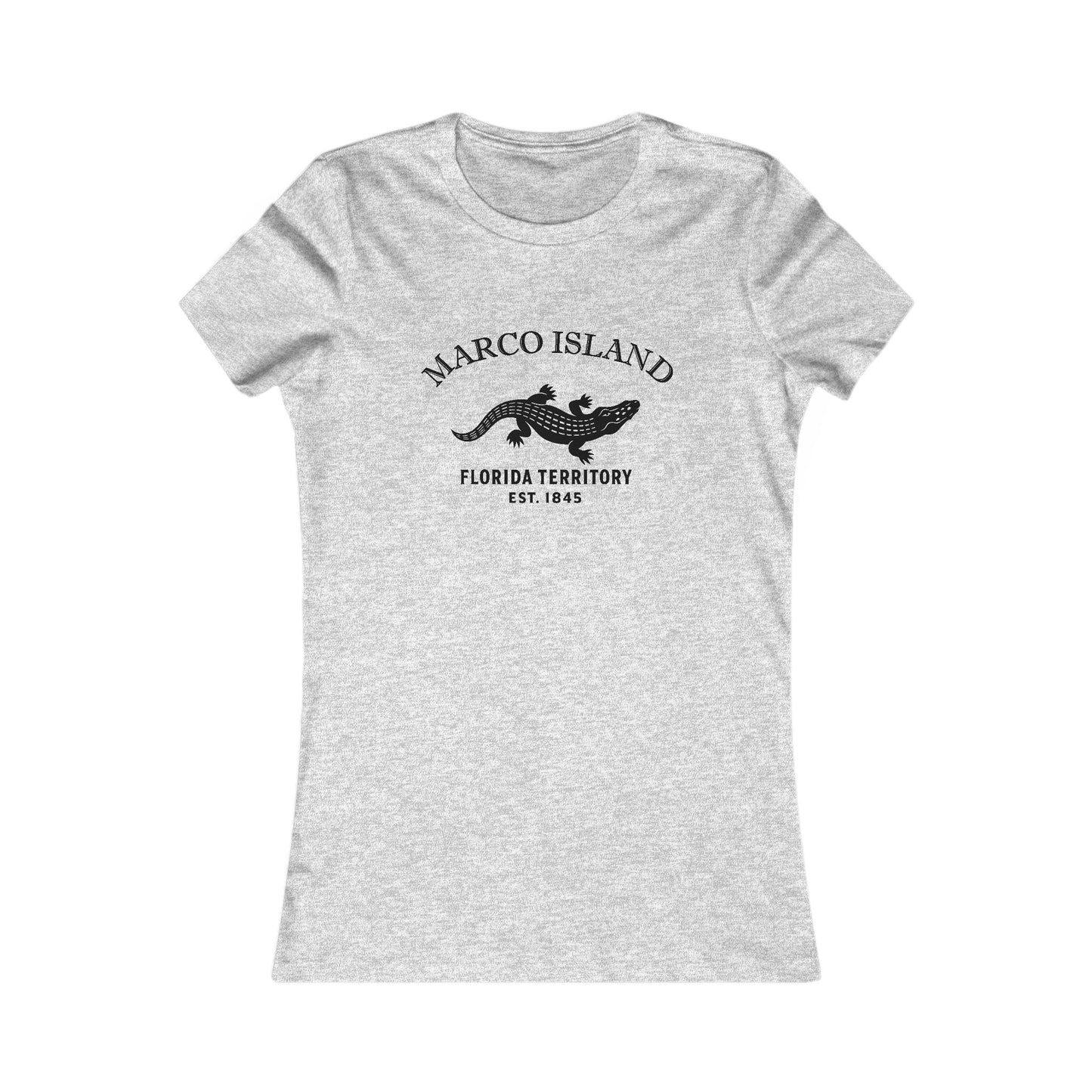
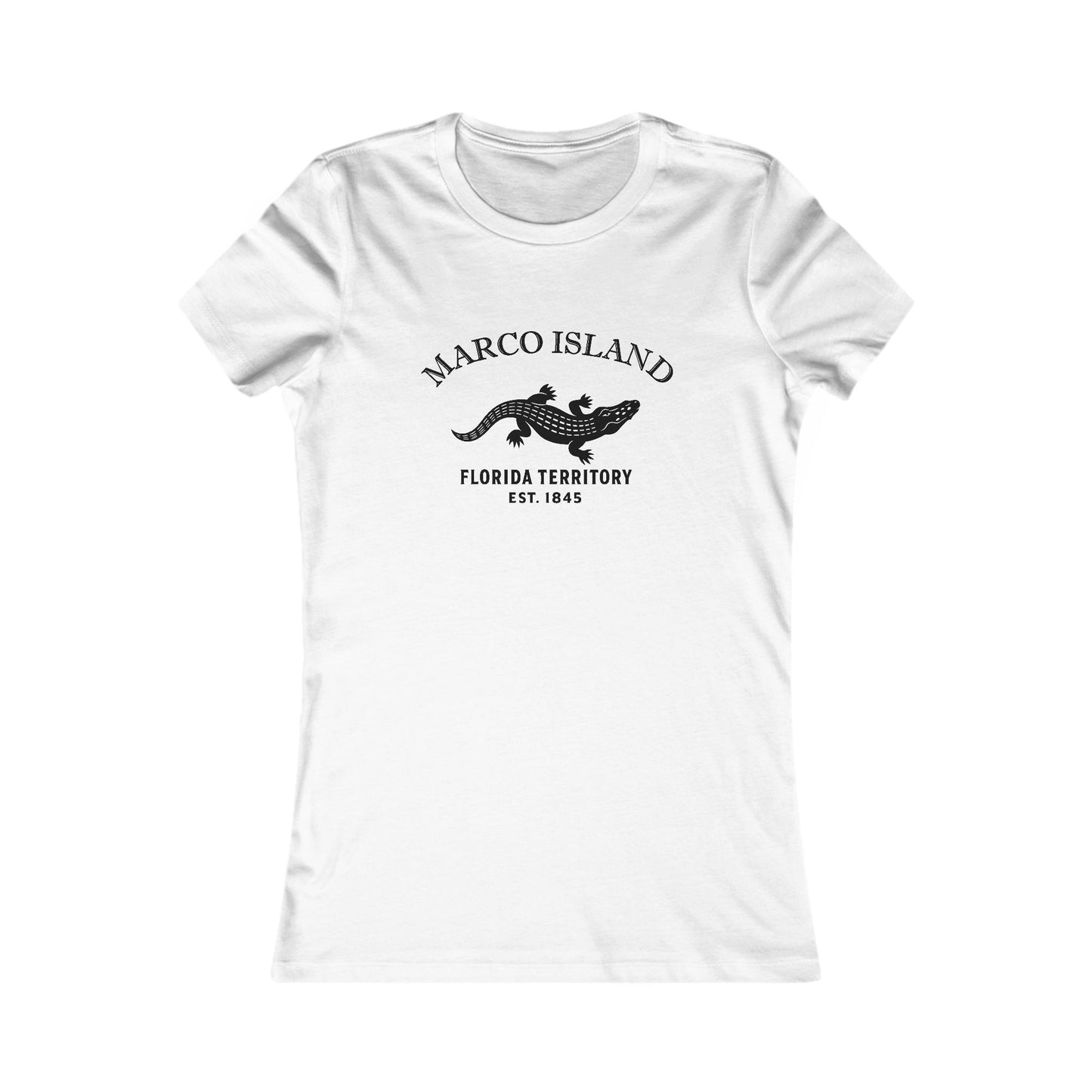
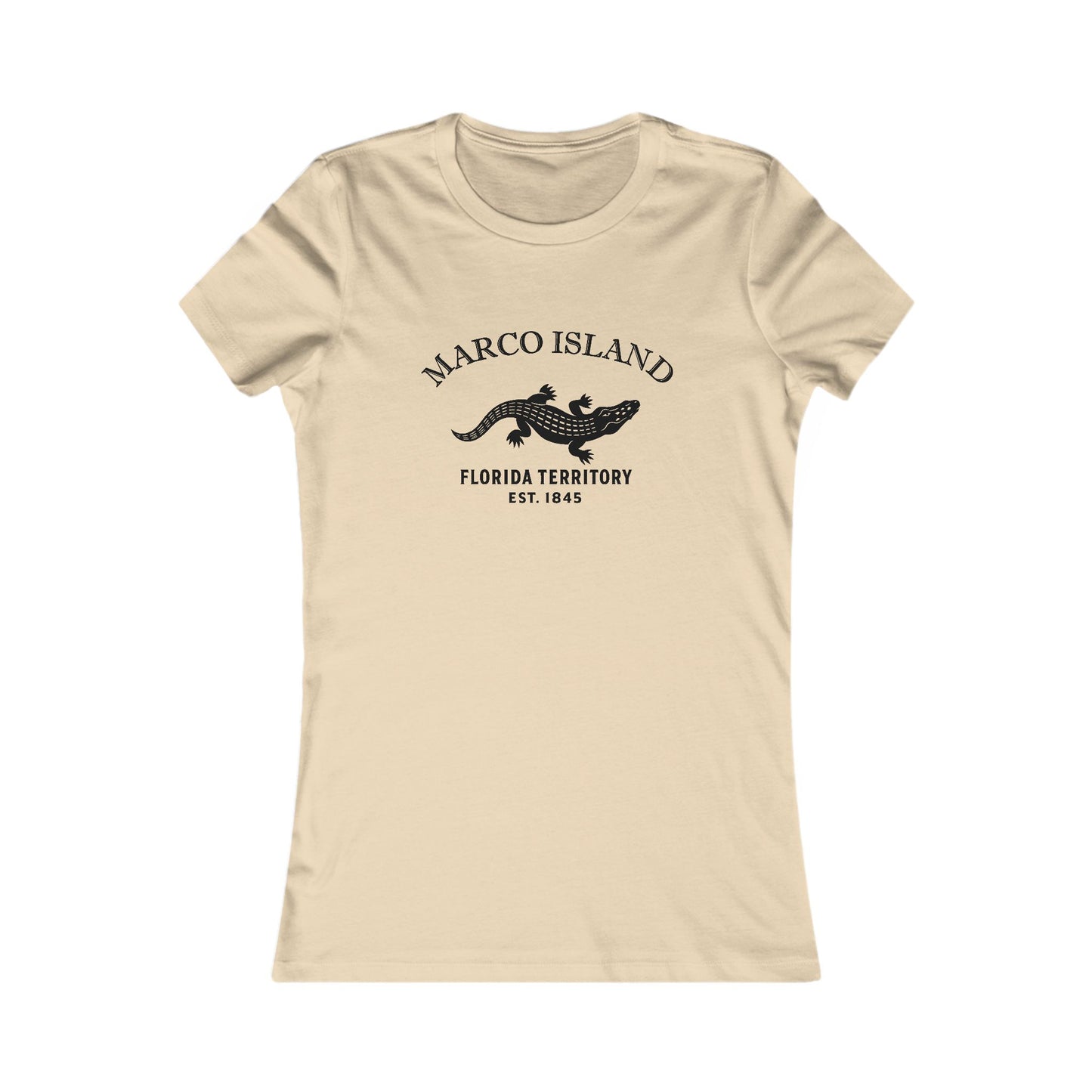
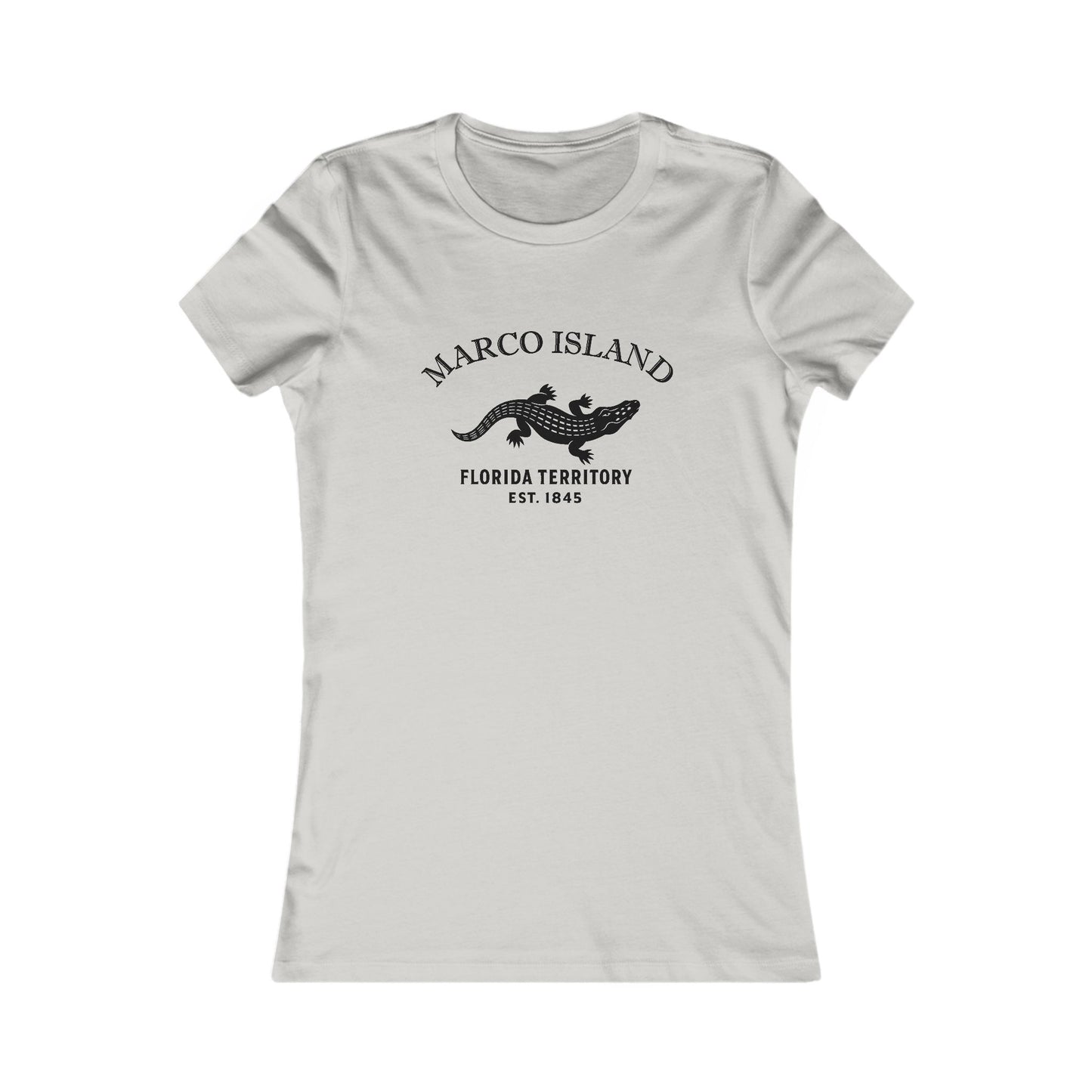
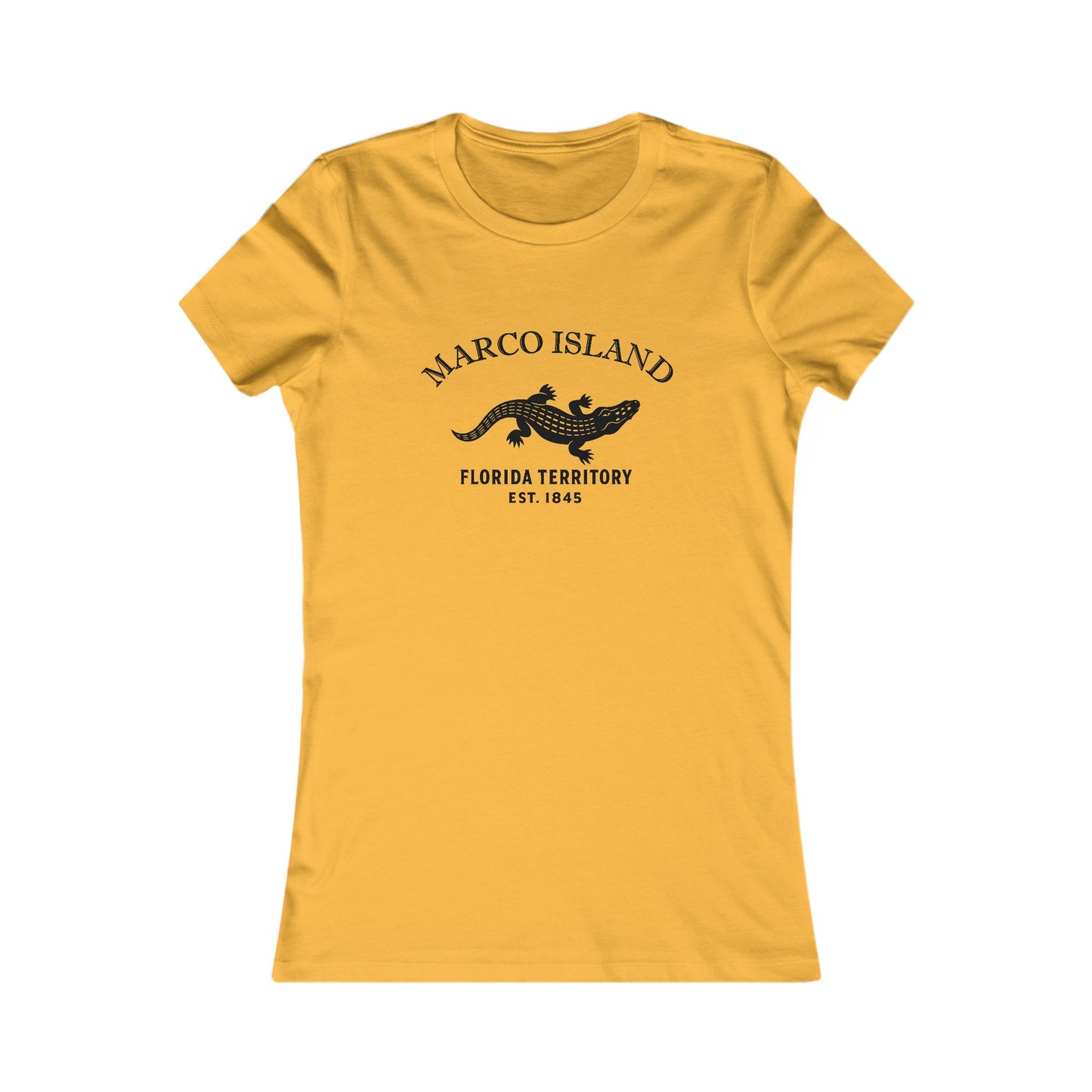
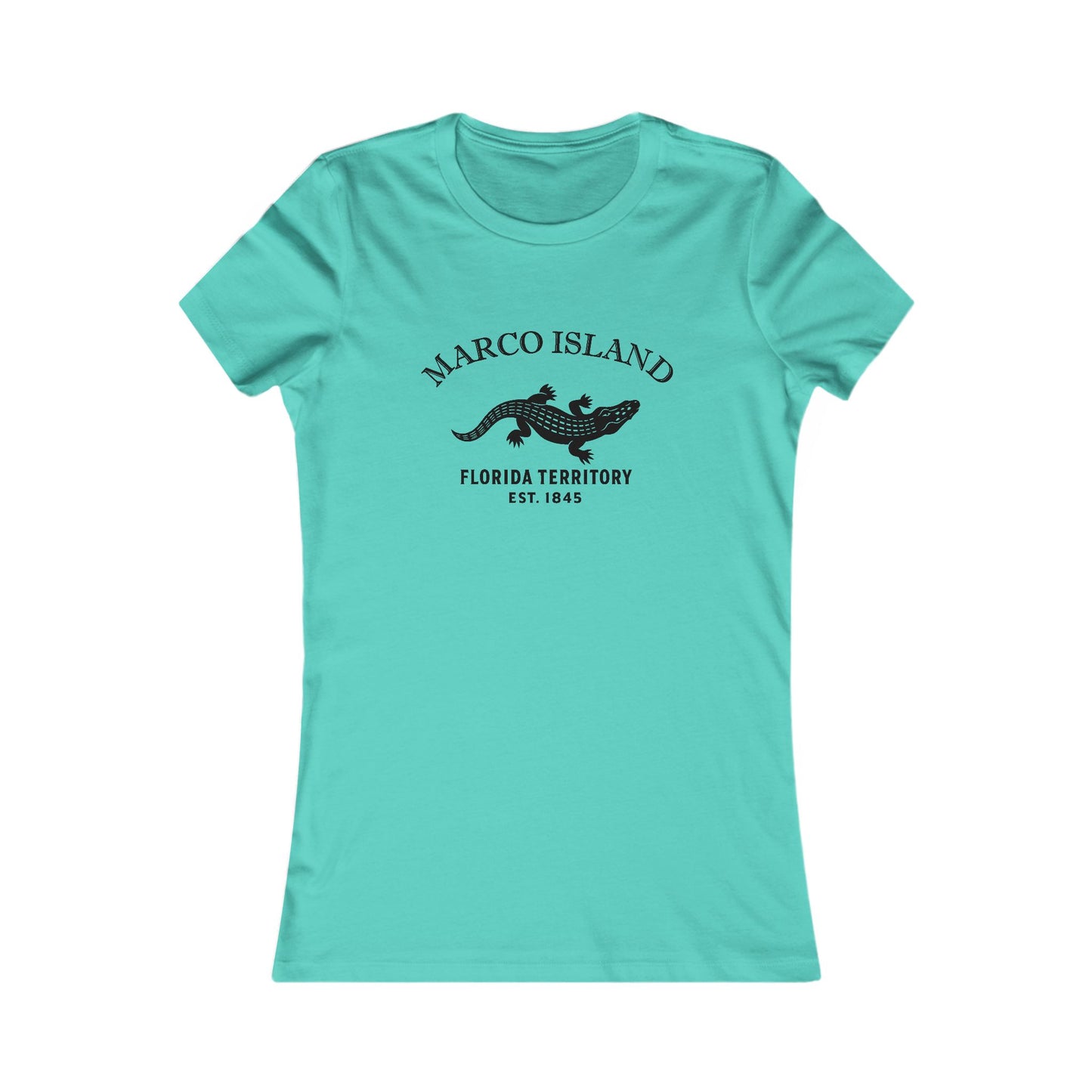
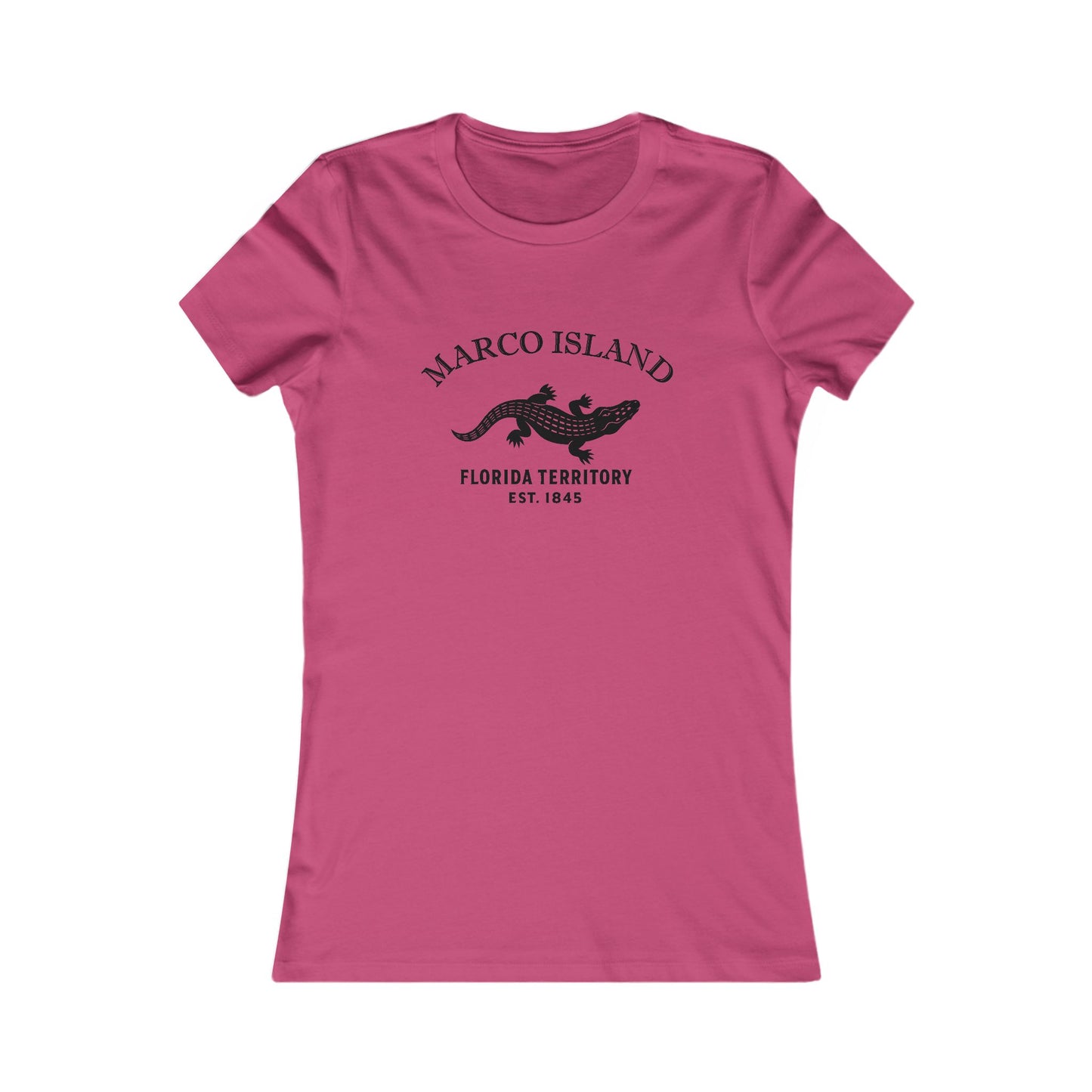
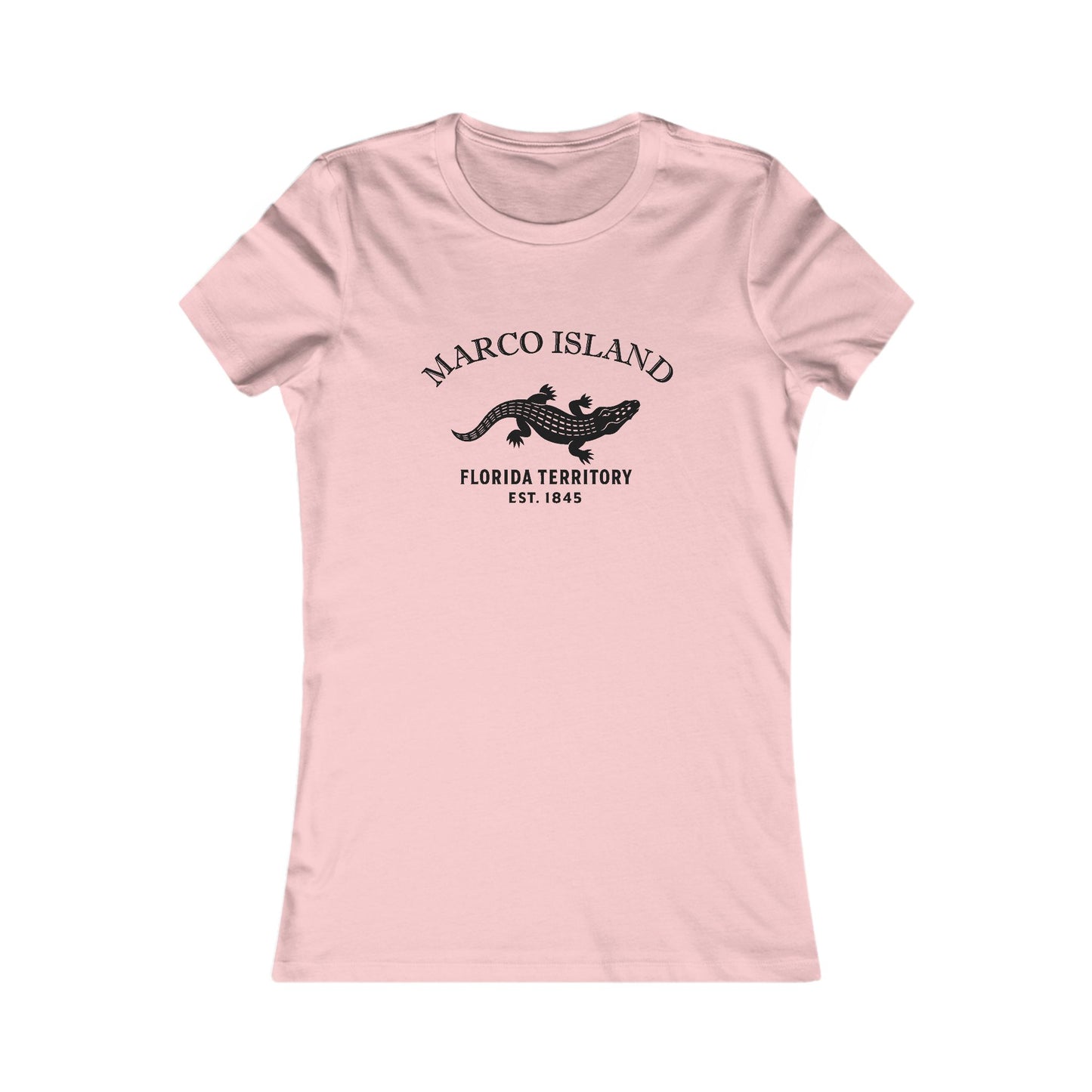
Our Marco Island logo carries the Florida alligator over “Florida Territory · Est. 1845,” the year Florida became a state — the shared emblem of every Merlin Classics Florida town. Printed in clean retro black-and-white that reads like an old crate label, the alligator stands for Florida as a whole; what makes this one Marco Island is everything behind it — the Calusa shell mounds and Indian Hill, the six-mile sugar-sand beach, the canal-laced planned island, and the Ten Thousand Islands at its back door.
Why People Visit Marco Island
Marco Island rewards visitors who want wide white sand, warm shallow water, and shells underfoot, with a rare depth of history close by. Add the boat trips into the Ten Thousand Islands and the year-round Gulf sun, and the case makes itself.
