Clinton Connecticut — Retro Vintage History
What's with the birthplace of Yale? It surprises almost everyone: one of the world's great universities began not in New Haven but here on the Clinton shoreline. In 1701 a group of Connecticut ministers founded the Collegiate School, and its first rector taught the earliest students in his home in what was then the Kenilworth parish — today's Clinton. The little school soon moved up the coast to Saybrook, and then in 1716 to New Haven, where it was renamed Yale. But the very first classes met here, by the Sound, which is why this quiet oystering town can fairly claim to be where Yale began.
Wear the HistoryWhere you're from. Where you love. Where you explored. Where you belong.
Clinton's story starts on the water. Native people fished this stretch of Long Island Sound for generations before English colonists settled the same shore in 1663 — naming their plantation Kenilworth, after the English castle town, a name the salt air wore down to Killingworth within a lifetime. The settlement they planted between the Hammonasset and the Indian River lived by the Sound from its first day: fish, shellfish, salt hay, and the small ships that carried them.

The Collegiate School's founding here was no accident of geography: its first rector, the Reverend Abraham Pierson, was the town's own minister, and for the school's first years the whole college was wherever Pierson happened to be teaching — his parsonage, in what is now Clinton. He died in 1707 and lies here still; the school moved to Saybrook in 1716 and then to New Haven, taking the name Yale College in 1718 for its benefactor Elihu Yale. Clinton kept the beginning: Pierson's bronze statue stands on East Main Street, and the elementary school around the corner carries his name. For its first fifteen years the college had no campus at all — Yale's oldest classroom, Clinton likes to say, was a minister's front room.
QUICK FACTS — CLINTON, CT
Clinton was settled in 1663 as Kenilworth within the Saybrook Colony — the name wore down to Killingworth over the decades.
Yale began here: in 1701 the Collegiate School's first rector, Abraham Pierson, taught its earliest students in his Clinton parsonage.
The school moved away in 1716 and took the name Yale College in 1718; Pierson's statue stands on East Main Street.
The 1789 Stanton House on East Main Street survives as one of Connecticut's notable early house museums.
Charles Morgan — the father of American coastal shipping, with Morgan City, Louisiana named for him — was born here in 1795.
Morgan gave his hometown a high school in 1871; the Morgan School, statue out front, still serves Clinton's students today.
The town incorporated in 1838, separating from Killingworth and taking the name of DeWitt Clinton of Erie Canal fame.
The oyster is Connecticut's state shellfish, and Clinton's harbor helped earn it — oyster farming still works these waters.
For two centuries the harbor was the whole economy. Clinton built ships, worked farms, and above all harvested the Sound — finfish, shellfish, and especially oysters, which made the town's reputation and filled its wharves. Schooners came and went from the Town Dock, the Indian River carried small craft into the heart of town, and Cedar Island sheltered the anchorage. The oyster is Connecticut's official state shellfish, and harbors like this one are why — and the trade never quite ended: oyster farming still works these waters today. In the late 1800s Connecticut's beds ranked among the most productive oyster grounds anywhere, and Clinton's harbor carried its share of that silver-shelled wealth.
The harbor also launched the town's greatest fortune. Charles Morgan, born on East Main Street in 1795 to a shipowning family, left for New York at fourteen and built an empire remembered as the beginning of American coastal shipping — the first scheduled steamship line from New Orleans to Galveston, routes to Corpus Christi and Havana, iron works on the East River, railroads across Louisiana and Texas, and a running rivalry with Cornelius Vanderbilt himself. Morgan City, Louisiana wears his name. So does the gift he sent home: in 1871 he built Clinton a high school, endowed its upkeep, and the Morgan School — his statue out front — still graduates the town's seniors today.
The town took its modern name in the same era of ambition. Incorporated in 1838, separating at last from inland Killingworth, the shoreline parish named itself for DeWitt Clinton — the New York governor whose Erie Canal had just remade American commerce and inspired town names across the young country. The new Clinton carried its shipbuilding, fishing, and oystering trades through the 1800s as the Connecticut shoreline's quiet middle: never a city, never asleep.
The twentieth century brought the shoreline a new role. As railroads and then Interstate 95 tied the coast to the cities, Clinton grew into a shoreline suburban community — a place to live and summer as much as to work the water. Schools, neighborhoods, and beach colonies filled in behind the harbor; the marinas filled with pleasure boats where the oyster schooners had anchored; and the premium outlets by the highway now draw shoppers from across the state to a town that once shipped its wealth out by water. The Town Beach and its neighbors made the shore a family destination, and the harbor filled with weekend sails.

Clinton holds onto its history with unusual care. The 1789 Stanton House survives as one of Connecticut's notable early house museums; the Clinton Village Historic District along East Main Street — 120 acres of colonial, Federal, and Greek Revival streetscape — joined the National Register in 1994; and Liberty Green, the little triangle where the militia once drilled, still anchors the center. The Historical Society keeps the long story close, the Town Dock still works, and every summer the Bluefish Festival fills the harborfront the way the oyster fleets once did.
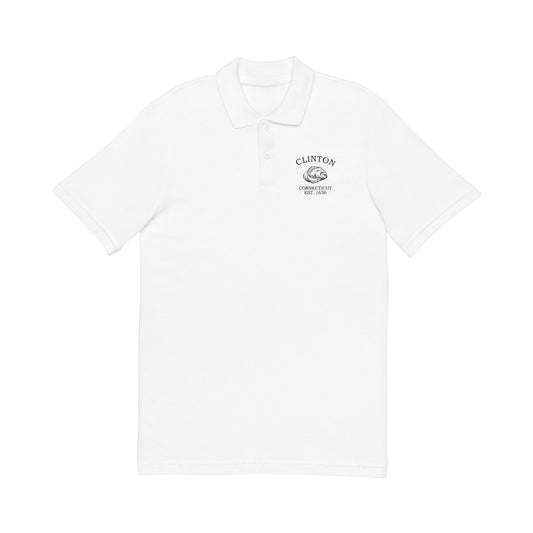
Our Clinton logo carries Connecticut's oyster above "Est. 1636," the founding era of the Connecticut Colony — the shared emblem of every Merlin Classics Connecticut shoreline place, printed in a worn black-and-white that recalls an old oyster-crate label. The oyster is the shoreline in shorthand: bounty pulled from the Sound, patience, and salt. What makes this one Clinton is everything around it — the parsonage where Yale began, the harbor that raised a shipping king, and the green where the militia drilled.
Today Clinton wears its history lightly but proudly — an oystering harbor, a colonial Main Street, and the surprising birthplace of Yale, all on the same quiet stretch of the Sound. Its story runs from a Native fishing ground through a colonial harbor and a shipbuilding century to the relaxed shoreline town of today. Wear a little of the town where the college began and the oysters never stopped.
Clinton, Connecticut — Travel Guide
Visiting Clinton Today
Clinton sits on the Connecticut shoreline of Long Island Sound, midway along the coast between the Connecticut River and New Haven, an easy exit off Interstate 95. It is a relaxed harbor town of beaches and marinas, a colonial Main Street on the National Register, and small museums — family-friendly shoreline Connecticut at its most easygoing, best from late spring through the fall.
Clinton Harbor, the Beaches & the Town Green
For visitors looking for things to do in Clinton, Connecticut:
- Walk East Main Street through the Clinton Village Historic District — colonial and Federal houses, Liberty Green, and the Pierson statue where Yale began.
- Tour the 1789 Stanton House, one of Connecticut's notable early house museums.
- Spend a beach day at the Clinton Town Beach, with Cedar Island sheltering the harbor beyond.
- Watch the working waterfront at the Town Dock and the marinas along the Indian River.
- Shop Clinton Crossing Premium Outlets, or taste the shoreline's wine country at Chamard Vineyards.
- Time a summer visit to the Bluefish Festival on the harborfront.
Why People Visit Clinton
Clinton offers the Connecticut shoreline at its most relaxed — a real harbor town with beaches, marinas, and a colonial Main Street, plus the surprising distinction of being where Yale began. Visitors come for the water, the history, and the easy shoreline pace, and stay for the beaches, the harbor, and the oysters.
Wear the History
Where you're from. Where you love. Where you explored. Where you belong.
Kindred Cities
Greetings, friends from Killingworth — Clinton's kindred town is its own parent.
Killingworth sits just inland, the town Clinton belonged to for its first 175 years. They began as one plantation — Kenilworth, 1663 — and when the shoreline parish incorporated on its own in 1838, the inland half kept the old worn-down name and the new coastal town took a governor's. The split was friendly and stayed that way: one green country town, one harbor town, sharing a school, a history, and a turnpike named for the road between them.
Come down the Killingworth Turnpike and the shoreline opens like a reward — the harbor, the beaches, and the green where both towns' militia once drilled. Come and visit us soon.
When you plan the trip, the Connecticut Office of Tourism and the Clinton Chamber of Commerce are the places to start.
Wear the History
Where you're from. Where you love. Where you explored. Where you belong.

For deeper reading on the Clinton history described here — the Native coastal presence on Long Island Sound, the 1663 founding within the Saybrook Colony, the 1701 origin of the Yale Collegiate School, the shipbuilding and oystering trades, the 1838 incorporation and naming for DeWitt Clinton, and the shoreline-to-suburban growth of the twentieth century — it may be useful to consult (1) the Clinton Historical Society and the Henry Carter Hull Library, (2) the Connecticut State Library and the Connecticut Historical Society, (3) Yale University and its records of the Collegiate School's origins, (4) the Connecticut Office of the State Historic Preservation Officer, and (5) the Town of Clinton land and vital records. For travel and visitor information, it may be useful to contact (1) the Connecticut shoreline and Greater Clinton chamber of commerce, (2) the Connecticut Office of Tourism, (3) the Clinton Parks and Recreation Department, (4) Connecticut State Parks for nearby shoreline state parks, and (5) the National Weather Service for Long Island Sound marine advisories.
Shop the Clinton Connecticut collection
View full collection-
Clinton Connecticut Vintage Retro Premium Crewneck Sweatshirt - Black Logo
Regular price $48.00 USDRegular price -
Clinton Connecticut Vintage Retro Premium Crewneck Sweatshirt - White Logo
Regular price $48.00 USDRegular price -
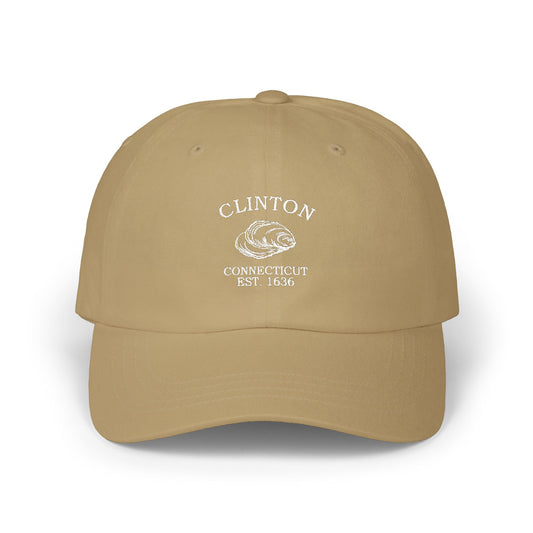
Clinton Connecticut Vintage Retro Embroidered Cotton Cap - White Logo
Regular price $32.00 USDRegular price -
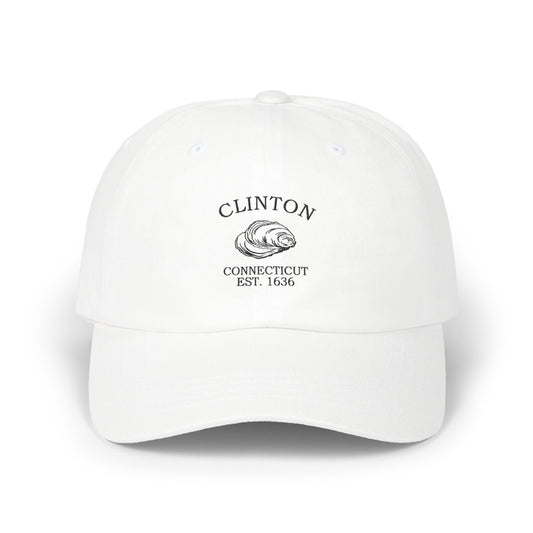
Clinton Connecticut Vintage Retro Embroidered Cotton Cap - Black Logo
Regular price $32.00 USDRegular price -
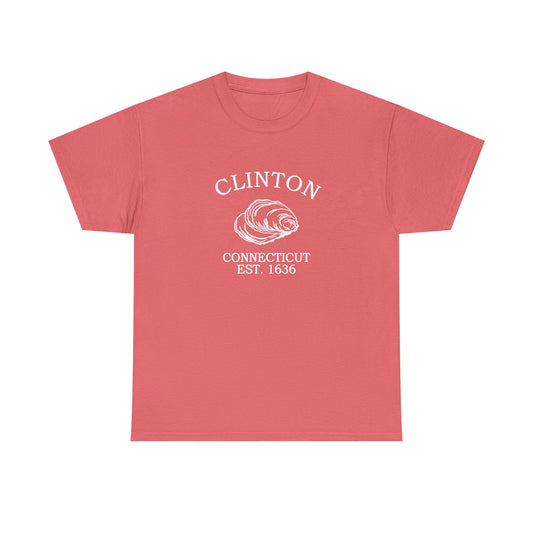
Clinton Connecticut Vintage Retro Unisex Heavy Cotton Tee - White Logo
Regular price $22.00 USDRegular price -
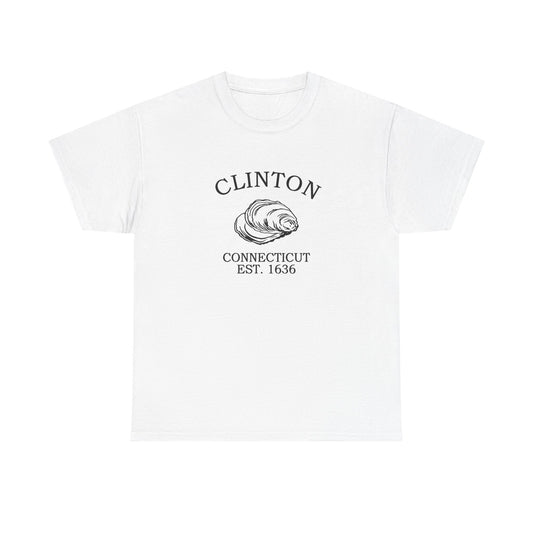
Clinton Connecticut Vintage Retro Unisex Heavy Cotton Tee - Black Logo
Regular price $22.00 USDRegular price -
Clinton Connecticut Vintage Retro Unisex Heavy Cotton Hoodie - White Logo
Regular price $56.00 USDRegular price -
Clinton Connecticut Vintage Retro Unisex Heavy Cotton Hoodie - Black Logo
Regular price $56.00 USDRegular price -
-
Clinton Connecticut Vintage Retro Womens Fitted Ringspun Cotton Tee - Black Logo
Regular price $28.00 USDRegular price -
Clinton Connecticut Vintage Retro Vinyl Sticker - Black Logo
Regular price From $6.00 USDRegular price -
Clinton Connecticut Vintage Retro Ceramic Mug - Black Logo
Regular price From $16.00 USDRegular price -
Clinton Connecticut Vintage Retro Cotton Canvas Tote Bag - White Logo
Regular price $25.00 USDRegular price -
Clinton Connecticut Vintage Retro Cotton Canvas Tote Bag - Black Logo
Regular price $25.00 USDRegular price -
Clinton Connecticut Vintage Retro Giclée Print Art Series Poster
Regular price From $38.00 USDRegular price -
Clinton Connecticut Vintage Retro Back Printed Art Series Cotton Tee - Black Logo
Regular price $32.00 USDRegular price -
Clinton Connecticut Vintage Retro Cotton Jersey Baby Bodysuit - Black Logo
Regular price $26.00 USDRegular price -
Clinton Connecticut Vintage Retro Unisex Embroidered Fleece Jacket - White Logo
Regular price $98.00 USDRegular price -
Clinton Connecticut Vintage Retro Thank You Card Set - Black Logo
Regular price From $25.00 USDRegular price -
Clinton Connecticut Vintage Retro Unisex Cotton Jersey Tank Top - Black Logo
Regular price $28.00 USDRegular price -
Clinton Connecticut Vintage Retro Unisex Cotton Jersey Tank Top - White Logo
Regular price $28.00 USDRegular price -
Clinton Connecticut Vintage Retro Unisex Heavy Crewneck Sweatshirt - Black Logo
Regular price $44.00 USDRegular price -
Clinton Connecticut Vintage Retro Unisex Heavy Crewneck Sweatshirt - White Logo
Regular price $44.00 USDRegular price -
Clinton Connecticut Vintage Retro Unisex Embroidered Cotton Polo - Black Logo
Regular price $48.00 USDRegular price