


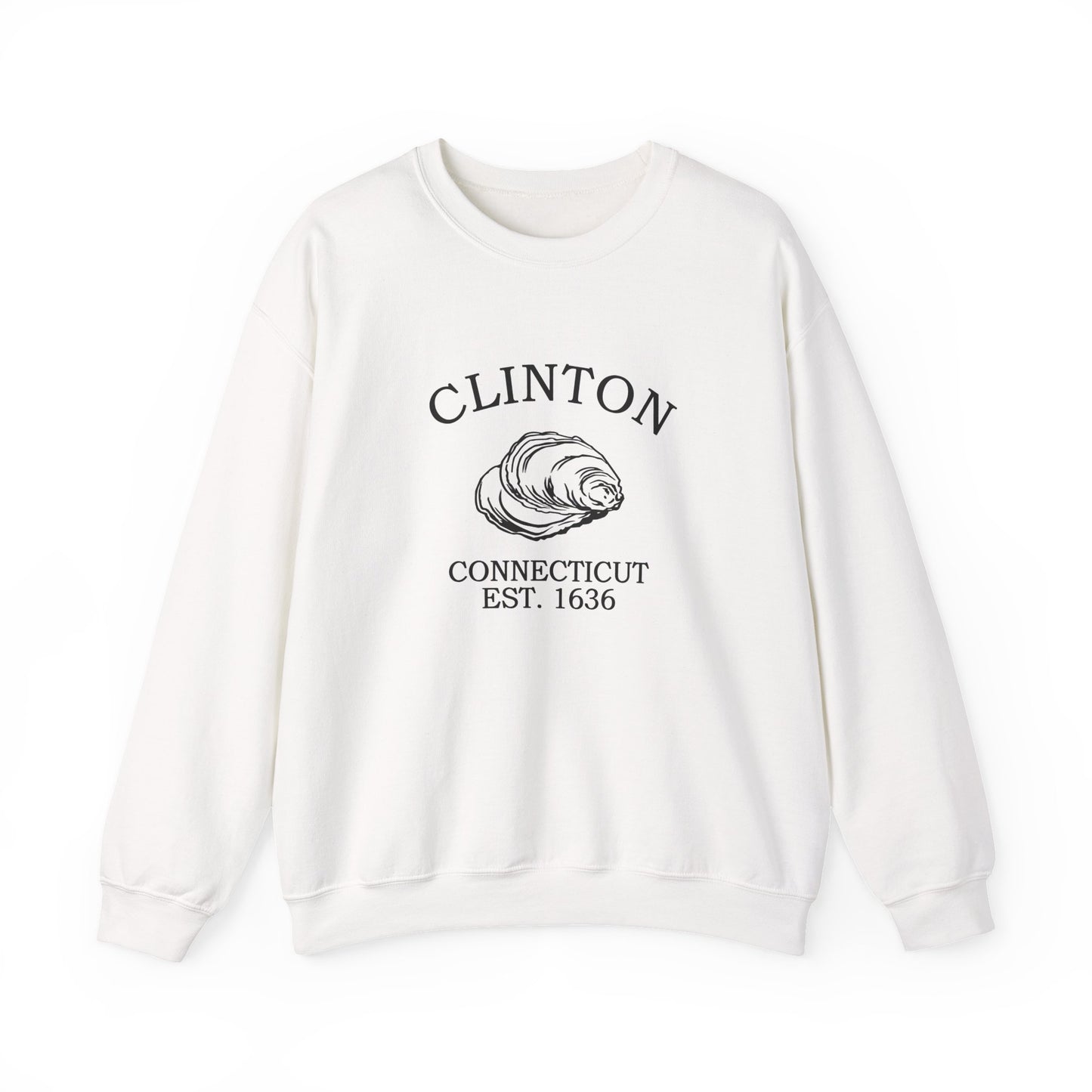
The Collegiate School's founding here was no accident of geography: its first rector, the Reverend Abraham Pierson, was the town's own minister, and for the school's first years the whole college was wherever Pierson happened to be teaching — his parsonage, in what is now Clinton. He died in 1707 and lies here still; the school moved to Saybrook in 1716 and then to New Haven, taking the name Yale College in 1718 for its benefactor Elihu Yale. Clinton kept the beginning: Pierson's bronze statue stands on East Main Street, and the elementary school around the corner carries his name. For its first fifteen years the college had no campus at all — Yale's oldest classroom, Clinton likes to say, was a minister's front room.
The town took its modern name in the same era of ambition. Incorporated in 1838, separating at last from inland Killingworth, the shoreline parish named itself for DeWitt Clinton — the New York governor whose Erie Canal had just remade American commerce and inspired town names across the young country. The new Clinton carried its shipbuilding, fishing, and oystering trades through the 1800s as the Connecticut shoreline's quiet middle: never a city, never asleep.
Why People Visit Clinton
Clinton offers the Connecticut shoreline at its most relaxed — a real harbor town with beaches, marinas, and a colonial Main Street, plus the surprising distinction of being where Yale began. Visitors come for the water, the history, and the easy shoreline pace, and stay for the beaches, the harbor, and the oysters.
