


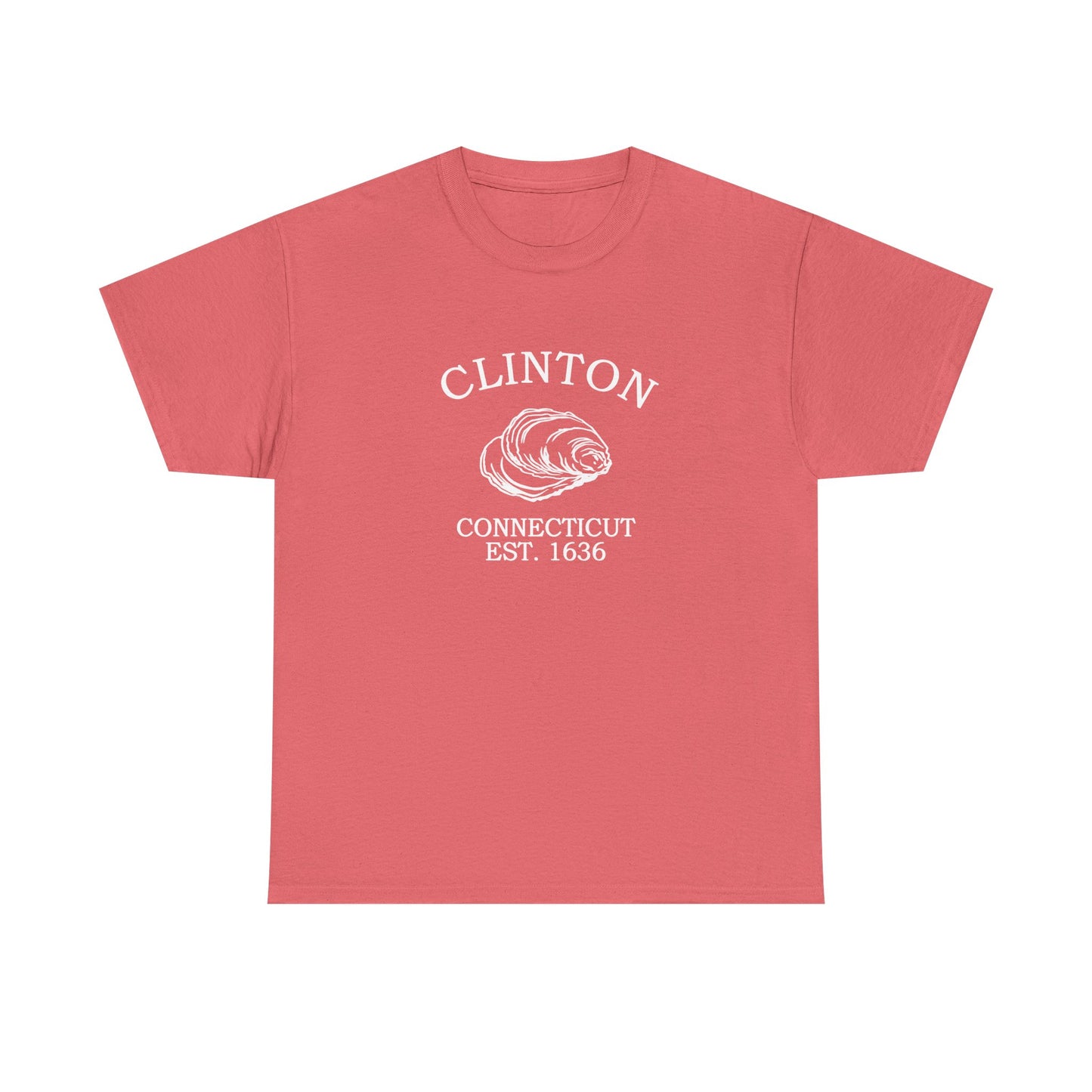
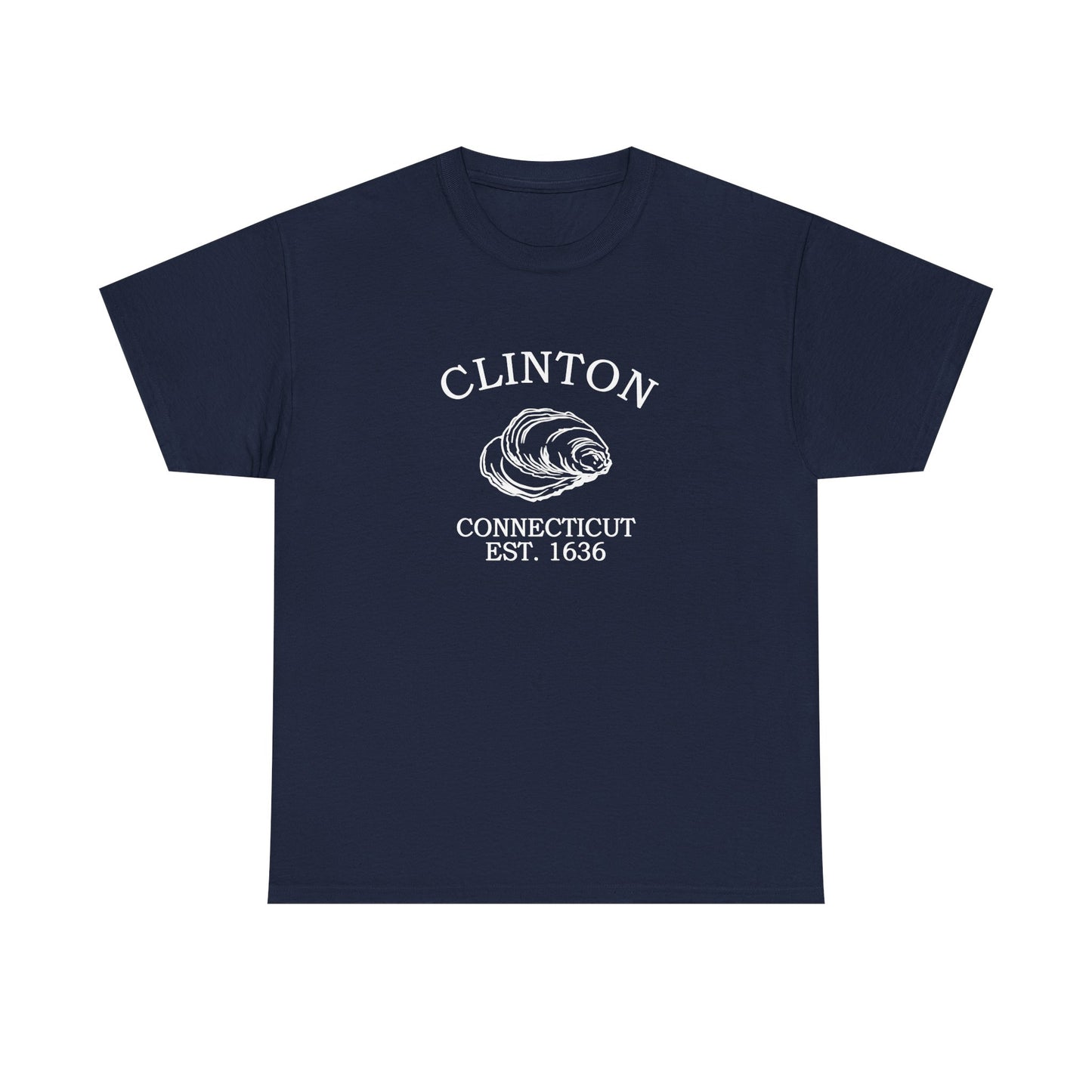
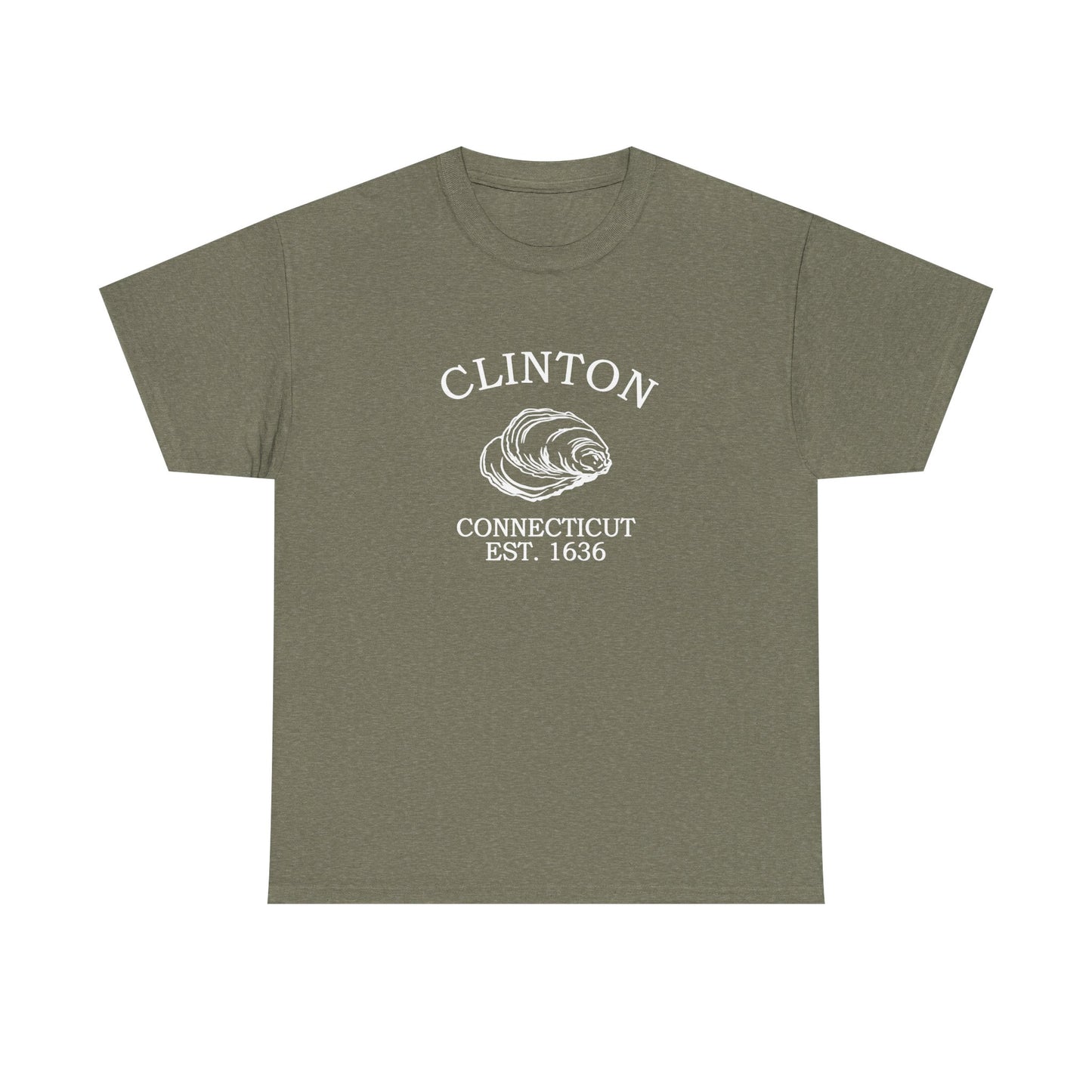
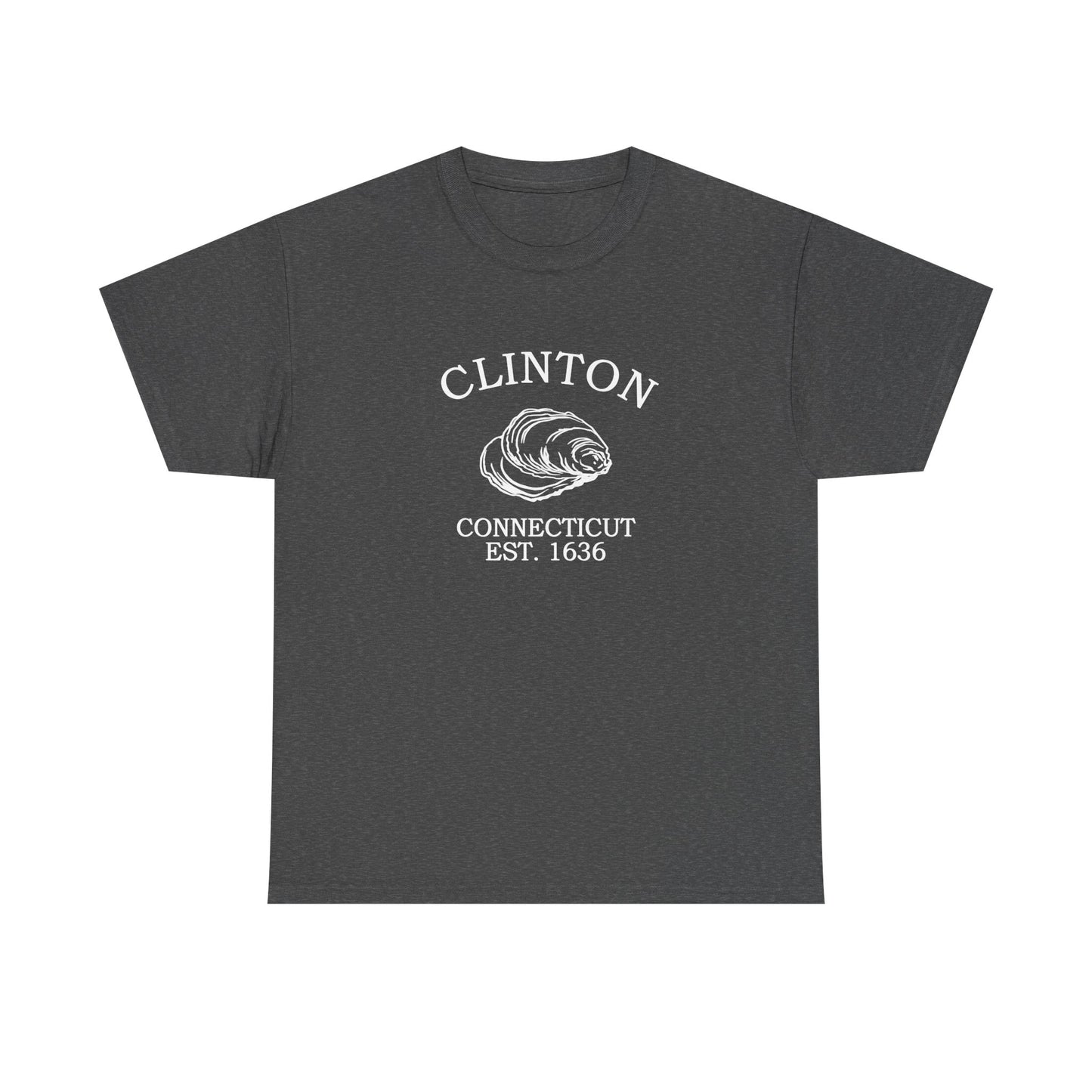
The town took its modern name in the nineteenth century. Incorporated and renamed Clinton in 1838 in honor of DeWitt Clinton — the New York governor whose Erie Canal had just remade American commerce — it carried its shipbuilding, fishing, and oystering trades through the 1800s, when the Connecticut shoreline was dotted with busy little maritime villages much like it. The town was hardly alone in the choice; the canal-builder's name was attached to towns across the young country in those years. Main Street filled in with shops, churches, and the comfortable houses of sea captains and tradesmen, and the rhythm of the harbor set the pace of the whole community, season after season.
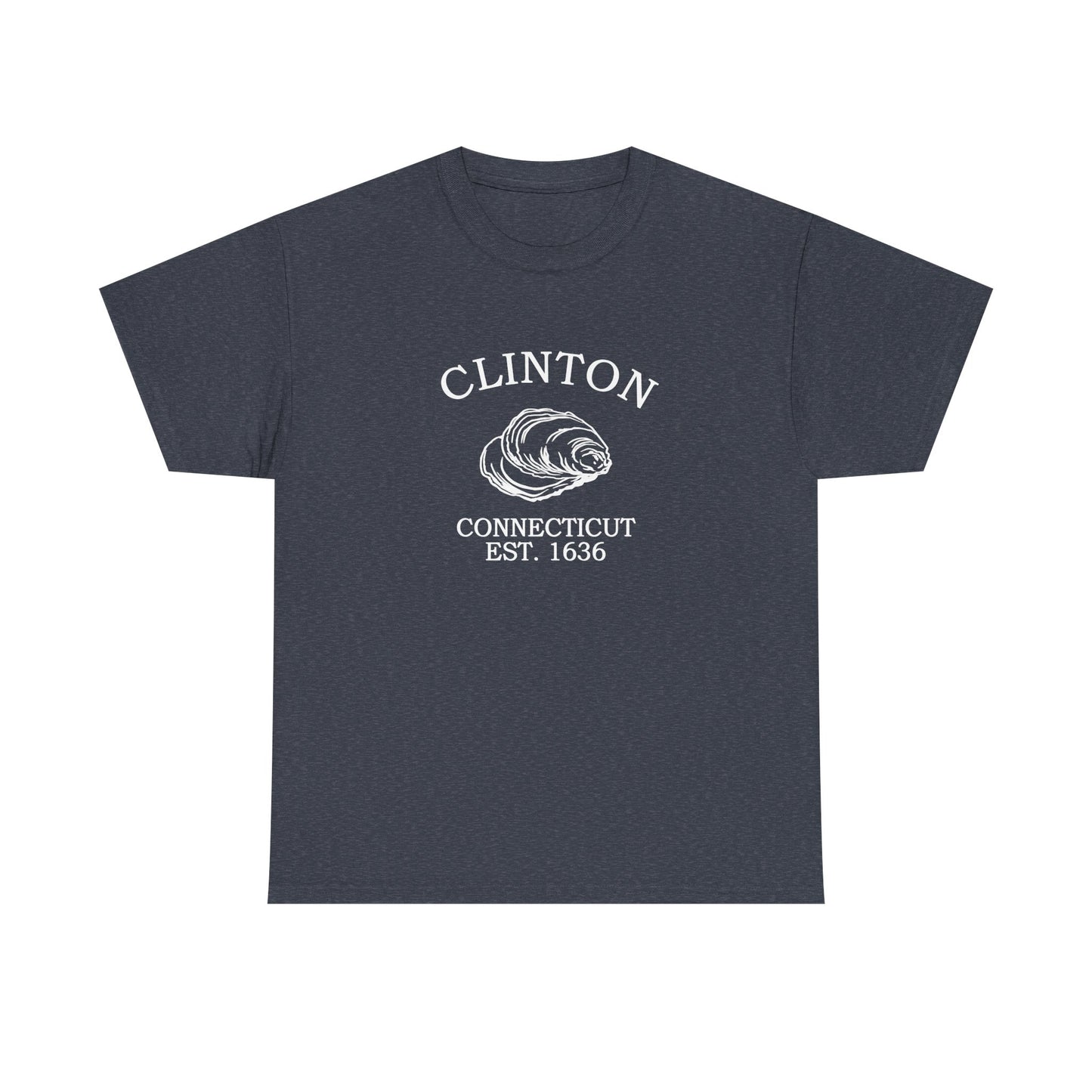
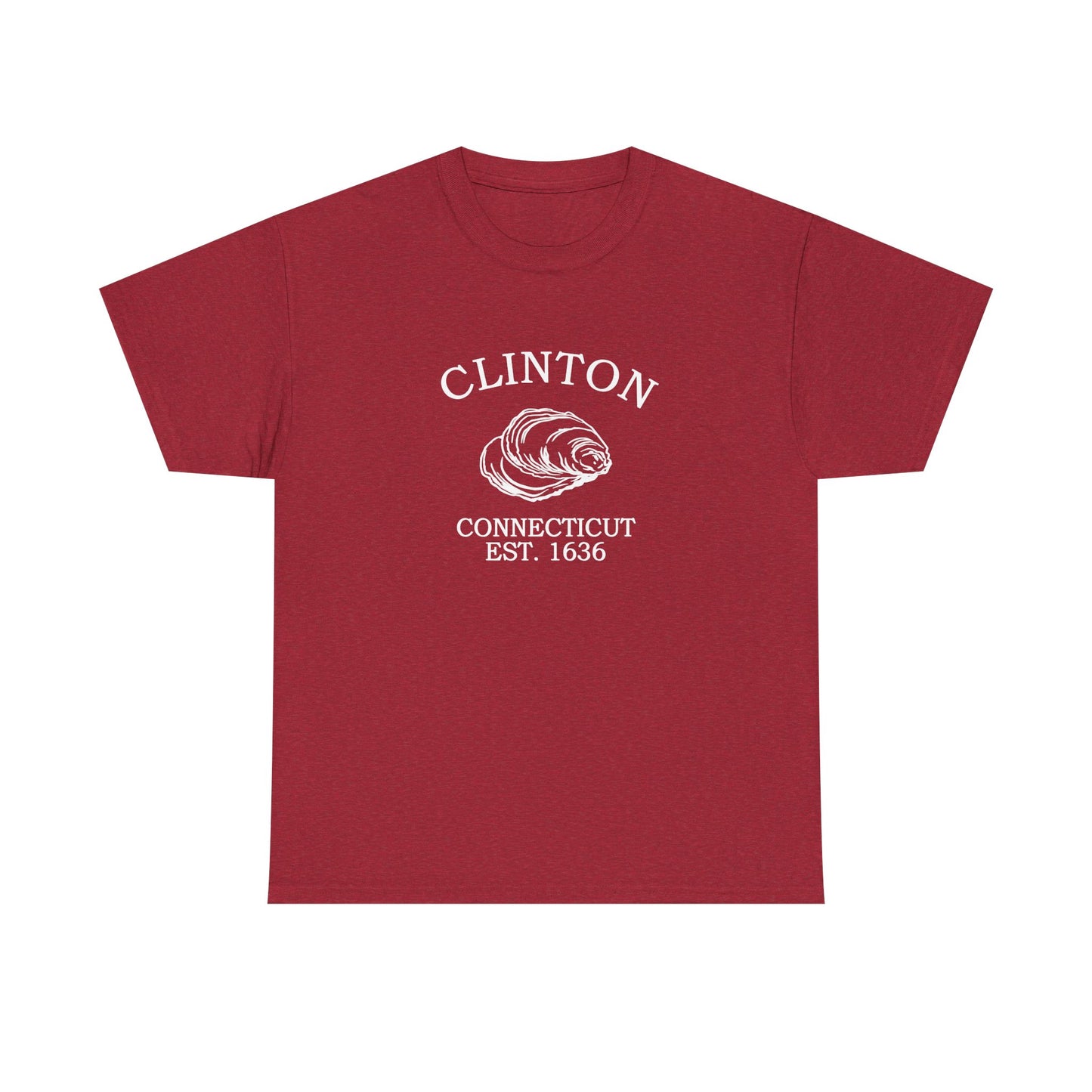
Today Clinton is a Connecticut shoreline town that wears its history lightly but proudly — an oystering harbor, a colonial Main Street, and the surprising birthplace of Yale, all on the same quiet stretch of the Sound. Its story runs from a Native fishing ground through a colonial harbor and a shipbuilding village to the relaxed shoreline community it is now. Our Clinton designs gather that identity into wearable form — the oyster-and-1636 emblem, the harbor, and the Sound. Clinton, Connecticut: oysters, history, and the shoreline.
Why People Visit Clinton
Clinton offers the Connecticut shoreline at its most relaxed — a real harbor town with beaches, marinas, and a colonial Main Street, plus the surprising distinction of being where Yale began. Visitors come for the water, the history, and the easy shoreline pace, and stay for the beaches, the harbor, and the small-town New England feel. From the Town Dock to the Town Green, it rewards an unhurried afternoon. It is briny, historic, and genuinely Connecticut.
