


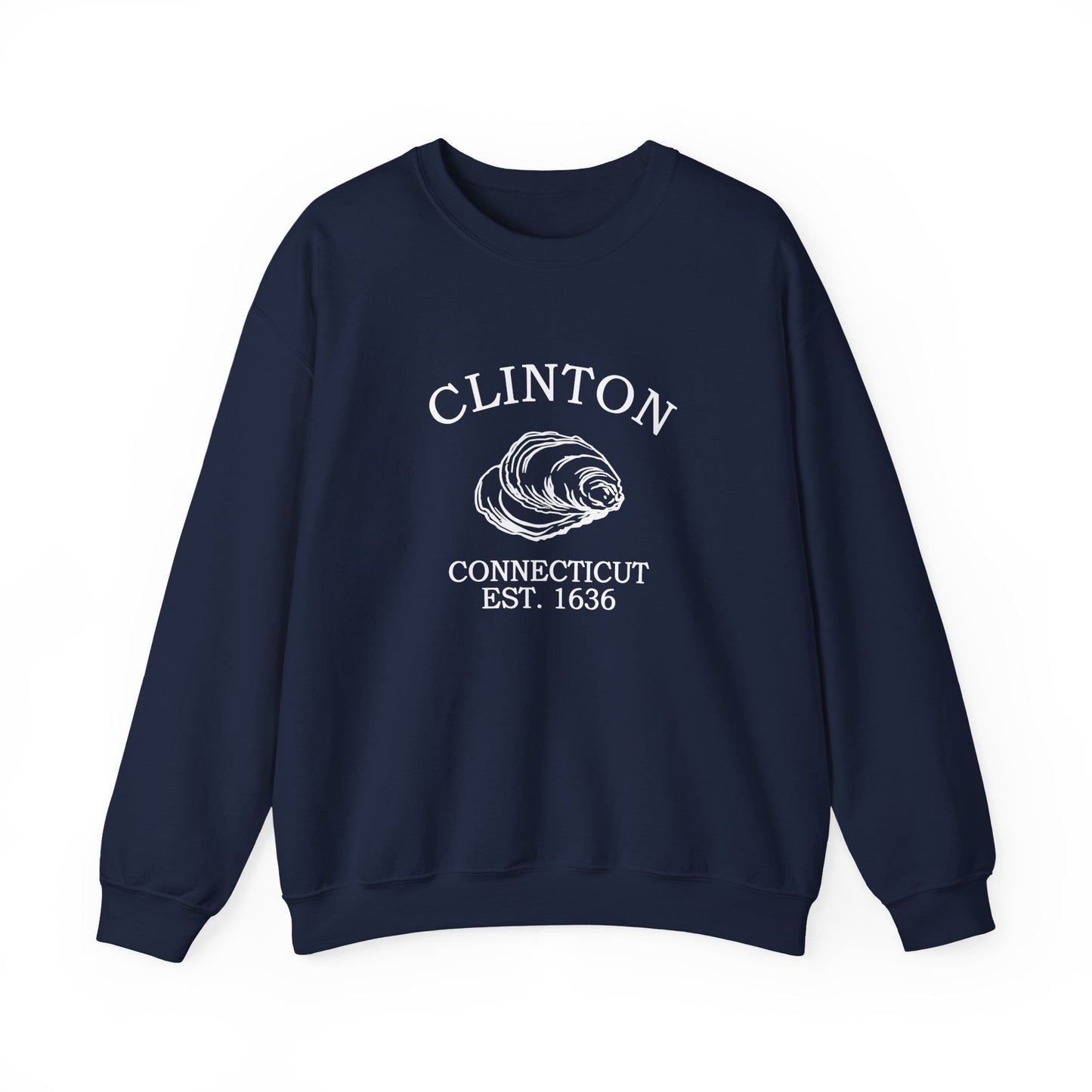
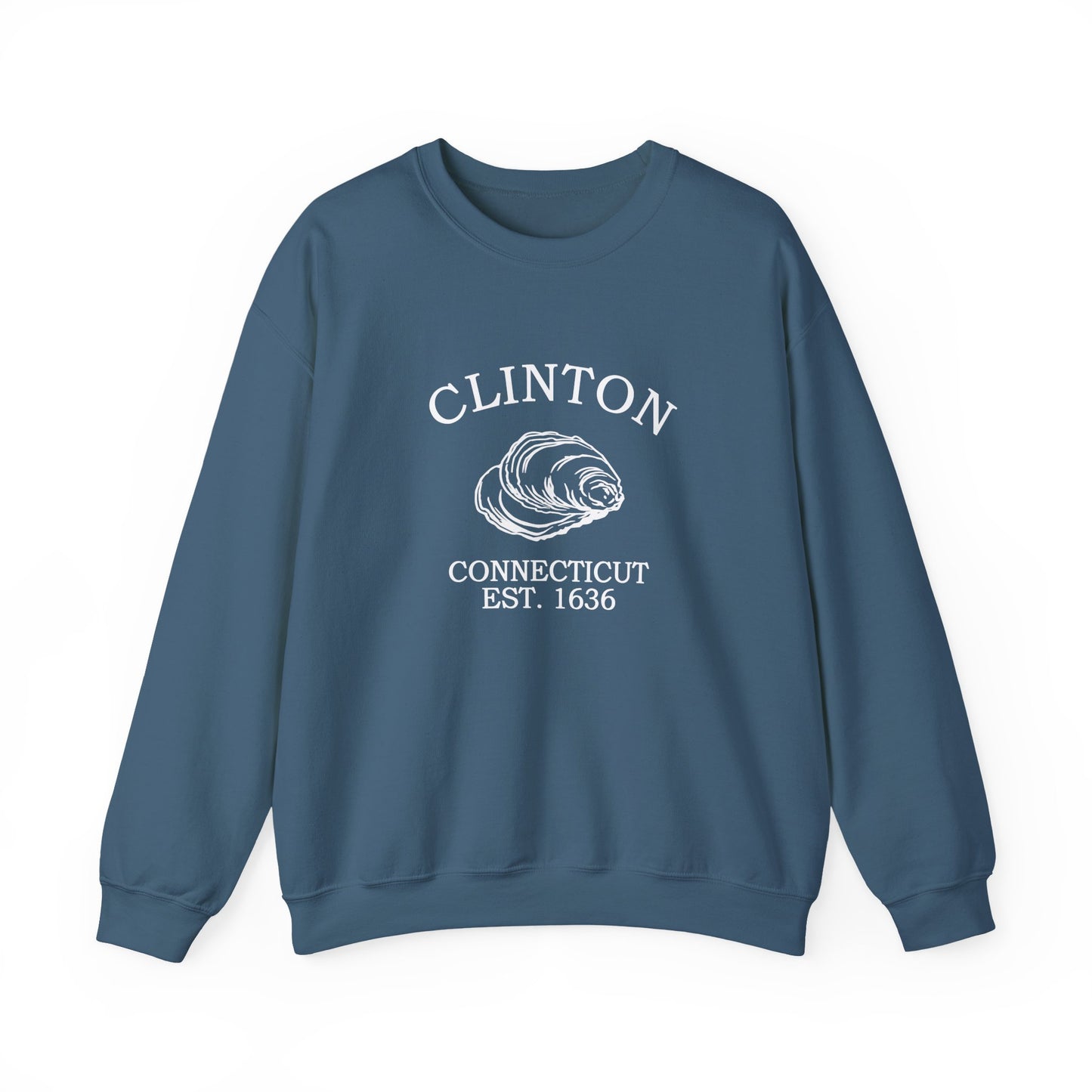
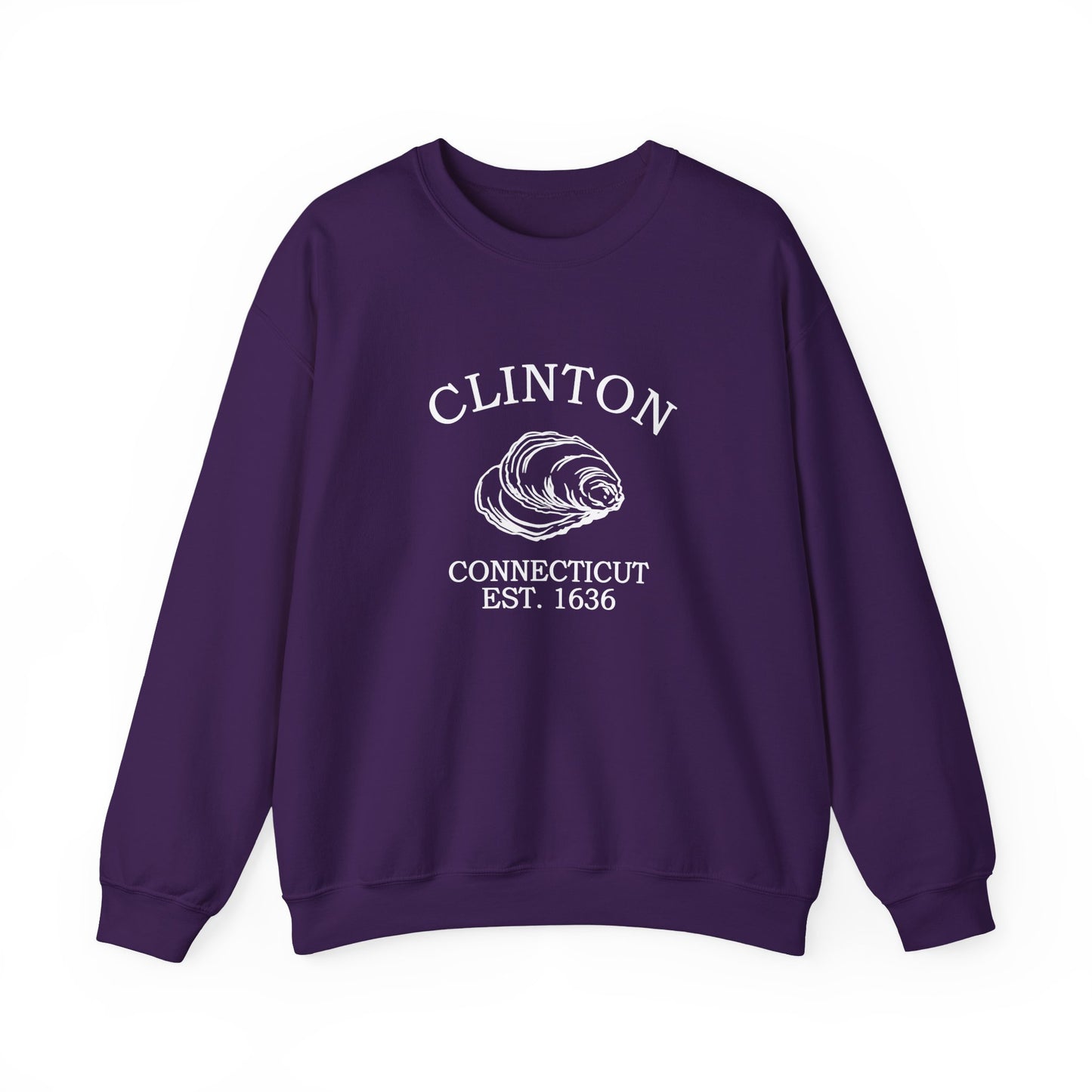
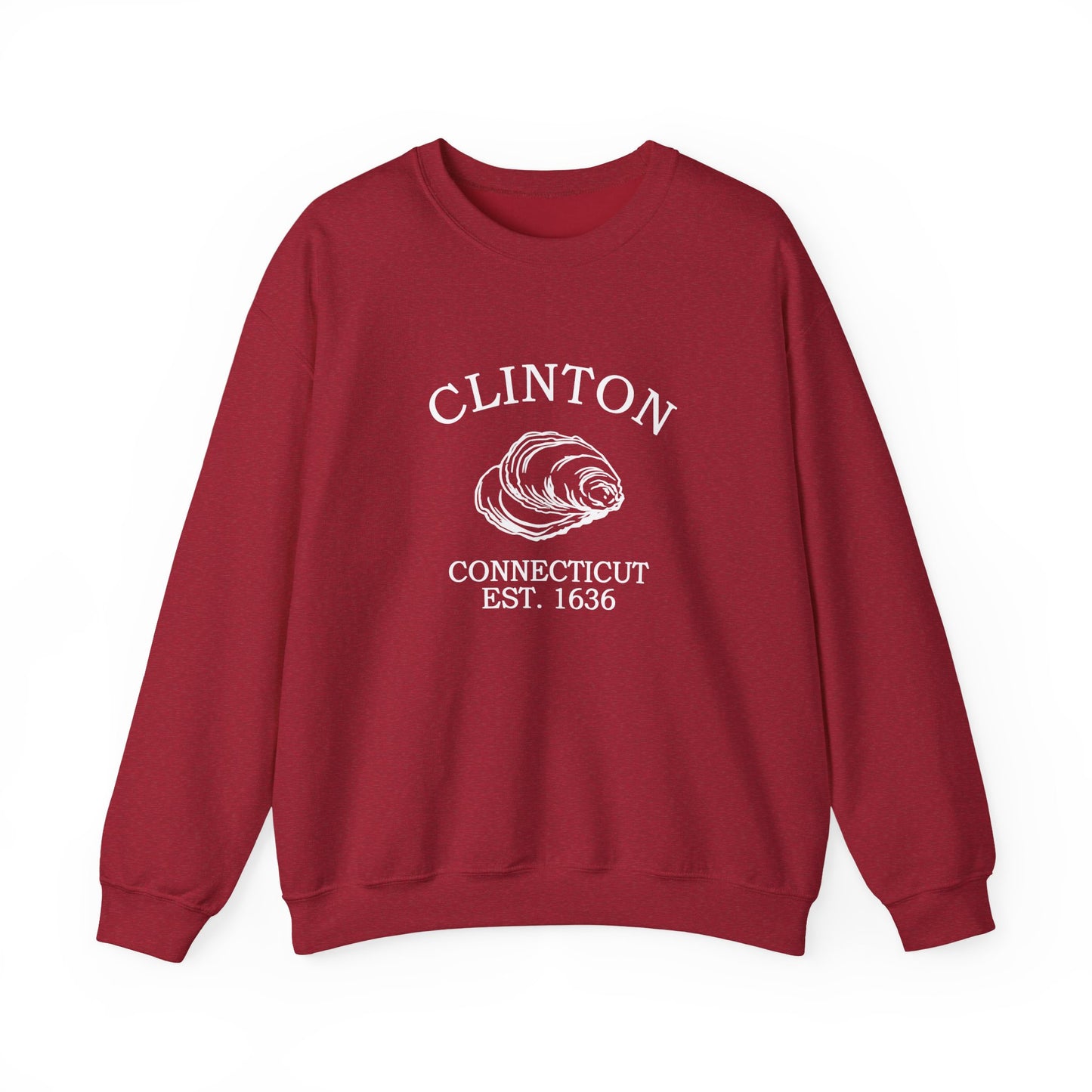
Our Clinton logo carries Connecticut's oyster above "Est. 1636," the founding era of the Connecticut Colony — the shared emblem of every Merlin Classics Connecticut shoreline place, printed in a worn black-and-white that recalls an old oyster-crate label. The oyster is the shoreline in shorthand: bounty pulled from the Sound, patience, and salt. What makes this one Clinton is everything around it — the parsonage where Yale began, the harbor that raised a shipping king, and the green where the militia drilled.
The harbor also launched the town's greatest fortune. Charles Morgan, born on East Main Street in 1795 to a shipowning family, left for New York at fourteen and built an empire remembered as the beginning of American coastal shipping — the first scheduled steamship line from New Orleans to Galveston, routes to Corpus Christi and Havana, iron works on the East River, railroads across Louisiana and Texas, and a running rivalry with Cornelius Vanderbilt himself. Morgan City, Louisiana wears his name. So does the gift he sent home: in 1871 he built Clinton a high school, endowed its upkeep, and the Morgan School — his statue out front — still graduates the town's seniors today.
Why People Visit Clinton
Clinton offers the Connecticut shoreline at its most relaxed — a real harbor town with beaches, marinas, and a colonial Main Street, plus the surprising distinction of being where Yale began. Visitors come for the water, the history, and the easy shoreline pace, and stay for the beaches, the harbor, and the oysters.
