See our pressroom for recent national press. Items below are shown in single size/color — see also black logo and white logo options. Enjoy!
-
St Augustine Florida Vintage Retro Vinyl Sticker - Black Logo
Regular price From $6.00 USDRegular price -
St Augustine Florida Vintage Retro Ceramic Mug - Black Logo
Regular price From $16.00 USDRegular price -
St Augustine Florida Vintage Retro Unisex Heavy Cotton Tee - Black Logo
Regular price $22.00 USDRegular price -
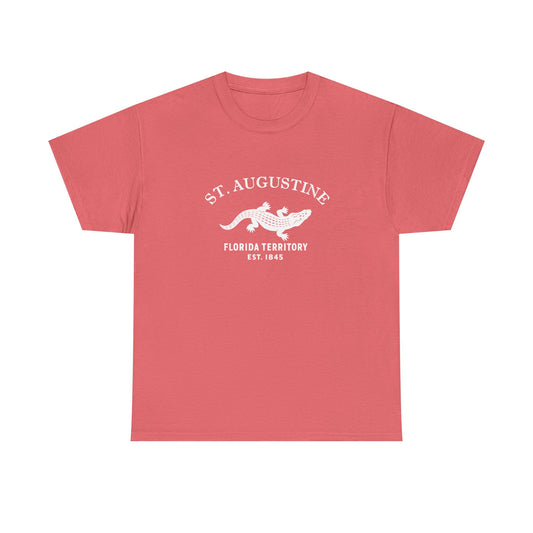
St Augustine Florida Vintage Retro Unisex Heavy Cotton Tee - White Logo
Regular price $22.00 USDRegular price -
St Augustine Florida Vintage Retro Cotton Canvas Tote Bag - Black Logo
Regular price $25.00 USDRegular price -
St Augustine Florida Vintage Retro Cotton Canvas Tote Bag - White Logo
Regular price $25.00 USDRegular price -
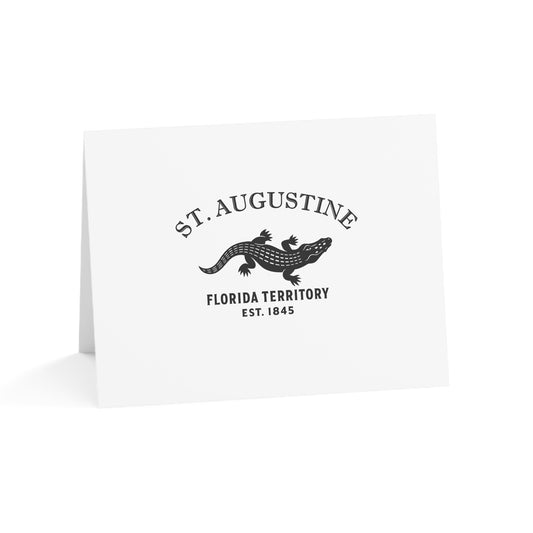
St Augustine Florida Vintage Retro Thank You Card Set - Black Logo
Regular price From $25.00 USDRegular price -
St Augustine Florida Vintage Retro Cotton Jersey Baby Bodysuit - Black Logo
Regular price $26.00 USDRegular price -
-
St Augustine Florida Vintage Retro Unisex Cotton Jersey Tank Top - Black Logo
Regular price $28.00 USDRegular price -
St Augustine Florida Vintage Retro Unisex Cotton Jersey Tank Top - White Logo
Regular price $28.00 USDRegular price -
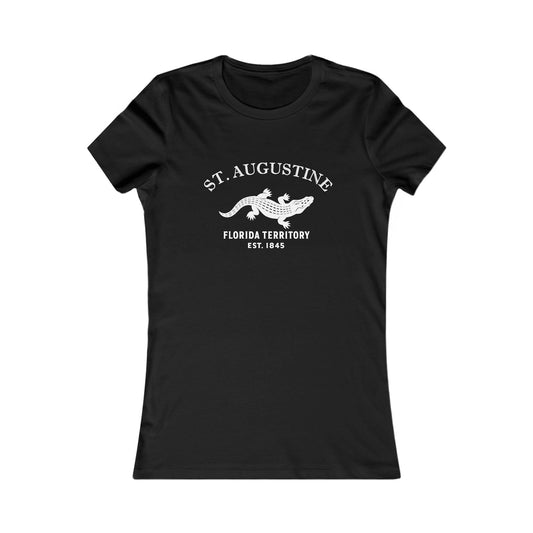
St Augustine Florida Vintage Retro Womens Fitted Ringspun Cotton Tee - Black Logo
Regular price $28.00 USDRegular price -
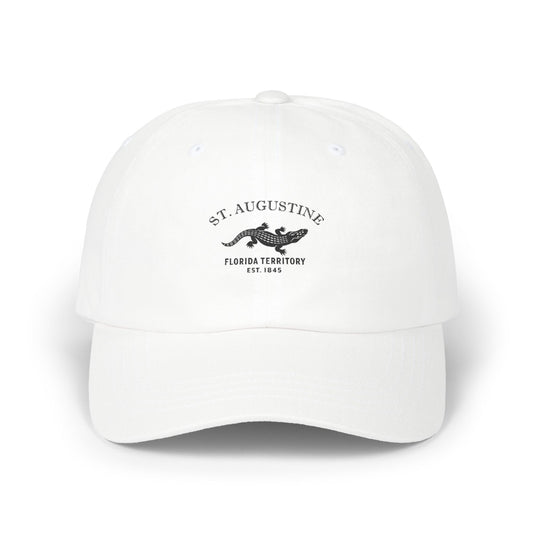
St Augustine Florida Vintage Retro Embroidered Cotton Cap - Black Logo
Regular price $32.00 USDRegular price -
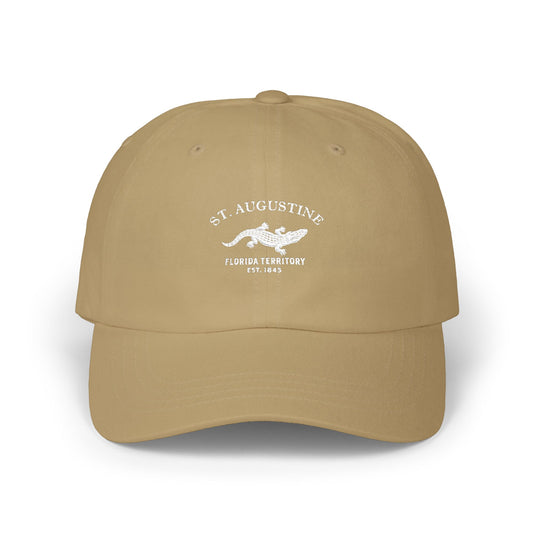
St Augustine Florida Vintage Retro Embroidered Cotton Cap - White Logo
Regular price $32.00 USDRegular price -
St Augustine Florida Vintage Retro Back Printed Art Series Cotton Tee - Black Logo
Regular price $32.00 USDRegular price -
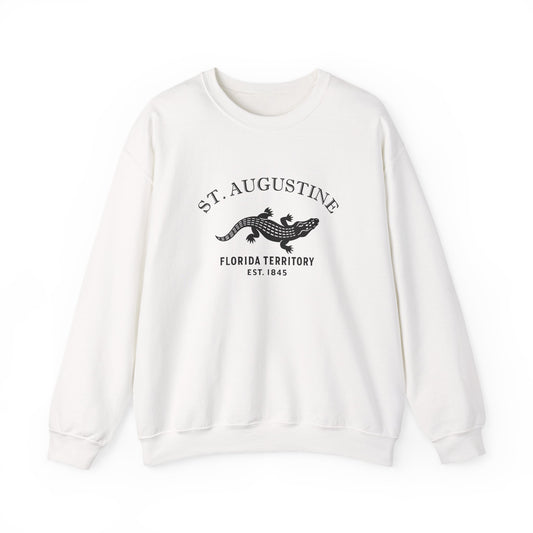
St Augustine Florida Vintage Retro Unisex Heavy Crewneck Sweatshirt - White Logo
Regular price $38.00 USDRegular price -
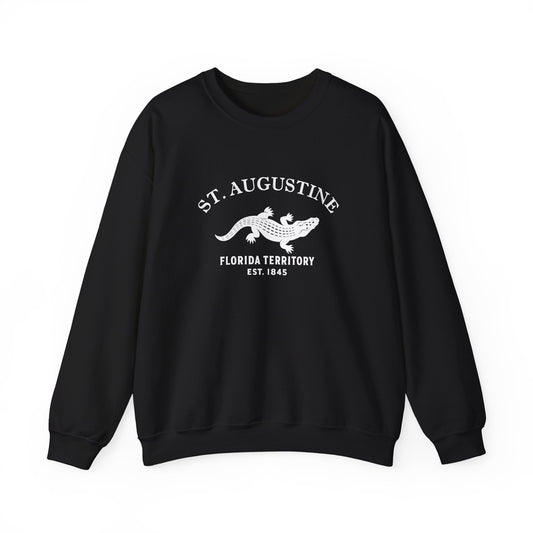
St Augustine Florida Vintage Retro Unisex Heavy Crewneck Sweatshirt - Black Logo
Regular price $38.00 USDRegular price -
St Augustine Florida Vintage Retro Giclée Print Art Series Poster
Regular price From $38.00 USDRegular price -
St Augustine Florida Vintage Retro Unisex Heavy Cotton Hoodie - White Logo
Regular price $48.00 USDRegular price -
St Augustine Florida Vintage Retro Unisex Embroidered Cotton Polo - Black Logo
Regular price $48.00 USDRegular price -
St Augustine Florida Vintage Retro Unisex Heavy Cotton Hoodie - Black Logo
Regular price $48.00 USDRegular price -
St Augustine Florida Vintage Retro Unisex Embroidered Fleece Jacket - White Logo
Regular price $98.00 USDRegular price














St Augustine Florida — Retro Vintage History
St. Augustine was founded in 1565 by Spanish explorers, making it the oldest continuously occupied European settlement in the United States. Indigenous Timucua people lived here long before colonists arrived, farming and fishing along the coast. Spanish settlers built forts, missions, and homes, enduring storms, sieges, and raids. Its founding identity reflects both Native continuity and colonial endurance. St. Augustine’s origins highlight Florida’s duality: Indigenous heritage and European ambition. Its early years emphasized resilience, cultural pride, and continuity, creating a layered story of survival, adaptation, and heritage that still defines its historic character today.

Over centuries, St. Augustine changed hands between Spain, Britain, and the U.S., each leaving its mark. By the nineteenth century, it became a tourist retreat, attracting northern visitors. In the 1950s and 1960s, suburban neighborhoods expanded, while historic preservation gained strength. The 400th anniversary in 1965 renewed pride. Its timeline reflects Florida’s adaptability: colonial fortress evolving into suburban hub. Mid-century decades emphasized cultural festivals, suburban optimism, and resilience. St. Augustine’s growth blended tradition and modernity, ensuring its layered identity survived. It became a cultural anchor, balancing preservation of the past with suburban optimism and progress.
St. Augustine’s lore includes pirate treasure myths, ghost stories in colonial streets, and tales of hurricanes testing resilience. Families recall parades, fairs, and football games in the 1950s. Residents remembered heritage tourism shaping identity, while suburban neighborhoods expanded. Lore reflects both myth and memory, emphasizing endurance, pride, and authenticity. St. Augustine’s stories highlight its dual identity: historic colonial city and modern suburban town. Myths and facts alike illustrate resilience, ensuring traditions remained central. Its lore reflects Florida’s broader narrative of cultural endurance, showing how heritage and optimism shaped identity across centuries of challenge and change.
Our St. Augustine retro logo uses Florida’s alligator motif, symbolizing toughness, resilience, and endurance. The alligator reflects Florida’s wild environment and the toughness required to survive centuries of storms and sieges. “1845” ties the motif to Florida’s statehood. Its black-and-white styling is retro, resembling crate stamps or woodcut prints. The motif bridges St. Augustine’s dual identity: colonial fortress town and suburban hub. On merchandise, it conveys toughness, authenticity, and pride, retro vintage in tone. The alligator emblem honors St. Augustine’s layered identity, making it a vintage symbol of Florida resilience. Retro in style, it reflects endurance and heritage.
Today St. Augustine is celebrated as a historic landmark and suburban community, proud of its heritage. Its story reflects Indigenous presence, colonial resilience, and suburban optimism. Our St. Augustine designs capture this layered identity, pairing the alligator motif with vintage styling. They invite you to explore the St. Augustine collection and carry forward a reminder of Florida’s resilience. Retro in tone, the logo reflects toughness and authenticity. St. Augustine’s emblem honors both history and modern growth, making it a vintage symbol of Florida identity. Explore the collection and share in St. Augustine’s story of pride.
Explore St Augustine Florida Offerings

St Augustine Florida — Travel Guide
Visiting St Augustine Florida Today
St Augustine offers centuries of masonry forts, lighthouse climbs, and Spanish revival courtyards. Pedestrian streets and nearby beaches keep days balanced between history and sea air.
Museums, Parks, and History in St Augustine Florida
For visitors searching for things to do in St Augustine Florida:
- Tour the Castillo, coquina walls, bastions, and views across Matanzas Bay.
- Climb the lighthouse, sweeping coastal panoramas and maritime exhibits.
- See Ponce Hall at Flagler College, grand interiors and courtyard arcades.
- Walk St George Street, car free blocks lined with museums and small shops.
- Relax on Vilano Beach, broad sands a short drive over the bridge.
Why People Visit St Augustine Florida
St Augustine brings layers of American stories into a compact, walkable city. Visitors enjoy fortress overlooks, leafy courtyards, and ocean breezes. It is historic, scenic, and welcoming. Travelers find year round appeal in parks, paths, and public spaces. The setting combines natural beauty with accessible neighborhoods and landmarks. History and everyday culture sit side by side in a welcoming way.
Explore St Augustine Florida Offerings

For more in depth history research in St Augustine, Florida it may be useful to reach out to (1) the St Augustine historical society, (2) the St Augustine public library local history room, (3) the Florida state archives or historical commission, (4) the St Augustine town or city clerk records office, and (5) the St Augustine preservation or conservation commission. For more travel information in St Augustine, Florida it may be useful to contact (1) the St Augustine chamber of commerce, (2) the St Augustine visitors bureau or tourist board, (3) the St Augustine parks and recreation department, (4) the Florida state park office, and (5) the St Augustine regional transportation or airport information desk.