Every design is set in hand-lettered vintage type for that old-school, crate-label look. One sample color shown — black and white logo options on every piece. Recently in the national press. Enjoy!
-
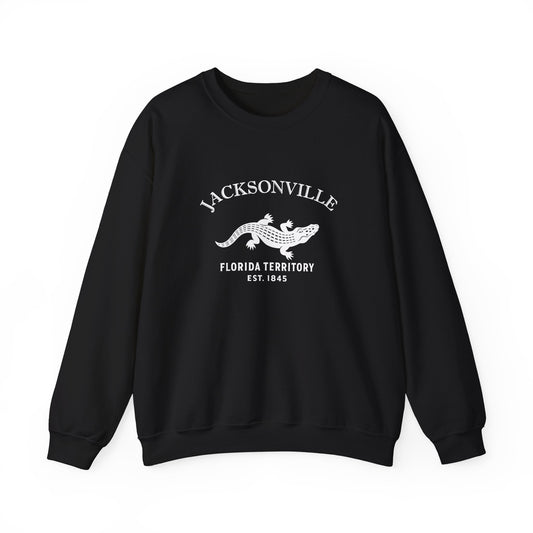
Jacksonville Florida Vintage Retro Premium Crewneck Sweatshirt - Black Logo
Regular price $48.00 USDRegular price -
Jacksonville Florida Vintage Retro Premium Crewneck Sweatshirt - White Logo
Regular price $48.00 USDRegular price -
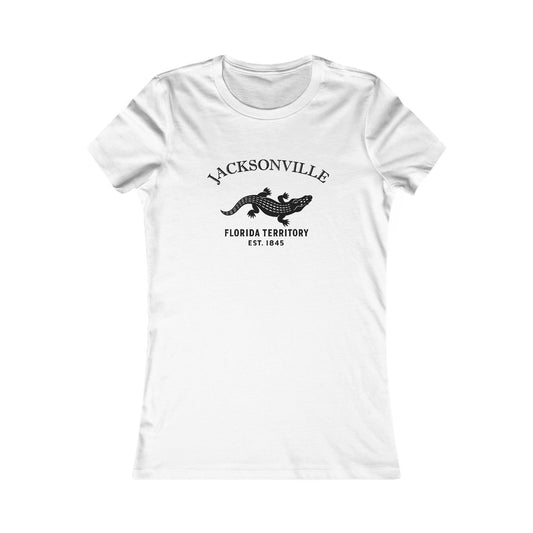
Jacksonville Florida Vintage Retro Womens Fitted Ringspun Cotton Tee - Black Logo
Regular price $28.00 USDRegular price -
-
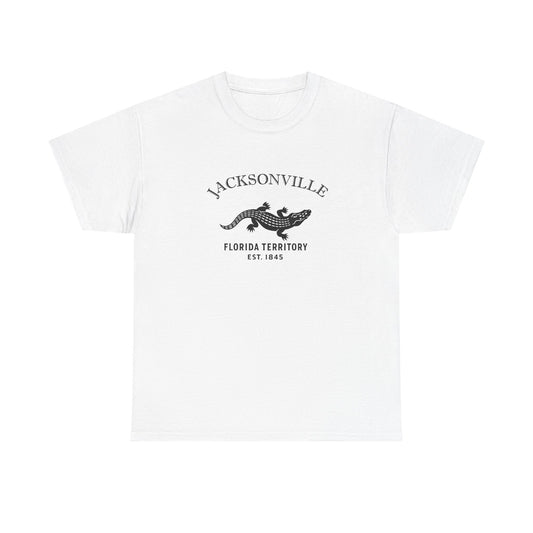
Jacksonville Florida Vintage Retro Unisex Heavy Cotton Tee - Black Logo
Regular price $22.00 USDRegular price -
Jacksonville Florida Vintage Retro Unisex Heavy Cotton Tee - White Logo
Regular price $22.00 USDRegular price -
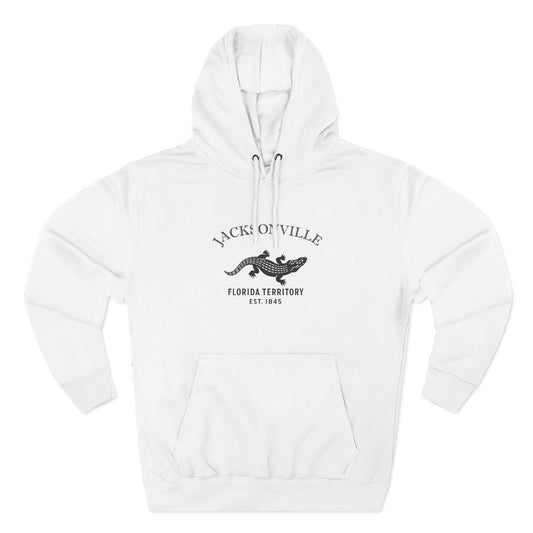
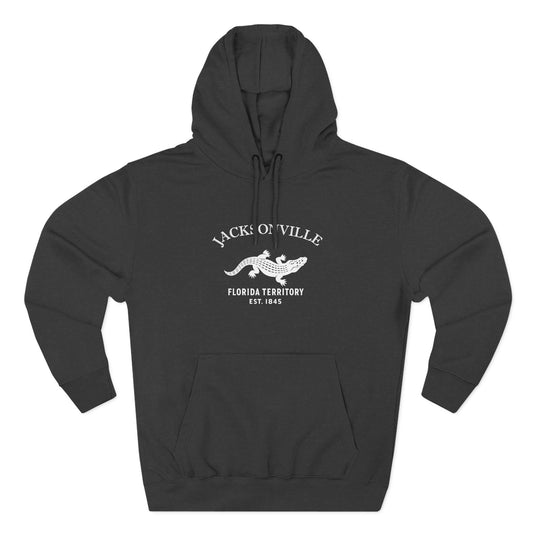
Jacksonville Florida Vintage Retro Unisex Heavy Cotton Hoodie - Black Logo
Regular price $56.00 USDRegular price -
Jacksonville Florida Vintage Retro Unisex Heavy Cotton Hoodie - White Logo
Regular price $56.00 USDRegular price -
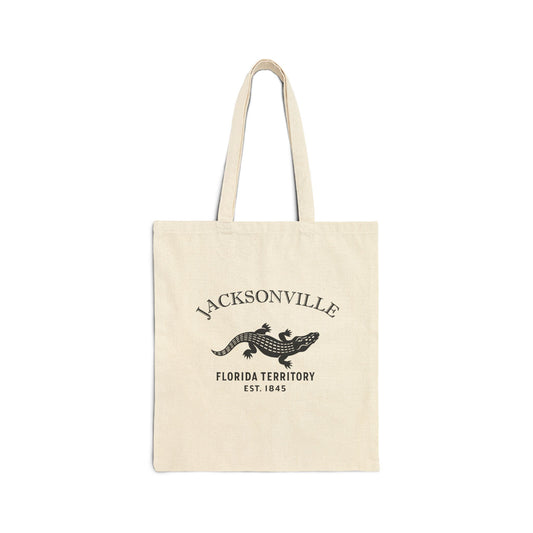
Jacksonville Florida Vintage Retro Cotton Canvas Tote Bag - Black Logo
Regular price $25.00 USDRegular price -
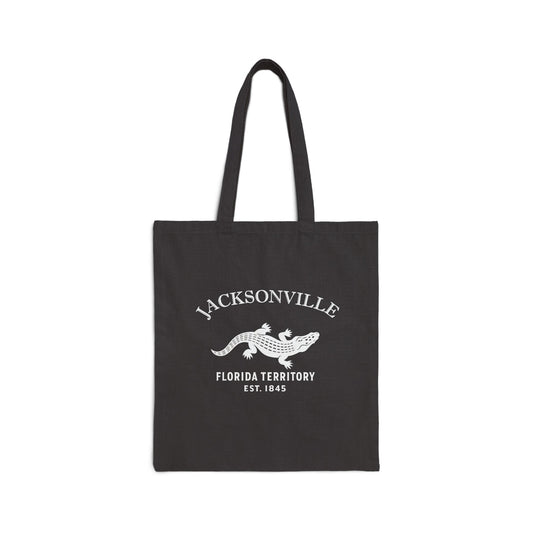
Jacksonville Florida Vintage Retro Cotton Canvas Tote Bag - White Logo
Regular price $25.00 USDRegular price -
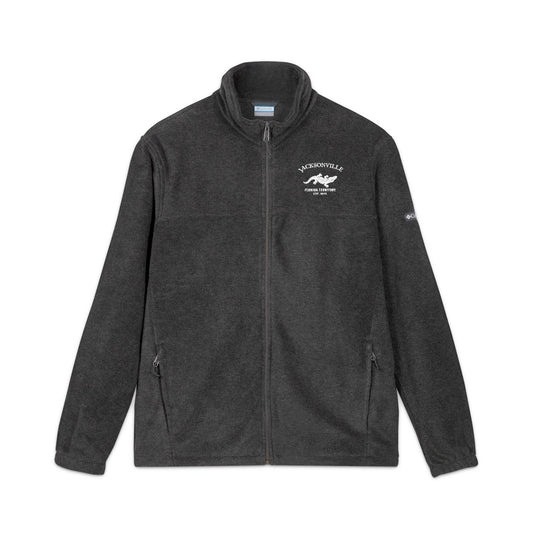
Jacksonville Florida Vintage Retro Unisex Embroidered Fleece Jacket - White Logo
Regular price $98.00 USDRegular price -
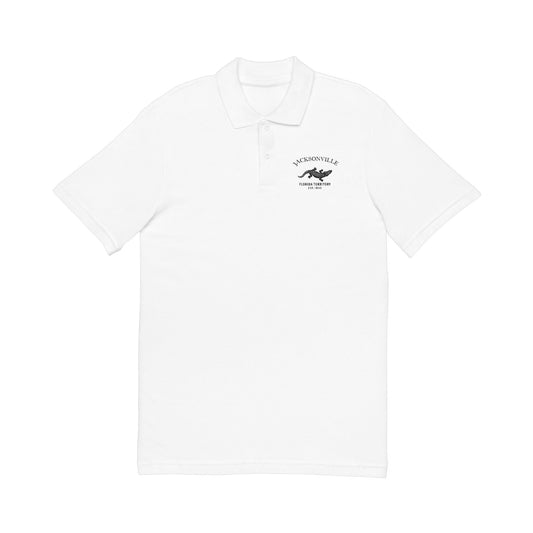
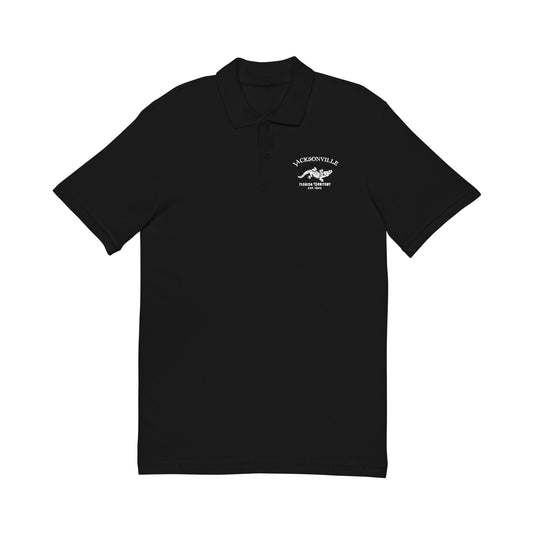
Jacksonville Florida Vintage Retro Unisex Embroidered Cotton Polo - Black Logo
Regular price $48.00 USDRegular price -
Jacksonville Florida Vintage Retro Embroidered Cotton Cap - Black Logo
Regular price $32.00 USDRegular price -
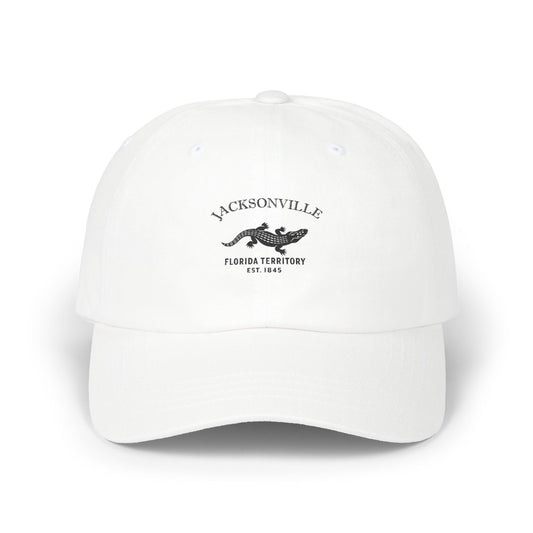
Jacksonville Florida Vintage Retro Embroidered Cotton Cap - White Logo
Regular price $32.00 USDRegular price -
Jacksonville Florida Vintage Retro Back Printed Art Series Cotton Tee - Black Logo
Regular price $32.00 USDRegular price -
Jacksonville Florida Vintage Retro Giclée Print Art Series Poster
Regular price From $38.00 USDRegular price -
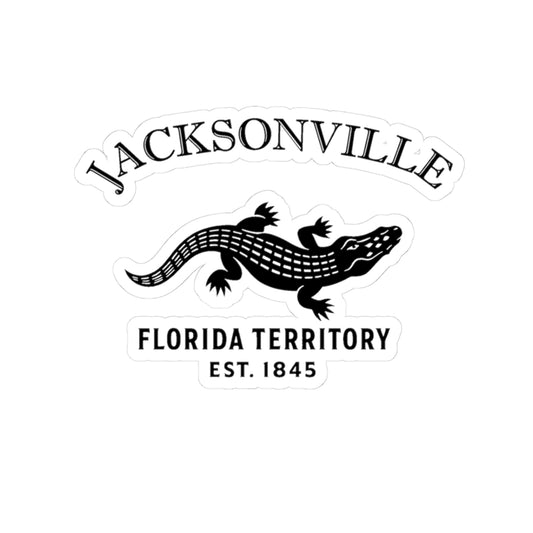
Jacksonville Florida Vintage Retro Vinyl Sticker - Black Logo
Regular price From $6.00 USDRegular price -
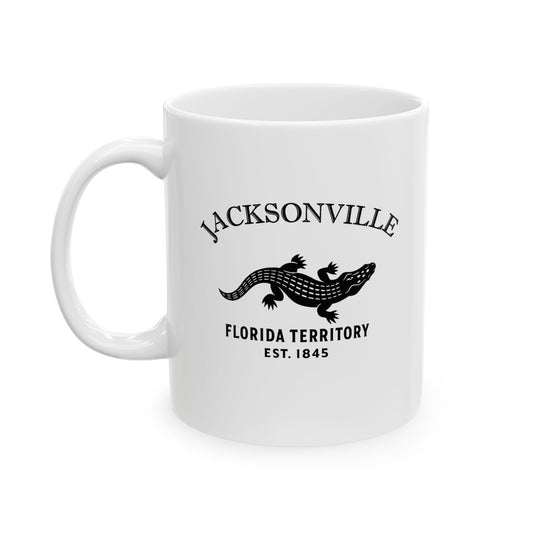
Jacksonville Florida Vintage Retro Ceramic Mug - Black Logo
Regular price From $16.00 USDRegular price -
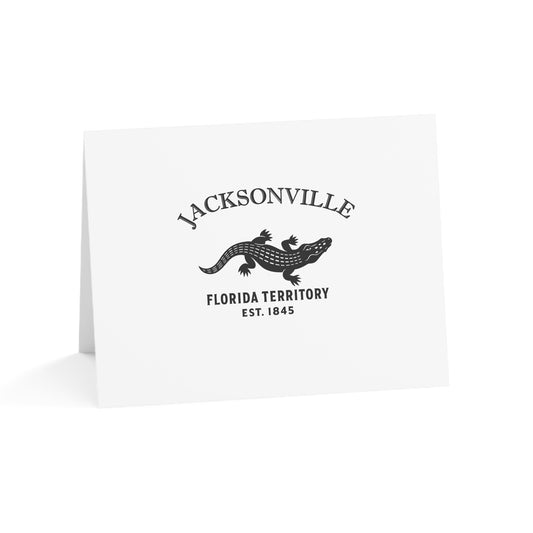
Jacksonville Florida Vintage Retro Thank You Card Set - Black Logo
Regular price From $25.00 USDRegular price -
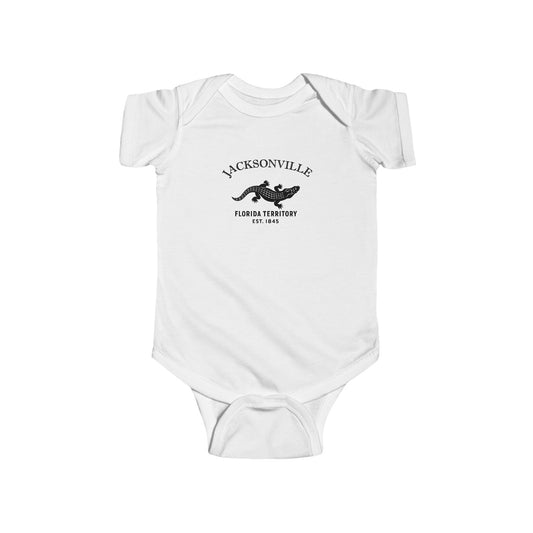
Jacksonville Florida Vintage Retro Cotton Jersey Baby Bodysuit - Black Logo
Regular price $26.00 USDRegular price -
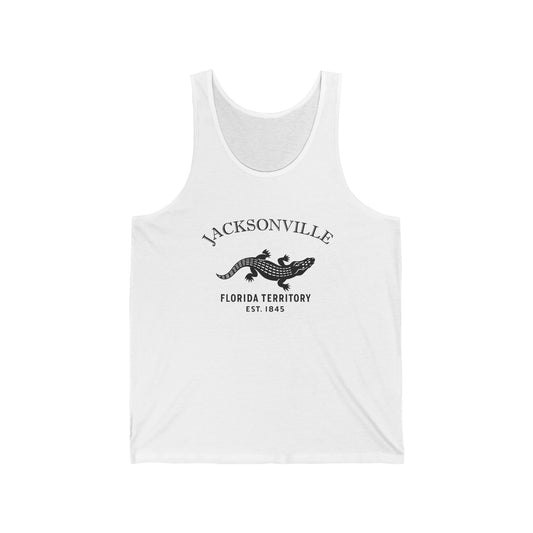
Jacksonville Florida Vintage Retro Unisex Cotton Jersey Tank Top - White Logo
Regular price $28.00 USDRegular price -
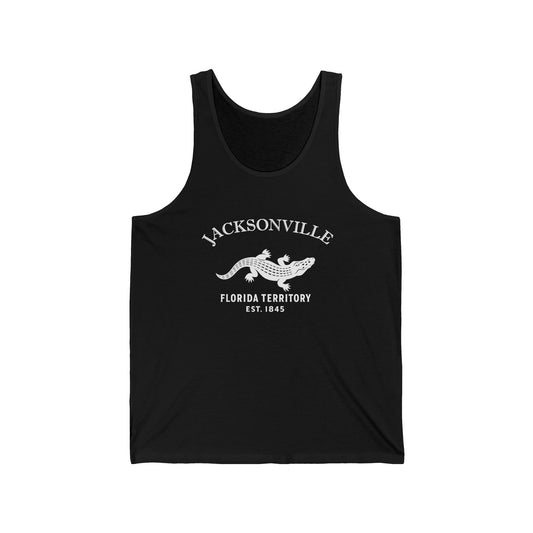
Jacksonville Florida Vintage Retro Unisex Cotton Jersey Tank Top - Black Logo
Regular price $28.00 USDRegular price -
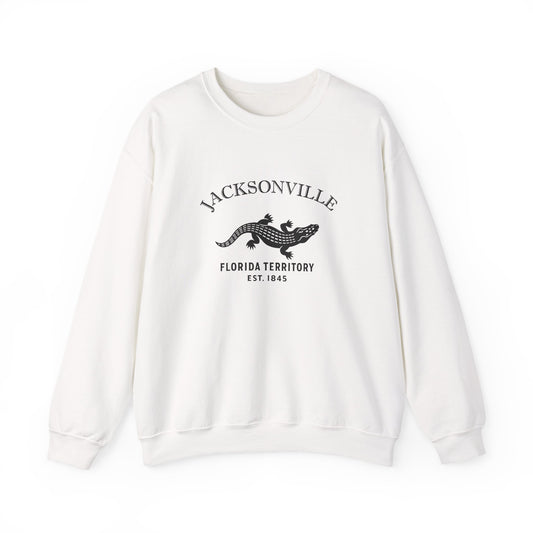
Jacksonville Florida Vintage Retro Unisex Heavy Crewneck Sweatshirt - Black Logo
Regular price $44.00 USDRegular price -
Jacksonville Florida Vintage Retro Unisex Heavy Crewneck Sweatshirt - White Logo
Regular price $44.00 USDRegular price





Jacksonville Florida — Retro Vintage History
What’s with the Prairie School? Jacksonville holds one of the largest collections of Prairie School buildings anywhere outside the Midwest — and the reason is fire. Walk through downtown and you find something that shouldn’t be here: the clean horizontal lines, deep eaves, and art-glass of the Prairie School — the Midwest’s modern architecture, the style of the Chicago avant-garde — transplanted onto a north-flowing Southern river. On May 3, 1901, nearly the entire downtown burned — 146 blocks, more than 2,300 buildings, the glow visible in Savannah — the largest urban fire in the southeastern United States. Into the ashes came a young New York architect named Henry John Klutho, who rebuilt the city in straight modern lines: the Laura Street Trio, the Dyal-Upchurch Building, and the St. James Building of 1912 — now City Hall — which stands among the largest Prairie School buildings in the world. River City is the modern Southern city nobody expects.
Wear the HistoryWhere you’re from. Where you love. Where you explored. Where you belong.
What’s with Queen Bess? In the spring of 1926, Jacksonville’s Negro Welfare League invited the only Black woman in America with a pilot’s license to headline its May Day festival — and Bessie Coleman came. Born in Texas in 1892, of African American and Native American heritage, she had been refused by every American flight school she approached; so she learned French, sailed for Paris, and in 1921 became the first African American woman and the first Native American woman in the world to earn a pilot’s license. As Brave Bessie, the barnstorming Queen Bess, she insisted on a single entrance for every ticket holder at her shows — and won. Her Jacksonville days were spent doing what she loved beyond flying itself: speaking to the city’s Black schoolchildren, urging them toward the sky, her dream of a flight school nearly funded at last. In 2023 the United States Mint honored her on a quarter in the American Women Quarters Program — suited for flight, beside the date of her license: 6.15.1921.

The river carried every earlier chapter. The Timucua lived along the lower St. Johns for thousands of years, in villages among the marshes and live oaks. Jean Ribault’s French expedition entered the river’s mouth on May 1, 1562 and raised a stone column; two years later René de Laudonnière founded Fort Caroline on the bluff — a French Huguenot colony a year older than St. Augustine, and among the first European settlements in what is now the United States. The colonists marked their landing with a feast of thanksgiving in June 1564 — a fair claim to the first Thanksgiving on American soil. Spain took the colony by force in 1565, and the contact era devastated the Timucua — losses the river’s story owes its first honesty to. Under the British the shallow crossing became Cow Ford — Wacca Pilatka to the Seminole — and in 1822 Isaiah Hart platted a town there, named for Andrew Jackson, first military governor of the Florida Territory. It was chartered as a city in 1832. Union forces occupied the young city four times during the Civil War — the Olustee campaign of 1864 marched west from here — before the peace brought the steamboats.
QUICK FACTS — JACKSONVILLE, FL
Jacksonville is the largest city by land area in the contiguous United States — roughly 875 square miles since the 1968 city-county consolidation.
The St. Johns is one of the few major north-flowing rivers in North America, dropping only about 30 feet over its 310-mile course.
The Great Fire of May 3, 1901 destroyed 146 blocks and 2,300 buildings; its glow was seen in Savannah — and the rebuild gave Jacksonville one of the largest Prairie School collections outside the Midwest.
Fort Caroline (1564) was founded a year before St. Augustine — among the first European settlements in the present-day United States.
From 1908 to 1922, more than thirty silent-film studios made Jacksonville the Winter Film Capital of the World — Hollywood before Hollywood.
Bessie Coleman, the first African American and first Native American woman to earn a pilot’s license, came to Jacksonville as the invited star of the 1926 May festival and spoke to the city’s schoolchildren about flight; her 2023 quarter carries the date of her license.
The city’s namesake, Andrew Jackson, never set foot in Jacksonville.
Jacksonville’s park system is the largest urban park system in the nation — some 80,000 acres, with barrier-island beaches inside the city limits.
The Gilded Age made the river a resort. Steamboats worked the St. Johns and winter visitors filled grand hotels — Jacksonville sold itself as the Winter City in a Summer Land — until the fire of 1901 reset the town, and the rebuilt city found a stranger industry: the movies. Between 1908 and 1922 more than thirty silent-film studios set up along the river, drawn south by mild winters and long light, and Jacksonville called itself the Winter Film Capital of the World — Hollywood before Hollywood claimed the title. The studios eventually went west, but the era left its mark in Arlington, where one silent-era studio complex survives as a National Historic Landmark.

A few blocks from the film studios’ offices, the LaVilla district rang with another kind of genius — a center of Black business, jazz, and blues through the 1910s, ’20s, and ’30s, and the boyhood home of the writer and civil-rights leader James Weldon Johnson, who with his brother wrote Lift Every Voice and Sing in Jacksonville in 1900, while he was principal of the Stanton School. The song went out from this city to the nation. LaVilla’s enterprise built fortunes too: A.L. Lewis, Jacksonville’s first Black millionaire and founder of the Afro-American Life Insurance Company, created American Beach on the sands to the north — a seaside haven for Black families in the segregation era. LaVilla’s stages hosted the great touring acts of the era, and its story is being told again today in a district the city is bringing back block by block.
The Navy settled the river in the 1940s — Naval Air Station Jacksonville in 1940, Naval Station Mayport at the river’s mouth in 1942 — and shipyards worked around the clock through the war; the carriers and the naval air overhead have been part of the city’s weather ever since. In 1968 Jacksonville and Duval County consolidated into a single government, and the city woke up the largest by land area in the contiguous United States: room enough inside the limits for the Atlantic beaches — off which the North Atlantic right whale, the most endangered of the great whales, comes to calve each winter — 80,000 acres of parks, the centuries-old Treaty Oak on the Southbank, Friendship Fountain facing the skyline, and the cable-stayed sweep of the Dames Point Bridge downriver.
Our Jacksonville design carries the Florida alligator beneath an arched JACKSONVILLE and the line Florida Territory · Est. 1845, printed in a black, woodcut-style mark. The alligator is old Florida itself — the river-and-swamp country the city grew out of — and the 1845 date marks Florida statehood. It is a River City emblem: not the tourist Florida of postcards, but the lived-in city on the river that runs north.
So Jacksonville gathers a French fort and a cow ford, a great fire and a Prairie School phoenix, a film capital and a jazz district, a Navy river and a city the size of a county onto one north-flowing waterway — and our Jacksonville designs gather that into wearable form. Whether Jacksonville is your hometown, your river, your beach, or the city you still mean to know, wear the history. On the St. Johns since 1822.

Jacksonville Florida — Travel Guide
Visiting Jacksonville Florida Today
Jacksonville spreads across some 875 square miles where the St. Johns meets the Atlantic — a downtown of Prairie School landmarks, historic neighborhoods along the riverbanks, Navy bases at the river’s mouth, and barrier-island beaches inside the city limits. It is a driving city with around 270 sunny days a year; spring and fall are the sweet spots, and the beaches run warm well into October.
The River, the Beaches, and the Prairie School
For visitors searching for things to do in Jacksonville Florida:
- Look up at the Laura Street Trio and the St. James Building downtown — the Prairie School rebuild of 1901 standing in straight modern lines.
- Walk both Riverwalks past Friendship Fountain, with the skyline across the north-flowing St. Johns.
- Stand under the Treaty Oak on the Southbank — a live oak centuries older than the city around it.
- Spend a beach day at Jacksonville Beach, Neptune Beach, or Atlantic Beach — the barrier islands are inside the city limits.
- Visit Fort Caroline National Memorial and the Timucuan Preserve for the French colony of 1564, the river marshes the Timucua knew, and the preserved, sobering history at Kingsley Plantation.
- Photograph the fallen giants of Boneyard Beach on Big Talbot Island, and swim at Little Talbot or Hanna Park.
- Ride the tiny St. Johns River Ferry at Mayport and eat local shrimp where the boats come in.
- Browse the historic districts — San Marco’s 1920s square, Five Points, Riverside-Avondale’s leafy streets, Springfield’s restored blocks, and Mandarin on the river — where Harriet Beecher Stowe wintered and wrote.
- Catch the LaVilla story downtown, where the Harlem of the South once rang with jazz and blues.
Why People Visit Jacksonville Florida
Jacksonville offers a Prairie School downtown no one expects in the South, a great river running the wrong way to the sea, beaches without the resort crowds, live oaks and marsh preserves, shrimp boats and naval carriers sharing one river mouth, and neighborhoods that kept their bones. Visitors come for the beaches, the river, the architecture, the parks, and the easy room of the biggest city in America. On the St. Johns since 1822.
Wear the History
Where you’re from. Where you love. Where you explored. Where you belong.
Kindred Cities
Welcome, friends from Changwon (환영합니다) and Nantes (bienvenue) — old friends across the Pacific and the Atlantic.
Jacksonville’s friendships run both oceans. Changwon, on Korea’s southern coast, shares Jacksonville’s other life as a navy town — its Jinhae district keeps the Korean fleet and famous spring cherry blossoms much as Jacksonville keeps Mayport and the St. Johns. Nantes sits where the Loire meets the Atlantic in western France, a shipbuilding city turned cultural capital. Two port cities and a French connection older than either flag.
Changwon has been Jacksonville’s sister since 1983 — a fitting match of navy towns, the Korean fleet at Jinhae meeting the carriers and cruisers of Florida’s First Coast — while Nantes has kept its own exchange running for some four decades.
Come from Changwon or Nantes and Jacksonville feels familiar: a working river port, miles of Atlantic beach, naval air overhead, and a sprawling sun-belt city with room for everyone. Come and visit us soon.
When you plan the trip, Visit Jacksonville — the city’s official tourism bureau — is the place to start.
Wear the History
Where you’re from. Where you love. Where you explored. Where you belong.