


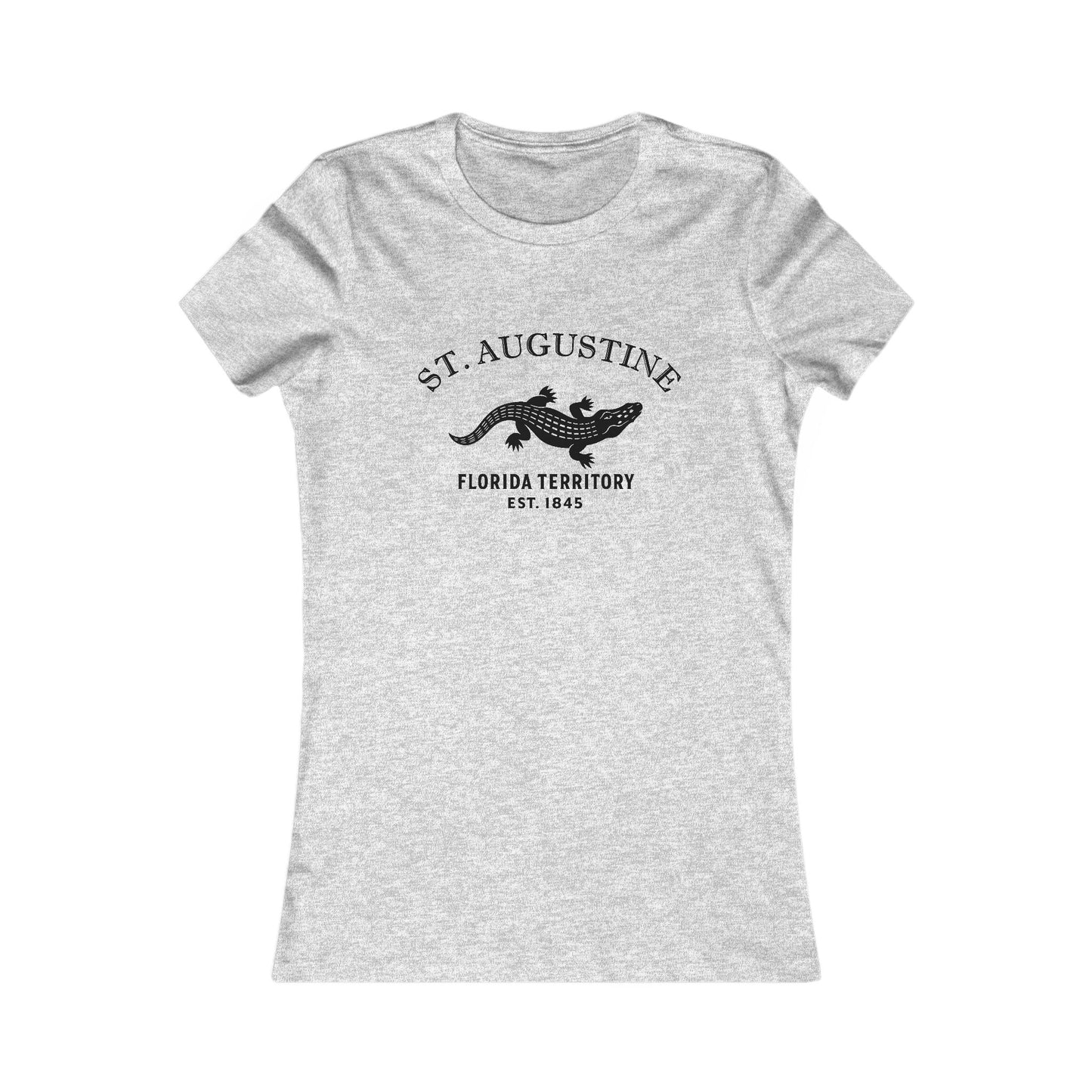
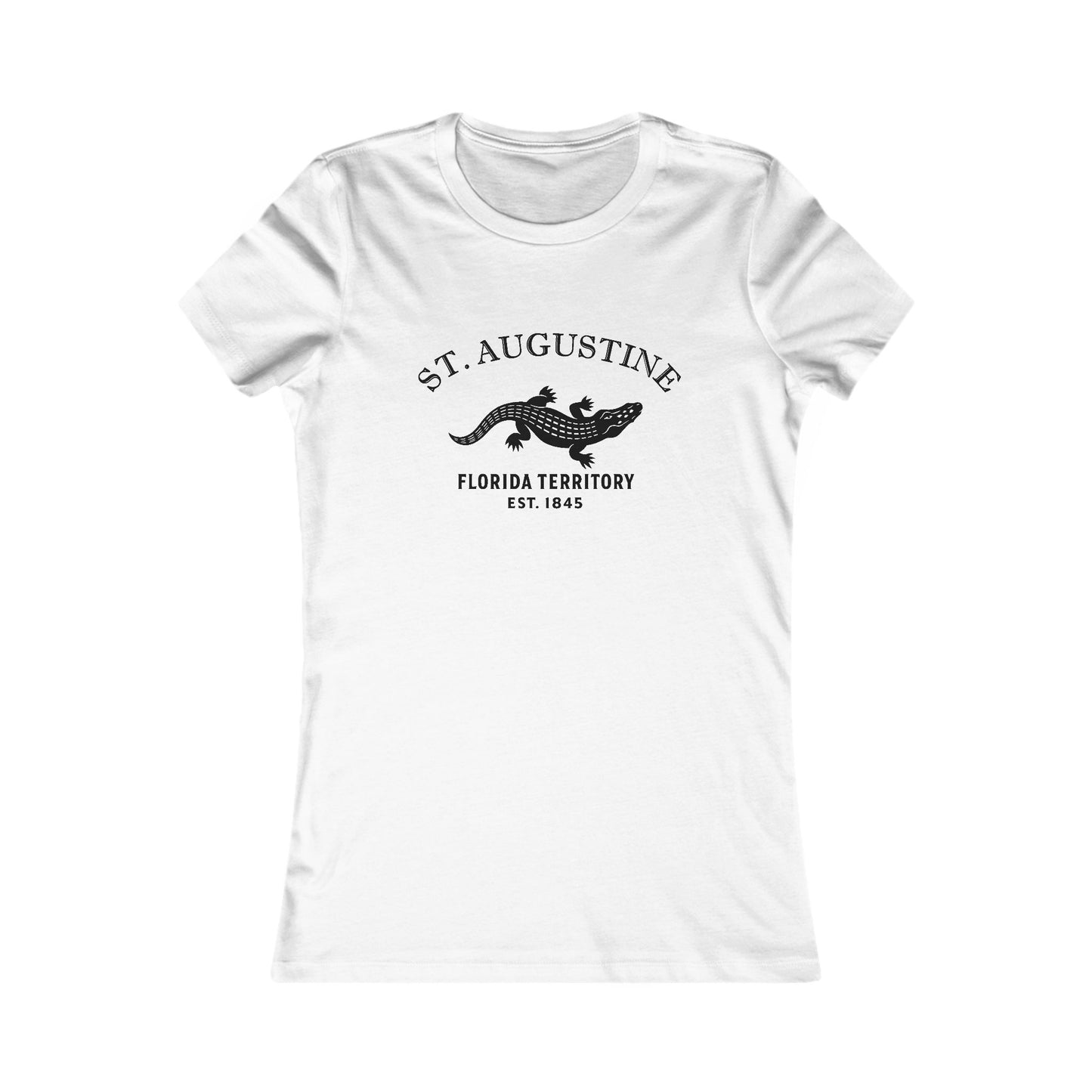
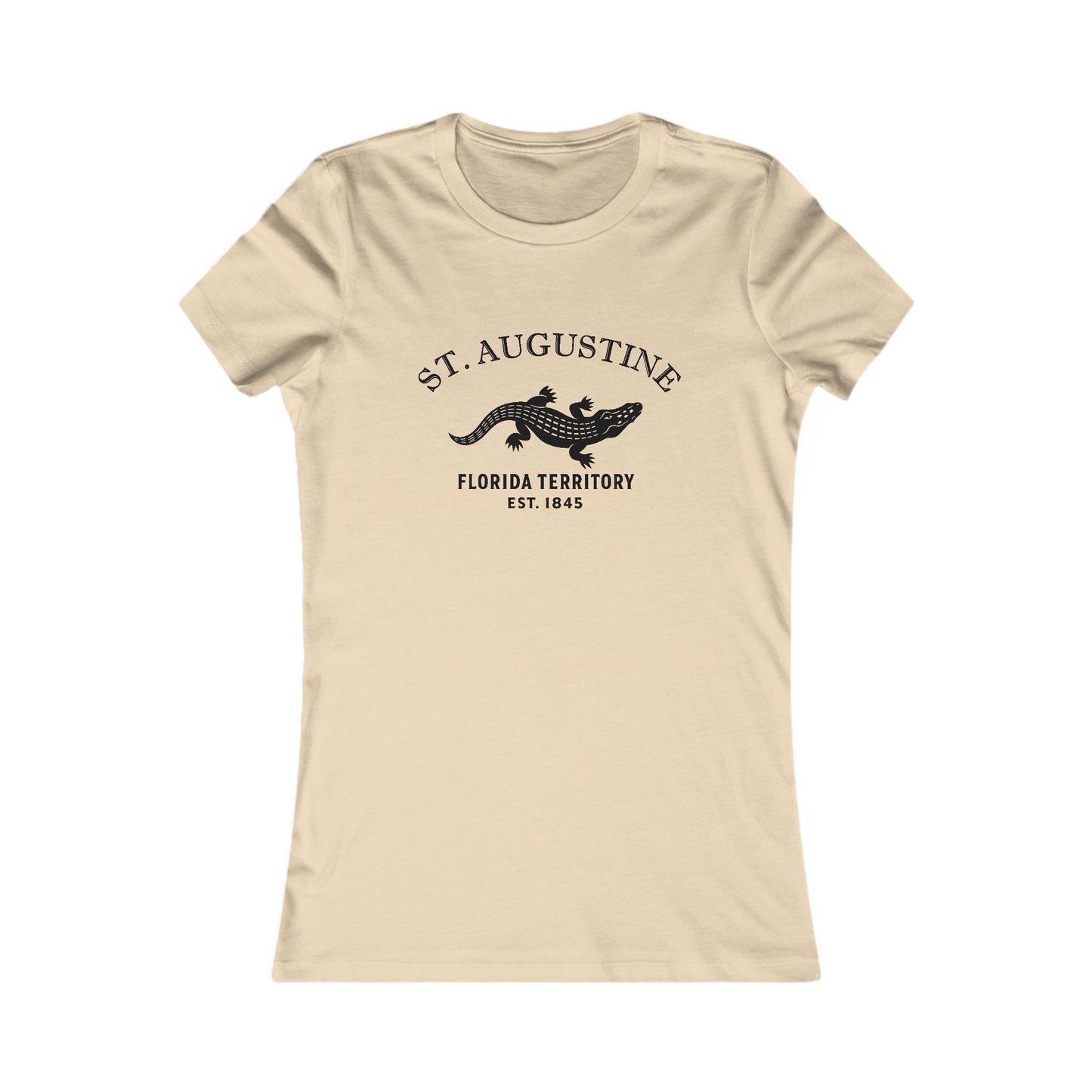
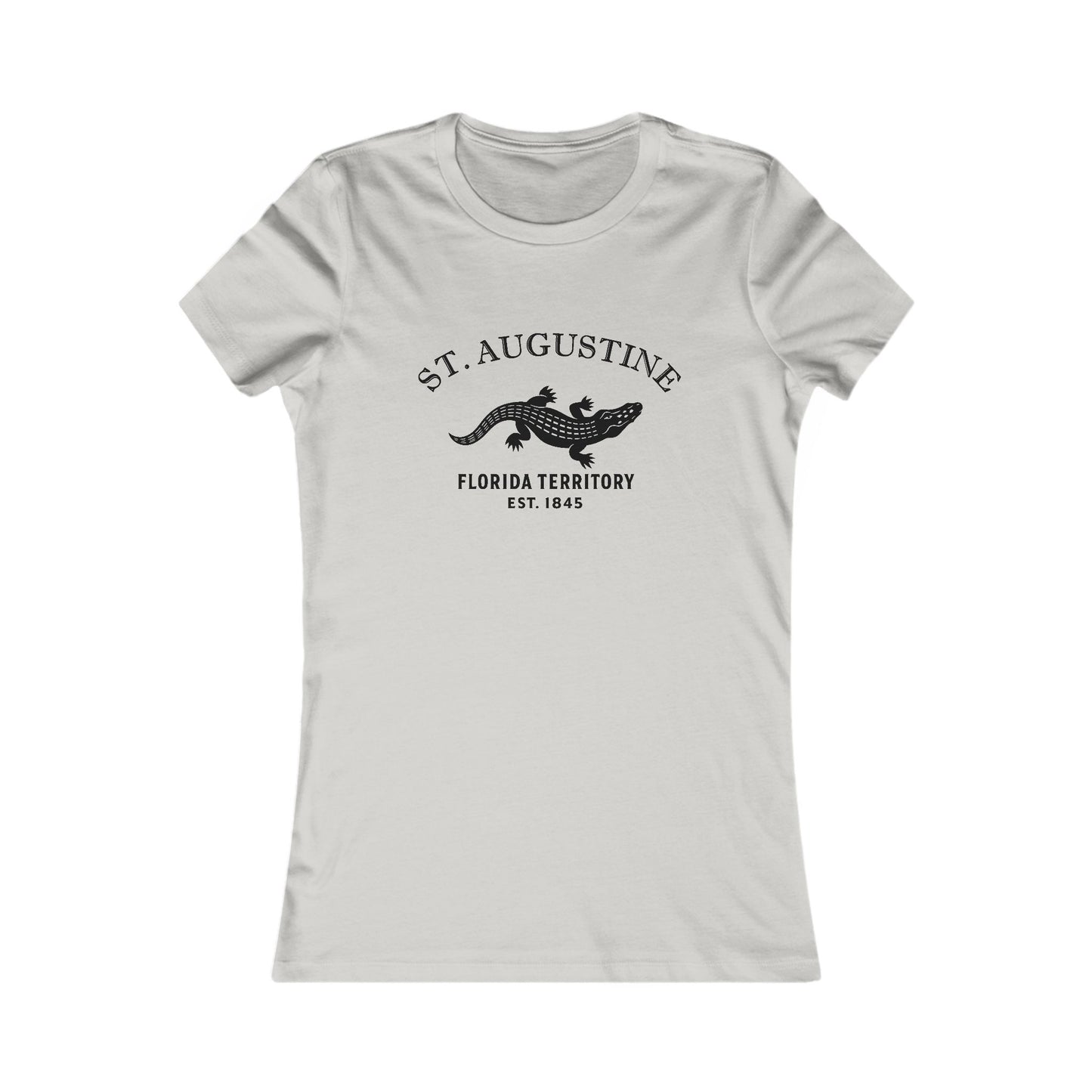

The city's lore comes easy because the place wears it lightly. Residents will point you to the coquina blocks pitted by cannonballs, the marble lions guarding the bridge since 1927, the lantern light along Aviles Street, the way the old town turns to silver when the Nights of Lights switch on after Thanksgiving. People talk about Fort Mose, the small site just north of town where free Black militiamen and their families established their own community in 1738 under Spanish protection — a corner of the country's story that you can be proud to know and wear. Stories of fishermen and shipwrights, lighthouse keepers and parish priests, sit beside the bigger names in a city where four and a half centuries feel close at hand.
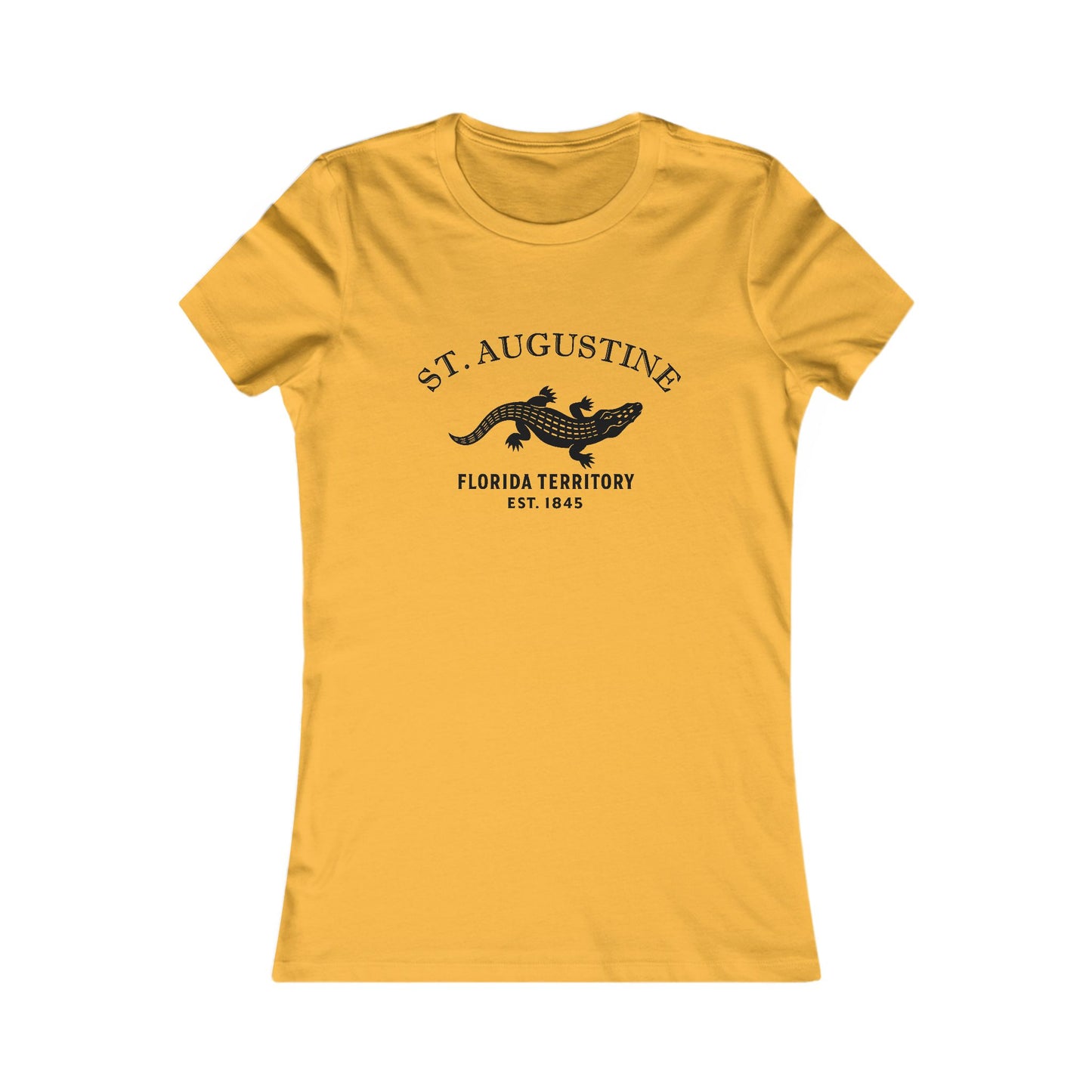
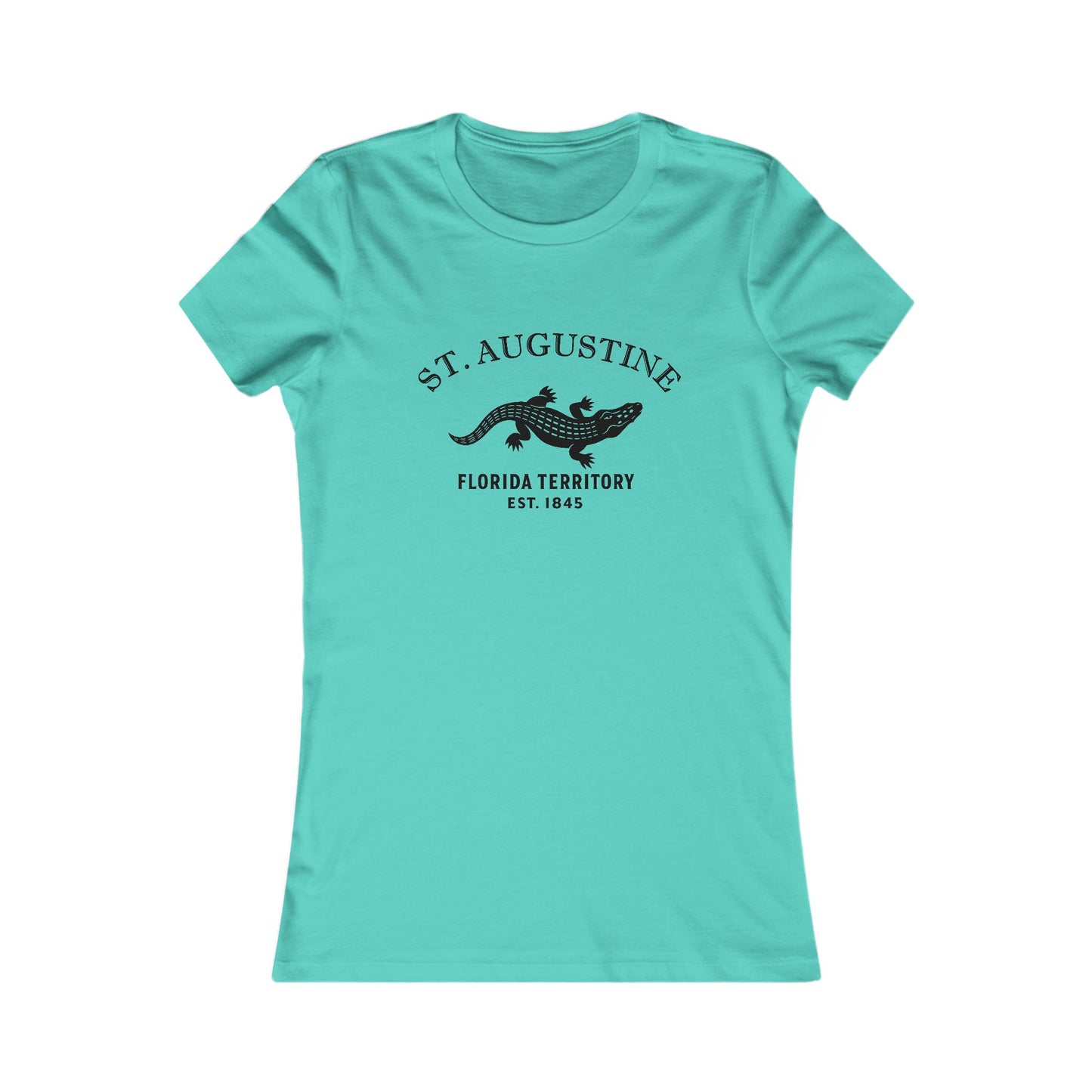
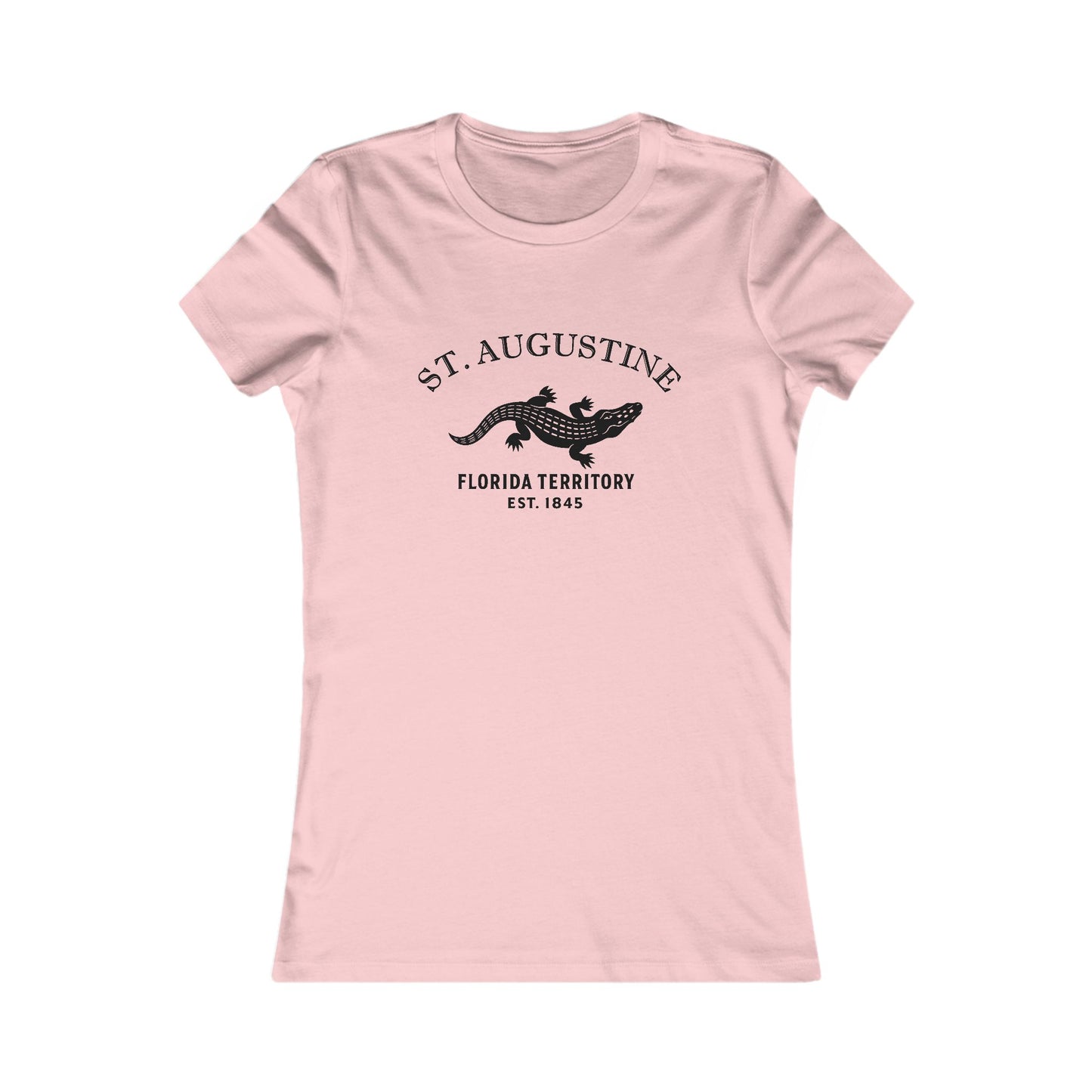
Our St. Augustine retro logo features Florida's alligator — a Florida-tough emblem that suits a town that has outlasted three flags, two sieges, four centuries, and every hurricane the Atlantic has thrown at it. The 1845 statehood reference grounds it in Florida history. Rendered in black-and-white with a vintage, hand-printed feel — crate-stamp ink, slightly off-register — it carries the practical resilience of the coastal Spanish colonial city without overstating itself. On a tee, a cap, or a wall print, it reads as a quiet badge of the oldest city in America: a Florida town that has earned every line on its face.
Why People Visit St Augustine Florida
St. Augustine brings four and a half centuries of American history into one compact, walkable city. Visitors come for the coquina fort that was never taken, the oldest streets in the country, Flagler's Gilded-Age architecture, the lighthouse and the bayfront, and the winter glow of the Nights of Lights. It is historic, scenic, and unmistakably first. The road of American history runs back further here than anywhere else in the continental United States.
