
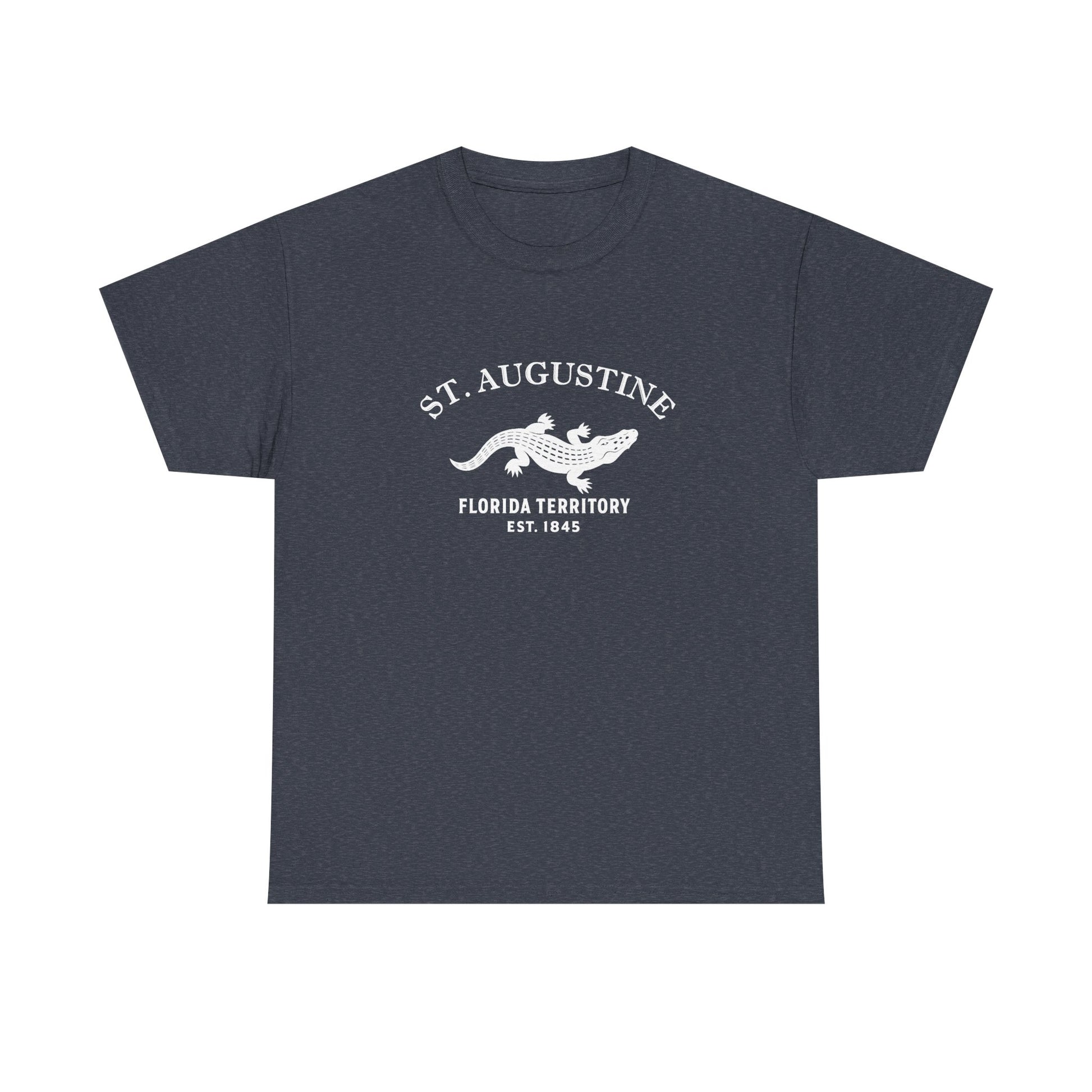
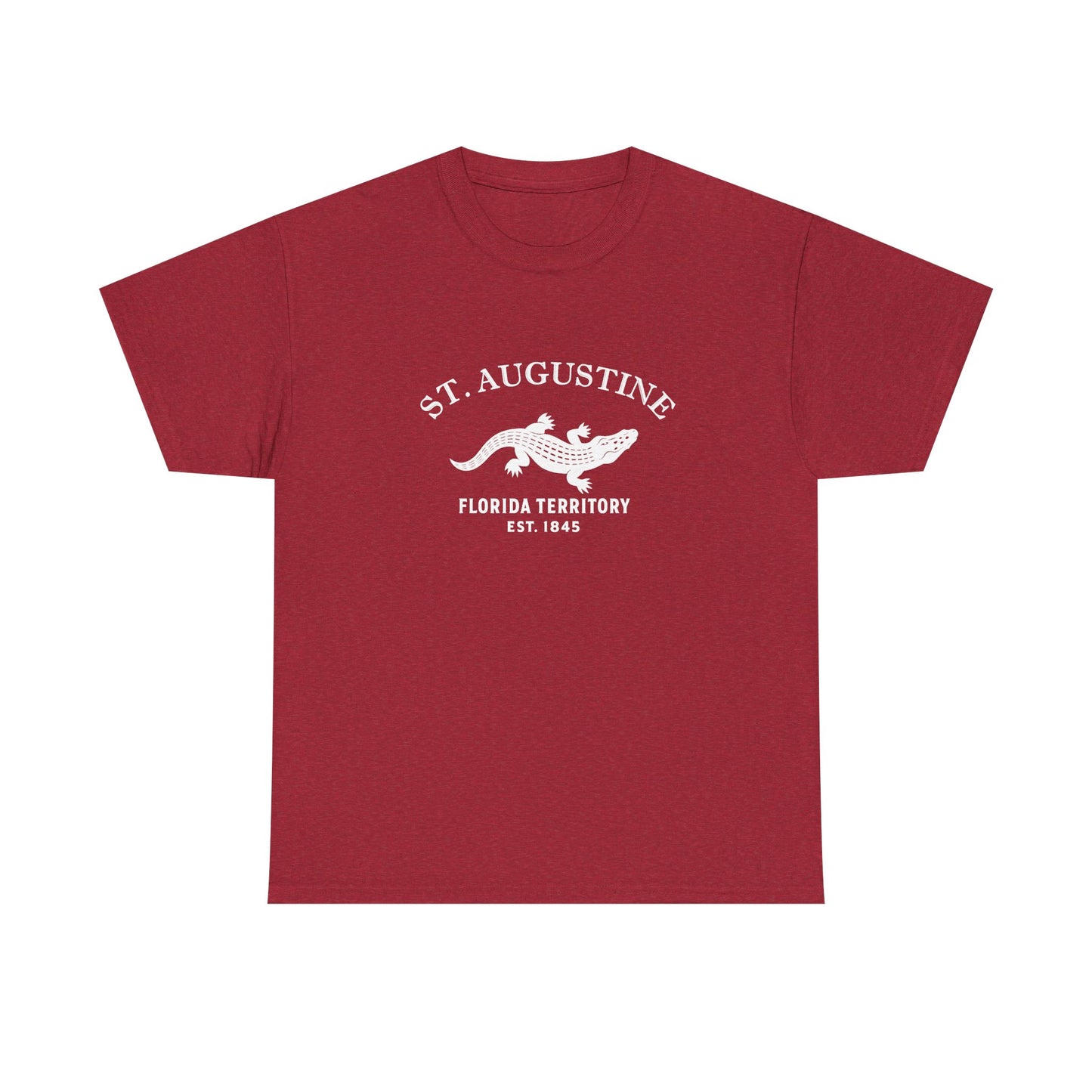

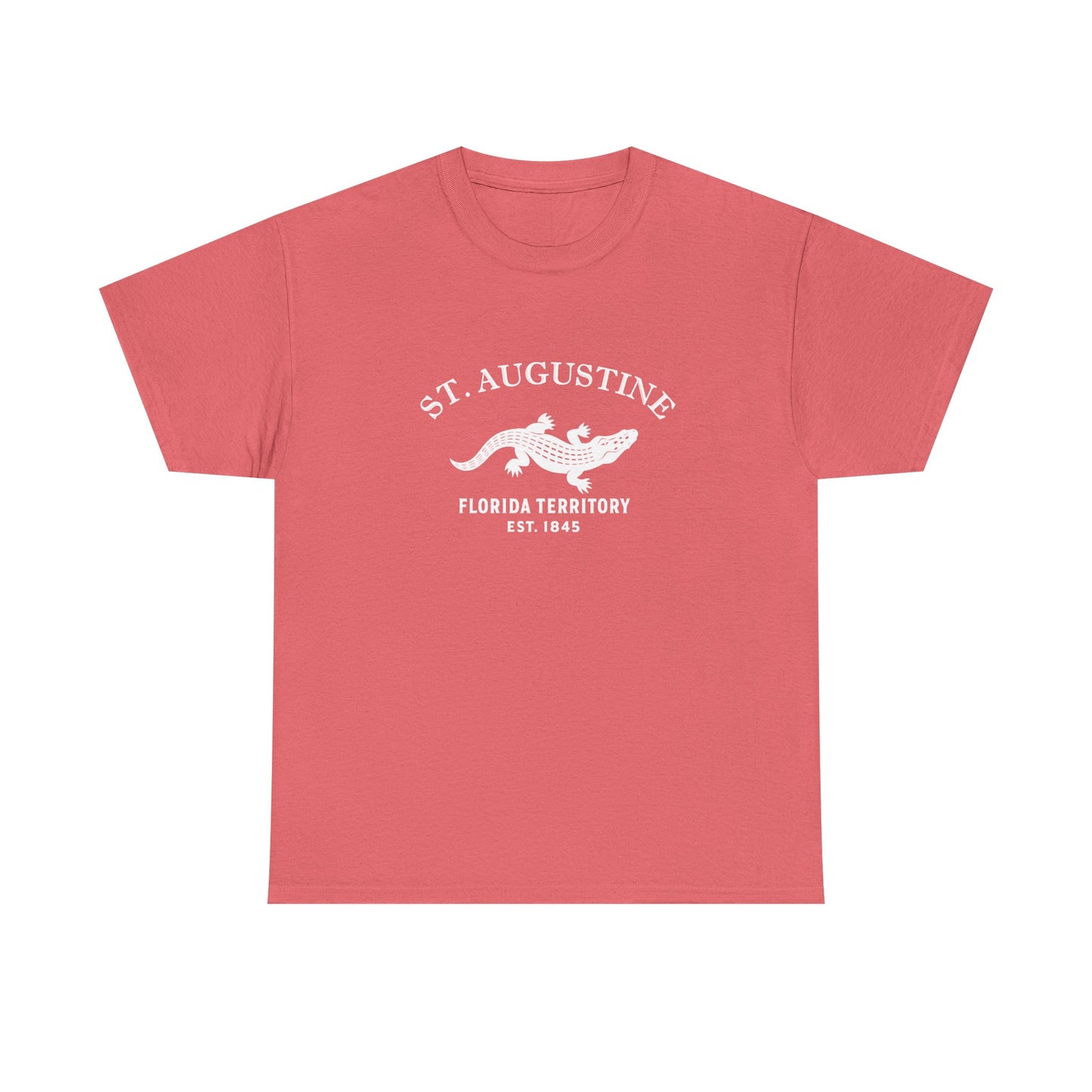
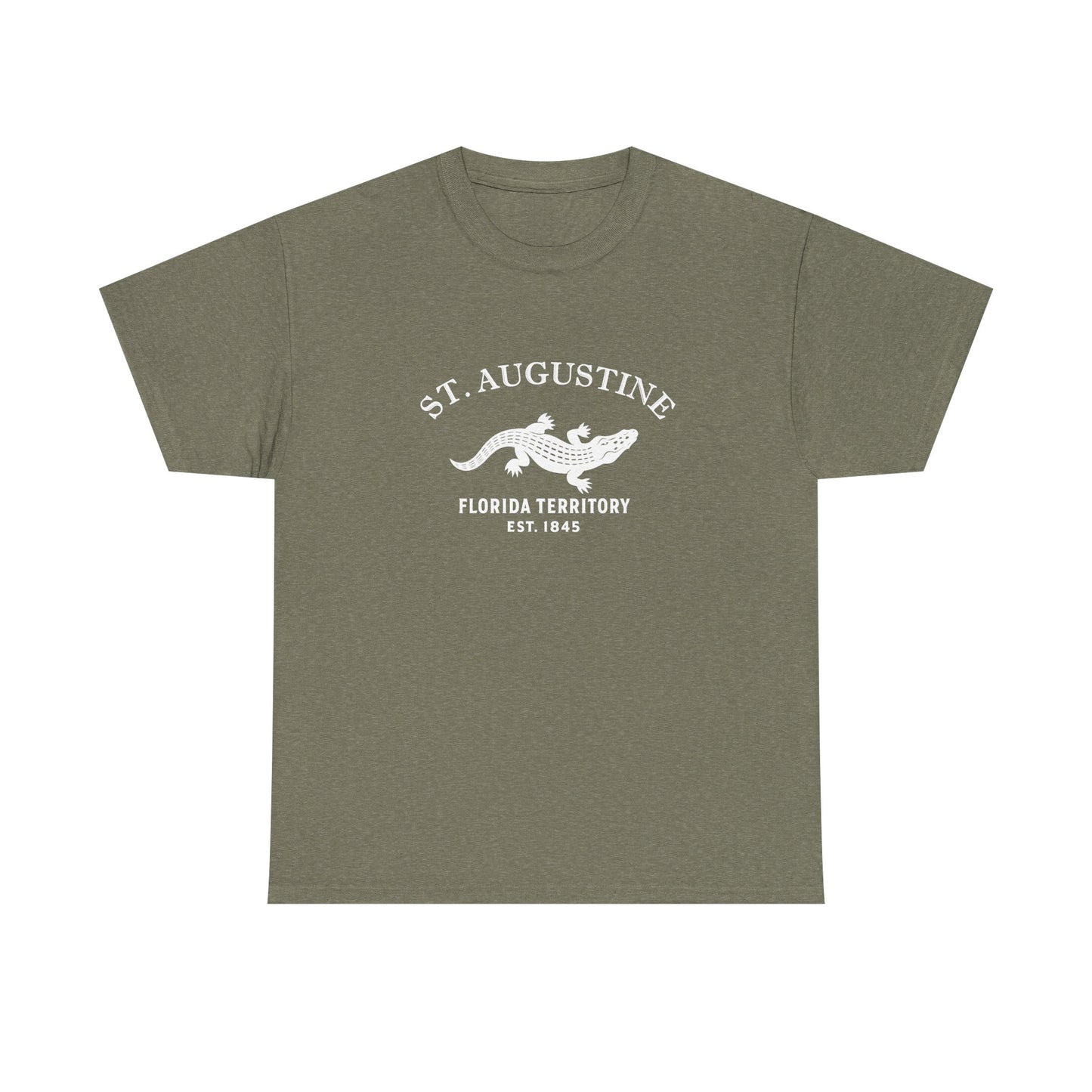
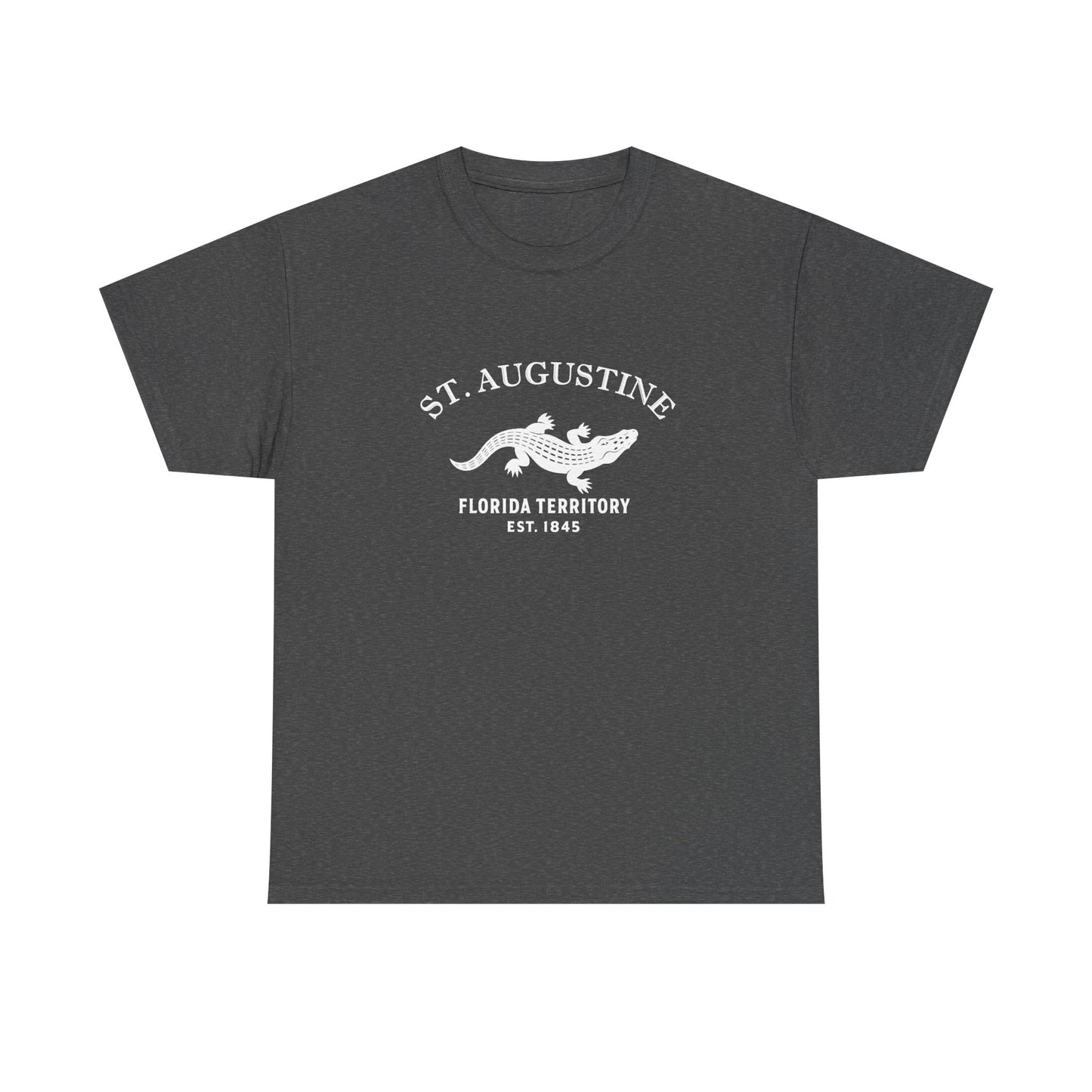
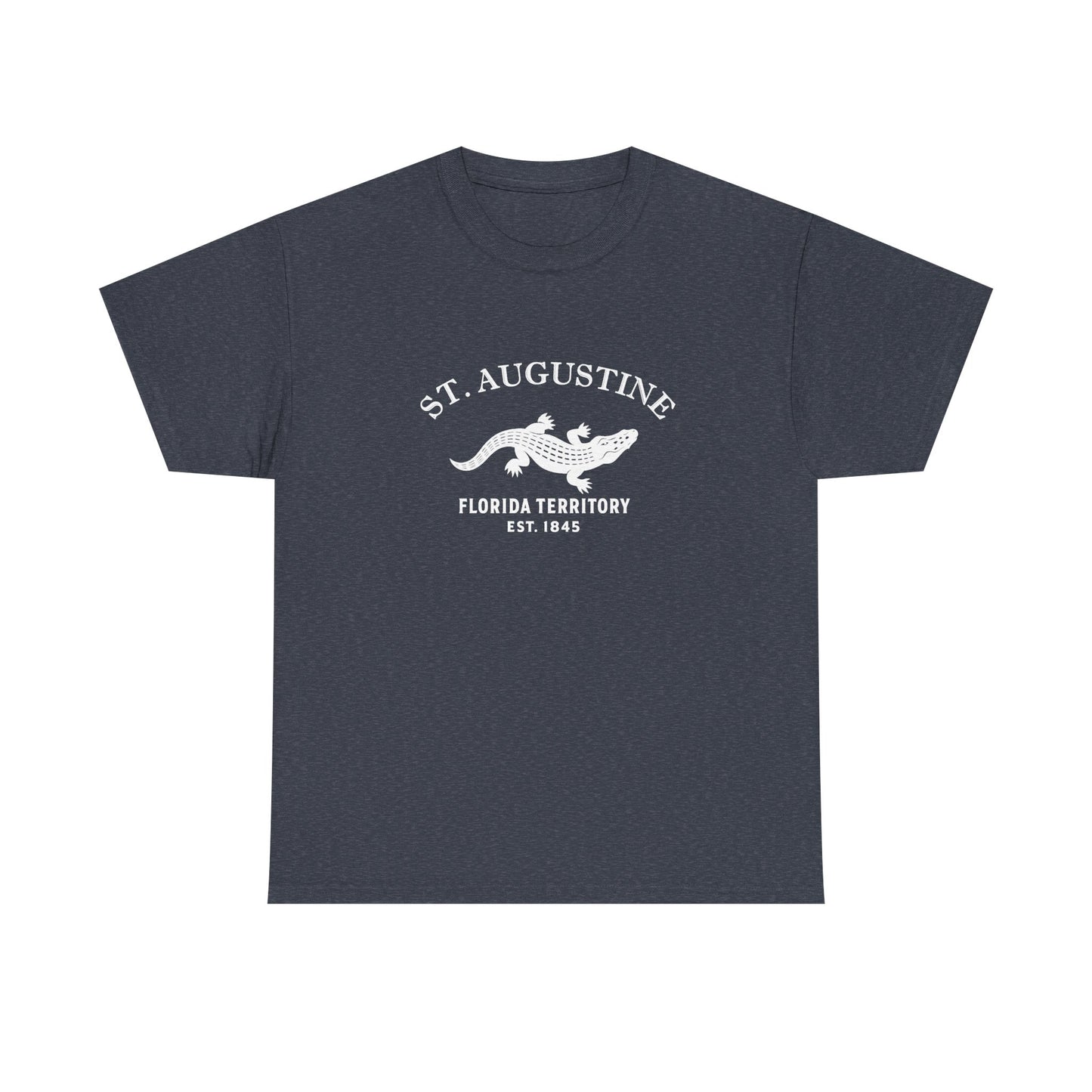
The city's lore comes easy because the place wears it lightly. Residents will point you to the coquina blocks pitted by cannonballs, the marble lions guarding the bridge since 1927, the lantern light along Aviles Street, the way the old town turns to silver when the Nights of Lights switch on after Thanksgiving. People talk about Fort Mose, the small site just north of town where free Black militiamen and their families established their own community in 1738 under Spanish protection — a corner of the country's story that you can be proud to know and wear. Stories of fishermen and shipwrights, lighthouse keepers and parish priests, sit beside the bigger names in a city where four and a half centuries feel close at hand.
For two centuries St. Augustine was the northern guardian of Spanish Florida. After an English raid burned the wooden town, Spain answered with stone: between 1672 and 1695 they built the Castillo de San Marcos out of coquina — a soft shell-limestone quarried from Anastasia Island across the bay, packed so full of crushed seashell that it absorbed cannonballs rather than shattering. The fort is the oldest masonry fortification in the continental US, and across two major British sieges — Governor Moore in 1702, who burned the city around it, and General Oglethorpe in 1740 — it was never taken by force. Spain, Britain, and the United States all flew flags over it in turn, every change of hands by treaty rather than conquest. In the 1880s, the railroad magnate Henry Flagler arrived and remade the old garrison town into a Gilded-Age winter resort, raising the Spanish Renaissance Hotel Ponce de Leon in 1888 and the Hotel Alcazar nearby — buildings that anchor the old town's skyline to this day.
Why People Visit St Augustine Florida
- Tour the Castillo de San Marcos, the oldest masonry fort in the continental US — coquina walls, diamond bastions, the dry moat, and views across Matanzas Bay from the gun deck.
- Walk St. George Street, the car-free colonial corridor lined with historic buildings, and Aviles Street, often called the oldest street in the United States.
- Climb the St. Augustine Lighthouse on Anastasia Island for sweeping coastal panoramas and maritime exhibits.
- See the Spanish Renaissance former Hotel Ponce de Leon (1888) and the former Hotel Alcazar — Henry Flagler's Gilded-Age landmarks anchoring the old town.
- Visit the Gonzalez-Alvarez House, the "Oldest House" in the city, with its first floor dating to about 1727.
- Stop at the Cathedral Basilica of St. Augustine, the oldest Catholic parish in the United States.
- Cross the Bridge of Lions over Matanzas Bay, with its marble lions and Mediterranean Revival towers.
- Visit Fort Mose Historic State Park just north of town, the 1738 site where free Black militiamen and their families established their own community under Spanish protection.
- Wander Lincolnville, the late-19th-century neighborhood of Victorian-era homes south of the old town.
- Relax on St. Augustine Beach and the Anastasia Island shore, broad Atlantic sands a short drive over the bay.
- Come back in winter for the Nights of Lights (mid-November into January), when millions of white lights wrap the historic district.
