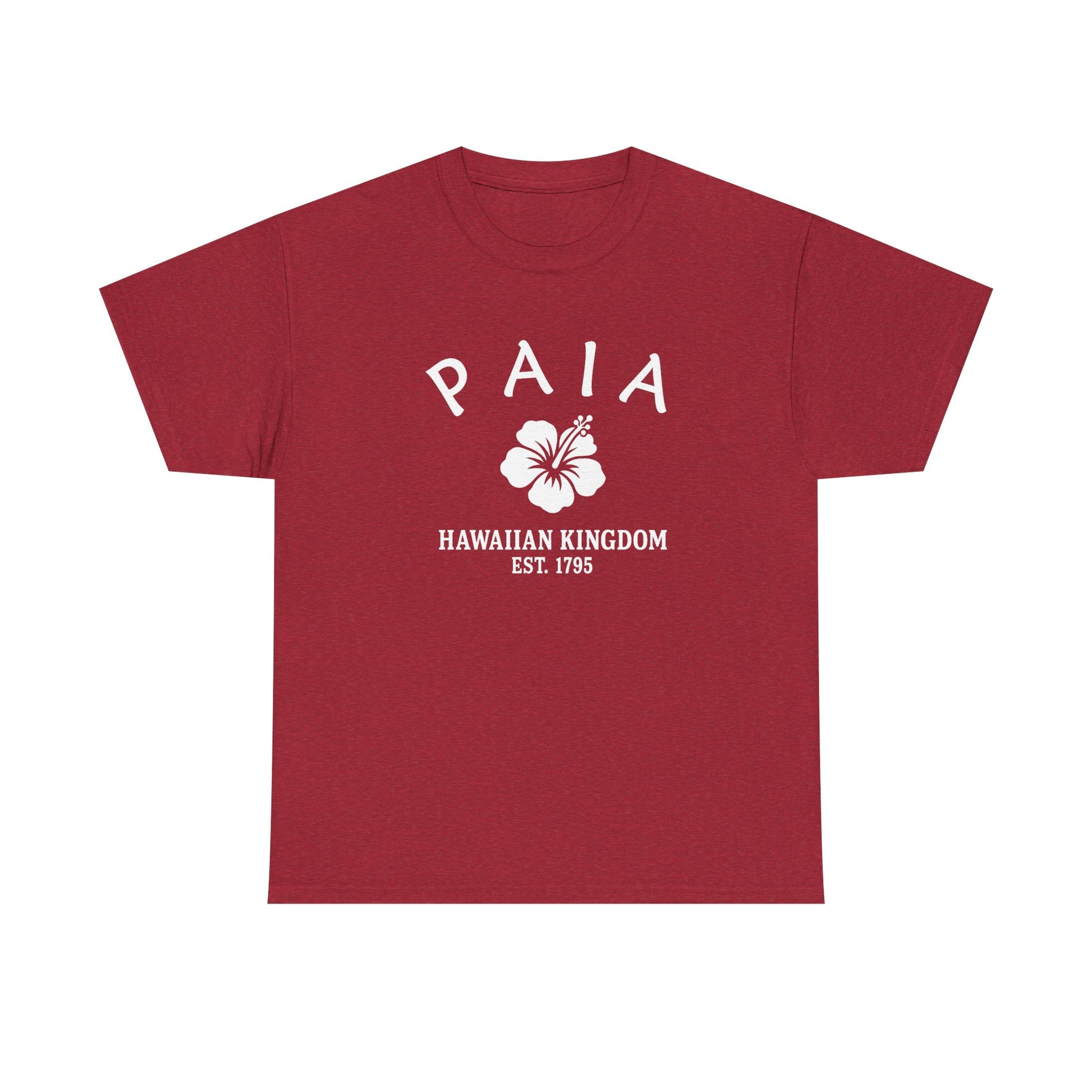
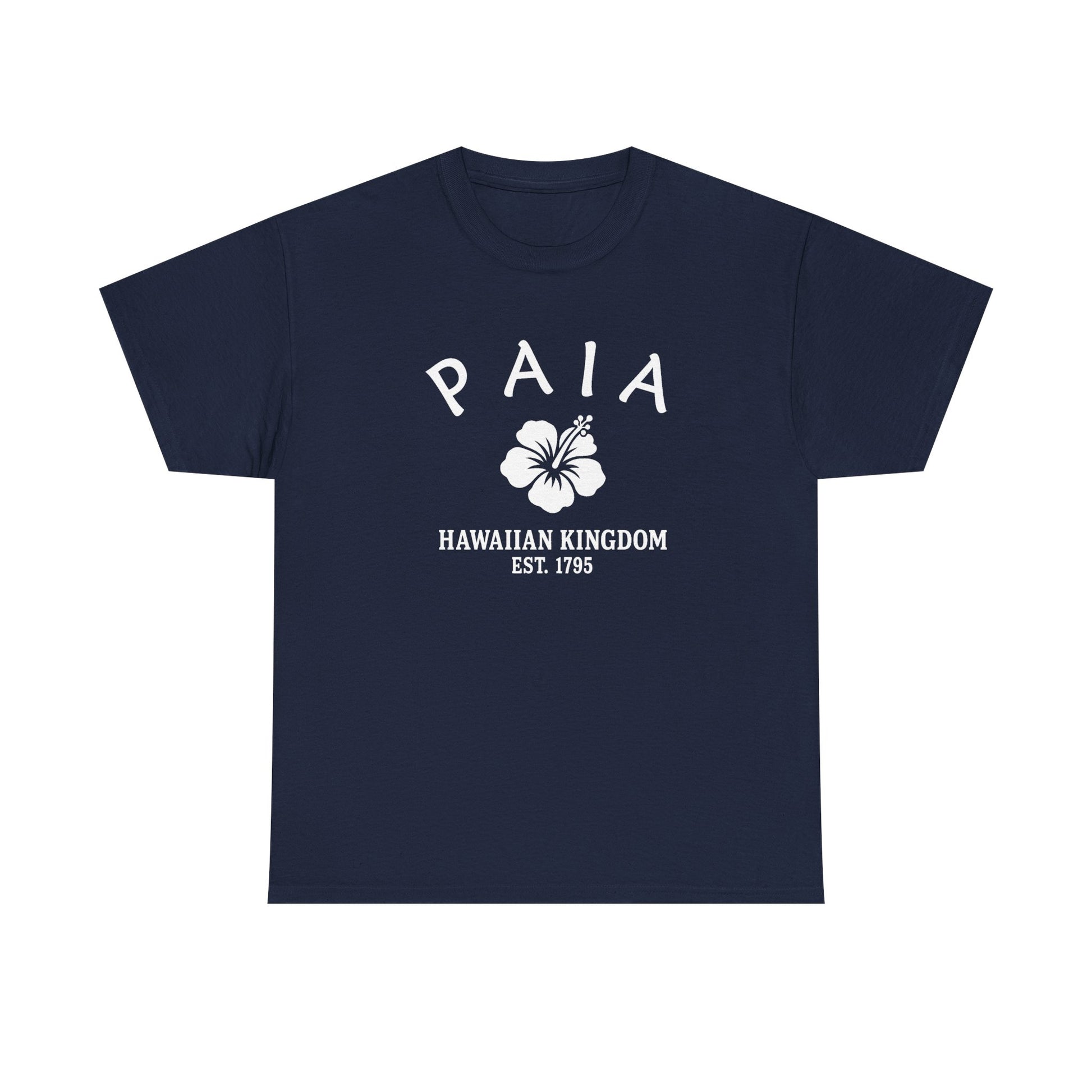
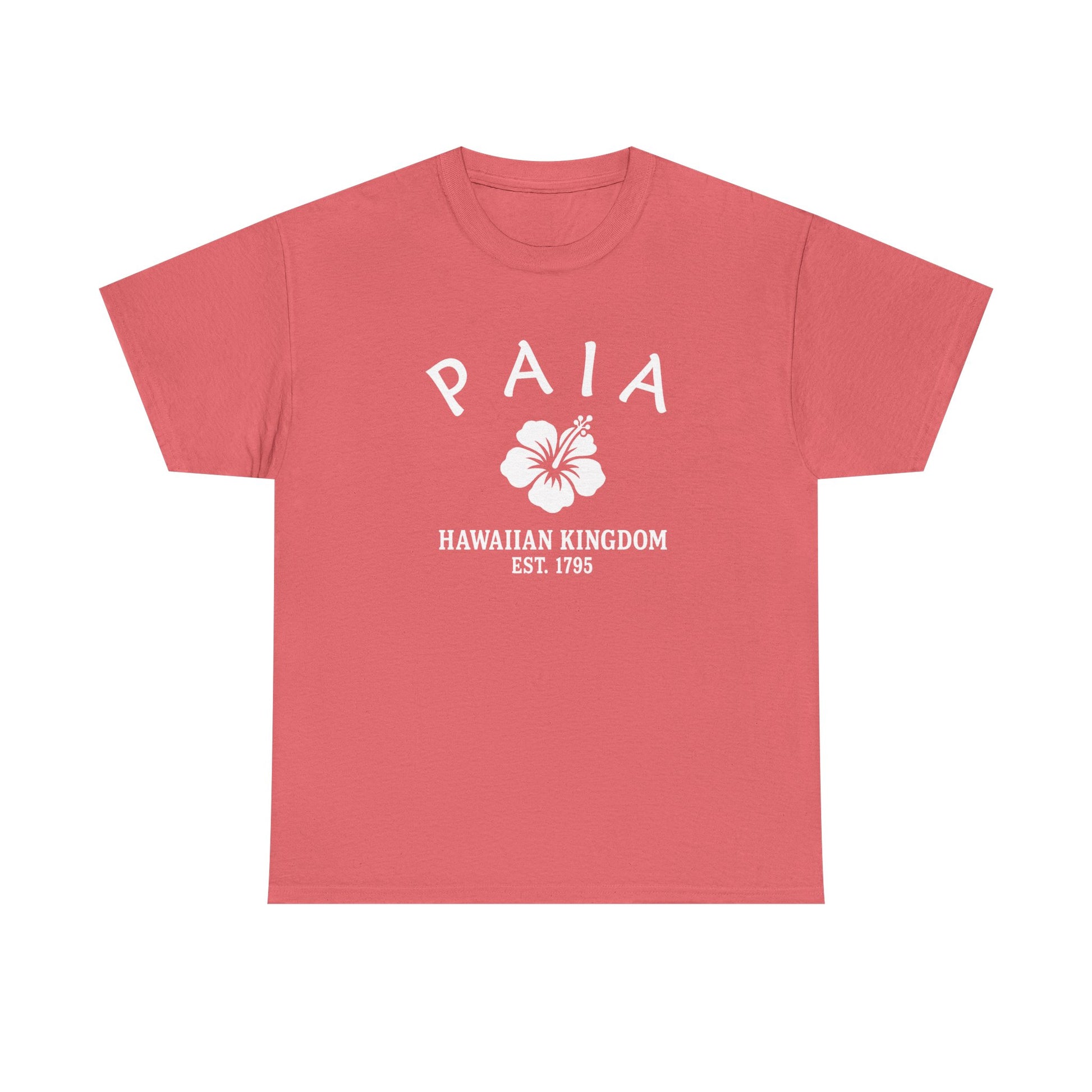
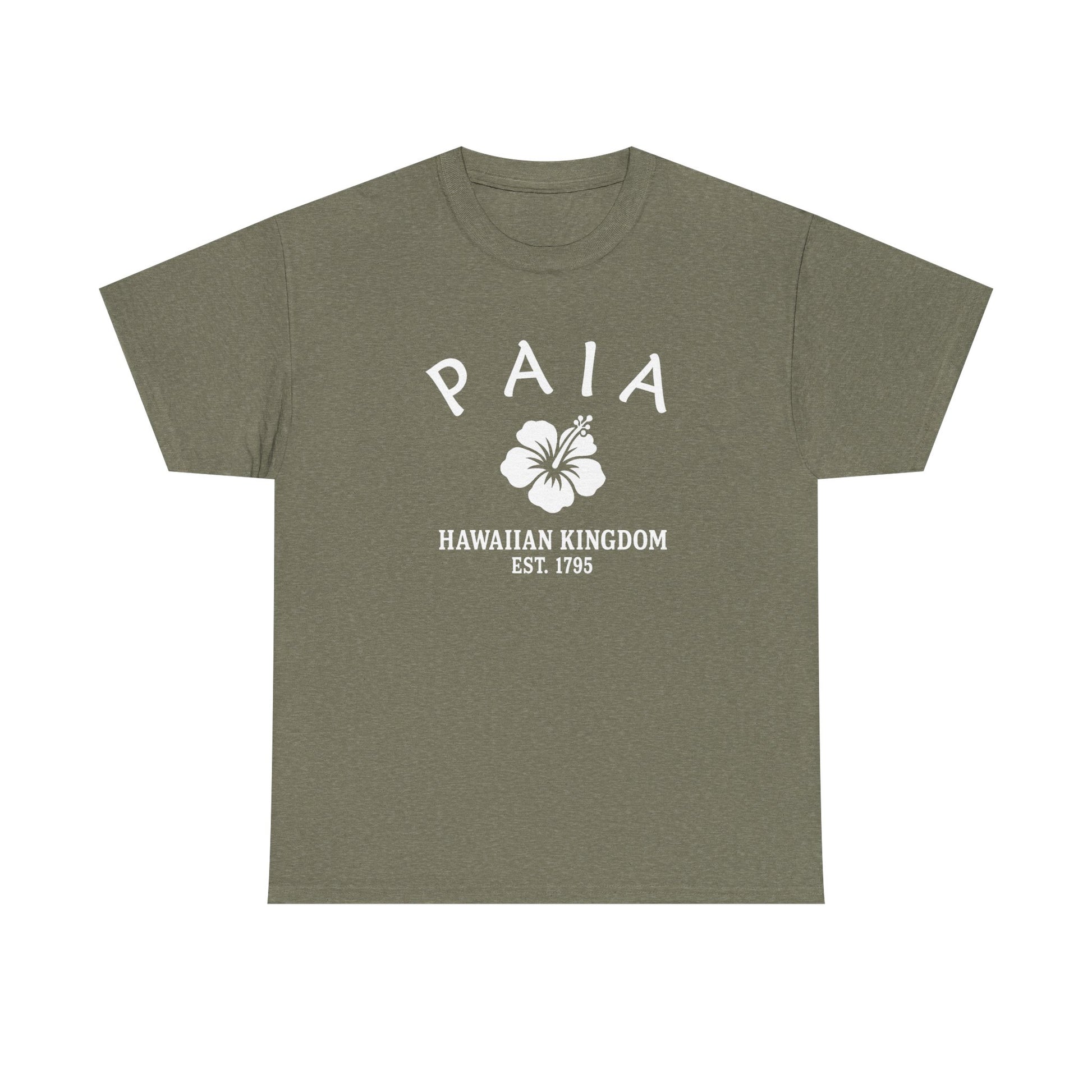
Native Hawaiians lived along this windward North Shore for centuries before the sugar came. Then in 1880 Samuel Alexander and Henry Baldwin opened the Pāʻia plantation and built the island's first great mill just outside town, channeling water down long flumes to carry the cut cane to the harvest. Immigrant workers arrived from Japan, China, Portugal and the Philippines to cut and haul it, housed in plantation camps that grew into a town. By the 1890s Pāʻia's was among the largest sugar operations in the world, and by the turn of the century the town was Maui's most important North Shore community — more than a fifth of the island's people, plus stores, schools, theaters, hotels and a hospital. The plantation built the town, and the town built a culture.
The Pāʻia Sugar Mill finally closed in 2000, ending the era that started it all — but the town it left behind, home to only a couple thousand residents, is thriving on its own terms: a beloved, low-key surf-and-art town where windward surf culture and upcountry ranching mingle and, rare on Maui, it all still feels like old Maui. Our Pāʻia designs gather that spirit into wearable form. Pāʻia — Maui's bohemian sugar town, where the trade winds blow and the road to Hāna begins.
Why People Visit Pāʻia
Pāʻia offers a whole mood in one small town: bohemian, barefoot charm, world-class wind and surf, and the romance of the open road to Hāna. It is the coolest little town on Maui — and for the artists, surfers and free spirits who live here, simply home, the place where old Maui still feels like itself.
