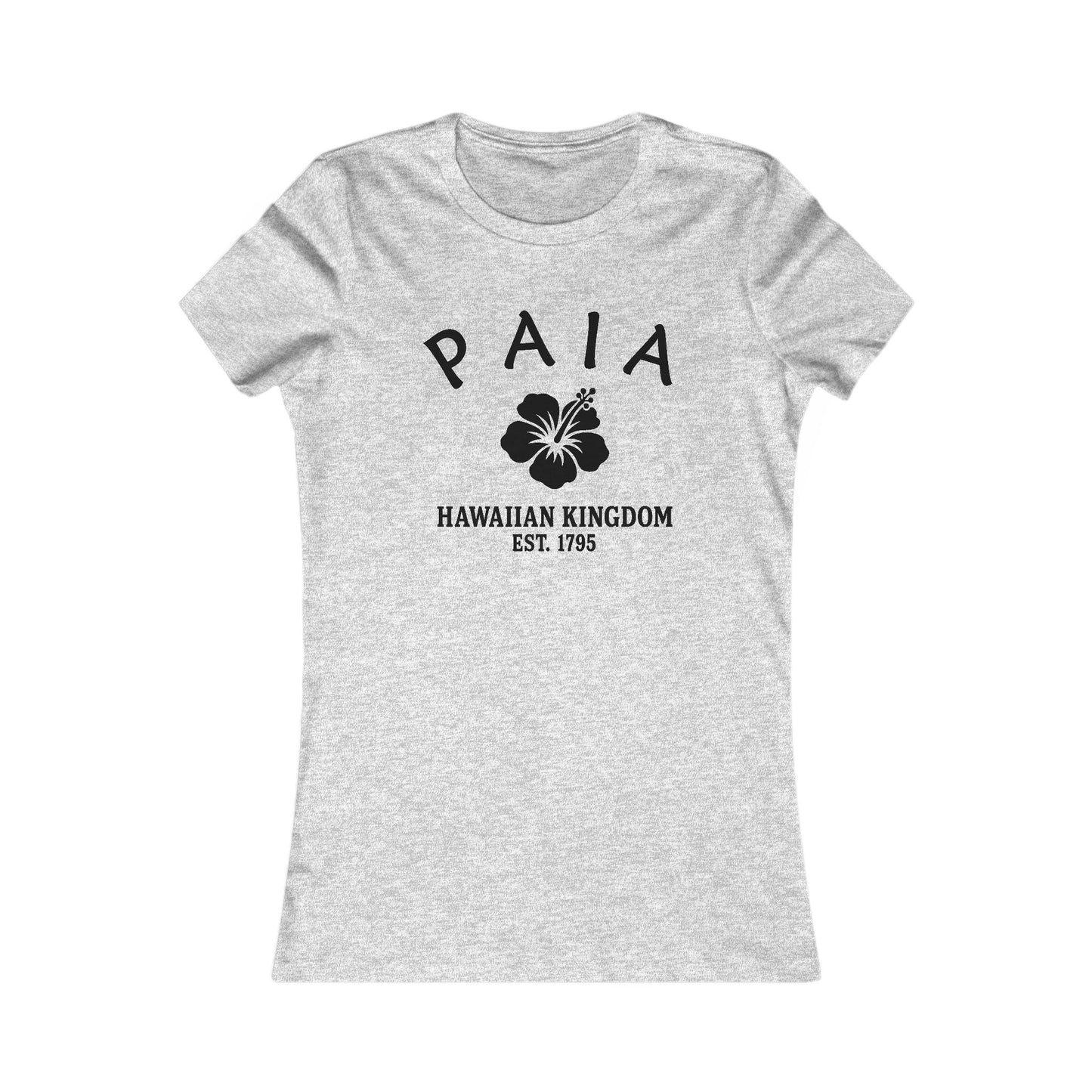
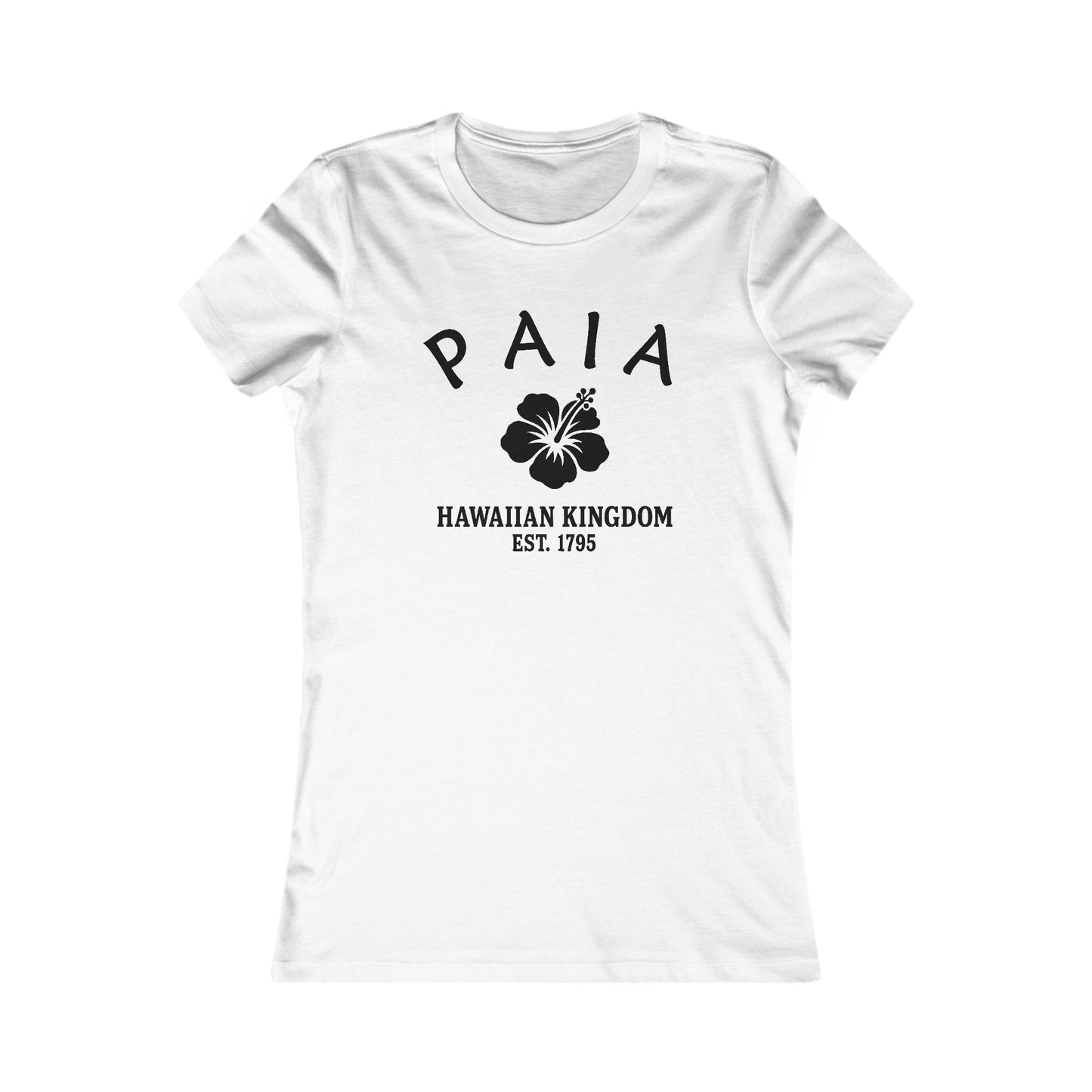
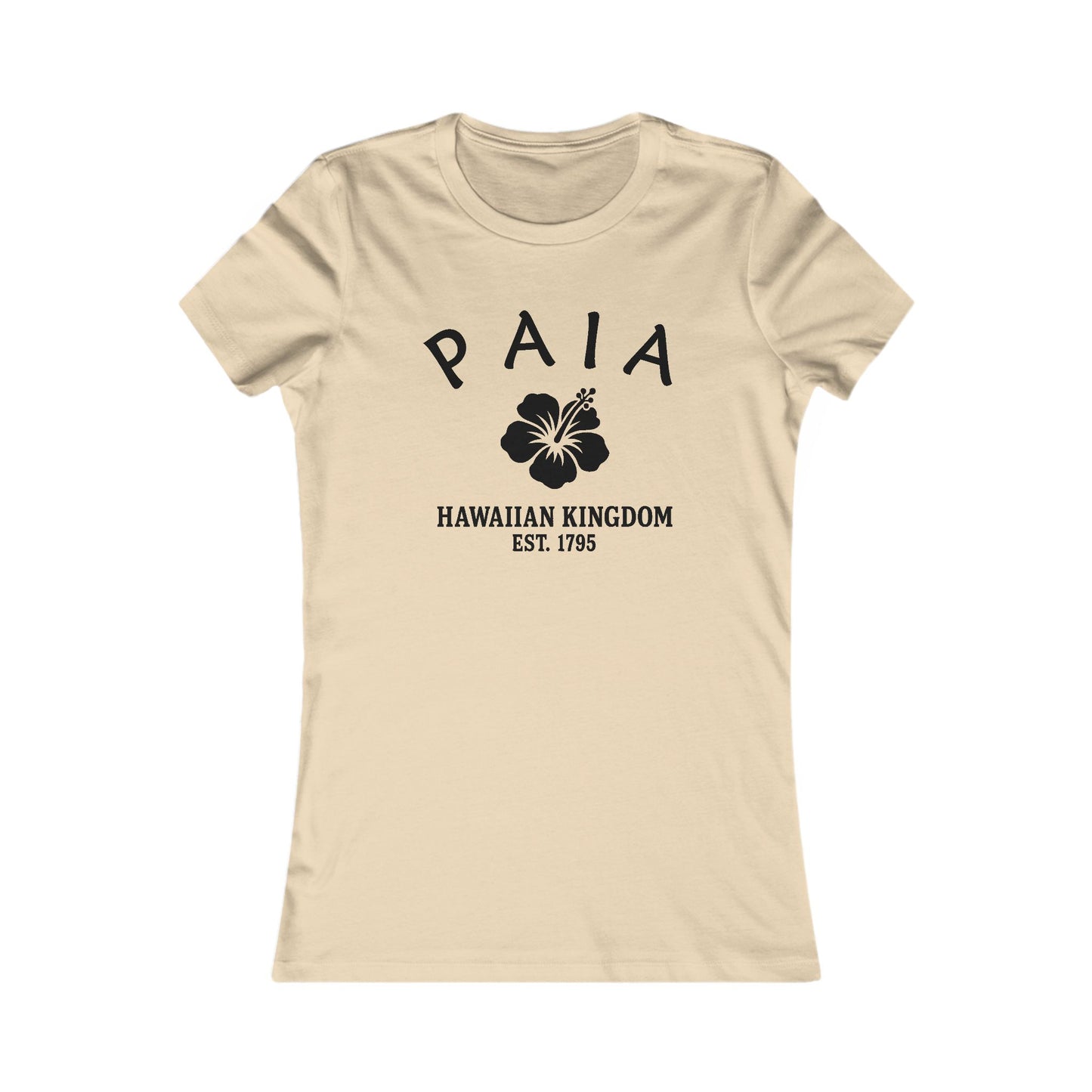
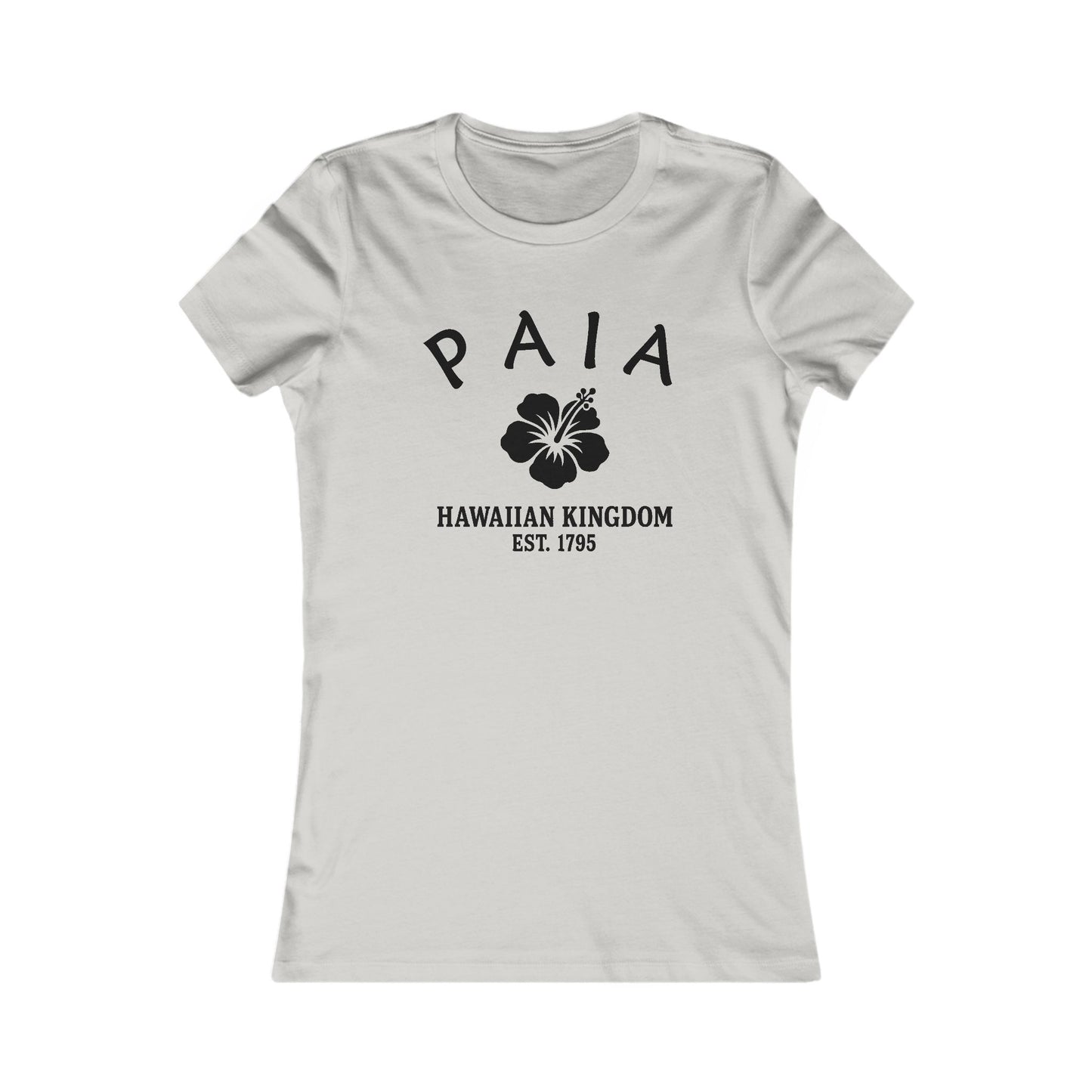
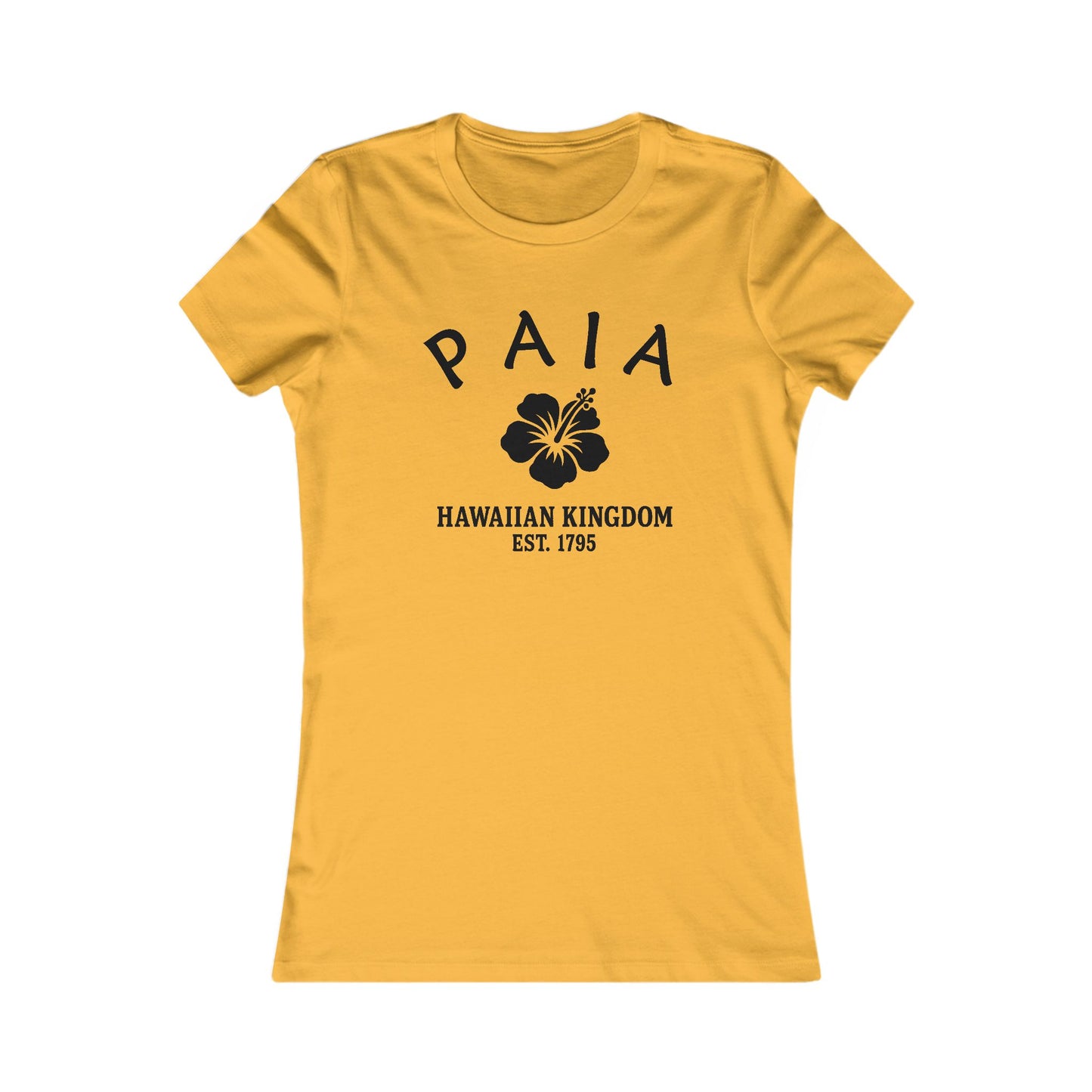
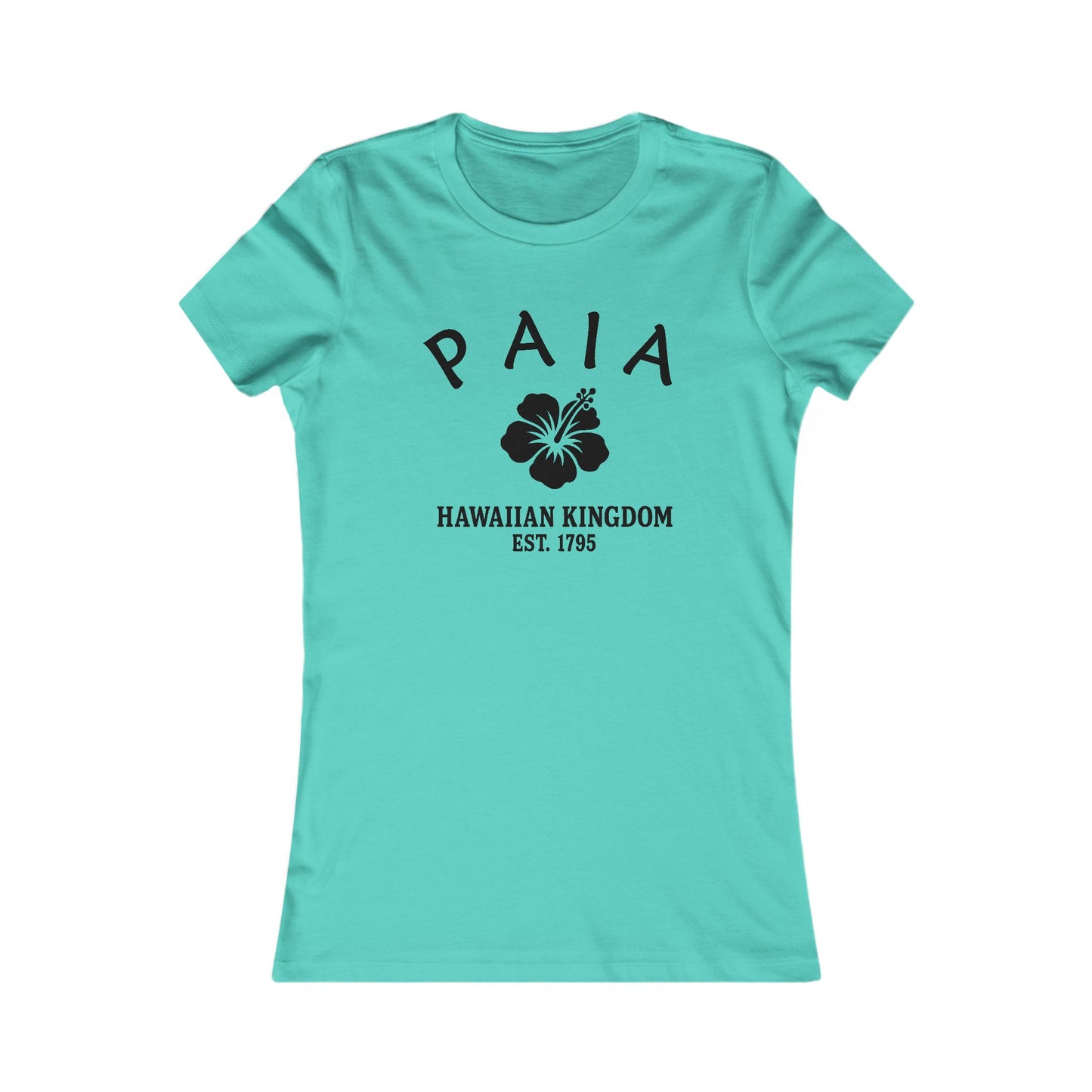
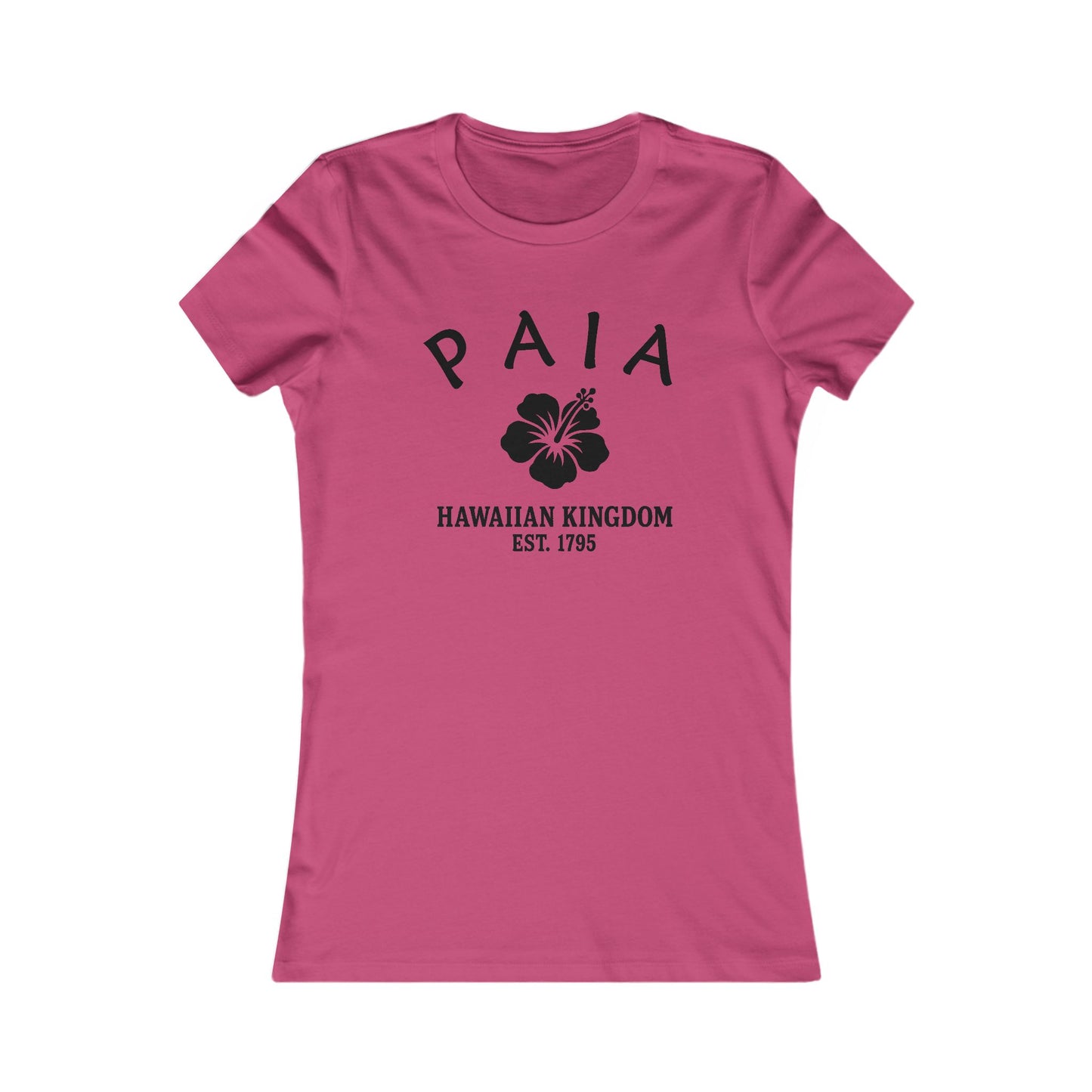
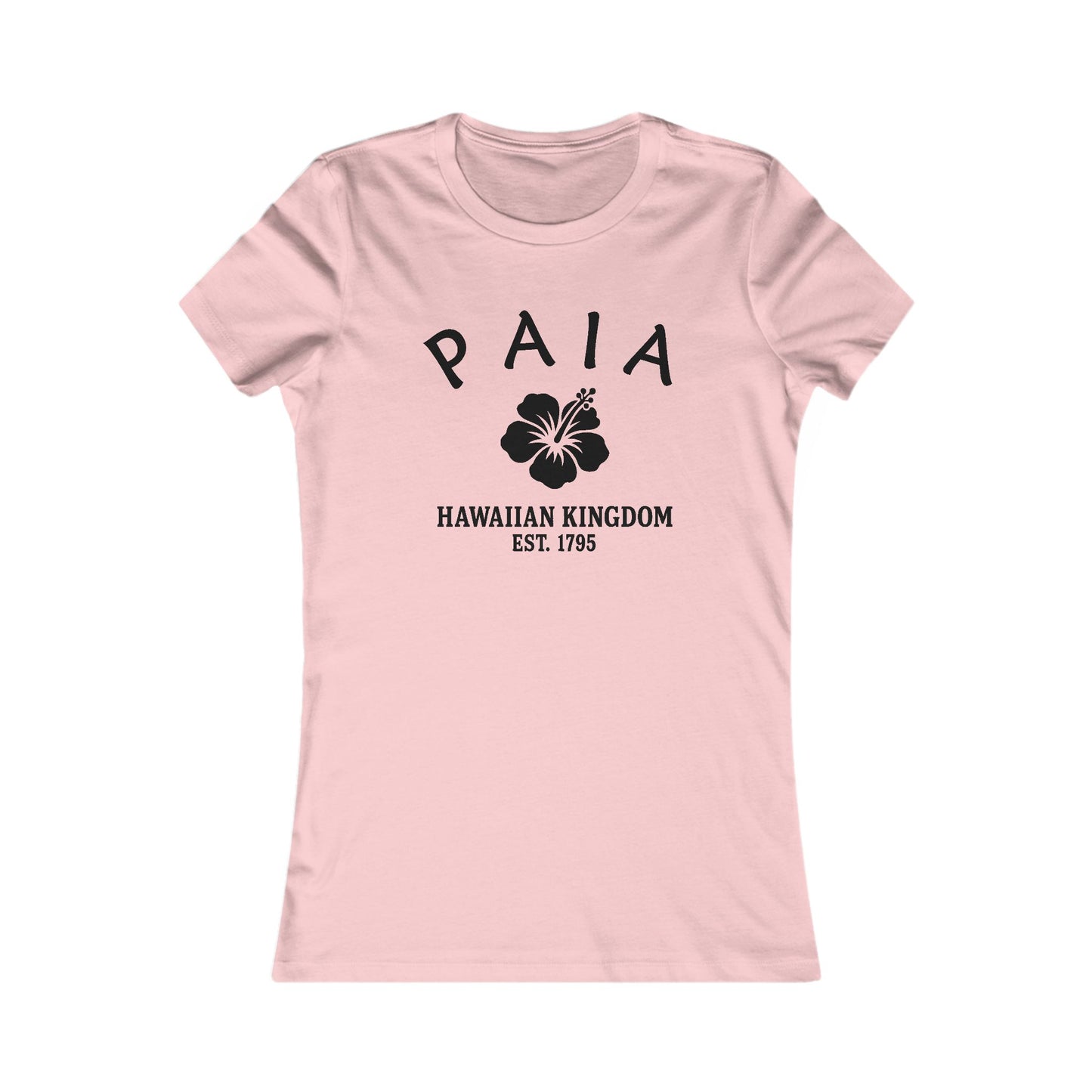
It found that life in the counterculture. Through the 1960s and 1970s a wave of artists, surfers and free spirits drifted in and claimed the sleepy sugar town as their unofficial capital. The pastel storefronts filled with galleries, boutiques and a now-legendary natural-foods market on Baldwin Avenue; on the one main street, old-school hippies, professional surfers and new-age wanderers brushed shoulders. The vibe turned barefoot and bohemian, a slice of the Summer of Love frozen on a Hawaiian shore. Pāʻia became "the hippest little town on Maui," and the easygoing, salt-tousled feel from those years never left.
The Pāʻia Sugar Mill finally closed in 2000, ending the era that started it all — but the town it left behind, home to only a couple thousand residents, is thriving on its own terms: a beloved, low-key surf-and-art town where windward surf culture and upcountry ranching mingle and, rare on Maui, it all still feels like old Maui. Our Pāʻia designs gather that spirit into wearable form. Pāʻia — Maui's bohemian sugar town, where the trade winds blow and the road to Hāna begins.
Why People Visit Pāʻia
Pāʻia offers a whole mood in one small town: bohemian, barefoot charm, world-class wind and surf, and the romance of the open road to Hāna. It is the coolest little town on Maui — and for the artists, surfers and free spirits who live here, simply home, the place where old Maui still feels like itself.
