


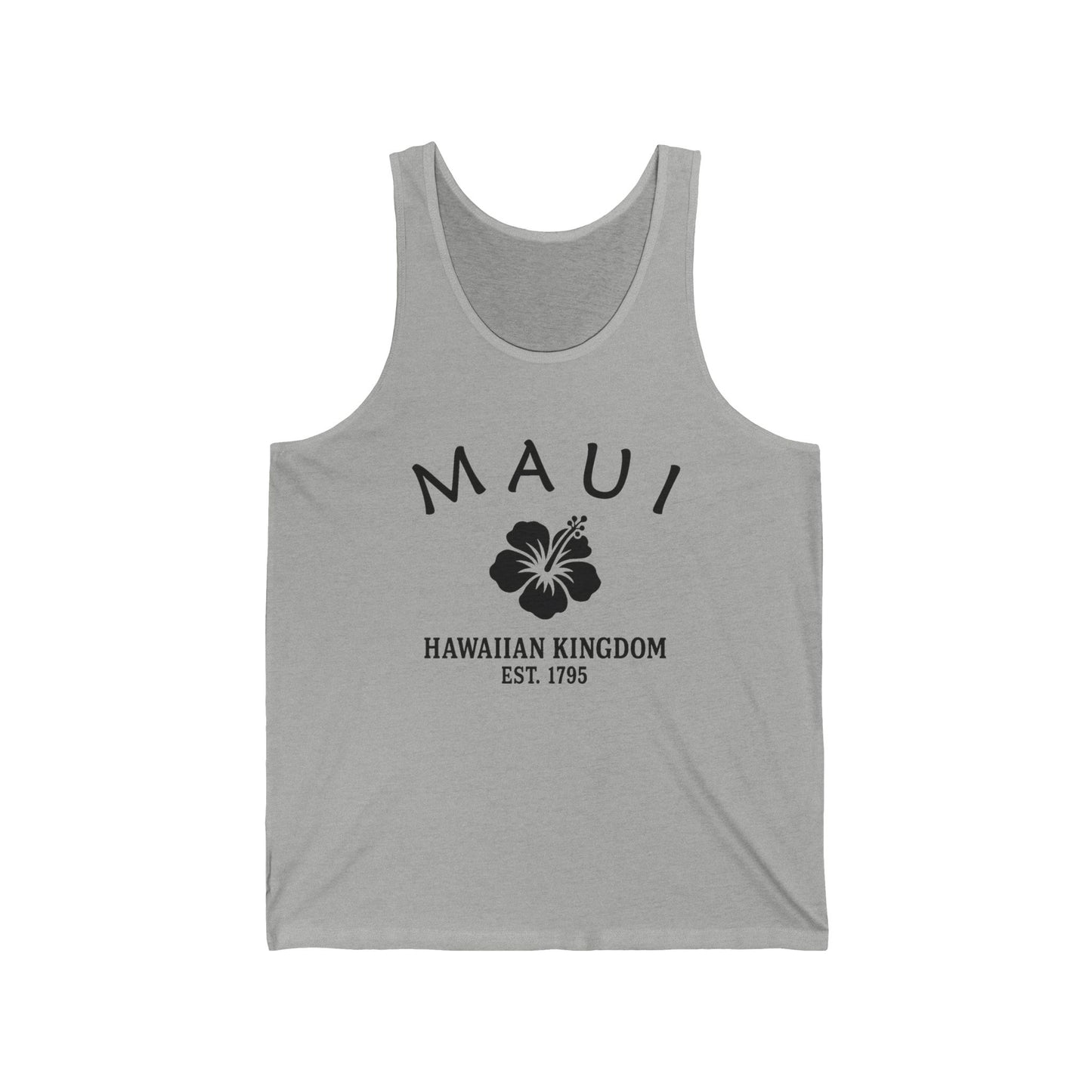
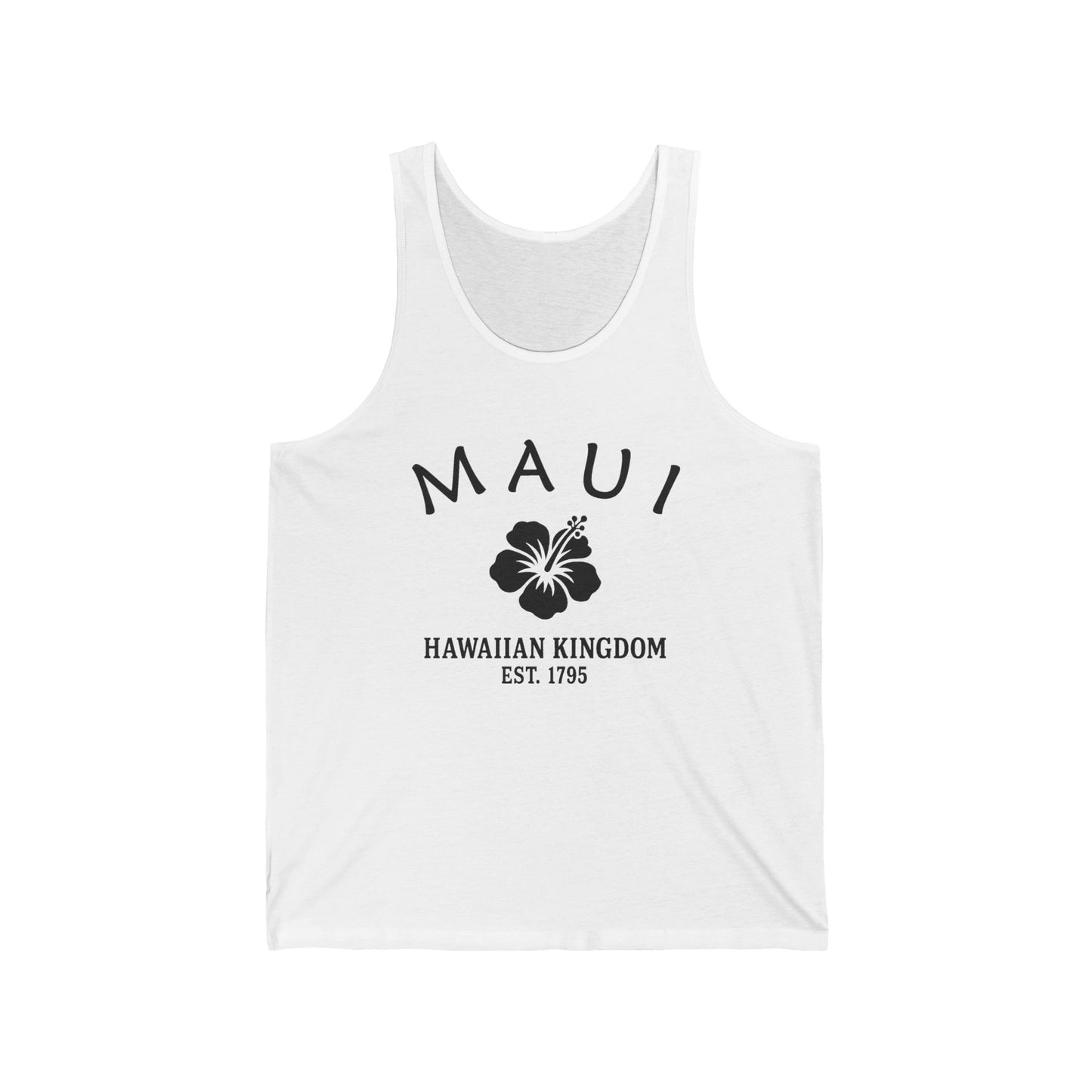
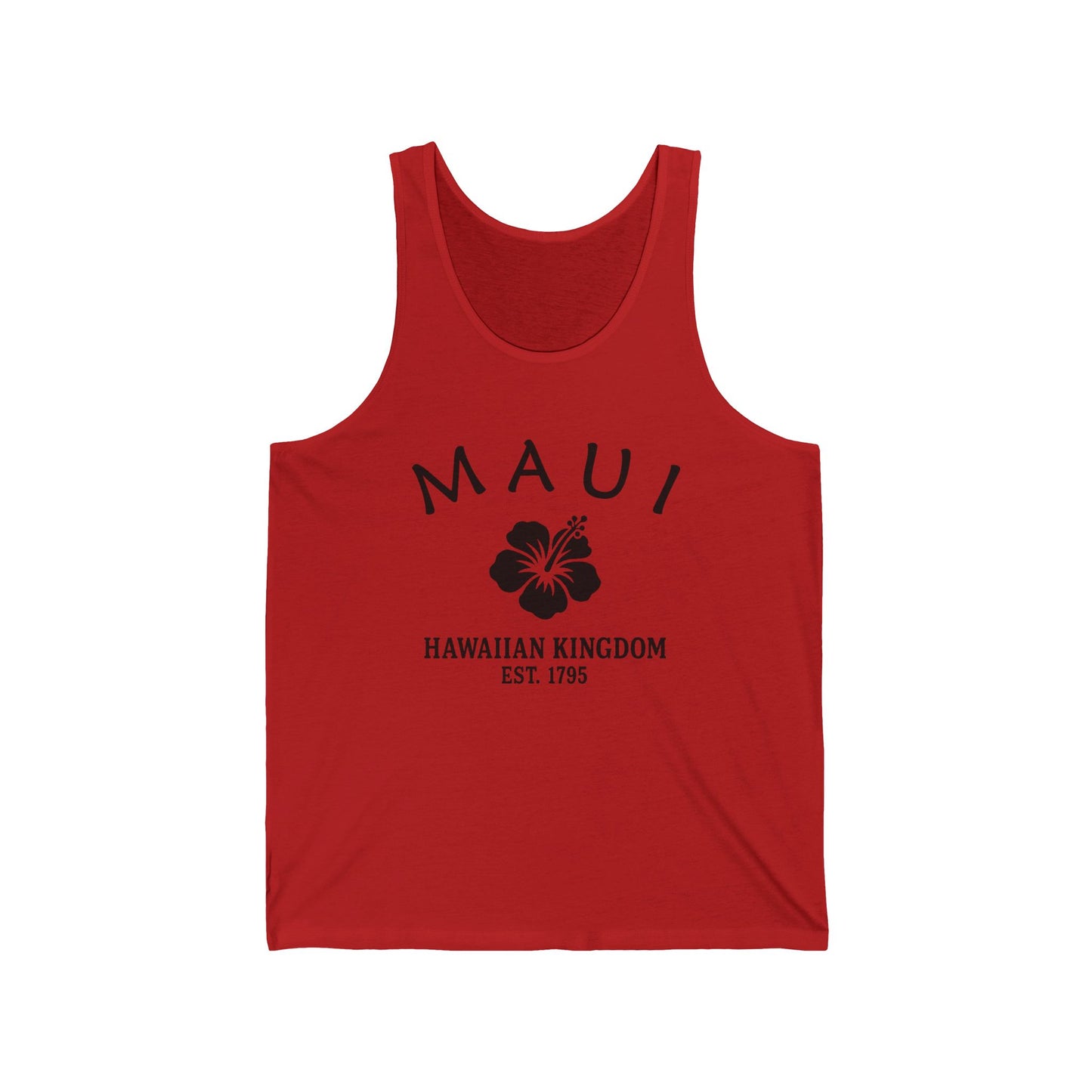
Today Maui is known the world over for its landscape. The Road to Hāna threads the rainforest coast past waterfalls and sea cliffs; ʻĪao Valley rises green and sudden behind Wailuku; humpback whales fill the channel each winter; and Haleakalā stands over it all. It is a place that asks to be treated as more than scenery — a living Hawaiian home with a deep past — and that is how it rewards the people who come to it with respect: the Valley Isle, between two volcanoes, ringed by the Pacific.
What’s with women’s soccer? Every girl who laces up owes something to a kid from Pāʻia. Patsy Takemoto Mink was born on Maui’s north shore in 1927, became Maui High School’s first female student-body president, and graduated valedictorian in 1944 — in an era when girls were allowed only the half-court game in basketball. When every medical school rejected her because she was a woman, she went to law school instead, and in 1964 she became the first woman of color elected to the United States Congress. There she co-authored the thirty-seven words of Title IX in 1972 — the law that opened American education, and its playing fields, to girls and women. In 1971, about 700 girls played high school soccer nationwide; today nearly 400,000 do, with hundreds of college programs and a thriving professional game beyond them. The athletic field at Maui High School is named Patsy T. Mink Field in her honor, and in 2024 the nation honored her again: the United States Mint issued the Patsy Takemoto Mink quarter, the twelfth coin of the American Women Quarters Program, its reverse showing her holding the Title IX legislation with a lei at her shoulders for Hawaiʻi.
Why People Visit Maui
Maui draws visitors for its landscape and its depth — a sacred volcanic summit, a rainforest coast road, a green valley behind the harbor towns, and the Pacific where humpbacks winter — all carried by a living Native Hawaiian culture. People come for Haleakalā, the Road to Hāna, and the beaches, and stay for the quiet of upcountry and the sense of a place with a long memory. It is scenic, storied, and unmistakably Hawaiian.
