Every design is set in hand-lettered vintage type for that old-school, crate-label look. One sample color shown — black and white logo options on every piece. Recently in the national press. Enjoy!
-
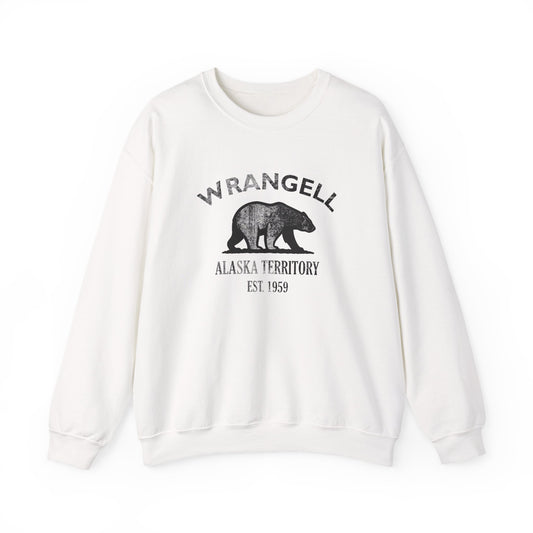
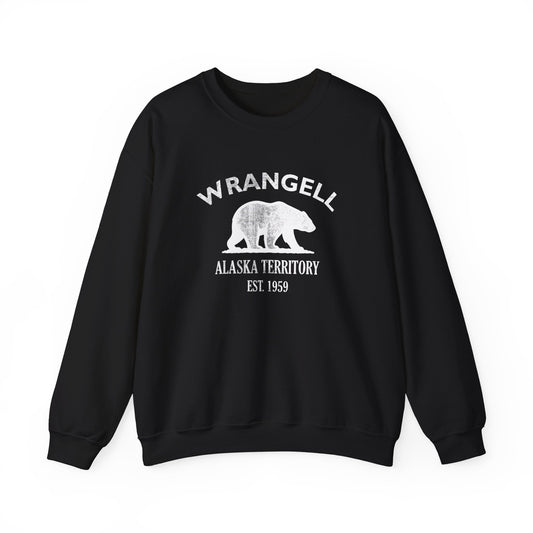
Wrangell Alaska Vintage Retro Premium Crewneck Sweatshirt - Black Logo
Regular price $48.00 USDRegular price -
Wrangell Alaska Vintage Retro Premium Crewneck Sweatshirt - White Logo
Regular price $48.00 USDRegular price -
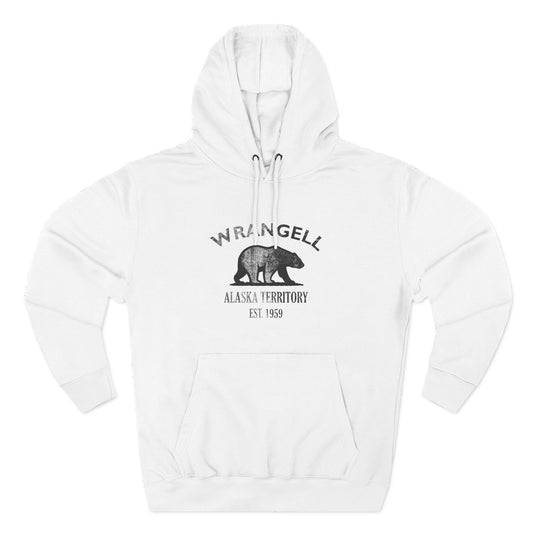
Wrangell Alaska Vintage Retro Unisex Heavy Cotton Hoodie - White Logo
Regular price $56.00 USDRegular price -
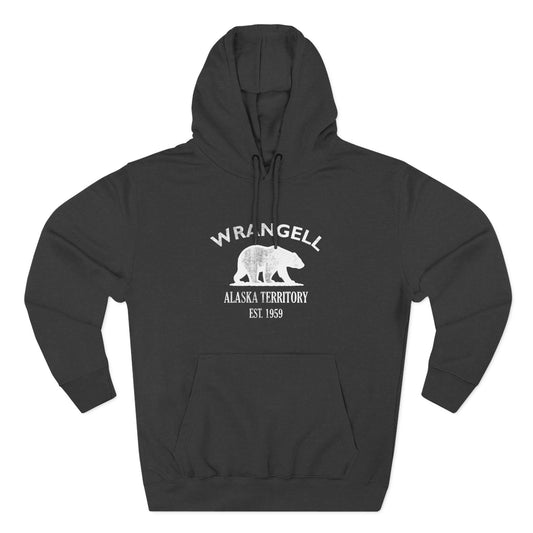
Wrangell Alaska Vintage Retro Unisex Heavy Cotton Hoodie - Black Logo
Regular price $56.00 USDRegular price -
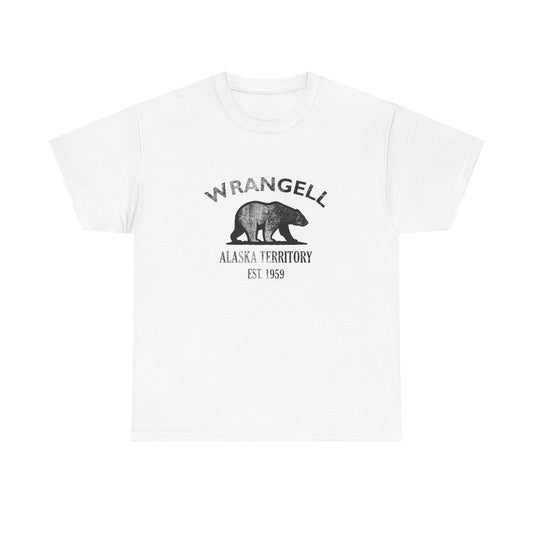
Wrangell Alaska Vintage Retro Unisex Heavy Cotton Tee - White Logo
Regular price $22.00 USDRegular price -
Wrangell Alaska Vintage Retro Unisex Heavy Cotton Tee - Black Logo
Regular price $22.00 USDRegular price -
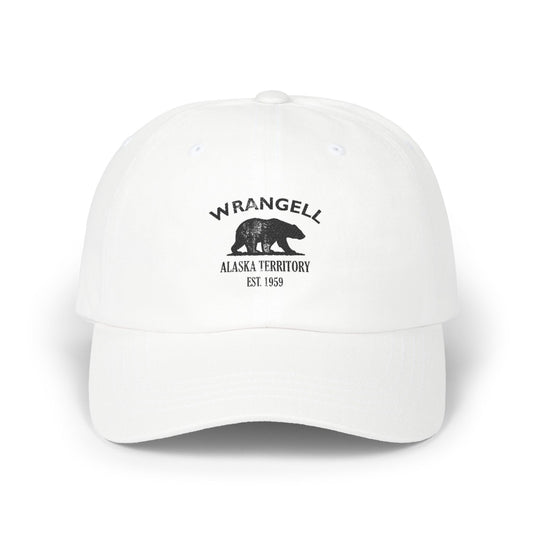
Wrangell Alaska Vintage Retro Embroidered Cotton Cap - White Logo
Regular price $32.00 USDRegular price -
Wrangell Alaska Vintage Retro Embroidered Cotton Cap - Black Logo
Regular price $32.00 USDRegular price -
Wrangell Alaska Vintage Retro Vinyl Sticker - Black Logo
Regular price From $6.00 USDRegular price -
-
Wrangell Alaska Vintage Retro Womens Fitted Ringspun Cotton Tee - Black Logo
Regular price $28.00 USDRegular price -
Wrangell Alaska Vintage Retro Unisex Embroidered Fleece Jacket - White Logo
Regular price $98.00 USDRegular price -
Wrangell Alaska Vintage Retro Back Printed Art Series Cotton Tee - Black Logo
Regular price $32.00 USDRegular price -
Wrangell Alaska Vintage Retro Giclée Print Art Series Poster
Regular price From $38.00 USDRegular price -
Wrangell Alaska Vintage Retro Ceramic Mug - Black Logo
Regular price From $16.00 USDRegular price -
Wrangell Alaska Vintage Retro Cotton Canvas Tote Bag - White Logo
Regular price $25.00 USDRegular price -
Wrangell Alaska Vintage Retro Cotton Canvas Tote Bag - Black Logo
Regular price $25.00 USDRegular price -
Wrangell Alaska Vintage Retro Thank You Card Set - Black Logo
Regular price From $25.00 USDRegular price -
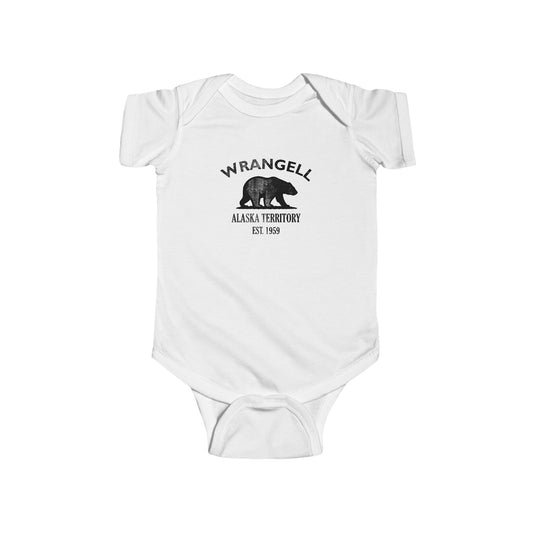
Wrangell Alaska Vintage Retro Cotton Jersey Baby Bodysuit - Black Logo
Regular price $26.00 USDRegular price -
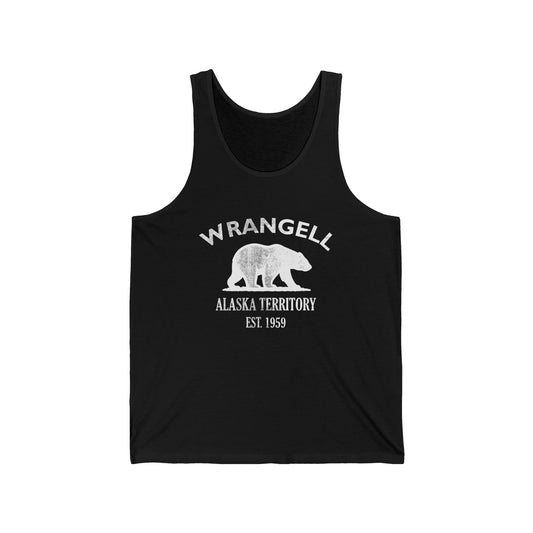
Wrangell Alaska Vintage Retro Unisex Cotton Jersey Tank Top - White Logo
Regular price $28.00 USDRegular price -
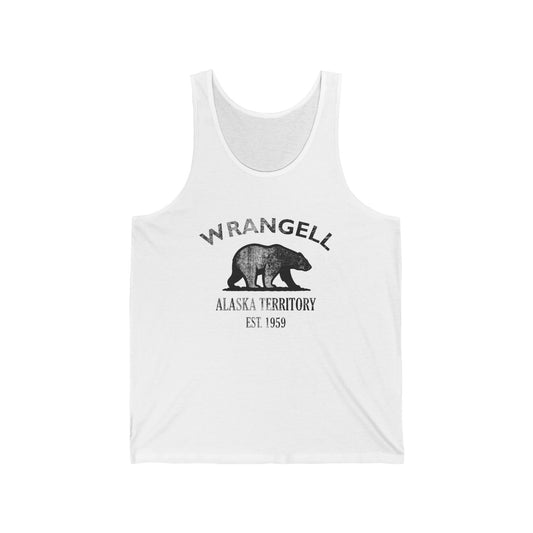
Wrangell Alaska Vintage Retro Unisex Cotton Jersey Tank Top - Black Logo
Regular price $28.00 USDRegular price -
Wrangell Alaska Vintage Retro Unisex Heavy Crewneck Sweatshirt - Black Logo
Regular price $44.00 USDRegular price -
Wrangell Alaska Vintage Retro Unisex Heavy Crewneck Sweatshirt - White Logo
Regular price $44.00 USDRegular price -
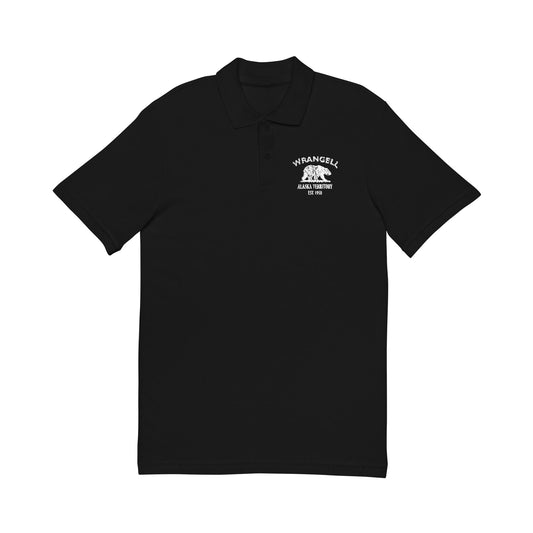
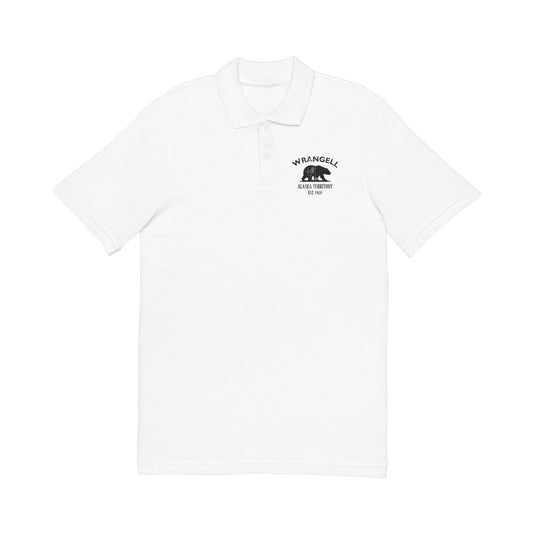
Wrangell Alaska Vintage Retro Unisex Embroidered Cotton Polo - Black Logo
Regular price $48.00 USDRegular price






Wrangell Alaska — Retro Vintage History
What's with the three flags over Wrangell? Most Alaska towns have flown one flag. Wrangell has worn three — and answered to four nations. The Stikine Tlingit held this ground for thousands of years; then in 1834 the Russians raised their flag over a stockade called Redoubt St. Dionysius, the British ran it as Fort Stikine under the Union Jack, and the United States took over in 1867 and built Fort Wrangell. Tlingit, Russia, Britain, America — no other town in Alaska can say the same. The reason for all that attention sits right offshore: Wrangell guards the mouth of the Stikine, the fast green river that was everyone's road into the interior. Whoever held Wrangell held the door.
Wear the HistoryStart with the river and the people. The Stikine pours out of the Coast Mountains into the islands of the Inside Passage, and the Stikine Tlingit built their life around it — fishing, trading inland, and carving the totems the town is still known for. When the Russians arrived to guard the fur trade, Chief Shakes moved the Tlingit village to Shakes Island in the heart of today's harbor, beside the new redoubt. The island was named, like the town, for Baron Ferdinand von Wrangel, the Russian-American Company governor. The Hudson's Bay Company soon leased the Stikine country and flew the British flag over Fort Stikine; the lease ran until 1867, when the United States bought Alaska and a year later raised a third flag over Fort Wrangell.

What made Wrangell boom was gold — not its own, but everyone else's. The mouth of the Stikine was the natural gateway to the goldfields of the British Columbia interior, and Wrangell lived three separate rush-town lives: the Stikine strike of 1861, the Cassiar rush of the 1870s, and the Klondike stampede of the late 1890s. Thousands of prospectors poured through, and the town turned as raw as any in the north — Wyatt Earp filled in as marshal for ten days on his way to Nome, Soapy Smith hid out here when Skagway got too hot, and the naturalist John Muir came in 1879 to wonder at the glaciers up the river. Each rush faded; the river stayed.
Between and after the rushes, Wrangell made its living from the sea and the forest. Fish traps went in at the mouth of the Stikine in the 1890s, and salmon canneries grew into the backbone of the town, packing the runs that came down the river every summer. When canning gave way in the mid-twentieth century, a lumber mill took its place, and Wrangell settled into the role it still plays — a working Inside Passage town of fishermen, loggers, and harbor hands, far quieter than the cruise ports to the north. When statehood arrived in 1959 the new state finally outlawed the fish traps that had thinned the Stikine runs, and the salmon slowly came back.
Through all of it the Tlingit presence never left. Out at the edge of town, Petroglyph Beach is scattered with spirals and faces pecked into the rock perhaps eight thousand years ago, easiest to read at low tide. A footbridge in the inner harbor leads to Chief Shakes Island and its tribal house, ringed by carved totems, and downriver at Anan Creek black and brown bears crowd an ancient Tlingit fishing site to take the summer salmon. The old stories and the old carvings are not behind glass here; they are part of the working town. Even the children carry a piece of it — they sell deep-red garnets at the dock, gathered from a ledge up the Stikine that was deeded long ago so Wrangell's kids could mine and sell the stones.
Our Wrangell logo carries Alaska's distressed bear, drawn in worn black and white above ‘Est. 1959,’ the year of statehood — the shared retro emblem of our Alaska towns. The bear stands for the wilderness and the toughness it takes to live in it, and the rugged crate-stamp styling makes the design feel like something off an old cannery label or an outfitter's crate. The bear and the date are the through-line that links Wrangell to every other Alaska town we make; what makes this one Wrangell is everything around it — the three flags, the Stikine River, the totems, and the carvings on the beach.
Today Wrangell is the quiet one — a working Alaska town the big ships mostly pass by, which is exactly its charm. Its days run on tides and salmon: jet-boat trips up the wild Stikine, low-tide walks among the petroglyphs, totems on Shakes Island, and bears at Anan in season. Our Wrangell designs gather that into wearable form. Wear the history. Three flags, one river town.

Wrangell, Alaska — Travel Guide
Visiting Wrangell Today
Wrangell sits on the northern tip of Wrangell Island in the Inside Passage, across the strait from the mouth of the Stikine River and reached by the Alaska Marine Highway ferry or a short flight. It is a compact, walkable, working harbor town — long on Tlingit culture and wildlife, short on cruise crowds — with trails rising straight from downtown and the wild Stikine on its doorstep.
Totems, Petroglyphs & the Stikine
For visitors looking for things to do in Wrangell, Alaska:
- Explore Petroglyph Beach State Historic Park, ancient rock carvings best seen at low tide.
- Cross the footbridge to Chief Shakes Island & Tribal House, ringed by carved Tlingit totems.
- Take a jet-boat up the wild Stikine River, the fast glacial gateway to the interior.
- Boat to Anan Wildlife Observatory (in season) to watch black and brown bears at the salmon run.
- Climb Mount Dewey, a short forest switchback to a boardwalk overlook above town and the strait.
- Walk the City Dock and harbor for boats, murals, and mountains on the water.
- Visit the Wrangell Museum at the Nolan Center for Tlingit, Russian, British, and gold-rush history.
- Hunt for garnets at the dock, where local children sell stones from Wrangell's Garnet Ledge.
Why People Visit Wrangell
Wrangell rewards the off-the-path traveler. It pairs living Tlingit culture with easy reach of the Stikine and bear country, and you can see totems, petroglyphs, and a working harbor in a single walkable day. It feels authentic, green, and quietly adventurous — an Alaska town that stayed itself — with year-round appeal in its trails, parks, and waterfront.
Wear the History
Kindred Cities
We're glad to welcome visitors from Ålesund, Norway (velkommen) and Prince Rupert, Canada — kindred northern fishing ports of long memory.
Wrangell is one of Alaska's oldest towns, a fishing port that has flown Tlingit, Russian, British and American flags, and Ålesund and Prince Rupert keep the same seafaring company. Ålesund rebuilt itself in graceful Art Nouveau after a great fire and lives by its fjord fisheries; Prince Rupert works a misty harbour on British Columbia's north coast; Wrangell guards the mouth of the Stikine River among the islands, its totems and old cannery days close at hand. Three northern ports raised by the sea.
Wrangell repays the off-the-path traveler: jet-boat trips up the wild Stikine River, ancient petroglyphs on the beach, Chief Shakes Tribal House and its totems, and the quiet of a working Alaska town the cruise crowds mostly miss. Come and visit us soon.
When you plan the trip, the Wrangell Convention & Visitors Bureau is the place to start.
Wear the History

For deeper reading on the Wrangell history described here — the Stikine Tlingit and Chief Shakes, the 1834 Russian Redoubt St. Dionysius, the British Fort Stikine and the Hudson's Bay Company lease, the 1867 U.S. purchase and 1868 Fort Wrangell, the Stikine and Cassiar gold rushes, and the cannery and timber years — it may be useful to consult (1) the Wrangell Museum at the Nolan Center, (2) the Alaska State Library and Historical Collections in Juneau, (3) the Sealaska Heritage Institute, (4) the Wrangell Cooperative Association (the Tlingit tribal government), and (5) the Alaska Historical Society. For travel and visitor information, it may be useful to contact (1) the Wrangell Convention & Visitors Bureau, (2) the Wrangell Ranger District of the Tongass National Forest (Anan & the Stikine), (3) Petroglyph Beach State Historic Park / Alaska State Parks, (4) the City and Borough of Wrangell Parks & Recreation, and (5) Travel Alaska, the state tourism office.
- Choosing a selection results in a full page refresh.
- Opens in a new window.