-
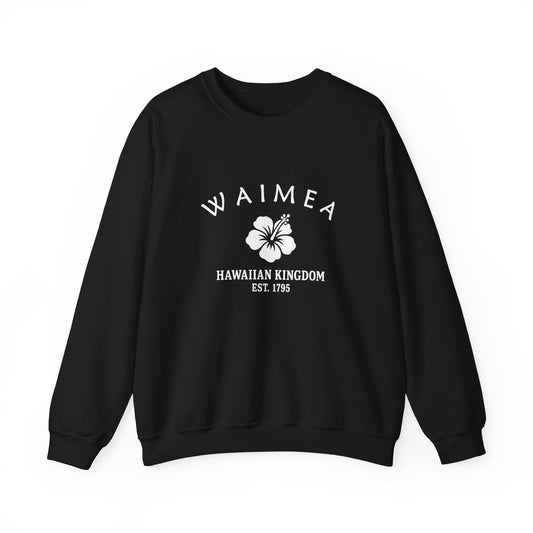
Waimea Hawaii Vintage Retro Premium Crewneck Sweatshirt - Black Logo
Regular price $48.00 USDRegular price -
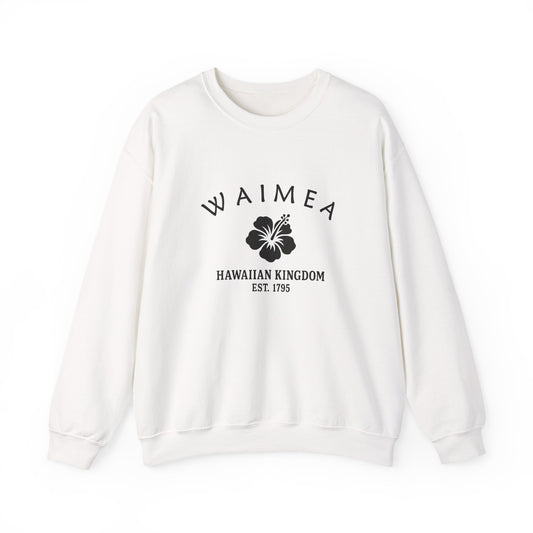
Waimea Hawaii Vintage Retro Premium Crewneck Sweatshirt - White Logo
Regular price $48.00 USDRegular price -
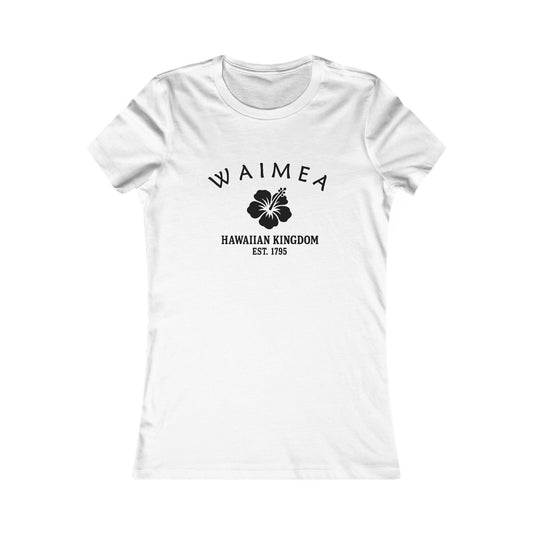
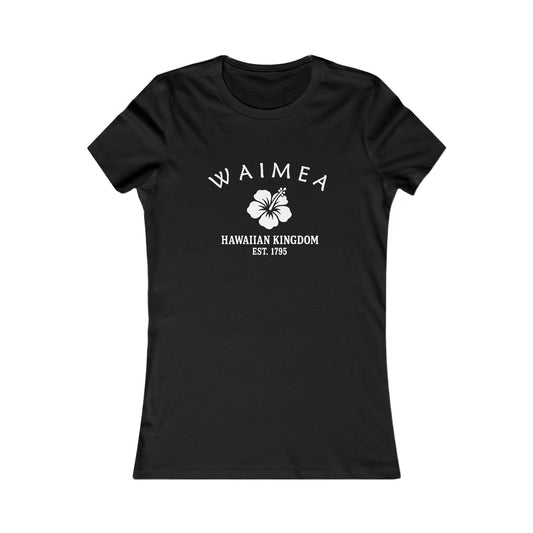
Waimea Hawaii Vintage Retro Womens Fitted Ringspun Cotton Tee - Black Logo
Regular price $28.00 USDRegular price -
-
Waimea Hawaii Vintage Retro Embroidered Cotton Cap - Black Logo
Regular price $32.00 USDRegular price -
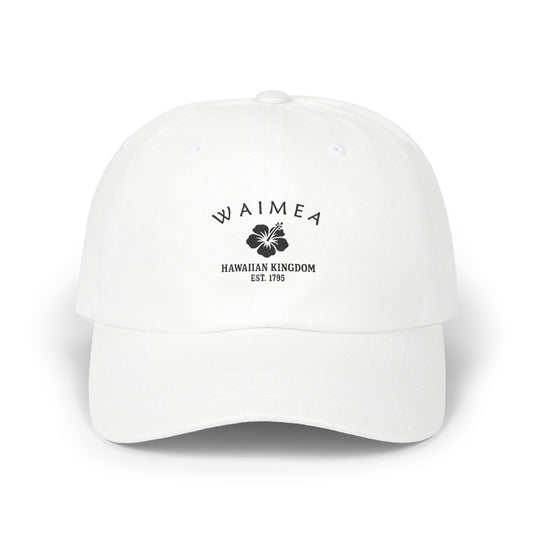
Waimea Hawaii Vintage Retro Embroidered Cotton Cap - White Logo
Regular price $32.00 USDRegular price -
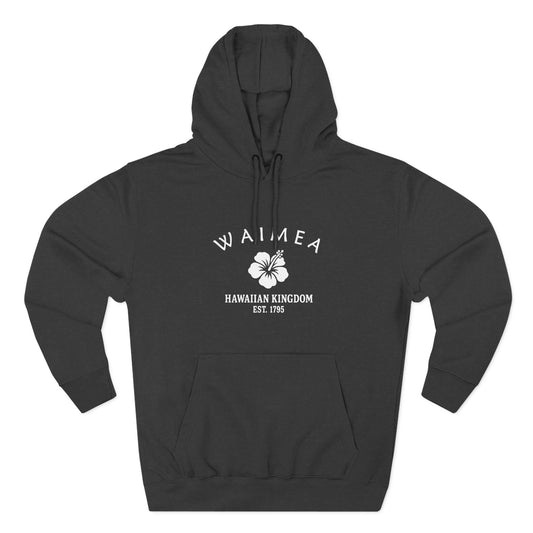
Waimea Hawaii Vintage Retro Unisex Heavy Cotton Hoodie - Black Logo
Regular price $56.00 USDRegular price -
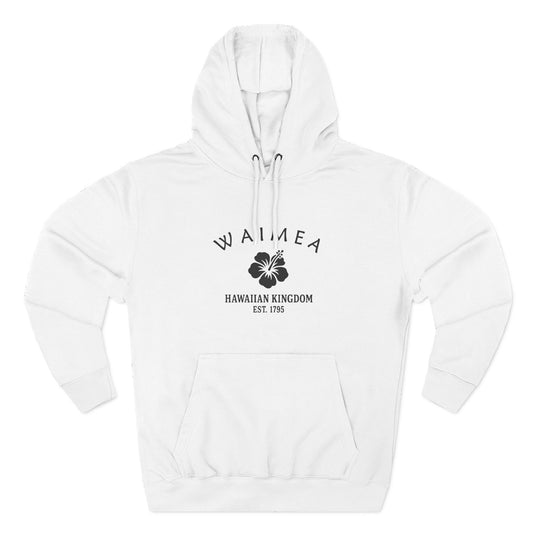
Waimea Hawaii Vintage Retro Unisex Heavy Cotton Hoodie - White Logo
Regular price $56.00 USDRegular price -
Waimea Hawaii Vintage Retro Vinyl Sticker - Black Logo
Regular price From $6.00 USDRegular price -
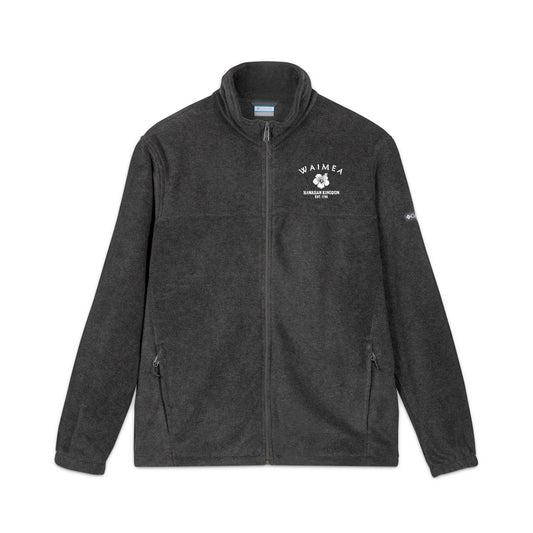
Waimea Hawaii Vintage Retro Unisex Embroidered Fleece Jacket - White Logo
Regular price $98.00 USDRegular price -
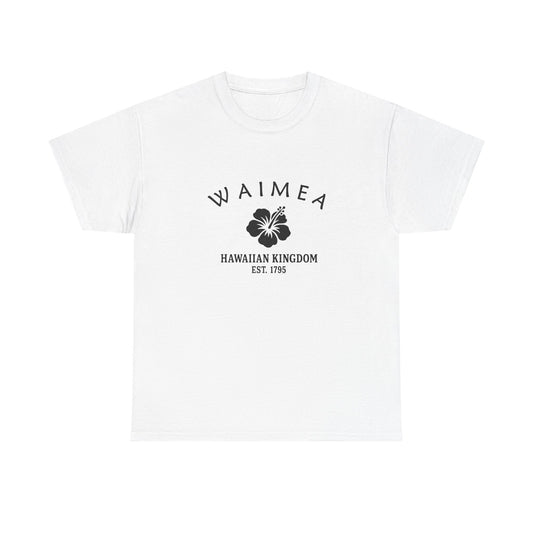
Waimea Hawaii Vintage Retro Unisex Heavy Cotton Tee - Black Logo
Regular price $22.00 USDRegular price -
Waimea Hawaii Vintage Retro Unisex Heavy Cotton Tee - White Logo
Regular price $22.00 USDRegular price -
Waimea Hawaii Vintage Retro Giclée Print Art Series Poster
Regular price From $38.00 USDRegular price -
Waimea Hawaii Vintage Retro Back Printed Art Series Cotton Tee - Black Logo
Regular price $32.00 USDRegular price -
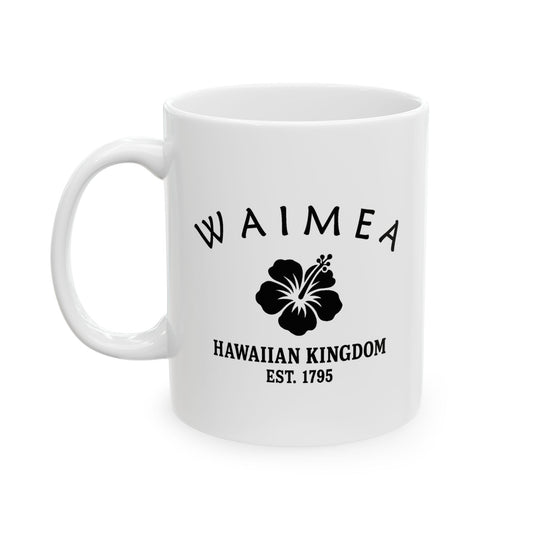
Waimea Hawaii Vintage Retro Ceramic Mug - Black Logo
Regular price From $16.00 USDRegular price -
Waimea Hawaii Vintage Retro Cotton Canvas Tote Bag - White Logo
Regular price $25.00 USDRegular price -
Waimea Hawaii Vintage Retro Cotton Canvas Tote Bag - Black Logo
Regular price $25.00 USDRegular price -
Waimea Hawaii Vintage Retro Thank You Card Set - Black Logo
Regular price From $25.00 USDRegular price -
Waimea Hawaii Vintage Retro Cotton Jersey Baby Bodysuit - Black Logo
Regular price $26.00 USDRegular price -
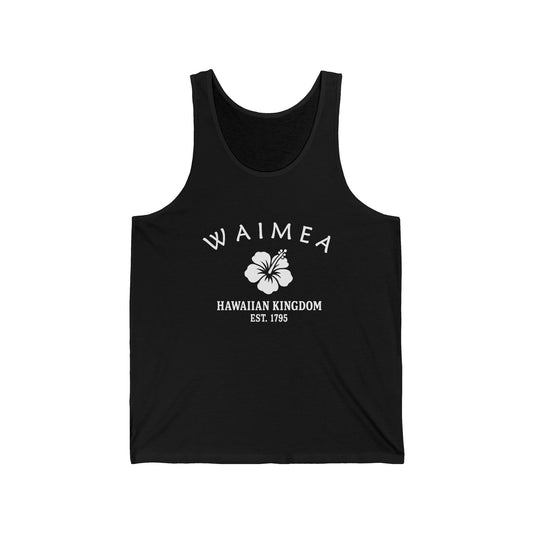
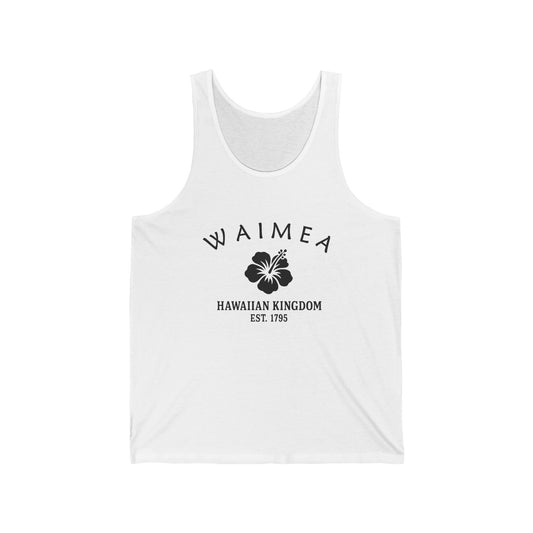
Waimea Hawaii Vintage Retro Unisex Cotton Jersey Tank Top - White Logo
Regular price $28.00 USDRegular price -
Waimea Hawaii Vintage Retro Unisex Cotton Jersey Tank Top - Black Logo
Regular price $28.00 USDRegular price -
Waimea Hawaii Vintage Retro Unisex Heavy Crewneck Sweatshirt - Black Logo
Regular price $44.00 USDRegular price -
Waimea Hawaii Vintage Retro Unisex Heavy Crewneck Sweatshirt - White Logo
Regular price $44.00 USDRegular price -
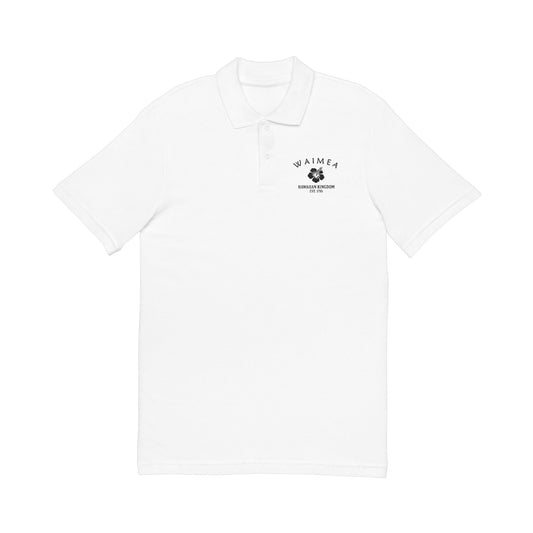
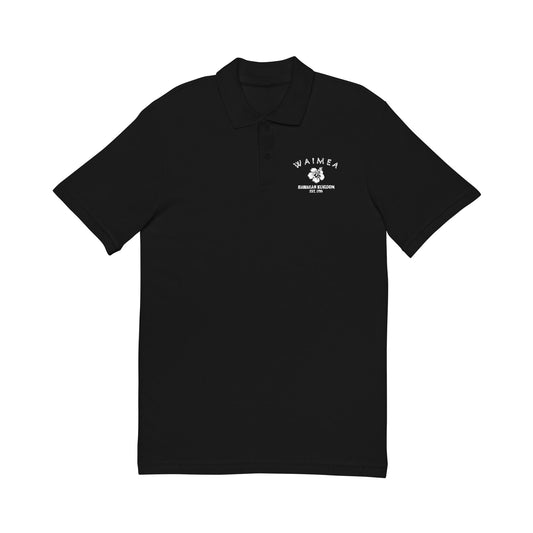
Waimea Hawaii Vintage Retro Unisex Embroidered Cotton Polo - Black Logo
Regular price $48.00 USDRegular price






Waimea Hawaii — Retro Vintage History
What's with the paniolo? Long before there was a cowboy in Texas or Montana, there were cowboys here. In the 1830s King Kamehameha III brought Mexican and Spanish vaqueros to Waimea to tame the wild cattle running loose on the uplands, and the Hawaiians they trained became the paniolo — the word itself worn down from “Español.” Waimea, high on the green slopes of Mauna Kea, is the heartland of that tradition: Hawaiian cowboys who were roping and riding a full generation before the cattle drives of the American West.
Wear the HistoryThis was old, settled country long before the cattle came. Native Hawaiians had farmed the Waimea uplands since around 1100–1200 AD, terracing the leeward slopes into field systems walled with kuaiwi and watered by ʻauwai canals tapped from the Waimea streams; the upper slopes are said to have supported more than ten thousand people before Western contact. After contact, two waves remade the land — first the sandalwood cutters of the early 1800s, who stripped the fragrant ʻōhiʻa and māmane forests and carried the wood down to the coast for the China trade, and then the cattle that turned the cleared ground into the open pasture Waimea is known for today.
The town kept its Hawaiian roots through all of it. ʻImiola Church, the white New England–style church at the center of Waimea, was built in 1857; its missionary, Reverend Lorenzo Lyons, loved the place enough to write the song “Hawaiʻi Aloha,” still sung across the islands. Waimea grew into a true cross-cultural community — Hawaiian, paniolo, and later Japanese families — a ranching town with a church, a schoolhouse, and a culture all its own, cool and green and a world away from the beaches.

At the center of it all is Parker Ranch. John Palmer Parker, who married into a Native Hawaiian aliʻi family, founded the ranch in 1847; it grew across the slopes of Mauna Kea and Kohala into one of the oldest and largest cattle ranches in the United States — well over a hundred thousand acres. For generations the paniolo of Parker Ranch worked those pastures on horseback, and the ranch became the economic and cultural heart of North Hawaiʻi, drawing visits even from the reigning monarchs of the Hawaiian Kingdom.
Waimea goes by two names. “Waimea” — “reddish water” — is the old Hawaiian name, but it is shared by towns on Kauaʻi and Oʻahu, so the post office here took a second one: Kamuela, the Hawaiian form of “Samuel,” after Samuel Parker, John Palmer Parker's prominent grandson. The sign on the post office still says Kamuela; the people who live there still say Waimea. Both names point to the same cool upland town and the same ranching family that shaped it. The town sits some 2,700 feet up, cool and often fog-wrapped — close enough to the Kohala-coast beaches to surprise first-time visitors with sweaters and woodsmoke.
For all the ranch's reach, Waimea stays a small upcountry town. At over twenty-six hundred feet the air is cool and often misty, and the green hills feel closer to the high country of New Zealand or the Rockies than to any tropical shore. The town fills its calendar with the things of ranch country: a Fourth of July rodeo that goes back generations, weekly farmers' markets on the school grounds, and a February cherry-blossom festival that honors the Japanese families who became part of the community. Waimea is also the crossroads of North Hawaiʻi, the gateway town on the road between the Kona and Hilo coasts.
Our Waimea logo carries the Hawaiian hibiscus over “Hawaiian Kingdom · Est. 1795,” the year Kamehameha I unified the islands — the shared emblem of every Merlin Classics Hawaiʻi place. Printed in a clean retro black-and-white that reads like an old travel decal, the hibiscus stands for the islands as a whole; what makes this one Waimea is the country behind it — the paniolo on the high pastures, Parker Ranch under Mauna Kea, and a Hawaiian town that has been green, cool, and proud of its cowboys for nearly two centuries.
Today Waimea — Kamuela on the envelope — is still paniolo country: ranch land and farmers' markets, cool misty mornings, a rodeo every Fourth of July, and Mauna Kea standing over it all. Our Waimea designs gather that identity — the hibiscus emblem, the upland pastures, the Hawaiian cowboy heritage — into wearable form. It is a Hawaiian town that has stayed itself — Native roots and paniolo pride, ranch and rodeo, cool air and big skies. Waimea, Hawaiʻi — where the cowboys came first, high on the green slopes of the Big Island.

Waimea (Kamuela), Hawaiʻi — Travel Guide
Visiting Waimea Today
Waimea — Kamuela on the map — sits in the cool green uplands of North Hawaiʻi, on the road between the Kona and Hilo coasts. It is paniolo country: ranch land and farmers' markets, mountain air, and big views toward Mauna Kea, a side of the Big Island most visitors never expect.
Ranch Country, the Town & the Uplands
For visitors looking for things to do in Waimea (Kamuela), Hawaiʻi:
- Learn the paniolo story at the Paniolo Heritage Center and Pukalani Stables.
- Visit historic ʻImiola Church (1857), where Reverend Lorenzo Lyons wrote “Hawaiʻi Aloha.”
- Time a trip for the Waimea Fourth of July Rodeo, a paniolo tradition that goes back generations.
- Browse the Waimea town farmers' markets and the shops and galleries along the main road.
- Take in the green pasturelands below Mauna Kea and the country roads of North Hawaiʻi.
Why People Visit Waimea
Waimea offers the Hawaiʻi that isn't a beach — cool, green, and high, with a deep ranching culture and Native Hawaiian roots. Visitors come for the paniolo heritage, the upland air, the farmers' markets, and the rare feeling of a Hawaiian cowboy town under the slopes of a sacred mountain.
Wear the History
Kindred Cities
We're glad to welcome visitors from Queenstown, New Zealand and Banff, Canada — fellow high-country towns beneath the mountains.
Waimea is paniolo country, the cool green uplands of the Big Island where Hawaiian cowboys have worked the great Parker Ranch for generations, and Queenstown and Banff share that mountain air. Queenstown rises among New Zealand's Southern Alps and high-country sheep stations; Banff sits in the heart of the Canadian Rockies; Waimea spreads its pastures and ranch lands below Mauna Kea, misty and green a world away from the beaches. Three towns where the high country, not the coast, defines the place.
Waimea is the place for the visitor who climbs above the shore: rolling ranch land and paniolo history, the cool air and big skies of the uplands, country towns and farmers' markets, and Mauna Kea looming over it all. Come and visit us soon.
When you plan the trip, the Island of Hawaiʻi Visitors Bureau is the place to start.
Wear the History

For deeper reading on the Waimea history described here — the pre-contact Native Hawaiian settlement and upland field systems, the sandalwood era, the arrival of the vaqueros and the birth of the paniolo, the founding of Parker Ranch (1847), ʻImiola Church (1857) and Reverend Lorenzo Lyons, and the dual name Waimea / Kamuela — it may be useful to consult (1) the Paniolo Preservation Society and the Paniolo Heritage Center, (2) the Bishop Museum and the Hawaiʻi State Archives, (3) the Thelma Parker Memorial Library local-history collection in Waimea, (4) the ʻImiola Congregational Church, and (5) the Kohala Center and Hawaiʻi Island historical resources. For travel and visitor information, it may be useful to contact (1) the Island of Hawaiʻi Visitors Bureau, (2) the Waimea (Kamuela) community and business associations, (3) the County of Hawaiʻi parks and recreation department, (4) the Hawaiʻi state-parks office, and (5) regional visitor desks.
- Choosing a selection results in a full page refresh.
- Opens in a new window.