-
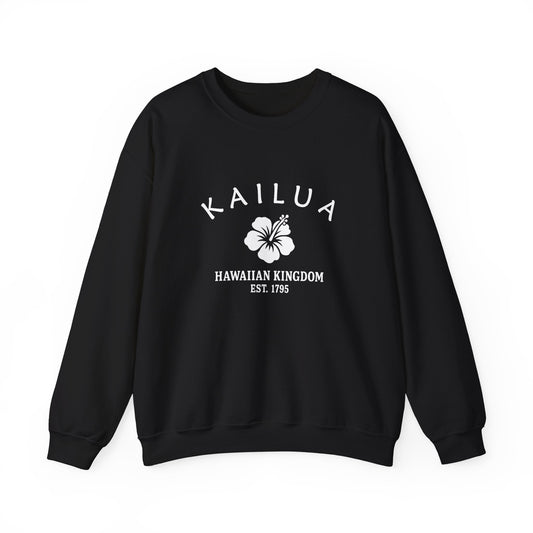
Kailua Hawaii Vintage Retro Premium Crewneck Sweatshirt - Black Logo
Regular price $48.00 USDRegular price -
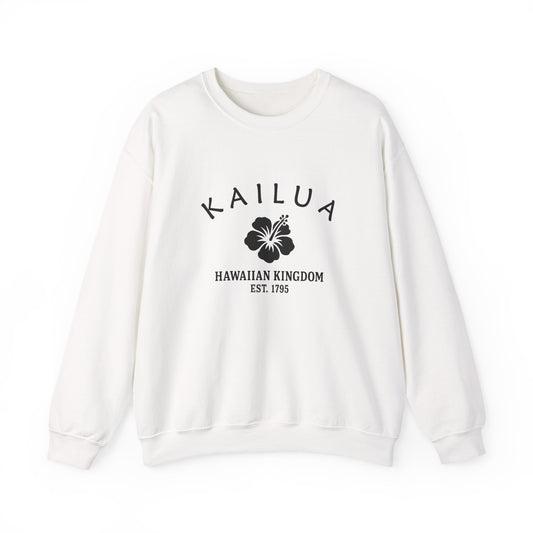
Kailua Hawaii Vintage Retro Premium Crewneck Sweatshirt - White Logo
Regular price $48.00 USDRegular price -
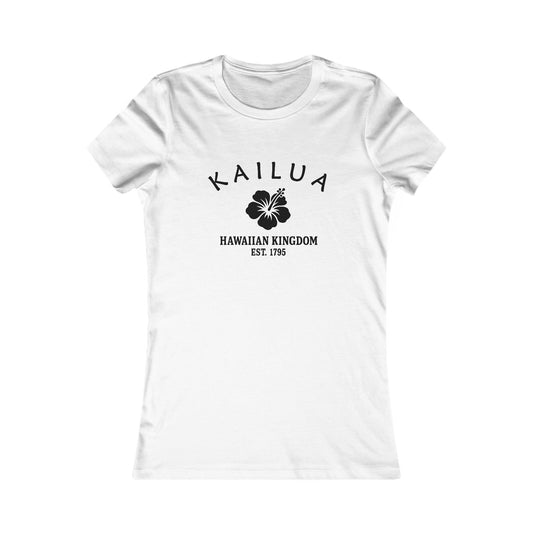
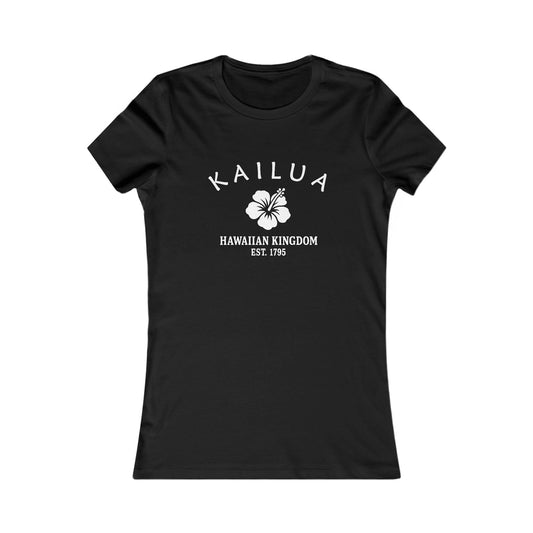
Kailua Hawaii Vintage Retro Womens Fitted Ringspun Cotton Tee - Black Logo
Regular price $28.00 USDRegular price -
-
Kailua Hawaii Vintage Retro Vinyl Sticker - Black Logo
Regular price From $6.00 USDRegular price -
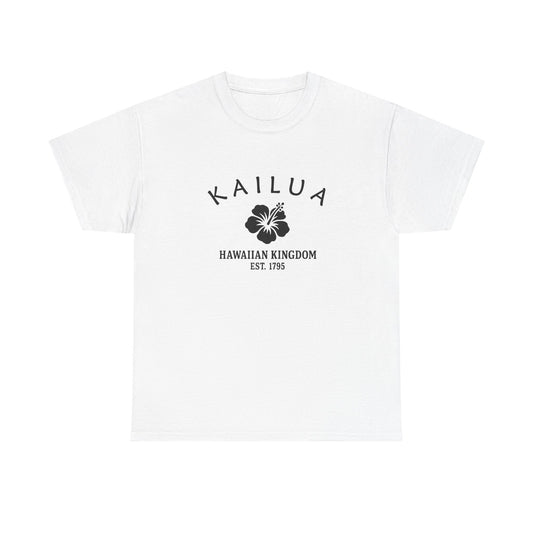
Kailua Hawaii Vintage Retro Unisex Heavy Cotton Tee - Black Logo
Regular price $22.00 USDRegular price -
Kailua Hawaii Vintage Retro Unisex Heavy Cotton Tee - White Logo
Regular price $22.00 USDRegular price -
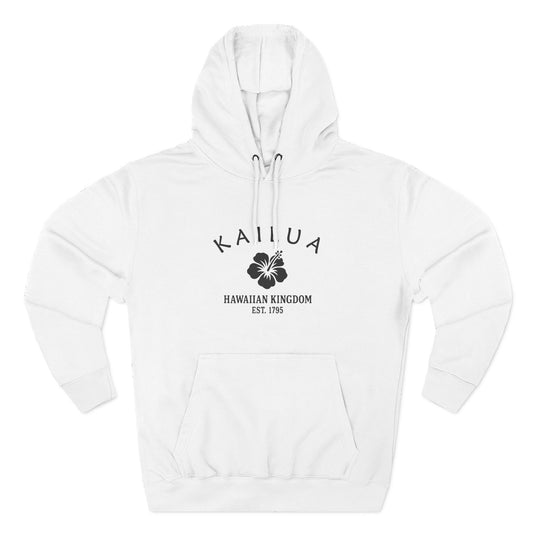
Kailua Hawaii Vintage Retro Unisex Heavy Cotton Hoodie - Black Logo
Regular price $56.00 USDRegular price -
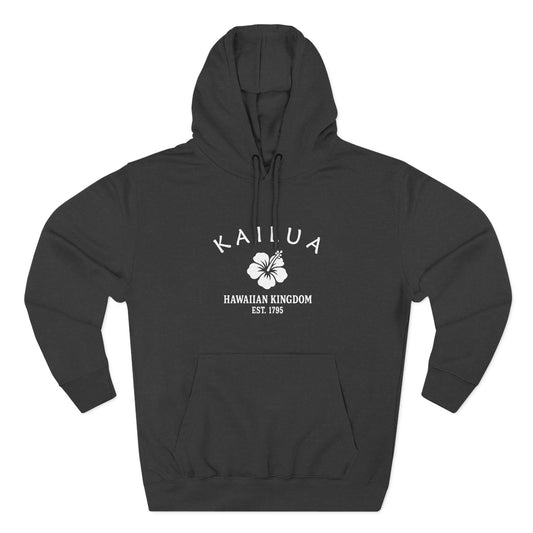
Kailua Hawaii Vintage Retro Unisex Heavy Cotton Hoodie - White Logo
Regular price $56.00 USDRegular price -
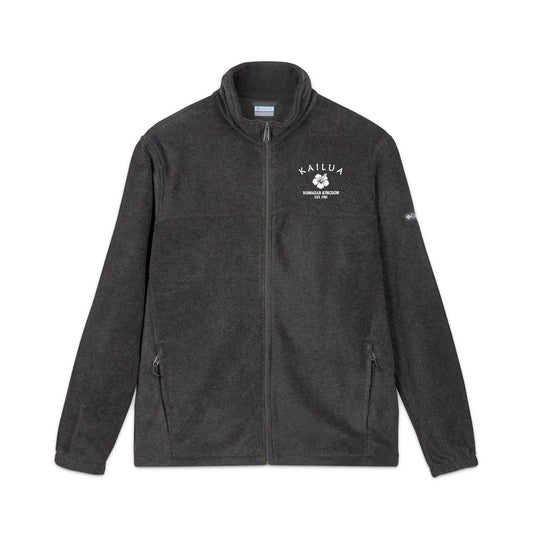
Kailua Hawaii Vintage Retro Unisex Embroidered Fleece Jacket - White Logo
Regular price $98.00 USDRegular price -
Kailua Hawaii Vintage Retro Back Printed Art Series Cotton Tee - Black Logo
Regular price $32.00 USDRegular price -
Kailua Hawaii Vintage Retro Giclée Print Art Series Poster
Regular price From $38.00 USDRegular price -
Kailua Hawaii Vintage Retro Embroidered Cotton Cap - Black Logo
Regular price $32.00 USDRegular price -
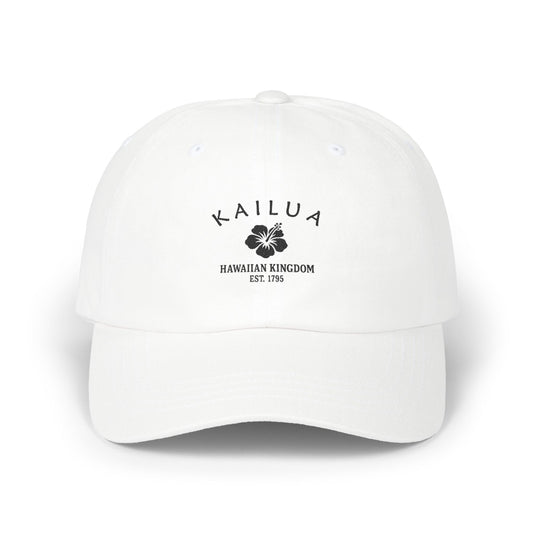
Kailua Hawaii Vintage Retro Embroidered Cotton Cap - White Logo
Regular price $32.00 USDRegular price -
Kailua Hawaii Vintage Retro Ceramic Mug - Black Logo
Regular price From $16.00 USDRegular price -
Kailua Hawaii Vintage Retro Cotton Canvas Tote Bag - Black Logo
Regular price $25.00 USDRegular price -
Kailua Hawaii Vintage Retro Cotton Canvas Tote Bag - White Logo
Regular price $25.00 USDRegular price -
Kailua Hawaii Vintage Retro Thank You Card Set - Black Logo
Regular price From $25.00 USDRegular price -
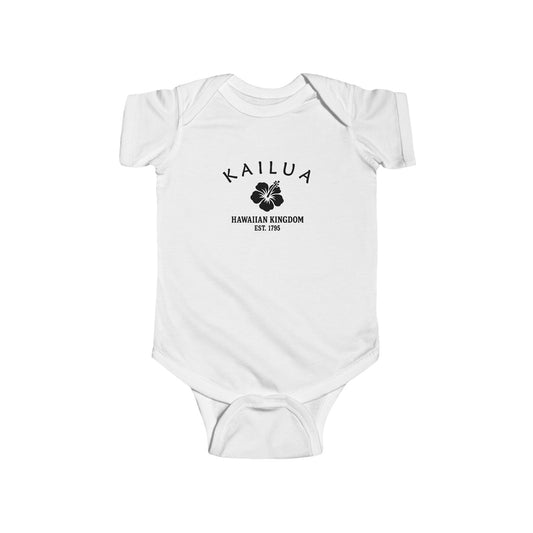
Kailua Hawaii Vintage Retro Cotton Jersey Baby Bodysuit - Black Logo
Regular price $26.00 USDRegular price -
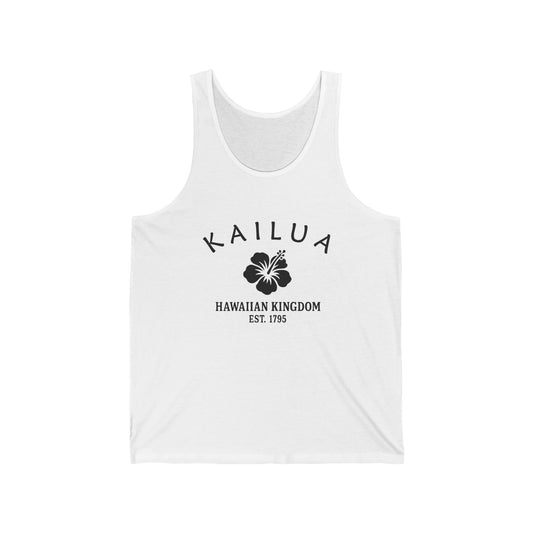
Kailua Hawaii Vintage Retro Unisex Cotton Jersey Tank Top - White Logo
Regular price $28.00 USDRegular price -
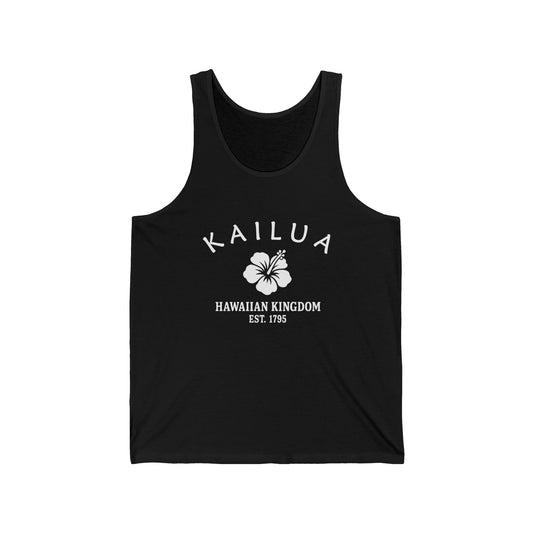
Kailua Hawaii Vintage Retro Unisex Cotton Jersey Tank Top - Black Logo
Regular price $28.00 USDRegular price -
Kailua Hawaii Vintage Retro Unisex Heavy Crewneck Sweatshirt - Black Logo
Regular price $44.00 USDRegular price -
Kailua Hawaii Vintage Retro Unisex Heavy Crewneck Sweatshirt - White Logo
Regular price $44.00 USDRegular price -
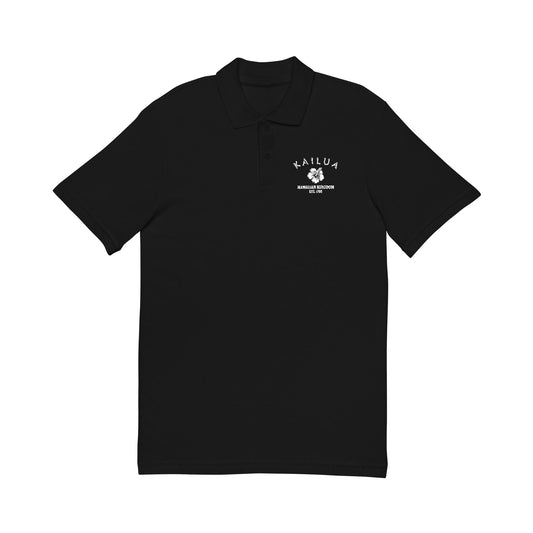
Kailua Hawaii Vintage Retro Unisex Embroidered Cotton Polo - Black Logo
Regular price $48.00 USDRegular price






Kailua Hawaii — Retro Vintage History
What's with the two little islands off Lanikai? Stand on Lanikai Beach and look out: two green humps sit just offshore, almost close enough to swim to. Those are the Mokulua — Moku Nui and Moku Iki, the twin islets everyone here simply calls the Mokes. They are a state seabird sanctuary ringed by reef, and on a calm morning a steady line of kayaks sets out from Kailua and Lanikai to paddle the half-mile across to the little crescent of sand on the larger one. Framed by turquoise water and the steady trade winds spilling off the Koʻolau, the Mokulua are the postcard the whole windward coast is famous for — and a big part of why a quiet Oʻahu beach town keeps turning up on lists of the most beautiful shorelines on earth.
Wear the HistoryKailua's name means ‘two seas,’ for the two currents that meet across its broad windward bay, and people have lived along that bay for many centuries. Native Hawaiians settled the fertile lowland behind the beach, farming taro in the wetlands of Kawainui — the largest ancient marsh in the islands — and raising fish in walled coastal ponds. Above the marsh still stands Ulupo Heiau, a massive stone temple platform whose terraces were laid by hand long before Western contact and are preserved today as a state monument. This was rich, settled country: water, fishponds, taro, and a sheltered bay, all held in by the green wall of the Koʻolau Range that rises sharply behind the town. From the water it is an unmistakable place — a wide blue bay, a green ridge, and a low, fertile plain in between, the kind of setting that draws people and holds them.

Windward Oʻahu sits at the center of one of Hawaiʻi's turning points. In 1795 King Kamehameha I landed on the island and won the Battle of Nuʻuanu in the cliffs above Honolulu — the victory that brought Oʻahu under his rule and all but completed the unification of the Hawaiian Kingdom. In the century that followed, missionaries built churches and planters laid out farms along the windward coast, yet Kailua stayed rural and Hawaiian at heart: a district of taro, cattle, and fishing, far from the harbor town growing up on the leeward side at Honolulu.
Kailua stayed country until the middle of the twentieth century. After the war, new roads over and through the Koʻolau opened the windward side to Honolulu, and through the 1950s and 1960s Kailua filled in as a leafy bedroom community of schools, churches, and beach bungalows. Tourism mostly went the other way — to Waikīkī — which left Kailua delightfully local and let its beaches keep their easy, unhurried feel. What did draw the world was the wind: the same steady trades that cool the town make Kailua Bay one of the great windsurfing and kitesurfing waters anywhere, and the sport's early champions made their name on this very water.
Just around the point lies Lanikai, whose name means ‘heavenly sea,’ and its beach is the one the postcards use — a soft white crescent facing the Mokulua across impossibly clear water. Above it, a short, steep climb up Kaʻiwa Ridge reaches the old Lanikai ‘pillboxes,’ concrete observation posts left from the Second World War, and a view that takes in the whole windward coast, the Mokes, and the reef. Down on the sand, kayaks and stand-up boards launch from Kailua Beach Park and Lanikai for the paddle out to the islets. Beach, bay, and islands together are what people picture when they picture Kailua.
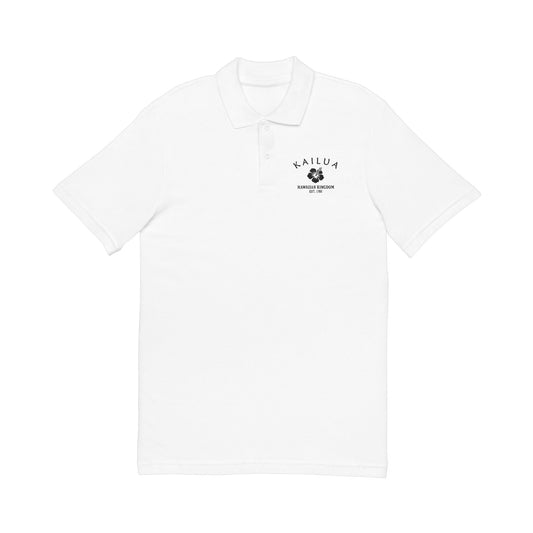
Our Kailua logo carries Hawaiʻi's hibiscus, drawn in worn black and white above the date 1795 — the year of Kamehameha's windward victory and the unification it sealed. The hibiscus is the islands' own flower, a stand-in for the natural abundance and the aloha that have always defined this coast, and the vintage stamp-and-decal styling makes it feel like something off an old travel trunk rather than a modern print. The flower and the date are the through-line that links Kailua to our other Hawaiian towns; what makes this one Kailua is everything around it — the two seas, the windward trades, and the Mokulua offshore.
Today Kailua is loved for exactly what it has always been: a windward Oʻahu beach town that stayed itself. Its days run on sand and trade winds — paddling out to the Mokes, swimming off Kailua Beach Park, hiking up to the pillboxes, and a walkable town center behind the dunes that never tried to become Waikīkī. Our Kailua designs gather that into wearable form. Wear the windward life. Two seas, one beach town.

Kailua, Hawaiʻi — Travel Guide
Visiting Kailua Today
Kailua sits on the windward side of Oʻahu, about a half-hour over the Koʻolau from Honolulu. Expect turquoise water, soft beaches, steady trade winds, and a relaxed local pace — an easy, walkable base for swimming, paddling, and short scenic hikes, with Lanikai and Kailua Beach Park at its heart.
Beaches, Islands & Windward Trails
For visitors looking for things to do in Kailua, Hawaiʻi:
- Relax on Lanikai Beach, a soft white crescent with the Mokulua islands just offshore.
- Swim and paddle at Kailua Beach Park, a wide, family-friendly bay popular for kayaks and stand-up boards.
- Kayak to the Mokulua islands (‘the Mokes’), a seabird sanctuary about a half-mile off Lanikai.
- Hike the Lanikai Pillbox (Kaʻiwa Ridge) trail, a short, steep climb to old bunkers and sweeping windward views.
- Visit Ulupo Heiau State Monument, an ancient stone temple platform above Kawainui Marsh.
- Try windsurfing or kitesurfing on Kailua Bay, one of the world's classic trade-wind waters.
- Stroll the Kailua town center, walkable blocks of local shops, cafés, and farmers'-market mornings.
- Walk the Kawainui Marsh path, the largest ancient wetland in the islands, for birds and mountain views.
Why People Visit Kailua
Kailua blends scenic windward beaches with deep Hawaiian heritage. Visitors come to swim, paddle out to the islands, and hike to a pillbox view, then slow down in a town that stayed local. It is picturesque, approachable, and meaningful to the island families who call it home — natural beauty and everyday culture side by side, with year-round appeal in its parks, paths, and shoreline.
Wear the History
Kindred Cities
Welcome to visitors from Noosa, Australia and Tofino, Canada — kindred beach towns that wear the salt life lightly.
Kailua keeps the company of laid-back surf coasts the world over. Noosa is Queensland's easygoing beach resort, all national park and longboard breaks; Tofino rides the wild surf at the end of Vancouver Island; Kailua spreads along Oʻahu's windward shore, where turquoise bays and steady trade winds made it a paddler's and windsurfer's town. Sand, board and a relaxed pace, all three.
Kailua welcomes anyone who lives for the windward life: a long crescent of soft sand, kayaks out to the little islands, kitesurfers riding the trades, and a town happy to stay low-key behind the beach. Come and visit us soon.
When you plan the trip, the Oʻahu Visitors Bureau is the place to start.
Wear the History

For deeper reading on the Kailua history described here — the ‘two seas’ of the windward bay, the ancient taro and fishponds of Kawainui Marsh, the Ulupo Heiau temple platform, King Kamehameha I's 1795 Battle of Nuʻuanu and the unification of Oʻahu, and the mid-twentieth-century suburban growth of the windward beach town — it may be useful to consult (1) the Kailua Historical Society, (2) the Hawaiʻi State Archives, (3) the Bishop Museum in Honolulu, (4) the Hawaiʻi State Historic Preservation Division (Ulupo Heiau State Monument), and (5) the University of Hawaiʻi at Mānoa Hamilton Library Hawaiian Collection. For travel and visitor information, it may be useful to contact (1) the Oʻahu Visitors Bureau, (2) the Hawaiʻi Tourism Authority (Go Hawaiʻi), (3) the Hawaiʻi State Parks office (Kaʻiwa Ridge / Ulupo), (4) the City and County of Honolulu Department of Parks and Recreation (Kailua Beach Park), and (5) the Kailua Chamber of Commerce.
- Choosing a selection results in a full page refresh.
- Opens in a new window.