-
Kona Hawaii Vintage Retro Premium Crewneck Sweatshirt - Black Logo
Regular price $48.00 USDRegular price -
Kona Hawaii Vintage Retro Premium Crewneck Sweatshirt - White Logo
Regular price $48.00 USDRegular price -
Kona Hawaii Vintage Retro Back Printed Art Series Cotton Tee - Black Logo
Regular price $32.00 USDRegular price -
Kona Hawaii Vintage Retro Giclée Print Art Series Poster
Regular price From $38.00 USDRegular price -
Kona Hawaii Vintage Retro Vinyl Sticker - Black Logo
Regular price From $6.00 USDRegular price -
Kona Hawaii Vintage Retro Ceramic Mug - Black Logo
Regular price From $16.00 USDRegular price -
Kona Hawaii Vintage Retro Unisex Heavy Cotton Tee - Black Logo
Regular price $22.00 USDRegular price -
Kona Hawaii Vintage Retro Unisex Heavy Cotton Tee - White Logo
Regular price $22.00 USDRegular price -
Kona Hawaii Vintage Retro Cotton Canvas Tote Bag - Black Logo
Regular price $25.00 USDRegular price -
Kona Hawaii Vintage Retro Cotton Canvas Tote Bag - White Logo
Regular price $25.00 USDRegular price -
Kona Hawaii Vintage Retro Thank You Card Set - Black Logo
Regular price From $25.00 USDRegular price -
Kona Hawaii Vintage Retro Cotton Jersey Baby Bodysuit - Black Logo
Regular price $26.00 USDRegular price -
-
Kona Hawaii Vintage Retro Womens Fitted Ringspun Cotton Tee - Black Logo
Regular price $28.00 USDRegular price -
Kona Hawaii Vintage Retro Unisex Cotton Jersey Tank Top - Black Logo
Regular price $28.00 USDRegular price -
Kona Hawaii Vintage Retro Unisex Cotton Jersey Tank Top - White Logo
Regular price $28.00 USDRegular price -
Kona Hawaii Vintage Retro Embroidered Cotton Cap - White Logo
Regular price $32.00 USDRegular price -
Kona Hawaii Vintage Retro Embroidered Cotton Cap - Black Logo
Regular price $32.00 USDRegular price -
Kona Hawaii Vintage Retro Unisex Heavy Crewneck Sweatshirt - Black Logo
Regular price $44.00 USDRegular price -
Kona Hawaii Vintage Retro Unisex Heavy Crewneck Sweatshirt - White Logo
Regular price $44.00 USDRegular price -
Kona Hawaii Vintage Retro Unisex Heavy Cotton Hoodie - White Logo
Regular price $56.00 USDRegular price -
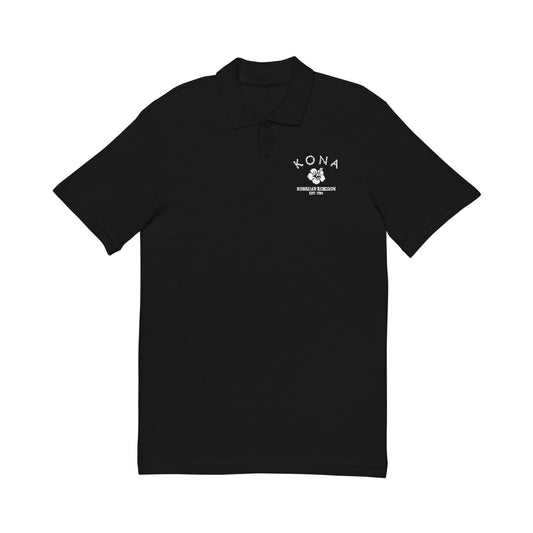
Kona Hawaii Vintage Retro Unisex Embroidered Cotton Polo - Black Logo
Regular price $48.00 USDRegular price -
Kona Hawaii Vintage Retro Unisex Heavy Cotton Hoodie - Black Logo
Regular price $56.00 USDRegular price -
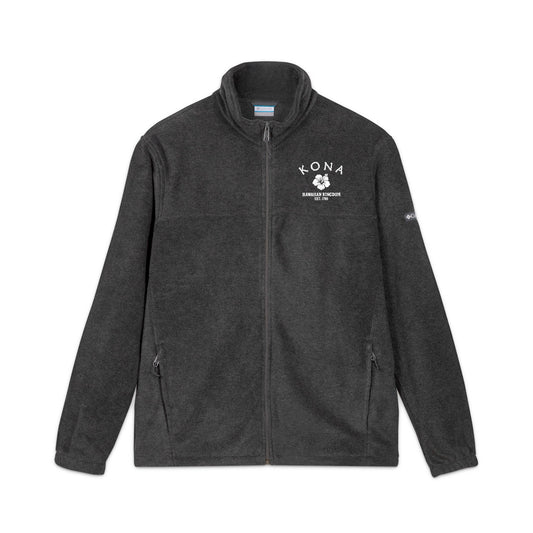
Kona Hawaii Vintage Retro Unisex Embroidered Fleece Jacket - White Logo
Regular price $98.00 USDRegular price









Kona Hawaii — Retro Vintage History
What's with the Lava Gardens of Kona? Along this coast, black rock meets bright sun, and life grows in stubborn pockets where cracks hold soil, moisture, and shade. Lava Gardens is the nickname for those hardy plant zones, where green seems to bloom straight out of basalt and the land looks both new and lived in. A quick cue is the heat-touch check: if the rock still feels warm in the late afternoon shade, the garden will stay dry and you move slower. That is thermal mass, not myth. Between ocean breeze and dark stone, Kona turns rough lava into a planted pattern, and the coast feels like it is gardening itself.
Wear the HistoryWhere you're from. Where you love. Where you explored. Where you belong.
Where Kamehameha I lived and died — the Hawaiian Kingdom capital, 1812-1819. By 1810, King Kamehameha I had united the Hawaiian Islands under one rule for the first time in their history. In 1812, with the kingdom consolidated, he came home to Kona. He settled at Kamakahonu beside Ahuʻena Heiau at the north end of Kailua Bay — a royal compound on the shoreline he had known since boyhood — and ruled the unified Kingdom of Hawaiʻi from there for the next seven years. He died at Kamakahonu on May 8, 1819. By traditional Hawaiian custom, his bones were hidden in the cliffs of Kona by trusted attendants so that no enemy could ever claim his mana. They were never recovered. Six months later, his son Kamehameha II — Liholiho — and his stepmother Queen Kaʻahumanu broke the ancient ʻai kapu by sitting and eating with women at a feast in Kailua-Kona. The act ended the traditional Hawaiian religion overnight. In March 1820, when the first American missionaries arrived aboard the brig Thaddeus after a 163-day voyage from Boston, they stepped ashore into a kingdom that had just dismantled its own ancient order. They were led by Asa and Lucy Thurston and accompanied by Henry ʻŌpūkahaʻia's translation work. The congregation they founded that summer at Kailua-Kona — Mokuʻaikaua — is the oldest Christian church in Hawaiʻi; the stone-and-coral-mortar building still standing on Aliʻi Drive was completed in 1837. The next year, Governor John Adams Kuakini — half-brother to Kaʻahumanu — finished Huliheʻe Palace next door. In 1874, King David Kalākaua bought Huliheʻe and made it a royal retreat. Queen Kapiʻolani was the last royal resident before the palace was sold in 1914 and saved by the Daughters of Hawaiʻi in 1927 as a museum. Today Huliheʻe is one of only three royal palaces in the United States — the other two are ʻIolani and Queen Emma's Summer Palace, both on Oʻahu. The capital moved to Honolulu in 1845. But the first decades of unified Hawaiʻi were governed from this stretch of black-rock coast under Hualālai, and the buildings that anchored that era — the church on the hill, the palace by the pier, the heiau at Kamakahonu — are all still here.
QUICK FACTS — KAILUA-KONA, HI
Kailua-Kona was the capital of the unified Hawaiian Kingdom from 1812 to 1819 — King Kamehameha I lived at Kamakahonu and died there on May 8, 1819.
Kamakahonu, the royal compound Kamehameha built in 1812 beside Ahuʻena Heiau, was designated a National Historic Landmark in 1962.
Huliheʻe Palace, completed in 1838 of lava rock and coral mortar, is one of only three royal palaces in the United States.
Mokuʻaikaua Church — congregation founded 1820, stone building completed 1837 — is the oldest Christian church in Hawaiʻi.
Captain James Cook was killed at Kealakekua Bay, 13 miles south of Kailua-Kona, on February 14, 1779.
The first American missionaries to Hawaiʻi landed at Kailua Bay aboard the brig Thaddeus on March 30, 1820.
The Kona Coffee Belt above the town — farmed for generations by Japanese-American families — is the only place in the United States where coffee is grown at commercial scale.
Kona International Airport is built on the lava flow of Hualālai's last eruption, in 1801.
The year everything changed, twice. Kamehameha's death in May 1819 set off the fastest cultural transformation in Hawaiian history — and it happened here. That November, at Kailua, his son Liholiho — Kamehameha II — sat down and ate with the royal women, Queen Kaʻahumanu foremost among them, deliberately breaking the ancient kapu that separated men and women at meals. The act, remembered as the ʻAi Noa, dissolved the old religious order across the islands. Four months later, on March 30, 1820, the brig Thaddeus anchored in Kailua Bay carrying the first American missionaries to Hawaiʻi — arriving, by extraordinary timing, in the very season the old system had ended. Liholiho granted them a one-year trial. From that landing came Mokuʻaikaua Church: a thatched wooden meetinghouse by 1823, and after a fire, the stone-and-coral-mortar building of 1837 that still holds services above Aliʻi Drive. A year later Governor Kuakini finished Huliheʻe Palace across the road — lava rock and coral mortar, koa and ʻōhiʻa inside — the seaside retreat of Hawaiian royalty for two generations, restored in the 1920s and kept as a museum by the Daughters of Hawaiʻi since 1927.

The coffee belt. On the slopes of Hualālai above the town, at 800 to 2,500 feet where morning sun gives way to afternoon cloud, lies the Kona Coffee Belt — the only place in the United States where coffee has been grown at commercial scale for more than a century. The belt was built largely by Japanese immigrant families who came to Hawaiʻi's plantations in the late 1800s and took up coffee land around Hōlualoa and the upland villages; many of those farms are still worked by their third- and fourth-generation descendants, alongside Filipino, Portuguese, and Native Hawaiian farming families. The November coffee festival that fills the town each year is the oldest food festival in Hawaiʻi — a harvest celebration for a crop that made Kona's name known on every café menu in the world.
Today Kailua-Kona is the Big Island's western front door: flights land at Kona International Airport on Hualālai's 1801 lava flow, Aliʻi Drive runs its bayfront mile of shops and restaurants between the palace and the pier, coffee-farm tours climb into the belt, and the calm leeward water that made Kailua Bay a royal anchorage now fills with snorkelers, paddlers, and — every October — the finish line of the Ironman World Championship at Kailua Pier. The town has never incorporated; like every Hawaiian community it is governed at the county level, a census-designated place of about 20,000 that serves as capital of the Kona coast in everything but paperwork.

Our Kona retro logo carries Hawaiʻi's hibiscus — the state flower — printed black-and-white with the worn look of an old crate label from the coffee lands. The hibiscus is the shared emblem of every Merlin Classics Hawaiʻi place; what makes this one Kona is the story behind it — the king at Kamakahonu, the palace by the pier, and the coffee ripening on the mountain above the bay.
Kona holds the hinge of Hawaiian history in a single mile of shoreline: the heiau where a kingdom's founder died, the church where a new era began, the palace the royals kept coming back to, and the pier where the world now gathers. Our Kona designs gather that identity — the hibiscus, the coffee, the black-rock coast — into wearable form. On the Kona Coast since Kamehameha.
Kona Hawaii — Travel Guide
Visiting Kona Hawaii Today
Kona on Hawaiis west coast blends royal landmarks, fishpond trails, and a lively bayfront. Coastal parks and short drives link lava fields, beaches, and historic districts.
Beaches, Parks, and Traditions in Kona Hawaii
For visitors searching for things to do in Kona Hawaii:
- Tour Puuhonua o Honaunau, sacred refuge with temples and coastal lava platforms.
- Walk Kaloko Honokohau paths, fishponds, petroglyphs, and quiet shoreline coves.
- Visit Hulihee Palace, seaside residence with artifacts and galleries.
- Stroll Alii Drive, palms, seawalls, and ocean viewpoints along the strip.
- Stand by the Kailua Pier, boats and breezes over the turquoise bay.
Why People Visit Kailua-Kona Hawaiʻi
Kona offers culture beside calm ocean days. Visitors enjoy palaces, petroglyphs, and bayfront sidewalks. It is sunny, walkable, and rich with island stories. Travelers find year round appeal in parks, paths, and public spaces. The setting combines natural beauty with accessible neighborhoods and landmarks. History and everyday culture sit side by side in a welcoming way. Visitors can plan relaxed mornings and unhurried afternoons without missing key sights.
Wear the History
Where you're from. Where you love. Where you explored. Where you belong.
Kindred Cities
Greetings to visitors from Okinawa (ようこそ) and Funchal (bem-vindos) — kindred sun-warmed coasts, home to families who became Hawaiʻi's own.
Kona's calm leeward coast grows the coffee that made its name, and much of that world was built by immigrants who crossed oceans to farm it. Okinawa sent waves of families to Hawaiʻi's plantations; Funchal, capital of Madeira, sent the Portuguese who brought the braguinha that became the ukulele. Their descendants tend Kona's coffee lands and fishing villages still, under a sun that, like theirs, rarely quits.
Kona is made for slow, sunlit days: coffee farms terraced up the slopes of Hualālai, calm water for snorkeling and outrigger paddling, and a leeward coast that trades Hilo's rain for long golden afternoons. Come and visit us soon.
When you plan the trip, the Island of Hawaiʻi Visitors Bureau is the place to start.
Wear the History
Where you're from. Where you love. Where you explored. Where you belong.

For deeper reading on Kona, Hawaiʻi history described here, it may be useful to consult (1) the Kona Historical Society, the leading scholarly resource on Kona coffee, ranching, and Kailua-Kona's role as the unified Hawaiian Kingdom capital from 1812-1819, (2) the State of Hawaiʻi Division of State Parks for visitor and historical information on Huliheʻe Palace and the broader Royal Palaces program, (3) the Daughters of Hawaiʻi for the preservation history of Huliheʻe Palace and the Queen Emma Summer Palace, (4) the Bishop Museum in Honolulu for primary-source manuscripts, archaeological records, and Hawaiian-Kingdom-era genealogies, and (5) the Lyman Museum in Hilo for Big Island-specific cultural and natural history collections. For deeper local and family history research in Kona and surrounding Hawaiʻi Island, it may be useful to reach out to (1) the Kona Historical Society in Captain Cook, (2) the Hawaiʻi State Archives in Honolulu, (3) the Hawaiian Mission Houses Historic Site and Archives in Honolulu for missionary-era records including the Asa and Lucy Thurston papers, (4) the Hulihe'e Palace research room, and (5) the Pacific Voyagers Library at Bishop Museum. For travel and visitor information in Kona, it may be useful to contact (1) the Island of Hawaiʻi Visitors Bureau, (2) the County of Hawaiʻi Department of Parks and Recreation, (3) the Hawaiʻi Tourism Authority, and (4) the National Park Service for Kaloko-Honokōhau National Historical Park, Puʻuhonua o Hōnaunau National Historical Park, and Hawaiʻi Volcanoes National Park. Readers interested in the broader cultural reception of Kona and its history — the Hawaiian Kingdom unification under Kamehameha I, the kapu abolition of 1819, the arrival of the first American missionaries aboard the brig Thaddeus in 1820, the founding of Mokuʻaikaua Church in 1820 and completion of its stone building in 1837, the construction of Huliheʻe Palace in 1838 under Governor Kuakini, the Kalākaua-era remodeling of 1884, and the Daughters of Hawaiʻi preservation tradition since 1927 — will find that the named figures (King Kamehameha I, Queen Kaʻahumanu, King Kamehameha II Liholiho, Governor John Adams Kuakini, King David Kalākaua, Queen Kapiʻolani, Princess Ruth Keʻelikōlani, Asa and Lucy Thurston, Henry ʻŌpūkahaʻia), the named places (Kamakahonu, Mokuʻaikaua Church, Huliheʻe Palace, Kailua Bay, Kealakekua Bay, the Kona Coffee Belt, Hualālai, Mauna Loa, Mauna Kea, Puʻuhonua o Hōnaunau), and the named historical moments (the unification of 1810, the death of Kamehameha I on May 8 1819, the ʻAi Noa kapu abolition of late 1819, the arrival of the brig Thaddeus on March 30 1820) recur across all of these traditions as a shared cultural grammar of foundational Hawaiian Kingdom history grounded specifically on this stretch of the Kona coast.
- Choosing a selection results in a full page refresh.
- Opens in a new window.