Every design is set in hand-lettered vintage type for that old-school, crate-label look. One sample color shown — black and white logo options on every piece. Recently in the national press. Enjoy!
-
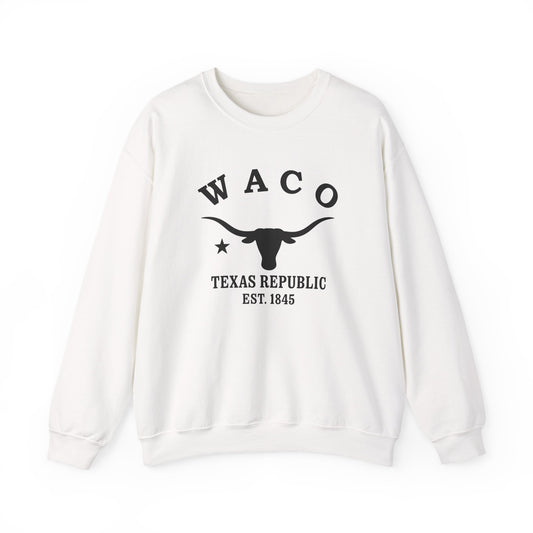
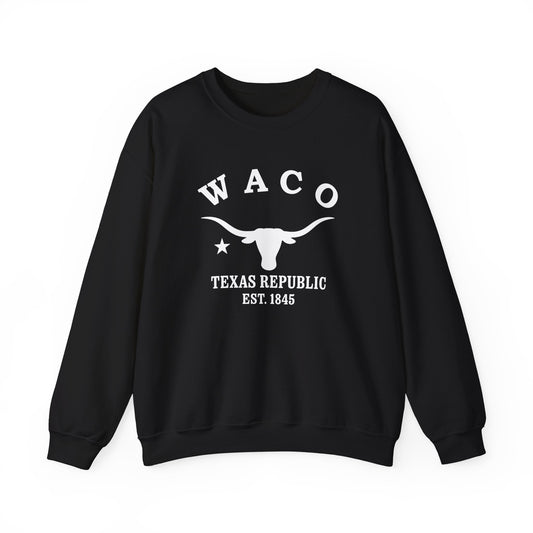
Waco Texas Vintage Retro Premium Crewneck Sweatshirt - Black Logo
Regular price $48.00 USDRegular price -
Waco Texas Vintage Retro Premium Crewneck Sweatshirt - White Logo
Regular price $48.00 USDRegular price -
Waco Texas Vintage Retro Embroidered Cotton Cap - White Logo
Regular price $32.00 USDRegular price -
Waco Texas Vintage Retro Embroidered Cotton Cap - Black Logo
Regular price $32.00 USDRegular price -
Waco Texas Vintage Retro Unisex Heavy Cotton Hoodie - White Logo
Regular price $56.00 USDRegular price -
Waco Texas Vintage Retro Unisex Heavy Cotton Hoodie - Black Logo
Regular price $56.00 USDRegular price -
Waco Texas Vintage Retro Vinyl Sticker - Black Logo
Regular price From $6.00 USDRegular price -
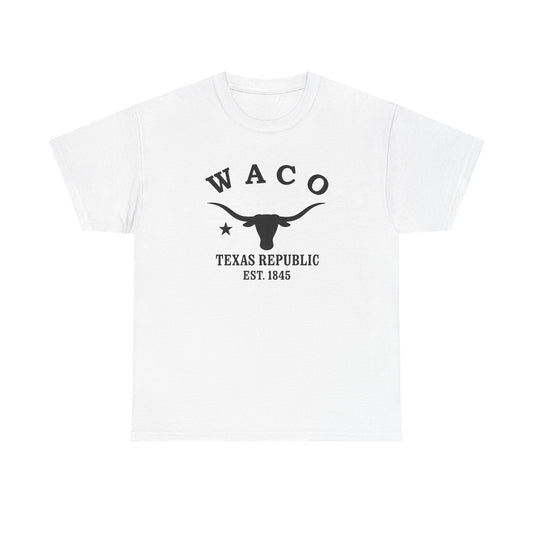
Waco Texas Vintage Retro Unisex Heavy Cotton Tee - White Logo
Regular price $22.00 USDRegular price -
Waco Texas Vintage Retro Unisex Heavy Cotton Tee - Black Logo
Regular price $22.00 USDRegular price -
-
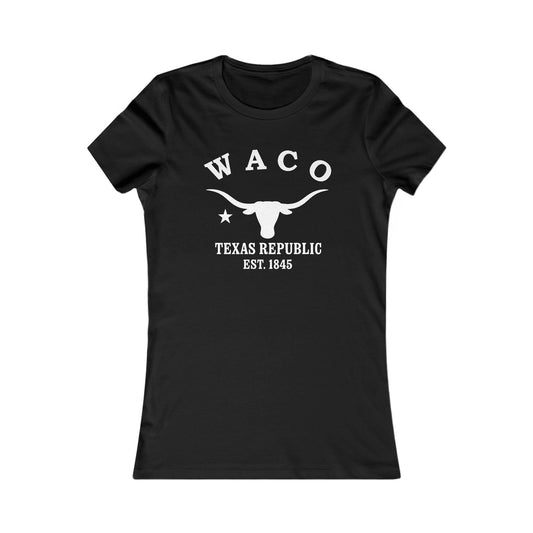
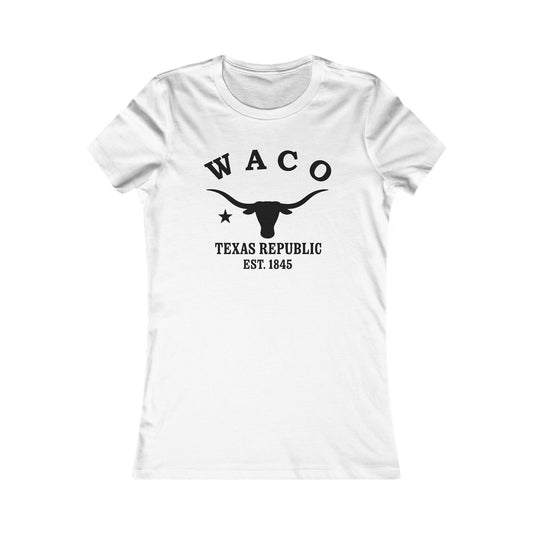
Waco Texas Vintage Retro Womens Fitted Ringspun Cotton Tee - Black Logo
Regular price $28.00 USDRegular price -
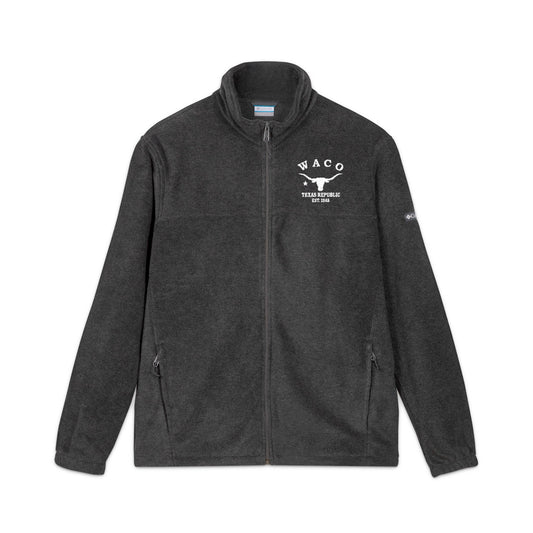
Waco Texas Vintage Retro Unisex Embroidered Fleece Jacket - White Logo
Regular price $98.00 USDRegular price -
Waco Texas Vintage Retro Ceramic Mug - Black Logo
Regular price From $16.00 USDRegular price -
Waco Texas Vintage Retro Cotton Canvas Tote Bag - White Logo
Regular price $25.00 USDRegular price -
Waco Texas Vintage Retro Thank You Card Set - Black Logo
Regular price From $25.00 USDRegular price -
Waco Texas Vintage Retro Cotton Canvas Tote Bag - Black Logo
Regular price $25.00 USDRegular price -
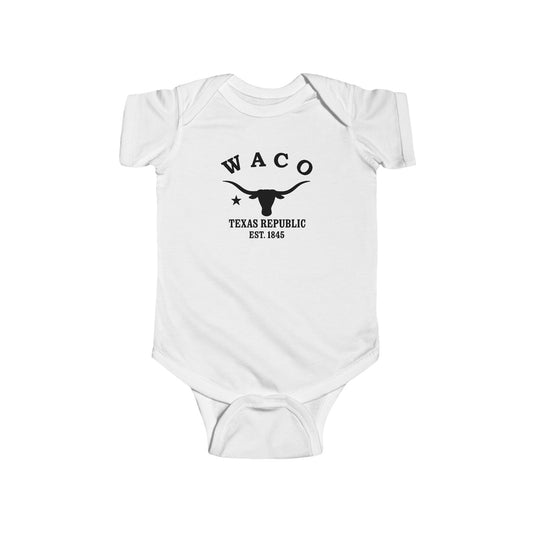
Waco Texas Vintage Retro Cotton Jersey Baby Bodysuit - Black Logo
Regular price $26.00 USDRegular price -
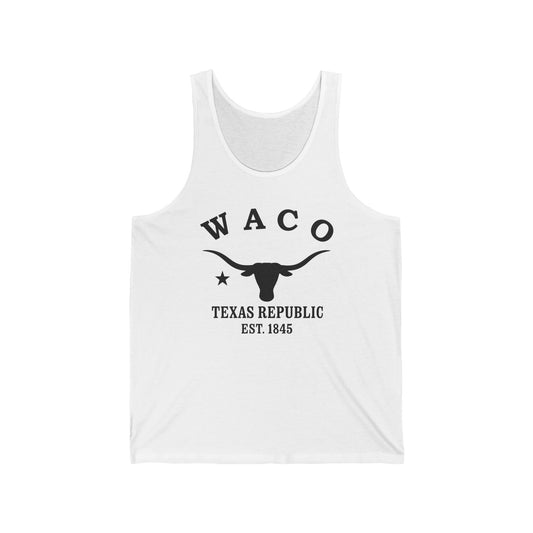
Waco Texas Vintage Retro Unisex Cotton Jersey Tank Top - Black Logo
Regular price $28.00 USDRegular price -
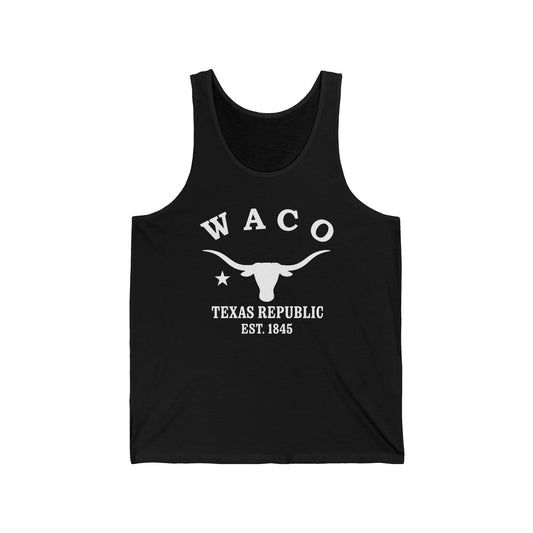
Waco Texas Vintage Retro Unisex Cotton Jersey Tank Top - White Logo
Regular price $28.00 USDRegular price -
Waco Texas Vintage Retro Back Printed Art Series Cotton Tee - Black Logo
Regular price $32.00 USDRegular price -
Waco Texas Vintage Retro Giclée Print Art Series Poster
Regular price From $38.00 USDRegular price -
Waco Texas Vintage Retro Unisex Heavy Crewneck Sweatshirt - Black Logo
Regular price $44.00 USDRegular price -
Waco Texas Vintage Retro Unisex Heavy Crewneck Sweatshirt - White Logo
Regular price $44.00 USDRegular price -
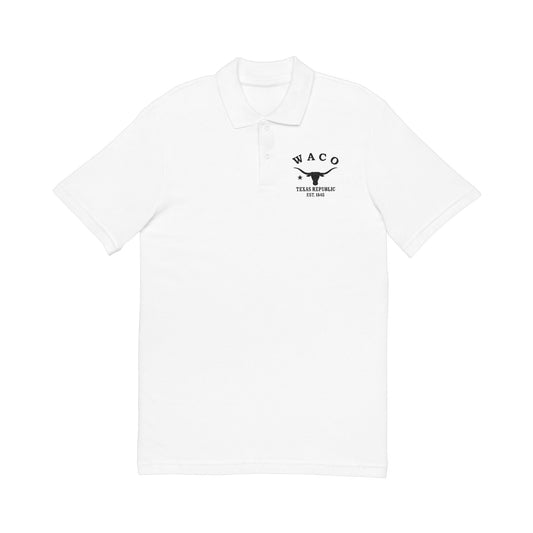
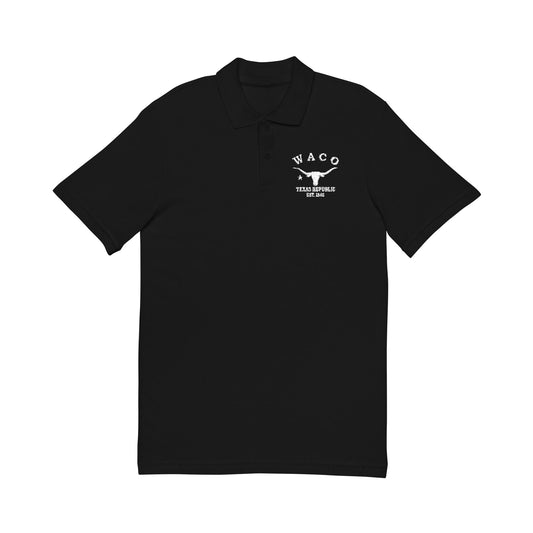
Waco Texas Vintage Retro Unisex Embroidered Cotton Polo - Black Logo
Regular price $48.00 USDRegular price





Waco Texas — Retro Vintage History
What's with the Mammoths? In 1978 two men out hunting fossils along the bluffs where the Bosque meets the Brazos found a bone washing out of the mud — and it turned out to be about sixty-eight thousand years old. Excavations uncovered something almost nowhere else on earth: a nursery herd of Columbian mammoths, a group of the great Ice Age animals that seem to have died together, mothers and young. Today the dig is the Waco Mammoth National Monument, a climate-controlled shelter built right over the bones where they lie. It is the oldest thing in Waco by tens of thousands of years — and a fair reminder that this bend of the Brazos has been a crossing point for a very long time.
Wear the HistoryThe city's name comes from the people who were here long before the fossils were found again. The Waco — or Hueco — were a Wichita-affiliated tribe who farmed and fished along the Brazos in the late 1700s, on the very ground the city now covers. The first settler's cabin went up in 1849, the town was platted and incorporated through the 1850s, and Waco took its place as the seat of McLennan County in central Texas — the ‘Heart of Texas,’ sitting on what is now I-35 about halfway between Dallas–Fort Worth and Austin.

For its first decades the Brazos was both the making and the bane of Waco. No bridge crossed the river's eight hundred Texas miles, and the cattle drovers pushing herds north on the Chisholm Trail — the great cattle road blazed in 1864 by the trader Jesse Chisholm — had to ford at Waco's shallow banks or swim their longhorns across. Waco's crossing made it a busy checkpoint between the South Texas ranches and the Kansas railheads, but in flood season the river turned impassable for weeks, and a ferry was the only way over.
So the town built a bridge — and not a modest one. The Waco Suspension Bridge opened in 1870: a 475-foot span of nearly three million locally made bricks, hung from cables supplied by the Roebling company of Trenton, the same firm that would build the Brooklyn Bridge. At its debut no single-span suspension bridge west of the Mississippi was longer. Cattle crossed at five cents a head, wagons and stagecoaches rolled over two abreast, and Waco boomed. The bridge is a pedestrian landmark now, and the bronze longhorns of the ‘Branding the Brazos’ sculpture still drive across the riverbank beside it.
The cattle years ran straight into the cotton years. By the 1880s Waco called itself the Cotton Capital of the South, with a grand Cotton Palace fair to prove it — and in 1885, at Morrison's Old Corner Drug Store, a young pharmacist named Charles Alderton mixed up a new fountain drink a full year before Coca-Cola. He called it Dr Pepper, and Waco has been its birthplace ever since; the story is told today in the old brick bottling plant that houses the Dr Pepper Museum.
Learning and law came too. Baylor University moved to Waco in 1886 — the oldest continuously operating university in Texas — and made the city a college town along the river. On the Brazos bank the Texas Ranger Hall of Fame and Museum keeps the story of the frontier lawmen who policed early Texas, and Wacoans like to point out that their city has produced more Texas governors than any other. For a mid-sized city, it carries an outsized share of the state's history.
Today Waco is green and easygoing. Cameron Park spreads over the Brazos bluffs with miles of trail and the Cameron Park Zoo; the riverfront has filled with festivals, food trucks, and the busy Magnolia Market at the Silos; and — a fact every Wacoan enjoys — roughly three-quarters of the world's Snickers bars are made right here. River walks, fossils, and a soda fountain's worth of history, all on one bend of the Brazos.
Our Waco logo carries Texas's longhorn and Lone Star above ‘Texas Republic — Est. 1845,’ the shared retro emblem of our Texas towns. The longhorn fits Waco better than almost anywhere — these are the very cattle that crossed the Brazos here by the hundreds of thousands — and the star and 1845 mark Texas's Republic and statehood. Rendered in branding-iron black and white, it ties Waco to every other Texas town we make; what makes this one Waco is the river, the bridge, and the mammoths.
So Waco stacks Ice Age giants, a Wichita namesake, a Chisholm-Trail bridge, and an 1885 soda fountain onto a single bend of the Brazos. Our Waco designs gather that into wearable form. Wear the history. Born on the Brazos, on the old Chisholm Trail.

Waco, Texas — Travel Guide
Visiting Waco Today
Waco sits on the Brazos River in central Texas, on I-35 about halfway between Dallas and Austin. It mixes deep time and frontier history — an Ice Age mammoth bed, the 1870 Suspension Bridge, the birthplace of Dr Pepper — with riverfront parks, museums, and a lively downtown, all in a compact and easy-to-navigate city.
The Mammoths, the Bridge & the Brazos
For visitors looking for things to do in Waco, Texas:
- See the Waco Mammoth National Monument, a sheltered dig with Ice Age Columbian mammoths still in place.
- Walk the 1870 Waco Suspension Bridge over the Brazos, past the bronze longhorns of 'Branding the Brazos.'
- Tour the Dr Pepper Museum, in the old brick bottling plant where the drink was born in 1885.
- Visit the Texas Ranger Hall of Fame and Museum on the banks of the Brazos.
- Roam Cameron Park and the Cameron Park Zoo along the river bluffs.
- Stroll the Magnolia Market at the Silos and the downtown shops.
- Stretch out along the Brazos River Walk's miles of lighted riverside trail.
Why People Visit Waco
Waco balances discovery with simple outdoor time. Visitors mix fossils, the historic bridge, and museums with shaded riverfront parks and an easy downtown. It is friendly, curious, and easy to navigate, with year-round appeal in its parks, paths, and public spaces. Frontier Texas and Ice Age deep time sit side by side here — history and everyday culture together in a welcoming way, with relaxed mornings and unhurried afternoons.
Wear the History
Kindred Cities
Welcome to visitors from Canterbury, England and Kingston, Canada — fellow river towns of learning and long history.
Waco gathers around its university and its river, and Canterbury and Kingston share that character. Canterbury has drawn pilgrims to its great cathedral for centuries and students to its halls; Kingston, the old limestone capital on Lake Ontario, keeps its history and its university close; Waco anchors Baylor on the banks of the Brazos, its old suspension bridge and its booming Magnolia district giving the city new life. Three towns where a great school and a long past set the tone.
Waco is made for the curious visitor: the Magnolia Market at the Silos, the historic Suspension Bridge over the Brazos, Baylor's handsome campus, and the Texas Ranger museum telling the state's frontier story. Come and visit us soon.
When you plan the trip, the Waco Convention & Visitors Bureau is the place to start.
Wear the History

For deeper reading on the Waco history described here — the Waco Mammoth fossil bed, the Waco (Hueco) people and the 1849 founding, the Chisholm Trail and the 1870 Suspension Bridge, the cattle-trail and railroad trade that built the early city, the cotton-capital years and the 1885 birth of Dr Pepper — it may be useful to consult (1) the Historic Waco Foundation, (2) the McLennan County Historical Commission, (3) The Texas Collection at Baylor University, (4) the Texas Ranger Hall of Fame and Museum and the Dr Pepper Museum, and (5) the Texas State Historical Association and the Texas Historical Commission. For travel and visitor information, it may be useful to contact (1) the Waco Convention & Visitors Bureau (Visit Waco), (2) Travel Texas, (3) the City of Waco Parks & Recreation Department, (4) the Texas State Parks and the Brazos River parks and trails, and (5) Waco Regional Airport (ACT).
- Choosing a selection results in a full page refresh.
- Opens in a new window.