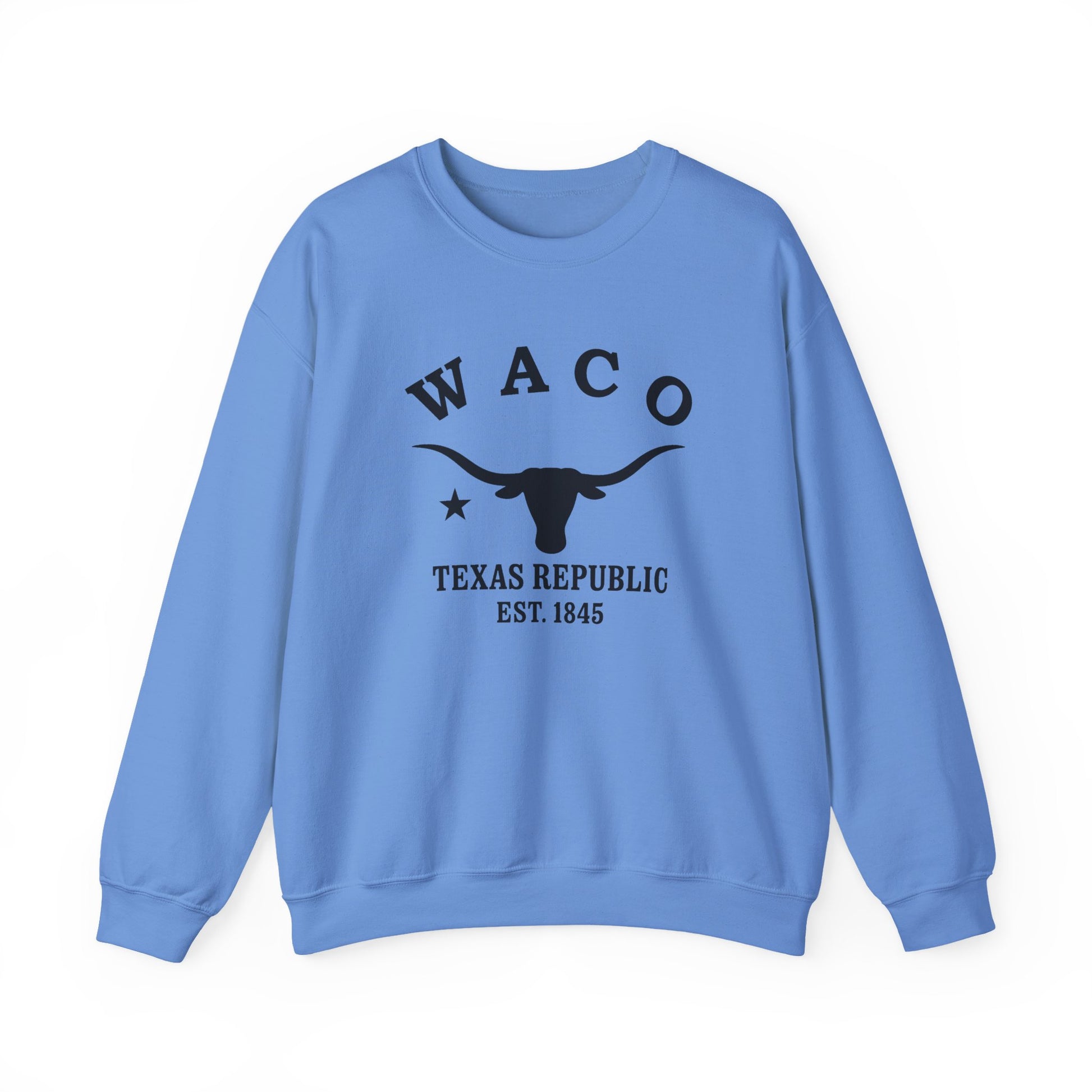
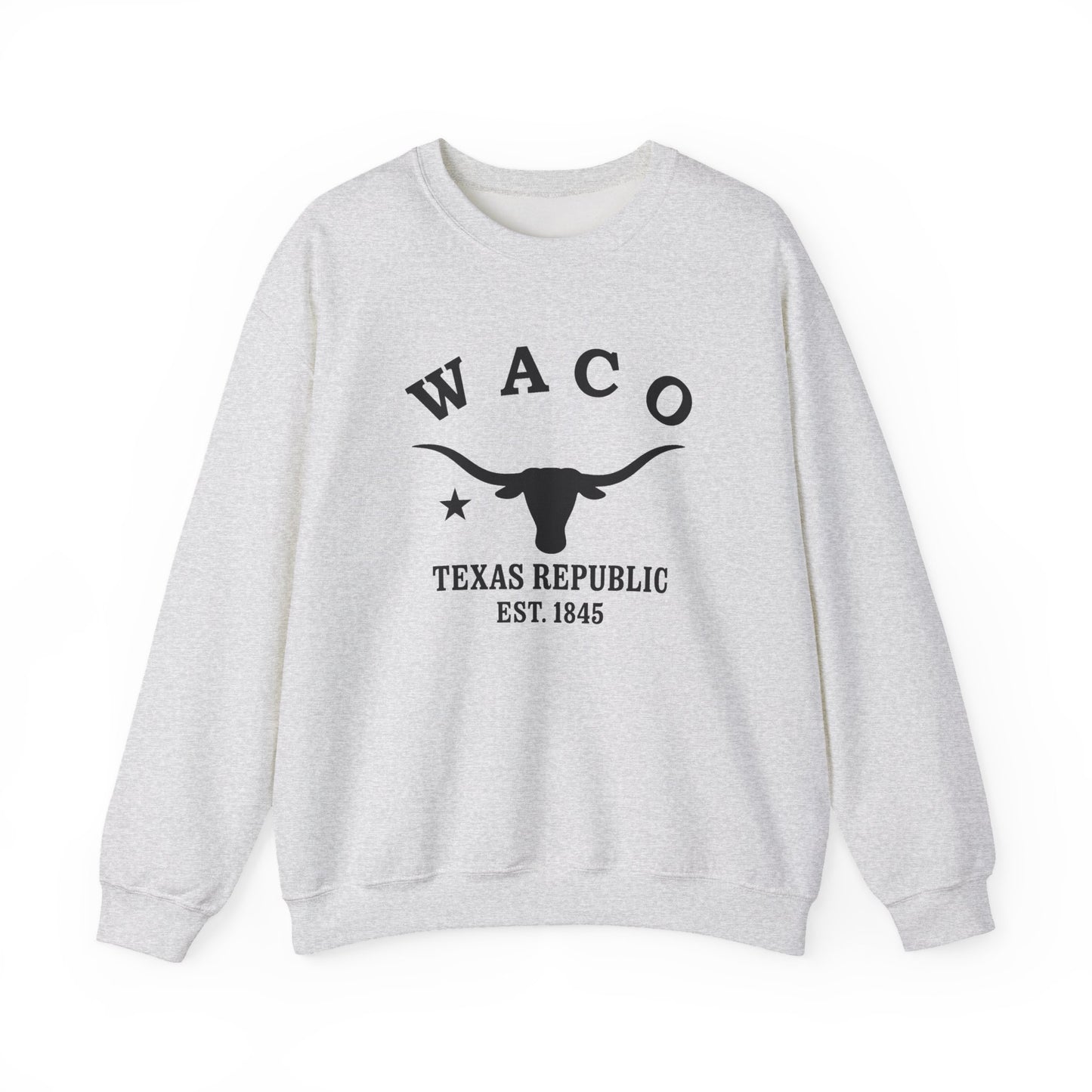
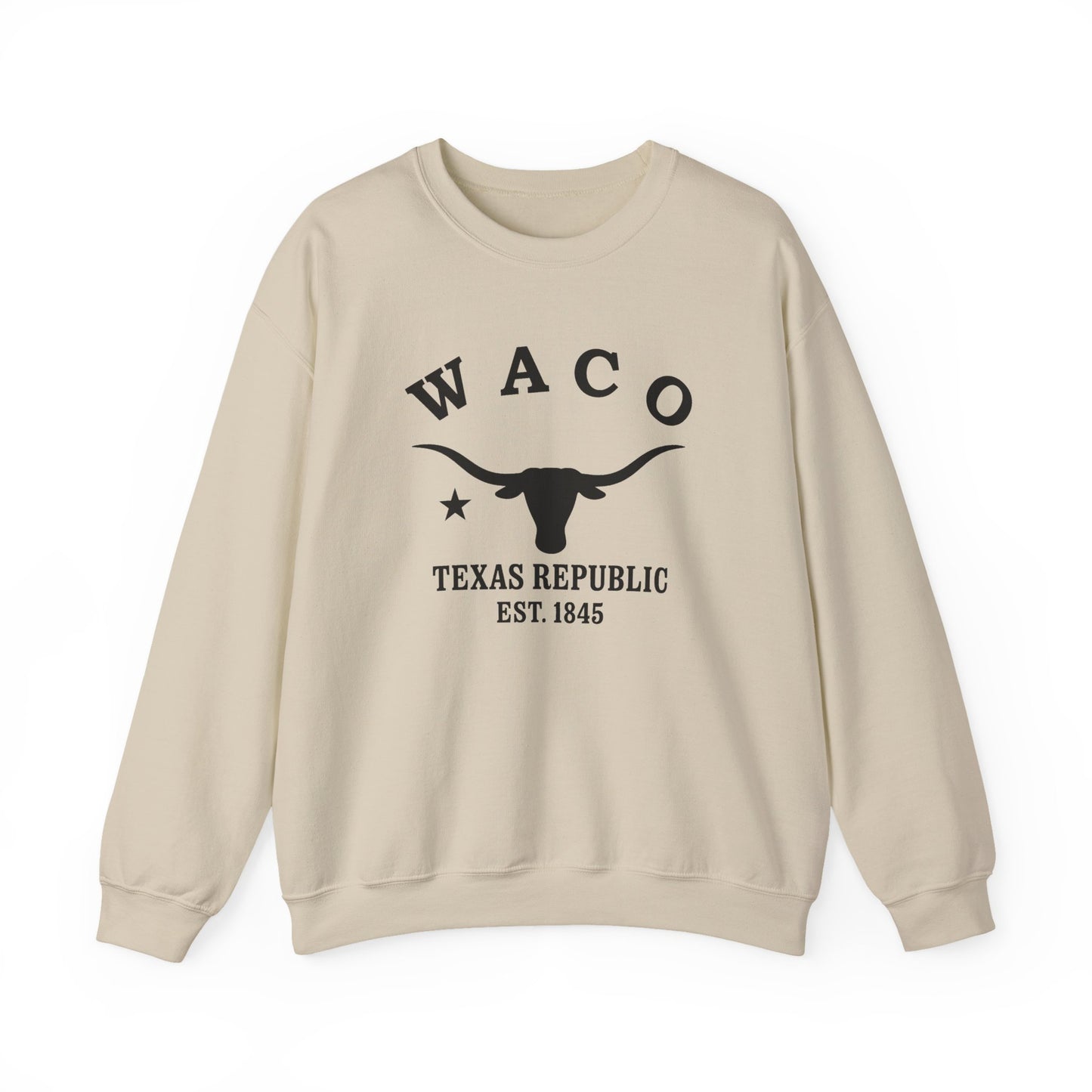
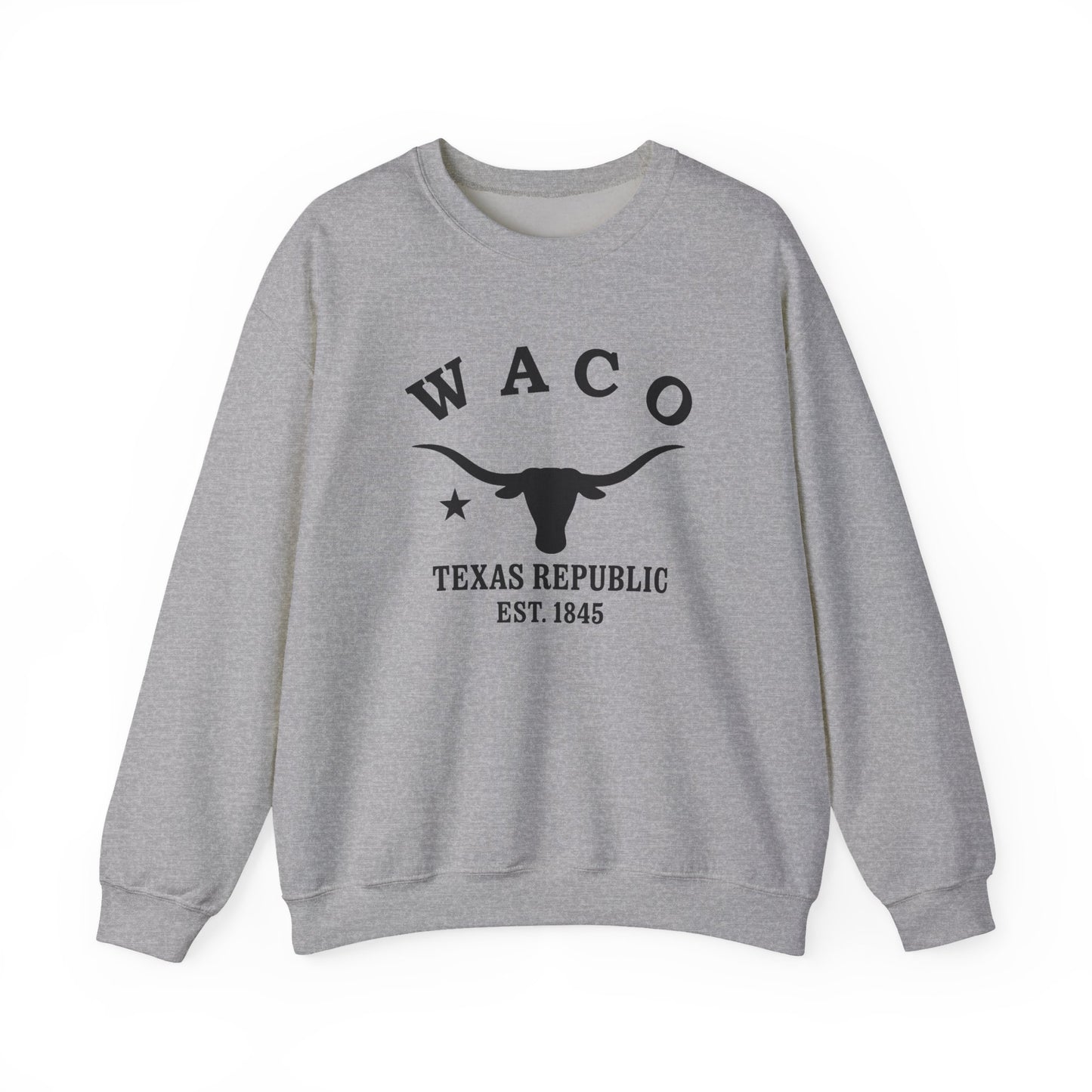
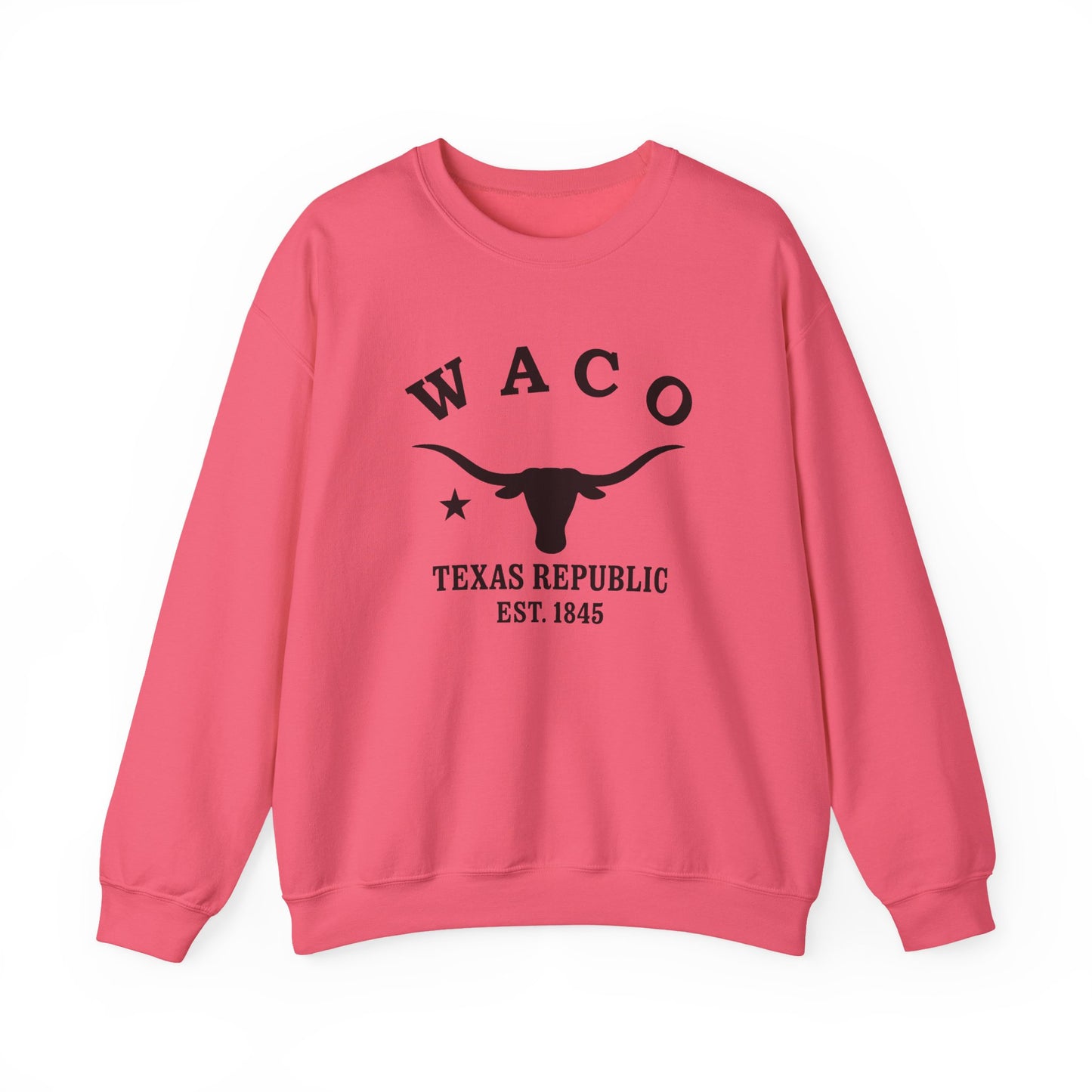
In the nineteenth century, Waco thrived on cotton, ranching, and railroads. The twentieth century brought universities, industry, and cultural growth. By the 1950s and 1960s, suburban neighborhoods spread, schools expanded, and parades filled streets. Baylor University became a cultural anchor, while agriculture remained strong. Its timeline reflects Texas’s adaptability: frontier trading post transformed into suburban city. Waco’s mid-century decades emphasized optimism, resilience, and tradition. Growth reflected Texas’s broader story: balancing heritage with expansion. Waco demonstrated endurance, community pride, and ambition, making it a city where frontier history and suburban optimism blended in cultural continuity.
Waco’s lore includes Indigenous legends, cotton harvests, and myths of tornadoes reshaping neighborhoods. Families recall Baylor parades, rodeos, and football rivalries in the 1950s. Residents remembered festivals and fairs that shaped suburban pride. Myths of buried treasure or haunted river crossings blended with practical traditions. These stories emphasize Waco’s layered identity: frontier heritage, educational hub, and suburban community. Lore reflects continuity, resilience, and optimism, showing how traditions endured while progress advanced. Waco’s tales demonstrate endurance and cultural pride, ensuring identity remained central in both myth and memory, reflecting Texas’s cultural continuity across generations.
Why People Visit Waco Texas
Waco balances discovery with simple outdoor time. Visitors enjoy fossils, bridges, and shaded parks. It is friendly, curious, and easy to navigate. Travelers find year round appeal in parks, paths, and public spaces. The setting combines natural beauty with accessible neighborhoods and landmarks. History and everyday culture sit side by side in a welcoming way. Visitors can plan relaxed mornings and unhurried afternoons without missing key sights.
