See our pressroom for recent national press. Items below are shown in single size/color — see also black logo and white logo options. Enjoy!
-
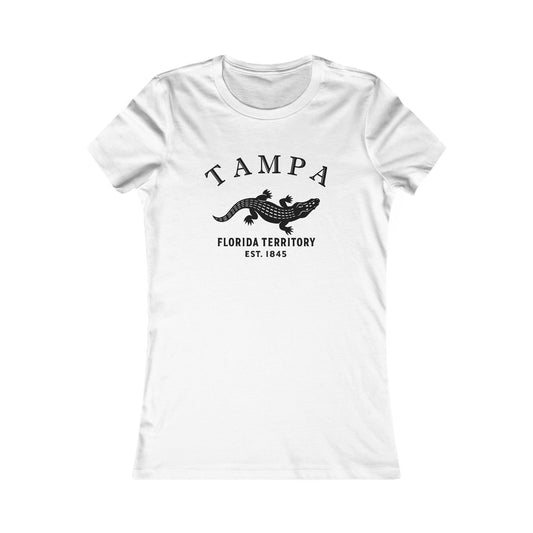
Tampa Florida Vintage Retro Womens Fitted Ringspun Cotton Tee - Black Logo
Regular price $28.00 USDRegular price -
Shoreline Trio - Tide & Light Series Giclée Unframed Art Print
Regular price From $34.00 USDRegular price -
Kiss for the Hound - Tide & Light Series Framed Art Print
Regular price From $96.00 USDRegular price -
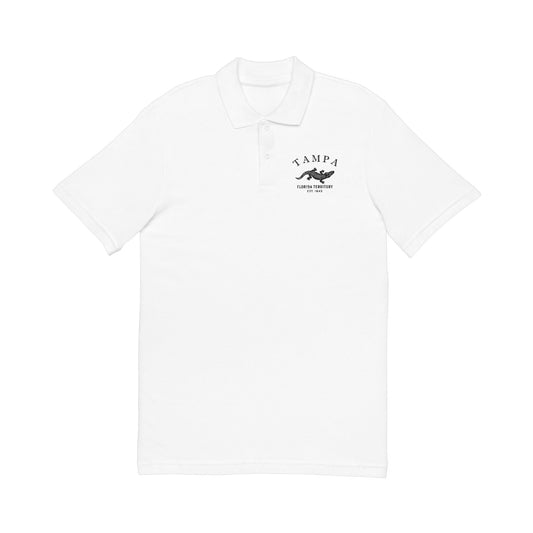
Tampa Florida Vintage Retro Unisex Embroidered Cotton Polo - Black Logo
Regular price $48.00 USDRegular price -
Whitewater Run - Tide & Light Series Giclée Unframed Art Print
Regular price From $34.00 USDRegular price -
Mare and Foal - Tide & Light Series Framed Art Print
Regular price From $96.00 USDRegular price -
-
Tampa Florida Vintage Retro Vinyl Sticker - Black Logo
Regular price From $6.00 USDRegular price -
Hand on the Mane - Tide & Light Series Giclée Unframed Art Print
Regular price From $34.00 USDRegular price -
Shoreline Trio II - Tide & Light Series Framed Art Print
Regular price From $96.00 USDRegular price -
Tampa Florida Vintage Retro Ceramic Mug - Black Logo
Regular price From $16.00 USDRegular price -
Tampa Florida Vintage Retro Unisex Heavy Cotton Tee - Black Logo
Regular price $22.00 USDRegular price -
Horse at Low Tide - Tide & Light Series Giclée Unframed Art Print
Regular price From $34.00 USDRegular price -
Whitewater Run - Tide & Light Series Framed Art Print
Regular price From $96.00 USDRegular price -
Tampa Florida Vintage Retro Unisex Heavy Cotton Tee - White Logo
Regular price $22.00 USDRegular price -
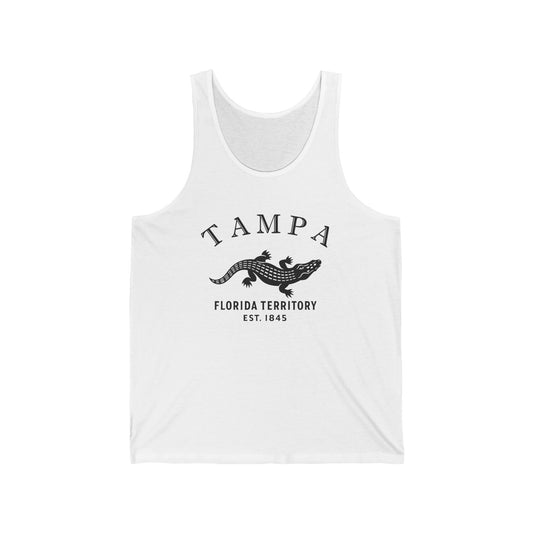
Tampa Florida Vintage Retro Unisex Cotton Jersey Tank Top - White Logo
Regular price $28.00 USDRegular price -
Outstretched Hand - Tide & Light Series Giclée Unframed Art Print
Regular price From $34.00 USDRegular price -
Companion in Still Water - Tide & Light Series Framed Art Print
Regular price From $96.00 USDRegular price -
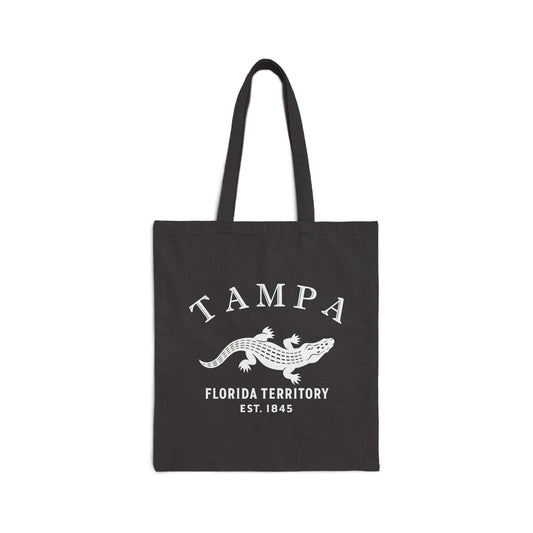
Tampa Florida Vintage Retro Cotton Canvas Tote Bag - White Logo
Regular price $25.00 USDRegular price -
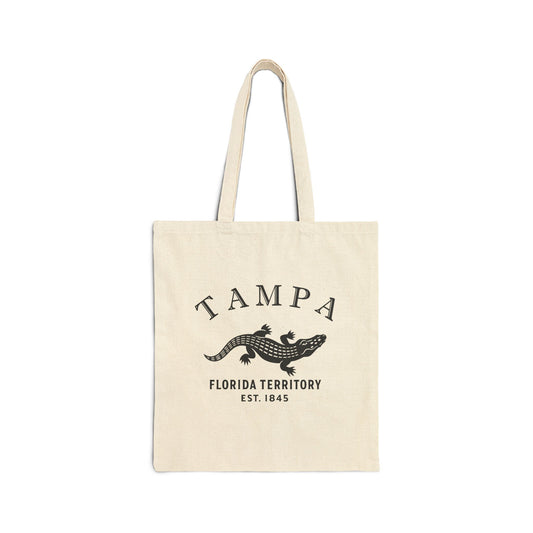
Tampa Florida Vintage Retro Cotton Canvas Tote Bag - Black Logo
Regular price $25.00 USDRegular price -
Between Horse and Hound - Tide & Light Series Giclée Unframed Art Print
Regular price From $34.00 USDRegular price -
Between Two Hounds Portrait - Tide & Light Series Framed Art Print
Regular price From $112.00 USDRegular price -
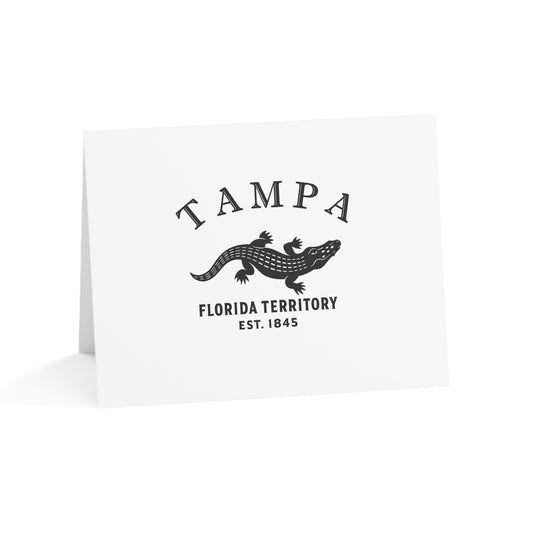
Tampa Florida Vintage Retro Thank You Card Set - Black Logo
Regular price From $25.00 USDRegular price -
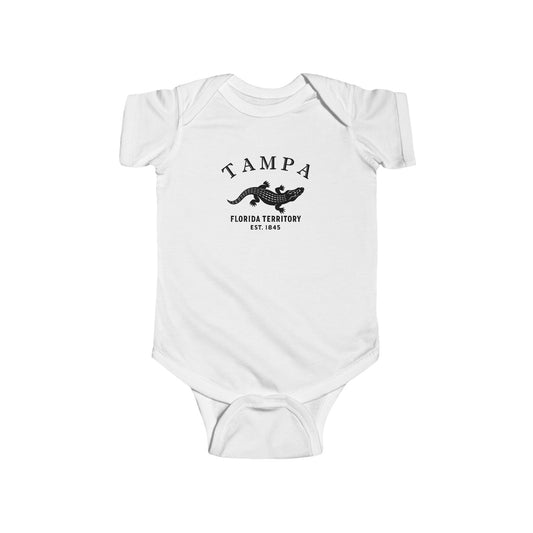
Tampa Florida Vintage Retro Cotton Jersey Baby Bodysuit - Black Logo
Regular price $26.00 USDRegular price -
Nuzzle in Shallow Water - Tide & Light Series Giclée Unframed Art Print
Regular price From $34.00 USDRegular price -
Horse at Low Tide - Tide & Light Series Framed Art Print
Regular price From $96.00 USDRegular price -
Tampa Florida Vintage Retro Unisex Cotton Jersey Tank Top - Black Logo
Regular price $28.00 USDRegular price -
Tampa Florida Vintage Retro Embroidered Cotton Cap - Black Logo
Regular price $32.00 USDRegular price -
Kiss for the Hound - Tide & Light Series Giclée Unframed Art Print
Regular price From $34.00 USDRegular price -
Between Horse and Hound - Tide & Light Series Framed Art Print
Regular price From $96.00 USDRegular price -
Tampa Florida Vintage Retro Embroidered Cotton Cap - White Logo
Regular price $32.00 USDRegular price -
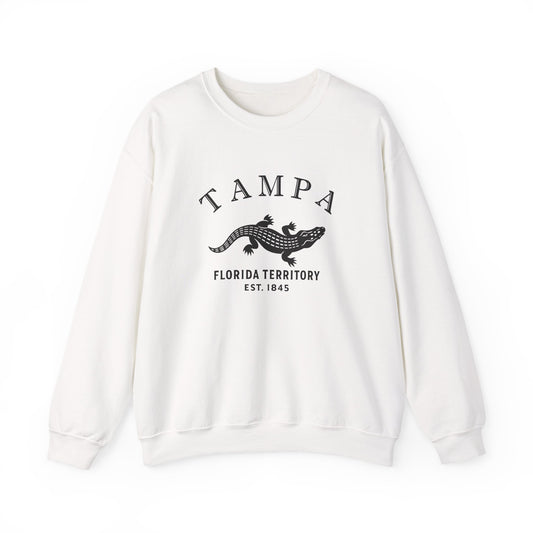
Tampa Florida Vintage Retro Unisex Heavy Crewneck Sweatshirt - Black Logo
Regular price $38.00 USDRegular price -
Mare and Foal - Tide & Light Series Giclée Unframed Art Print
Regular price From $34.00 USDRegular price -
Quiet Pair - Tide & Light Series Framed Art Print
Regular price From $96.00 USDRegular price -
Tampa Florida Vintage Retro Unisex Heavy Cotton Hoodie - White Logo
Regular price $48.00 USDRegular price




















Tampa Florida — Retro Vintage History
What's with Cigar City? In 1885 a Spanish-born cigar manufacturer named Vicente Martinez Ybor moved his operation to a stretch of scrub northeast of downtown Tampa and built a town around it — block after block of brick cigar factories and little wooden casitas for the workers. Cuban, Spanish, and Italian immigrants poured in to roll cigars by hand, and within twenty years Tampa was turning out hundreds of millions of them a year, more than anywhere on earth. They called it the Cigar Capital of the World, and Tampa has called itself Cigar City ever since. The brick factories still stand in Ybor; the story they tell is about immigrants and craft, not just tobacco.
Wear the HistoryPeople had lived around the bay for thousands of years before any of that. The Tocobaga fished and built shell mounds along these shores, and Spanish expeditions — Narvaez in 1528, Hernando de Soto near the bay in 1539 — passed through with consequences that fell hard on Native nations. Permanent settlement came with the U.S. Army: Fort Brooke was planted at the mouth of the Hillsborough River in 1824, a frontier post that anchored the village that incorporated as Tampa in 1855.
What turned the frontier town into a city was Ybor City. Martinez Ybor, his partner Eduardo Manrara, rival manufacturer Ignacio Haya, and the engineer Gavino Gutierrez laid out a planned cigar town that quickly became one of the most distinctive immigrant communities in the South. The tabaqueros rolled at long benches while a lector read aloud from newspapers and novels to the whole gallery. Cuban, Spanish, Sicilian, and Afro-Cuban families built mutual-aid clubs — El Centro Espanol, the Centro Asturiano — that ran their own clinics and ballrooms. The Cuban sandwich and cafe con leche are Ybor inventions. At its peak Ybor and neighboring West Tampa held scores of brick factories employing thousands of rollers. It was, and is, a true Latin Quarter.

While the tabaqueros worked, a railroad baron built a fantasy across the river. Henry B. Plant ran his rail line into Tampa and in 1891 opened the Tampa Bay Hotel, a quarter-mile of Moorish Revival brick crowned with silver minarets and onion domes — the most extravagant building in Florida. Plant's railroad and steamships tied Tampa to the world and helped make it a real port; in 1898 the hotel and the city served as a staging point for U.S. troops bound for Cuba in the Spanish-American War. The hotel survives today as the University of Tampa and the Henry B. Plant Museum, its minarets still the city's signature skyline against the bay.
Tampa learned early how to throw a party and chase the future at once. The first Gasparilla festival sailed into the bay in 1904, a civic carnival built around the legend of the pirate Jose Gaspar that still fills the streets every January. A decade later, on the first day of 1914, the aviator Tony Jannus flew the world's first scheduled commercial airline flight across the bay from St. Petersburg to Tampa — the beginning of an entire industry, launched over Tampa's water.
The hand-rolled cigar trade faded by the middle of the twentieth century as machines and changing tastes took over, and Ybor went quiet for a while. But the brick survived, and from the 1980s the district came back as a National Historic Landmark, its factories and social clubs reborn as a cultural quarter. Modern Tampa runs on a deepwater port, a working downtown and Riverwalk, and the long curve of Bayshore Boulevard along the bay — a Gulf Coast city still proud of the immigrants who built it.
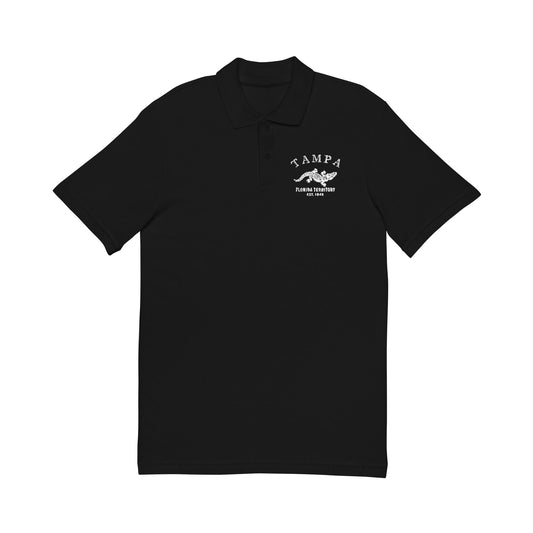
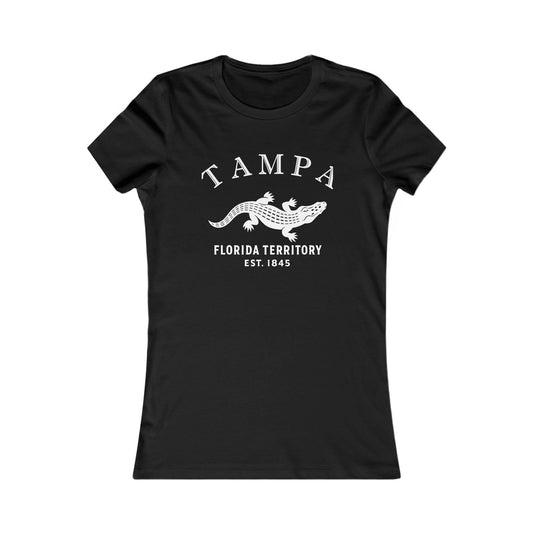
Our Tampa logo carries the Florida alligator above "Florida Territory — Est. 1845," the shared retro emblem of our Florida towns, drawn in worn black-and-white like an old cigar-box label or crate stamp. The 1845 date marks Florida statehood, and the alligator is the through-line that links Tampa to every other Florida town we make. The detail that makes this one Tampa is Cigar City itself — Ybor's brick factories, the Latin Quarter, Plant's minarets, and the pirates who storm the bay each January.
Tampa is Cigar City — a Fort Brooke frontier post that immigrant tabaqueros turned into the cigar capital of the world, crowned with silver minarets and guarded, once a year, by pirates. Our Tampa designs gather that into wearable form. Wear Cigar City. Cigar City. Rolled by hand since 1885.

Tampa, Florida — Travel Guide
Visiting Tampa Today
Tampa wraps around the head of its bay — a working Gulf port with a walkable downtown, the brick streets of Ybor City, and the long bayfront sweep of Bayshore Boulevard. Expect heat and afternoon storms in summer, a lively cultural-heritage scene year-round, and a Q1 peak around Gasparilla in late January. The historic core rewards walking; the Riverwalk ties much of it together.
Ybor City, the Riverwalk & the Bay
For visitors looking for things to do in Tampa, Florida:
- Walk Ybor City, the National Historic Landmark cigar district — brick factories, social clubs, and the heritage streetcar.
- Tour the Henry B. Plant Museum and the University of Tampa, the silver-minaret 1891 Tampa Bay Hotel.
- Stroll the Tampa Riverwalk along the Hillsborough River, linking parks, museums, and the bay.
- See the Tampa Theatre, a restored 1926 atmospheric movie palace downtown.
- Eat at the Columbia Restaurant (1905), Florida's oldest, in the heart of Ybor.
- Walk or bike Bayshore Boulevard, one of the world's longest continuous sidewalks.
- Visit the Florida Aquarium and ZooTampa for Gulf-coast wildlife.
- Time a winter trip for the Gasparilla Pirate Festival, Tampa's marquee January celebration.
Why People Visit Tampa
Tampa draws travelers who want real heritage with Gulf sunshine — the brick-and-cigar history of Ybor's Latin Quarter, the fairy-tale minarets of Plant's hotel, the bay and the Riverwalk, and a pirate festival unlike anywhere else. It is a city that wears its immigrant, working-waterfront story openly, an easy gateway to the Gulf beaches just across the bay.
Wear the History

For deeper reading on the Tampa history described here — the Tocobaga and the Fort Brooke frontier, the 1885 founding of Ybor City and its tabaqueros, the Cuban-Spanish-Italian Latin Quarter and its mutual-aid clubs, Henry Plant's 1891 Tampa Bay Hotel, and the Gasparilla and early-aviation milestones — it may be useful to consult (1) the University of South Florida Libraries Special Collections (Florida Studies), (2) the Tampa-Hillsborough County Public Library local-history collections, (3) the Henry B. Plant Museum and the Tampa Bay History Center, (4) the Ybor City Museum State Park, (5) the State Library and Archives of Florida, and (6) the Florida Historical Society. For travel and visitor information, it may be useful to contact (1) Visit Florida, (2) Visit Tampa Bay, (3) the City of Tampa, (4) the Florida State Parks office, (5) the Ybor City Chamber of Commerce, and (6) the regional Tampa Bay transportation and airport visitor desks.
- Choosing a selection results in a full page refresh.
- Opens in a new window.