-
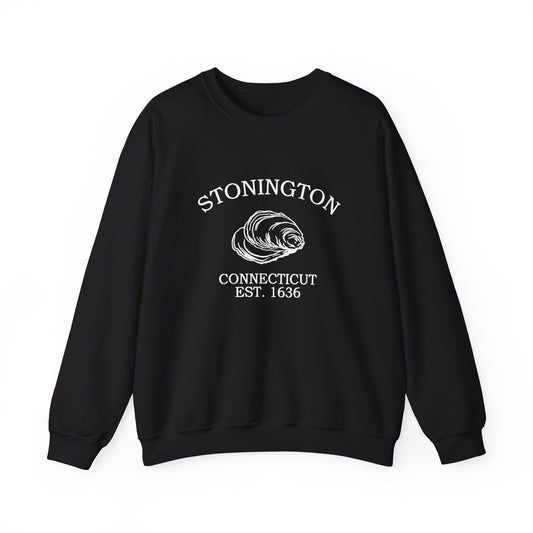
Stonington Connecticut Vintage Retro Premium Crewneck Sweatshirt - Black Logo
Regular price $48.00 USDRegular price -
Stonington Connecticut Vintage Retro Premium Crewneck Sweatshirt - White Logo
Regular price $48.00 USDRegular price -
Stonington Connecticut Vintage Retro Womens Fitted Ringspun Cotton Tee - Black Logo
Regular price $28.00 USDRegular price -
-
Stonington Connecticut Vintage Retro Beach Towel - Black Logo
Regular price From $42.00 USDRegular price -
Stonington Connecticut Vintage Retro Womens Cotton Cap - Black Logo
Regular price $32.00 USDRegular price -
Stonington Connecticut Vintage Retro Wine/Ice Bucket — Black Logo
Regular price $68.00 USDRegular price -
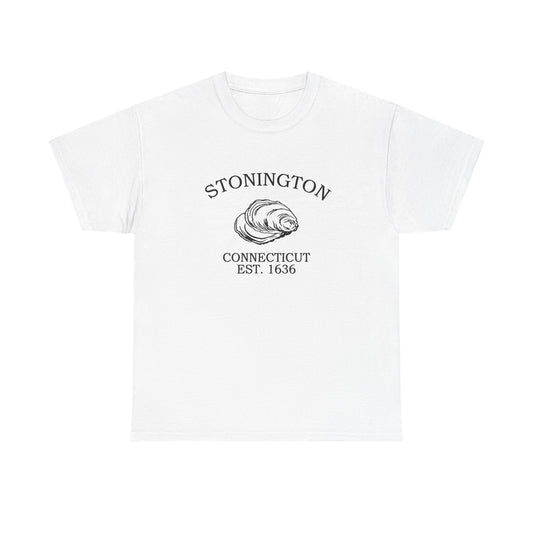
Stonington Connecticut Vintage Retro Unisex Heavy Cotton Tee - Black Logo
Regular price $22.00 USDRegular price -
Stonington Connecticut Vintage Retro Unisex Heavy Cotton Tee - White Logo
Regular price $22.00 USDRegular price -
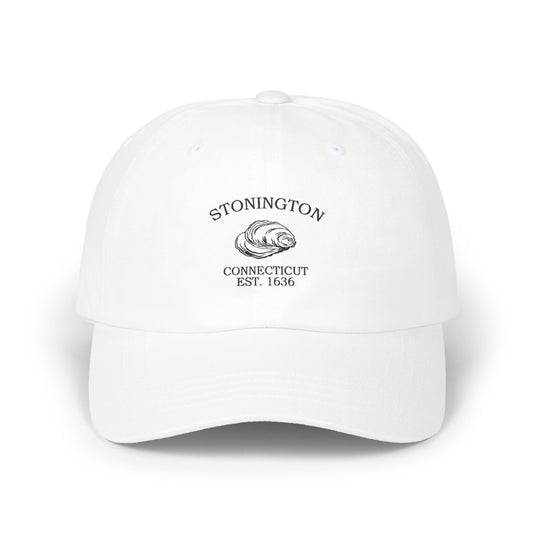
Stonington Connecticut Vintage Retro Embroidered Cotton Cap - Black Logo
Regular price $32.00 USDRegular price -
Stonington Connecticut Vintage Retro Embroidered Cotton Cap - White Logo
Regular price $32.00 USDRegular price -
Stonington Connecticut Vintage Retro Unisex Heavy Cotton Hoodie - Black Logo
Regular price $56.00 USDRegular price -
Stonington Connecticut Vintage Retro Unisex Heavy Cotton Hoodie - White Logo
Regular price $56.00 USDRegular price -
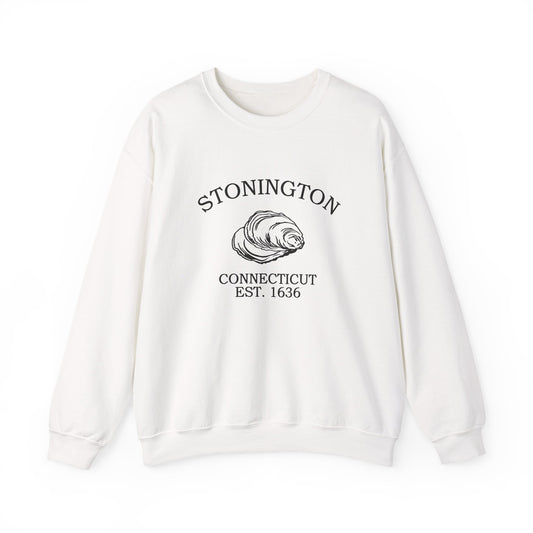
Stonington Connecticut Vintage Retro Unisex Heavy Crewneck Sweatshirt - Black Logo
Regular price $44.00 USDRegular price -
Stonington Connecticut Vintage Retro Unisex Heavy Crewneck Sweatshirt - White Logo
Regular price $44.00 USDRegular price -
Stonington Connecticut Vintage Retro Back Printed Art Series Cotton Tee - Black Logo
Regular price $32.00 USDRegular price -
Stonington Connecticut Vintage Retro Giclée Print Art Series Poster
Regular price From $38.00 USDRegular price -
Stonington Connecticut Vintage Retro Unisex Embroidered Cotton Polo - Black Logo
Regular price $48.00 USDRegular price -
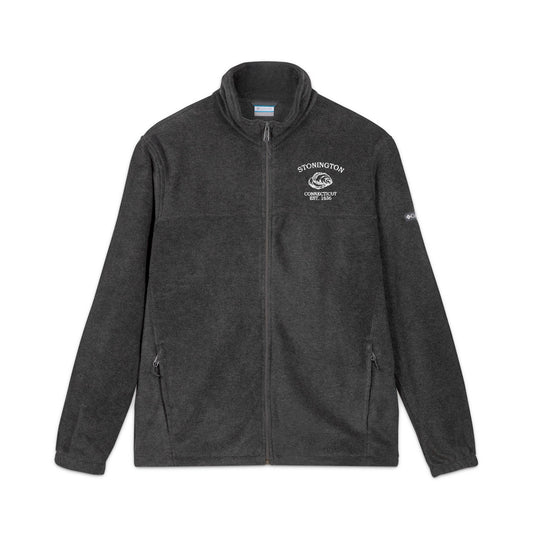
Stonington Connecticut Vintage Retro Unisex Embroidered Fleece Jacket - White Logo
Regular price $98.00 USDRegular price -
Stonington Connecticut Vintage Retro Unisex Cotton Jersey Tank Top - Black Logo
Regular price $28.00 USDRegular price -
Stonington Connecticut Vintage Retro Unisex Cotton Jersey Tank Top - White Logo
Regular price $28.00 USDRegular price -
Stonington Connecticut Vintage Retro Ceramic Mug - Black Logo
Regular price From $16.00 USDRegular price -
Stonington Connecticut Vintage Retro Cotton Canvas Tote Bag - Black Logo
Regular price $25.00 USDRegular price -
Stonington Connecticut Vintage Retro Cotton Canvas Tote Bag - White Logo
Regular price $25.00 USDRegular price -
Stonington Connecticut Vintage Retro Vinyl Sticker - Black Logo
Regular price From $6.00 USDRegular price -
Stonington Connecticut Vintage Retro Cotton Jersey Baby Bodysuit - Black Logo
Regular price $26.00 USDRegular price -
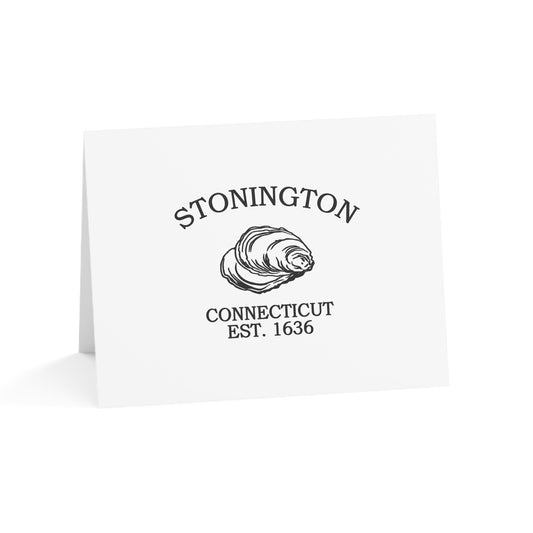
Stonington Connecticut Vintage Retro Thank You Card Set - Black Logo
Regular price From $25.00 USDRegular price












Stonington Connecticut — Retro Vintage History
The battle that the British Navy lost. August 9, 1814. Four Royal Navy warships anchored off Stonington Point, commanded by Commodore Thomas Masterman Hardy — the man who had held the dying Nelson at Trafalgar. His message ashore gave the town one hour to evacuate. The town didn't evacuate. The town wrote back: "We shall defend the place to the last extremity. Should it be destroyed, we shall perish in its ruins." Four days later, having failed to take a village of a thousand people, the squadron weighed anchor and sailed away. The flag that flew through it all still hangs in the Old Lighthouse Museum. Most towns build monuments to the wars they win. Stonington just kept the flag flying.
Wear the HistoryWhere you're from. Where you love. Where you explored. Where you belong.
QUICK FACTS — STONINGTON, CT
Stonington, Connecticut was settled in 1649, and its borough, incorporated in 1801, is the oldest borough in the state.
In August 1814, Stonington's three cannons drove off a four-ship Royal Navy squadron mounting roughly 160 guns.
The sixteen-star American flag that flew through the 1814 battle was shot through seven times and hangs in the Old Lighthouse Museum.
In August 1775 Stonington's militia repulsed HMS Rose — recorded by the Stonington Historical Society as the Revolution's first successful repulse of a British naval force.
Stonington sea captain Nathaniel Palmer sighted Antarctica on November 17, 1820, at age 21; Palmer Land is named for him.
The Old Lighthouse Museum, opened in the 1840 granite lighthouse in 1925, is the oldest lighthouse museum in America.
At its 1950s peak, Stonington's American Velvet Mill was the largest velvet producer in the United States, running some 300 looms.
Stonington Borough is home to Connecticut's last commercial fishing fleet, blessed each July in the Blessing of the Fleet.
The 21-year-old who found Antarctica. In the autumn of 1820, six years after the British sailed away, a 21-year-old Stonington sea captain named Nathaniel Brown Palmer sailed south out of this harbor on a 47-foot sloop called the Hero. He was hunting fur seals. The fleet had been working the South Shetland Islands off the tip of South America, and the seals there were getting scarce. Palmer was sent further — past the known maps, past where any American ship had reliably gone — to look for new rookeries. On November 17, 1820, barely past his 21st birthday, Palmer sighted a coastline that no one in his hemisphere had ever charted. He sailed close enough to see mountains rising directly out of the ice. What he was looking at would later be named Palmer Land, and the entire peninsula extending north toward South America is now the Antarctic Peninsula — the seventh continent's northernmost reach. He was the first American to sight Antarctica — one of the first three sightings in history, all within that same year — and the only one of the three with the continent's great peninsula carrying his name today. He came home to Stonington. Lived the rest of his life here. His house still stands at 40 Palmer Street, two blocks from the lighthouse he sailed past on his way south. A continent named for a kid from a one-square-mile village.

Stonington Borough harbor view with the lighthouse at the end of the point.
The town beneath these stories is one of Connecticut's oldest. Settled in 1649 on the Pequot coastal homeland and established as a town in 1662, Stonington incorporated its village core as a borough in 1801 — the oldest borough in the state. By 1842 its small fleet of fishing, whaling, and sealing vessels traded busily enough that the federal government made the harbor a port of entry, and the little granite Customs House still faces Main Street just north of Cannon Square. In the decades that followed, Portuguese fishing families made the borough their own, and their Blessing of the Fleet each July remains the harbor's great annual rite.
Industry came ashore in 1888, when the stone American Velvet Mill rose on Bayview Avenue. From 1892 the American Velvet Company wove there for a century, and at its 1950s peak it was the largest velvet producer in the United States — roughly 300 broad looms and 450 workers in a town you can walk end to end. The mill now houses artist studios and makers; the fishing fleet, Connecticut's last, still works the docks below.

Stonington Harbor and Connecticut's last commercial fishing fleet.
Today the borough remains what it has quietly been for two centuries: one square mile of Federal and Greek Revival houses behind picket fences, the two surviving 18-pounders in Cannon Square still pointing at the harbor they defended, the 1840 granite lighthouse at the end of the point — since 1925 the oldest lighthouse museum in America — and, each December, a Christmas tree built entirely of lobster traps rising by the Town Dock.
Our Stonington logo carries the borough's two signatures — the lighthouse and the cannon — the granite sentinel at the end of Water Street and the guns of 1814, printed black-and-white with the worn look of an old harbor chart. It reads as the borough in shorthand: stone, salt, and a polite refusal to be moved.
Stonington holds more history per square foot than almost any town in America: two defeated navies, a discovered continent, a woven empire of velvet, and a fishing fleet that never stopped. Our Stonington designs gather that identity — the lighthouse, the cannon, the sixteen-star spirit — into wearable form. Quietly outlasting things since 1801.
Stonington Connecticut — Travel Guide
Visiting Stonington Connecticut Today
Stonington Borough is a one-square-mile peninsula at the southeastern tip of Connecticut, the oldest borough in the state, with a working harbor, a federal-era lighthouse museum, the historic American Velvet Mill, and some of the best-preserved Federal and Greek Revival architecture in New England. Yankee Magazine named it one of the Top 10 prettiest coastal towns in the region.
Historic Sites and Cultural Stops in Stonington Connecticut
For visitors searching for things to do in Stonington Connecticut:
- Tour the Old Lighthouse Museum at 7 Water Street, the 1840 granite lighthouse that since 1925 has been the oldest lighthouse museum in America, holding the original sixteen-star battle flag from 1814.
- Visit Cannon Square, where the two surviving 18-pounder cannons that defended the borough in 1814 still point toward the harbor entrance.
- See the Captain Nathaniel B. Palmer House at 40 Palmer Street, home of the 21-year-old sea captain who first sighted Antarctica in 1820.
- Relax on DuBois Beach, sandy cove at the tip of the borough with views across Fishers Island Sound to Connecticut, Rhode Island, and New York.
- Walk Water Street, tree-lined with white picket fences, antique shops, and historic sea captains' homes.
- Watch the working fleet at Town Dock, Connecticut's last commercial fishing fleet, with views of the harbor and surrounding islands.
- Explore the historic American Velvet Mill on Bayview Avenue, built in 1888 to attract new industry to the borough. The American Velvet Company opened there in 1892 and at its 1950s peak was the largest velvet producer in the United States, operating roughly 300 broad looms with around 450 workers. The company moved operations to Virginia late in the 20th century, and the building has since been repurposed as a maker space.
- Come in December for the Lobster Trap Tree by the Town Dock — the borough's internationally photographed Christmas tree built entirely of stacked lobster traps.
Why People Visit Stonington Connecticut
Stonington balances genuine maritime history with preserved coastal village charm most New England towns have lost to tourism. Visitors come for the lighthouse climb, the harbor walks, the Federal-era architecture, the working fishing fleet, and the rare experience of a town that has been quietly itself for over two hundred years. It is photogenic, walkable, and uncrowded compared to neighboring Mystic. History, food, and the salt air sit side by side in a way that rewards a slow afternoon.
Wear the History
Where you're from. Where you love. Where you explored. Where you belong.
Kindred Cities
Greetings to visitors from Whitby, England and Peggy's Cove, Canada — fellow fishing harbours under a working lighthouse.
Stonington keeps Connecticut's last commercial fishing fleet, and Whitby and Peggy's Cove share that salt-cured life. Whitby works its harbour where the Yorkshire moors meet the North Sea, an old fishing and whaling town; Peggy's Cove gathers a handful of houses around the most photographed lighthouse in Nova Scotia; Stonington Borough crowds its trawlers and its Portuguese fishing families onto a one-square-mile point in Long Island Sound. Three working coasts where the catch is real and the lighthouses still earn their keep.
Stonington is built for anyone who loves a real fishing village: the borough's narrow streets out to the point, the lighthouse museum at the end, fresh catch off the working docks, and the colour and prayer of the Blessing of the Fleet in July. Come and visit us soon.
When you plan the trip, the Town of Stonington and the Connecticut Office of Tourism are the place to start.
Wear the History
Where you're from. Where you love. Where you explored. Where you belong.

For deeper reading on Stonington, Connecticut maritime and military history described here, it may be useful to consult (1) James Tertius de Kay, The Battle of Stonington: Torpedoes, Submarines, and Rockets in the War of 1812, published by the United States Naval Institute Press, the definitive scholarly account of the 1814 bombardment drawing on Royal Navy correspondence and American primary sources, (2) the Stonington Historical Society publication Stonington in Rebellion, 1775 by Norman Boas, the primary scholarly account of the 1775 HMS Rose engagement and the Wallace attack, (3) Connecticut Humanities and the ConnecticutHistory.org platform for primary-source articles on Stonington Borough, the War of 1812 Connecticut coastline, and Nathaniel Palmer's Antarctic voyage, (4) the Richard W. Woolworth Library and Research Center operated by Historic Stonington at 40 Palmer Street for primary-source manuscripts, ship logs, and the Palmer family archive, and (5) the Naval History and Heritage Command for British Royal Navy records on HMS Ramillies, HMS Pactolus, HMS Dispatch, HMS Terror, and HMS Rose. For deeper local and family history research in Stonington and surrounding Connecticut, it may be useful to reach out to (1) Historic Stonington (formerly the Stonington Historical Society) at 40 Palmer Street, (2) the Old Lighthouse Museum at 7 Water Street, (3) the Stonington Free Library local history room, (4) the Connecticut State Library and State Archives in Hartford, and (5) the New London County Historical Society. For travel and visitor information in Stonington, it may be useful to contact (1) the Greater Mystic Chamber of Commerce, which covers Stonington Borough, (2) the Old Lighthouse Museum visitor desk at 7 Water Street, (3) the Stonington Parks and Recreation Department, (4) the Connecticut Office of Tourism, and (5) the Town of Stonington offices, which administer municipal jurisdiction over the Borough. Readers interested in the broader cultural reception of Stonington and its maritime tradition — its expression in the 1988 Julia Roberts film Mystic Pizza partially filmed in the Borough, in Steven Spielberg's Amistad, in the working preservation tradition of the Old Lighthouse Museum and Cannon Square, in the Connecticut shoreline aesthetic that runs from Stonington through Mystic and Noank to Groton and New London, and in the broader New England coastal heritage that has shaped American maritime identity — will find that the historical vocabulary studied here, particularly the named vessels (HMS Ramillies, HMS Pactolus, HMS Dispatch, HMS Terror, HMS Rose, the sloop Hero), the named figures (Commodore Thomas Masterman Hardy, Captain James Wallace, Captain Jeremiah Holmes, Captains Oliver Smith and William Stanton, Captain Nathaniel Brown Palmer, naval historian James Tertius de Kay), and the named places (Stonington Point, Long Point, Cannon Square, the Old Lighthouse, 40 Palmer Street, DuBois Beach, Water Street, the American Velvet Mill), recur across all of these traditions as a shared visual and cultural grammar of American small-town maritime accomplishment.
- Choosing a selection results in a full page refresh.
- Opens in a new window.