Every design is set in hand-lettered vintage type for that old-school, crate-label look. One sample color shown — black and white logo options on every piece. Recently in the national press. Enjoy!
-
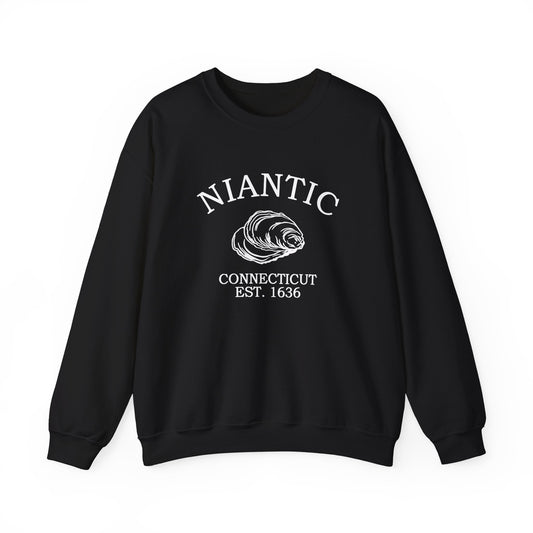
Niantic Connecticut Vintage Retro Premium Crewneck Sweatshirt - Black Logo
Regular price $48.00 USDRegular price -
Niantic Connecticut Vintage Retro Premium Crewneck Sweatshirt - White Logo
Regular price $48.00 USDRegular price -
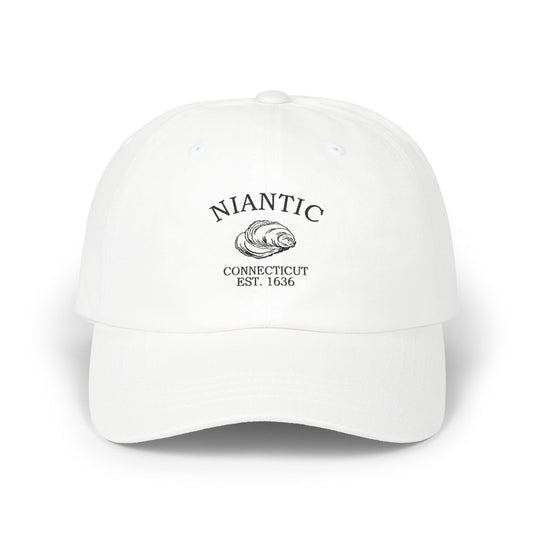
Niantic Connecticut Vintage Retro Embroidered Cotton Cap - White Logo
Regular price $32.00 USDRegular price -
Niantic Connecticut Vintage Retro Embroidered Cotton Cap - Black Logo
Regular price $32.00 USDRegular price -
-
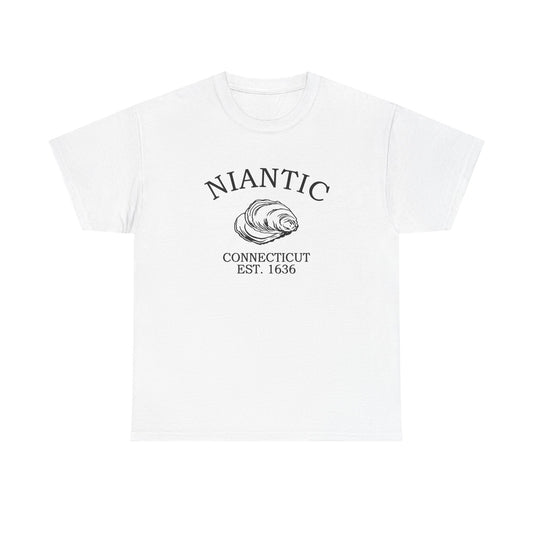
Niantic Connecticut Vintage Retro Unisex Heavy Cotton Tee - White Logo
Regular price $22.00 USDRegular price -
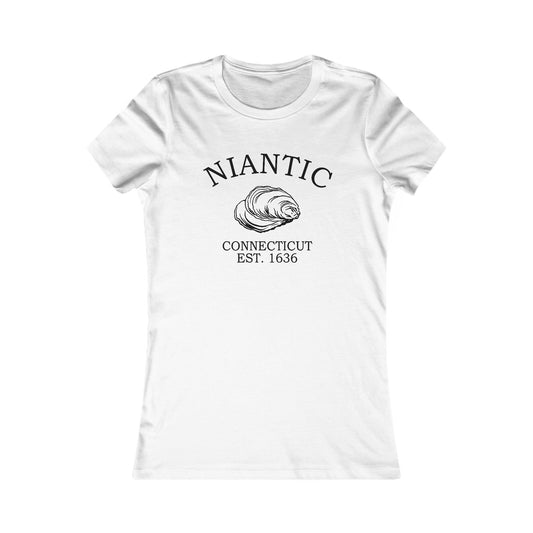
Niantic Connecticut Vintage Retro Womens Fitted Ringspun Cotton Tee - Black Logo
Regular price $28.00 USDRegular price -
Niantic Connecticut Vintage Retro Unisex Heavy Cotton Tee - Black Logo
Regular price $22.00 USDRegular price -
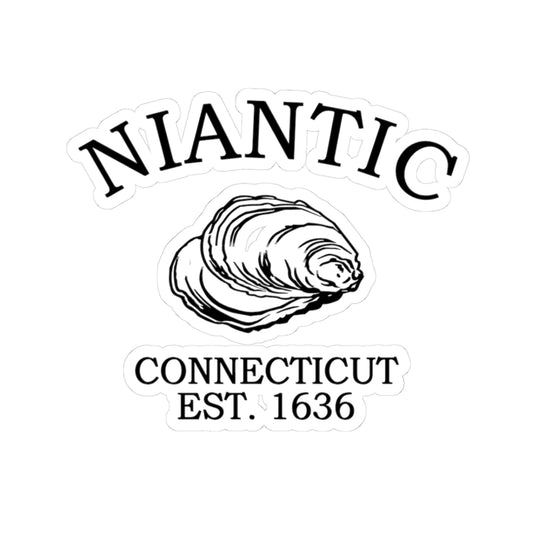
Niantic Connecticut Vintage Retro Vinyl Sticker - Black Logo
Regular price From $6.00 USDRegular price -
Niantic Connecticut Vintage Retro Unisex Heavy Cotton Hoodie - White Logo
Regular price $56.00 USDRegular price -
Niantic Connecticut Vintage Retro Unisex Heavy Cotton Hoodie - Black Logo
Regular price $56.00 USDRegular price -
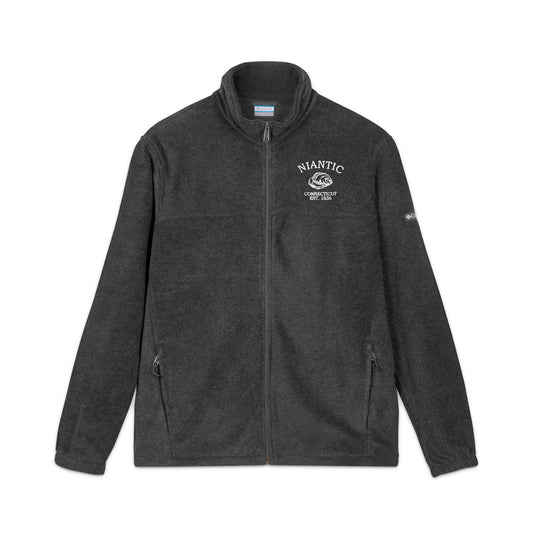
Niantic Connecticut Vintage Retro Unisex Embroidered Fleece Jacket - White Logo
Regular price $98.00 USDRegular price -
Niantic Connecticut Vintage Retro Ceramic Mug - Black Logo
Regular price From $16.00 USDRegular price -
Niantic Connecticut Vintage Retro Cotton Canvas Tote Bag - White Logo
Regular price $25.00 USDRegular price -
Niantic Connecticut Vintage Retro Cotton Canvas Tote Bag - Black Logo
Regular price $25.00 USDRegular price -
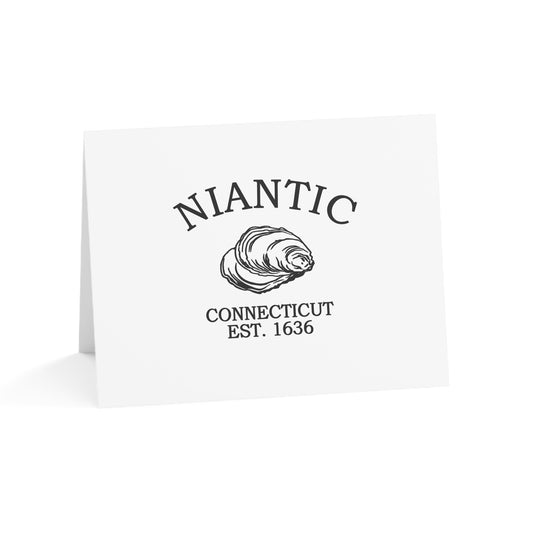
Niantic Connecticut Vintage Retro Thank You Card Set - Black Logo
Regular price From $25.00 USDRegular price -
Niantic Connecticut Vintage Retro Cotton Jersey Baby Bodysuit - Black Logo
Regular price $26.00 USDRegular price -
Niantic Connecticut Vintage Retro Unisex Cotton Jersey Tank Top - Black Logo
Regular price $28.00 USDRegular price -
Niantic Connecticut Vintage Retro Unisex Cotton Jersey Tank Top - White Logo
Regular price $28.00 USDRegular price -
Niantic Connecticut Vintage Retro Back Printed Art Series Cotton Tee - Black Logo
Regular price $32.00 USDRegular price -
Niantic Connecticut Vintage Retro Giclée Print Art Series Poster
Regular price From $38.00 USDRegular price -
Niantic Connecticut Vintage Retro Unisex Heavy Crewneck Sweatshirt - Black Logo
Regular price $44.00 USDRegular price -
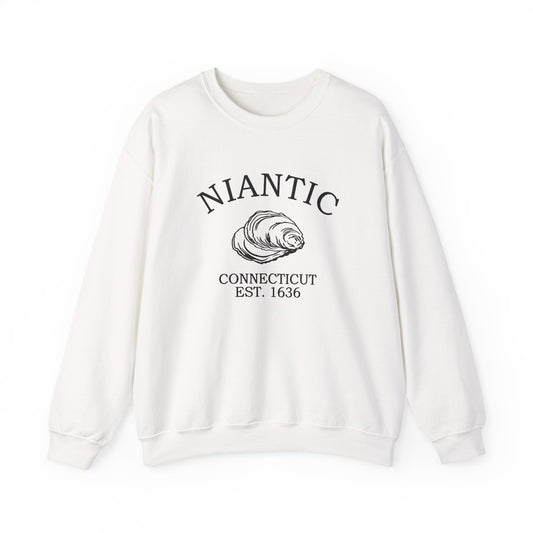
Niantic Connecticut Vintage Retro Unisex Heavy Crewneck Sweatshirt - White Logo
Regular price $44.00 USDRegular price -
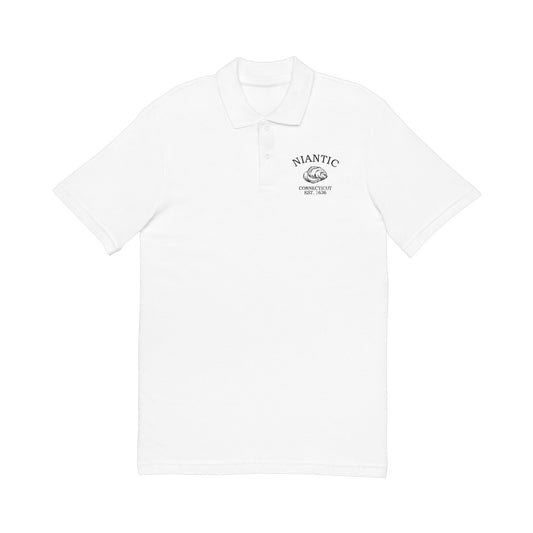
Niantic Connecticut Vintage Retro Unisex Embroidered Cotton Polo - Black Logo
Regular price $48.00 USDRegular price













Niantic Connecticut — Retro Vintage History
What's with the Niantic Bay Boardwalk? For about a mile it runs right along the water, a flat wooden-and-concrete walk pinned between Niantic Bay on one side and the shoreline railroad on the other — so you stroll with the Sound at your elbow while Amtrak trains rumble past a few feet inland. It opened in 2005, was knocked out for years by a new railroad bridge and Hurricane Irene, and came roaring back in 2016, busier than ever. On a summer evening it is the whole village in motion: strollers and dogs and kids with ice cream, the bay going pink, a train sliding by. The boardwalk is new, but the thing it celebrates — a small Connecticut shore town built around its beach — is very old.
Wear the HistoryThe name is older than the town. ‘Niantic’ comes from the Nehantic — the Western Nehantic people, an Algonquian shoreline tribe who summered along this bay for centuries — and means roughly ‘point of land on the water.’ English settlers spreading out from Lyme reached the shore in the mid-1600s and built farms and wharves; the little waterfront hamlet was once known simply as ‘The Bank.’ For a long time it was just one corner of Lyme, until the Town of East Lyme was carved out of Lyme and Waterford in 1839. Niantic has always been a village within that town — the beach side, the part everyone means when they say the name.

Before it was a resort it was a working waterfront. Through the eighteenth and nineteenth centuries Niantic lived on oystering, fishing, and shipbuilding; at the head of the Niantic River a place called the Golden Spur — once ‘Head of the River’ — had a busy shipyard turning out coastal vessels. The bay gave up oysters and the Sound gave up fish, and the village kept the unfussy, salt-stained rhythm of a place that made its living off the water. That maritime working life is the bedrock under all the summer leisure that came later.
What changed Niantic was the train. The Shore Line Railway reached the shore in 1851, and almost at once ‘The Bank’ began turning into Niantic, a summer-resort village. The rails made the beaches a half-day from New York or Boston, and cottage colonies sprang up all along the shore — Crescent Beach, Black Point, Giants Neck, Hole-in-the-Wall, a whole string of little beach communities. A drawbridge carried the tracks over the mouth of the Niantic River, and the sound of the shoreline train became part of summer here, as it still is.
The bay is still the heart of it. Beyond the boardwalk, Niantic's white-sand beaches and nine beach communities swell the village to several times its winter size every July; the calm, shallow water and the easy shore make it a family town in season. Each September the village throws the Niantic Bay Oyster Festival on St. John's Green, a nod to the oyster beds that fed the place for generations. It is unhurried and unpretentious — a Connecticut beach town that has never tried to be anything fancier.
Inland from the water, Niantic keeps a walkable old Main Street — small shops, the historic Niantic Cinemas, and the famous Book Barn, a used bookstore whose stacks ramble across several buildings and gardens and draw readers from all over New England. The Children's Museum of Southeastern Connecticut fills the village's original library on Main Street, and just outside town the 1845 Smith-Harris House and the c.1664 Thomas Lee House — one of the oldest houses in the state — keep the deeper colonial story. Small village, long memory.
Our Niantic logo carries Connecticut's oyster above ‘Connecticut — Est. 1636,’ the shared retro emblem of our Connecticut towns. The oyster is the state shellfish, a fitting nod to the beds that the Nehantic and the early settlers worked in this bay, and 1636 marks the founding of the Connecticut Colony; the emblem is the through-line that links Niantic to every other Connecticut town we make. It could hardly fit a place better — an oystering shore village — rendered in the black-and-white of an old crate label. What makes this one Niantic is the bay behind it: the boardwalk, the beaches, and the train.
Today Niantic is a small shore village of a few thousand that doubles in summer and empties back to quiet in winter, the way beach towns do. Its story runs from the Nehantic ‘point of land on the water’ through the oyster boats and the 1851 railroad to the boardwalk full of strollers tonight. Our Niantic designs gather that into wearable form. Wear the history. This is the point of land on the Sound.

Niantic, Connecticut — Travel Guide
Visiting Niantic Today
Niantic is the shoreline village of East Lyme, set along Niantic Bay on Long Island Sound about midway between New York and Boston. It pairs a mile-long bay boardwalk and a string of white-sand beaches with a walkable old Main Street and the shoreline train rolling through.
The Boardwalk, the Beaches & the Bay
For visitors looking for things to do in Niantic, Connecticut:
- Walk the Niantic Bay Boardwalk, about a mile along the bay between the beach and the shoreline rail line.
- Relax at McCook Point Park, with shaded lawns, a pavilion, and a sandy beach.
- Spend a day at Rocky Neck State Park, with its wide beach, salt-marsh boardwalk, and 1930s stone pavilion.
- Browse Main Street's shops and the Niantic Cinemas, and lose an afternoon in the rambling stacks of the Book Barn.
- Visit the Children's Museum of Southeastern Connecticut, in the village's original library on Main Street.
- Tour the Smith-Harris House, an 1845 Greek Revival farmhouse museum just outside the village.
- Time a trip for the Niantic Bay Oyster Festival on St. John's Green in late September.
Why People Visit Niantic
Niantic offers straightforward coastal time for families. Visitors mix boardwalk walks with park picnics, beach days, and small museums, all on Long Island Sound. It is easygoing, scenic, and walkable, with year-round appeal in its parks, paths, and public spaces. The vintage feel of a New England beach village is evergreen, and history and everyday shoreline life sit side by side here in a welcoming way.
Wear the History
Kindred Cities
We're glad to welcome visitors from Falmouth, England and Saint-Malo, France (bienvenue) — like-minded seaside towns of beaches and a salt-air boardwalk.
Niantic lives along its bay, and Falmouth and Saint-Malo would take to it at once. Falmouth, on the Cornish coast, mixes a working harbour with broad bathing beaches; Saint-Malo, the walled corsair port of Brittany, draws crowds to its ramparts and its great tidal strand; Niantic spreads along Niantic Bay, a New England beach village with a boardwalk on the water, a drawbridge and the shoreline train rolling through. Small towns where the beach is the heart of summer.
Niantic calls to anyone who summers by the shore: a boardwalk along the bay, easy beaches on the Sound, a drawbridge and the coastal train, and the unhurried feel of a Connecticut beach town in July. Come and visit us soon.
When you plan the trip, the Town of East Lyme and the Connecticut Office of Tourism are the place to start.
Wear the History

For deeper reading on the Niantic history described here — the Nehantic shoreline and the meaning of the name, the mid-1600s settlement from Lyme, the oystering and shipbuilding years and the Golden Spur shipyard, the 1839 incorporation of East Lyme, and the 1851 Shore Line Railway that turned 'The Bank' into a summer-resort village of beaches, cottage colonies, and the boardwalk that followed — it may be useful to consult (1) the East Lyme Historical Society, (2) the Smith-Harris House at Brookside Farm Museum, (3) the Thomas Lee House, (4) the East Lyme Public Library in Niantic, and (5) the Connecticut State Library and State Historic Preservation Office. For travel and visitor information, it may be useful to contact (1) the Town of East Lyme, (2) the Connecticut Office of Tourism (CTvisit), (3) the East Lyme Parks & Recreation Department, (4) Niantic Main Street, and (5) Visit Connecticut and the Mystic Country regional tourism district.
- Choosing a selection results in a full page refresh.
- Opens in a new window.