Every design is set in hand-lettered vintage type for that old-school, crate-label look. One sample color shown — black and white logo options on every piece. Recently in the national press. Enjoy!
-
Pasadena Texas Vintage Retro Premium Crewneck Sweatshirt - Black Logo
Regular price $48.00 USDRegular price -
Pasadena Texas Vintage Retro Premium Crewneck Sweatshirt - White Logo
Regular price $48.00 USDRegular price -
Pasadena Texas Vintage Retro Womens Fitted Ringspun Cotton Tee - Black Logo
Regular price $28.00 USDRegular price -
Companion in Still Water - Silhouette Art Giclée Unframed Art Print
Regular price From $34.00 USDRegular price -
Boy and Hound - Silhouette Art Framed Art Print
Regular price From $96.00 USDRegular price -
Pasadena Texas Vintage Retro Embroidered Cotton Cap - Black Logo
Regular price $32.00 USDRegular price -
Pasadena Texas Vintage Retro Unisex Heavy Cotton Hoodie - White Logo
Regular price $56.00 USDRegular price -
Boy and Hound - Silhouette Art Giclée Unframed Art Print
Regular price From $34.00 USDRegular price -
Whitewater Leap - Silhouette Art Framed Art Print
Regular price From $96.00 USDRegular price -
Pasadena Texas Vintage Retro Vinyl Sticker - Black Logo
Regular price From $6.00 USDRegular price -
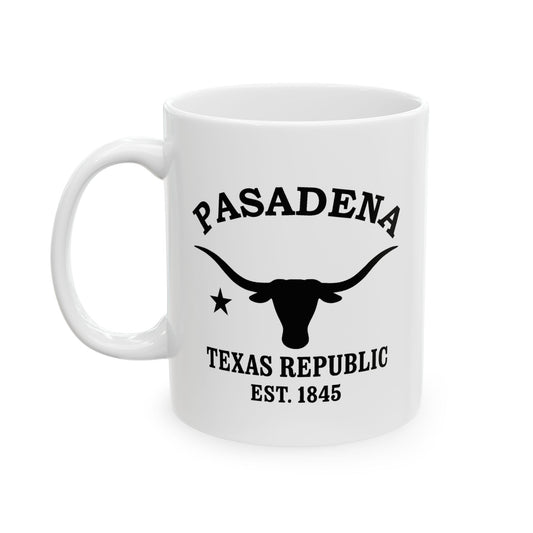
Pasadena Texas Vintage Retro Ceramic Mug - Black Logo
Regular price From $16.00 USDRegular price -
Whitewater Run - Silhouette Art Giclée Unframed Art Print
Regular price From $34.00 USDRegular price -
Whitewater Run - Silhouette Art Framed Art Print
Regular price From $96.00 USDRegular price -
Pasadena Texas Vintage Retro Unisex Heavy Cotton Hoodie - Black Logo
Regular price $56.00 USDRegular price -
Shoreline Trio - Silhouette Art Giclée Unframed Art Print
Regular price From $34.00 USDRegular price -
Shoreline Trio II - Silhouette Art Framed Art Print
Regular price From $96.00 USDRegular price -
Pasadena Texas Vintage Retro Back Printed Art Series Cotton Tee - Black Logo
Regular price $32.00 USDRegular price -
Pasadena Texas Vintage Retro Giclée Print Art Series Poster
Regular price From $38.00 USDRegular price -
Between Horse and Hound - Silhouette Art Giclée Unframed Art Print
Regular price From $34.00 USDRegular price -
Three Dogs, Still Water - Silhouette Art Framed Art Print
Regular price From $112.00 USDRegular price -
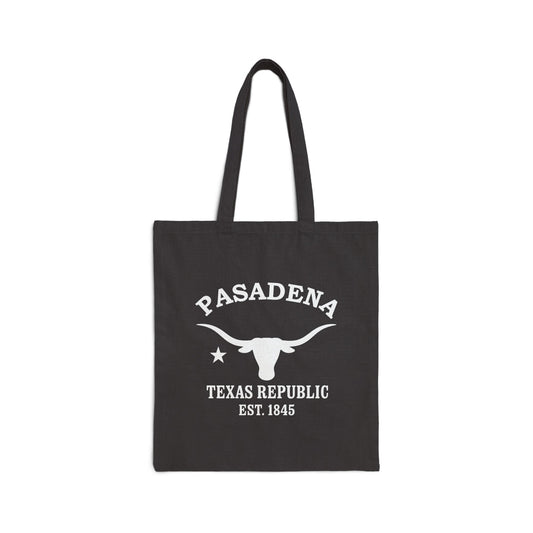
Pasadena Texas Vintage Retro Cotton Canvas Tote Bag - White Logo
Regular price $25.00 USDRegular price -
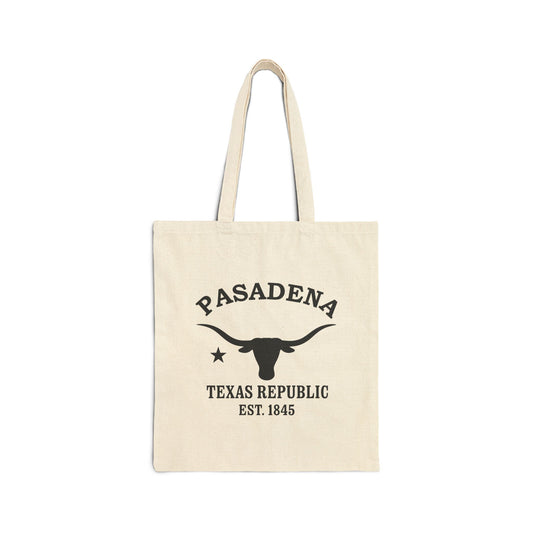
Pasadena Texas Vintage Retro Cotton Canvas Tote Bag - Black Logo
Regular price $25.00 USDRegular price -
Shoreline Trio II - Silhouette Art Giclée Unframed Art Print
Regular price From $34.00 USDRegular price -
Whitewater Walk - Silhouette Art Framed Art Print
Regular price From $96.00 USDRegular price -
Pasadena Texas Vintage Retro Unisex Cotton Jersey Tank Top - Black Logo
Regular price $28.00 USDRegular price -
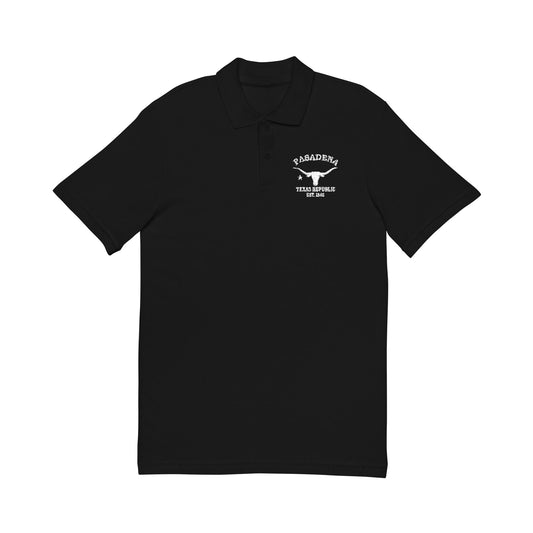
Pasadena Texas Vintage Retro Unisex Embroidered Cotton Polo - Black Logo
Regular price $48.00 USDRegular price -
Between Horse and Hound - Silhouette Art Framed Art Print
Regular price From $96.00 USDRegular price -
Between Two Hounds Portrait - Silhouette Art Framed Art Print
Regular price From $112.00 USDRegular price -
Pasadena Texas Vintage Retro Unisex Heavy Cotton Tee - White Logo
Regular price $22.00 USDRegular price -
Pasadena Texas Vintage Retro Embroidered Cotton Cap - White Logo
Regular price $32.00 USDRegular price -
Whitewater Leap - Silhouette Art Giclée Unframed Art Print
Regular price From $34.00 USDRegular price -
Small Steps - Silhouette Art Framed Art Print
Regular price From $112.00 USDRegular price -
Pasadena Texas Vintage Retro Unisex Heavy Cotton Tee - Black Logo
Regular price $22.00 USDRegular price -
Pasadena Texas Vintage Retro Thank You Card Set - Black Logo
Regular price From $25.00 USDRegular price -
Hand on the Mane - Silhouette Art Giclée Unframed Art Print
Regular price From $34.00 USDRegular price
















Pasadena Texas — Retro Vintage History
What's with the Strawberry Capital? It starts with a disaster and a kindness. After the 1900 Galveston hurricane — the deadliest in American history — Clara Barton and the Red Cross came to the ruined Texas coast, and among the relief they handed out were strawberry plants by the thousands. The settlers around Pasadena set them in the warm Gulf soil, and the berries took. Within a generation the little farm town was shipping strawberries north by the railcar and calling itself the Strawberry Capital of the South. The crop is mostly gone now, but the title stuck: Pasadena still throws a Strawberry Festival every spring, complete with what it bills as the world's largest strawberry shortcake.
Wear the HistoryPasadena itself was brand new when the strawberries arrived. In 1893 a Galveston developer named John H. Burnett laid out a townsite on the prairie southeast of Houston and, taken with the green of the place, borrowed the name of Pasadena, California. The railroad reached it in 1894, and the settlement grew as a farming community — strawberries above all, but also cantaloupe, figs, and the fragrant cape jasmine — supplying the Houston markets just up the road. For its first decades Pasadena was a quiet country town on the edge of a growing city.

Then the water changed everything. In 1914 the Houston Ship Channel opened, turning the bayou into one of the busiest seaports in the world, and refineries and petrochemical plants rose along Pasadena's northern edge. Farm fields gave way to tank farms and pipe racks; the children of strawberry pickers went to work on refinery row. Through the mid-century the town boomed as a working-class industrial city, its population multiplying, its skyline a low line of stacks and flares against the Gulf sky. Pasadena had traded the berry crate for the hard hat.
And then, for one loud decade, Pasadena was the capital of something else entirely. In 1971 a Spencer Highway dance hall called Gilley's grew into the largest honky-tonk in the world — acres of floor, a rodeo arena, and a mechanical bull that became famous far beyond Texas. When a 1980 Hollywood film set its story there, the club and its bull touched off a national craze; for a few years half the country wanted to pull on boots, ride a bucking machine, and call itself an urban cowboy. Gilley's is long gone, torn down in 2006, but the legend is pure Pasadena: a refinery town that knew how to two-step, and taught everyone else how.
For all the oil and the honky-tonk nights, Pasadena never let go of the berry. The Pasadena Strawberry Festival, held each spring, draws crowds for its carnival, its livestock show and rodeo, and that record-setting shortcake; it is the town's signature weekend and the truest link back to the Clara Barton plants of 1900. Add the Pasadena Livestock Show & Rodeo and a calendar of community fairs, and the picture is of a city that works hard all week and celebrates loud — strawberries, Western, and Gulf-coast all at once.
There is a quieter Pasadena too, out along the water. Armand Bayou Nature Center, one of the largest urban wilderness preserves in the country, threads boardwalks through marsh and forest alive with herons, alligators, and migrating birds; the El Jardin shoreline and a string of bayou greenways give the industrial city a surprising amount of wild edge. Just up the road sits the San Jacinto Monument, where Texas won its independence in 1836, a reminder that this stretch of bayou country shaped the whole state. The same Galveston Bay that brings the hurricanes also brings the herons, and Pasadena lives with both.
Our Pasadena logo carries Texas's longhorn and Lone Star above ‘Texas Republic — Est. 1845,’ the shared retro emblem of our Texas towns. The longhorn stands for ranching toughness and the star for the Lone Star State, and the 1845 date marks Texas statehood; the emblem is the through-line that links Pasadena to every other Texas town we make. It suits this one well — the same Western spirit that filled the Gilley's dance floor, stamped over a town that has always worn its boots and its grit with pride. What makes this one Pasadena is the strawberry sweetness underneath the swagger.
Today Pasadena is a big, diverse Houston-area city — majority Hispanic, proud of its strawberry past, its Western nights, and its working waterfront. Its days run from bayou mornings to refinery shifts to festival weekends, all under the wide Gulf sky. Our Pasadena designs gather that into wearable form. Wear the history. This is the Strawberry Capital — and where the urban cowboy rode.

Pasadena, Texas — Travel Guide
Visiting Pasadena Today
Pasadena sits southeast of Houston between the city and Clear Lake, with the Houston Ship Channel along its northern edge and Galveston Bay close by. It pairs a working industrial waterfront with bayou preserves, community parks, festival grounds, and an easy run into Houston or out to the coast.
Strawberries, Bayous & the Western Story
For visitors looking for things to do in Pasadena, Texas:
- Time a trip to the Pasadena Strawberry Festival in spring for the carnival, the rodeo, and the record-setting strawberry shortcake.
- Explore Armand Bayou Nature Center, one of the country's largest urban wilderness preserves, by boardwalk or guided pontoon.
- Cool off at Strawberry Water Park, with a lazy river and family play features named for the city's berry heritage.
- Catch the Pasadena Livestock Show & Rodeo for a full dose of the city's Western side.
- Visit the Pasadena Heritage Park & Museum for the founding, strawberry, and Ship Channel story.
- Drive out to the nearby San Jacinto Monument and battleground, where Texas won its independence in 1836.
Why People Visit Pasadena
Pasadena balances big-city access with Gulf-coast ease. Visitors pair the strawberry and Western heritage with bayou boardwalks, festival weekends, and a short hop to Houston, the Space Center nearby, or the beach. It is friendly, unpretentious, and family-oriented, with year-round appeal in its parks, trails, and public spaces. History and everyday culture sit side by side here in a welcoming way.
Wear the History
Kindred Cities
Greetings, friends from Hadano, Japan (ようこそ) — our sister at the foot of the Tanzawa mountains.
Pasadena and Hadano have kept company for sixty years, two working towns with green roots. Hadano rests in a basin below Kanagawa's Tanzawa peaks, famous for its clear groundwater, its peanuts and the hot springs that draw weekenders from Tokyo; Pasadena grew up as the strawberry capital of the Texas coast before the Ship Channel refineries arrived, a hardworking city that still throws its hat to a country beat. Two towns that never forgot the soil they started on.
Pasadena and Hadano signed on as sister cities in 1964 and marked their 60th anniversary in 2024 — one of the longer-running Texas-Japan friendships, carried on by mutual delegations and student visits.
Come from Hadano and Pasadena will show you its Texas side: the strawberry heritage and the San Jacinto monument nearby, the honky-tonk legend of Gilley's, and a Gulf-coast welcome as broad as the Houston sky. Come and visit us soon.
When you plan the trip, Visit Pasadena, Texas is the place to start.
Wear the History

For deeper reading on the Pasadena history described here — the Karankawa and Atakapan presence on Galveston Bay, the 1893 founding by John H. Burnett, the strawberry-capital era seeded by Clara Barton's 1900 Red Cross relief, the Houston Ship Channel industrialization after 1914, and the honky-tonk and rodeo culture of the later twentieth century, including Gilley's and the urban-cowboy era — it may be useful to consult (1) the Pasadena Heritage Park & Museum, (2) the Pasadena Public Library local-history collection, (3) the Texas State Historical Association (Handbook of Texas), (4) the San Jacinto Museum of History at the nearby battleground, and (5) the Texas State Library and Archives Commission. For travel and visitor information, it may be useful to contact (1) Visit Pasadena, Texas, (2) the City of Pasadena and its Parks & Recreation Department, (3) the Pasadena Chamber of Commerce, (4) Armand Bayou Nature Center, and (5) Travel Texas, the state tourism office.
- Choosing a selection results in a full page refresh.
- Opens in a new window.