Every design is set in hand-lettered vintage type for that old-school, crate-label look. One sample color shown — black and white logo options on every piece. Recently in the national press. Enjoy!
-
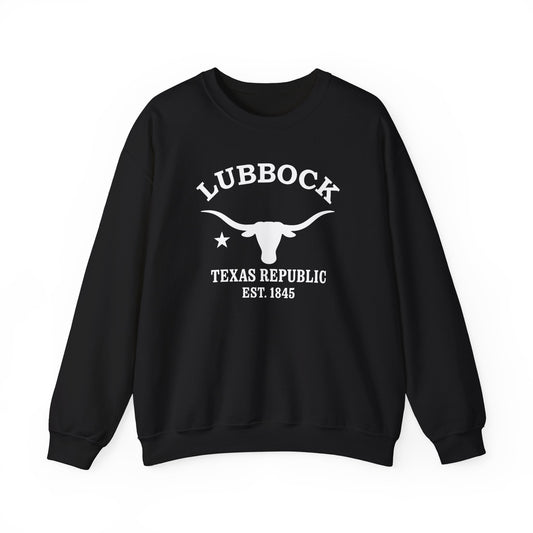
Lubbock Texas Vintage Retro Premium Crewneck Sweatshirt - Black Logo
Regular price $48.00 USDRegular price -
Lubbock Texas Vintage Retro Premium Crewneck Sweatshirt - White Logo
Regular price $48.00 USDRegular price -
Hand on the Mane - Silhouette Art Framed Art Print
Regular price From $96.00 USDRegular price -
Lubbock Texas Vintage Retro Giclée Print Art Series Poster
Regular price From $38.00 USDRegular price -
Lubbock Texas Vintage Retro Back Printed Art Series Cotton Tee - Black Logo
Regular price $32.00 USDRegular price -
Outstretched Hand - Silhouette Art Giclée Unframed Art Print
Regular price From $34.00 USDRegular price -
Mare and Foal - Silhouette Art Framed Art Print
Regular price From $96.00 USDRegular price -
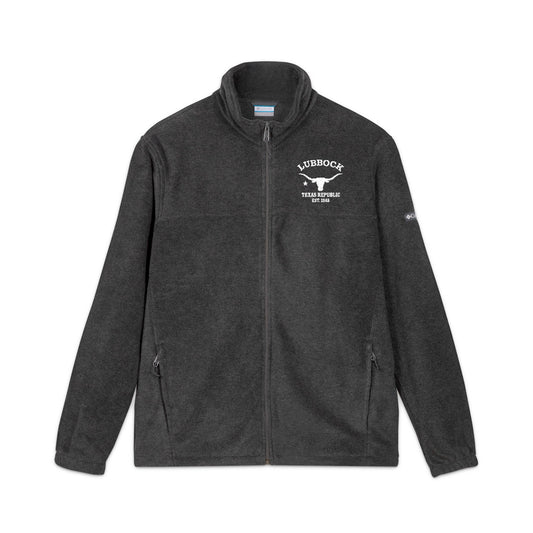
Lubbock Texas Vintage Retro Unisex Embroidered Fleece Jacket - White Logo
Regular price $98.00 USDRegular price -
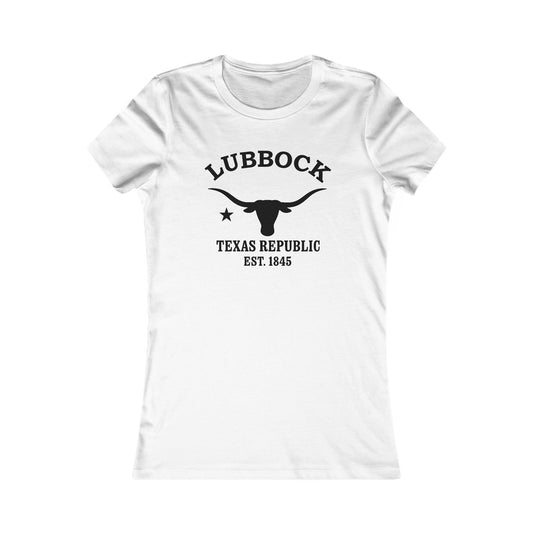
Lubbock Texas Vintage Retro Womens Fitted Ringspun Cotton Tee - Black Logo
Regular price $28.00 USDRegular price -
Horse at Low Tide - Silhouette Art Giclée Unframed Art Print
Regular price From $34.00 USDRegular price -
Kiss for the Hound - Silhouette Art Framed Art Print
Regular price From $96.00 USDRegular price -
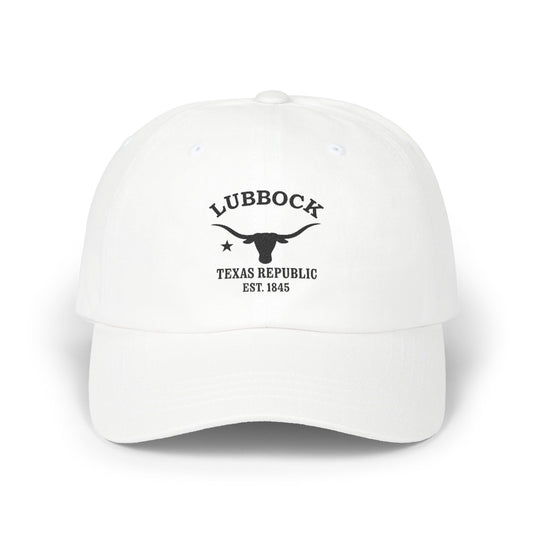
Lubbock Texas Vintage Retro Embroidered Cotton Cap - White Logo
Regular price $32.00 USDRegular price -
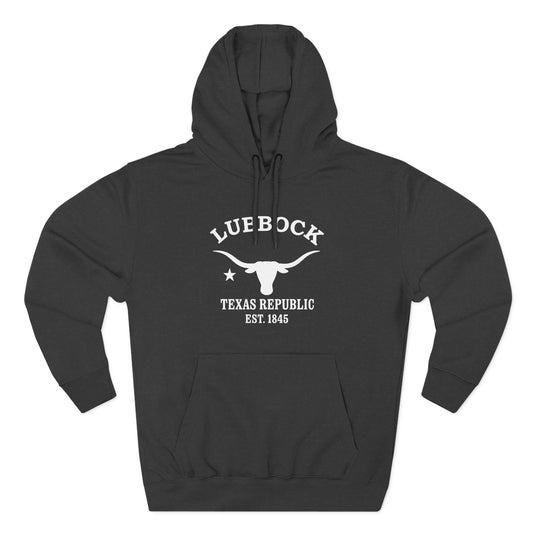
Lubbock Texas Vintage Retro Unisex Heavy Cotton Hoodie - White Logo
Regular price $56.00 USDRegular price -
Shoreline Conversation - Silhouette Art Giclée Unframed Art Print
Regular price From $34.00 USDRegular price -
Horse at Low Tide - Silhouette Art Framed Art Print
Regular price From $96.00 USDRegular price -
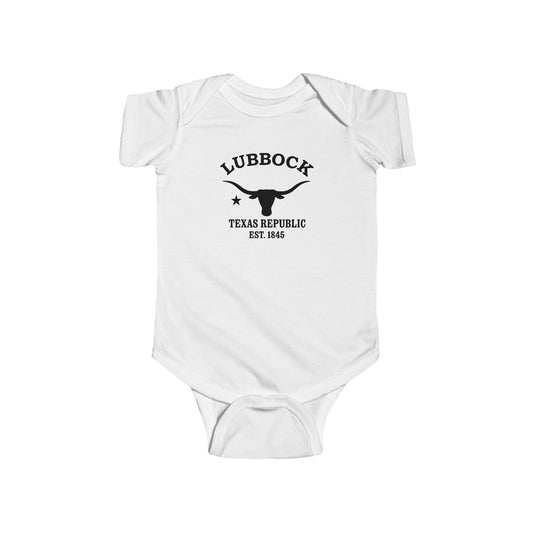
Lubbock Texas Vintage Retro Cotton Jersey Baby Bodysuit - Black Logo
Regular price $26.00 USDRegular price -
Lubbock Texas Vintage Retro Unisex Cotton Jersey Tank Top - Black Logo
Regular price $28.00 USDRegular price -
Mare and Foal - Silhouette Art Giclée Unframed Art Print
Regular price From $34.00 USDRegular price -
Boy and Hound - Silhouette Art Framed Art Print
Regular price From $96.00 USDRegular price -
Lubbock Texas Vintage Retro Vinyl Sticker - Black Logo
Regular price From $6.00 USDRegular price -
Lubbock Texas Vintage Retro Ceramic Mug - Black Logo
Regular price From $16.00 USDRegular price -
Kiss for the Hound - Silhouette Art Giclée Unframed Art Print
Regular price From $34.00 USDRegular price -
Between Horse and Hound - Silhouette Art Framed Art Print
Regular price From $96.00 USDRegular price -
Lubbock Texas Vintage Retro Unisex Heavy Cotton Hoodie - Black Logo
Regular price $56.00 USDRegular price -
Nuzzle in Shallow Water - Silhouette Art Giclée Unframed Art Print
Regular price From $34.00 USDRegular price -
Quiet Pair - Silhouette Art Framed Art Print
Regular price From $96.00 USDRegular price -
Lubbock Texas Vintage Retro Unisex Heavy Cotton Tee - Black Logo
Regular price $22.00 USDRegular price -
Lubbock Texas Vintage Retro Unisex Heavy Cotton Tee - White Logo
Regular price $22.00 USDRegular price -
Quiet Pair - Silhouette Art Giclée Unframed Art Print
Regular price From $34.00 USDRegular price -
Shoreline Conversation - Silhouette Art Framed Art Print
Regular price From $96.00 USDRegular price -
Lubbock Texas Vintage Retro Embroidered Cotton Cap - Black Logo
Regular price $32.00 USDRegular price -
Lubbock Texas Vintage Retro Unisex Heavy Crewneck Sweatshirt - White Logo
Regular price $44.00 USDRegular price -
Between Horse and Hound - Silhouette Art Giclée Unframed Art Print
Regular price From $34.00 USDRegular price -
Kiss at Still Water - Silhouette Art Framed Art Print
Regular price From $96.00 USDRegular price -
Lubbock Texas Vintage Retro Unisex Cotton Jersey Tank Top - White Logo
Regular price $28.00 USDRegular price

















Lubbock Texas — Retro Vintage History
What's with the dust rebuild of Lubbock? West Texas can be beautiful and brutal, and Lubbock learned early that wind and drought do not negotiate. When the Dust Bowl era hit, it was not just crops that failed, it was confidence, and people had to change how they treated the land. Dust Rebuild is the name for the comeback, and the dinner-table line is simple: a few rows of trees can slow wind enough to save a field. That sounds like magic until you watch a windbreak turn a screaming day into a workable one. Conservation practices, shelterbelts, and stubborn trial-and-error did the rebuilding, not one big moment. The town rebuilt its future by rebuilding its soil, learning to manage the sky as much as the ground. Out here, resilience is a farm tool.
Wear the HistoryWhere you're from. Where you love. Where you explored. Where you belong.
The modern town of Lubbock was born from a handshake between rivals: in the fall of 1890 two competing promoter settlements — Old Lubbock, led by Frank E. Wheelock, and Monterey, led by W. E. Rayner — agreed on December 19 to abandon their separate townsites and combine into one new town on the South Plains. The deal was so complete that Old Lubbock's residents dragged the Nicolett Hotel across Yellow House Canyon on rollers to the merged site. The county had already been named in 1876 for Colonel Thomas Saltus Lubbock — a signer of the Texas Declaration of Independence and a Texas Ranger, brother of Texas Governor Francis Lubbock — and the new town took the same name, became the county seat in 1891, and incorporated as a city on March 16, 1909. People had crossed this country for far longer than any of that: the Lubbock Lake Landmark in Yellow House Canyon preserves evidence of more than ten thousand years of continuous human presence on the Llano Estacado, the vast flat tableland that the Comanche ranged before the ranchers and farmers came. When the Santa Fe Railroad arrived and artesian wells brought irrigation to the dry plains, the ranching frontier turned into cotton country, and Lubbock grew into one of the nation's leading inland cotton markets — the heart of the world's largest contiguous cotton-growing region. They call it the Hub City, the commercial, educational, and healthcare center of the entire South Plains, set between the Permian Basin and the Texas Panhandle at 3,256 feet, where the wind never quits. That wind is fitting: the American Windmill Museum here holds the world's largest collection of windmills, more than 170 of them turning over the plains. Lubbock became a regional university and medical hub through the twentieth century and a cradle of the West Texas music that changed American rock and roll — but underneath the growth it is still a plains town built on cotton, cattle, wind, and the stubborn idea that two rivals are better off as one. From the Llano Estacado horizon to the cotton rows running flat to the sky, this is West Texas at its most itself.
QUICK FACTS — LUBBOCK, TX — OLD-SCHOOL TRADITION
Lubbock is the Hub City — the official nickname of the commercial, educational, and healthcare heart of the South Plains of West Texas.
The city sits at the center of the world's largest contiguous cotton-growing region, on the High Plains tableland of the Llano Estacado at 3,202 feet.
Modern Lubbock was born from a handshake: on December 19, 1890, the rival towns of Old Lubbock and Monterey agreed to merge and build a new town between them.
The city is named for Colonel Thomas Saltus Lubbock, Texas Ranger and brother of a Texas governor; it incorporated as a city on March 16, 1909.
Lubbock Lake Landmark preserves evidence of more than 10,000 years of continuous human presence — one of the great archaeological sites of North America.
Texas Tech University opened in 1923, and its Spanish-Renaissance campus has been the city's architectural calling card ever since.
Buddy Holly was born in Lubbock in 1936 — the city is the cradle of West Texas rock and roll.
A resident of Lubbock is a Lubbockite — and the area code, 806, covers the whole Panhandle-Plains.
Lubbock was founded in 1890 on the South Plains, named after Texas Ranger Thomas Lubbock. Indigenous peoples had lived there for centuries before ranchers arrived. Early settlers endured drought, dust storms, and isolation, but resilience anchored survival. Cotton and cattle provided livelihoods. Lubbock’s founding identity reflects Texas’s frontier grit, agricultural endurance, and independence. Its story highlights ambition and toughness, creating a layered identity tied to ranching, farming, and resilience. Lubbock’s origins emphasize independence, pride, and endurance, making it a community rooted in frontier determination and Texan resilience across harsh and changing conditions.

Lubbock thrived as a cotton hub in the early twentieth century. Texas Tech University, founded in 1923, became a cultural and educational anchor. By the 1950s and 1960s, suburban neighborhoods and cultural life expanded, balancing ranching with education. Its timeline reflects adaptability: agricultural hub transforming into university town. Lubbock’s mid-century decades emphasized optimism, cultural pride, and suburban identity. The city thrived as both agricultural and cultural community, reflecting Texas’s broader story: ranching roots adapted into suburban and educational growth. Its story shows resilience, pride, and ambition across traditions and modern expansion.
Lubbock’s lore includes myths of endless cotton fields, tornadoes testing resilience, and Texas Tech pride. Families recall football parades, rodeos, and suburban festivals of the 1950s. Residents remembered dust storms, but celebrated rebuilding with optimism. Lore reflects both myth and memory, highlighting resilience, cultural pride, and ambition. Lubbock’s stories emphasize its dual identity: agricultural hub and university town. Fact and legend alike reveal toughness and continuity, ensuring traditions remained central. Lubbock’s lore reflects Texas’s character: independence, grit, and community strength, making it a proud emblem of Texan resilience across heritage and suburban identity.
The town within the town. Lubbock's oldest residents may be its smallest: at Mackenzie Park sits Prairie Dog Town, one of the first protected prairie-dog colonies anywhere, established in the 1930s when a Lubbock couple decided the disappearing plains icon deserved a permanent address. The colony has been barking at visitors ever since — a few acres of the original High Plains, holding out cheerfully in the middle of the Hub City.
Today Lubbock is celebrated as a cotton capital and university city. Its story reflects resilience, pride, and ambition. Our Lubbock designs embody this layered identity, pairing the longhorn and Lone Star motif with vintage styling. They invite you to explore the Lubbock collection and carry forward a reminder of Texas resilience. Retro in tone, the logo reflects endurance and authenticity. Lubbock’s emblem honors both heritage and suburban identity, making it a vintage symbol of Texas pride. Explore the collection and share in Lubbock’s story of toughness, heritage, and community pride across generations.
Our Lubbock retro logo uses Texas’s longhorn and Lone Star motif, symbolizing independence, toughness, and pride. The longhorn reflects ranching grit and agricultural pride, while the star recalls Texas Republic heritage. Its black-and-white styling is retro, resembling rodeo posters, barn signage, and cotton labels. The "EST. 1845" date marks Texas statehood — admitted to the Union as the twenty-eighth state on December 29, 1845. The motif bridges Lubbock’s dual identity: frontier farming hub and suburban university city. On merchandise, it conveys authenticity and pride, retro vintage in tone. The longhorn and star emblem honors Lubbock’s layered identity, making it a vintage symbol of Texas heritage. Retro in style, it reflects toughness and tradition, perfectly suited for Lubbock.
So the story of Lubbock is the story of the High Plains made civic: a handshake between rivals, a sea of cotton, a campus in Spanish stone, and a sound that left the Llano and circled the world. Our Lubbock designs carry that old-school tradition into wearable form. From two rival plains towns that became one in 1890 to the Hub City of the world's largest cotton country and the cradle of West Texas rock and roll — wear the High-Plains heritage of Lubbock.

Lubbock Texas — Travel Guide
Visiting Lubbock Texas Today
Lubbock is the Hub City of the South Plains — a flat, sunny, wind-swept West Texas city on the Llano Estacado at 3,256 feet, about 122 miles south of Amarillo and 327 miles northwest of Dallas on Interstate 27. It blends a working cotton-and-ranching agricultural economy with a major university and medical presence, open parks, and museums on ranching, wind, and West Texas music. Wide streets and big plains sky make for an easy day's loop.
Cotton Country, Plains Heritage, and West Texas Culture in Lubbock Texas
For visitors searching for things to do in Lubbock Texas:
- Tour the American Windmill Museum — the world's largest windmill collection, more than 170 restored windmills turning over the plains, plus the "Legacy of the Wind" mural.
- Walk the National Ranching Heritage Center — more than 50 authentic historic ranch structures and trails preserving the cattle-ranching heritage of the South Plains.
- Visit the Lubbock Lake Landmark in Yellow House Canyon — a National Historic Landmark preserving more than 10,000 years of human presence on the Llano Estacado.
- Explore the Depot District — the historic Santa Fe Railroad depot district downtown, with murals, event venues, and railroad-era architecture.
- Relax in Mackenzie Park — broad lawns, the Brazos headwaters canyon, lakes, and family recreation along Yellow House Canyon.
- Drive out to Buffalo Springs Lake — the canyon reservoir and recreation area southeast of town, a green break in the plains.
- Take in Lubbock's West Texas music heritage — the city's enduring identity as a cradle of West Texas rock and roll, celebrated at its music-heritage venues and the West Texas Walk of Fame.
Why People Visit Lubbock Texas
Lubbock is the heartland-pride heart of West Texas: the Hub City of the South Plains, the commercial heart of the world's largest contiguous cotton-growing region, a town founded in 1890 when two rivals chose to become one. It offers the world's largest windmill collection, the deep ranching archive of the National Ranching Heritage Center, the 10,000-year human record at the Lubbock Lake Landmark, the railroad-era Depot District, the canyon parks of Yellow House Canyon, and a West Texas music heritage that helped shape American rock and roll — all under the wide flat sky of the Llano Estacado. It feels spacious, sunny, and grounded, where cotton country, university life, and plains heritage sit side by side. Hub City. Cotton country. West Texas, wide open.
Wear the History
Where you're from. Where you love. Where you explored. Where you belong.
Kindred Cities
We're glad to welcome visitors from Adelaide and Calgary — like-minded cities of the wide dry plains that grew into something more.
Set on the flat, sun-struck South Plains, Lubbock has more in common with Adelaide and Calgary than the map suggests. Adelaide turned its dry hinterland into Australia's wine and festival capital; Calgary made a prairie crossroads into a booming city of ranching and energy; Lubbock anchors West Texas with cotton, Texas Tech, a fast-rising High Plains wine country, and the rock'n'roll Buddy Holly carried out of town. Big-sky cities that punch above their flatland.
Lubbock greets anyone from the open country: a sea of cotton and vineyards on the High Plains, a serious university town, and the birthplace of a sound — Buddy Holly's — that traveled the world. Come and visit us soon.
When you plan the trip, Visit Lubbock is the place to start.
Wear the History
Where you're from. Where you love. Where you explored. Where you belong.

For deeper reading on Lubbock, Texas history described here — the more than 10,000 years of human presence on the Llano Estacado preserved at the Lubbock Lake Landmark, the 1876 naming of Lubbock County for Colonel Thomas Saltus Lubbock, the December 19 1890 merger of the rival towns of Old Lubbock and Monterey to form the modern town, the 1891 selection of Lubbock as county seat, the arrival of the Santa Fe Railroad and the artesian-well cotton-farming transformation of the ranching frontier, the March 16 1909 incorporation of the City of Lubbock, the rise of the Hub City as one of the nation's leading inland cotton markets in the world's largest contiguous cotton-growing region, the home of the world's largest windmill collection at the American Windmill Museum, and the modern Hub-City era as the commercial, educational, and healthcare center of the South Plains — it may be useful to consult (1) the Southwest Collection / Special Collections Library and the university archives in Lubbock for the South Plains regional records, (2) the Texas State Historical Association Handbook of Texas Online for the Lubbock, Old Lubbock, and Lubbock County entries, (3) the Texas State Library and Archives Commission in Austin for the territorial and municipal records, (4) the Lubbock County Clerk and the City of Lubbock records offices for the founding and incorporation documents, (5) the Lubbock Lake Landmark and the Museum of Texas Tech University for the 10,000-year archaeological record of the Llano Estacado, (6) the American Windmill Museum for the wind-and-water and windmill-collection records, (7) the National Ranching Heritage Center for the South Plains ranching records, (8) the Library of Congress and the National Archives for the Santa Fe Railroad and federal-survey records, (9) the West Texas Historical Association for the regional scholarly literature, and (10) the Handbook of Texas and Britannica for the Tom S. Lubbock biographical and Texas-statehood records. For deeper local Lubbock research, it may be useful to reach out to (1) the Southwest Collection / Special Collections Library, (2) the Lubbock Public Library local-history room, (3) the West Texas Historical Association, (4) the Texas State Historical Association, and (5) the Texas State Library and Archives Commission. For travel and visitor information in Lubbock, it may be useful to contact (1) Visit Lubbock (the Lubbock convention and visitors bureau), (2) the City of Lubbock, (3) the American Windmill Museum, (4) the National Ranching Heritage Center, (5) the Lubbock Lake Landmark, and (6) Lubbock Preston Smith International Airport for regional flight information. Readers interested in the broader cultural reception of Lubbock and its Hub-City identity — the 10,000-year human presence on the Llano Estacado, the 1876 county naming, the 1890 two-town merger, the 1891 county-seat selection, the railroad and cotton transformation, the 1909 incorporation, the rise of the world's-largest-cotton-region Hub City, and the modern university, medical, agricultural, and West-Texas-music-heritage era — will find that the named places (Lubbock, Lubbock County, the South Plains, the Llano Estacado, Yellow House Canyon, the Lubbock Lake Landmark, the American Windmill Museum, the National Ranching Heritage Center, Mackenzie Park, Buffalo Springs Lake, the Depot District, the Permian Basin, the Texas Panhandle, Amarillo, and the Brazos headwaters), the named historical figures (Colonel Thomas Saltus Lubbock, Frank E. Wheelock, and W. E. Rayner), and the named historical moments (the 10,000-year human presence, the 1876 county naming, the December 19 1890 merger of Old Lubbock and Monterey, the 1891 county-seat selection, the railroad-and-cotton transformation, the March 16 1909 incorporation, and the modern Hub-City era) recur across all of these traditions as a shared cultural grammar of foundational Lubbock history grounded specifically on the flat windswept tableland of the Llano Estacado, the Hub City at the heart of the world's largest contiguous cotton-growing region.
- Choosing a selection results in a full page refresh.
- Opens in a new window.