Every design is set in hand-lettered vintage type for that old-school, crate-label look. One sample color shown — black and white logo options on every piece. Recently in the national press. Enjoy!
-
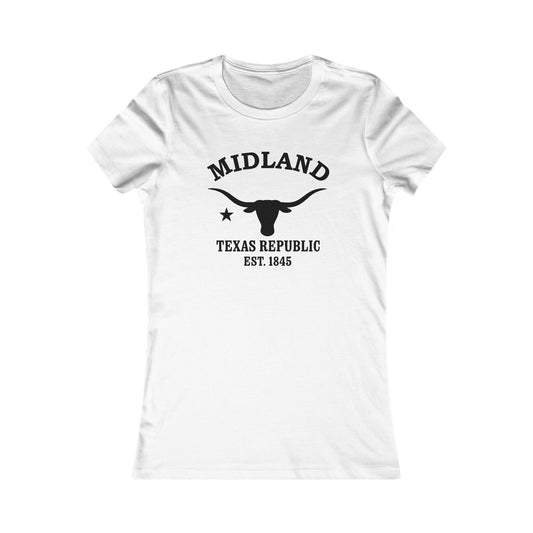
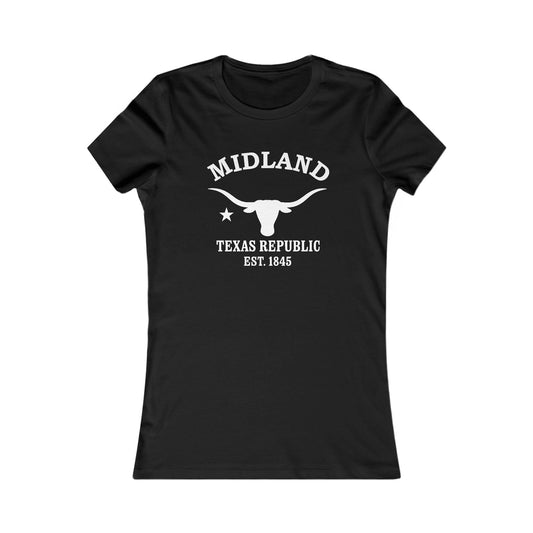
Midland Texas Vintage Retro Womens Fitted Ringspun Cotton Tee - Black Logo
Regular price $28.00 USDRegular price -
-
Midland Texas Vintage Retro Embroidered Cotton Cap - Black Logo
Regular price $32.00 USDRegular price -
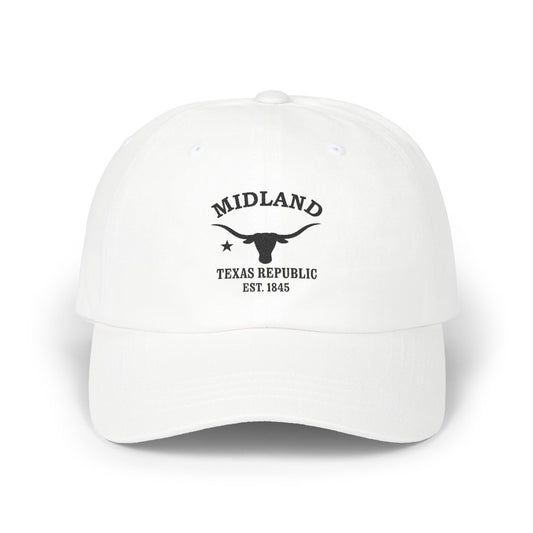
Midland Texas Vintage Retro Embroidered Cotton Cap - White Logo
Regular price $32.00 USDRegular price -
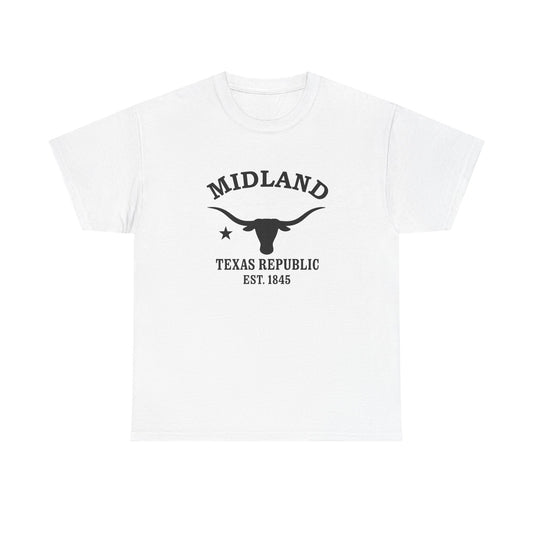
Midland Texas Vintage Retro Unisex Heavy Cotton Tee - Black Logo
Regular price $22.00 USDRegular price -
Midland Texas Vintage Retro Unisex Heavy Cotton Tee - White Logo
Regular price $22.00 USDRegular price -
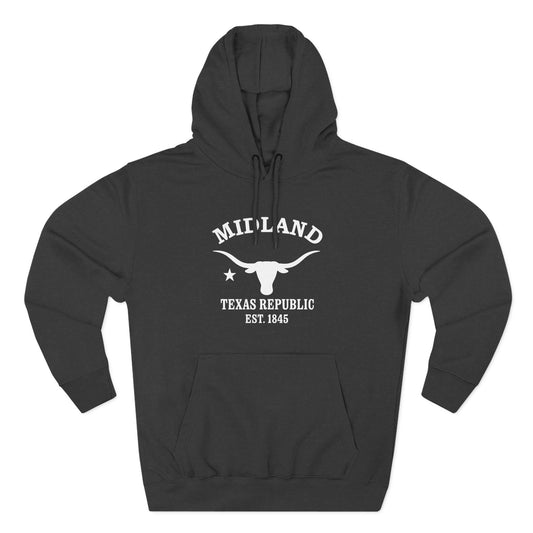
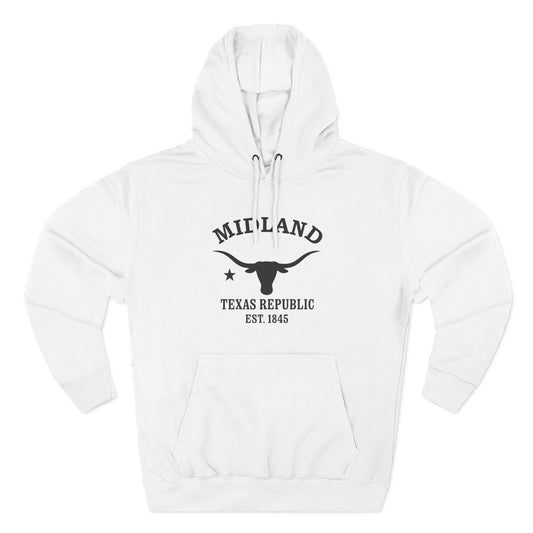
Midland Texas Vintage Retro Unisex Heavy Cotton Hoodie - White Logo
Regular price $56.00 USDRegular price -
Midland Texas Vintage Retro Unisex Heavy Cotton Hoodie - Black Logo
Regular price $48.00 USDRegular price -
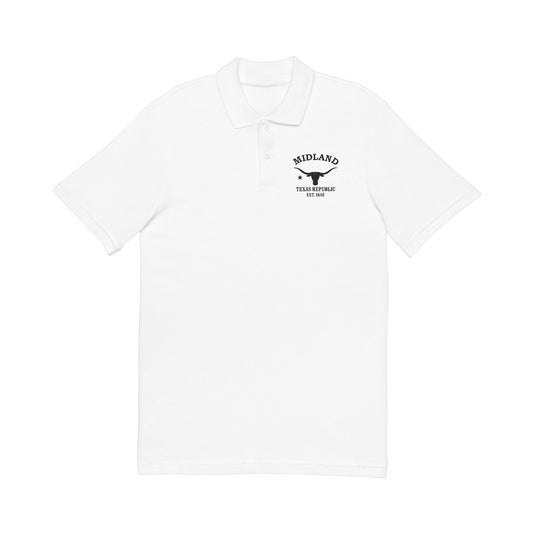
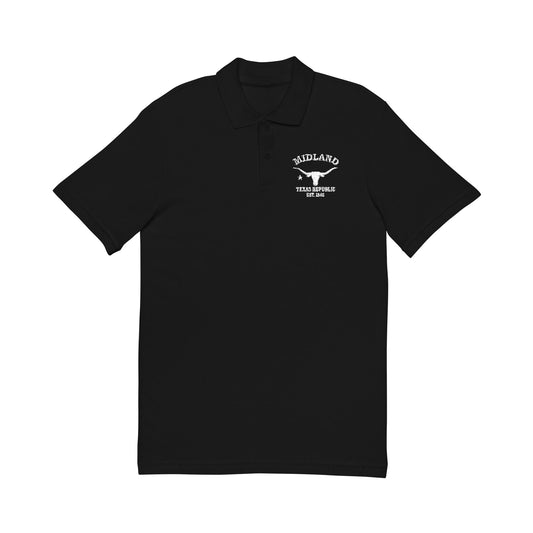
Midland Texas Vintage Retro Unisex Embroidered Cotton Polo - Black Logo
Regular price $48.00 USDRegular price -
Midland Texas Vintage Retro Unisex Embroidered Fleece Jacket - White Logo
Regular price $98.00 USDRegular price -
Midland Texas Vintage Retro Back Printed Art Series Cotton Tee - Black Logo
Regular price $32.00 USDRegular price -
Midland Texas Vintage Retro Giclée Print Art Series Poster
Regular price From $38.00 USDRegular price -
Midland Texas Vintage Retro Cotton Jersey Baby Bodysuit - Black Logo
Regular price $26.00 USDRegular price -
Midland Texas Vintage Retro Thank You Card Set - Black Logo
Regular price From $25.00 USDRegular price -
Midland Texas Vintage Retro Vinyl Sticker - Black Logo
Regular price From $6.00 USDRegular price -
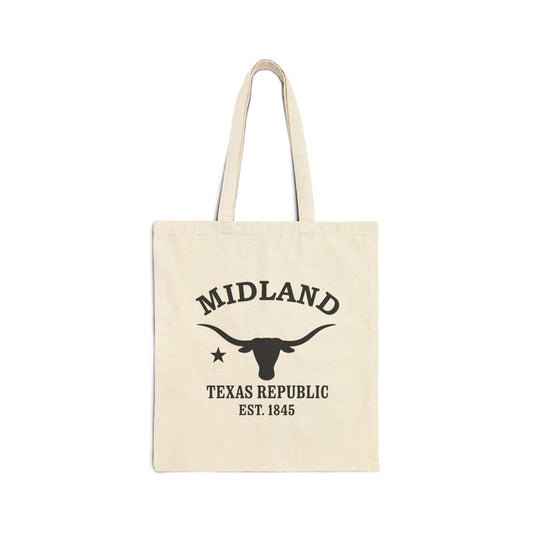
Midland Texas Vintage Retro Cotton Canvas Tote Bag - Black Logo
Regular price $25.00 USDRegular price -
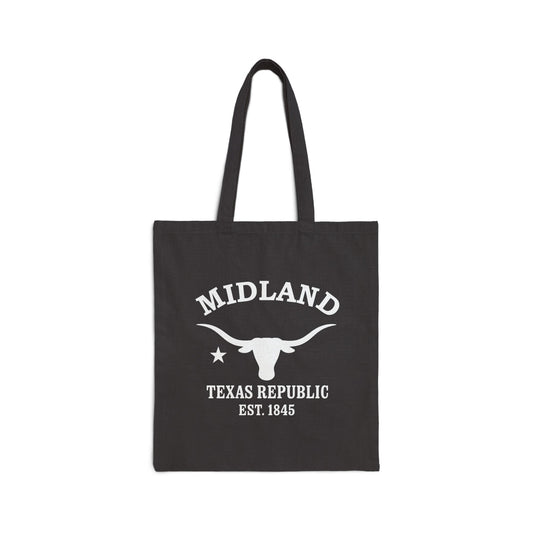
Midland Texas Vintage Retro Cotton Canvas Tote Bag - White Logo
Regular price $25.00 USDRegular price -
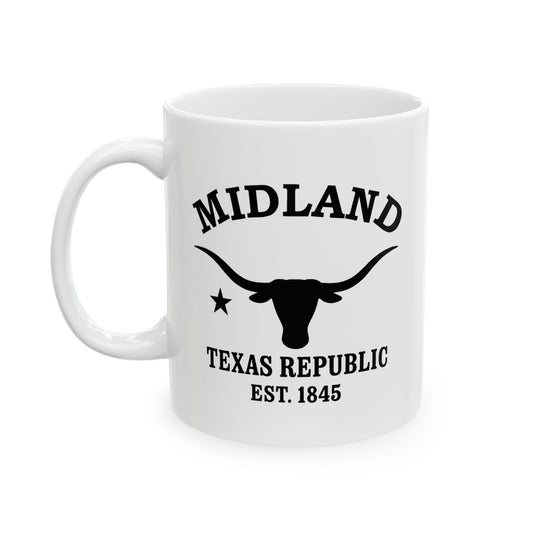
Midland Texas Vintage Retro Ceramic Mug - Black Logo
Regular price From $16.00 USDRegular price -
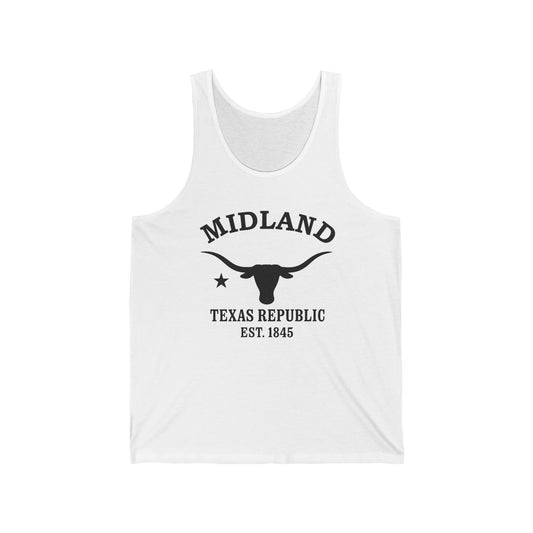
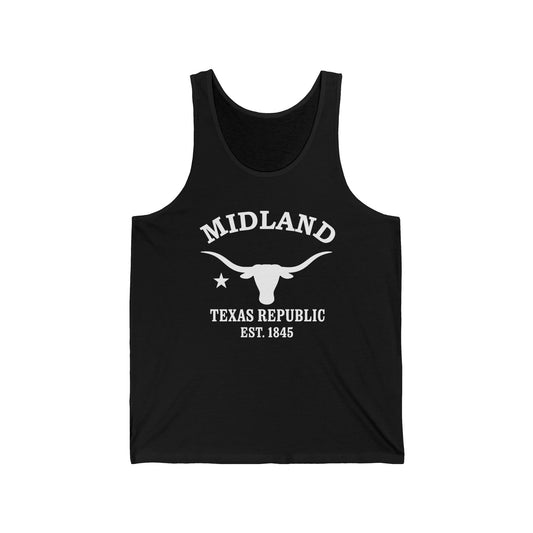
Midland Texas Vintage Retro Unisex Cotton Jersey Tank Top - Black Logo
Regular price $28.00 USDRegular price -
Midland Texas Vintage Retro Unisex Cotton Jersey Tank Top - White Logo
Regular price $28.00 USDRegular price -
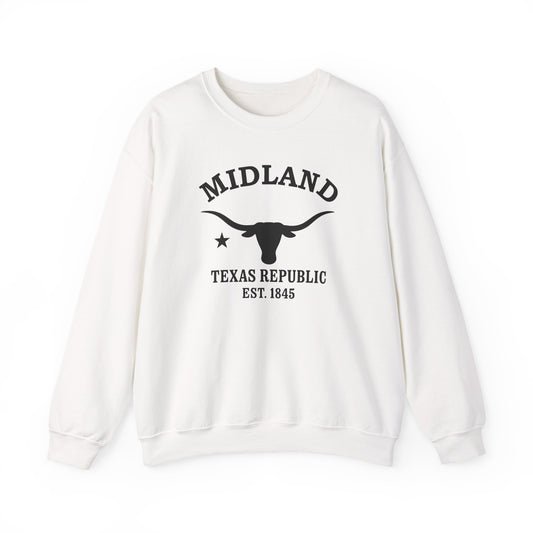
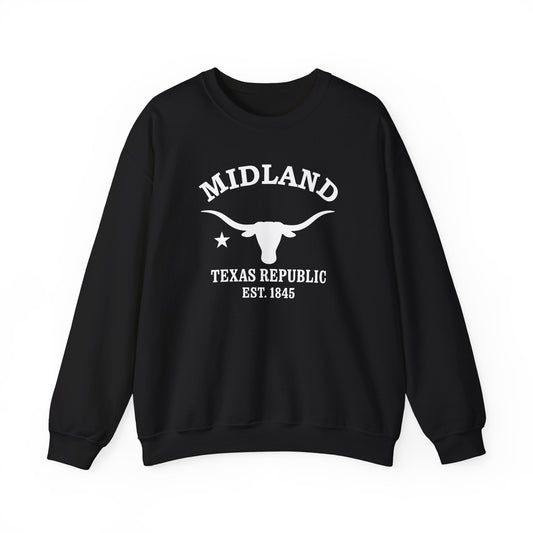
Midland Texas Vintage Retro Unisex Heavy Crewneck Sweatshirt - Black Logo
Regular price $44.00 USDRegular price -
Midland Texas Vintage Retro Unisex Heavy Crewneck Sweatshirt - White Logo
Regular price $44.00 USDRegular price




Midland Texas — Retro Vintage History
The skyline rises out of nothing. Drive across the flat West Texas plains and Midland appears the way nothing else out here does — a cluster of high-rises standing straight up off the caprock, visible for miles before you reach the city limits. They call it the Tall City, and the towers are monuments to what lies beneath: the Permian Basin, the richest oilfield in America. Founded in 1881 as a dot on a railroad timetable and built into the corporate capital of the oil boom, Midland is a city that runs on what is buried under it — and its story is the story of West Texas itself.
Wear the HistoryWhere you're from. Where you love. Where you explored. Where you belong.
What's with the Tall City? High-rises stand alone on the flat Permian plains, visible for miles — a skyline raised by oil money, so Texans call Midland the Tall City. The first tower told the whole story in miniature: the twelve-story Hogan Building opened on July 5, 1929 — Midland's first skyscraper and the tallest building between Fort Worth and El Paso — with thirty-six oil companies running their Permian operations from town that year. Skeptics called it "Hogan's Folly," and when crude crashed to a dime a barrel in the Depression its upper floors stored hay. Then the fields came back in 1934, the offices refilled, and the skyline kept growing with every boom — until the Bank of America Building, begun as twelve stories in 1958 and doubled to twenty-four in 1978, topped out at 332 feet. A big-city skyline on the empty plains, built on oil: that is the Tall City, folly and all.

Midland began as a dot on a timetable. In late June 1881 the Texas & Pacific Railway, building its line between Dallas and El Paso, put down a section house at the halfway point on the Llano Estacado — the high, flat, semi-arid "staked plains" — and called it Midway Station. Herman N. Garrett, a sheep rancher who drove his herd out from California in 1882, became the first permanent resident. Texas already had other Midways, so when the settlement won a post office in January 1884 it took a new name to get it: Midland. A land company promoted the townsite across the Midwest, Midland County was organized in March 1885 with the young town as its seat, and by 1890 Midland was one of the state's important cattle-shipping points — ranch country at nearly 2,800 feet, incorporated as a city in 1906.
QUICK FACTS — MIDLAND, TX
Midland began in June 1881 as Midway Station, a Texas & Pacific Railway section house halfway between Dallas and El Paso.
Herman N. Garrett, the first permanent resident, arrived from California with a herd of sheep in 1882.
Texas already had other towns named Midway, so the site was renamed Midland in January 1884 to get its post office.
Midland County was organized in March 1885 with Midland as its seat, and the city incorporated in 1906.
Santa Rita No. 1 blew in on May 28, 1923, revealing the Permian Basin — today the richest oilfield in America.
By 1929, thirty-six oil companies ran their Permian operations from Midland, and the twelve-story Hogan Building rose as its first skyscraper.
The Bank of America Building reached 332 feet in 1978 and still crowns the Tall City skyline.
Midland sits at nearly 2,800 feet on the Llano Estacado — high plains so flat the skyline shows for miles.
The oil came in 1923. On May 28, out on University of Texas land in Reagan County southeast of town, the Santa Rita No. 1 — named by its crew for the patroness of impossible causes after four hard years of drilling — blew in and revealed what the Permian Basin held. Midland made itself the boom's headquarters: rather than the rigs and roughnecks of the field, it drew the offices, the geologists, the landmen, and the executives, and by 1929 thirty-six oil companies ran their Permian operations from downtown. Where blue-collar Odessa, twenty miles west, worked the field, white-collar Midland ran the business — two cities, one basin, a partnership written into West Texas ever since.
The boom has come and gone in waves ever since — the Depression bust, the postwar surge, the 1970s crest that doubled the tallest tower, the 1980s crash — and every cycle left its mark on the skyline. Then, after 2010, horizontal drilling and the Wolfcamp and Spraberry plays of the Midland Basin set the whole cycle spinning again, making the Permian the most productive oilfield in the country and Midland once more one of the fastest-growing cities in America. The wildcatter's gamble — fortunes made and lost on the price of a barrel — remains the town's founding faith.
Our Midland logo carries a Texas longhorn — the breed that worked this range before the derricks — and a Lone Star over "1845," the year of statehood and the shared emblem of every Merlin Classics Texas place. Printed black-and-white with the worn look of a branding iron or a stockyard sign, the longhorn and star read as Texas in shorthand: cattle country, the Lone Star, the open West Texas horizon. What makes this one Midland is the place behind it — the Tall City, the Permian Basin, the wildcatter's gamble, and the skyline standing up off the plains.
A section house at the midway point became the oil capital of the richest basin in America — a city of geologists and gamblers where the towers stand up off the flat land like a bet that keeps paying. From the derricks on the horizon to the big West Texas sky, Midland, Texas is where the skyline rises straight out of the plains and the whole town runs on what is buried beneath it. Wear a little of the Tall City wherever the road takes you.

Midland Texas — Travel Guide
Visiting Midland Texas Today
Midland stands on the high plains at the heart of the Permian Basin, where a surprising downtown skyline rises off flat West Texas country. Known as the Tall City and the corporate capital of the West Texas oil business, it pairs energy-country heritage with museums, parks, and big-sky horizons.
Oil Heritage, Museums & the Tall City in Midland Texas
For visitors searching for things to do in Midland, Texas:
- Tour the Permian Basin Petroleum Museum, with interactive galleries on the geology and engineering of the oil boom and a replica 1930s Boom Town.
- Visit the Museum of the Southwest, combining art, science, and a children's museum on a historic estate.
- Walk the downtown Tall City core to see the high-rise skyline that rises straight off the plains.
- See the Bush Family Home, a Texas Historical Commission state historic site in a 1940s neighborhood.
- Catch a performance at the Wagner Noël Performing Arts Center, the region's marquee venue.
Why People Visit Midland Texas
Midland draws visitors with a mix of oil-country heritage, museums, and that unmistakable skyline standing up off the West Texas plains. Travelers find it both the business capital of the Permian Basin and a proud, practical high-plains city with deep boom-and-bust history. It is ambitious, plainspoken, and unmistakably West Texan.
Wear the History
Where you're from. Where you love. Where you explored. Where you belong.
Kindred Cities
A warm welcome to visitors from Aberdeen, Scotland and Stavanger, Norway (velkommen) — like-minded oil capitals that grew up over a great field.
Midland and its North Sea cousins all rose on oil. Aberdeen is the granite capital of Scotland's offshore industry; Stavanger built Norway's petroleum boom and keeps its oil museum on the harbour; Midland sits atop the Permian Basin, the richest oilfield in America, a wildcatter's town where fortunes are still made and lost on the price of a barrel. Skylines raised by drilling, all three.
Midland greets anyone from the oil patch: a skyline on the flat Permian plain, derricks to the horizon, and a city that knows the rhythm of boom and bust as well as Aberdeen or Stavanger ever did. Come and visit us soon.
When you plan the trip, Visit Midland is the place to start.
Wear the History
Where you're from. Where you love. Where you explored. Where you belong.

For deeper reading on the Midland, Texas history described here — the 1881 Texas & Pacific Railway founding as Midway Station, the renaming to Midland and the 1885 organization of Midland County, Herman Garrett and the early ranching settlement, the 1923 Santa Rita No. 1 strike and the Permian Basin oil boom, Midland's rise as the corporate oil capital, and the Tall City skyline — it may be useful to consult (1) the Permian Basin Petroleum Museum, (2) the Midland County Public Library's local-history and petroleum collections and the Midland County Historical Society, (3) the Texas State Library and Archives Commission and the Texas Historical Commission, (4) the City of Midland and Midland County clerk's records offices, and (5) the libraries of the University of Texas Permian Basin and Midland College. For travel and visitor information, it may be useful to contact (1) Visit Midland (the Midland Convention and Visitors Bureau), (2) Travel Texas, (3) the City of Midland Parks and Recreation Department, (4) the Permian Basin Petroleum Museum and Museum of the Southwest visitor desks, and (5) the Midland International Air & Space Port information desk.
- Choosing a selection results in a full page refresh.
- Opens in a new window.