Every design is set in hand-lettered vintage type for that old-school, crate-label look. One sample color shown — black and white logo options on every piece. Recently in the national press. Enjoy!
-
Kauai Hawaii Vintage Retro Premium Crewneck Sweatshirt - Black Logo
Regular price $48.00 USDRegular price -
Kauai Hawaii Vintage Retro Premium Crewneck Sweatshirt - White Logo
Regular price $48.00 USDRegular price -
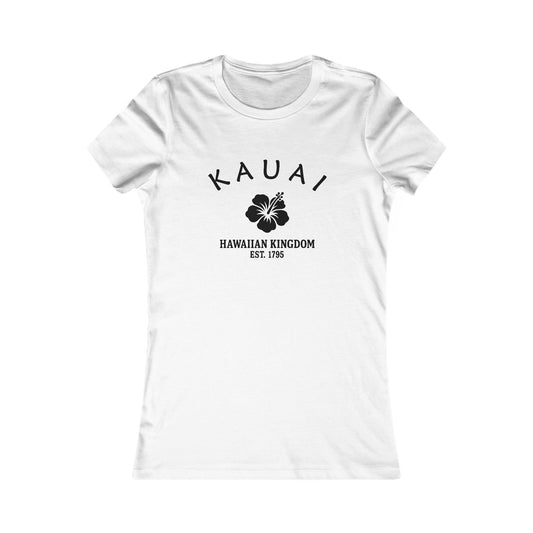
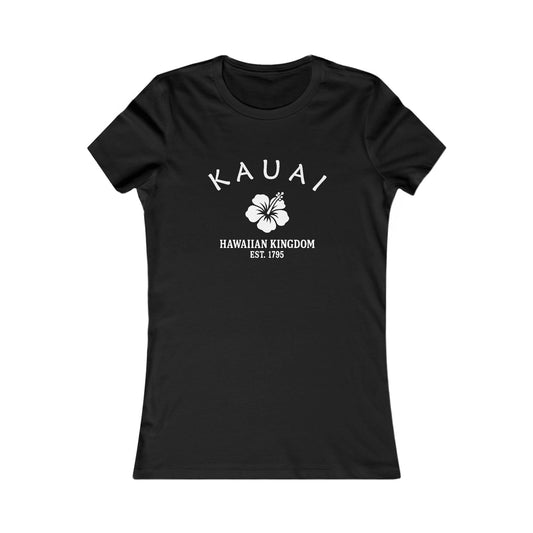
Kauai Hawaii Vintage Retro Womens Fitted Ringspun Cotton Tee - Black Logo
Regular price $28.00 USDRegular price -
-
Kauai Hawaii Vintage Retro Embroidered Cotton Cap - Black Logo
Regular price $32.00 USDRegular price -
Kauai Hawaii Vintage Retro Embroidered Cotton Cap - White Logo
Regular price $32.00 USDRegular price -
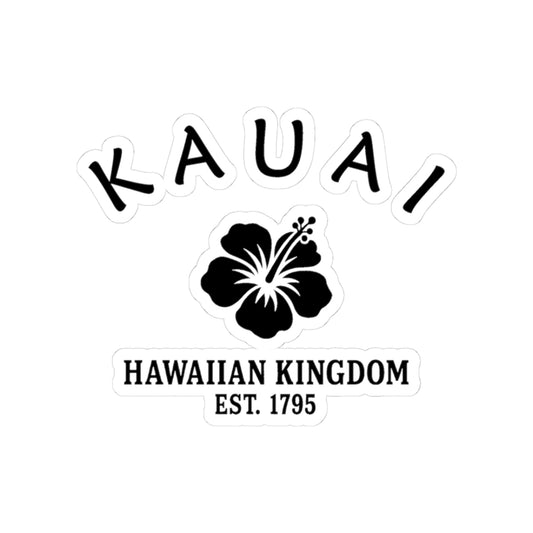
Kauai Hawaii Vintage Retro Vinyl Sticker - Black Logo
Regular price From $6.00 USDRegular price -
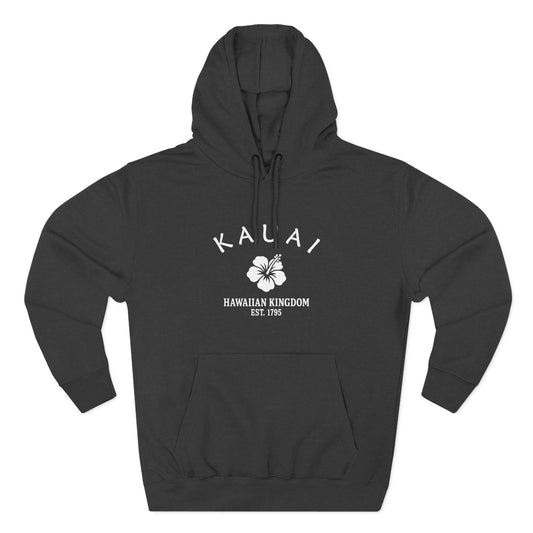
Kauai Hawaii Vintage Retro Unisex Heavy Cotton Hoodie - White Logo
Regular price $56.00 USDRegular price -
Kauai Hawaii Vintage Retro Unisex Heavy Cotton Hoodie - Black Logo
Regular price $56.00 USDRegular price -
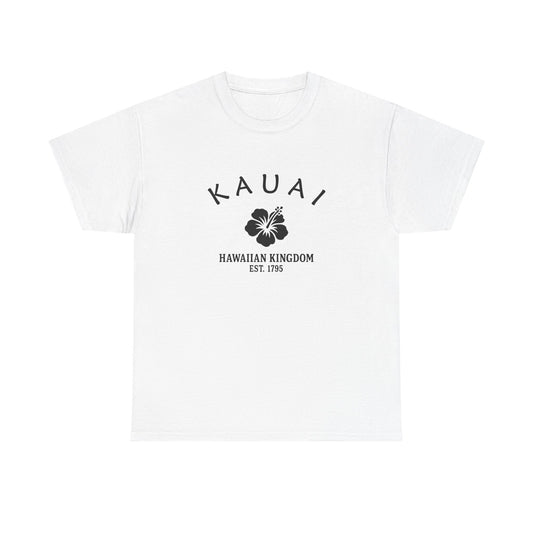
Kauai Hawaii Vintage Retro Unisex Heavy Cotton Tee - White Logo
Regular price $22.00 USDRegular price -
Kauai Hawaii Vintage Retro Unisex Heavy Cotton Tee - Black Logo
Regular price $22.00 USDRegular price -
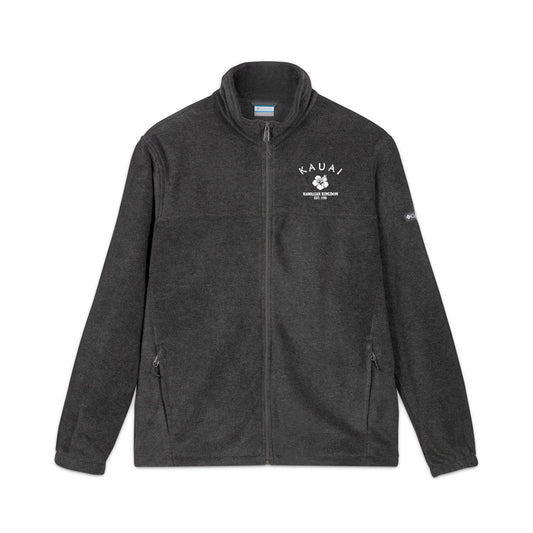
Kauai Hawaii Vintage Retro Unisex Embroidered Fleece Jacket - White Logo
Regular price $98.00 USDRegular price -
Kauai Hawaii Vintage Retro Back Printed Art Series Cotton Tee - Black Logo
Regular price $32.00 USDRegular price -
Kauai Hawaii Vintage Retro Giclée Print Art Series Poster
Regular price From $38.00 USDRegular price -
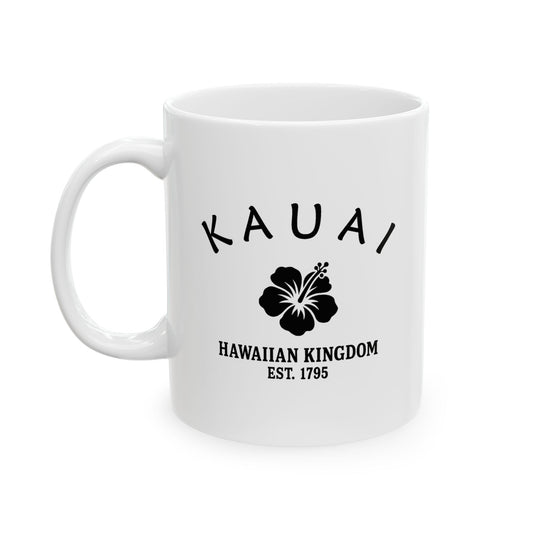
Kauai Hawaii Vintage Retro Ceramic Mug - Black Logo
Regular price From $16.00 USDRegular price -
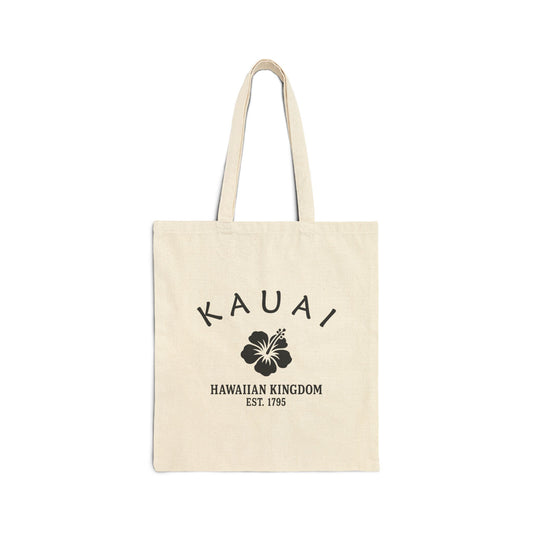
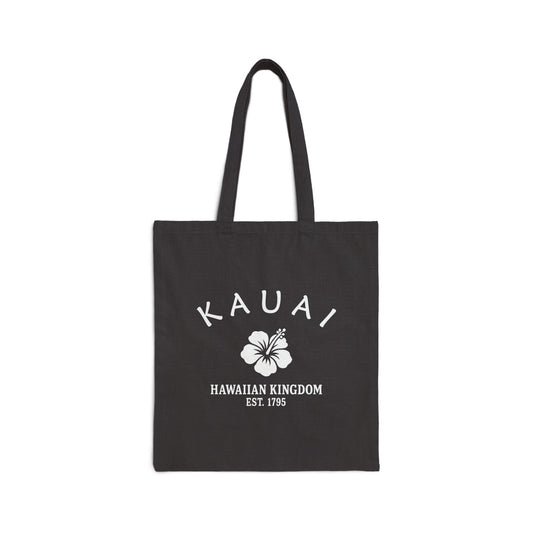
Kauai Hawaii Vintage Retro Cotton Canvas Tote Bag - Black Logo
Regular price $25.00 USDRegular price -
Kauai Hawaii Vintage Retro Cotton Canvas Tote Bag - White Logo
Regular price $25.00 USDRegular price -
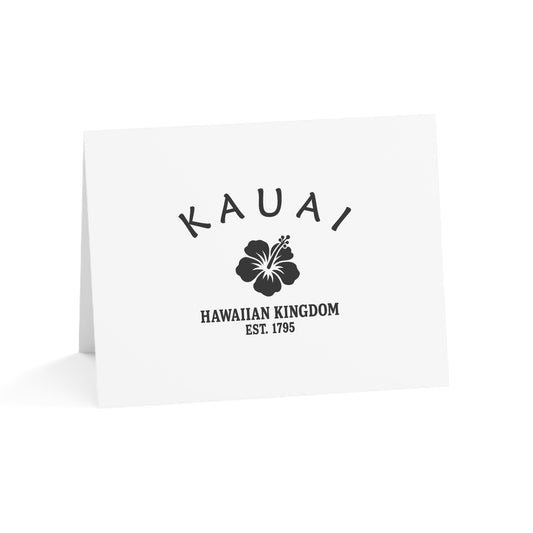
Kauai Hawaii Vintage Retro Thank You Card Set - Black Logo
Regular price From $25.00 USDRegular price -
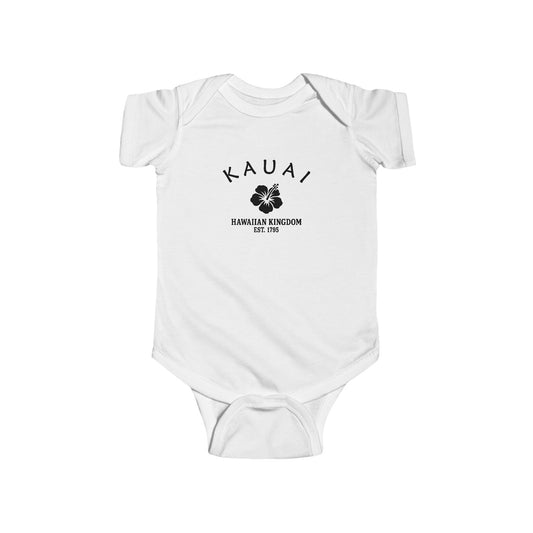
Kauai Hawaii Vintage Retro Cotton Jersey Baby Bodysuit - Black Logo
Regular price $26.00 USDRegular price -
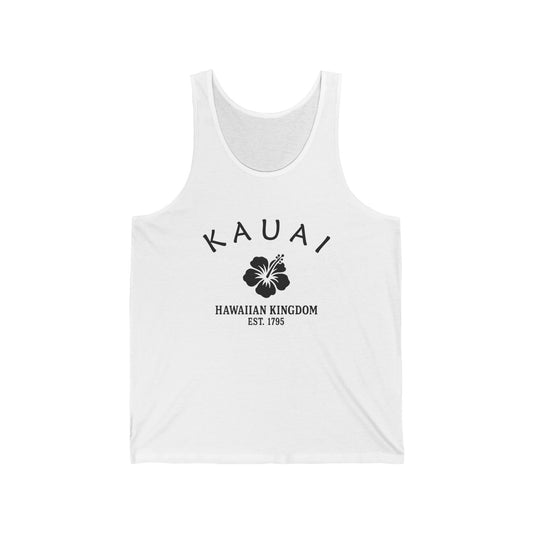
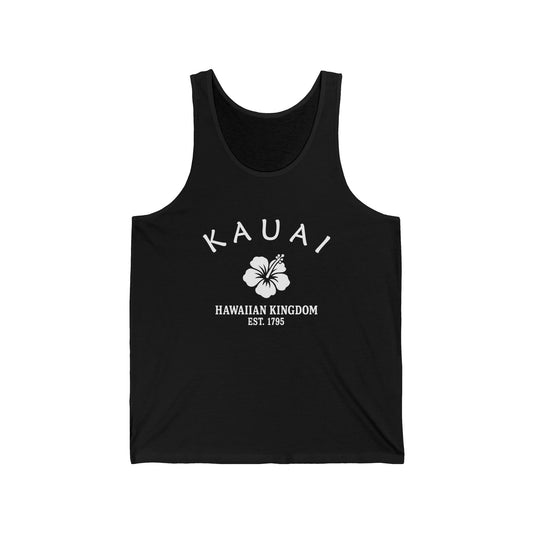
Kauai Hawaii Vintage Retro Unisex Cotton Jersey Tank Top - Black Logo
Regular price $28.00 USDRegular price -
Kauai Hawaii Vintage Retro Unisex Cotton Jersey Tank Top - White Logo
Regular price $28.00 USDRegular price -
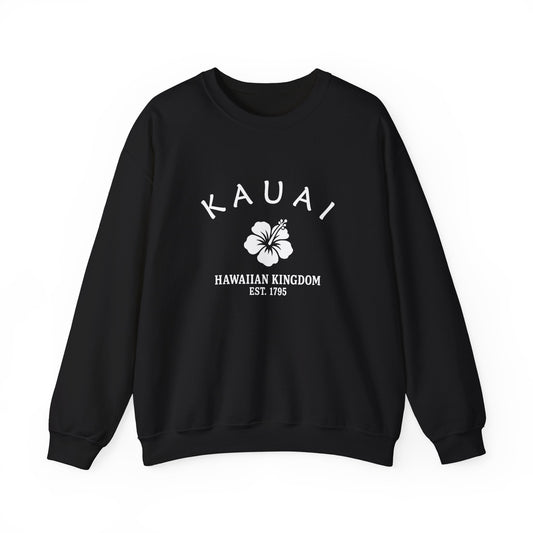
Kauai Hawaii Vintage Retro Unisex Heavy Crewneck Sweatshirt - Black Logo
Regular price $44.00 USDRegular price -
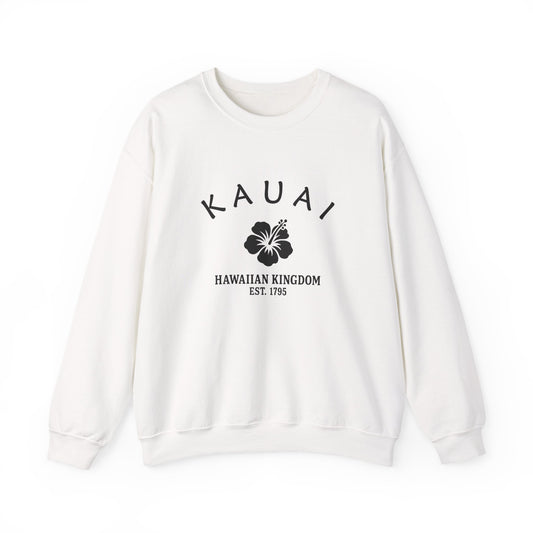
Kauai Hawaii Vintage Retro Unisex Heavy Crewneck Sweatshirt - White Logo
Regular price $44.00 USDRegular price -
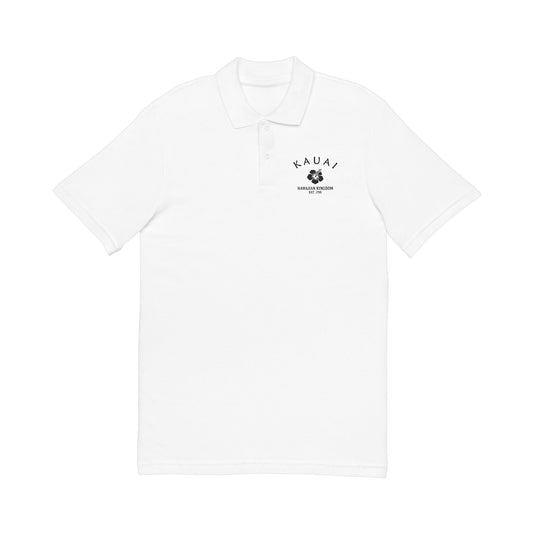
Kauai Hawaii Vintage Retro Unisex Embroidered Cotton Polo - Black Logo
Regular price $48.00 USDRegular price









Kauaʻi Hawaii — Retro Vintage History
What's with "the Garden Isle"? Kauaʻi is the oldest of the main Hawaiian Islands — some five million years of weather have had the longest to work on it, and it shows. Near the island's center, Mount Waiʻaleʻale catches the trade winds and rings up among the wettest places on Earth, and all that rain has to go somewhere: it has cut the red-walled chasm of Waimea Canyon, fluted the green sea cliffs of the Nā Pali Coast, and filled the taro valleys of the north shore. The result is an island so lush it earned a single nickname that has stuck for generations — the Garden Isle. Watch the clouds pile up on Waiʻaleʻale and you are watching the machine that built the scenery.
Wear the HistoryRoughly circular and about 552 square miles, Kauaʻi is the fourth-largest Hawaiian island and home to some 73,000 people, sitting at the northwest end of the main chain — far enough out that no road can circle it, since the Nā Pali cliffs see to that. Its summit, Kawaikini, rises above 5,200 feet near the rain-soaked center. Polynesian voyagers settled here more than a thousand years ago and built a society around the sea and the taro terrace; the Wailua river valley held one of the islands' great royal and sacred centers, a birthplace of chiefs, and Kauaʻi keeps its own folklore of the Menehune, the legendary builders said to have raised a stone ditch and fishpond that still stand today. Long before it was anyone's vacation, this was deeply settled, deeply storied Hawaiian ground.

Kauaʻi holds a place apart in Hawaiian history: it is the one main island King Kamehameha never took by force. Twice he massed great fleets to invade across the channel, and twice he was turned back — once by a storm, once by an epidemic that swept his army. In 1810, rather than face another war, Kauaʻi's ruling chief, King Kaumualiʻi, negotiated a peaceful agreement that brought the island into the Kingdom of Hawaiʻi while he continued to govern it. The story of the island that was joined by agreement, never conquered, is still a point of Kauaian pride.
The wider world arrived early here. In January 1778 the ships of Captain James Cook made the first European landfall in all of Hawaiʻi at Waimea, on Kauaʻi's west side — a meeting that opened the islands to trade and, with it, to introduced diseases that would devastate the Hawaiian population in the generations that followed. A brief Russian trading venture left the star-shaped lava-rock walls of Fort Elizabeth at Waimea in 1816, and Protestant missionaries came ashore at the same town in 1820. Each left a mark, but none unseated the Hawaiian world that had been here for centuries.
What reshaped the land was sugar. In 1835 Old Koloa Town, on the sunny south shore, opened the first successful commercial sugar mill in Hawaiʻi — the start of a plantation economy that would spread across the islands and reorder Kauaʻi's land and labor for more than a century. Big operations like Grove Farm followed, and the mills drew waves of contract laborers from China, Japan, Portugal, Norway, Puerto Rico, the Philippines and beyond. The plantation camps they built still shape the island's place names, foods, festivals, and family trees. The tie to Japan runs especially deep — so many workers came from one small island in Yamaguchi that it calls itself a cradle of the Hawaiʻi migration — and it is why Kauaʻi today counts sister cities across Japan, knit by more than a century of shared plantation history.
Sugar is gone now, and tourism has taken its place, but Kauaʻi wears it more lightly than its neighbors. It stayed the green, quiet island — slower than Oʻahu, less built than Maui — and when Hurricane Iniki, a Category 4 storm, tore across it in September 1992, the island rebuilt and stayed itself. Today its economy runs on nature travel, diversified farms, taro, and coffee — Kauaʻi is home to the largest coffee farm in the United States — along with a film industry drawn by the same scenery everyone else comes for: the canyon, the cliffs, the waterfalls, and the green. The Garden Isle has changed hands and changed crops, but never its character.
Our Kauaʻi logo carries the hibiscus and the "Hawaiian Kingdom — Est. 1795" banner, the shared retro emblem of our Hawaiʻi towns; 1795 marks the founding of the Kingdom under Kamehameha — the Kingdom's birthday, not Kauaʻi's, since the island famously joined later, by agreement, in 1810. Rendered in worn black-and-white, like an old travel decal or crate label, it ties Kauaʻi to every other Hawaiian place we make. The hibiscus is island bloom and pure aloha. What makes this one Kauaʻi is the story behind it — the Garden Isle, the canyon and the cliffs, and the island that was never conquered.
So Kauaʻi gathers the oldest Hawaiian island, the deepest green in the chain, a canyon and a coastline carved by rain, and the proud history of a kingdom joined but never taken. Our Kauaʻi designs gather that into wearable form. Wear the history. Kauaʻi — the Garden Isle, where the oldest Hawaiian island wears its green like a crown.

Kauaʻi, Hawaii — Travel Guide
Visiting Kauaʻi Today
Kauaʻi, the Garden Isle, is the green and quiet end of the Hawaiian chain — a single island of canyon, sea cliff, and taro valley where no road can make the full loop and the scenery does the talking.
The Canyon, the Coast & Hanalei
For visitors looking for things to do in Kauaʻi, Hawaii:
- Drive up to Waimea Canyon and Kōkeʻe State Park for the red-and-green overlooks of "the Grand Canyon of the Pacific."
- See the Nā Pali Coast — its fluted cliffs by boat or air, or on foot along the Kalalau Trail.
- Spend a day on Hanalei Bay and the lush north shore, framed by waterfalls and taro fields.
- Relax on the sunny south shore at Poʻipū, the island's driest, most swim-friendly coast.
- Visit the historic Russian Fort Elizabeth (Pāʻulaʻula) and Old Koloa Town for the island's plantation past.
- Watch the seawater plume at Spouting Horn, a lava-tube blowhole on the south coast.
Why People Visit Kauaʻi
People come to Kauaʻi for the oldest, greenest island in the chain and the quieter pace that comes with it. It rewards travelers who would rather hike a canyon rim or paddle a north-shore bay than chase a crowd — a place of waterfalls, taro valleys, and emerald cliffs, with a deep Hawaiian history and a slower, garden kind of aloha.
Wear the History
Kindred Cities
Greetings, friends from Suō-Ōshima, Japan (ようこそ) and Whitby, England, and from Kauaʻi's other sister cities across Japan.
Most of Kauaʻi's sister ties lead to Japan, and they lead back home. Suō-Ōshima, in Yamaguchi, sent so many of its people to work Hawaiʻi's plantations that it calls itself a cradle of the Hawaiʻi migration; Kauaʻi has answered with sixty years of friendship since 1963, alongside ties to Okinawa and beyond. Whitby, in England, is the outlier — home port of Captain Cook, who made his first Hawaiian landfall here on Kauaʻi in 1778.
Suō-Ōshima has been Kauaʻi's sister since 1963, sixty years and counting — a bond rooted in the thousands who left that small Japanese island for the cane fields of Hawaiʻi and never stopped calling both places home.
Come from Suō-Ōshima and Kauaʻi will feel like the far end of a family story: the plantation towns your ancestors built, Japanese gardens and temples among the cane, and the greenest island in the chain. Come and visit us soon.
When you plan the trip, the Kauaʻi Visitors Bureau is the place to start.
Wear the History

For deeper reading on the Kauaʻi history described here — the Garden Isle's ancient Hawaiian settlement and Menehune lore, the island Kamehameha never conquered and King Kaumualiʻi's peaceful cession of 1810, Cook's first Hawaiian landfall at Waimea in 1778, the 1816 Russian Fort Elizabeth and the 1820 mission, and Hawaiʻi's first sugar plantation at Koloa in 1835 — it may be useful to consult (1) the Kauaʻi Historical Society, (2) the Kauaʻi Museum in Lihue, (3) the Grove Farm Museum, (4) the Hawaiʻi State Archives, and (5) the County of Kauaʻi records office. For travel and visitor information, it may be useful to contact (1) the Kauaʻi Visitors Bureau, (2) the Hawaiʻi Tourism Authority / Go Hawaiʻi, (3) the Hawaiʻi State Parks office for Waimea Canyon, Kōkeʻe and Nā Pali, (4) the County of Kauaʻi Parks and Recreation Department, and (5) the regional visitor and transportation desk at Lihue — and always check current flood, high-surf, and trail-closure advisories before you go.
- Choosing a selection results in a full page refresh.
- Opens in a new window.