Every design is set in hand-lettered vintage type for that old-school, crate-label look. One sample color shown — black and white logo options on every piece. Recently in the national press. Enjoy!
-
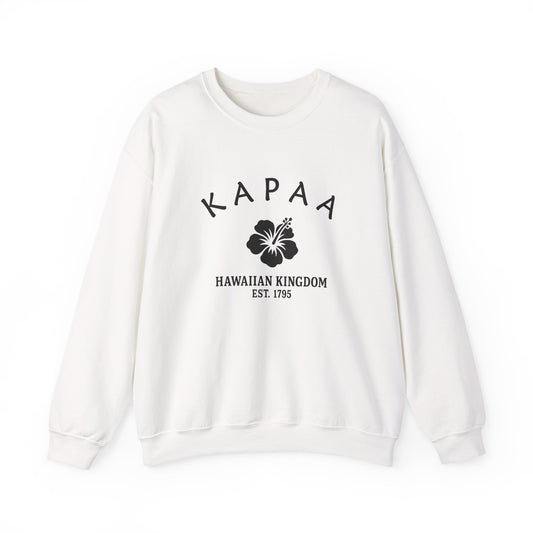
Kapaa Hawaii Vintage Retro Premium Crewneck Sweatshirt - Black Logo
Regular price $48.00 USDRegular price -
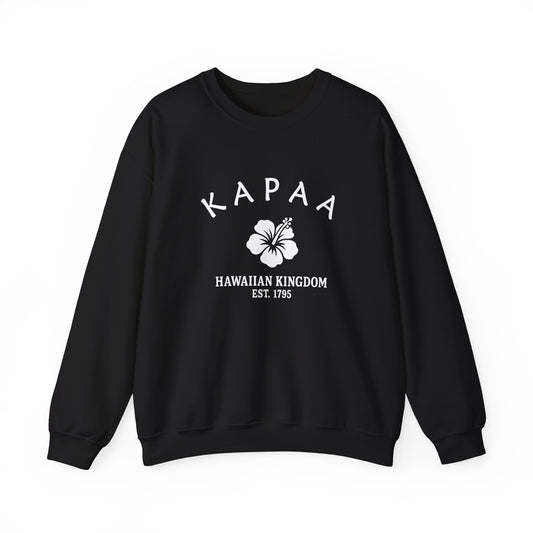
Kapaa Hawaii Vintage Retro Premium Crewneck Sweatshirt - White Logo
Regular price $48.00 USDRegular price -
-
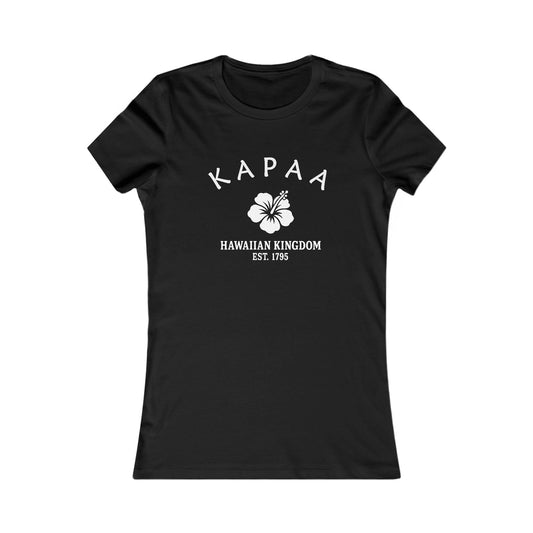
Kapaa Hawaii Vintage Retro Womens Fitted Ringspun Cotton Tee - Black Logo
Regular price $28.00 USDRegular price -
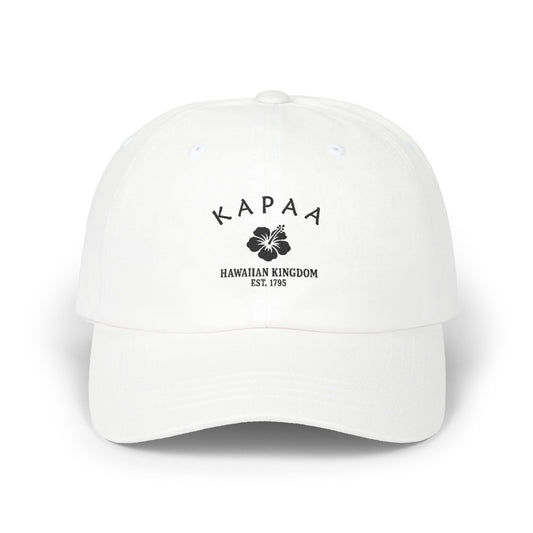
Kapaa Hawaii Vintage Retro Embroidered Cotton Cap - White Logo
Regular price $32.00 USDRegular price -
Kapaa Hawaii Vintage Retro Embroidered Cotton Cap - Black Logo
Regular price $32.00 USDRegular price -
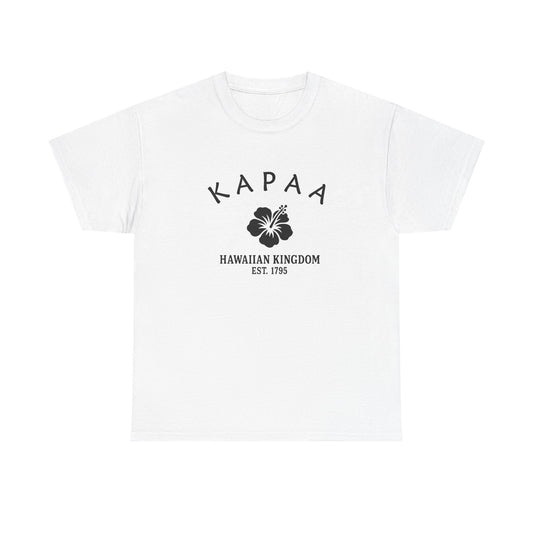
Kapaa Hawaii Vintage Retro Unisex Heavy Cotton Tee - White Logo
Regular price $22.00 USDRegular price -
Kapaa Hawaii Vintage Retro Unisex Heavy Cotton Tee - Black Logo
Regular price $22.00 USDRegular price -
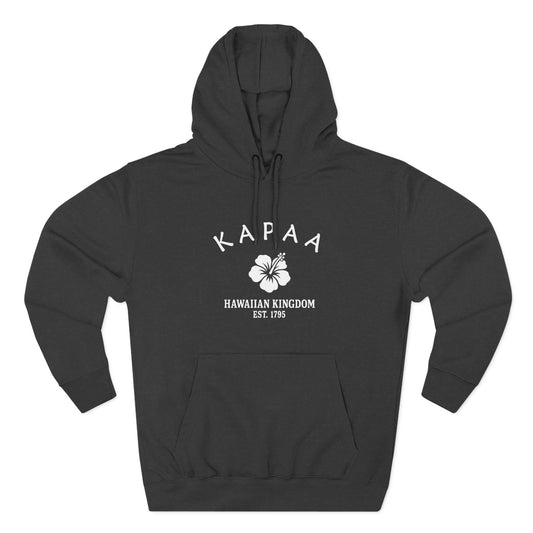
Kapaa Hawaii Vintage Retro Unisex Heavy Cotton Hoodie - White Logo
Regular price $56.00 USDRegular price -
Kapaa Hawaii Vintage Retro Unisex Heavy Cotton Hoodie - Black Logo
Regular price $56.00 USDRegular price -
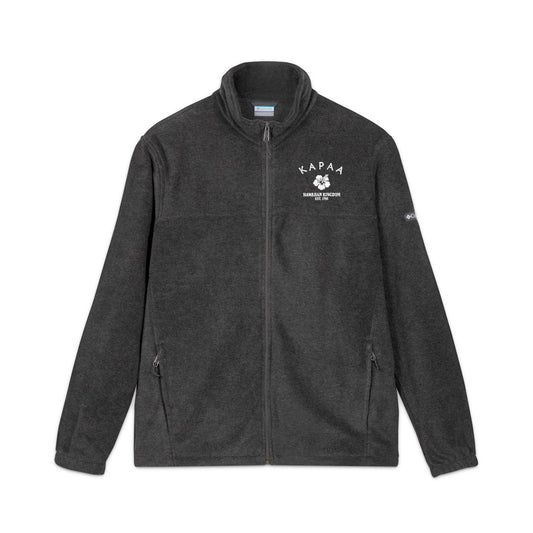
Kapaa Hawaii Vintage Retro Unisex Embroidered Fleece Jacket - White Logo
Regular price $98.00 USDRegular price -
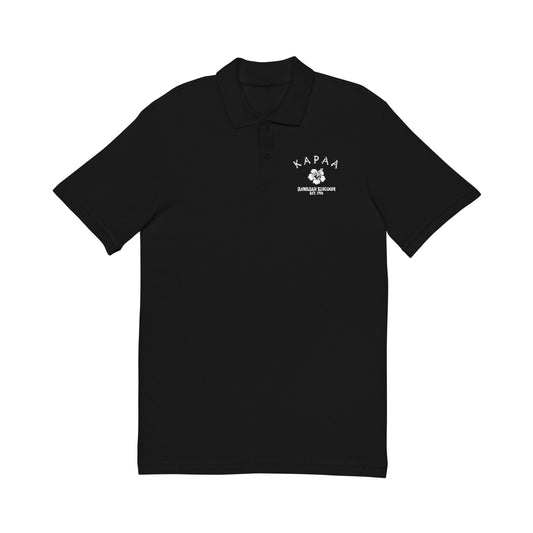
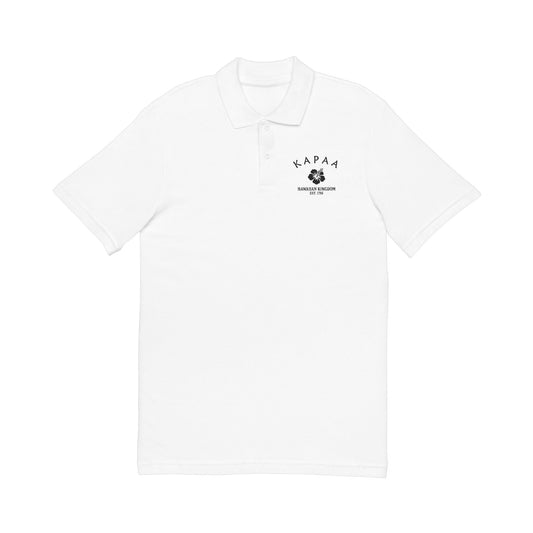
Kapaa Hawaii Vintage Retro Unisex Embroidered Cotton Polo - Black Logo
Regular price $48.00 USDRegular price -
Kapaa Hawaii Vintage Retro Cotton Canvas Tote Bag - White Logo
Regular price $25.00 USDRegular price -
Kapaa Hawaii Vintage Retro Cotton Canvas Tote Bag - Black Logo
Regular price $25.00 USDRegular price -
Kapaa Hawaii Vintage Retro Vinyl Sticker - Black Logo
Regular price From $6.00 USDRegular price -
Kapaa Hawaii Vintage Retro Ceramic Mug - Black Logo
Regular price From $16.00 USDRegular price -
Kapaa Hawaii Vintage Retro Thank You Card Set - Black Logo
Regular price From $25.00 USDRegular price -
Kapaa Hawaii Vintage Retro Cotton Jersey Baby Bodysuit - Black Logo
Regular price $26.00 USDRegular price -
Kapaa Hawaii Vintage Retro Unisex Cotton Jersey Tank Top - White Logo
Regular price $28.00 USDRegular price -
Kapaa Hawaii Vintage Retro Unisex Cotton Jersey Tank Top - Black Logo
Regular price $28.00 USDRegular price -
Kapaa Hawaii Vintage Retro Unisex Heavy Crewneck Sweatshirt - Black Logo
Regular price $44.00 USDRegular price -
Kapaa Hawaii Vintage Retro Unisex Heavy Crewneck Sweatshirt - White Logo
Regular price $44.00 USDRegular price -
Kapaa Hawaii Vintage Retro Back Printed Art Series Cotton Tee - Black Logo
Regular price $32.00 USDRegular price -
Kapaa Hawaii Vintage Retro Giclée Print Art Series Poster
Regular price From $38.00 USDRegular price







Kapaʻa Hawaii — Retro Vintage History
What's with the Sleeping Giant? Look up from Kapaʻa toward the ridgeline and you'll see him — Nounou Mountain, a long green crest that, from the right angle, reads unmistakably as a giant lying on his back, chest and forehead rising against the sky. Hawaiian legend tells it more than one way: a friendly giant who ate too much and fell asleep, or a guardian who lay down to rest and never woke. Either way the Sleeping Giant is the signature of Kauai's east side, the shape every Kapaʻa morning is measured against.
Wear the HistoryKapaʻa — Hawaiian for “the solid” — is the working heart of Kauai's east shore, the Royal Coconut Coast, named for the once-vast groves of coconut palms reserved in old Hawaii for royalty. It is the most densely settled town on the island, a place of everyday Kauai life rather than resort gloss: a main street of shops and lunch counters, a long beach, and a coastal bike path, with the green interior climbing behind it toward the wettest mountain on earth. About sixteen thousand people live in the Wailua–Kapaʻa area, more than anywhere else on Kauai, and the town carries the island's mid-market, family-vacation energy rather than the high-end resort polish of the south shore.
Just south lies Wailua, the first ancient capital of Kauai under the aliʻi, the Hawaiian high chiefs. Fed by the rain of Mount Waiʻaleʻale — some four hundred and fifty inches a year, among the highest on the planet — the Wailua River runs to the sea as Hawaii's only navigable river, and the valley it waters was the sacred seat of Kauai royalty. Seven heiau, the temples of old Hawaii, arc across the Wailua–Kapaʻa landscape; they remain deeply sacred to Native Hawaiians today, and we honor them as living heritage rather than scenery.

Modern Kapaʻa grew out of sugar. In 1877 the planter James Makee built the Kealia mill a few miles north with the financial backing of King David Kalākaua, and the plantation drew waves of immigrant labor — from China, Japan, Korea, Portugal, the Philippines, and Puerto Rico — onto land that had been Native Hawaiian for centuries. As workers left the cane fields to make their own way, they raised the wooden storefronts of Old Kapaʻa Town: shop on the first floor, family on the second. Many still stand a century and a half later, now galleries, kitchens, and surf shops. That plantation generation is the root of much of modern Kauai, and the heritage it left — Japanese, Filipino, Portuguese, Chinese, Korean, Puerto Rican — is still read in the family names along the street.
The town has taken its hits and come back. In September 1992, Hurricane Iniki — a Category 4 storm with winds near a hundred and forty-five miles an hour — tore across Kauai and battered Kapaʻa and the Coconut Coast, and the rebuilding ran for years. The plantation-era buildings that survived were patched and reopened, and the wooden main street that the workers built remains the center of town.
Today Kapaʻa is the active hub of the Coconut Coast. The Ke Ala Hele Makalae, an eight-mile paved coastal path, runs the shoreline for walkers and cyclists; kayaks put in on the Wailua River toward the Fern Grotto; ʻOpaekaʻa Falls and Wailua Falls drop through the green interior; and Kealia Beach, just to the north, draws the bodysurfers. Lydgate Beach Park to the south keeps a protected pool for families, and the Kauai Coconut Festival each fall gathers the whole coast. It is Kauai at its most lived-in — a town with a beach, a bike path, and a long memory.
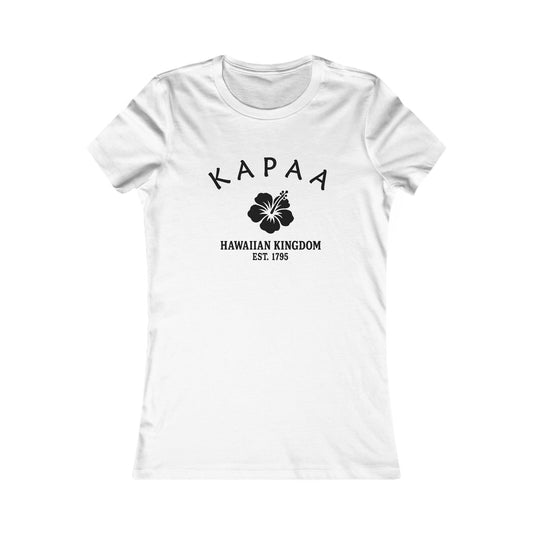
Our Kapaʻa logo carries the Hawaii hibiscus above “Hawaiian Kingdom — Est. 1795,” the shared retro emblem of our Hawaii towns, drawn in worn black-and-white like an old travel decal. The 1795 date marks Kamehameha's unification of the islands; Kauai kept its own path a while longer, holding out under King Kaumualiʻi until his voluntary cession in 1810. The hibiscus is the through-line that links Kapaʻa to every other Hawaii town we make, and the details that make this one Kapaʻa are the Coconut Coast, the Sleeping Giant on the ridge, and the plantation-town storefronts.
Kapaʻa is the working town on Kauai's Royal Coconut Coast — wooden storefronts the plantation families built, the Sleeping Giant on the ridge, and the green river valley that was once the sacred seat of Kauai's kings. Our Kapaʻa designs gather that into wearable form. Wear the Coconut Coast. Wear the Sleeping Giant. Wear the town the plantation workers built.

Kapaa, Hawaii — Travel Guide
Visiting Kapaa Today
Kapaʻa sits on Kauai's east shore, the Royal Coconut Coast — the island's most lived-in town and an easy base for the east side. Expect a walkable main street of shops and restaurants, a long coastal bike path, river and waterfall trips just south at Wailua, and the Sleeping Giant rising behind town. It is laid-back, green, and family-friendly, a short drive north of the Lihue airport.
Beaches, the Bike Path & the River
For visitors looking for things to do in Kapaa, Hawaii:
- Ride or walk the Ke Ala Hele Makalae, the eight-mile paved coastal path along the East Side shoreline.
- Hike the Sleeping Giant (Nounou Mountain) for panoramic coast-and-valley views.
- Kayak the Wailua River — Hawaii's only navigable river — toward the Fern Grotto.
- Wander Old Kapaʻa Town's restored wooden plantation storefronts, now shops, galleries, and kitchens.
- See ʻOpaekaʻa Falls and Wailua Falls, the green interior's signature cascades.
- Swim or bodysurf at Kealia Beach, just north of town, or family-friendly Lydgate Beach Park to the south.
- Time a visit for the monthly Kapaʻa Art Walk or the Kauai Coconut Festival on the Coconut Coast.
Why People Visit Kapaa
Kapaʻa rewards travelers who want the real, working Kauai rather than a resort bubble — a town with a beach and a bike path, the Sleeping Giant on the ridge, and the sacred green valley of Wailua a few minutes south. People come for the coastal path and the river, for the plantation-era main street, and for an easygoing east-shore day where Kauai's deep history and everyday island life sit side by side.
Wear the History

For deeper reading on the Kapaʻa and Wailua history described here — the Royal Coconut Coast, Wailua as the first ancient capital of Kauai under the aliʻi, the sacred heiau of the Wailua valley, the 1877 Kealia sugar plantation under James Makee and King Kalākaua, the plantation-era immigrant labor and Old Kapaʻa Town storefronts, and Hurricane Iniki — it may be useful to consult (1) the Kauaʻi Historical Society, (2) the Kauaʻa Museum in Lihue, (3) the Bishop Museum of Honolulu, (4) the Hawaiʻi State Archives, and (5) the Kauaʻi Heritage Center and local Native Hawaiian cultural practitioners for the history of Wailua, the royal Coconut Coast, and the heiau of the valley. For travel and visitor information, it may be useful to contact (1) the Hawaiʻi Tourism Authority, (2) the Kauaʻi Visitors Bureau, (3) the Royal Coconut Coast Association, (4) the Hawaiʻi State Parks office (Wailua River State Park), and (5) the County of Kauaʻi Parks & Recreation department.
- Choosing a selection results in a full page refresh.
- Opens in a new window.