Sugar is gone now, and tourism has taken its place, but Kauaʻi wears it more lightly than its neighbors. It stayed the green, quiet island — slower than Oʻahu, less built than Maui — and when Hurricane Iniki, a Category 4 storm, tore across it in September 1992, the island rebuilt and stayed itself. Today its economy runs on nature travel, diversified farms, taro, and coffee — Kauaʻi is home to the largest coffee farm in the United States — along with a film industry drawn by the same scenery everyone else comes for: the canyon, the cliffs, the waterfalls, and the green. The Garden Isle has changed hands and changed crops, but never its character.
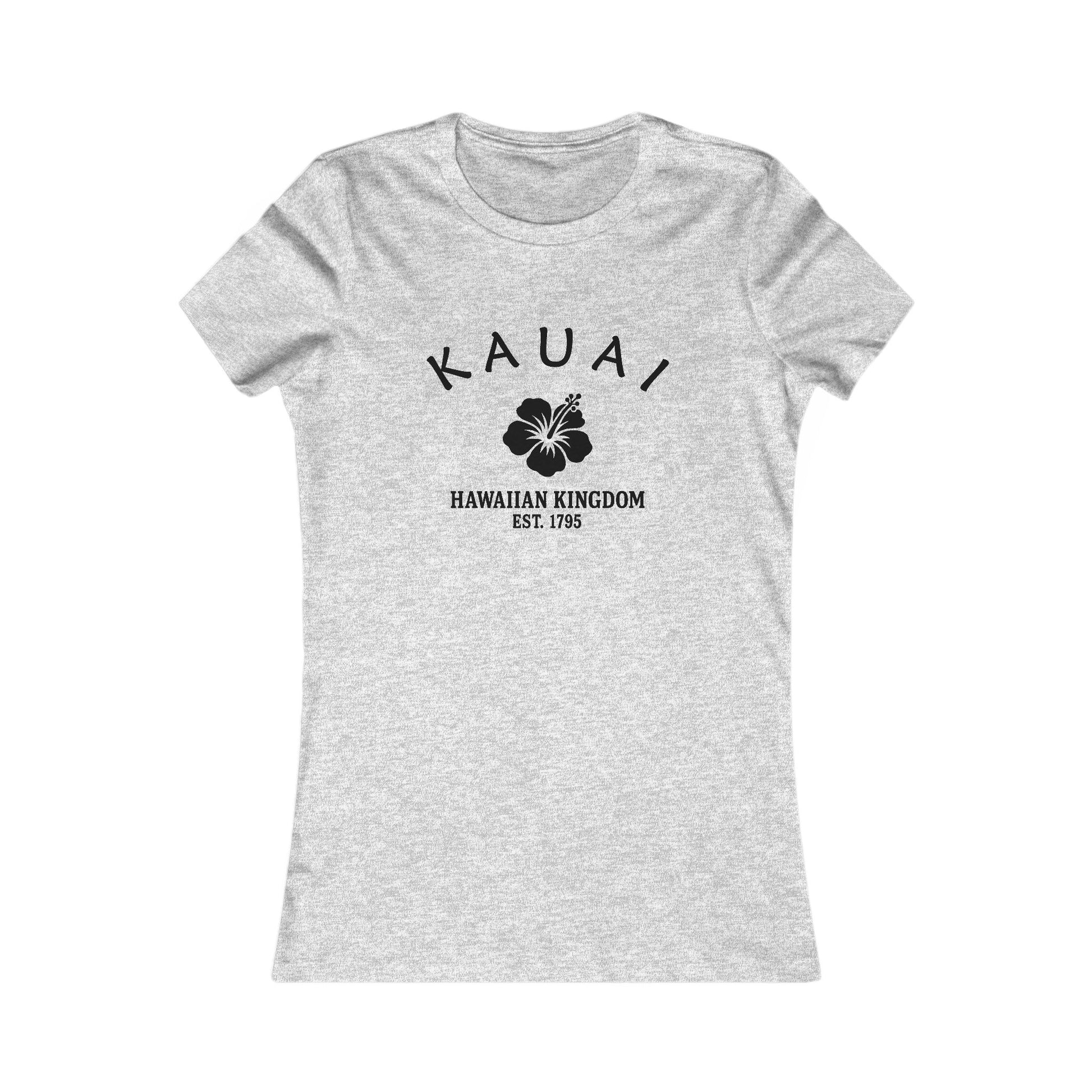
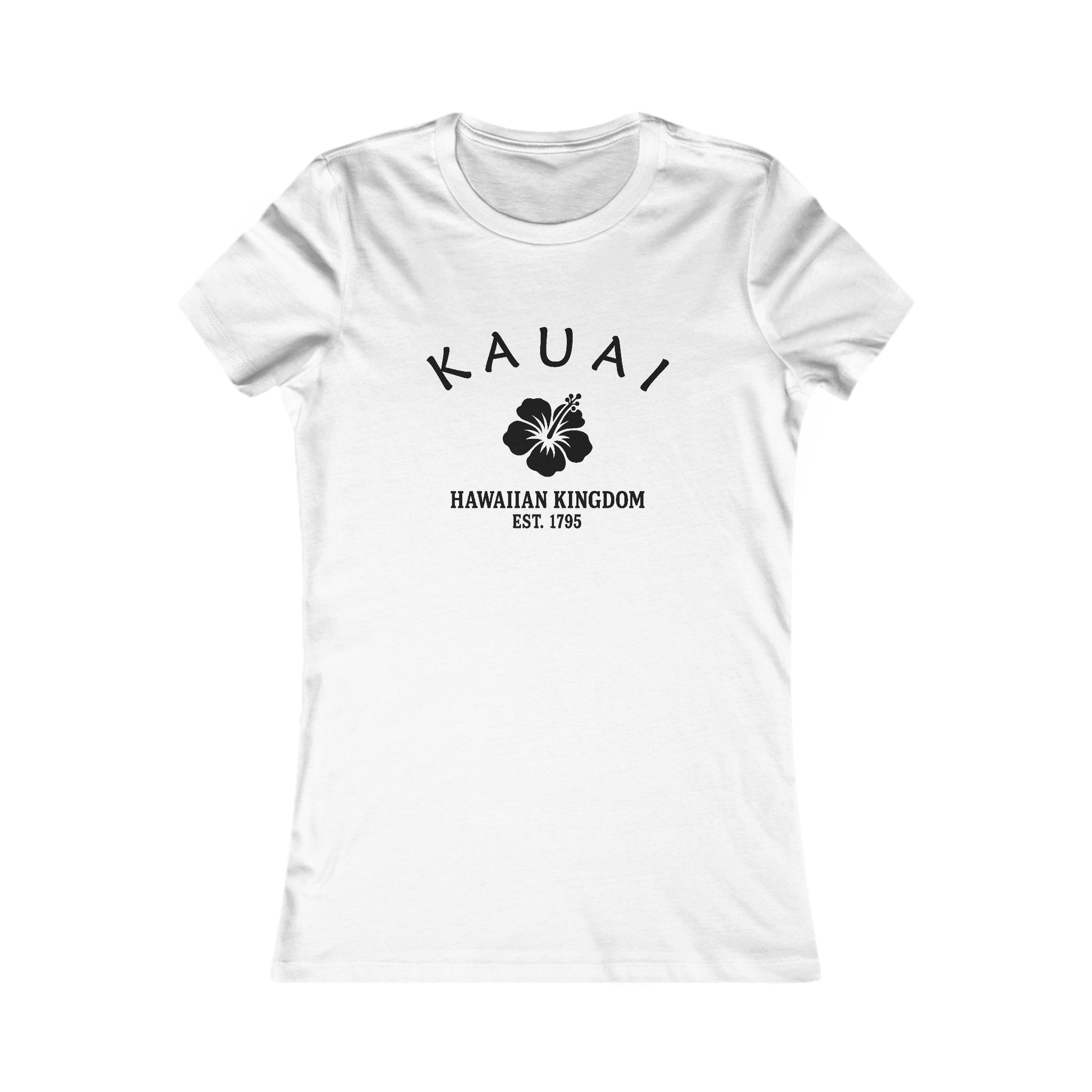
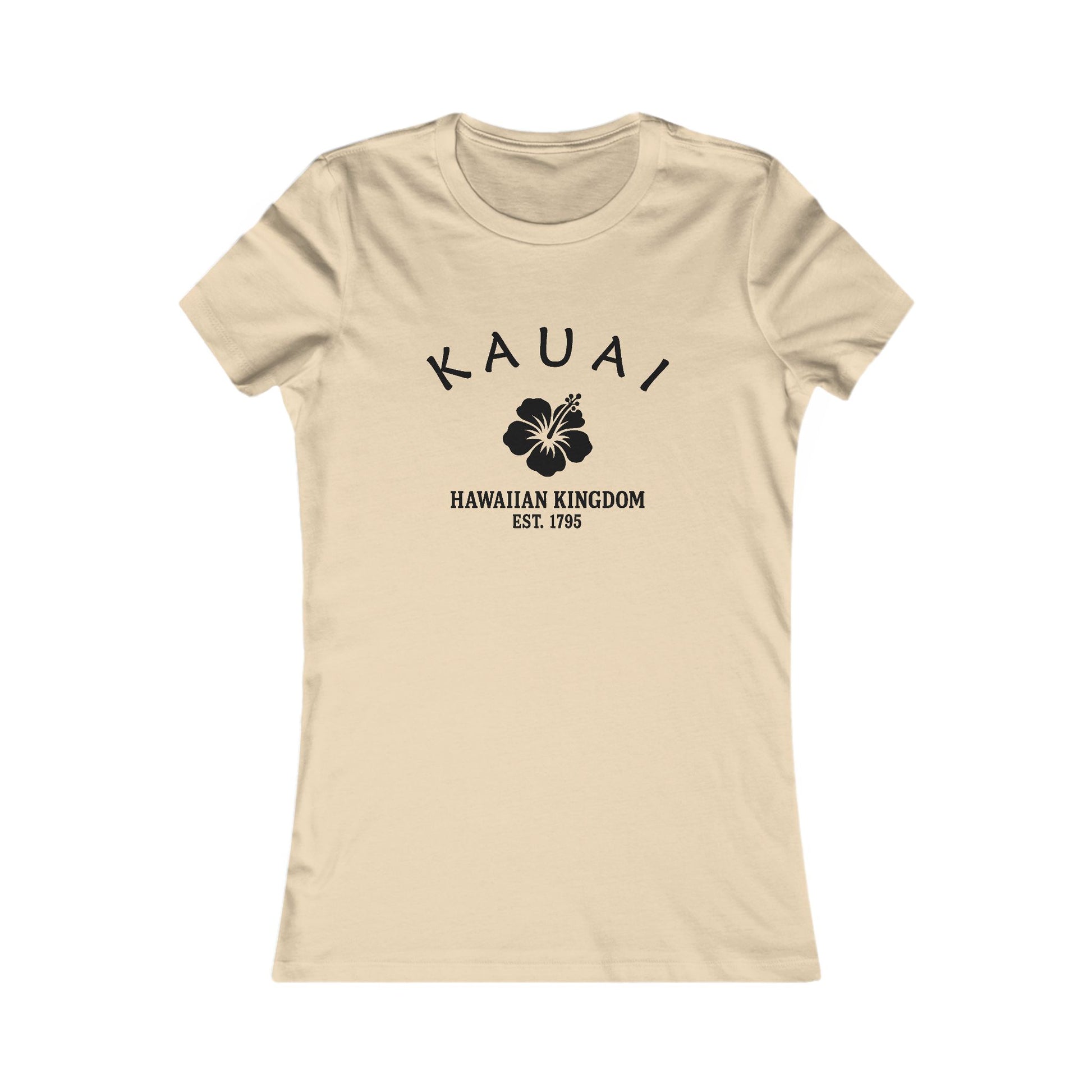
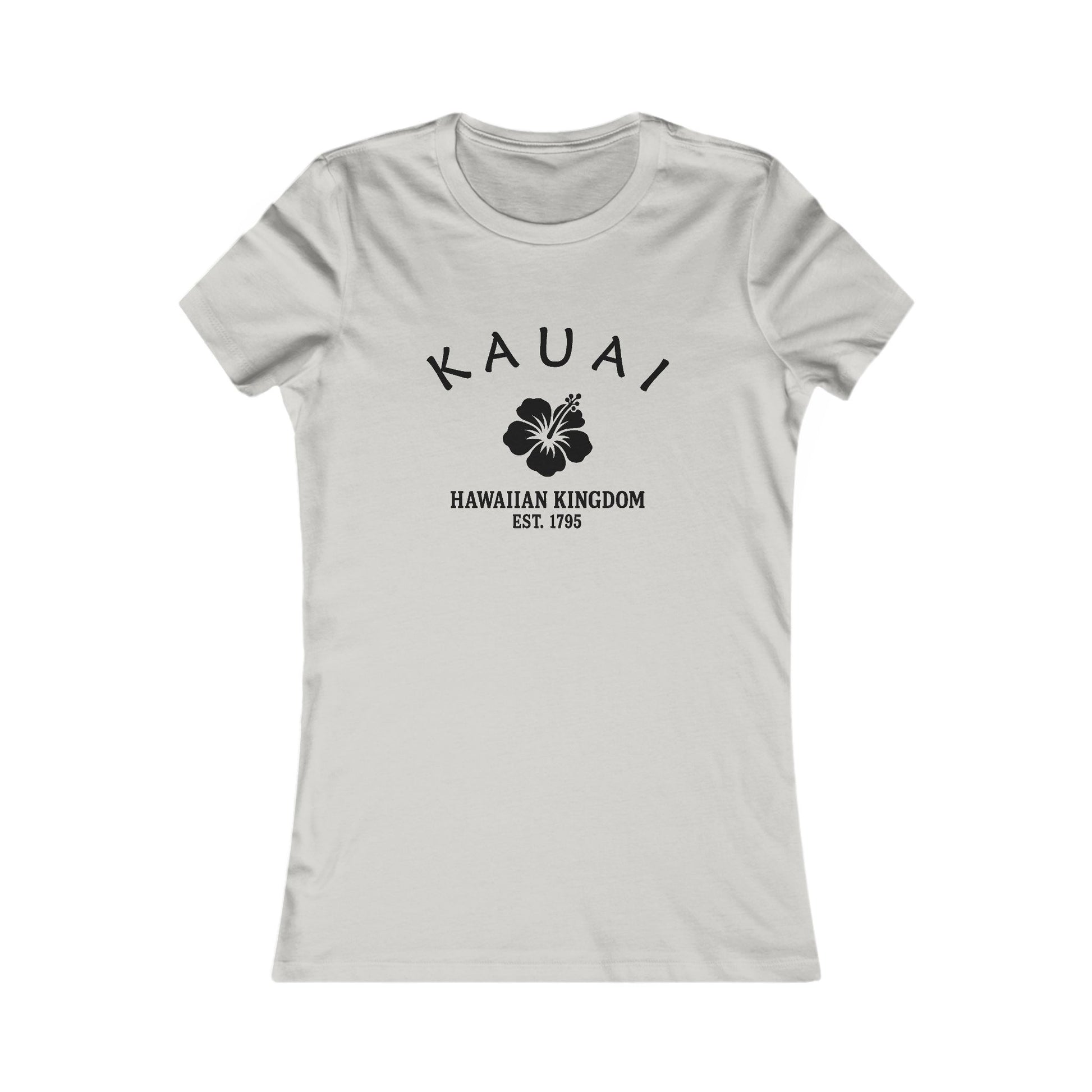
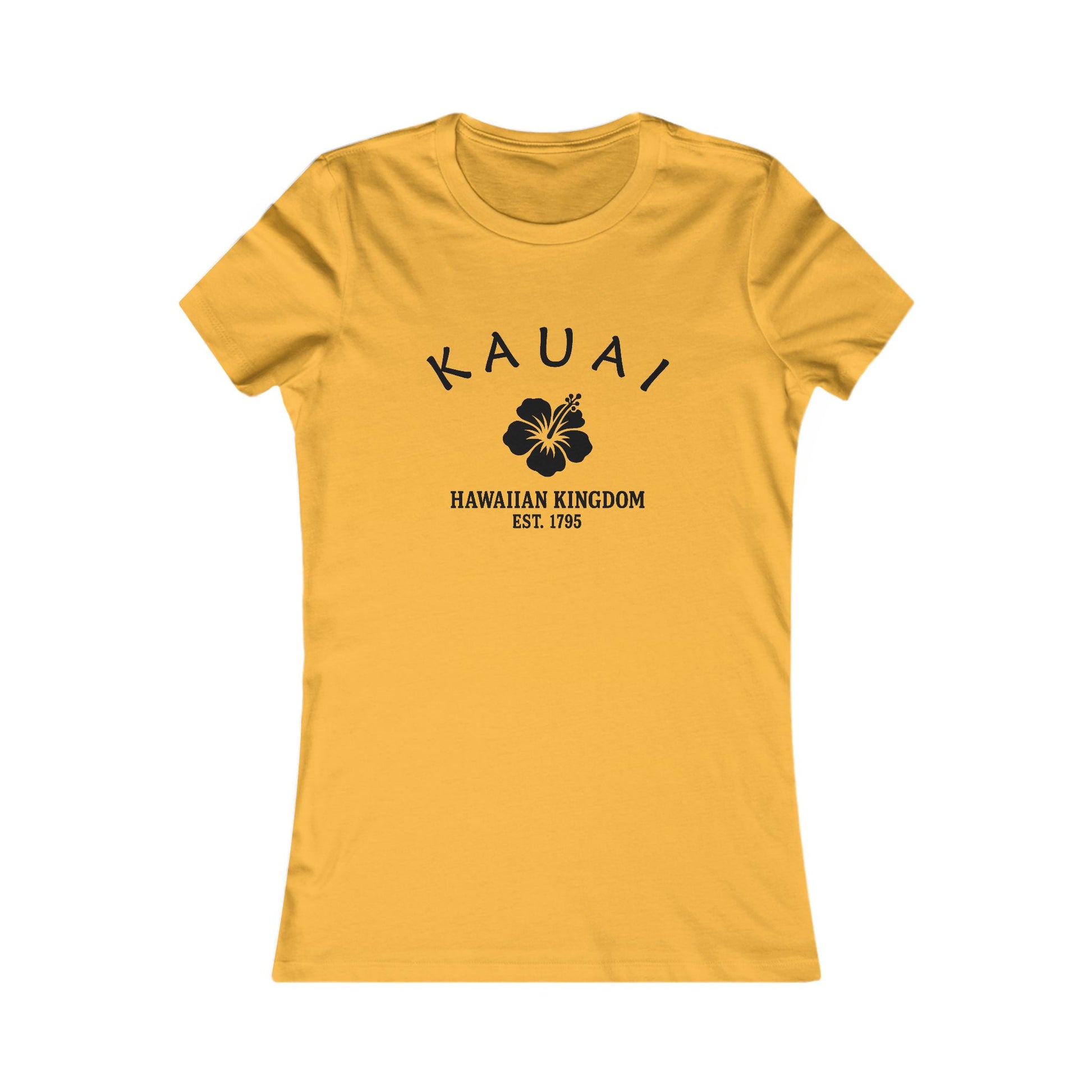
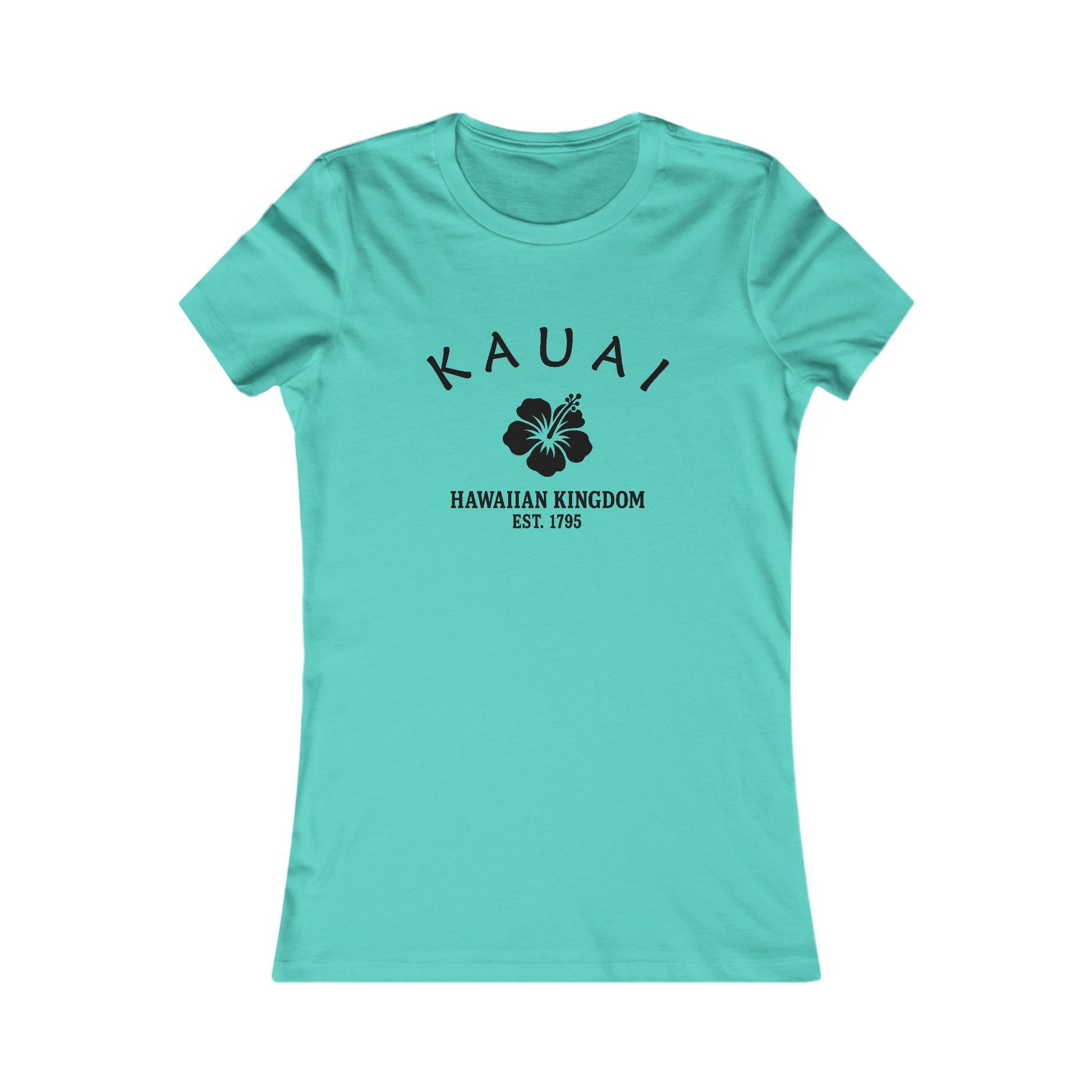
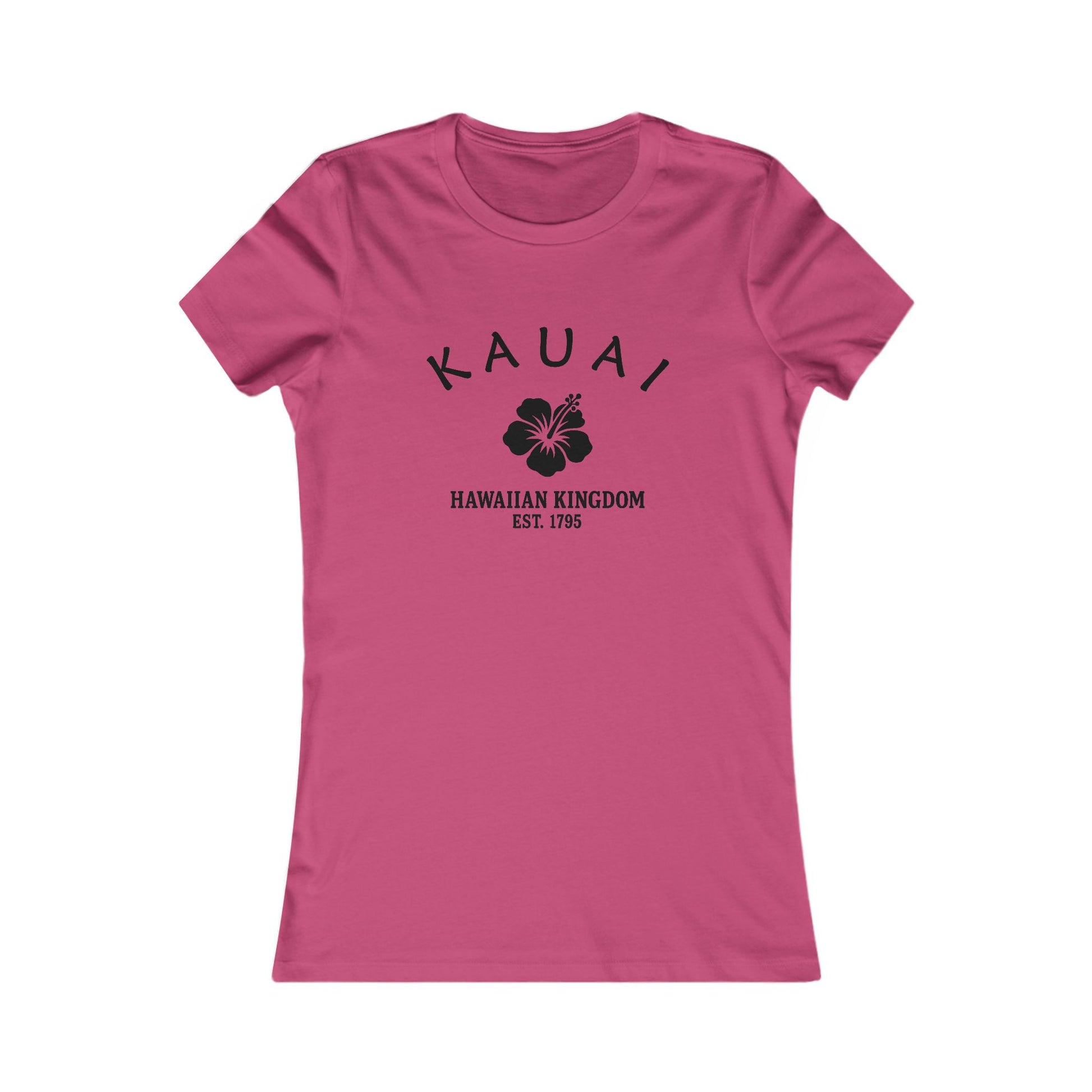
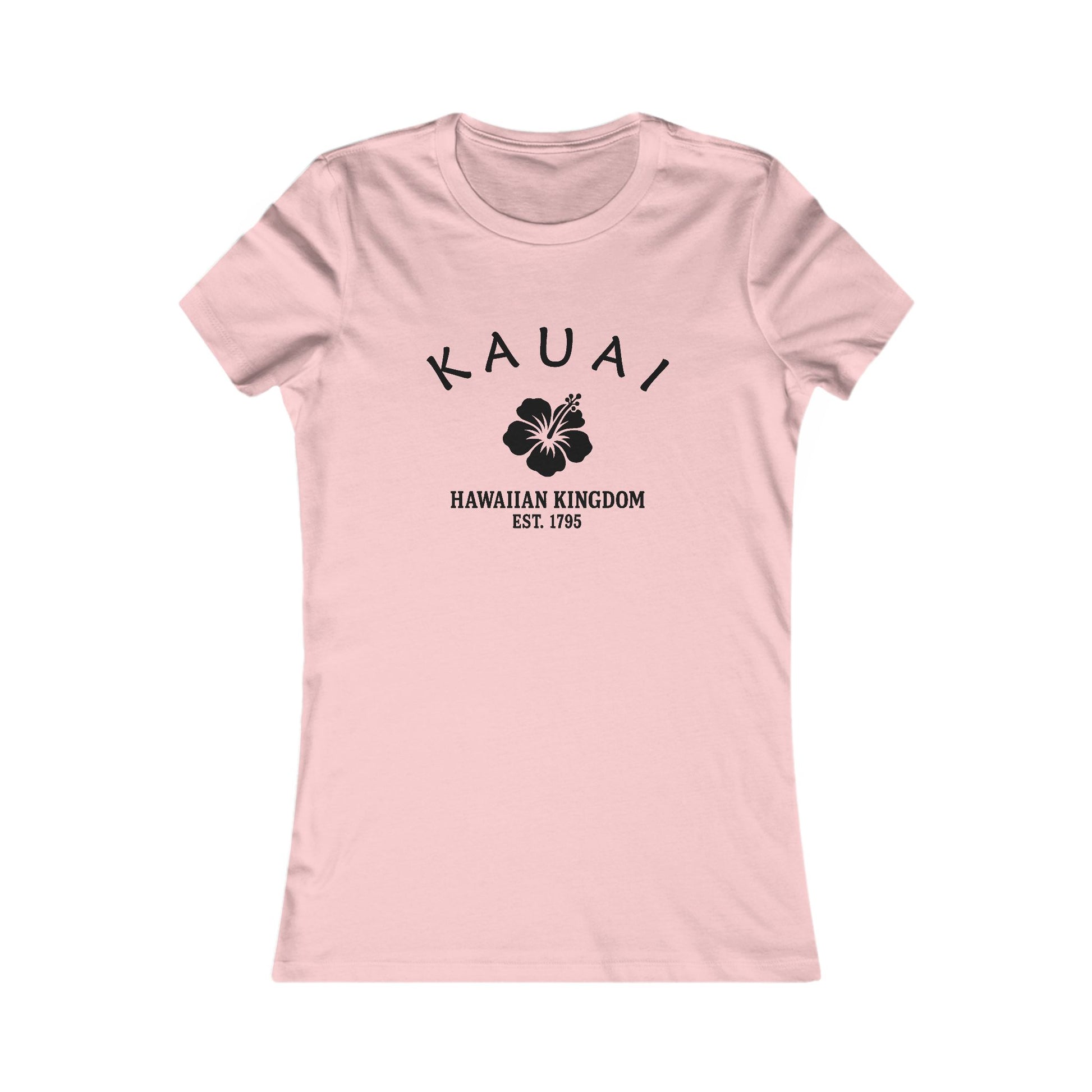
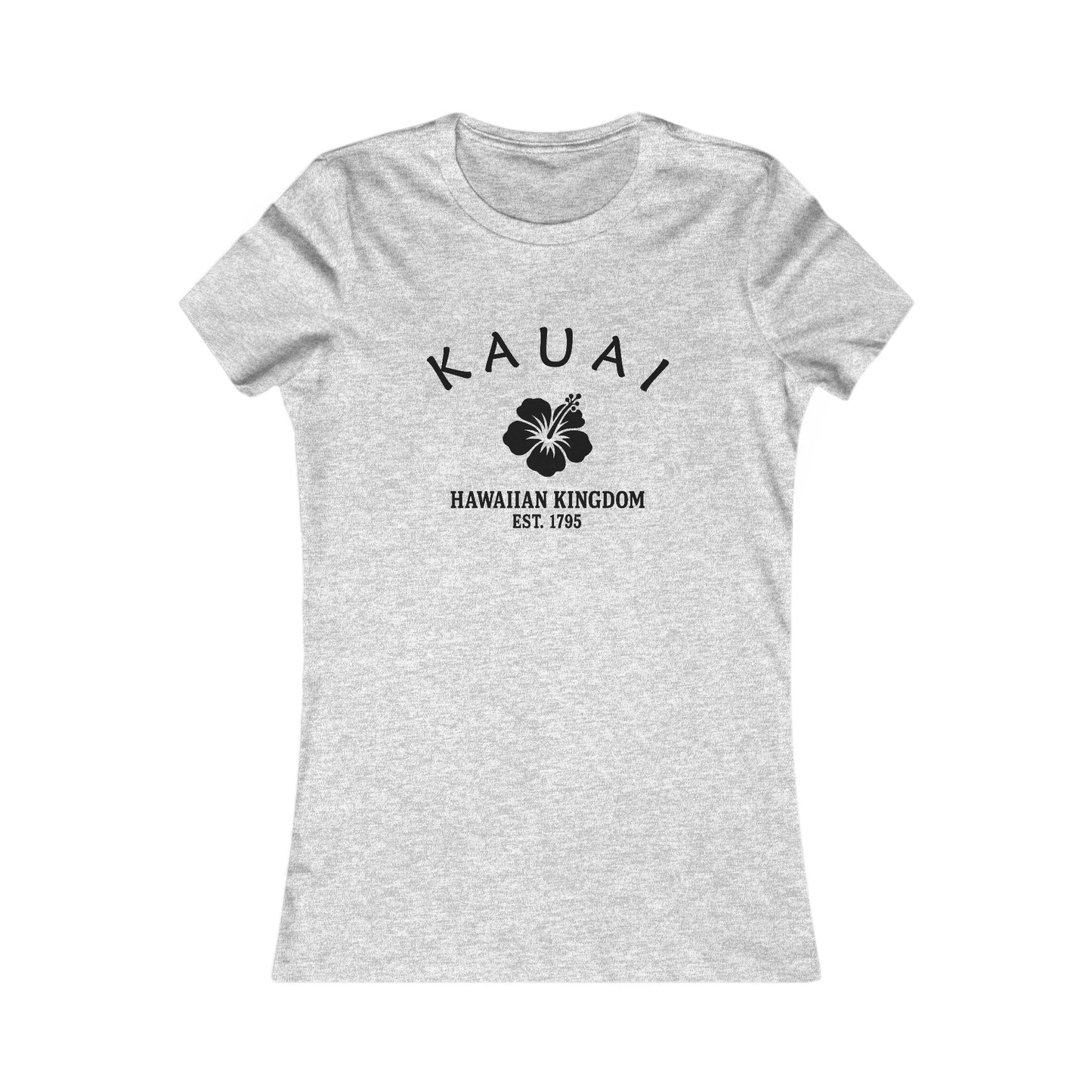
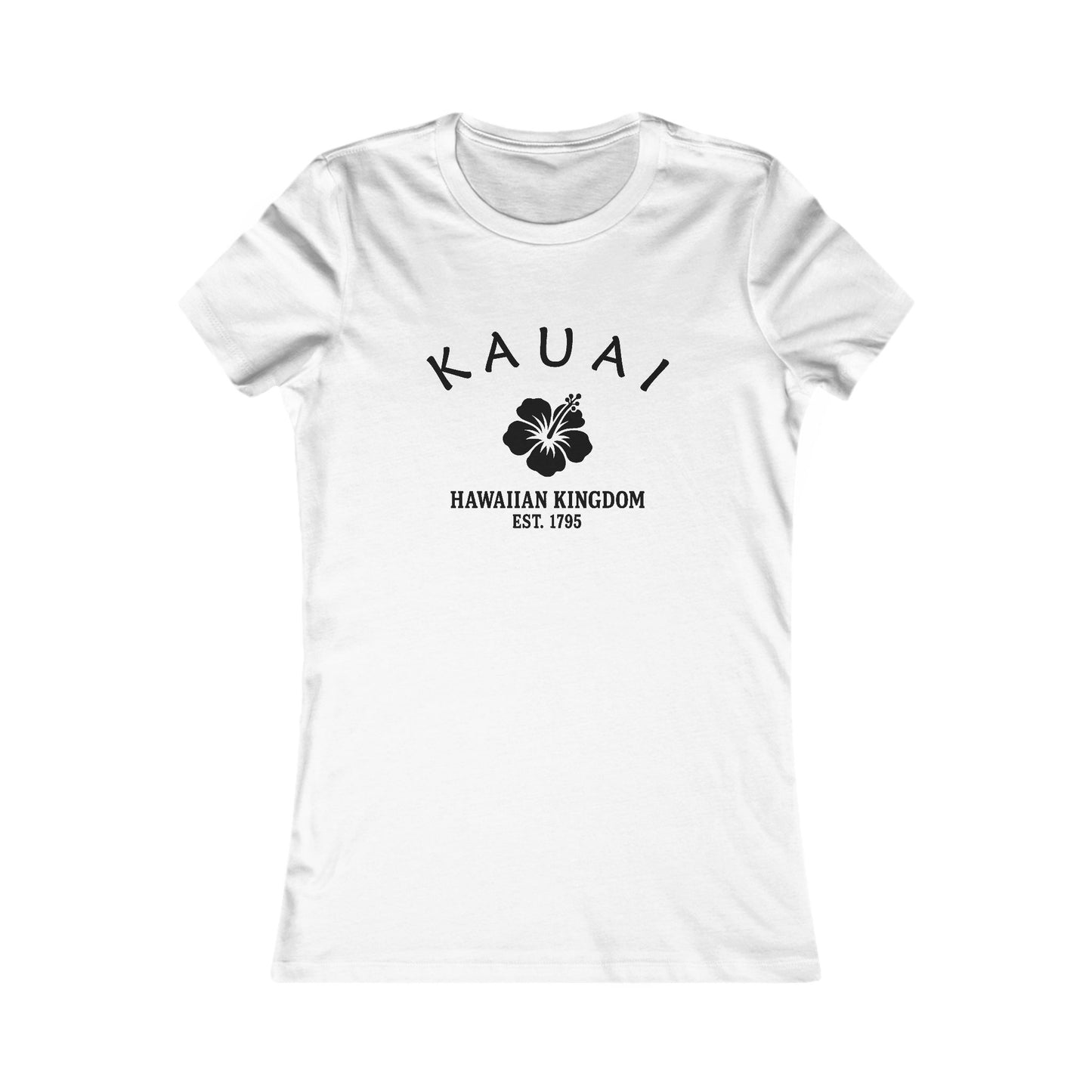
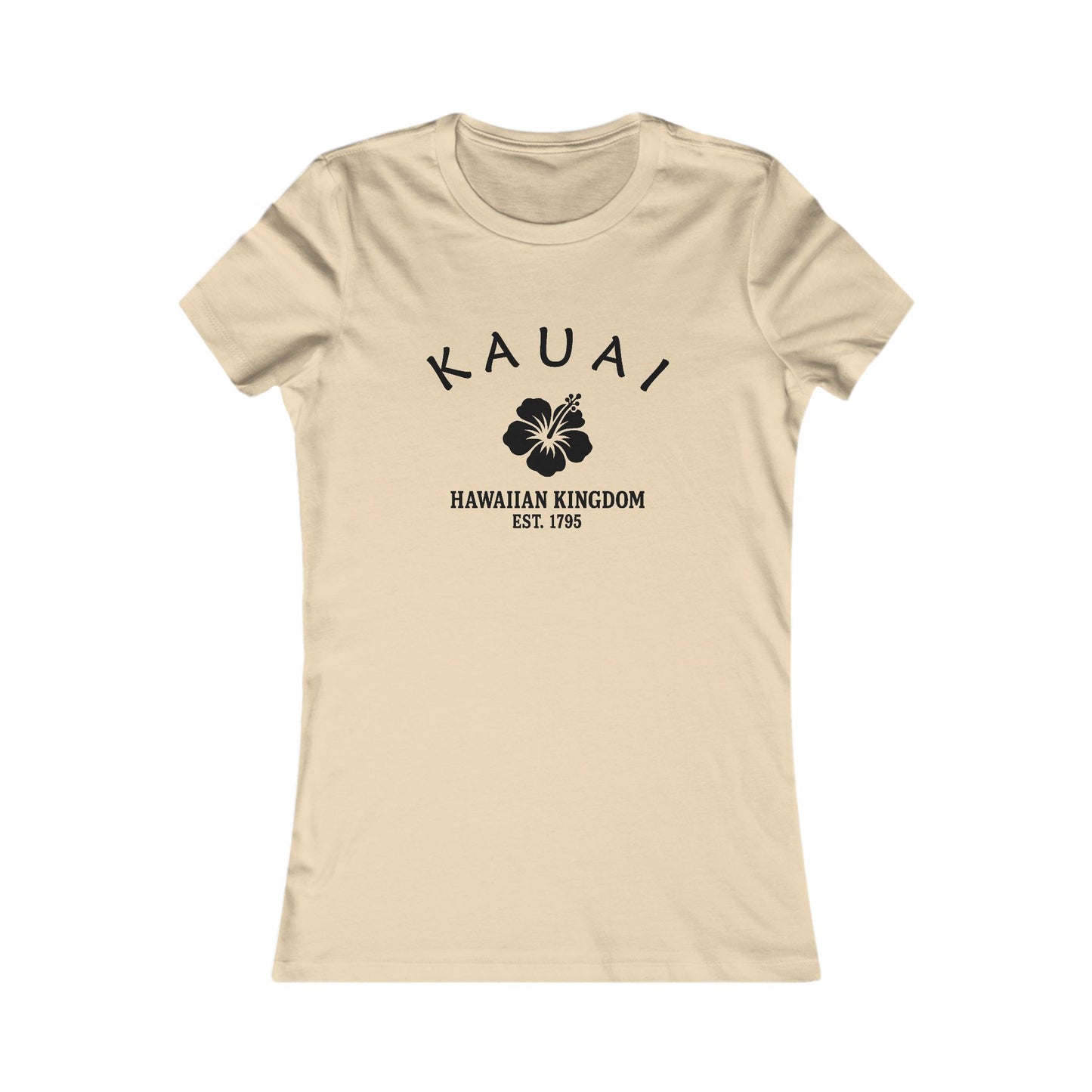
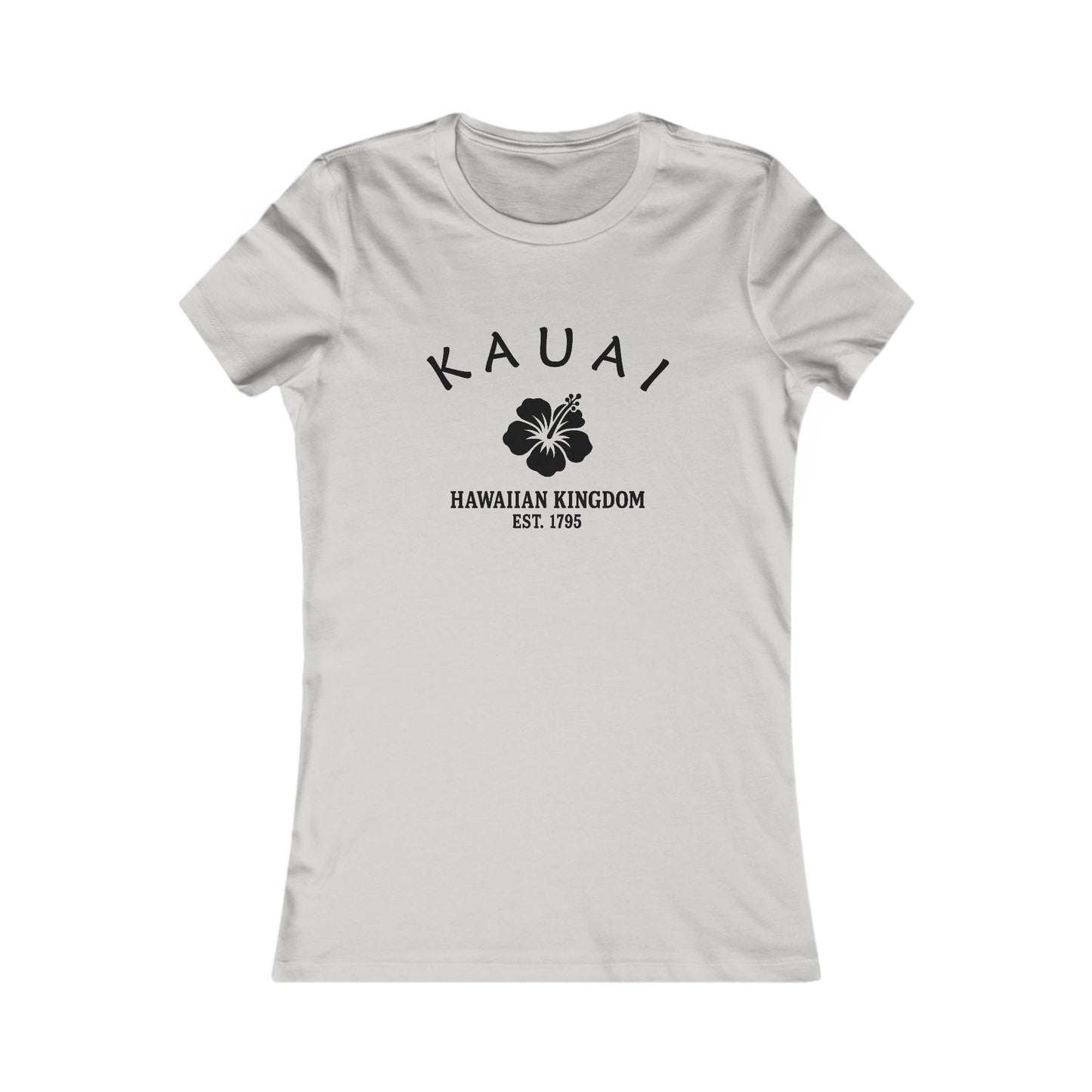
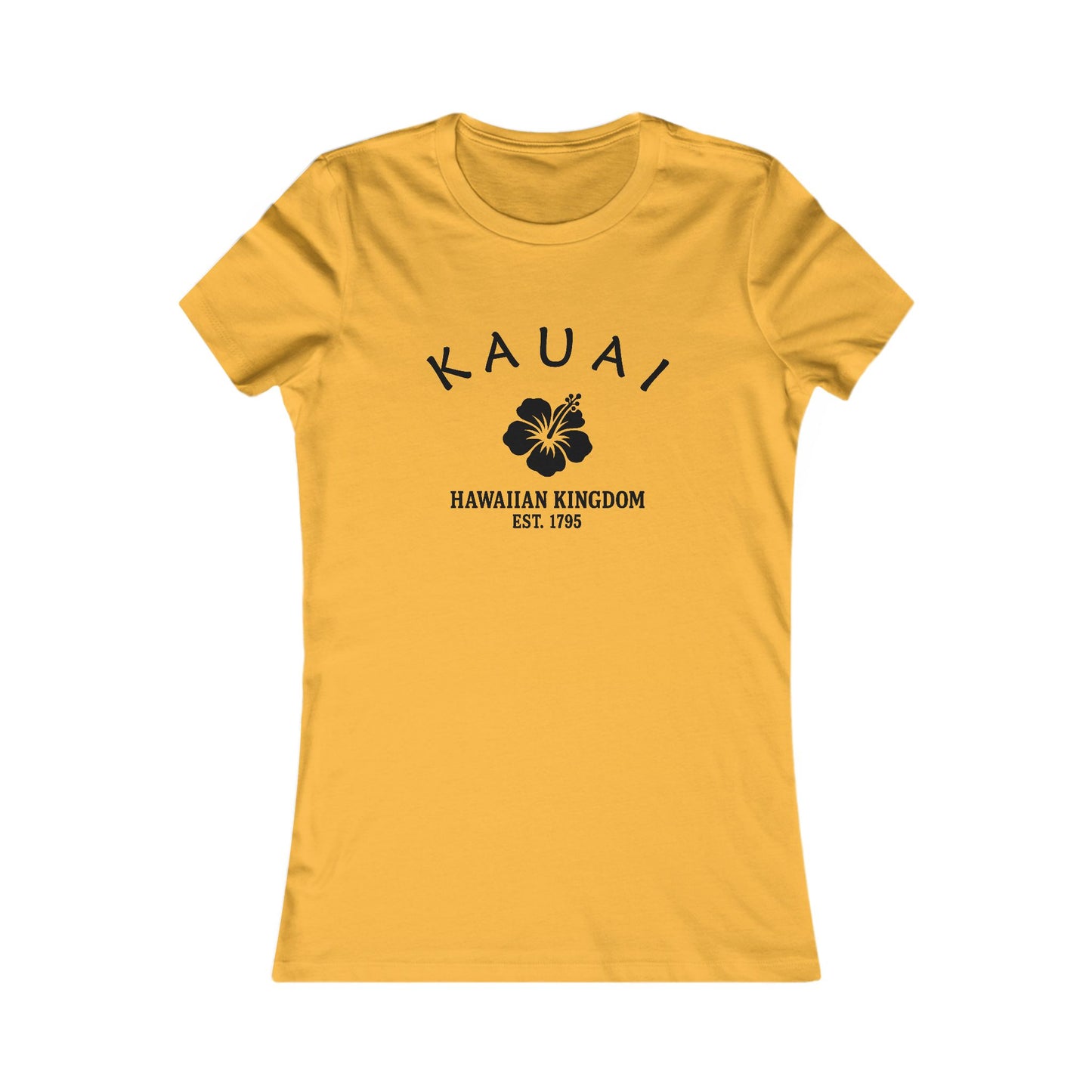
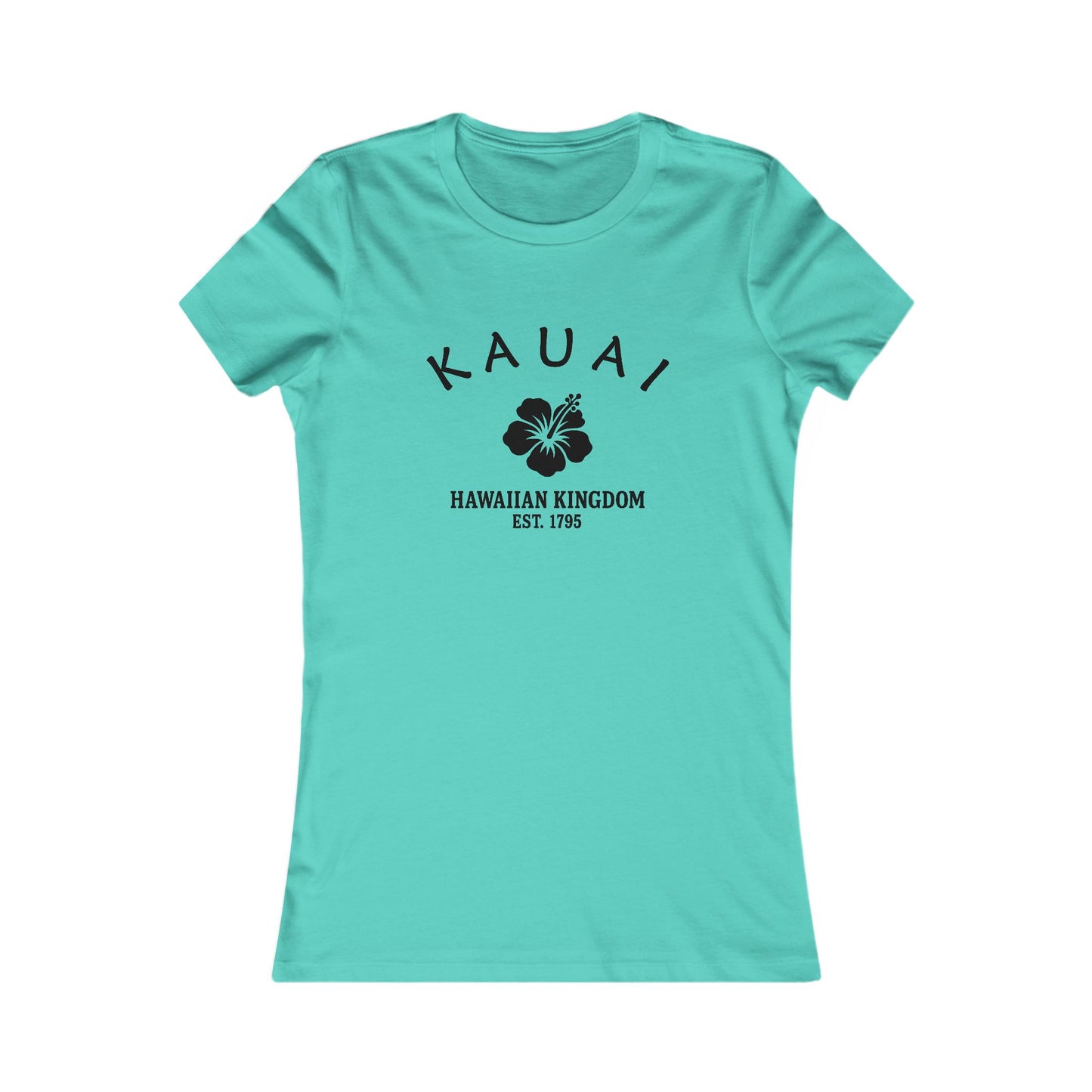
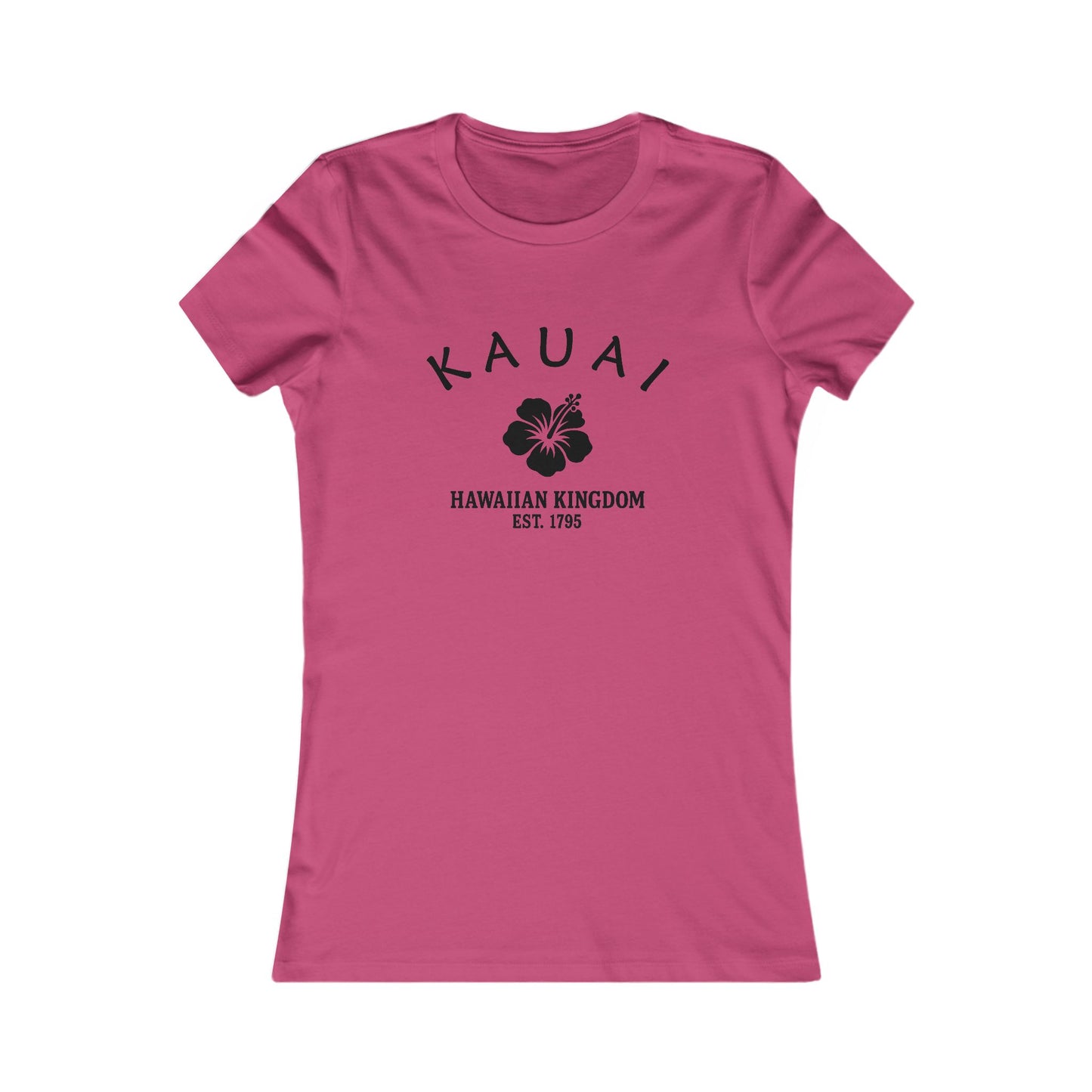
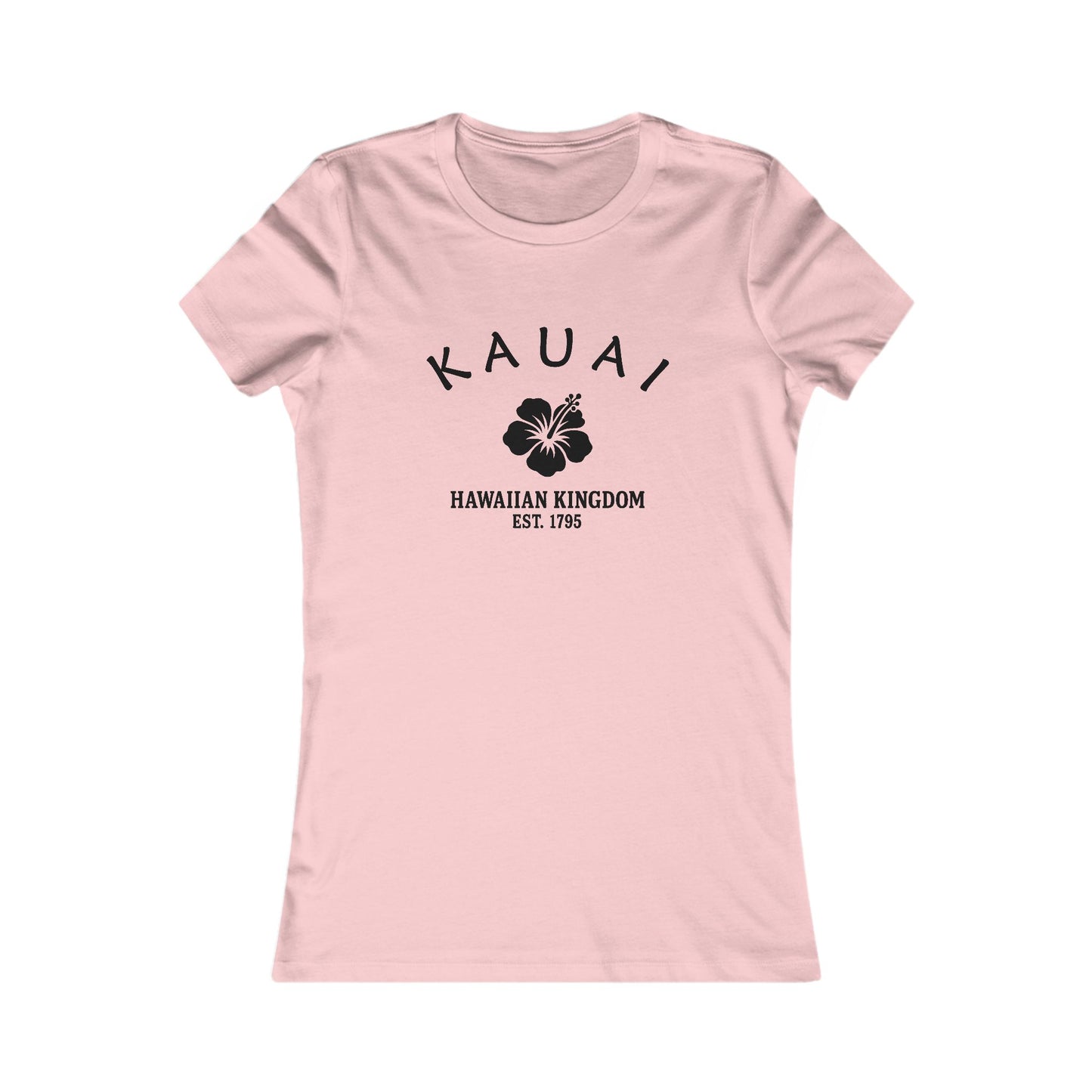
Our Kauaʻi logo carries the hibiscus and the "Hawaiian Kingdom — Est. 1795" banner, the shared retro emblem of our Hawaiʻi towns; 1795 marks the founding of the Kingdom under Kamehameha — the Kingdom's birthday, not Kauaʻi's, since the island famously joined later, by agreement, in 1810. Rendered in worn black-and-white, like an old travel decal or crate label, it ties Kauaʻi to every other Hawaiian place we make. The hibiscus is island bloom and pure aloha. What makes this one Kauaʻi is the story behind it — the Garden Isle, the canyon and the cliffs, and the island that was never conquered.
Why People Visit Kauaʻi
People come to Kauaʻi for the oldest, greenest island in the chain and the quieter pace that comes with it. It rewards travelers who would rather hike a canyon rim or paddle a north-shore bay than chase a crowd — a place of waterfalls, taro valleys, and emerald cliffs, with a deep Hawaiian history and a slower, garden kind of aloha.
