-
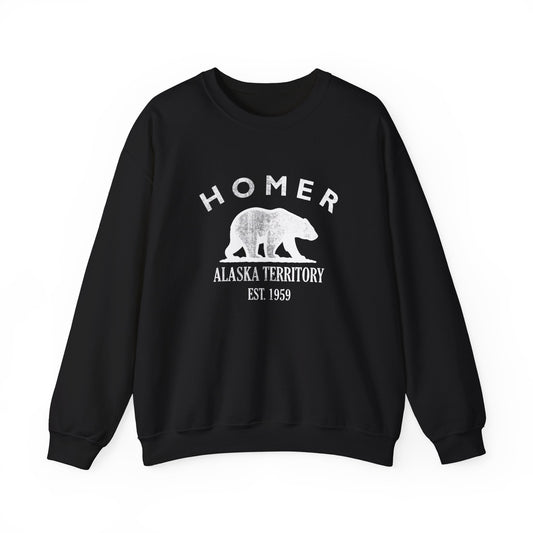
Homer Alaska Vintage Retro Premium Crewneck Sweatshirt - Black Logo
Regular price $48.00 USDRegular price -
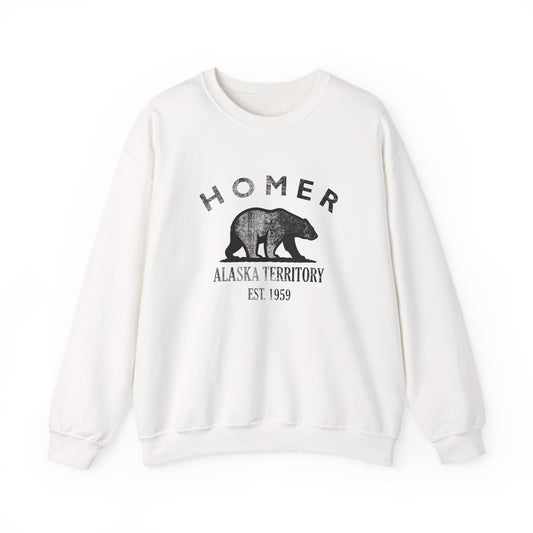
Homer Alaska Vintage Retro Premium Crewneck Sweatshirt - White Logo
Regular price $48.00 USDRegular price -
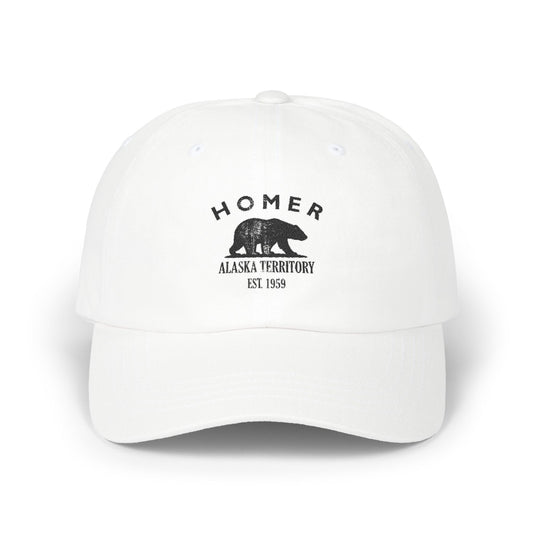
Homer Alaska Vintage Retro Embroidered Cotton Cap - White Logo
Regular price $32.00 USDRegular price -
Homer Alaska Vintage Retro Embroidered Cotton Cap - Black Logo
Regular price $32.00 USDRegular price -
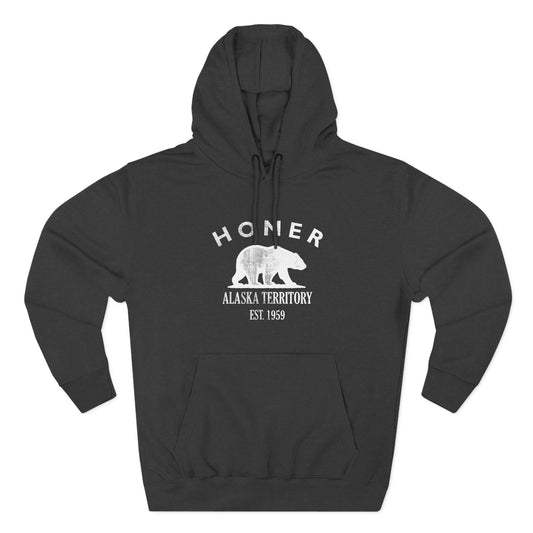
Homer Alaska Vintage Retro Unisex Heavy Cotton Hoodie - White Logo
Regular price $56.00 USDRegular price -
Homer Alaska Vintage Retro Unisex Heavy Cotton Hoodie - Black Logo
Regular price $56.00 USDRegular price -
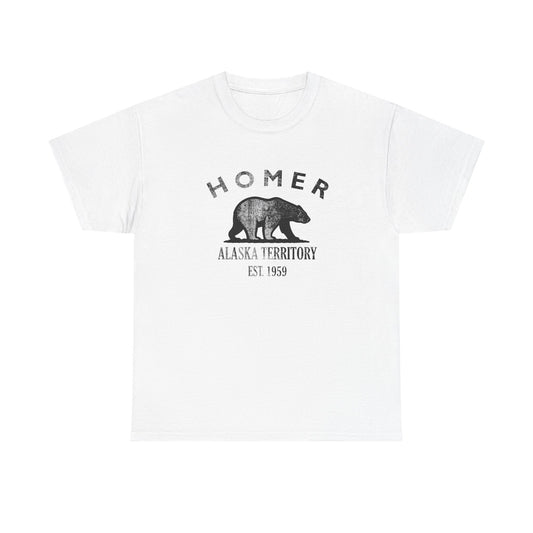
Homer Alaska Vintage Retro Unisex Heavy Cotton Tee - White Logo
Regular price $22.00 USDRegular price -
Homer Alaska Vintage Retro Unisex Heavy Cotton Tee - Black Logo
Regular price $22.00 USDRegular price -
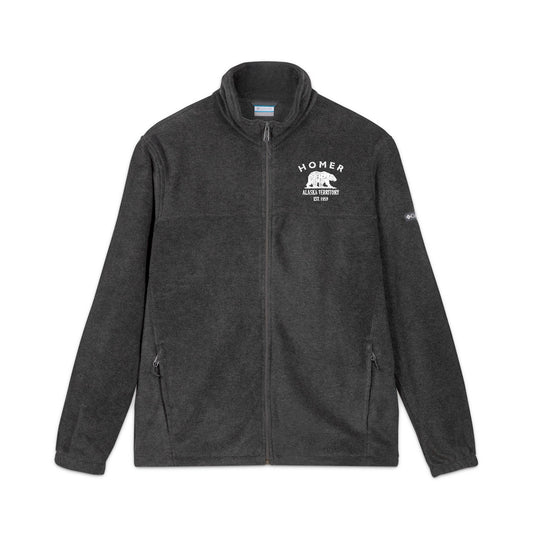
Homer Alaska Vintage Retro Unisex Embroidered Fleece Jacket - White Logo
Regular price $98.00 USDRegular price -
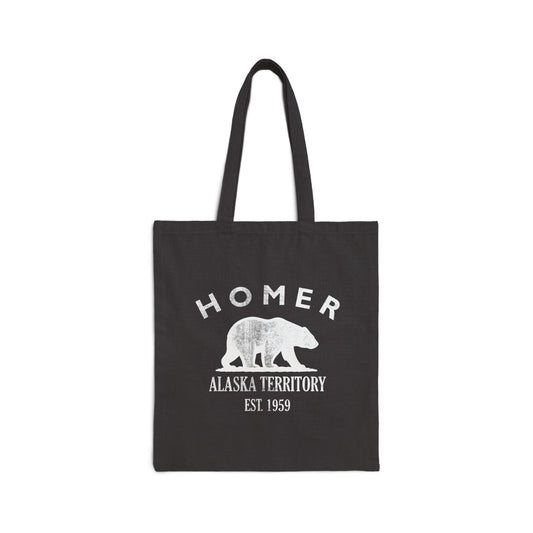
Homer Alaska Vintage Retro Cotton Canvas Tote Bag - White Logo
Regular price $25.00 USDRegular price -
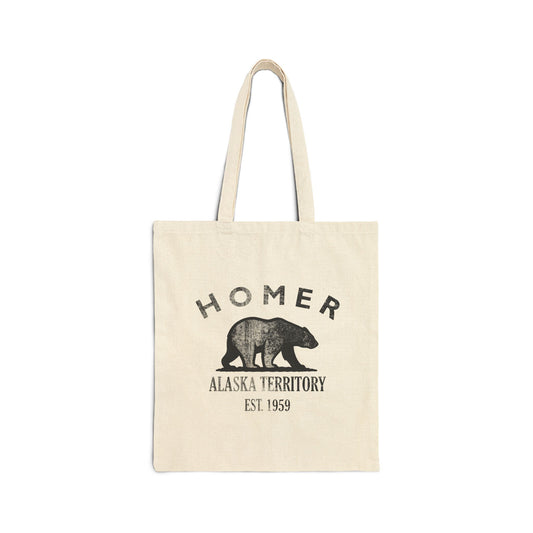
Homer Alaska Vintage Retro Cotton Canvas Tote Bag - Black Logo
Regular price $25.00 USDRegular price -
-
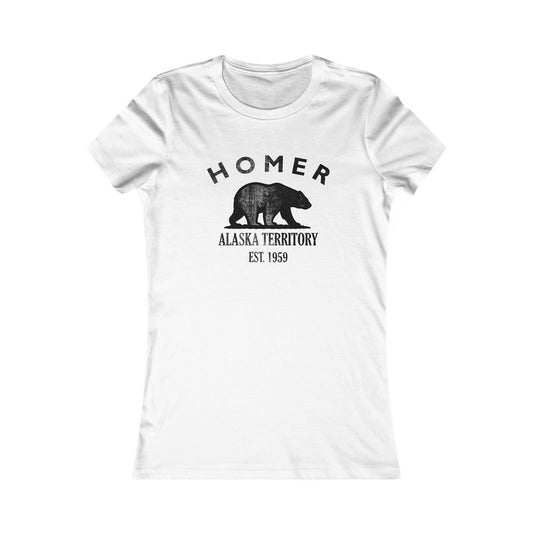
Homer Alaska Vintage Retro Womens Fitted Ringspun Cotton Tee - Black Logo
Regular price $28.00 USDRegular price -
Homer Alaska Vintage Retro Vinyl Sticker - Black Logo
Regular price From $6.00 USDRegular price -
Homer Alaska Vintage Retro Ceramic Mug - Black Logo
Regular price From $16.00 USDRegular price -
Homer Alaska Vintage Retro Thank You Card Set - Black Logo
Regular price From $25.00 USDRegular price -
Homer Alaska Vintage Retro Cotton Jersey Baby Bodysuit - Black Logo
Regular price $26.00 USDRegular price -
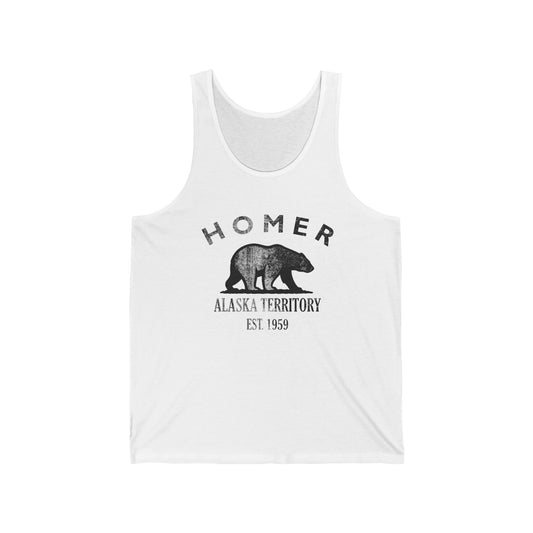
Homer Alaska Vintage Retro Unisex Cotton Jersey Tank Top - White Logo
Regular price $28.00 USDRegular price -
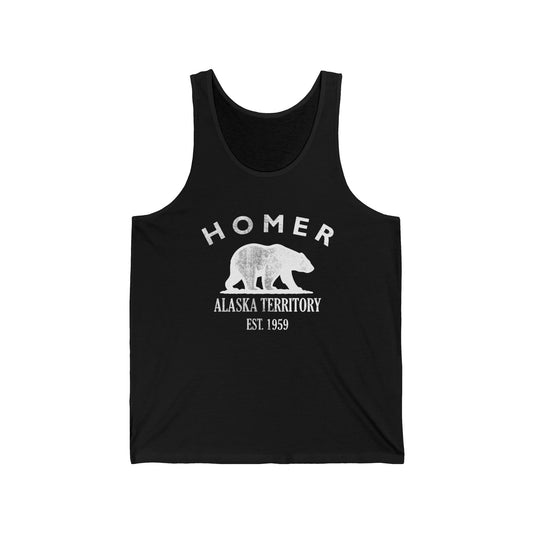
Homer Alaska Vintage Retro Unisex Cotton Jersey Tank Top - Black Logo
Regular price $28.00 USDRegular price -
Homer Alaska Vintage Retro Back Printed Art Series Cotton Tee - Black Logo
Regular price $32.00 USDRegular price -
Homer Alaska Vintage Retro Giclée Print Art Series Poster
Regular price From $38.00 USDRegular price -
Homer Alaska Vintage Retro Unisex Heavy Crewneck Sweatshirt - Black Logo
Regular price $44.00 USDRegular price -
Homer Alaska Vintage Retro Unisex Heavy Crewneck Sweatshirt - White Logo
Regular price $44.00 USDRegular price -
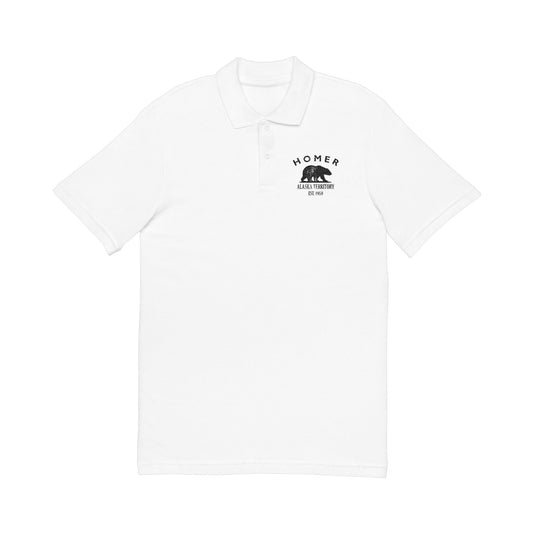
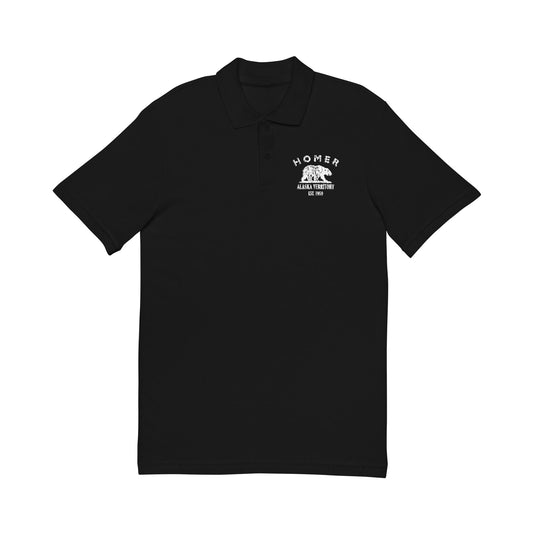
Homer Alaska Vintage Retro Unisex Embroidered Cotton Polo - Black Logo
Regular price $48.00 USDRegular price






Homer Alaska — Retro Vintage History
What's with the Spit? Out of the foot of town, a long, low finger of gravel runs four and a half miles straight into Kachemak Bay — the Homer Spit, the longest road into open water in the country and the single thing everyone remembers about Homer. The harbor, the fishing fleet, the boardwalks, the seafood shacks, and the charter docks all crowd onto that narrow bar, with the bay on both sides and the glaciered Kenai Mountains standing across the water. It is improbable and unforgettable, and it is where Homer does most of its living. Everything else about the town flows out from the Spit.
Wear the HistoryLong before any road reached the bay, Kachemak Bay was home to the Sugpiaq (Alutiiq) and Dena'ina peoples, who fished its rich waters and lived along its shores for generations. The bay's name itself comes down from that long history, and its abundance — salmon, halibut, shellfish, and seabirds — is the same abundance that would later give Homer its living. An honest account of the town begins with the people who read these waters first. Archaeologists even named an entire ancient culture — the Kachemak tradition — for the bay, a measure of how deep the human story here runs.
The town's odd name comes from a boom that went bust. In the 1890s a gold-rush promoter named Homer Pennock landed on the spit with grand plans for coal mining, built a settlement, and left his first name on the place when the venture collapsed. The coal never paid, but the fish did. Through the early twentieth century Homer grew slowly as a fishing and homesteading outpost at the end of the trail, a hardscrabble frontier town on a spectacular bay, far from anywhere and content to be. The road only reached Homer in 1950, when the Sterling Highway finally tied the town to the rest of the Kenai Peninsula and the world beyond.

Fishing made Homer, and it still does. The town calls itself the Halibut Fishing Capital of the World, and the boast is earned: the charter fleet and the commercial boats working Kachemak Bay and lower Cook Inlet land some of the largest halibut anywhere, and the harbor on the Spit fills each summer with the business of catching, weighing, and shipping fish. Salmon, crab, and the rest round out a working waterfront that has outlasted every other scheme the town ever tried — coal included.
Homer was reshaped, literally, by the sea floor. The 1964 Great Alaska Earthquake — the most powerful ever recorded in North America — dropped the Homer Spit several feet, flooding parts of it and forcing the town to rebuild the harbor and the road that run its length today. As with so much of Alaska, the response was practical and stubborn: Homer rebuilt the Spit better, and went back to fishing. The shape of the modern town owes as much to that rebuilding as to anything Pennock ever planned.
For all its frontier toughness, Homer is also an arts town. Over the second half of the twentieth century the place drew painters, potters, writers, and musicians, and today its galleries, the Bunnell Street Arts Center, and a lively creative community sit alongside the fishing docks. Add the Pratt Museum and the Alaska Islands and Ocean Visitor Center — gateway to the great Maritime National Wildlife Refuge — and Homer becomes that rare thing: a working fishing port that is also a genuine cultural outpost at the end of the road.
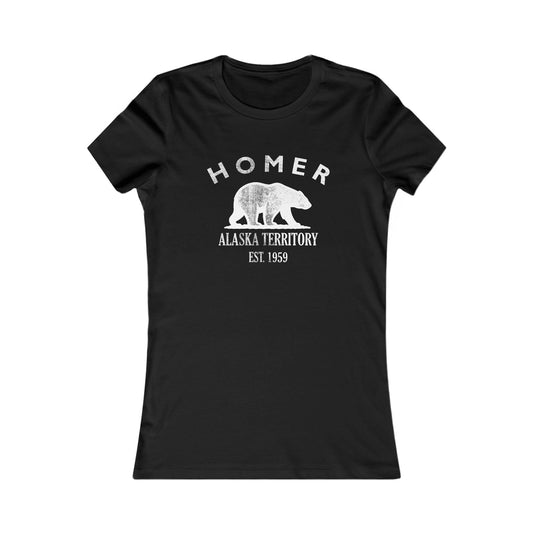
Our Homer logo carries Alaska's bear over "Alaska Territory · Est. 1959," the year Alaska became the forty-ninth state — the shared emblem of every Merlin Classics Alaska place. Printed in a distressed black-and-white that reads like an old outfitter's stamp, the bear is the Last Frontier in shorthand: rugged, wild, and at home in the cold. The bear is the through-line that ties Homer to every other Alaska town we make. What makes this one Homer is everything around it — the Spit, the halibut, and Kachemak Bay.
Today Homer is the end of the road and the start of the bay — a fishing town, an arts colony, and a jumping-off point for Kachemak Bay, all gathered onto and around its improbable Spit. Its story runs from a Sugpiaq and Dena'ina homeland through a failed coal venture to the Halibut Capital of the World it became. Our Homer designs gather that identity into wearable form — the bear-and-1959 emblem, the Spit, and the bay. Homer, Alaska: where the road ends and the water begins.

Homer, Alaska — Travel Guide
Visiting Homer Today
Homer sits at the end of the Sterling Highway on the southwest shore of the Kenai Peninsula, looking across Kachemak Bay to glaciered mountains. It is a relaxed, walkable town of harbor, galleries, and beaches, with the Spit running out into the bay and water excursions, fishing charters, and state-park wilderness all within easy reach — a genuine end-of-the-road base.
The Spit, Kachemak Bay & Homer's Galleries
For visitors looking for things to do in Homer, Alaska:
- Drive the Homer Spit out to the harbor for boardwalks, seafood, and bay views in every direction.
- Visit the Alaska Islands and Ocean Visitor Center for the Maritime National Wildlife Refuge and Kachemak Bay sea life.
- Tour the Pratt Museum for the natural and cultural history of the bay communities.
- Walk Bishop's Beach and Old Town for tidal flats, trailheads, and shoreline views.
- Browse the galleries and the Bunnell Street Arts Center in Homer's creative district.
- Take a water taxi across to Kachemak Bay State Park, Halibut Cove, or Seldovia.
Why People Visit Homer
Homer offers Alaska at its most scenic and approachable — a working fishing port and arts town on one of the most beautiful bays in the state. Visitors come for the halibut charters, the Spit, and the wildlife and water excursions, and stay for the galleries, beaches, and unhurried end-of-the-road feel. From the harbor docks to the mountains across the bay, it rewards a slow few days. It is wild, creative, and welcoming in every season on Kachemak Bay.
Wear the History

For deeper reading on the Homer history described here — the Sugpiaq (Alutiiq) and Dena'ina heritage of Kachemak Bay, the 1890s Homer Pennock coal venture and the naming of the town, the rise of the halibut and salmon fisheries, the 1964 earthquake and the rebuilding of the Spit, and the growth of Homer's arts colony — it may be useful to consult (1) the Pratt Museum and the Homer Historical Society, (2) the Alaska State Library, Archives and Museum and the Alaska Historical Society, (3) the Kenai Peninsula Borough records and the City of Homer, (4) the Alaska Islands and Ocean Visitor Center and the Alaska Maritime National Wildlife Refuge, and (5) the Alaska Office of History and Archaeology. For travel and visitor information, it may be useful to contact (1) the Homer Chamber of Commerce and Visitor Center, (2) the Kenai Peninsula Tourism Marketing Council, (3) Alaska State Parks for Kachemak Bay State Park, (4) the City of Homer Port and Harbor, and (5) the National Weather Service for Cook Inlet and Kachemak Bay marine advisories.
- Choosing a selection results in a full page refresh.
- Opens in a new window.