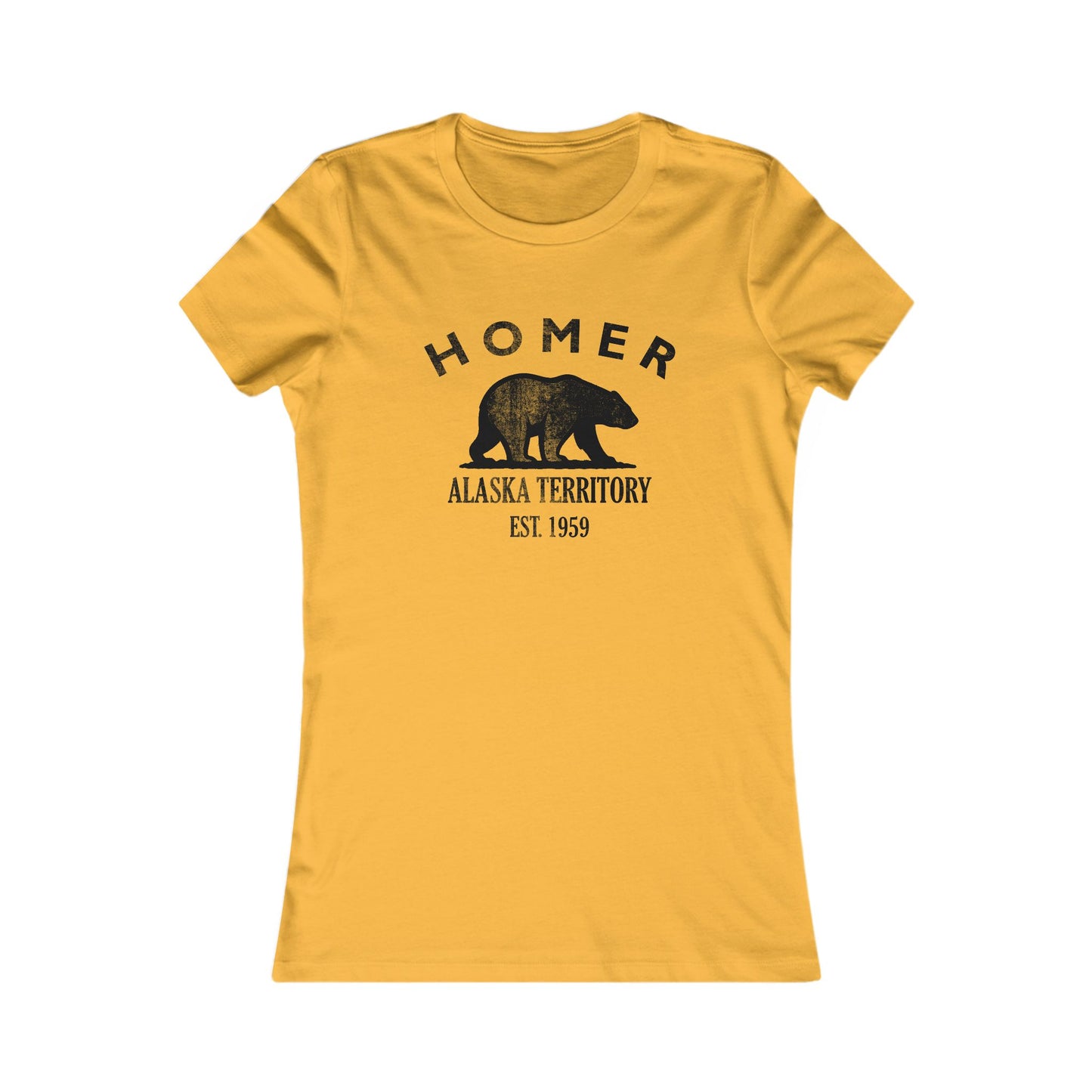
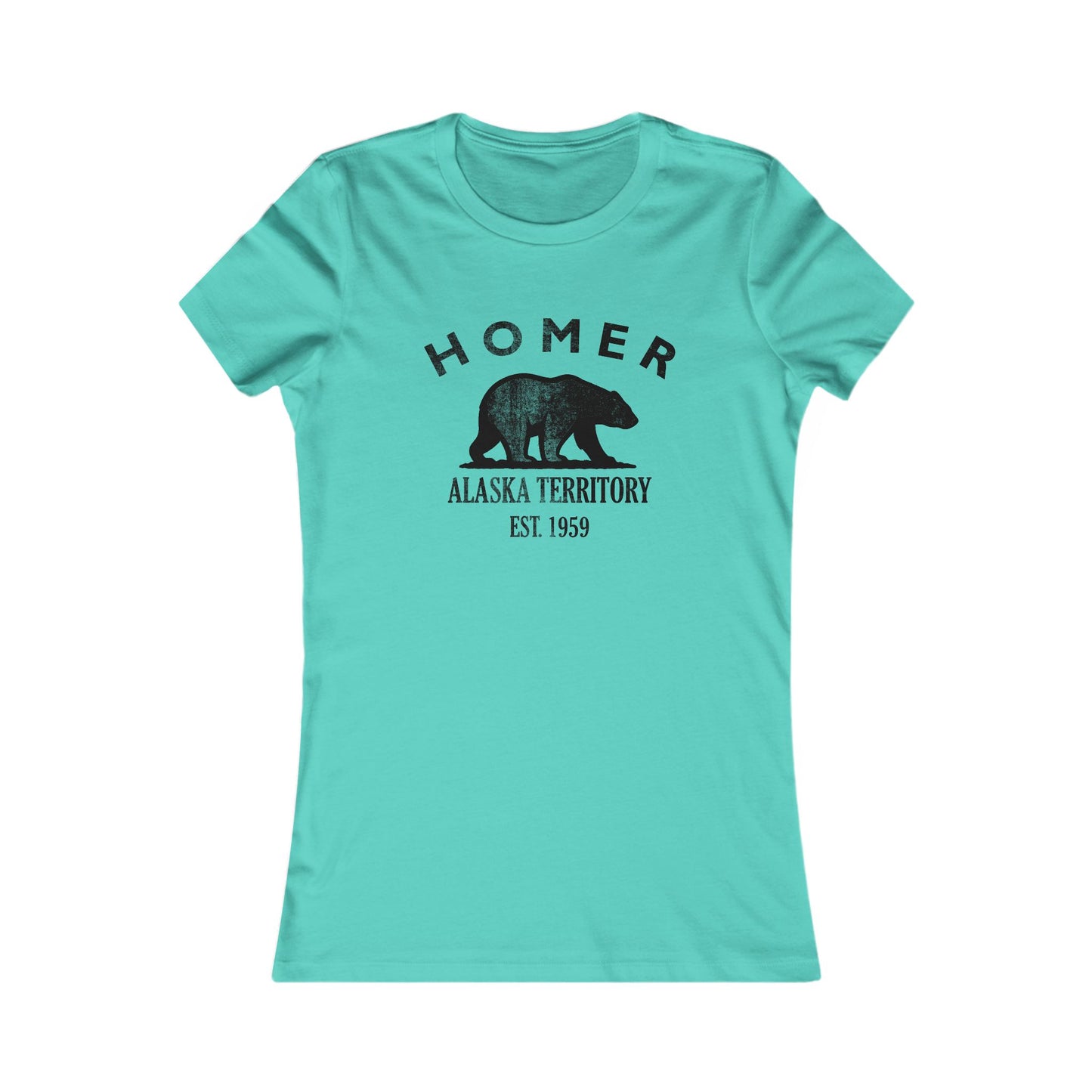
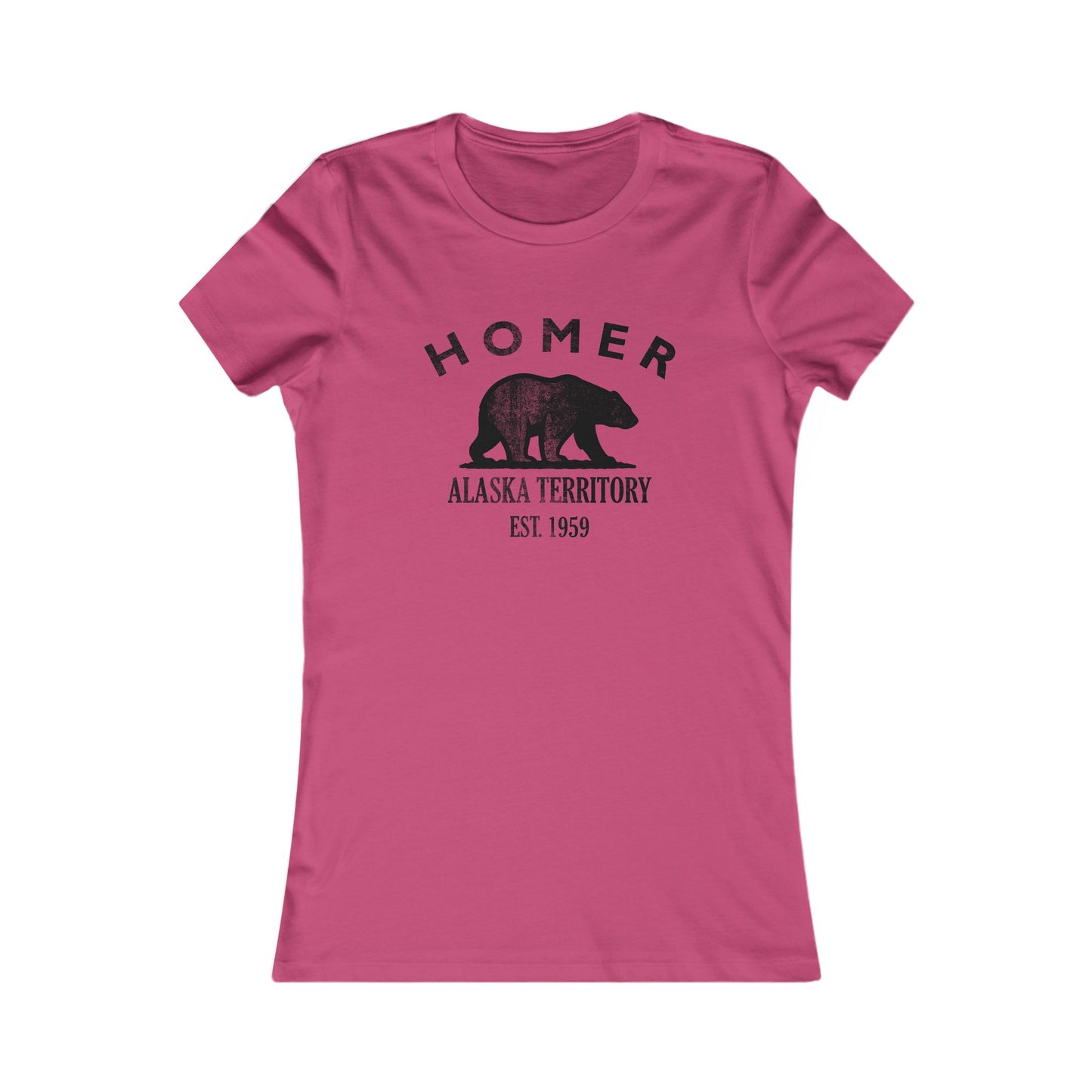
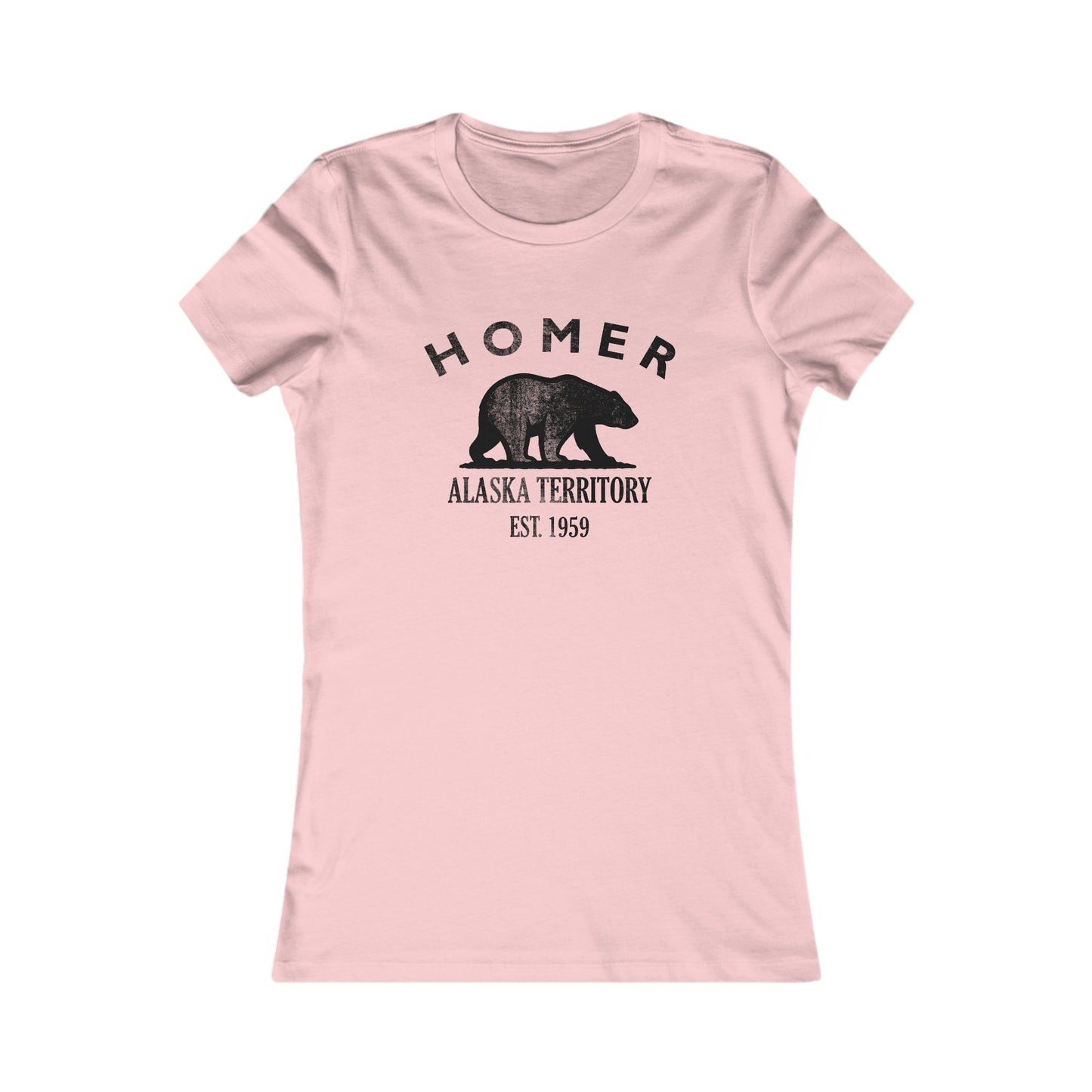
Homer was reshaped, literally, by the sea floor. The 1964 Great Alaska Earthquake — the most powerful ever recorded in North America — dropped the Homer Spit several feet, flooding parts of it and forcing the town to rebuild the harbor and the road that run its length today. As with so much of Alaska, the response was practical and stubborn: Homer rebuilt the Spit better, and went back to fishing. The shape of the modern town owes as much to that rebuilding as to anything Pennock ever planned.
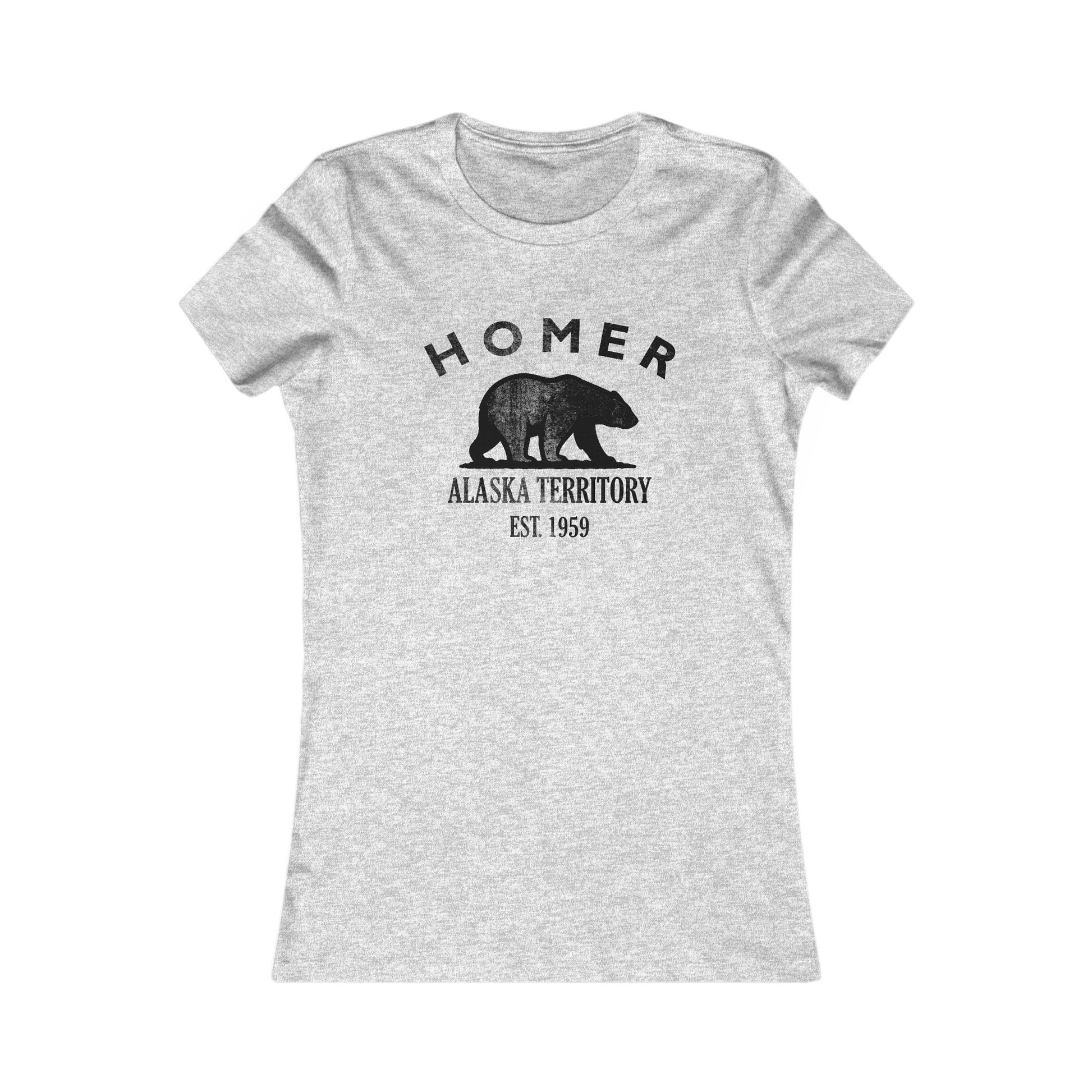
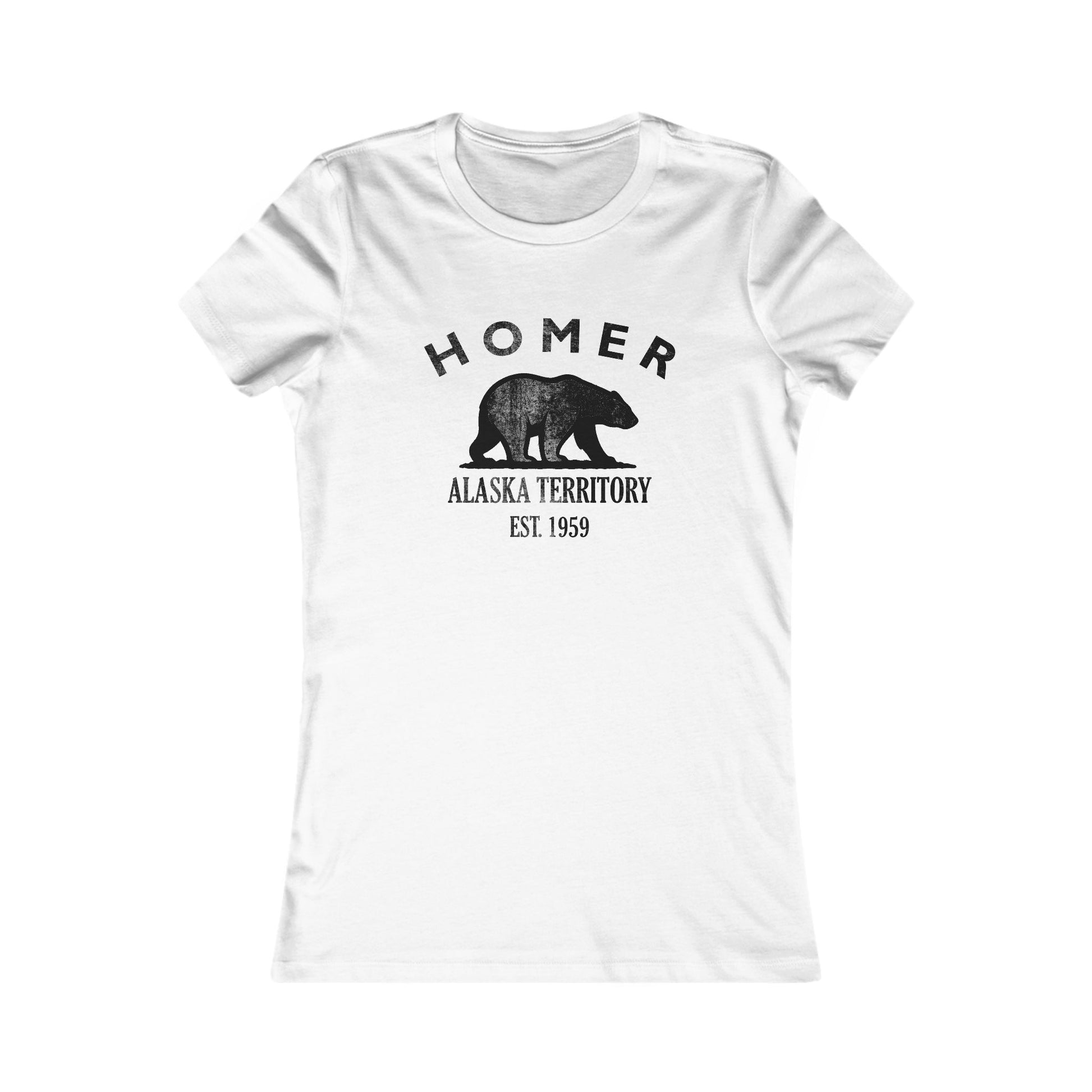
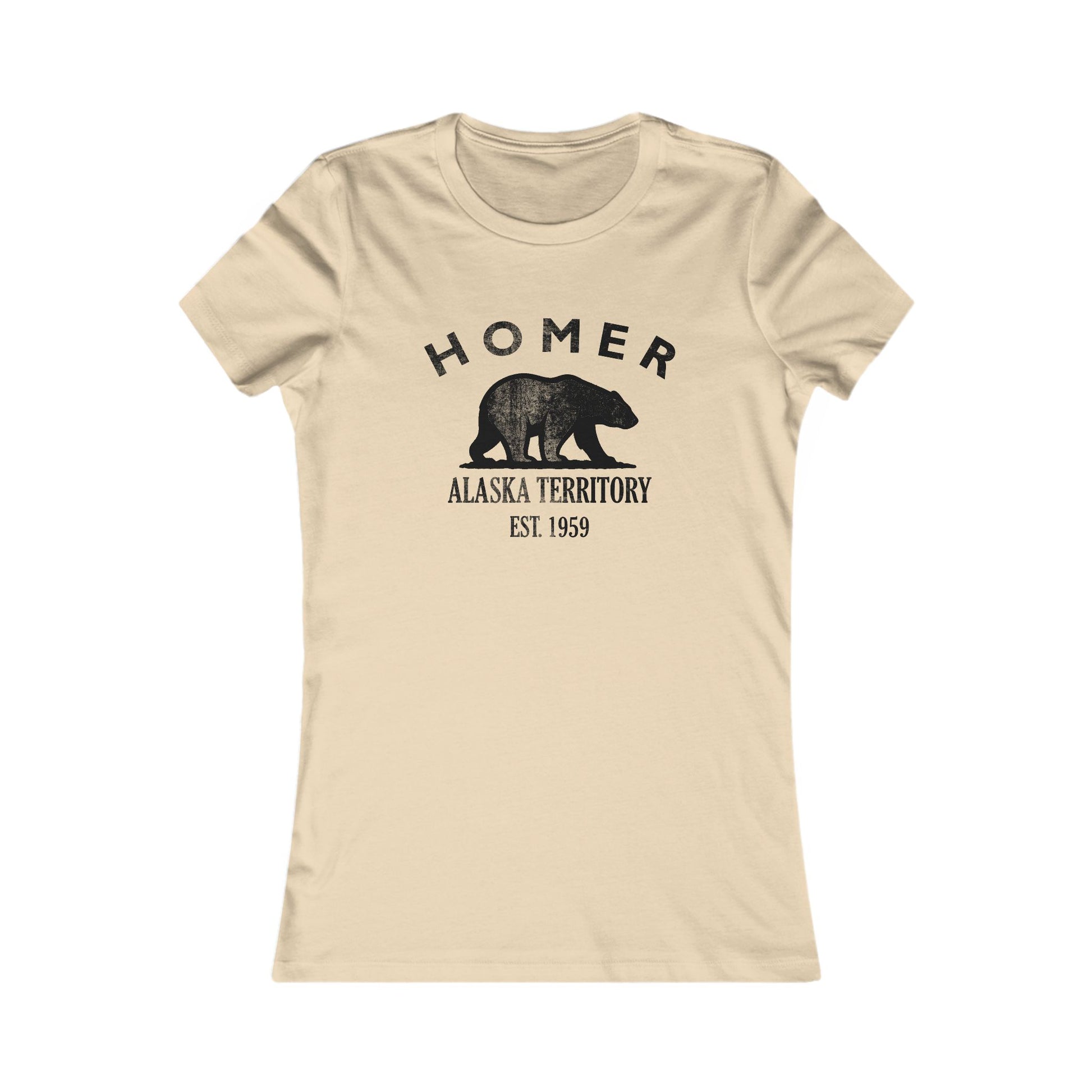
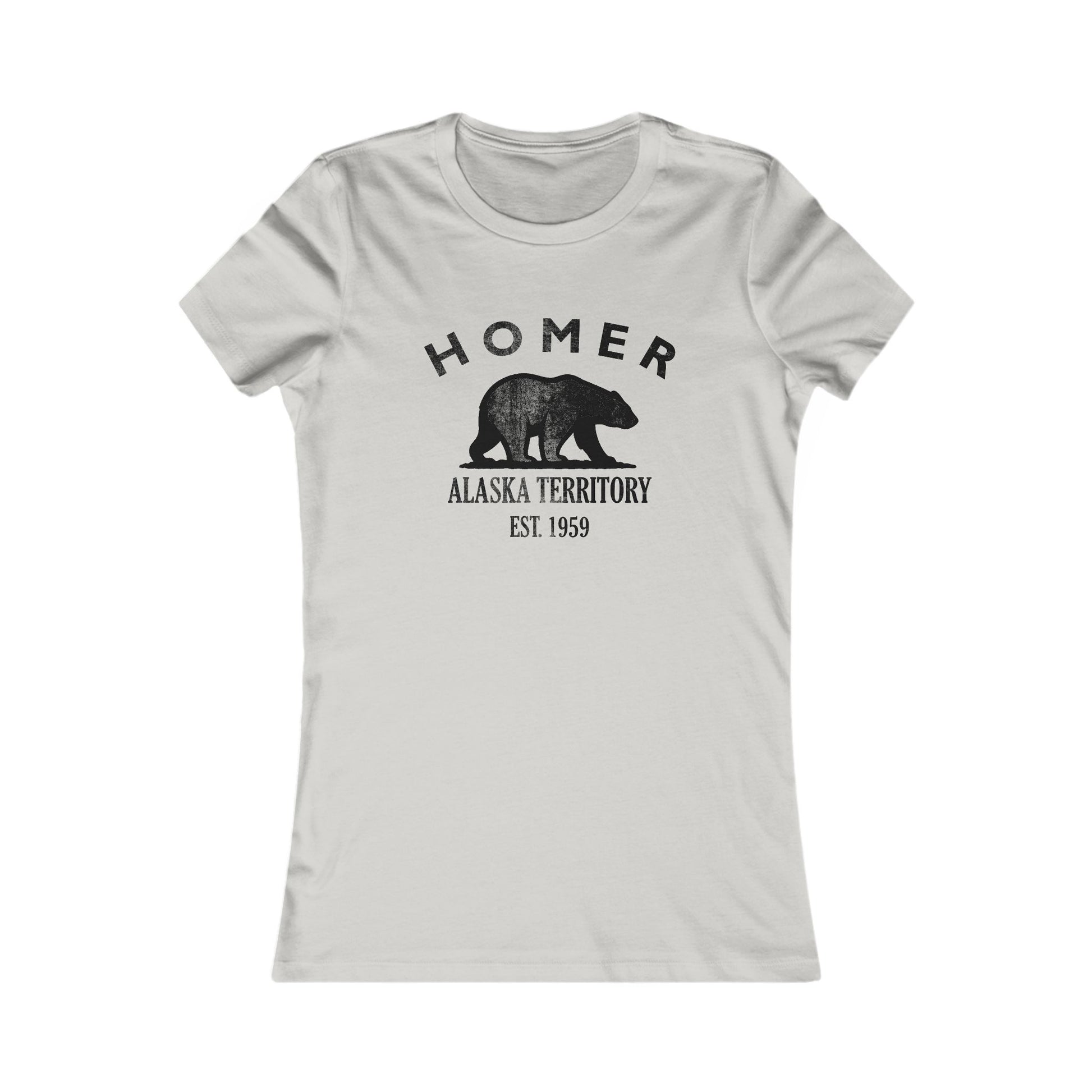
Today Homer is the end of the road and the start of the bay — a fishing town, an arts colony, and a jumping-off point for Kachemak Bay, all gathered onto and around its improbable Spit. Its story runs from a Sugpiaq and Dena'ina homeland through a failed coal venture to the Halibut Capital of the World it became. Our Homer designs gather that identity into wearable form — the bear-and-1959 emblem, the Spit, and the bay. Homer, Alaska: where the road ends and the water begins.
Why People Visit Homer
Homer offers Alaska at its most scenic and approachable — a working fishing port and arts town on one of the most beautiful bays in the state. Visitors come for the halibut charters, the Spit, and the wildlife and water excursions, and stay for the galleries, beaches, and unhurried end-of-the-road feel. From the harbor docks to the mountains across the bay, it rewards a slow few days. It is wild, creative, and welcoming in every season on Kachemak Bay.
