-
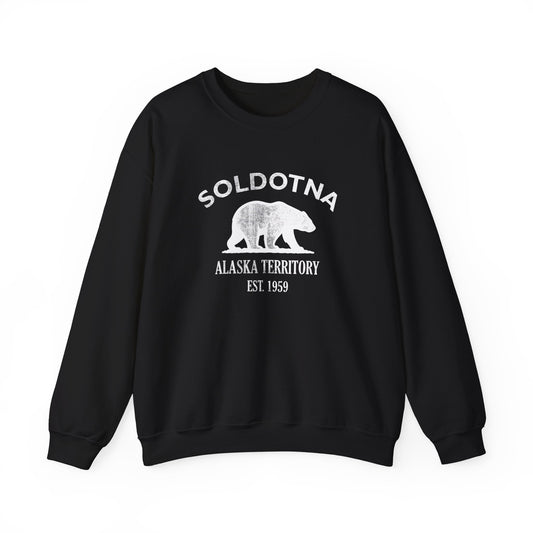
Soldotna Alaska Vintage Retro Premium Crewneck Sweatshirt - Black Logo
Regular price $48.00 USDRegular price -
Soldotna Alaska Vintage Retro Premium Crewneck Sweatshirt - White Logo
Regular price $48.00 USDRegular price -
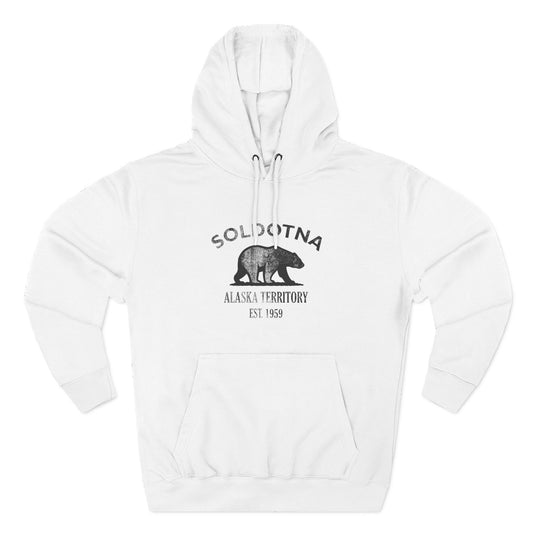
Soldotna Alaska Vintage Retro Unisex Heavy Cotton Hoodie - White Logo
Regular price $56.00 USDRegular price -
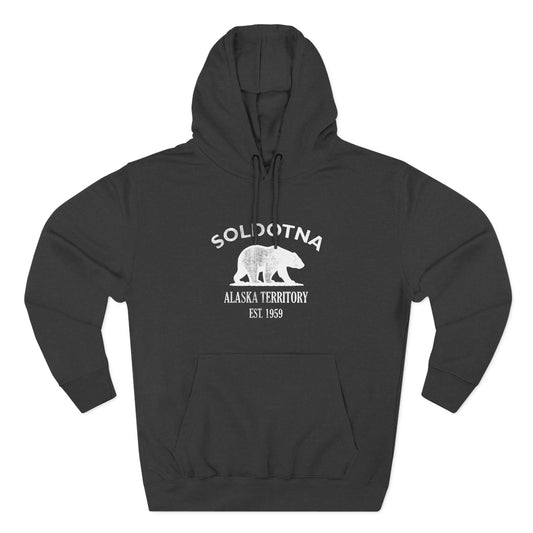
Soldotna Alaska Vintage Retro Unisex Heavy Cotton Hoodie - Black Logo
Regular price $56.00 USDRegular price -
Soldotna Alaska Vintage Retro Giclée Print Art Series Poster
Regular price From $38.00 USDRegular price -
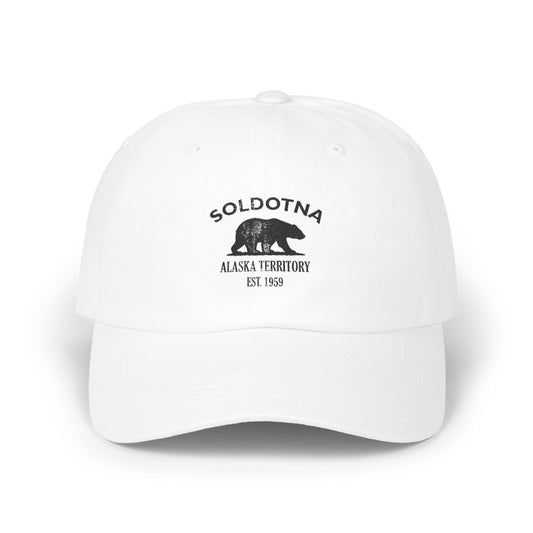
Soldotna Alaska Vintage Retro Embroidered Cotton Cap - Black Logo
Regular price $32.00 USDRegular price -
Soldotna Alaska Vintage Retro Embroidered Cotton Cap - White Logo
Regular price $32.00 USDRegular price -
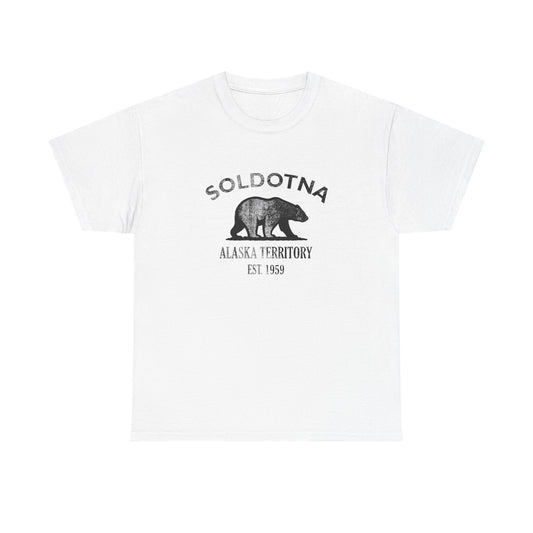
Soldotna Alaska Vintage Retro Unisex Heavy Cotton Tee - Black Logo
Regular price $22.00 USDRegular price -
Soldotna Alaska Vintage Retro Unisex Heavy Cotton Tee - White Logo
Regular price $22.00 USDRegular price -
Soldotna Alaska Vintage Retro Back Printed Art Series Cotton Tee - Black Logo
Regular price $32.00 USDRegular price -
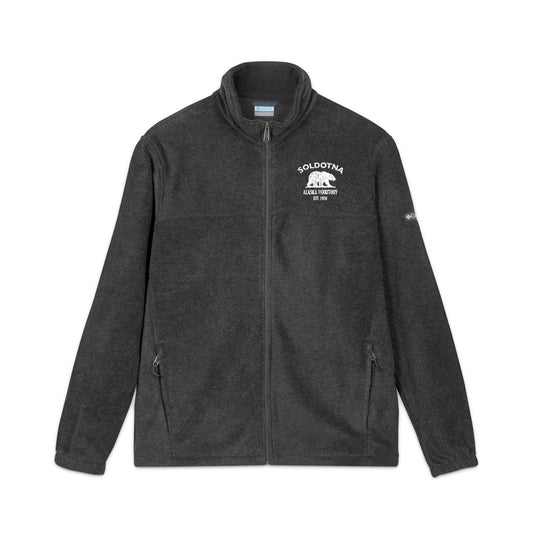
Soldotna Alaska Vintage Retro Unisex Embroidered Fleece Jacket - White Logo
Regular price $98.00 USDRegular price -
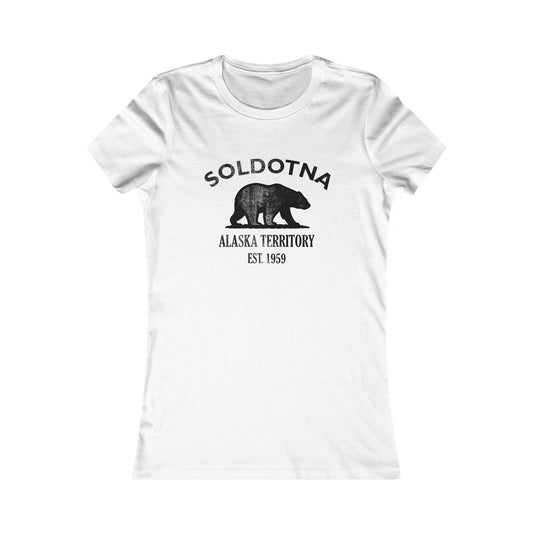
Soldotna Alaska Vintage Retro Womens Fitted Ringspun Cotton Tee - Black Logo
Regular price $28.00 USDRegular price -
-
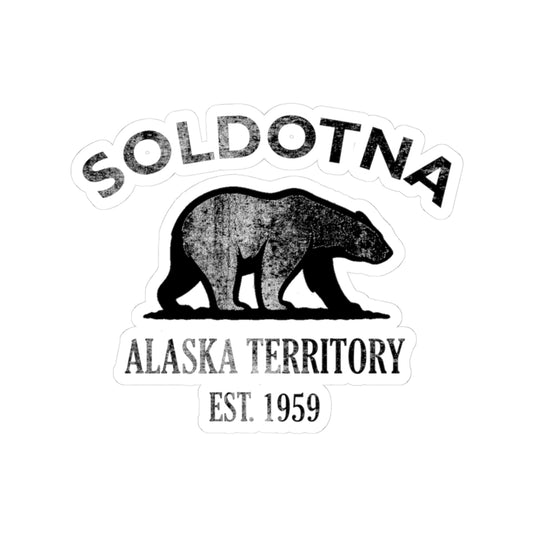
Soldotna Alaska Vintage Retro Vinyl Sticker - Black Logo
Regular price From $6.00 USDRegular price -
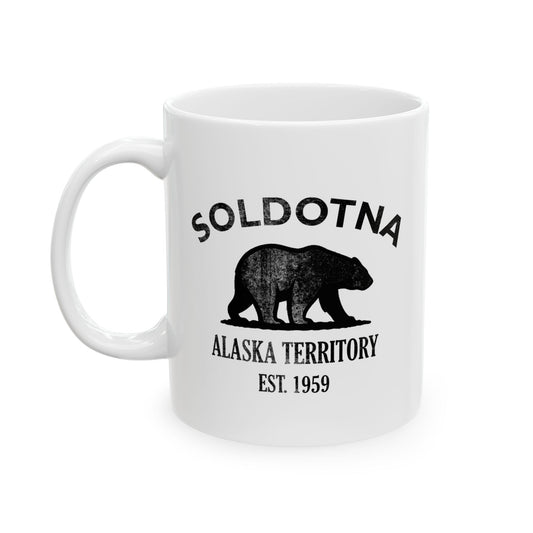
Soldotna Alaska Vintage Retro Ceramic Mug - Black Logo
Regular price From $16.00 USDRegular price -
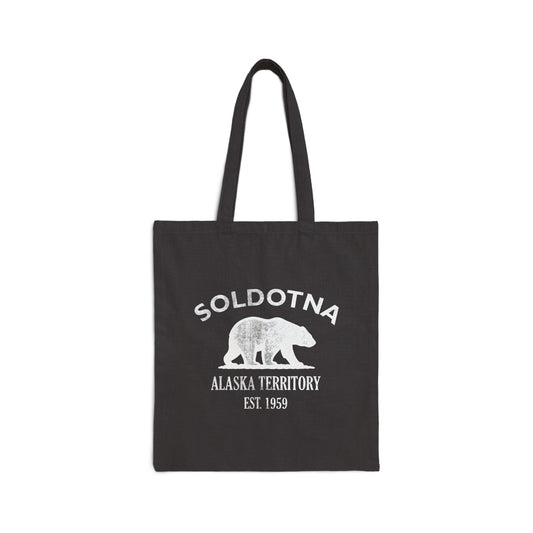
Soldotna Alaska Vintage Retro Cotton Canvas Tote Bag - White Logo
Regular price $25.00 USDRegular price -
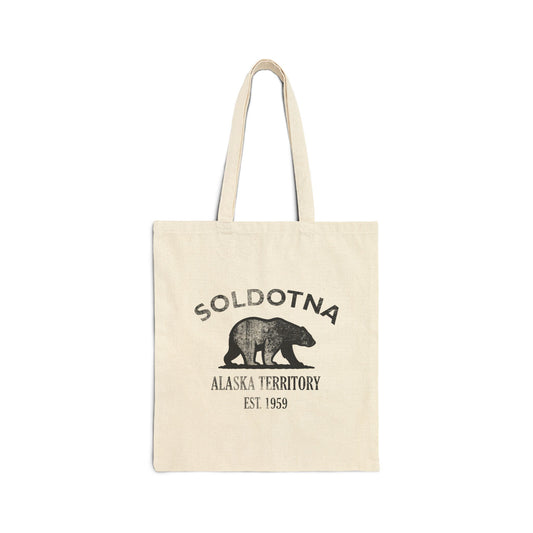
Soldotna Alaska Vintage Retro Cotton Canvas Tote Bag - Black Logo
Regular price $25.00 USDRegular price -
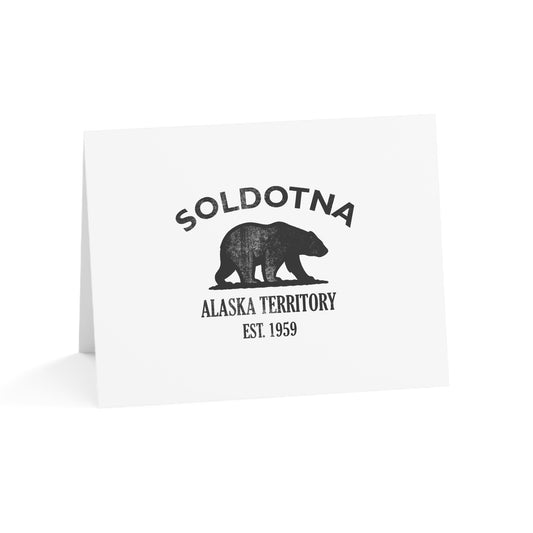
Soldotna Alaska Vintage Retro Thank You Card Set - Black Logo
Regular price From $25.00 USDRegular price -
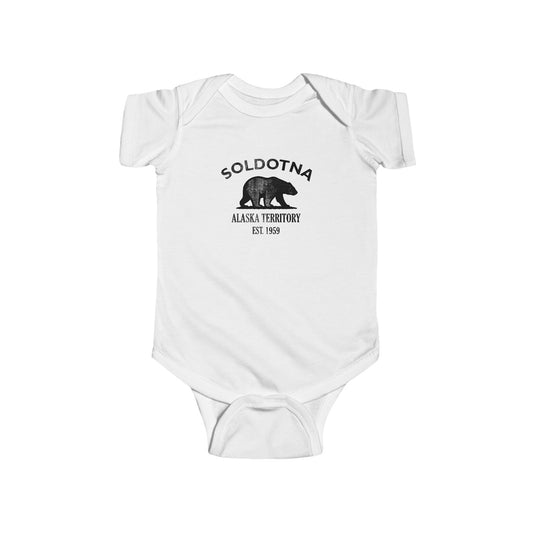
Soldotna Alaska Vintage Retro Cotton Jersey Baby Bodysuit - Black Logo
Regular price $26.00 USDRegular price -
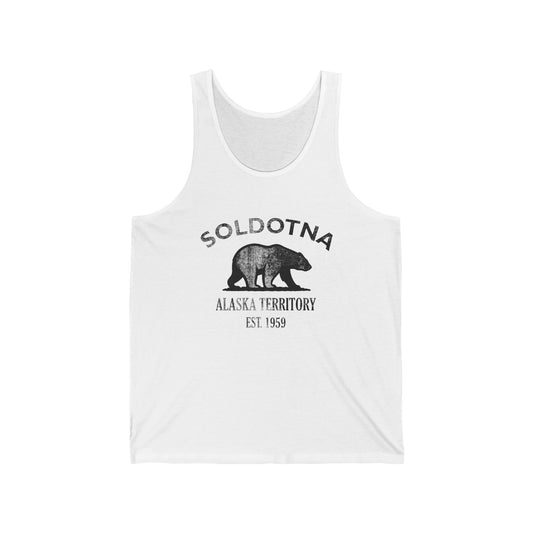
Soldotna Alaska Vintage Retro Unisex Cotton Jersey Tank Top - White Logo
Regular price $28.00 USDRegular price -
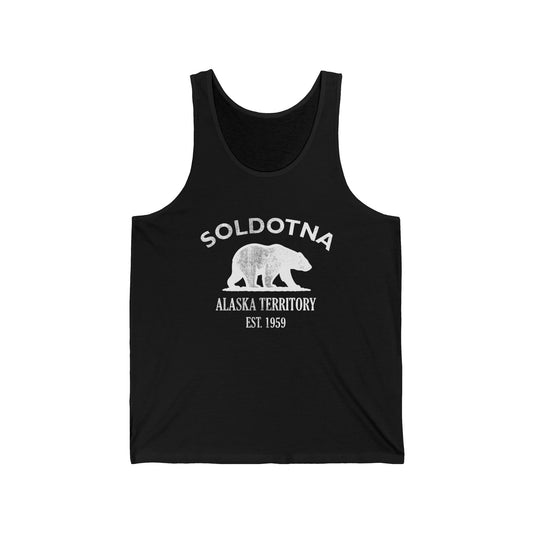
Soldotna Alaska Vintage Retro Unisex Cotton Jersey Tank Top - Black Logo
Regular price $28.00 USDRegular price -
Soldotna Alaska Vintage Retro Unisex Heavy Crewneck Sweatshirt - Black Logo
Regular price $44.00 USDRegular price -
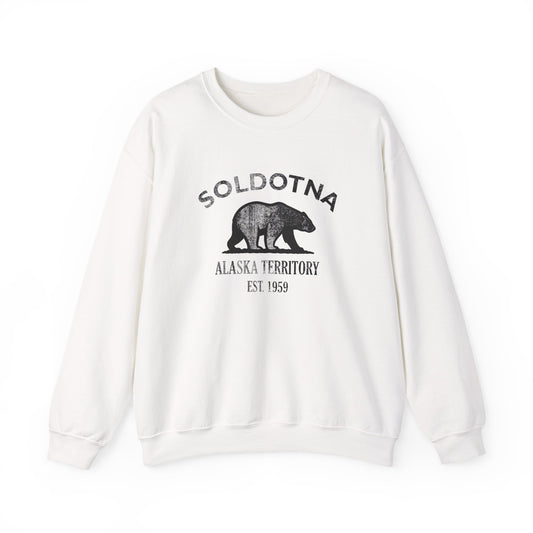
Soldotna Alaska Vintage Retro Unisex Heavy Crewneck Sweatshirt - White Logo
Regular price $44.00 USDRegular price -
Soldotna Alaska Vintage Retro Unisex Embroidered Cotton Polo - Black Logo
Regular price $48.00 USDRegular price






Soldotna Alaska — Retro Vintage History
What's with the Homesteaders? Most Alaska towns were born in a gold rush. Soldotna wasn't. It is one of the youngest towns in the state, settled around 1947 by homesteaders — many of them World War II veterans who claimed land under a returning-veterans' homestead preference — just as the Sterling and Kenai Spur Highways pushed into the central Kenai Peninsula. They cleared boreal forest, raised cabins, and started a town from scratch on the banks of the Kenai River. No boomtown saloons here; just families, axes, and a very long winter. Even the town's name is a puzzle no one has fully solved — Dena'ina, Russian, or something in between, depending on whom you ask.
Wear the HistoryThe pioneers who came — the Mullens, the Hershbergers, and dozens of others — took up homestead claims of up to 160 acres, grew gardens under glass against the short northern season, fished the river for their tables, and slowly turned a clearing at the highway junction into a real community. Soldotna incorporated as a city in 1967, one of the rare Alaska towns whose founding generation lived to see it. Many proved up their claims with little more than a tent, a stove, and a few hard seasons of clearing and building.

And then there is the river that made it: the Kenai. Glacier-fed and an almost unreal turquoise, it runs eighty-two miles from Kenai Lake through the Kenai National Wildlife Refuge to Cook Inlet, and the Lower River — the famous water — begins right at the Soldotna bridge. All five Pacific salmon run it, along with trophy rainbow trout and Dolly Varden. It is the most popular sportfishing river in Alaska. On a clear day the water glows almost neon against the dark spruce, the color of glaciers somewhere far upstream.
Soldotna's claim to fame came out of that water. On May 17, 1985, an angler named Les Anderson — then the owner of Soldotna's Ford dealership — hooked a king salmon at Pillars Drift and fought it up and down the river for the better part of an hour. Weighed late that afternoon, it went 97 pounds 4 ounces: the world-record king salmon, a record that still stands more than forty years later. The mounted fish is displayed at the Soldotna Visitor Center, and anglers have come from everywhere since. Anderson hadn't even realized what he had until the official scales at Echo Lake Lockers settled it that afternoon.
The town built its life around those runs — drift boats, fish camps, guides, and processors line the river through the season. The kings are the legend, but the sockeye and silver runs feed the town too. In recent years the king runs have been carefully managed, with closures in the leanest seasons; the Kenai is a river that asks to be respected and protected, not just fished, and Soldotna has learned to hold both the record and the responsibility.
Soldotna grew into the seat of the Kenai Peninsula Borough and the headquarters of the 1.92-million-acre Kenai National Wildlife Refuge — 'Alaska in miniature,' with moose, bear, lynx, and trumpeter swans at the town's very edge. Long before any of it, the Dena'ina people of the Kenaitze lived along this river and its salmon, a presence on the Kenai that runs far deeper than the homestead century that followed, and one the Kenaitze Indian Tribe carries forward on the central Peninsula today.
For such a young town, Soldotna takes good care of its history. The Soldotna Homestead Museum, in Centennial Park, gathers original pioneer cabins, the last Alaskan Territorial Schoolhouse, and a replica of the 1867 check that bought Alaska. The town's First Post Office is on the National Register of Historic Places, and the famous 'Plane on a Pole' still marks the highway. A short history, kept sharp.
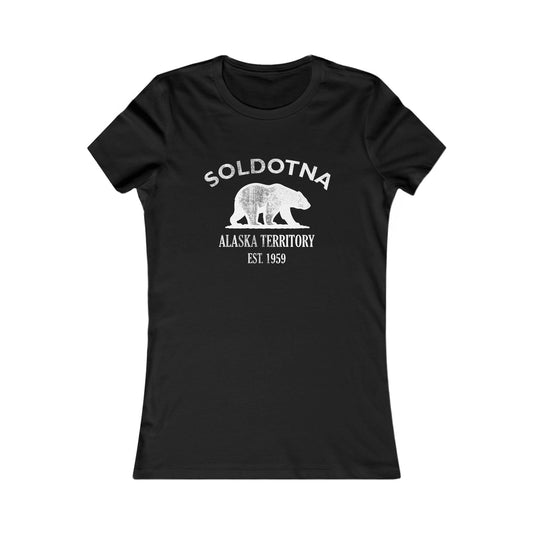
Our Soldotna logo carries the Alaska bear above ‘Alaska Territory — Est. 1959,’ the shared retro emblem of our Alaska towns; the bear stands for the wild country pressing right up to the edge of town, and 1959 marks the year Alaska became a state. Rendered distressed in black-and-white, like a crate stamp or an outfitter's brand, it ties Soldotna to every other Alaska town we make. What makes this one Soldotna is the town behind the brand — the homesteaders, the Kenai River, and the world-record king.
So Soldotna gathers a homestead town, the turquoise Kenai, and the world-record king salmon onto the central Kenai Peninsula. Our Soldotna designs gather that into wearable form. Wear the history. World-record water — Soldotna, on the Kenai River.

Soldotna, Alaska — Travel Guide
Visiting Soldotna Today
Soldotna sits on the Kenai River at the junction of the Sterling and Kenai Spur Highways, the central hub of the Kenai Peninsula. The world-record king salmon, riverfront parks, the wildlife refuge headquarters, and a homestead-era museum are all within a few minutes of one another.
The Kenai River, the Refuge & the Homestead Story
For visitors looking for things to do in Soldotna, Alaska:
- See the world-record king salmon mount at the Soldotna Visitor Center.
- Walk Soldotna Creek Park on the Kenai, home to the Wednesday Market and Music in the Park.
- Visit the Kenai National Wildlife Refuge Visitor Center and the Headquarters Lake trails.
- Tour the Soldotna Homestead Museum and the last Alaskan Territorial Schoolhouse in Centennial Park.
- Fish or float the Kenai River for king, sockeye, and silver salmon, in season and by the rules.
- Hike or ski the Tsalteshi Trails through the boreal forest.
- Camp along the river at Centennial Park or Swiftwater Park.
- Spot the 'Plane on a Pole' at the highway junction.
Why People Visit Soldotna
Visitors come to Soldotna for the Kenai River and stay for everything around it — the salmon runs, the wildlife refuge, the homestead history, and an easy, river-centered pace. It is the natural base for the whole central Peninsula, with drift boats and fish camps along the water in summer and the northern lights overhead in winter. Active, welcoming, and built around its river, Soldotna rewards anyone drawn to the great Alaska outdoors in any season.
Wear the History
Kindred Cities
Greetings to visitors from Tromsø, Norway (velkommen) and Rovaniemi, Finland (tervetuloa) — kindred towns of the far north.
Soldotna lives by its river and the seasons, and Tromsø and Rovaniemi keep the same northern rhythm. Tromsø glows under the aurora deep inside Arctic Norway, a lively town ringed by fjords; Rovaniemi sits on the Arctic Circle in Finnish Lapland, the official home of Santa Claus; Soldotna anchors the Kenai Peninsula on the banks of the Kenai River, where anglers come from everywhere for its legendary king salmon. Three northern towns where the wild and the seasons set the pace.
Soldotna is made for anyone drawn to the great outdoors: world-record king salmon on the Kenai River, drift boats and fish camps along the water, the northern lights overhead in winter, and easy reach to the whole Kenai Peninsula. Come and visit us soon.
When you plan the trip, the Soldotna Chamber of Commerce is the place to start.
Wear the History

For deeper reading on the Soldotna history described here — the post-WWII homestead founding and the 1967 incorporation, the Kenai River and its salmon fishery, the 1985 world-record king salmon, the Kenai Peninsula Borough and the Kenai National Wildlife Refuge, and the Dena'ina presence on the Kenai — it may be useful to consult (1) the Soldotna Historical Society and Homestead Museum, (2) the Joyce K. Carver Memorial Library, (3) the Alaska State Library and Historical Collections and the Alaska Historical Commission, (4) the Kenai Peninsula Borough, (5) the Kenai National Wildlife Refuge, and the Kenaitze Indian Tribe. For travel and visitor information, it may be useful to contact (1) the Soldotna Visitor Center, (2) the Soldotna Chamber of Commerce, (3) the Kenai Peninsula Tourism Marketing Council, (4) Soldotna Parks and Recreation, and (5) the Kenai National Wildlife Refuge Visitor Center.
- Choosing a selection results in a full page refresh.
- Opens in a new window.