-
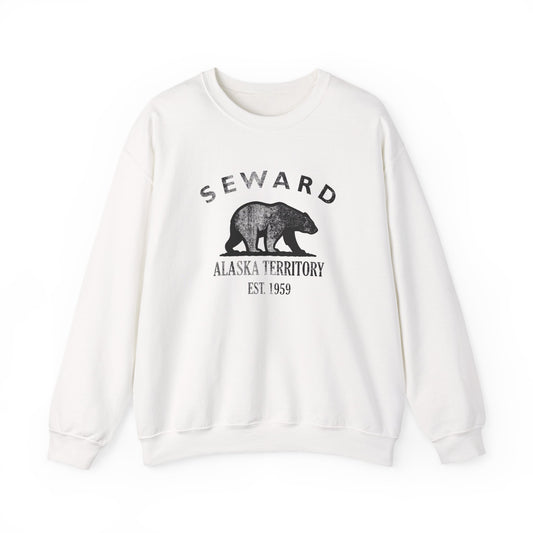
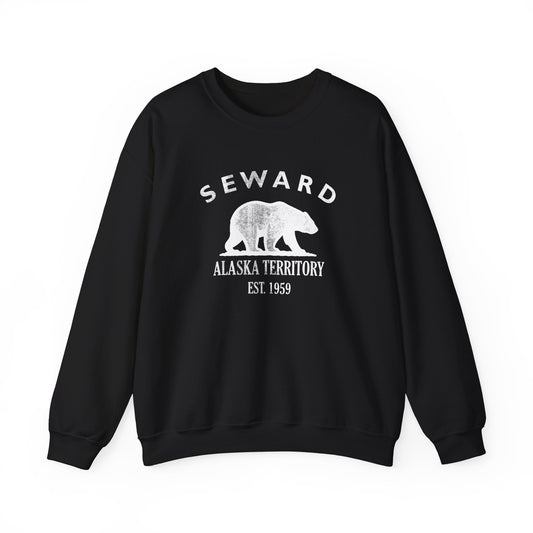
Seward Alaska Vintage Retro Premium Crewneck Sweatshirt - Black Logo
Regular price $48.00 USDRegular price -
Seward Alaska Vintage Retro Premium Crewneck Sweatshirt - White Logo
Regular price $48.00 USDRegular price -
Seward Alaska Vintage Retro Unisex Heavy Cotton Hoodie - White Logo
Regular price $56.00 USDRegular price -
Seward Alaska Vintage Retro Unisex Heavy Cotton Hoodie - Black Logo
Regular price $56.00 USDRegular price -
Seward Alaska Vintage Retro Embroidered Cotton Cap - White Logo
Regular price $32.00 USDRegular price -
Seward Alaska Vintage Retro Embroidered Cotton Cap - Black Logo
Regular price $32.00 USDRegular price -
Seward Alaska Vintage Retro Vinyl Sticker - Black Logo
Regular price From $6.00 USDRegular price -
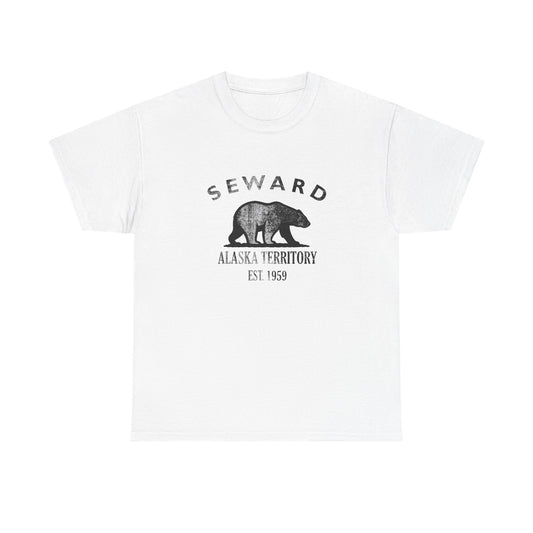
Seward Alaska Vintage Retro Unisex Heavy Cotton Tee - White Logo
Regular price $22.00 USDRegular price -
Seward Alaska Vintage Retro Unisex Heavy Cotton Tee - Black Logo
Regular price $22.00 USDRegular price -
-
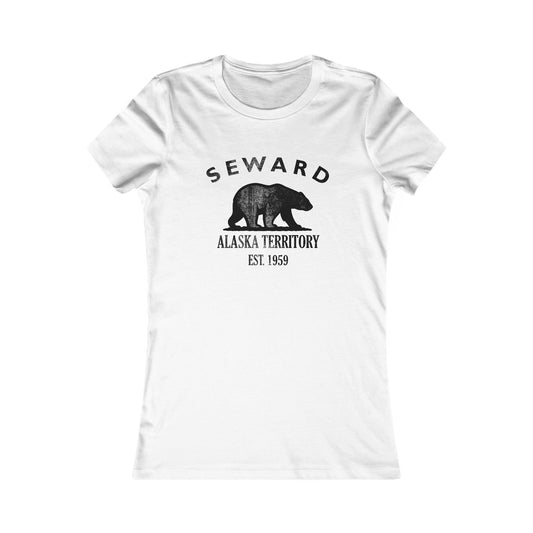
Seward Alaska Vintage Retro Womens Fitted Ringspun Cotton Tee - Black Logo
Regular price $28.00 USDRegular price -
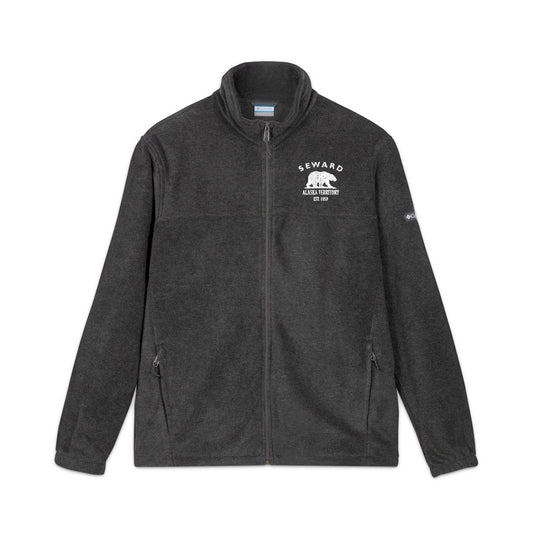
Seward Alaska Vintage Retro Unisex Embroidered Fleece Jacket - White Logo
Regular price $98.00 USDRegular price -
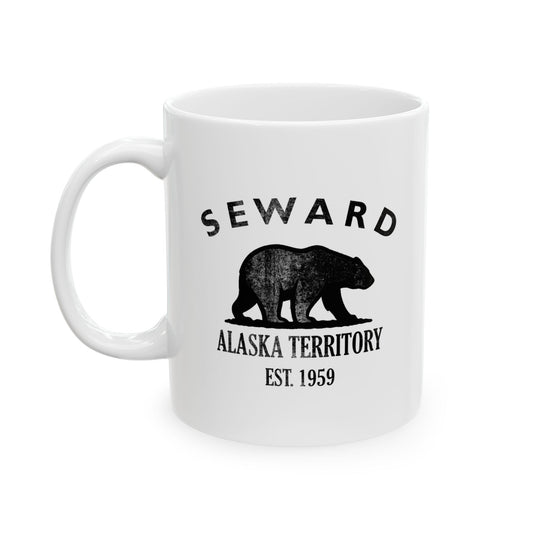
Seward Alaska Vintage Retro Ceramic Mug - Black Logo
Regular price From $16.00 USDRegular price -
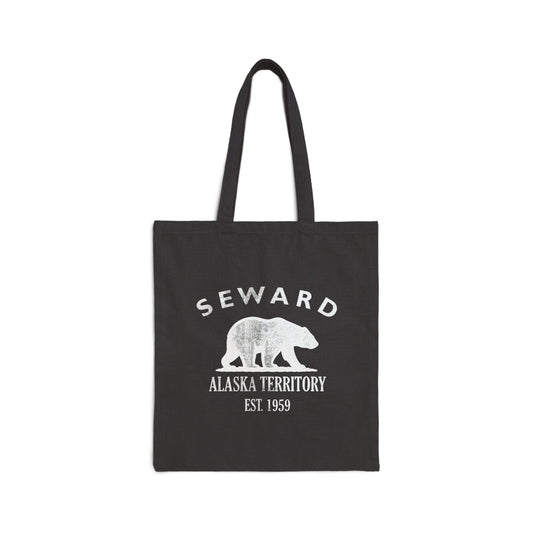
Seward Alaska Vintage Retro Cotton Canvas Tote Bag - White Logo
Regular price $25.00 USDRegular price -
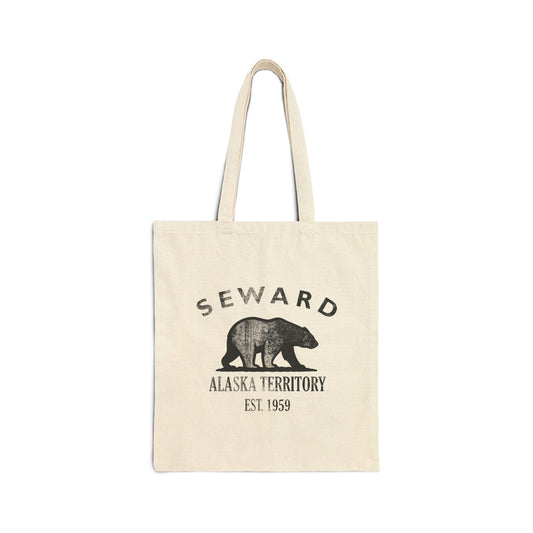
Seward Alaska Vintage Retro Cotton Canvas Tote Bag - Black Logo
Regular price $25.00 USDRegular price -
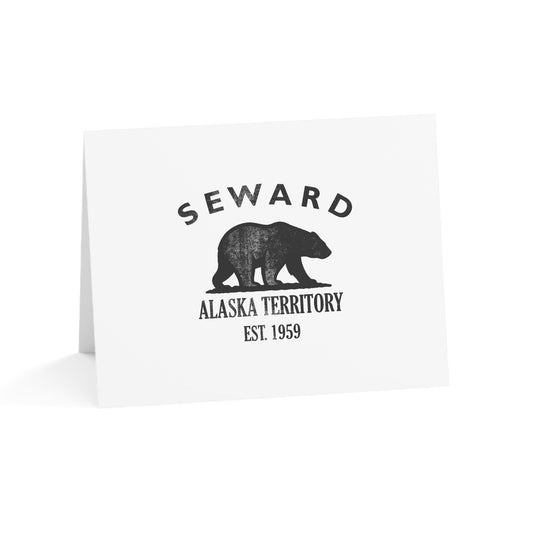
Seward Alaska Vintage Retro Thank You Card Set - Black Logo
Regular price From $25.00 USDRegular price -
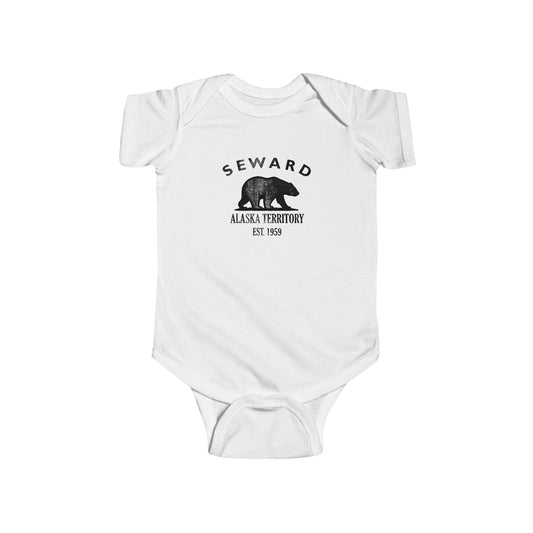
Seward Alaska Vintage Retro Cotton Jersey Baby Bodysuit - Black Logo
Regular price $26.00 USDRegular price -
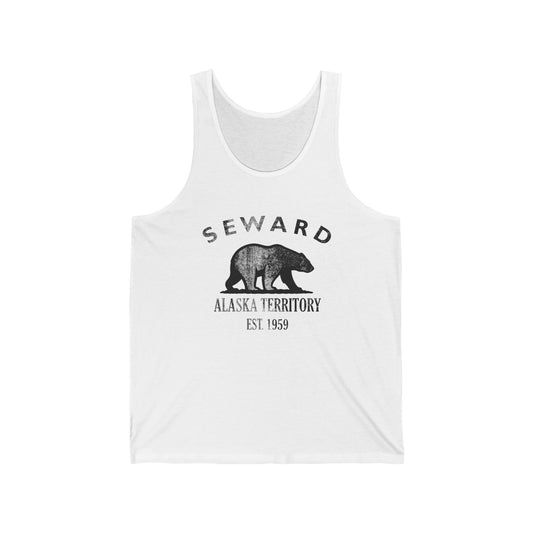
Seward Alaska Vintage Retro Unisex Cotton Jersey Tank Top - White Logo
Regular price $28.00 USDRegular price -
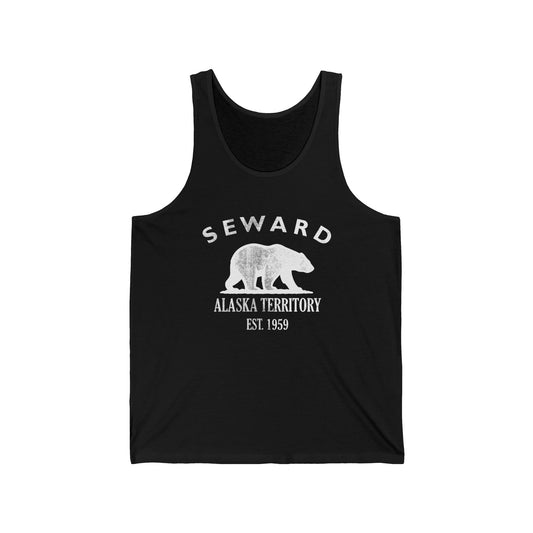
Seward Alaska Vintage Retro Unisex Cotton Jersey Tank Top - Black Logo
Regular price $28.00 USDRegular price -
Seward Alaska Vintage Retro Back Printed Art Series Cotton Tee - Black Logo
Regular price $32.00 USDRegular price -
Seward Alaska Vintage Retro Giclée Print Art Series Poster
Regular price From $38.00 USDRegular price -
Seward Alaska Vintage Retro Unisex Heavy Crewneck Sweatshirt - Black Logo
Regular price $44.00 USDRegular price -
Seward Alaska Vintage Retro Unisex Heavy Crewneck Sweatshirt - White Logo
Regular price $44.00 USDRegular price -
Seward Alaska Vintage Retro Unisex Embroidered Cotton Polo - Black Logo
Regular price $48.00 USDRegular price






Seward Alaska — Retro Vintage History
What's with Resurrection Bay? Seward sits at the very head of it — a long, deep fjord on the Kenai Peninsula where the mountains drop straight into salt water and the harbor never freezes. The Russian navigator Alexander Baranov gave the bay its name in 1792, after sheltering here on the Orthodox Sunday of the Resurrection; he liked the cove so well that he built a shipyard, and in 1793 his men launched the schooner Phoenix, probably the first ship ever built on the northwest coast of North America. Deep, ice-free, and ringed by ice, the bay is the whole reason Seward exists: it is the door Alaska's interior opens through.
Wear the HistoryPeople had lived on that shore for a very long time. The Sugpiaq and Alutiiq made Resurrection Bay home for more than seven thousand years before Frank and Mary Lowell settled here in the early 1880s. The town itself dates to August 28, 1903, when John Ballaine and a party of pioneers landed to build a railroad north into the resource-rich interior. They named it for William H. Seward, the U.S. Secretary of State who had pushed through the 1867 Alaska Purchase — the deal mocked at the time as ‘Seward's Folly.’ The town belongs to the bay; the name it shares with half a dozen far-off places.

The railroad was the point. Seward was laid out as an ocean terminus — a deep-water, ice-free port where ships could meet the rails year-round — and when the line finally reached Fairbanks in 1923, Seward became the Gateway City. For decades nearly every passenger and pound of freight bound for Southcentral and Interior Alaska came ashore here first and rode north. It was the end of the rails and the edge of the wild at the same time.
It was also the start of a famous trail. When gold was struck in the Iditarod country in 1908, Seward became the winter port for the new gold fields, and the Alaska Road Commission surveyed and marked a route from here clear to Nome. Over the Iditarod Trail moved thousands of stampeders and tons of gold, mail, and supplies, hauled by dog team through the snow until the 1920s. Today the Mile 0 marker stands on Seward's waterfront: this is where Alaska's only National Historic Trail begins.
And here is the quiet wonder of the place: the Alaska flag was born in Seward. In 1927 a thirteen-year-old boy named Benny Benson, a resident of the town's Jesse Lee Home, entered a territory-wide design contest with eight gold stars on a field of blue — the Big Dipper for strength, the North Star for Alaska's future. His entry beat 142 others and became, in time, the flag of the state. A memorial in town marks the spot, and few small towns can say they gave a state its flag.
Seward has been tested as hard as any town in Alaska. On Good Friday in 1964, the great earthquake and the tsunami that followed tore through the waterfront, wrecking the harbor and the rail terminal and burning the fuel tanks along the shore; a large share of the town was lost. Seward rebuilt, as it always has, and was named an All-America City three times over. The harbor you see today was raised from that wreckage.
Now the wild coast that built Seward draws the world to it. The town is the gateway to Kenai Fjords National Park — day-boats run out of the harbor past tidewater glaciers, whales, and seabird cliffs, and Exit Glacier and the vast Harding Icefield sit just west of downtown. The Alaska SeaLife Center stands on the waterfront, the brutal Mount Marathon Race charges up the peak behind town every Fourth of July, and the Silver Salmon Derby fills the small-boat harbor each August. A working port became a basecamp for the wild.
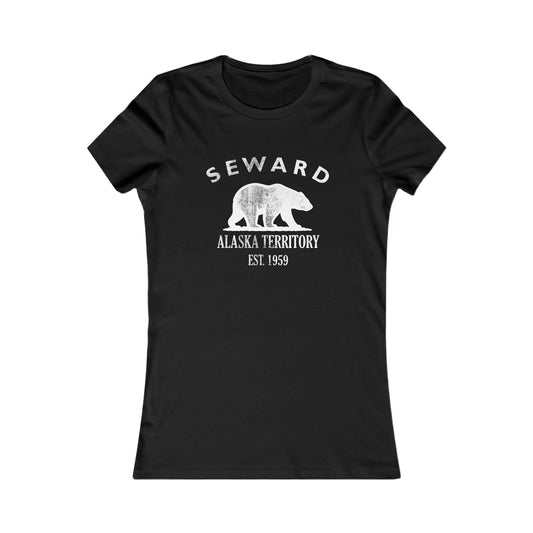
Our Seward logo carries the Alaska bear above ‘Alaska Territory — Est. 1959,’ the shared retro emblem of our Alaska towns, with 1959 marking statehood. The bear stands for the wilderness at the town's back — the mountains, the icefield, the country the trail and the rails were built to reach. Rendered in the distressed black-and-white of an outfitter's stamp, it ties Seward to every other Alaska town we make. What makes this one Seward is the water behind the bear: Resurrection Bay, the fjords, and the end of the line.
So Seward gathers a Russian-named bay, the end of the rails, Mile 0 of a gold-rush trail, and the flag of Alaska itself onto one deep, ice-free harbor. Our Seward designs gather that into wearable form. Wear the history. Mile 0, on Resurrection Bay.

Seward, Alaska — Travel Guide
Visiting Seward Today
Seward sits at the head of Resurrection Bay on the Kenai Peninsula, about 125 miles south of Anchorage by rail and highway. It is the gateway to Kenai Fjords National Park, with a lively small-boat harbor, glacier trails, an oceanfront aquarium, and the Mile 0 marker of the historic Iditarod Trail — all ringed by mountains and ice.
Resurrection Bay, Kenai Fjords & the Iditarod Mile 0
For visitors looking for things to do in Seward, Alaska:
- Cruise Resurrection Bay into Kenai Fjords National Park for tidewater glaciers, whales, and seabird rookeries.
- Visit the Alaska SeaLife Center on the waterfront, with seabird aviaries, touch tanks, and marine research.
- Hike the trails to Exit Glacier and the edge of the vast Harding Icefield, just west of town.
- Find the Iditarod Trail Mile 0 marker on the waterfront and walk the paved path along the bay.
- Stroll Waterfront Park and the small-boat harbor for boats, mountains, and sea air.
- See the Benny Benson Memorial, honoring the boy who designed the Alaska flag in Seward.
- Visit the Seward Museum, run by the Resurrection Bay Historical Society, for the railroad, the trail, and 1964.
- Time a Fourth-of-July trip for the grueling Mount Marathon Race up the peak behind town.
Why People Visit Seward
Seward blends marine science with glacier access and harbor life. Visitors mix easy waterfront walks with boat tours, public art, and museums, all beneath the mountains. It is dramatic, friendly, and photogenic, with year-round appeal in its parks, paths, and public spaces. Frontier railroad history and the wild coast sit side by side here — history and everyday Alaska life together in a welcoming way.
Wear the History
Kindred Cities
Welcome, friends from Obihiro, Japan (ようこそ) — our partner across the North Pacific.
Seward and Obihiro have been friends since 1968, one of the oldest Alaska-Japan bonds. Obihiro spreads across Hokkaido's Tokachi plain, a farming hub of big skies and cold winters; Seward sits at the head of Resurrection Bay beneath the mountains, gateway to the glaciers of Kenai Fjords. Two northern towns that share long winters, a love of the outdoors and decades of students crossing the ocean between them.
Since 1968 the two have swapped more than students: Seward sends an Alaskan gold pan to crown Obihiro's Heigen Festival, and Obihiro sends trophies for Seward's grueling Mount Marathon race and its Silver Salmon Derby.
Come from Obihiro and Seward will hand you the wild coast: glacier cruises into Kenai Fjords, the Alaska SeaLife Center on the bay, the punishing Fourth of July run up Mount Marathon, and salmon pulled straight from Resurrection Bay. Come and visit us soon.
When you plan the trip, the Seward Chamber of Commerce is the place to start.
Wear the History

For deeper reading on the Seward history described here — Resurrection Bay and Baranov's 1792 shipyard, the Sugpiaq/Alutiiq homeland, the 1880s Lowell settlement and the 1903 railroad founding, the Gateway City years and the Alaska Railroad ocean terminus, Mile 0 of the Iditarod Trail, Benny Benson and the 1927 Alaska flag, and the 1964 Good Friday earthquake — it may be useful to consult (1) the Resurrection Bay Historical Society and the Seward Community Library & Museum, (2) the Iditarod Historic Trail Alliance, (3) the Alaska State Library, Archives & Museum, (4) the Kenai Peninsula Borough, and (5) the Seward Historic Preservation Commission. For travel and visitor information, it may be useful to contact (1) the Seward Chamber of Commerce (Visit Seward), (2) Travel Alaska, (3) the National Park Service for Kenai Fjords, (4) the Alaska SeaLife Center, and (5) the Alaska Railroad and the Kenai Fjords day-cruise operators at the small-boat harbor.
- Choosing a selection results in a full page refresh.
- Opens in a new window.