Every design is set in hand-lettered vintage type for that old-school, crate-label look. One sample color shown — black and white logo options on every piece. Recently in the national press. Enjoy!
-
Westport Connecticut Vintage Retro Back Printed Art Series Cotton Tee - Black Logo
Regular price From $36.02 USDRegular price -
Westport Connecticut Vintage Retro Premium Crewneck Sweatshirt - Black Logo
Regular price $48.00 USDRegular price -
Compo Yacht Club Tee | Vintage Martini Burgee Pennant | Preppy Nautical Comfort Colors 1717 | Westport CT Sailing Gift | Est. 1920
Regular price $36.00 USDRegular price -
Westport Connecticut Vintage Retro Womens Fitted Ringspun Cotton Tee - Black Logo
Regular price $28.00 USDRegular price -
Minuteman Crystal Glass Ornament — Kneeling Minute Man Statue with Santa Hat, Faceted Edge | Est. 1775
Regular price $24.00 USDRegular price -
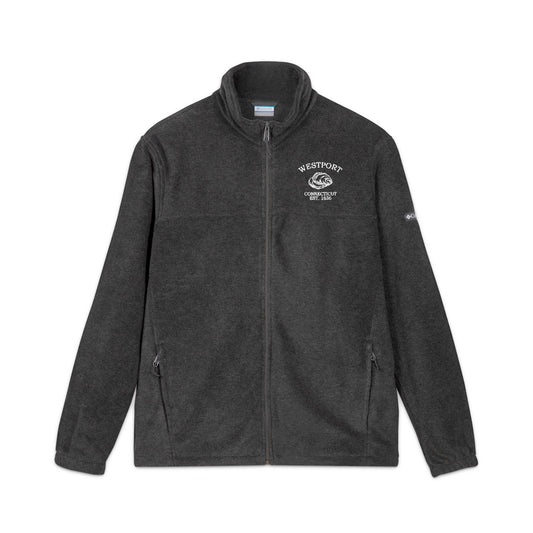
Westport Connecticut Vintage Retro Unisex Embroidered Fleece Jacket - White Logo
Regular price $98.00 USDRegular price -
Greens Farms Railroad Tee | Vintage GFRR Monogram Seal | Preppy Westport CT Gift | Comfort Colors 1717 | Est. 1852
Regular price $36.00 USDRegular price -
Westport Connecticut Vintage Retro Premium Crewneck Sweatshirt - White Logo
Regular price $48.00 USDRegular price -
Westport Connecticut Vintage Retro Minuteman Holiday Cotton Tee - White Logo
Regular price $36.00 USDRegular price -
-
-
Westport Connecticut Vintage Retro Embroidered Cotton Cap - Black Logo
Regular price $32.00 USDRegular price -
Westport Connecticut Vintage Retro Unisex Heavy Cotton Hoodie - Black Logo
Regular price $56.00 USDRegular price -
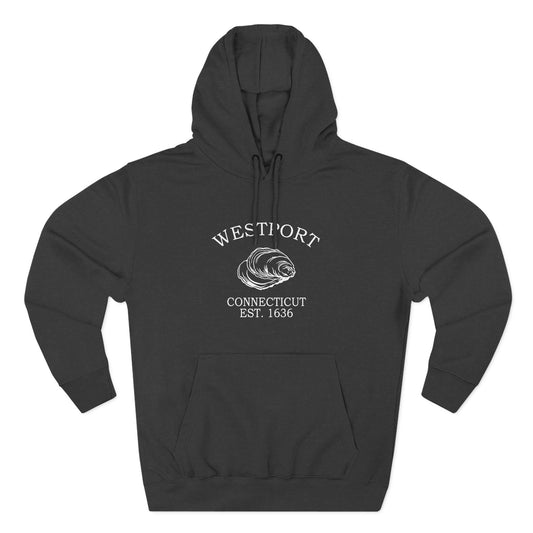
Westport Connecticut Vintage Retro Unisex Heavy Cotton Hoodie - White Logo
Regular price $56.00 USDRegular price -
Westport Connecticut Vintage Retro Art Series Poster
Regular price From $38.00 USDRegular price -
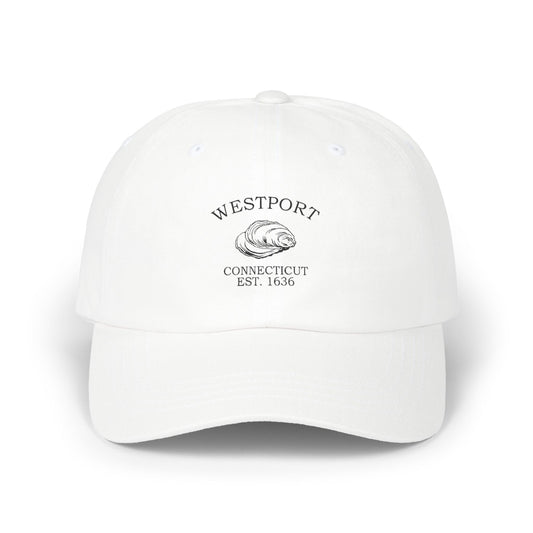
Westport Connecticut Vintage Retro Embroidered Cotton Cap - White Logo
Regular price $32.00 USDRegular price -
Westport Connecticut Vintage Retro Unisex Heavy Cotton Tee - Black Logo
Regular price $22.00 USDRegular price -
Westport Connecticut Vintage Retro Unisex Heavy Cotton Tee - White Logo
Regular price $22.00 USDRegular price -
Westport Connecticut Vintage Retro Cotton Canvas Tote Bag - Black Logo
Regular price $25.00 USDRegular price -
Westport Connecticut Vintage Retro Cotton Canvas Tote Bag - White Logo
Regular price $25.00 USDRegular price -
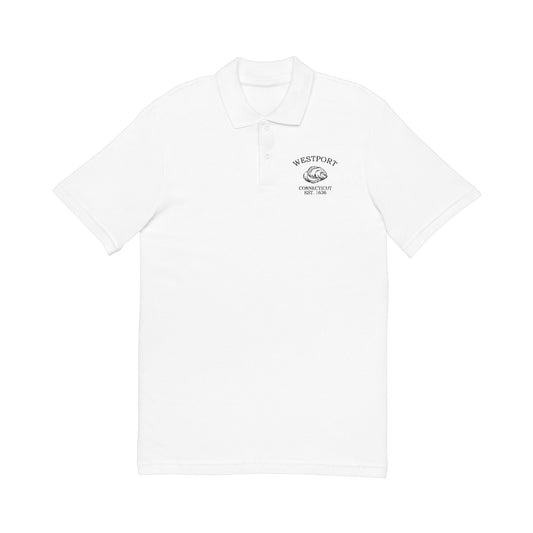
Westport Connecticut Vintage Retro Unisex Embroidered Cotton Polo - Black Logo
Regular price $48.00 USDRegular price -
Westport Connecticut Vintage Retro Cotton Jersey Baby Bodysuit - Black Logo
Regular price $26.00 USDRegular price -
Westport Connecticut Vintage Retro Ceramic Mug - Black Logo
Regular price From $16.00 USDRegular price -
Westport Connecticut Vintage Retro Vinyl Sticker - Black Logo
Regular price From $6.00 USDRegular price -
Westport Connecticut Vintage Retro Thank You Card Set - Black Logo
Regular price From $25.00 USDRegular price -
Westport Connecticut Vintage Retro Unisex Cotton Jersey Tank Top - White Logo
Regular price $28.00 USDRegular price -
Westport Connecticut Vintage Retro Unisex Cotton Jersey Tank Top - Black Logo
Regular price $28.00 USDRegular price -
Westport Connecticut Vintage Retro Unisex Heavy Crewneck Sweatshirt - White Logo
Regular price $44.00 USDRegular price -
Westport Connecticut Vintage Retro Unisex Heavy Crewneck Sweatshirt - Black Logo
Regular price $44.00 USDRegular price











Westport Connecticut — Retro Vintage History
What's with the Illustrators? More than 160 illustrators lived and worked in Westport between 1900 and the 1940s. They began arriving just after the turn of the century, when the old farms thinned out and left cheap houses an hour by train from the New York magazines that paid them — George Hand Wright and his wife Anne bought a house and thirty acres here in 1908, and he is still called the founder of the colony. It compounded from there: by the 1920s a town of not quite 5,000 people was claiming the largest and most noted art colony in the United States. When a cover was due on Thursday you did not hire a model, you looked out the window, and everyone from the butcher to the fireman might turn up on a newsstand a thousand miles away. In 1948 twelve of them opened an art school in an old mill on the Saugatuck and set out to teach the rest of the country to draw by mail.
Wear the HistoryWhere you're from. Where you love. Where you explored. Where you belong.
What's with the Minute Man? The bronze Minute Man above Compo Beach, unveiled June 17, 1910, marks where Westport militia fought British troops returning from the 1777 Danbury raid. Stand at Compo, look up to the bluff, and you'll see him: a bronze militiaman kneeling with musket and powder horn, facing up the road the redcoats marched. The statue isn't a generic memorial — it marks a real shore where real farmers and townsmen turned out to fight, and it has been the symbol of Westport ever since. That shore is the heart of the town: a Long Island Sound shoreline split by the Saugatuck River, a shipping village that became an onion capital, and then one of America's great arts colonies.
QUICK FACTS — WESTPORT, CT
Westport, Connecticut was incorporated on May 28, 1835, from parts of Norwalk, Fairfield, and Weston, led by Daniel Nash and 130 petitioners.
About 1,850 British troops under General William Tryon landed at Compo Beach on April 25, 1777, to raid Danbury; returning militia fought them at the Battle of Compo Hill, and more than one hundred Continentals fell in the raid's engagements.
The Minute Man statue by Westport sculptor H. Daniel Webster was cast by Tiffany & Co. and unveiled June 17, 1910; it is one of only four known minuteman monuments in the United States.
Westport was the leading onion-growing center in the country by the late 1800s; Civil War quartermasters bought its pickled onions by the barrel.
The 1884 Saugatuck River swing bridge, known locally as the Cribari Bridge, still carries traffic beside the old shipping village.
Records at the Westport Historical Society count more than 160 illustrators living and working in Westport between 1900 and the 1940s; the Westport Country Playhouse opened in 1931 in a converted 1835 tannery.
The Famous Artists School opened in October 1948 in the old Sasco mill by the Saugatuck River, founded by twelve illustrators led by Albert Dorne with Norman Rockwell; two hundred dollars bought twenty-four lessons mailed out one at a time, and at its height the school had more than forty thousand students.
In 1956 Albert Dorne gave his pictorial reference file of more than 500,000 items to the Westport Public Library.
The war came to Westport by water. On the evening of April 25, 1777, some twenty-six British ships anchored off Compo Beach and landed about 1,850 troops under General William Tryon, who marched inland and burned the Continental supply depot at Danbury. The countryside rose behind them. On the return march the militia made the British pay, first at Ridgefield and then at the Battle of Compo Hill above the beach, where the redcoats finally cleared their way back to the ships with a bayonet charge. More than one hundred Continentals fell in the raid's engagements, among them General David Wooster, mortally wounded rallying his men.
Peace returned the town to its river. The Saugatuck River shipping village grew into a busy little port — sloops and schooners working Long Island Sound to New York — and in 1835 the villagers decided their harbor deserved its own government: led by Daniel Nash, 130 residents petitioned to incorporate a new town, drawn from parts of Norwalk, Fairfield, and Weston, and Westport was born on May 28, 1835. The village kept its salt-water character; the 1884 swing bridge across the Saugatuck — known to everyone as the Cribari Bridge — still turns beside the old shipping quarter, and the Bridge Street district beside it is on the National Register.
Then came the onions. From the 1840s to about 1890 Westport was the leading onion-growing center in the country — the fields ran down to the water, and the Southport Globe varieties bred on these hills commanded top prices in New York. Market boats left weekly with a deck full of barrels and came home with a season's fortune; during the Civil War, Army quartermasters bought Westport's pickled onions by the barrel to fight scurvy in the camps. Blight, cutworms, and western competition ended the boom by the 1890s, and one by one the onion fields were sold off to New Yorkers for summer places — the first draft of the town Westport would become.

Around 1910 something unexpected happened: artists. Illustrators, writers, and playwrights discovered the farmhouses and the shore light, and Westport became one of America's great arts colonies — F. Scott Fitzgerald rented a house on Compo Road South around 1920, and the Sound-shore world he found here is bound up with the one he later put into The Great Gatsby. In 1931 the players converted an 1835 tannery into the Westport Country Playhouse, still the town's stage today, and by mid-century the arts colony had settled into an affluent New York commuter town that never quite stopped being a colony.

Three old roads stitch the town together. The Boston Post Road — the colonial mail road, now US Route 1 — crosses the Saugatuck downtown, and mid-century travelers knew Westport by a roadside landmark on it: the Clam Box, a seafood stop whose sign and silhouette were pure New England. The Merritt Parkway sweeps through the backcountry under its famous 1930s bridges, no two alike, and the New Haven Line still carries commuters from the Westport and Saugatuck stations — the same ride to the city that turned onion fields into an arts colony and an arts colony into a suburb.

And the town still belongs to its minutemen. H. Daniel Webster, a young sculptor who settled in Westport in 1906, modeled his militiaman on First Selectman Lewis P. Wakeman; Tiffany & Co. cast the bronze, and on June 17, 1910 — Bunker Hill Day, chosen deliberately — over a thousand people came by road, train, and trolley for a clambake, a parade, and the unveiling above the beach the town had secured for the public in 1902. A pair of government cannons, placed at Compo in 1901, already guarded the shore. Webster's statue is one of only four known minuteman monuments in the country, it appears on the town flag, and Westporters still dress him for the seasons — a Santa cap in December, rabbit ears at Easter.
Our Westport logo carries the same emblem every Merlin Classics Connecticut town wears — an oyster above "Connecticut, Est. 1636," the colony's founding year, rendered in hand-printed black and white with a worn, vintage feel. The oyster is the shoreline state's mark, the through-line that ties Westport to every other Connecticut town we make. What makes this one Westport is everything around it: the landing at Compo, the Minute Man on the bluff, the Saugatuck running down to the Sound. On a tee or a cap it reads less like a souvenir and more like a small piece of the Connecticut coast — Est. 1636, worn plain.
Today Westport is known for its beaches, its theater, and a shoreline elegance that has never lost its Revolutionary bones. Its story blends a colonial shipping village, the 1777 landing at Compo, an 1835 town, an onion-farming past, and an arts colony that drew the country's illustrators and players. Our Westport designs gather that identity into wearable form — Compo Beach, the Minute Man, the Saugatuck, the Sound. Explore the collection and carry a little of the Westport shore with you.
Westport, Connecticut — Travel Guide
Visiting Westport Connecticut Today
Westport sits on Long Island Sound in Fairfield County, bisected by the Saugatuck River, about a fifty-mile commuter-rail ride from New York on the New Haven Line. Its landmarks gather along the shore and the river — Compo Beach and the Minute Man near the Sound, the Saugatuck village and downtown Main Street along the water, and the arts venues a short way inland. Summer is the Compo Beach and outdoor-theater season; spring and fall are quieter and good for the shore walks and the Revolutionary sites. April 25, the anniversary of the 1777 landing, is the town's distinctive heritage date, and in December the tree lightings — and the Minute Man in his Santa cap — give the town a Yankee-village holiday air.
Compo Beach, the Minute Man & the Saugatuck
For visitors searching for things to do in Westport, Connecticut:
- Spend a day at Compo Beach, the town's Sound-front park, and find the Minute Man statue on the bluff above the 1777 landing site — the 1901 commemorative cannons stand nearby.
- Walk the Saugatuck River waterfront and the historic Saugatuck village, the colonial shipping center the town grew from, and cross the 1884 Cribari swing bridge.
- Catch a show at the Westport Country Playhouse, founded in 1931 in a converted 1835 tannery, or a summer concert at the Levitt Pavilion.
- Browse downtown Main Street and the river walk, with shops and galleries near the water.
- Kayak to Cockenoe Island off Compo, or walk Longshore's shoreline paths and public golf course.
- Drive a stretch of the Merritt Parkway for its celebrated 1930s bridges — no two are alike.
- Read up at the Westport Library before exploring the town's deep arts-colony history.
Why People Visit Westport Connecticut
Westport draws people who love the shore, the arts, and a good story. It is a Revolutionary-War landing site with a Minute Man on the beach, a colonial shipping village turned arts colony, and a Long Island Sound shoreline of beaches, river, and marsh. Visitors come for the rare mix — history you can stand on at Compo, theater and music in the summer, and a refined New England coast an easy train ride from New York.
Wear the History
Where you're from. Where you love. Where you explored. Where you belong.
Kindred Cities
Greetings, friends from Marigny-le-Lozon, France (bienvenue) — the Normandy town Westport has called family since the war.
Westport and Marigny share one of the most touching stories a sister city can claim. Marigny, a small Normandy town, was shattered in the fighting after D-Day, and Westport soldiers passed through its ruins. When the war ended, the town back home set out to help Marigny rebuild, and the bond has held for eighty years. Westport is a leafy, artistic shore town on Long Island Sound.
Led by a Staples High School French teacher, Westport 'adopted' war-torn Marigny in the late 1940s, sending money, clothes and Christmas gifts to help it rebuild. In gratitude, Marigny named its main square the Place de Westport — a plaque stands there to this day.
Come from Marigny and Westport will welcome you warmly: Compo Beach and Long Island Sound, a downtown of galleries and cafés, the Westport Country Playhouse, and a town that never forgot the friends it made in Normandy. Come and visit us soon.
When you plan the trip, the Westport Chamber of Commerce is the place to start.
Wear the History
Where you're from. Where you love. Where you explored. Where you belong.

For deeper reading on the Westport, Connecticut history described here — the colonial Saugatuck River shipping village, the April 25, 1777 British landing at Compo Beach and the Battle of Compo Hill, the May 28, 1835 incorporation of the town from Norwalk, Fairfield, and Weston, the nineteenth-century onion-farming era, the sculptor H. Daniel Webster and the June 17, 1910 unveiling of the Minute Man, the 1884 Saugatuck River swing bridge, the early-twentieth-century arts colony, the 1931 Westport Country Playhouse, and the postwar sister-city bond with Marigny-le-Lozon in Normandy — it may be useful to consult (1) the Westport Museum for History & Culture (the Westport Historical Society), (2) the Westport Library and its local-history collection, (3) the Connecticut State Library and State Archives, (4) the Westport Public Art Collections records on the Minute Man, and (5) the National Society of the Sons of the American Revolution for the Compo Hill engagement. For travel and visitor information, it may be useful to contact (1) the Westport Department of Parks & Recreation for Compo Beach and Longshore, (2) the Westport Country Playhouse and the Levitt Pavilion for performance schedules, (3) the Westport Downtown Association, (4) the Westport Library, and (5) the Connecticut Office of Tourism.
- Choosing a selection results in a full page refresh.
- Opens in a new window.