


The war came to Westport by water. On the evening of April 25, 1777, some twenty-six British ships anchored off Compo Beach and landed about 1,850 troops under General William Tryon, who marched inland and burned the Continental supply depot at Danbury. The countryside rose behind them. On the return march the militia made the British pay, first at Ridgefield and then at the Battle of Compo Hill above the beach, where the redcoats finally cleared their way back to the ships with a bayonet charge. More than one hundred Continentals fell in the raid's engagements, among them General David Wooster, mortally wounded rallying his men.
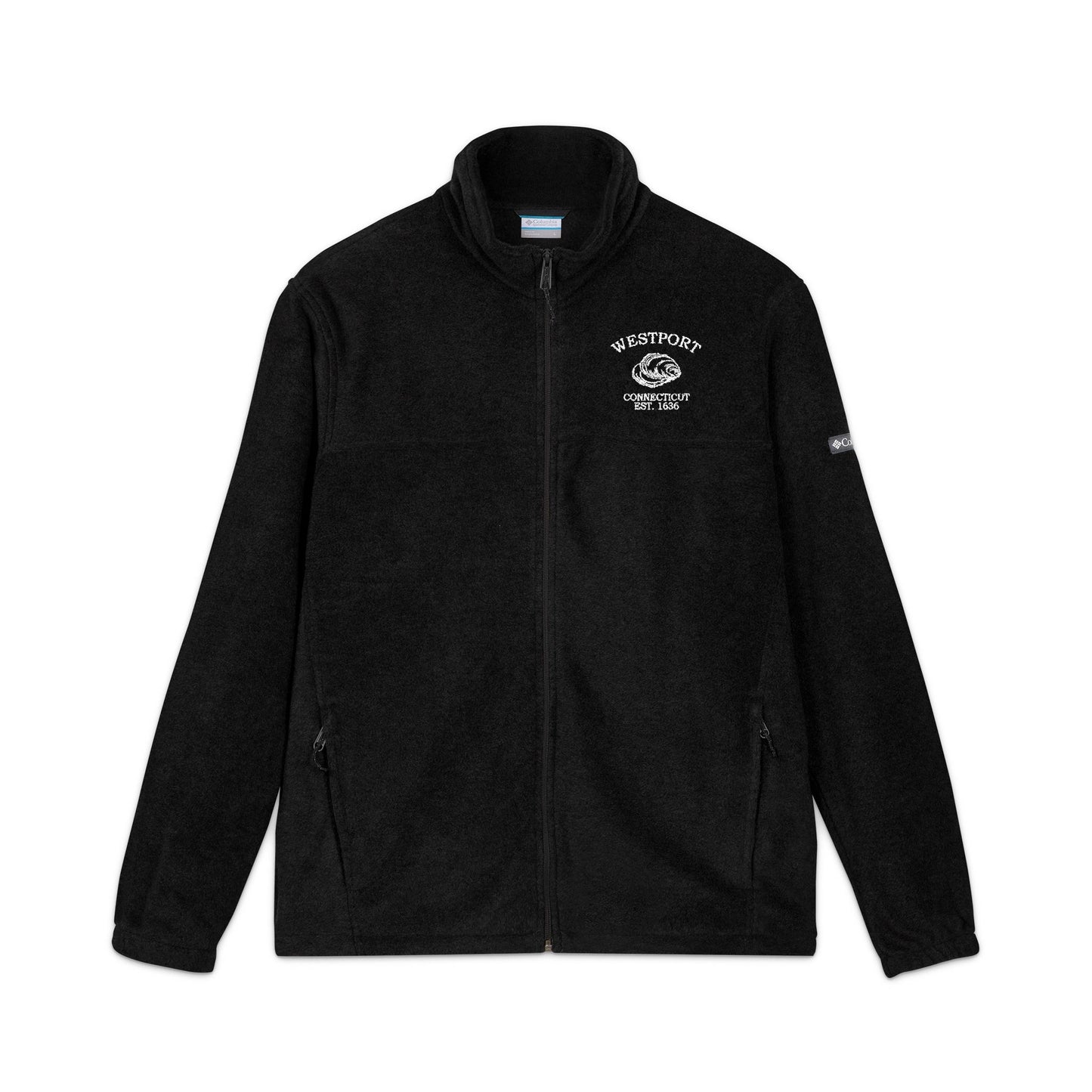
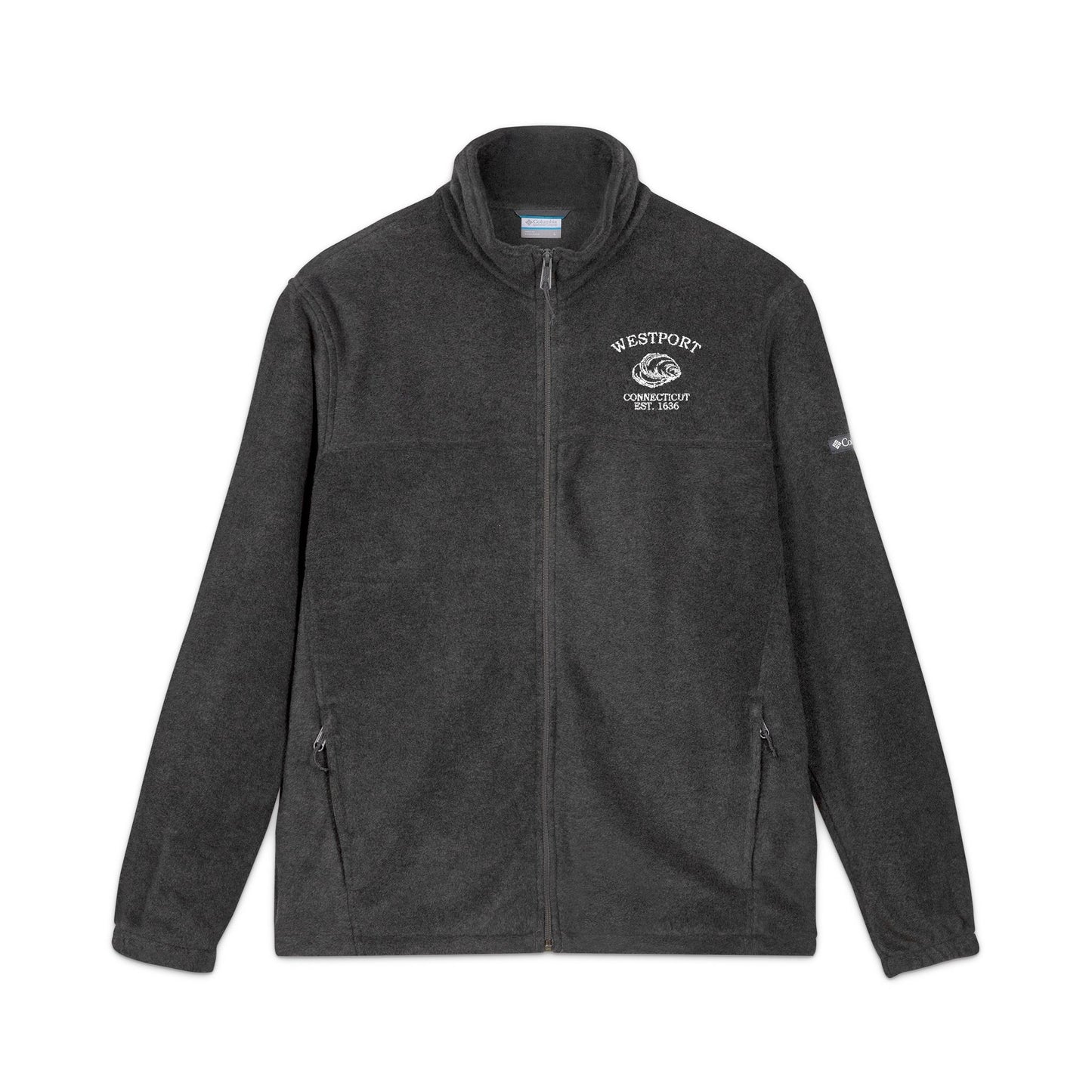
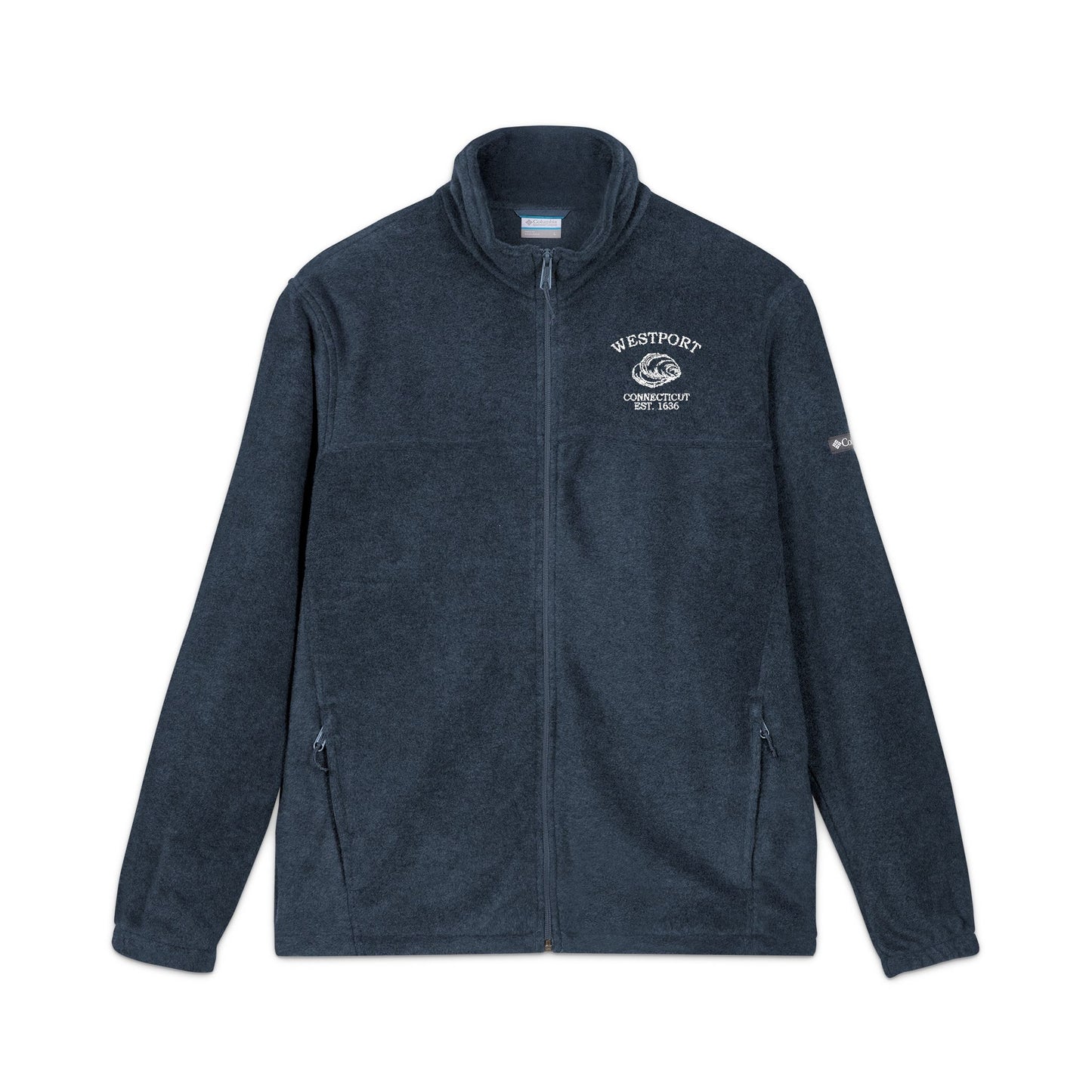
Our Westport logo carries the same emblem every Merlin Classics Connecticut town wears — an oyster above "Connecticut, Est. 1636," the colony's founding year, rendered in hand-printed black and white with a worn, vintage feel. The oyster is the shoreline state's mark, the through-line that ties Westport to every other Connecticut town we make. What makes this one Westport is everything around it: the landing at Compo, the Minute Man on the bluff, the Saugatuck running down to the Sound. On a tee or a cap it reads less like a souvenir and more like a small piece of the Connecticut coast — Est. 1636, worn plain.
Why People Visit Westport Connecticut
Westport draws people who love the shore, the arts, and a good story. It is a Revolutionary-War landing site with a Minute Man on the beach, a colonial shipping village turned arts colony, and a Long Island Sound shoreline of beaches, river, and marsh. Visitors come for the rare mix — history you can stand on at Compo, theater and music in the summer, and a refined New England coast an easy train ride from New York.
