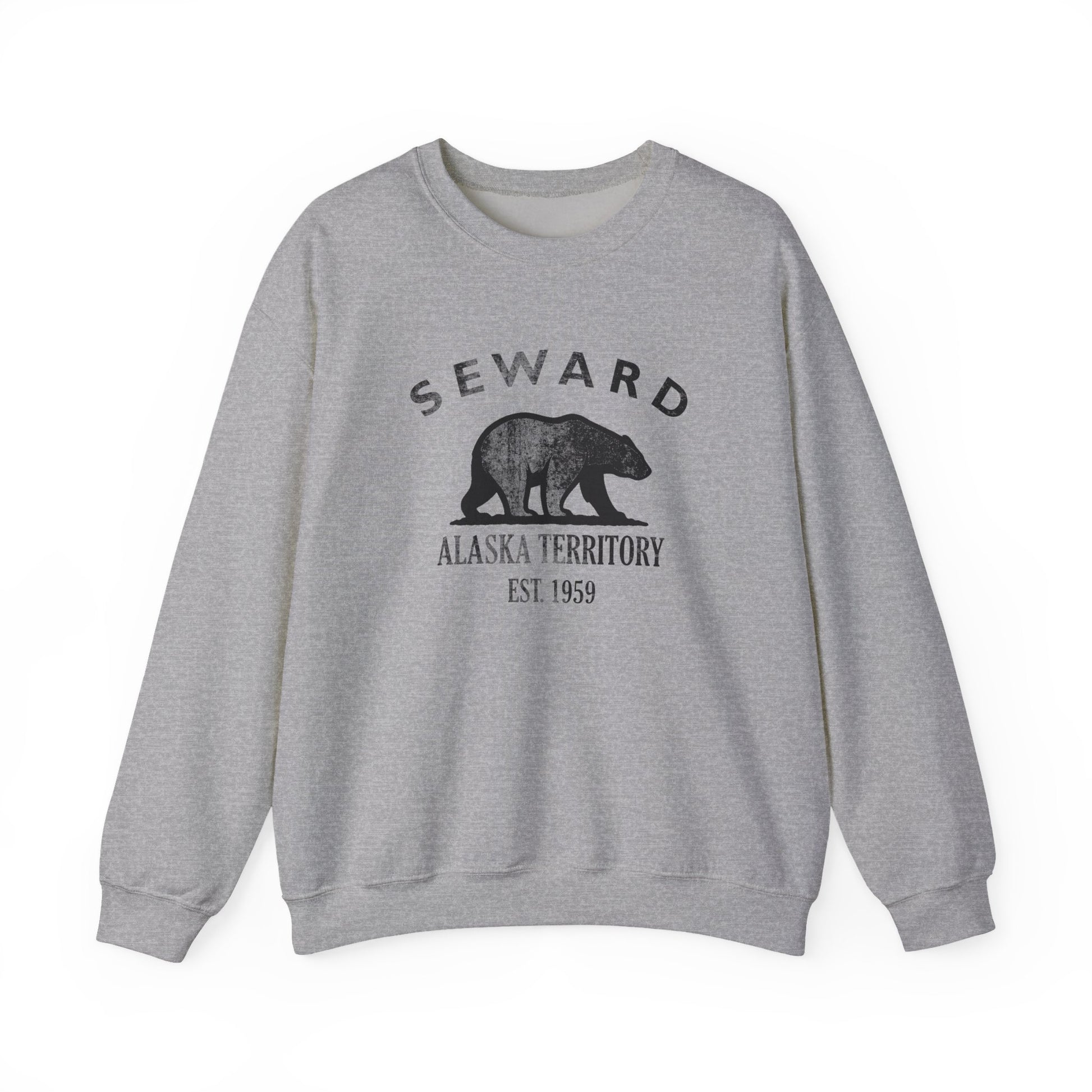
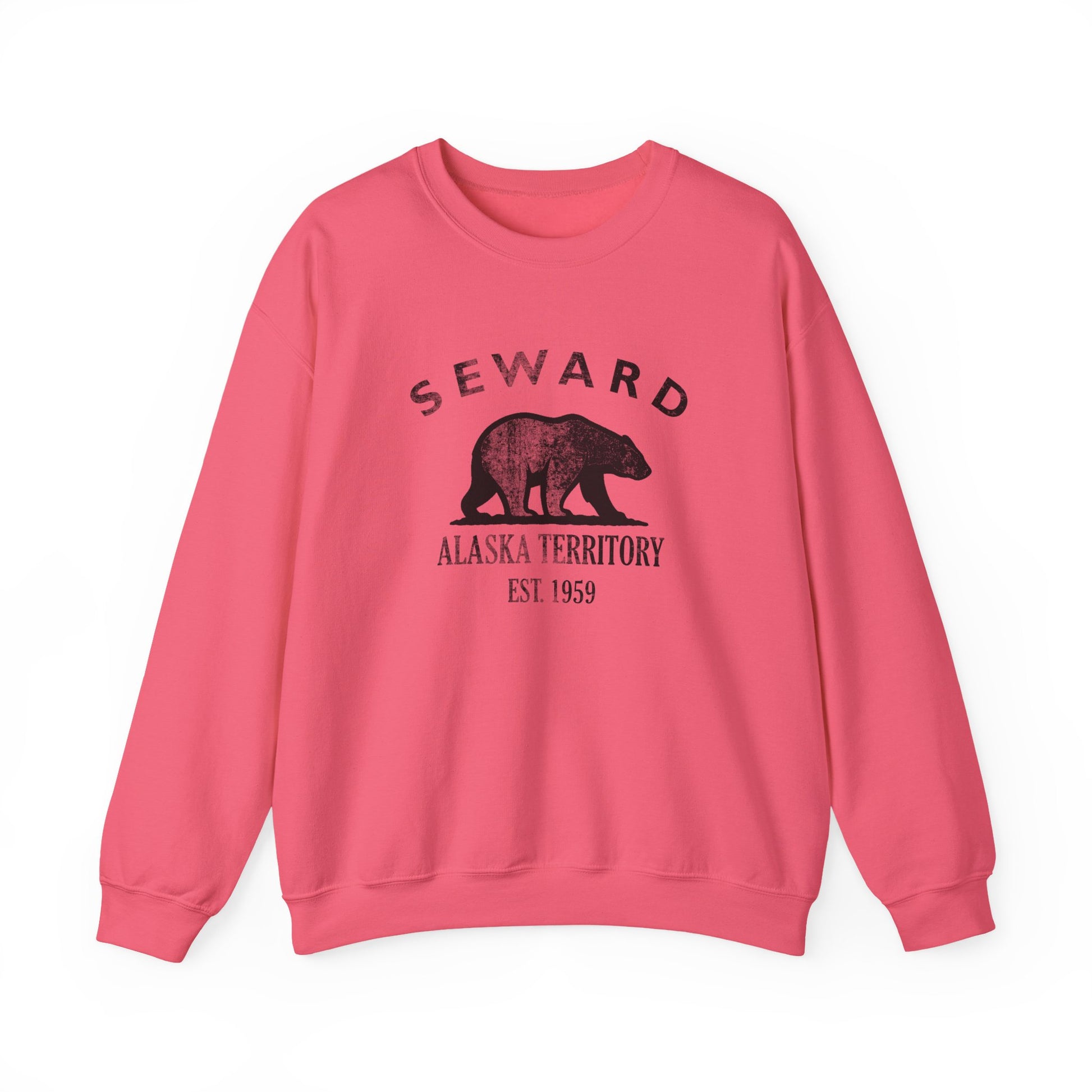
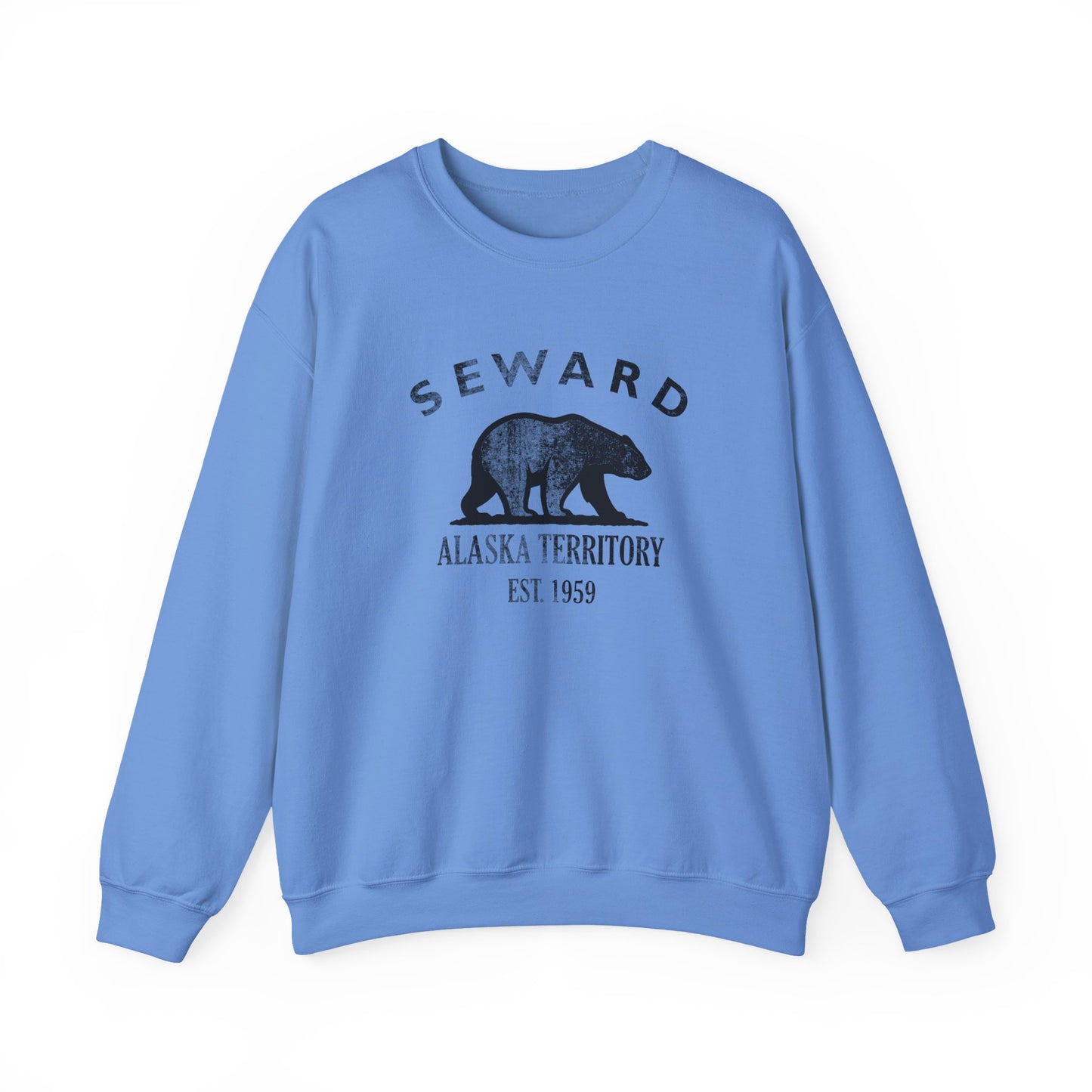
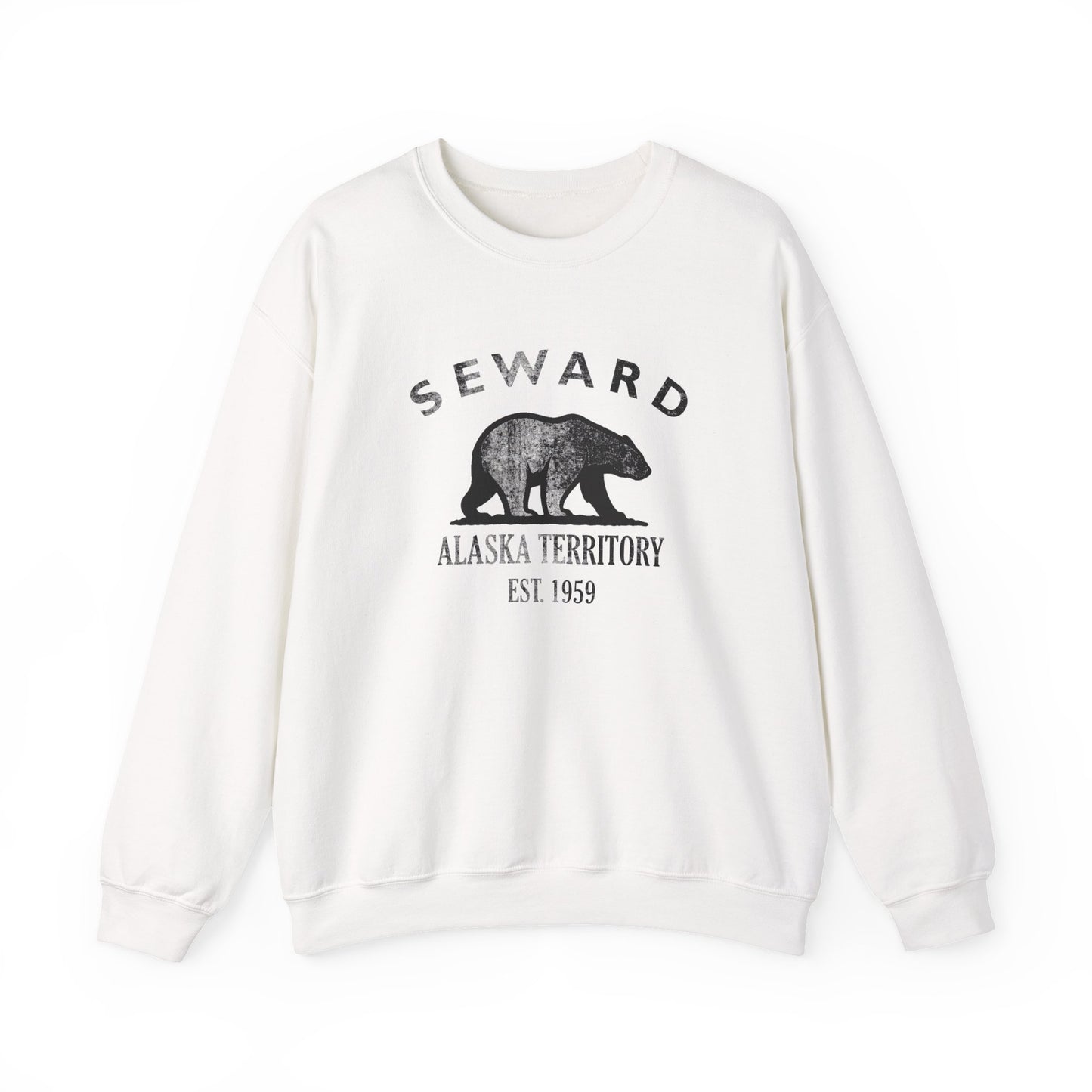
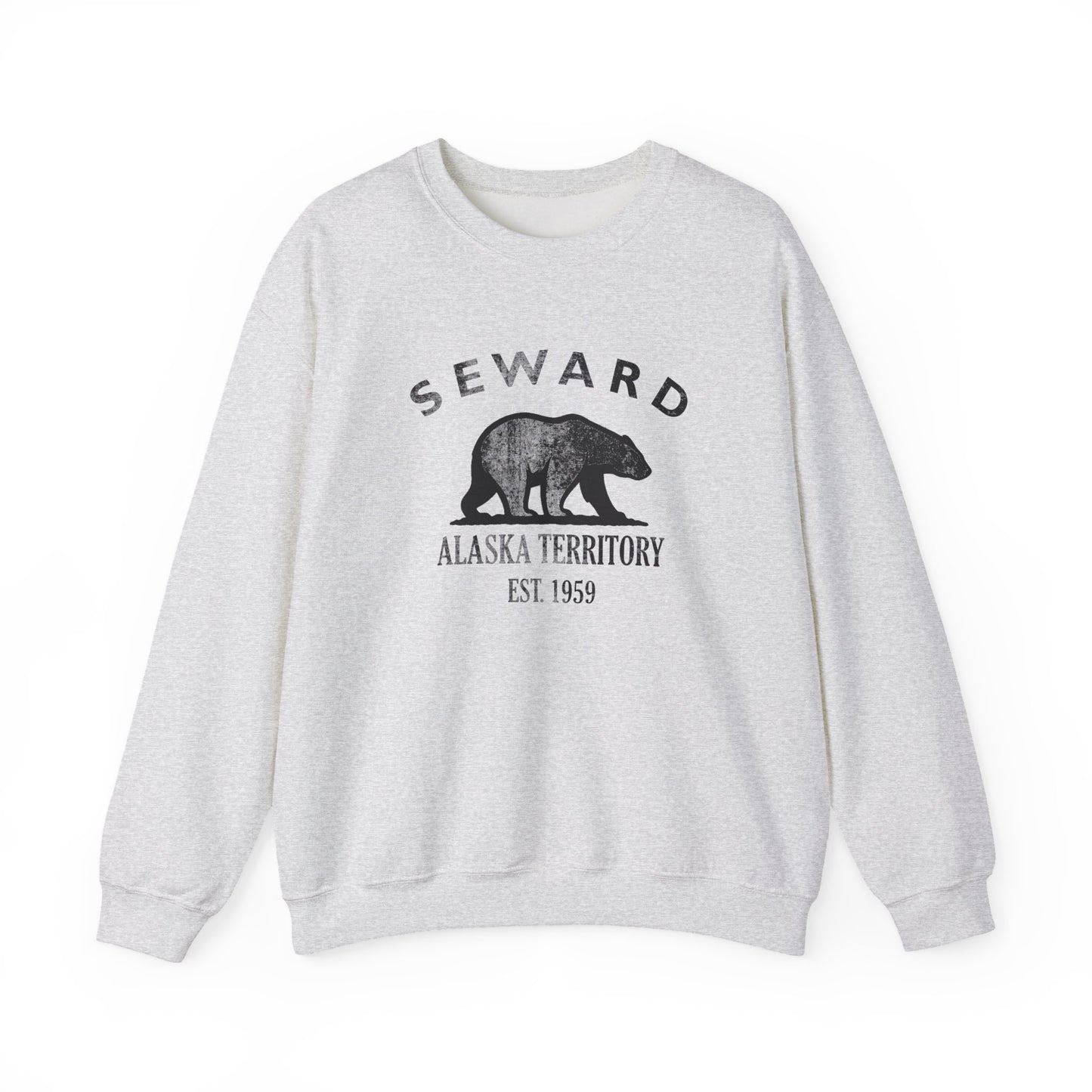
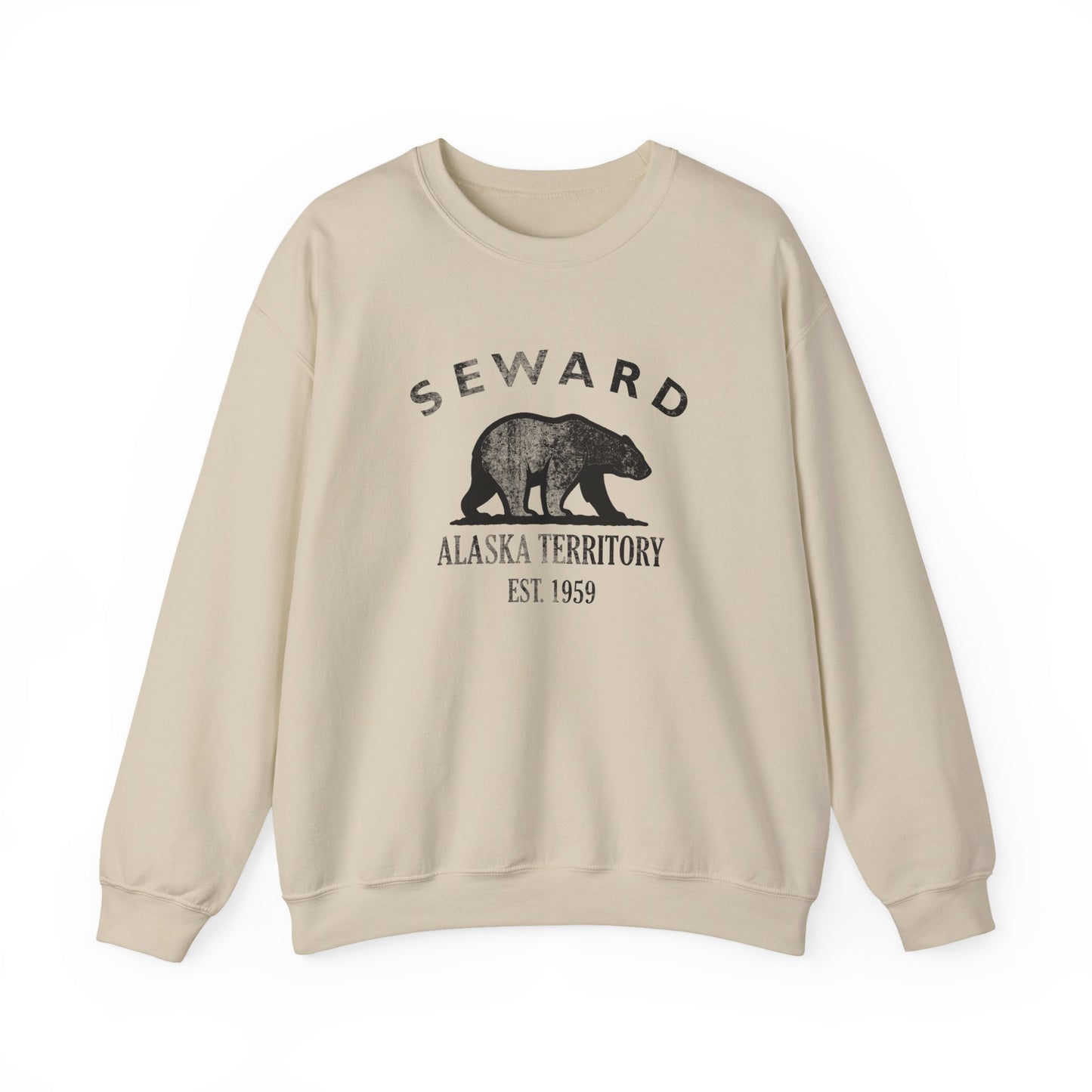
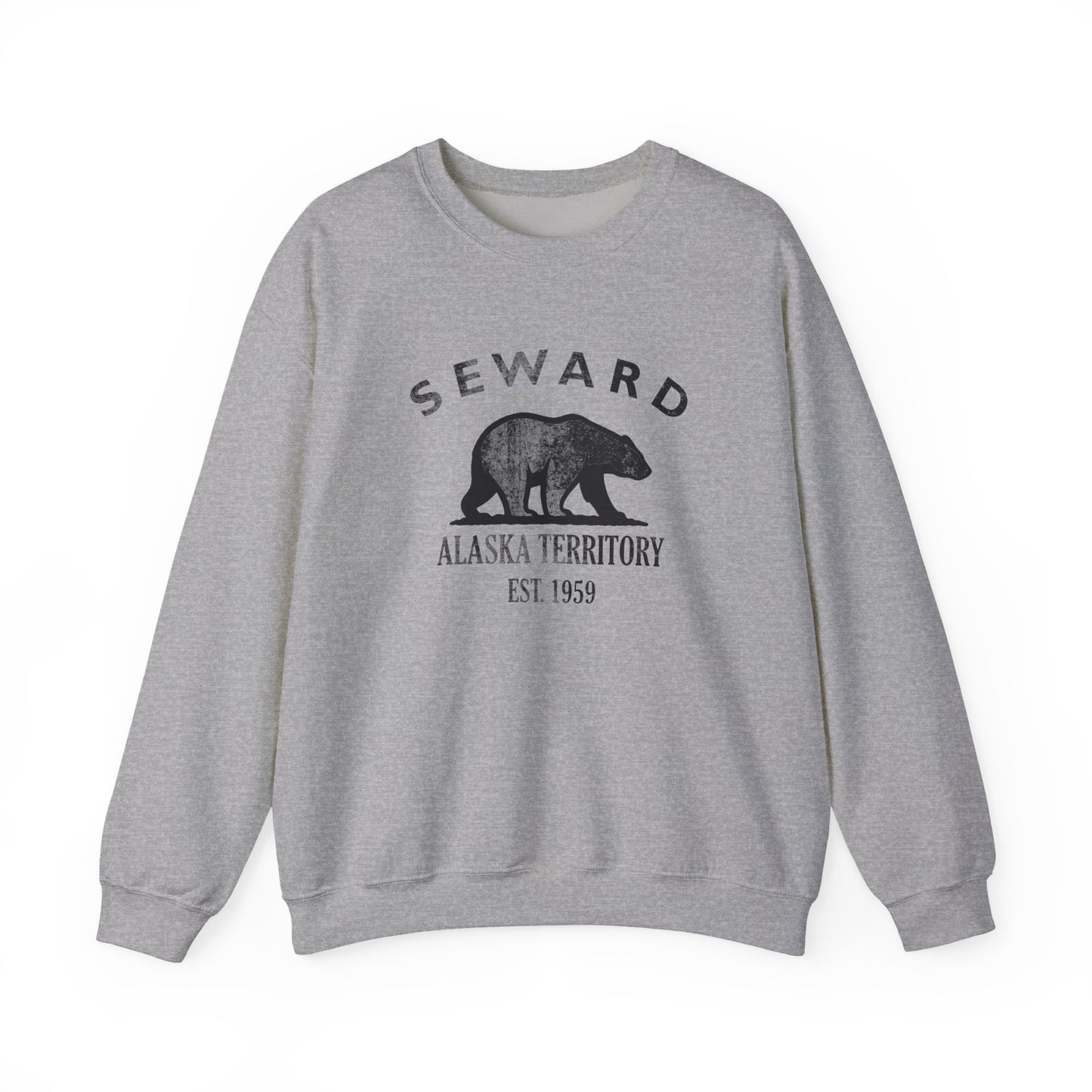
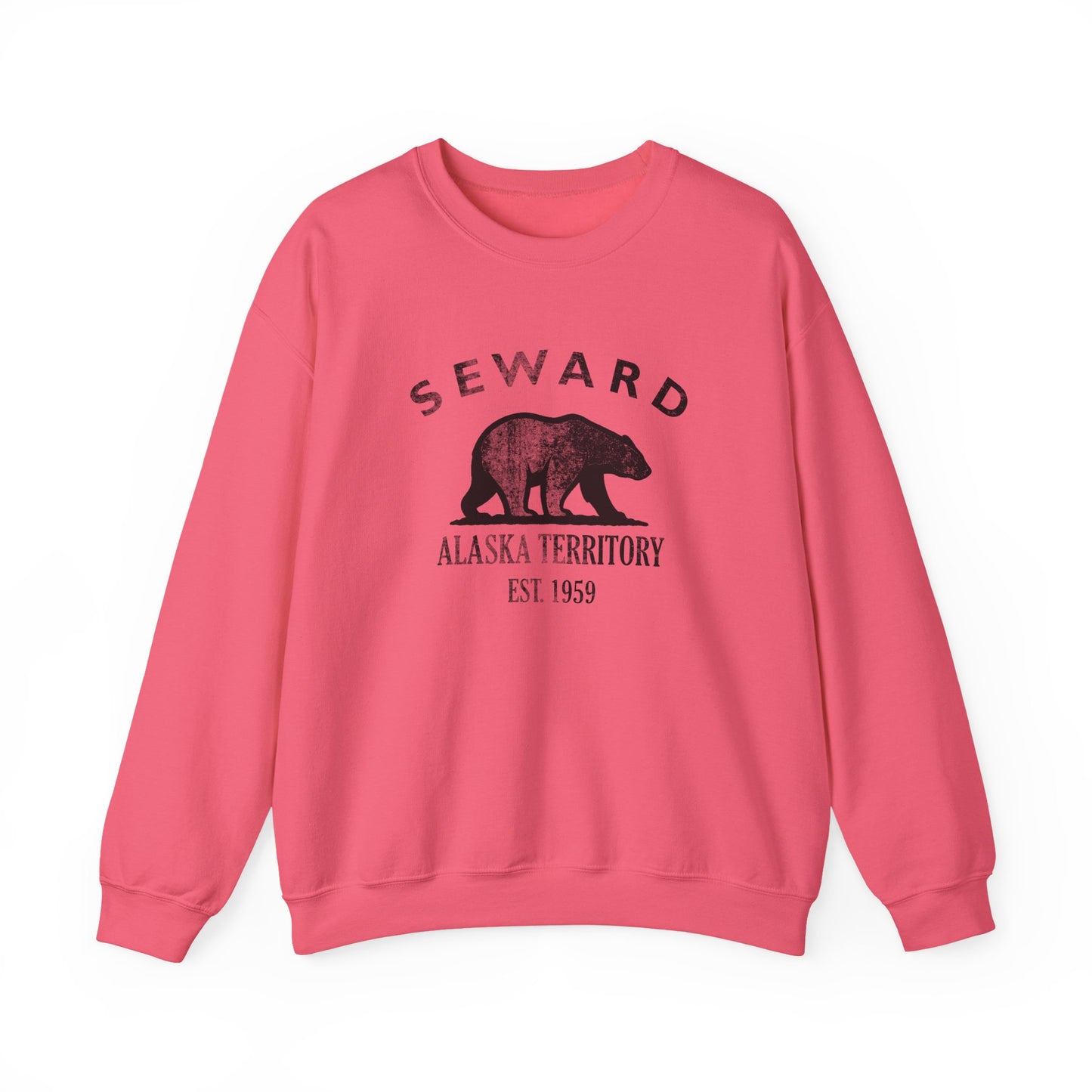
People had lived on that shore for a very long time. The Sugpiaq and Alutiiq made Resurrection Bay home for more than seven thousand years before Frank and Mary Lowell settled here in the early 1880s. The town itself dates to August 28, 1903, when John Ballaine and a party of pioneers landed to build a railroad north into the resource-rich interior. They named it for William H. Seward, the U.S. Secretary of State who had pushed through the 1867 Alaska Purchase — the deal mocked at the time as ‘Seward's Folly.’ The town belongs to the bay; the name it shares with half a dozen far-off places.
Now the wild coast that built Seward draws the world to it. The town is the gateway to Kenai Fjords National Park — day-boats run out of the harbor past tidewater glaciers, whales, and seabird cliffs, and Exit Glacier and the vast Harding Icefield sit just west of downtown. The Alaska SeaLife Center stands on the waterfront, the brutal Mount Marathon Race charges up the peak behind town every Fourth of July, and the Silver Salmon Derby fills the small-boat harbor each August. A working port became a basecamp for the wild.
Why People Visit Seward
Seward blends marine science with glacier access and harbor life. Visitors mix easy waterfront walks with boat tours, public art, and museums, all beneath the mountains. It is dramatic, friendly, and photogenic, with year-round appeal in its parks, paths, and public spaces. Frontier railroad history and the wild coast sit side by side here — history and everyday Alaska life together in a welcoming way.
