Every design is set in hand-lettered vintage type for that old-school, crate-label look. One sample color shown — black and white logo options on every piece. Recently in the national press. Enjoy!
-
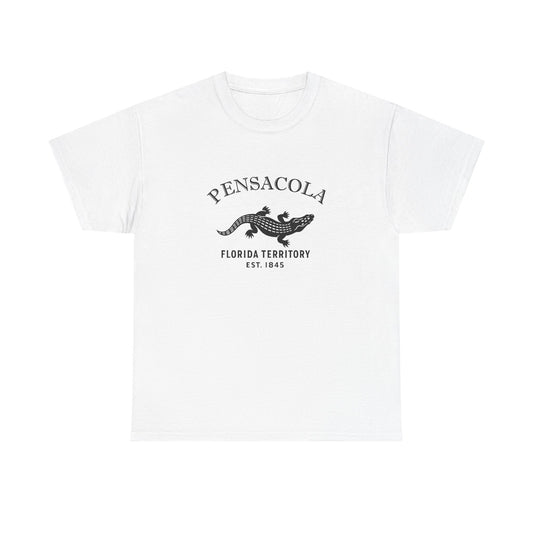
Pensacola Florida Vintage Retro Unisex Heavy Cotton Tee - Black Logo
Regular price $28.00 USDRegular price -
Pensacola Florida 1559 Ship Garment-Dyed Heavyweight Tee
Regular price $36.00 USDRegular price -
Pensacola Florida Vintage Retro Unisex Heavy Cotton Tee - White Logo
Regular price $28.00 USDRegular price -
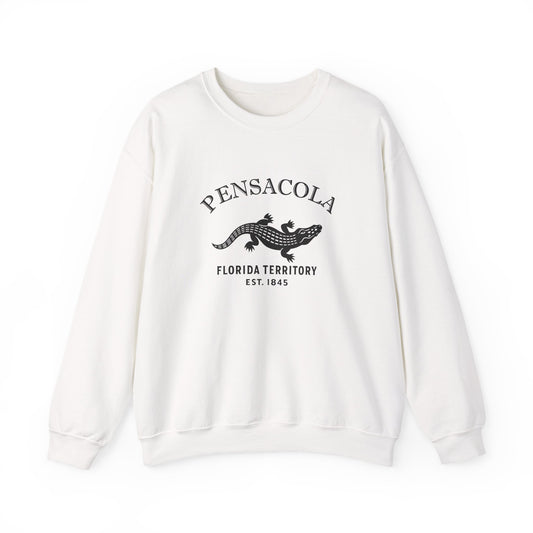
Pensacola Florida Vintage Retro Premium Crewneck Sweatshirt - Black Logo
Regular price $48.00 USDRegular price -
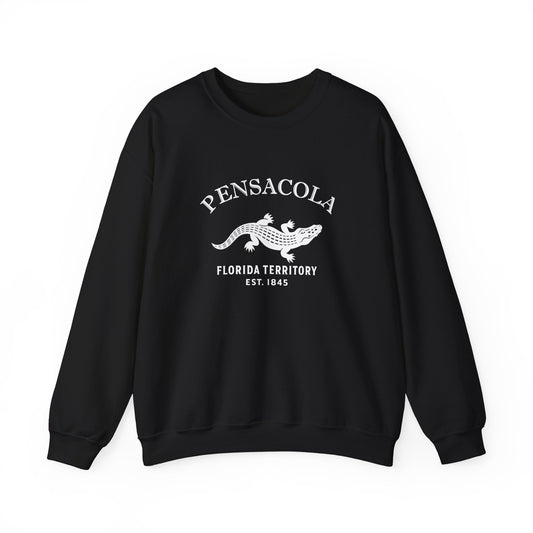
Pensacola Florida Vintage Retro Premium Crewneck Sweatshirt - White Logo
Regular price $48.00 USDRegular price -
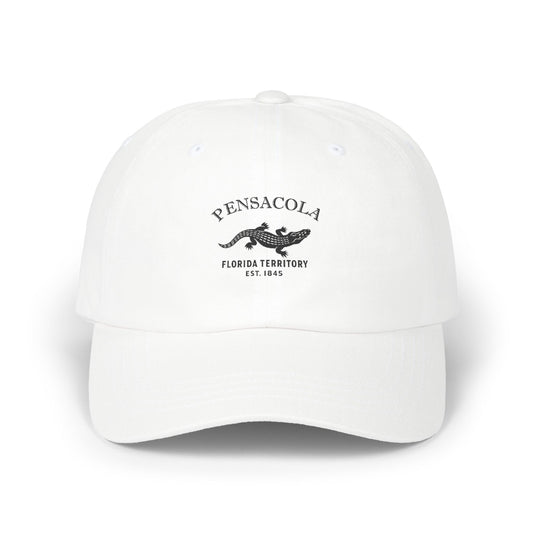
Pensacola Florida Vintage Retro Embroidered Cotton Cap - White Logo
Regular price $32.00 USDRegular price -
Pensacola Florida Vintage Retro Embroidered Cotton Cap - Black Logo
Regular price $32.00 USDRegular price -
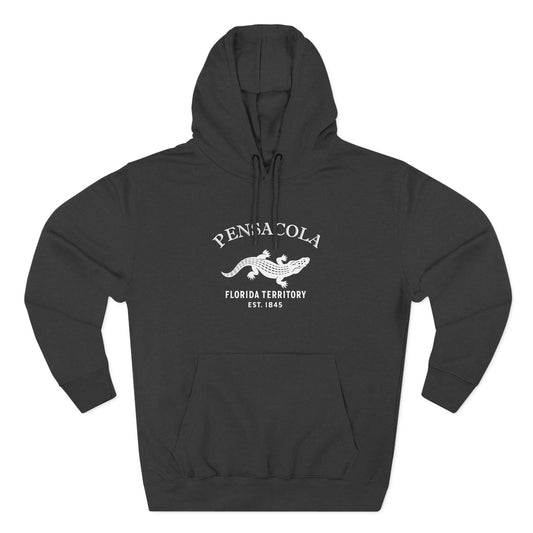
Pensacola Florida Vintage Retro Unisex Heavy Cotton Hoodie - Black Logo
Regular price $56.00 USDRegular price -
Pensacola Florida Vintage Retro Unisex Heavy Cotton Hoodie - White Logo
Regular price $56.00 USDRegular price -
-
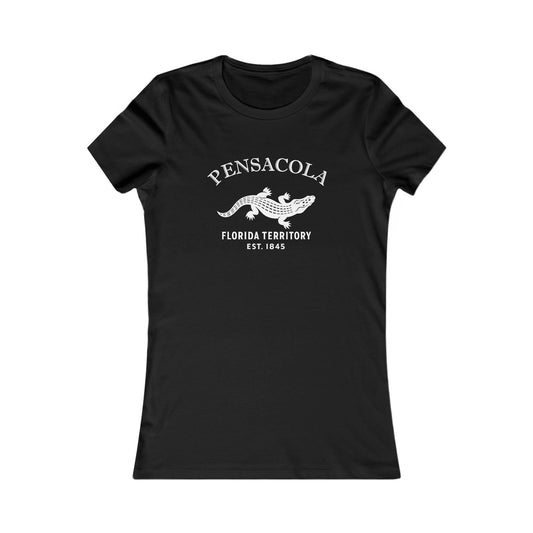
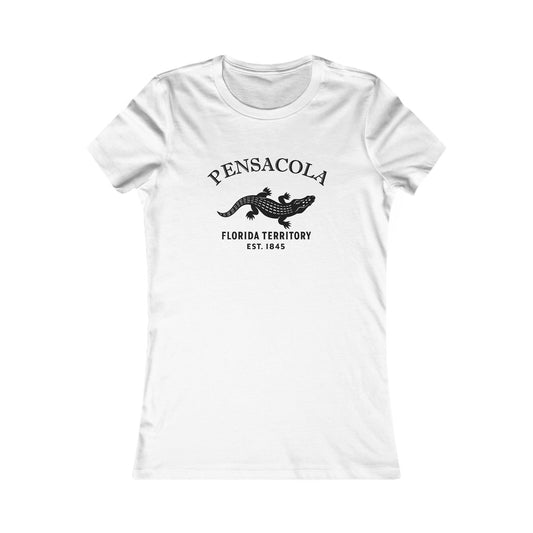
Pensacola Florida Vintage Retro Womens Fitted Ringspun Cotton Tee - Black Logo
Regular price $28.00 USDRegular price -
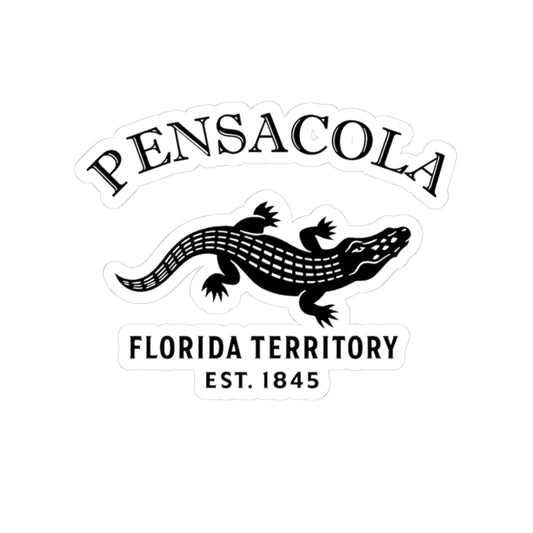
Pensacola Florida Vintage Retro Vinyl Sticker - Black Logo
Regular price From $6.00 USDRegular price -
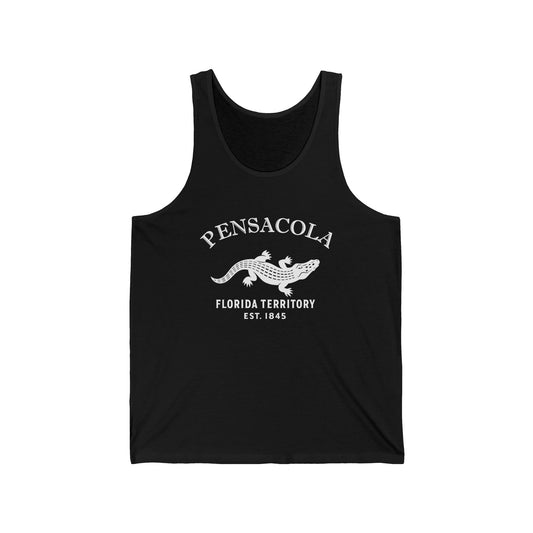
Pensacola Florida Vintage Retro Unisex Cotton Jersey Tank Top - White Logo
Regular price $28.00 USDRegular price -
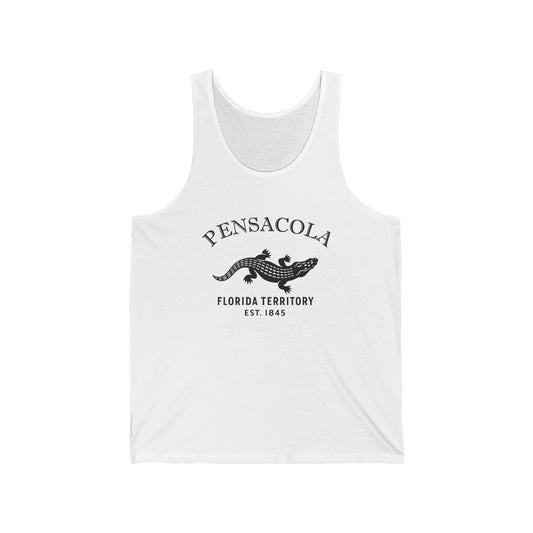
Pensacola Florida Vintage Retro Unisex Cotton Jersey Tank Top - Black Logo
Regular price $28.00 USDRegular price -
Pensacola Florida Vintage Retro Cotton Jersey Baby Bodysuit - Black Logo
Regular price $26.00 USDRegular price -
Pensacola Florida Vintage Retro Back Printed Art Series Cotton Tee - Black Logo
Regular price $32.00 USDRegular price -
Pensacola Florida Vintage Retro Giclée Print Art Series Poster
Regular price From $38.00 USDRegular price -
Pensacola Florida Vintage Retro Cotton Canvas Tote Bag - White Logo
Regular price $25.00 USDRegular price -
Pensacola Florida Vintage Retro Cotton Canvas Tote Bag - Black Logo
Regular price $25.00 USDRegular price -
Pensacola Florida Vintage Retro Unisex Embroidered Fleece Jacket - White Logo
Regular price $98.00 USDRegular price -
Pensacola Florida Vintage Retro Unisex Embroidered Cotton Polo - Black Logo
Regular price $48.00 USDRegular price -
Pensacola Florida Vintage Retro Ceramic Mug - Black Logo
Regular price From $16.00 USDRegular price -
Pensacola Florida Vintage Retro Thank You Card Set - Black Logo
Regular price From $25.00 USDRegular price -
Pensacola Florida Vintage Retro Unisex Heavy Crewneck Sweatshirt - Black Logo
Regular price $44.00 USDRegular price -
Pensacola Florida Vintage Retro Unisex Heavy Crewneck Sweatshirt - White Logo
Regular price $44.00 USDRegular price





Pensacola Florida — Retro Vintage History
America's first settlement, and the cradle of Navy wings. The Spanish planted a colony on Pensacola Bay in 1559 — six years before St. Augustine — and though a hurricane swept it away, the flags kept coming: five of them, Spanish to French to British to Confederate to American, flown over one stubborn Gulf-coast city. Today Navy jets carve the sky over sugar-white sand, U.S. naval aviators have earned their wings here since 1914, and the bay itself has begun giving up its secrets — two lost fleets, four and a half centuries of story, resting under one sheet of water. This page tells the story.
Wear the HistoryWhat's with the lost fleet of 1559? In 1559 Tristán de Luna sailed eleven ships into Pensacola Bay to plant Spain's first colony on the northern Gulf coast — Santa María de Ochuse. He arrived on August 15 with roughly 1,500 people — soldiers, colonists, enslaved Africans, and Aztec Indian allies, sailed up from Veracruz — six years before St. Augustine and forty-eight before Jamestown. Five weeks later, on September 19, a hurricane raged over the bay for twenty-four hours — Luna described it himself in a letter to the King — sinking ships that still held most of the food; by 1561 the colony was abandoned. Then the strangest part: the settlement vanished. For 456 years America's first settlement was a story without an address — until archaeologists found one of Luna's ships off Emanuel Point in 1992, a second in 2006, and in October 2015 Pensacola native Tom Garner spotted the neck of a sixteenth-century Spanish olive jar on a cleared residential lot within sight of the wrecks. Shovel tests confirmed it: Luna's colony, found at last — and a third ship followed in 2016, the fleet accounted for. And Luna's ships are not the only lost fleet under this bay.
QUICK FACTS — PENSACOLA, FL
In 1559 Tristán de Luna founded the first multi-year European settlement in the continental U.S. on Pensacola Bay — six years before St. Augustine, forty-eight before Jamestown.
A hurricane on September 19, 1559 — five weeks after the landing — sank much of Luna's fleet with its supplies; the colony was abandoned in 1561, and Spain returned for good in 1698.
The lost settlement was found in October 2015, on land, within sight of the shipwrecks — 456 years after its founding.
Three of Luna's ships have been found at Emanuel Point (1992, 2006, 2016); the first is the oldest shipwreck discovered in Florida waters.
Pensacola is the City of Five Flags: Spanish, French, British, Confederate, and American sovereignties have all flown here.
From the 1870s to about 1930, sail-powered snapper smacks with seawater live wells made Pensacola the red snapper capital of America.
Naval Air Station Pensacola, established 1914, was the first U.S. naval air station — the Cradle of Naval Aviation.
Pensacola Beach's sugar-white sand on Santa Rosa Island is nearly pure quartz, washed down from the Appalachians over millennia.
Long before any sail appeared on the horizon, this was the home of the Panzacola, the Indigenous people who gave the bay and the city their name. After Luna's colony failed, Spain stayed away from the bay for over a century, returning for good in 1698 to build the Presidio Santa María de Galve — the permanent resettlement that began the modern town. From there began the long tug-of-war that earned Pensacola its nickname, as empires traded the deep harbor back and forth for a hundred and twenty years.

They call it the City of Five Flags, and the count is literal: Spanish, French, British, then Spanish again, then American, then Confederate, then American once more — sovereignty over Pensacola changed hands again and again, making it one of the most-conquered cities in the country. In 1781, during the American Revolution, the Spanish general Bernardo de Gálvez took the city from Britain after sailing alone into the bay under the guns to shame his hesitant fleet into following — his motto ever after, "Yo Solo." Spain ceded Florida to the United States in 1821, and Pensacola incorporated as an American city in 1822. The nineteenth century brought lumber, naval stores, and a plantation economy built on the labor of enslaved people; the Civil War brought the Confederate flag, briefly, before the city returned to the Union. Each flag left a layer — in the street names, the colonial architecture of Seville Square, and the Creole culture of the old downtown.
What's with the holes in the hulls? The bay's second fleet wasn't sunk by a storm — it was left behind by time. After the Civil War, New England fishermen and money sailed south to a Gulf full of red snapper nobody was catching at scale, and from the 1870s to about 1930 their schooners — called smacks, nearly fifty at the peak — owned the Pensacola waterfront. They worked on an idea that sounds like a mistake: holes bored through the hull below the waterline, flooding a sealed live well amidships where thousands of pounds of snapper swam home to the dock alive, every fish caught by handline, in an age before refrigeration. When ice and the railroad arrived, Pensacola snapper landed on dinner plates in Chicago and New York, and the city became the red snapper capital of America. When engines arrived around 1900, this fleet largely said no — one of the last great commercial sailing fleets in the country. By 1930 it was gone; some of it rests on the bottom of the bay, where divers study a smack today — in the same water as Luna's ships, three centuries apart and neighbors at last.
Pensacola wears all of it at once: the Spanish-colonial bones of the old town, the forts that guarded one of the deepest natural harbors on the Gulf — Fort Pickens out on Santa Rosa Island, Fort Barrancas on the bluff — the 1859 lighthouse, and the Navy town that grew up around the air station. It's a Gulf-coast beach city and a heritage city in the same breath: sugar-white quartz sand and emerald water on one side, four and a half centuries of layered history on the other — and now the archaeology to prove it, coming up from the bay a few artifacts at a time. Few American cities can claim a deeper or stranger past, and fewer still can claim to have invented an entire branch of flight.
Our Pensacola logo carries Florida's alligator over "1845," the year of statehood and the shared emblem of every Merlin Classics Florida place. The alligator is the state in shorthand — toughness, the wild Gulf coast, the subtropical edge — printed black-and-white with the worn look of an old crate label or a woodcut stamp. What makes this one Pensacola is the place behind it: America's first settlement, the five flags, the cradle of naval aviation. On a tee or a cap it reads less like a souvenir and more like a piece of the Gulf coast — Est. 1845, worn plain.
Today Pensacola is a Gulf-coast beach city and a Navy town, proud of its title as America's first settlement, its five flags, and its place as the Cradle of Naval Aviation. Its story runs from the Panzacola bay and Luna's 1559 landing through the permanent 1698 resettlement, the Five-Flags centuries, the 1822 American incorporation, the snapper fleet that fed the country under sail, and the naval aviation born here in 1914 — with both of the bay's lost fleets now found, and still giving up their stories. Our Pensacola designs gather that identity into wearable form — the flags, the wings, the alligator, the white-sand Gulf. Pensacola, Florida — America's first settlement, the City of Five Flags, and the cradle of naval aviation since 1559.

Pensacola Florida — Travel Guide
Visiting Pensacola Florida Today
Pensacola sits at the western tip of the Florida Panhandle on Pensacola Bay, where a historic Spanish-colonial downtown meets the sugar-white sand of Pensacola Beach on Santa Rosa Island. It pairs deep history — forts, a lighthouse, the naval-aviation museum, and now the archaeology of America's first settlement — with Gulf Islands National Seashore and some of the finest beaches on the Gulf.
The Beach, the Forts & the Two Lost Fleets
For visitors searching for things to do in Pensacola, Florida:
- Tour the National Naval Aviation Museum and the historic aircraft of the Cradle of Naval Aviation.
- Explore Fort Pickens and Gulf Islands National Seashore on Santa Rosa Island — the campground inside the park puts you steps from the ramparts and the Gulf.
- Climb the 1859 Pensacola Lighthouse for views over the bay and the Gulf.
- Walk Palafox Street, Plaza Ferdinand, and Historic Pensacola Village in the colonial downtown, where the museums of the old town tell the Luna story and display artifacts from the settlement and the Emanuel Point wrecks.
- Wander the Seville Square Historic District, then the Belmont-DeVilliers neighborhood, the historic heart of the city's Black business and music culture.
- Spend a day on the sugar-white sand of Pensacola Beach — Casino Beach and the boardwalk on the Gulf side, Quietwater Beach on the sound side — and walk out the Pensacola Beach pier at sunset.
- Cross to Perdido Key and Johnson Beach for the quieter, wilder stretch of the national seashore.
- Visit Fort Barrancas on the bluff and the Advanced Redoubt, the bay's other historic defenses.
- Snap a photo at the Graffiti Bridge on 17th Avenue, the city's ever-changing folk-art landmark.
- Ride the bay ferry between downtown, the beach, and Fort Pickens in season, and watch for dolphins in the pass.
Why People Visit Pensacola Florida
People come to Pensacola for both halves of it — the beaches and the history. Sugar-white sand and emerald water on the barrier islands, and four and a half centuries of layered story in the old town and the forts, with the naval-aviation heritage overhead and America's oldest settlement story underfoot. It's a Gulf-coast vacation and an American history lesson in one welcoming city.
Wear the History
Kindred Cities
Welcome, friends from Gero, Japan (ようこそ), Macharaviaya, Spain (bienvenidos) and Pensacola's other sister towns in Spain.
Pensacola wears its history on its sleeve, and its sisters reach into both halves of it. Gero is a hot-spring town in the Japanese mountains across the Pacific. The Spanish ties run deeper: Pensacola was a Spanish colony long before it was American, and Macharaviaya, a white village above Málaga, is the birthplace of Bernardo de Gálvez, the general who took the city in 1781. Old Spain and new Japan, both at home on the Gulf.
The bond with Macharaviaya honours Gálvez, who at the Siege of Pensacola sailed alone into the bay to shame his hesitant fleet into following — his motto 'Yo Solo,' I alone. His birthplace later gifted the city a portrait of the general.
Come from Gero or from Spain and Pensacola will show you its five flags: the oldest Spanish footprint in America, forts above a turquoise bay, and the powder-white Gulf Islands beaches beyond the old town. Come and visit us soon.
When you plan the trip, Visit Pensacola is the place to start.
Wear the History

For deeper reading on the Pensacola, Florida history described here — the Panzacola people who named the bay, Don Tristán de Luna's 1559 settlement at Santa María de Ochuse (America's first multi-year European settlement), the September 1559 hurricane and the 1561 abandonment, the Emanuel Point shipwrecks and the 2015 identification of the Luna settlement site, the permanent 1698 Spanish resettlement at the Presidio Santa María de Galve, the 1781 Siege of Pensacola and Bernardo de Gálvez, the City of Five Flags and the 1821 cession and 1822 incorporation, the red snapper smack fleet of the 1870s-1930, the colonial forts and the 1859 lighthouse, and the founding of NAS Pensacola (1914) as the Cradle of Naval Aviation and the Blue Angels (1946) — it may be useful to consult (1) the University of West Florida Historic Trust, Historic Pensacola Village, and the UWF archaeology program's Luna-settlement and Emanuel Point reports, (2) the West Florida Public Libraries' local-history room, (3) the State Library and Archives of Florida and the Florida Historical Society, (4) the City of Pensacola and Escambia County records offices, and (5) the National Naval Aviation Museum and the Pensacola Lighthouse and Maritime Museum. For travel and visitor information, it may be useful to contact (1) Visit Pensacola, (2) Visit Florida, (3) the City of Pensacola Parks and Recreation department, (4) the National Park Service (Gulf Islands National Seashore) and Florida State Parks, and (5) the Pensacola International Airport (PNS) visitor desk.